
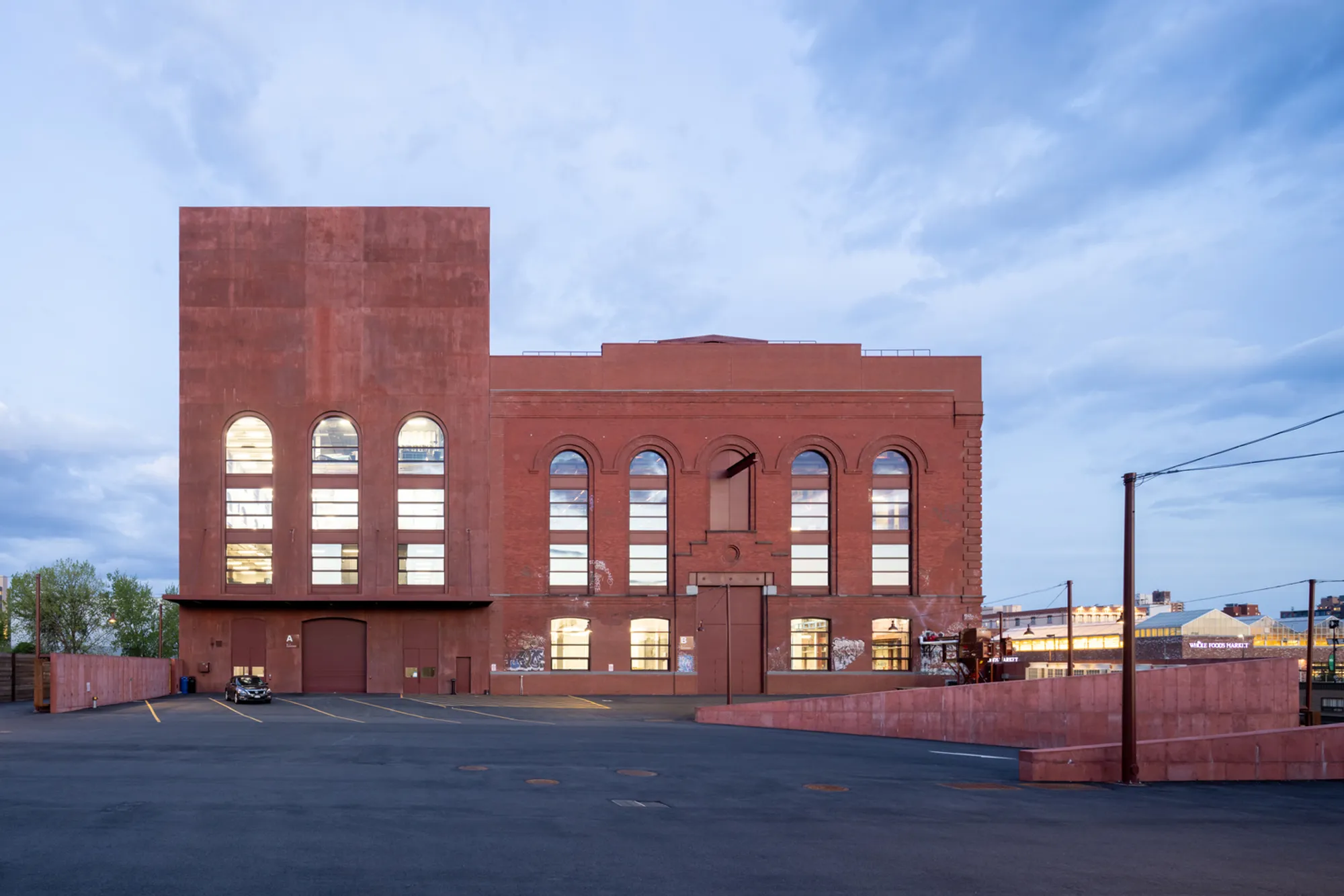
Powerhouse Arts: Adaptive Reuse of a Brooklyn Landmark by Herzog & de Meuron + PBDW Architects
Powerhouse Arts transforms a historic Brooklyn power plant into a modern arts hub, blending adaptive reuse, industrial heritage, and creative production.


Powerhouse Arts, designed by Herzog & de Meuron in collaboration with PBDW Architects, is a transformative project located in Brooklyn, New York. This adaptive reuse development reimagines the historic Brooklyn Rapid Transit Power Station—originally built in 1904—into a state-of-the-art art manufacturing hub that supports artists, fabricators, and cultural workers.
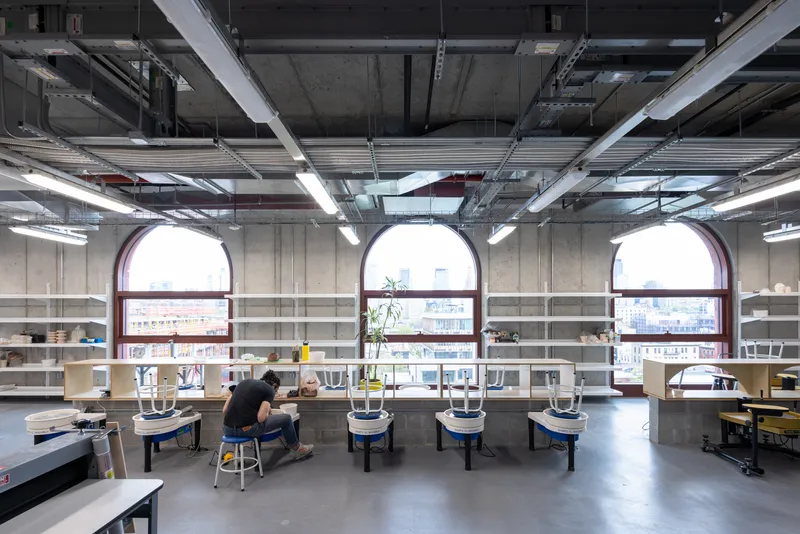
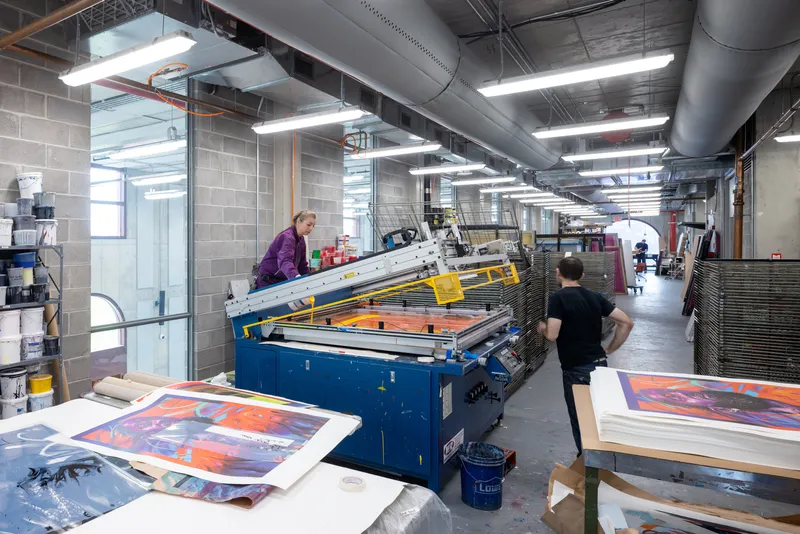
Covering 16,270 m² (170,000 sq. ft.), the facility houses workshops for wood, metal, ceramics, textiles, and printmaking, offering one of the most comprehensive platforms for art production and creative employment in the city. By reviving and reinterpreting the industrial heritage of the site, Powerhouse Arts ensures that Brooklyn’s manufacturing legacy continues well into the future.
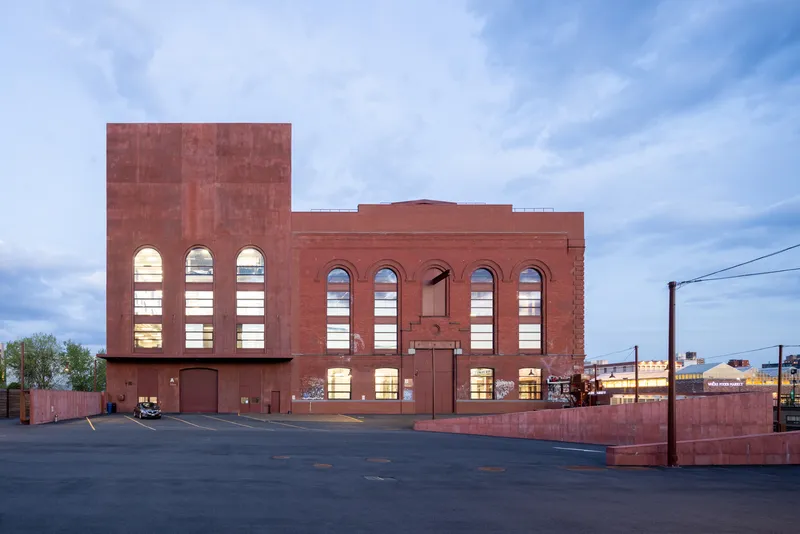
Industrial Heritage Meets Contemporary Architecture
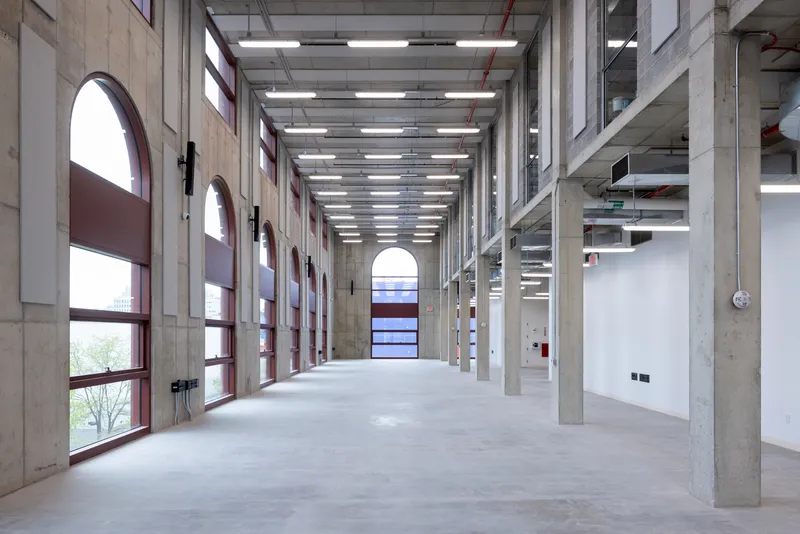
The original Turbine Hall of the 115-year-old power plant has been carefully preserved, restored, and structurally reinforced. Historical details such as brick masonry, steel trusses, glazed tiles, and even layers of graffiti have been integrated with new architectural elements, creating a striking dialogue between past and present.
The Boiler House, once demolished, has been reconstructed with a robust concrete façade. Its interior features exposed structural systems—concrete slabs and columns—that provide flexible, functional spaces for workshops. Large new windows fill historic openings, ensuring natural light floods the workspaces while maintaining the building’s industrial character.
A Vertical Workshop Model
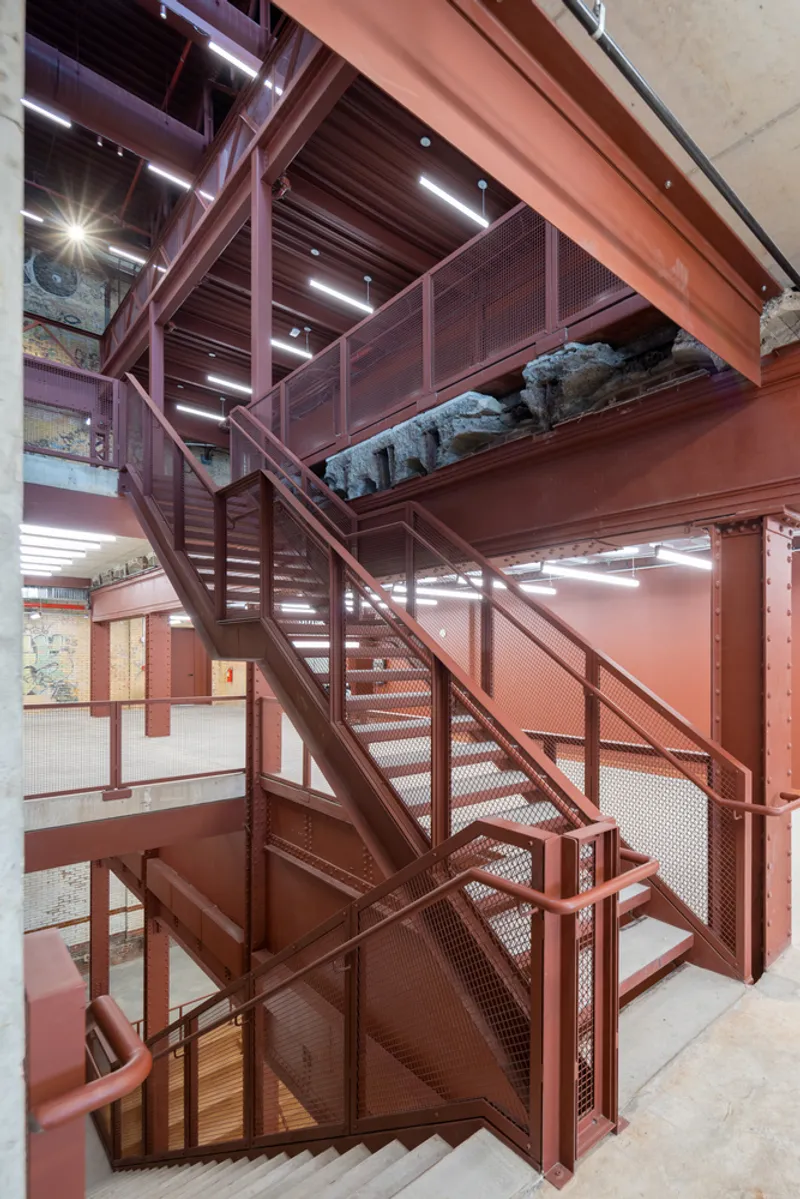
Breaking away from conventional industrial layouts, the fabrication shops are vertically stacked.
- Ground floor: Wood and metal workshops, requiring high ceilings and direct access to loading docks.
- Upper floors: Print, textile, and ceramic studios, designed with advanced exhaust and air-handling systems.
This vertical organization is supported by a central service wall that integrates circulation, plumbing, and utilities, while also reinforcing structural stability. On the roof, two large bulkhead volumes recall the site’s historic smokestacks, housing modern HVAC and MEP systems while keeping equipment above potential flood levels—an essential resiliency measure given rising sea levels.
Urban Context and Site Renewal
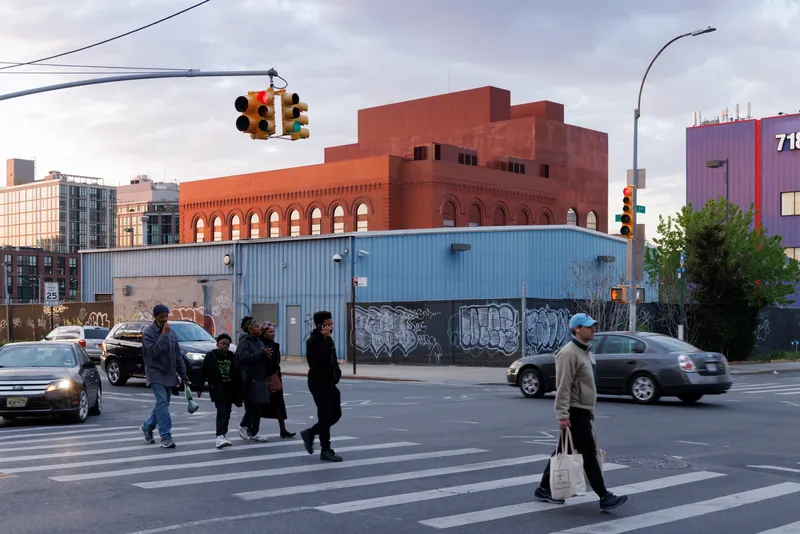
Situated along the Gowanus Canal, between Red Hook, Carroll Gardens, and Park Slope, the building occupies a prominent position in Brooklyn’s rapidly gentrifying industrial landscape. Once known as the “Batcave”—a canvas for graffiti artists in the late 20th century—the structure has been reborn as a cultural anchor.
Before construction, the site underwent full remediation through the New York State Brownfield Cleanup Program, addressing contamination from decades of industrial use. Today, the forecourt along the canal provides outdoor workspace and material loading, while a new public entrance on the east side welcomes visitors into the Turbine Hall.
Public Space and Cultural Programming
Beyond its workshops, Powerhouse Arts doubles as a cultural venue. The grand hall within the Turbine Hall retains its monumental scale, with refurbished steel trusses overhead and a flexible layout that supports exhibitions, performances, and events. A double-height volume in the Boiler House connects public programming with workshop spaces, ensuring that the building remains both a creative production site and a community gathering space.
A New Era for Brooklyn’s Creative Industry
Powerhouse Arts represents more than just a building restoration—it is an architectural and cultural revival. By blending adaptive reuse, industrial heritage, and modern fabrication infrastructure, Herzog & de Meuron and PBDW Architects have delivered a facility that strengthens Brooklyn’s reputation as a global center for art, design, and cultural innovation.
All Photographs are works of Iwan Baan




Popular Articles
Popular articles from the community


Play: Fragments of Their World
Familiar architecture becomes modular playground design, creating safe spaces where displaced children can learn, connect, imagine and play.

Lunar Spiral: Space Architecture Shaped by the Mathematics of the Universe
Lunar Spiral reimagines space architecture through Fibonacci geometry, lunar regolith, levitating habitats, and self-sustaining Moon living.

Conexión: Biophilic Design Reimagines High-Rise Living in Hong Kong
Conexión reimagines high-rise living in Hong Kong through biophilic design, green facades, shared spaces, daylight, water and nature within.

Hill & Cross Opera: Sculptural Opera House Architecture Shaped by Tallinn’s Landscape and Identity
Hill & Cross Opera reimagines opera house architecture in Tallinn through its sculptural hill, civic plaza, glass wave and a luminous cross.


Similar Reads
You might also enjoy these articles


Hodi-Mandai Geram
Project Function: Preservation and revitalization of the Intangible heritage and socio-spatial identity of the Hodi by Housing, Cultural Memory Center, Sacred Grove, landscape, local tourism economy


Olio Towers: A Mid-Rise for Performers That Fuses Housing, Rehearsal, and Stage
Located blocks from Houston's Theater District, this modular tower stacks living units around a central performance atrium.

Oasis: Modular Green Housing Carved into Dhaka's Urban Fabric
A shortlisted Plugin Housing entry reclaims unauthorized settlements in Dhaka with stepped concrete volumes, green roofs, and ventilation-driven design.

Black Hole: A Floating Megastructure for the Post-Physical Era
Emiliano Mazzarotto envisions a spherical, self-scaling arena where e-sports, digital hotels, and holographic stadiums replace traditional public space.

Explore Power Station Competitions
Discover active competitions in this discipline



Challenge to reimagine the Iron Throne


Photograph architecture without architects


Illustrate the lost glory of Angkor Wat - Render Challenge


Design challenge to reuse E-waste
Comments (0)
Please login or sign up to add comments
No comments yet. Be the first to comment!