
Ravine House: A Sustainable Design Harmonizing with Nature
Ravine House in Mississauga is a sustainable home blending architecture with nature, featuring open-air spaces and an integrated green wall.


Blending Architecture with Natural Surroundings
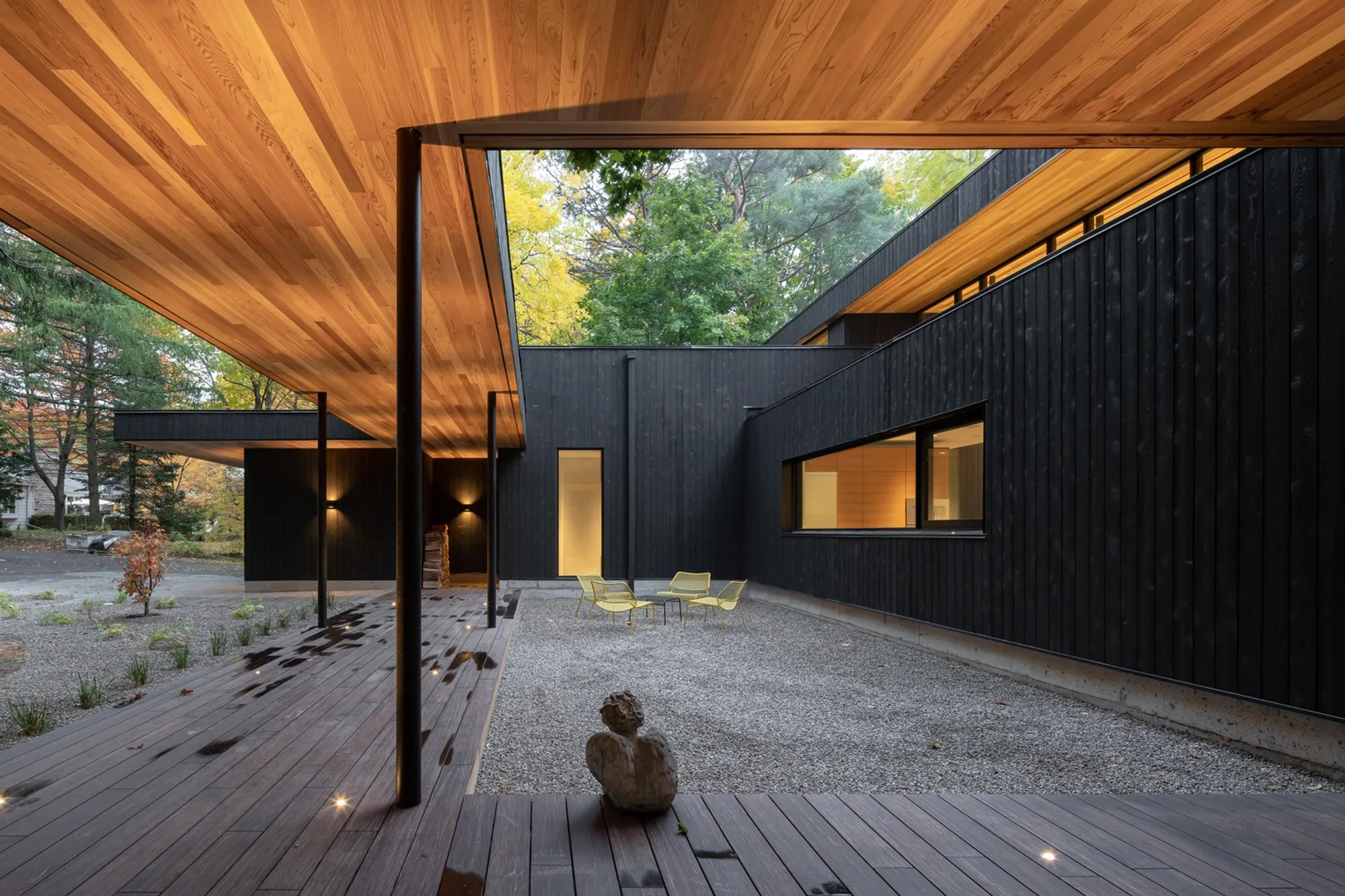
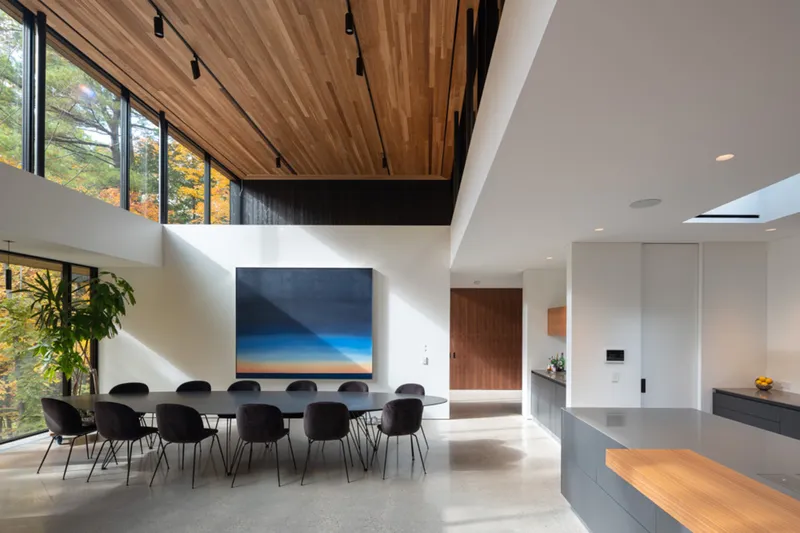
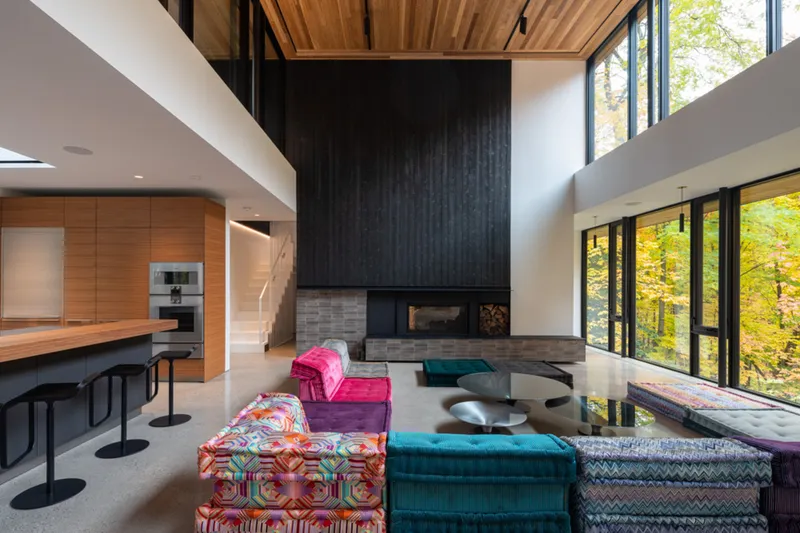
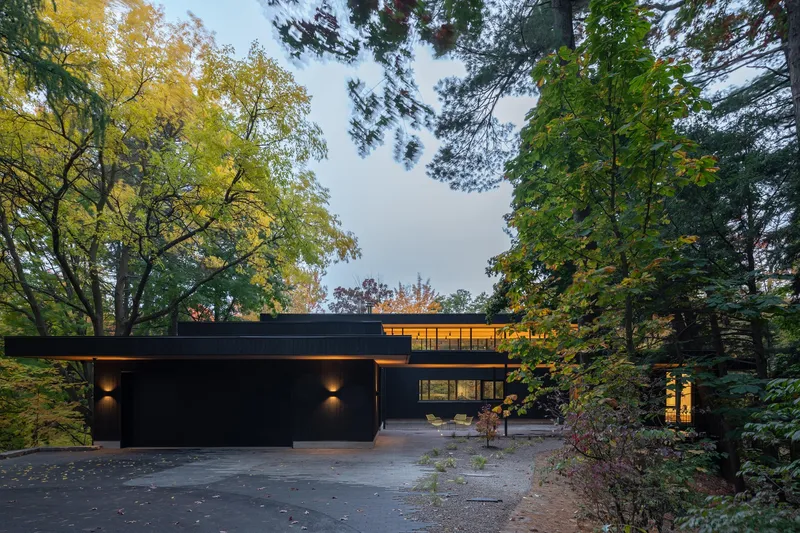
Situated in the lush ravine landscape of Mississauga, Canada, Ravine House by OrangeInk Design redefines contemporary residential architecture by seamlessly integrating nature into its design. Created as a forever home, the project embodies both comfort and sustainability while maximizing light, space, and connection to its surroundings. The renovation transforms an inward-facing, dark structure into an open, airy retreat that fosters a deep relationship between the built environment and the natural ecosystem.

Adapting to Conservation Restrictions
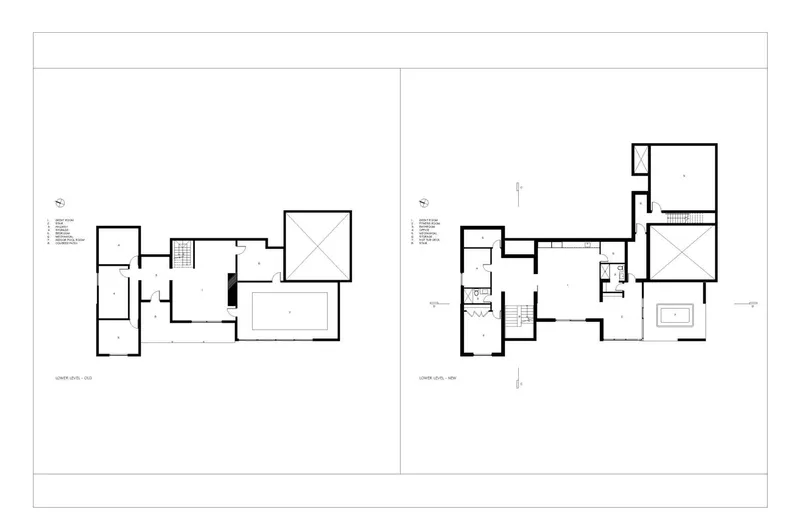
With strict development constraints imposed by the local conservation authority, the design team faced challenges that required creative solutions. Restrictions prevented horizontal extensions beyond the existing building envelope, limiting expansion into the ravine. As a result, the architects devised an innovative approach that positioned outdoor living spaces within the building’s footprint.

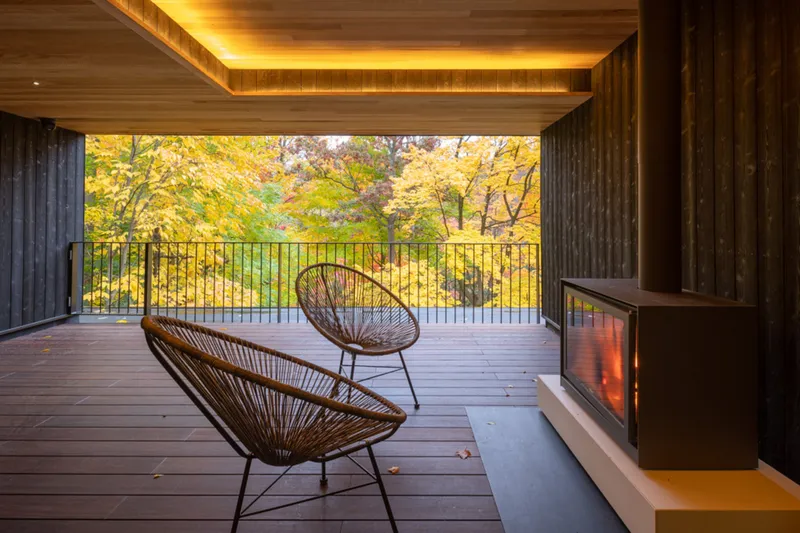
Instead of external patios and decks, carefully planned open-air spaces were integrated throughout multiple levels of the home. A previously enclosed pool room was reimagined as a four-season patio elevated just above the forest floor, offering an immersive experience within the treetops. Additionally, an extended roofline enabled the creation of a rooftop patio that provides a serene "treehouse" view of the ravine.

A Thoughtfully Designed Front Room Concept
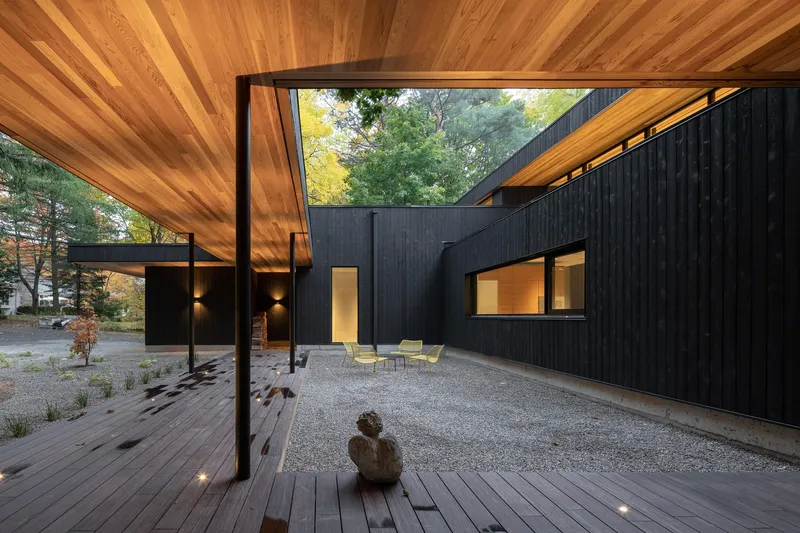
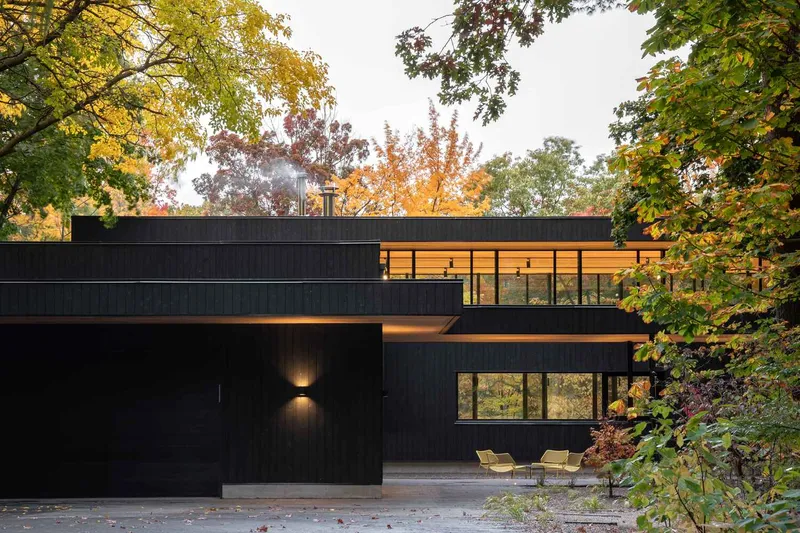
One of the homeowners’ primary requests was the inclusion of a 'front room', an inviting space for informal gatherings that remained closely connected to the home's main social areas. To achieve this, the design team crafted a front courtyard, bounded by the dwelling itself and the ravine’s edge. The tree canopy serves as a natural ceiling, reinforcing a sense of enclosure while maintaining an open-air experience.


A key feature of this space is an elevated boardwalk, supported by galvanized steel beams resting on helical piles to prevent disruption of tree roots. This boardwalk provides a defined boundary for the courtyard while functioning as a pedestrian pathway leading to the home’s entryway. The long, ribbon-like roof extending above the boardwalk mirrors its proportions, creating a dynamic architectural element that frames dramatic views of the ravine below.

Sustainable Features Enhancing Indoor-Outdoor Connectivity
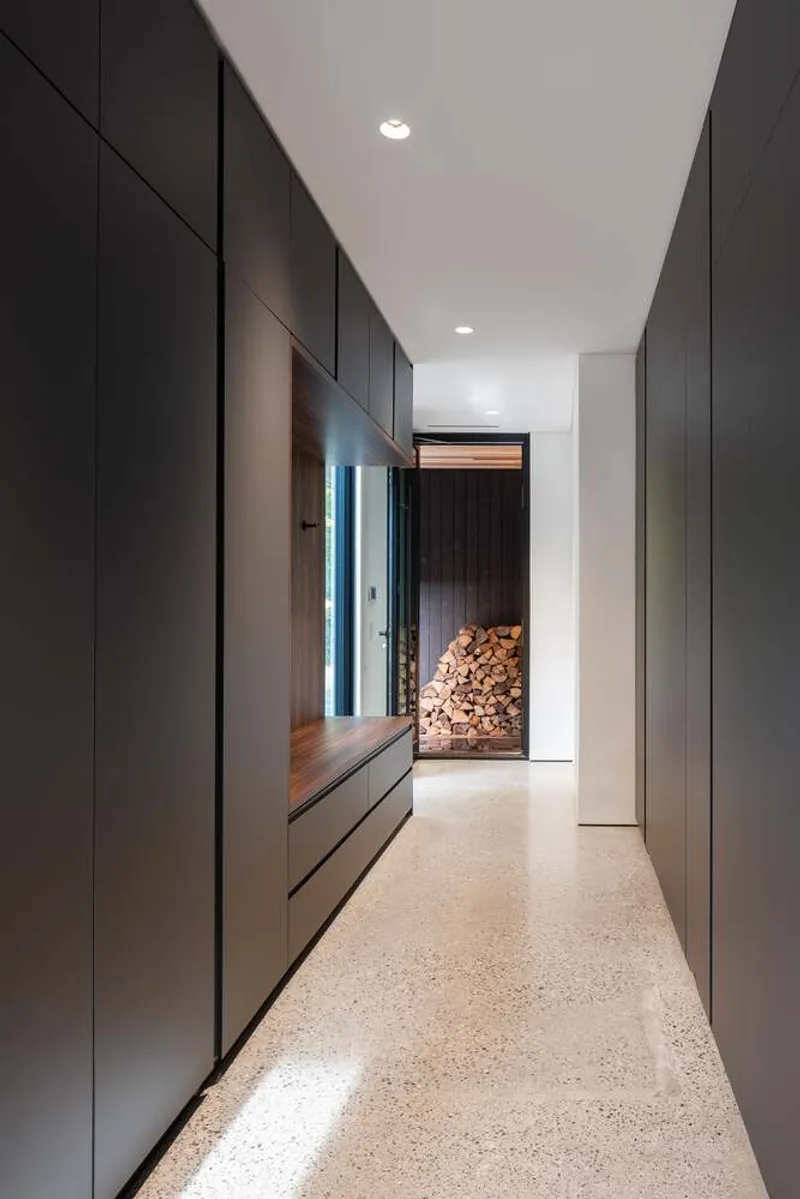
Sustainability was at the heart of the renovation, with key elements enhancing energy efficiency and environmental harmony. The stair relocation played a pivotal role in redefining spatial organization, shifting its position away from the kitchen to align with the front entry, offering direct sightlines to the ravine.

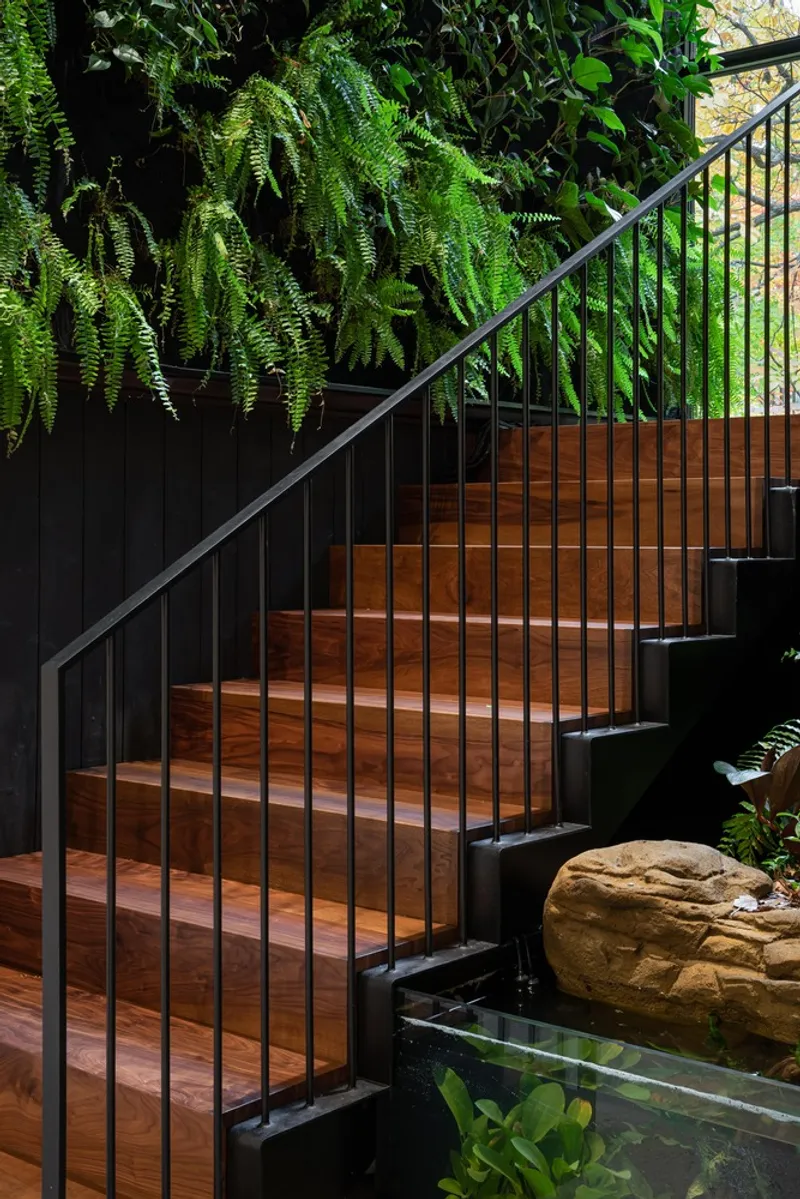
A standout feature of the interior is the 140 sq.ft living green wall, which extends from the stair landing up to the ceiling. This verdant installation is nourished by a freshwater pond at the stair’s base, utilizing a discreet drip irrigation system to maintain plant life. Beyond its aesthetic value, the green wall enhances indoor air quality, aligning with the home’s overall sustainability goals while reinforcing the natural theme woven throughout the design.
A Model for Sustainable Ravine House Design
The Ravine House stands as a remarkable example of how architecture can harmonize with its environment while embracing contemporary sustainable design principles. Through strategic planning and innovative solutions, OrangeInk Design has crafted a home that is not only visually stunning but also deeply connected to its natural surroundings.


This project showcases the potential for architecture to coexist with conservation efforts, demonstrating that responsible design can offer both beauty and ecological sensitivity. By respecting the existing site conditions and integrating thoughtful sustainable features, Ravine House serves as a model for future residential designs that prioritize environmental harmony.



All Photographs are works of Scott Norsworthy



Popular Articles
Popular articles from the community


Co-life: Sustainable Architecture for Age-Friendly Community Living
Co-life reimagines sustainable architecture for seniors through courtyards, rammed earth, shared gardens, and spaces designed for belonging.

The Ocean Hive: Sustainable Architecture for a Self-Sufficient Civilization at Sea
The Ocean Hive imagines sustainable architecture at sea, where modular habitats, algae, wave power and ocean waste sustain a growing colony.

Riyadh For All: Intergenerational Urban Design for Active Aging in Rabat
Riyadh For All reimagines urban design in Rabat with intergenerational co-living, adaptive courtyards, and Moroccan cultural exchange today.

Co-Life: Senior Housing Design That Reconnects Older Adults With the City
Co-Life reimagines senior housing design through healing gardens, shared streets, workshops, and a sustainable community across generations.

Similar Reads
You might also enjoy these articles

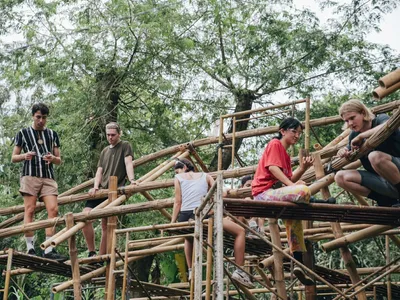
Bamboo Housing Challenge 2026: Design Affordable, Sustainable Homes Using Bamboo
An international design competition by Bamboo U and IBUKU inviting architects and designers to reimagine affordable housing using bamboo — with the winning design built full-scale in Bali.

Computational Design & Education: Beegraphy Design Awards Introduces 7th Category (Featuring Jiyun's Innovative Approach)
Dive into Beegraphy’s 7th Design Awards category, where computational design meets education to create immersive, interactive learning tools, inspired by Jiyun’s work.

From Parametric Lighting to Urban Furniture: Join the 2nd Workshop in Beegraphy’s Computational Design Series
Dive into Cutting-Edge Design Techniques and Practical Applications with Industry Experts

Last Call: Unleash Your Architectural Genius in SHAK's Kindergarten Design Competition
Urgent call for architects to join SHAK's kindergarten design competition before the looming deadline


Explore Architecture Competitions
Discover active competitions in this discipline



Challenge to reimagine the Iron Throne


Photograph architecture without architects


Illustrate the lost glory of Angkor Wat - Render Challenge


Design challenge to reuse E-waste
Comments (0)
Please login or sign up to add comments
No comments yet. Be the first to comment!