

Rebirth and Renewal: Exploring Eco-Friendly Library Design in Sarsfield
Discover "A Place to Watch the Trees Grow": an eco-friendly library in Sarsfield by Green Studio, embodying regeneration and sustainability.


In the heart of Sarsfield, Australia, amidst a landscape healing from the scars of devastating bushfires, stands a testament to resilience, sustainability, and community spirit: an eco-friendly library designed by Green Studio. This 22 m² cabin, more than just a building, symbolizes the regrowth of nature and the unyielding spirit of the local community.

The Inspiration Behind the Design
A Symbol of Recovery
Following the catastrophic events that swept through Victoria in December 2019, the eco-friendly library emerged as a beacon of hope and regeneration. Designed with the purpose to serve as a communal space for reflection and healing, "A Place to Watch the Trees Grow" encapsulates the strong bond between Australians and their natural surroundings.

Architectural Approach: Blending with Nature
Embracing the Australian Vernacular
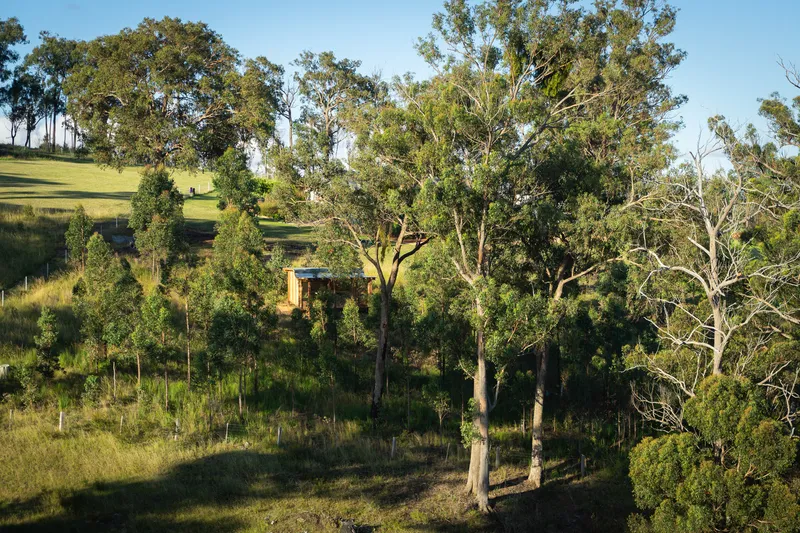
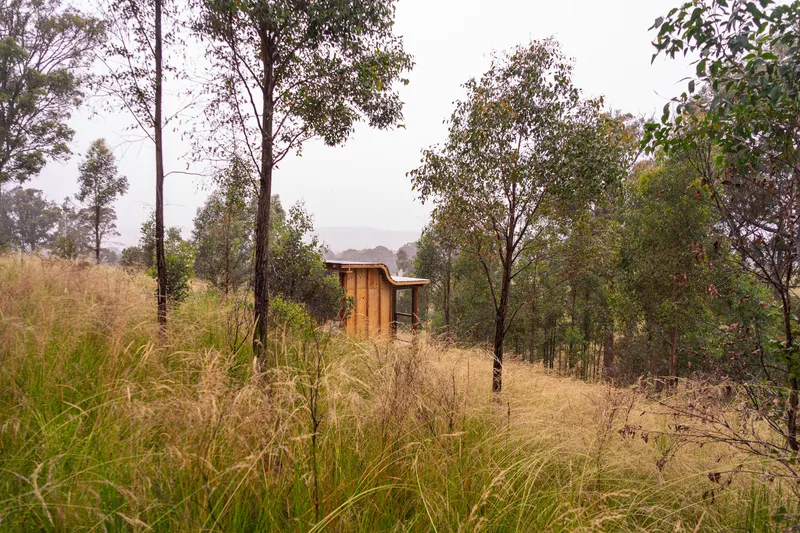
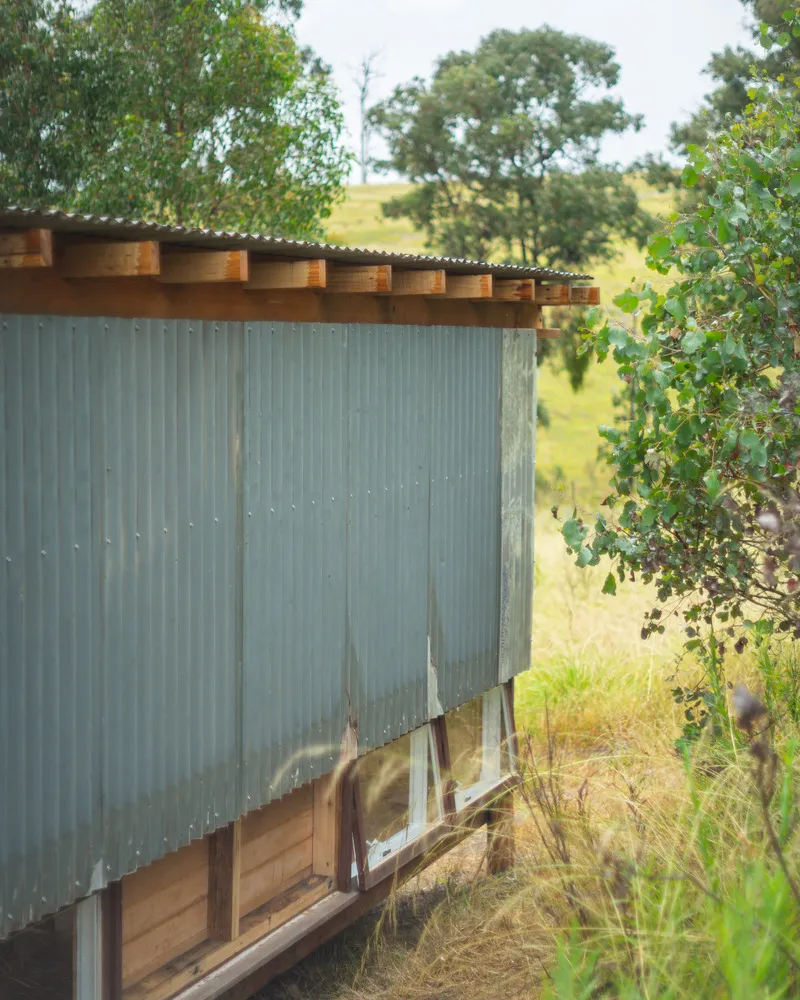
The library's design draws heavily from the traditional Australian metal-clad shed, reinterpreting it within the modern context to sit harmoniously within the Sarsfield landscape. The structure guides visitors along a path that mirrors the land's natural contours, under the canopy of an ancient Yellow Box Eucalypt, towards a space of tranquility and connection with nature.


Integrating with the Landscape
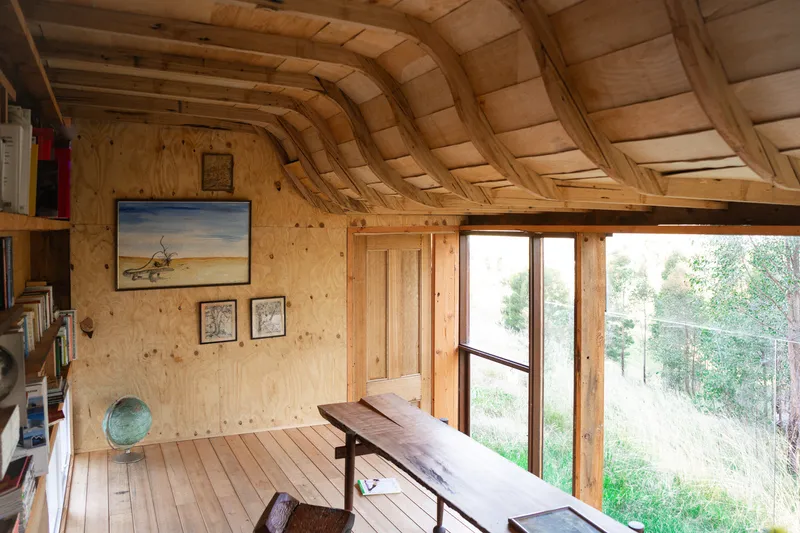
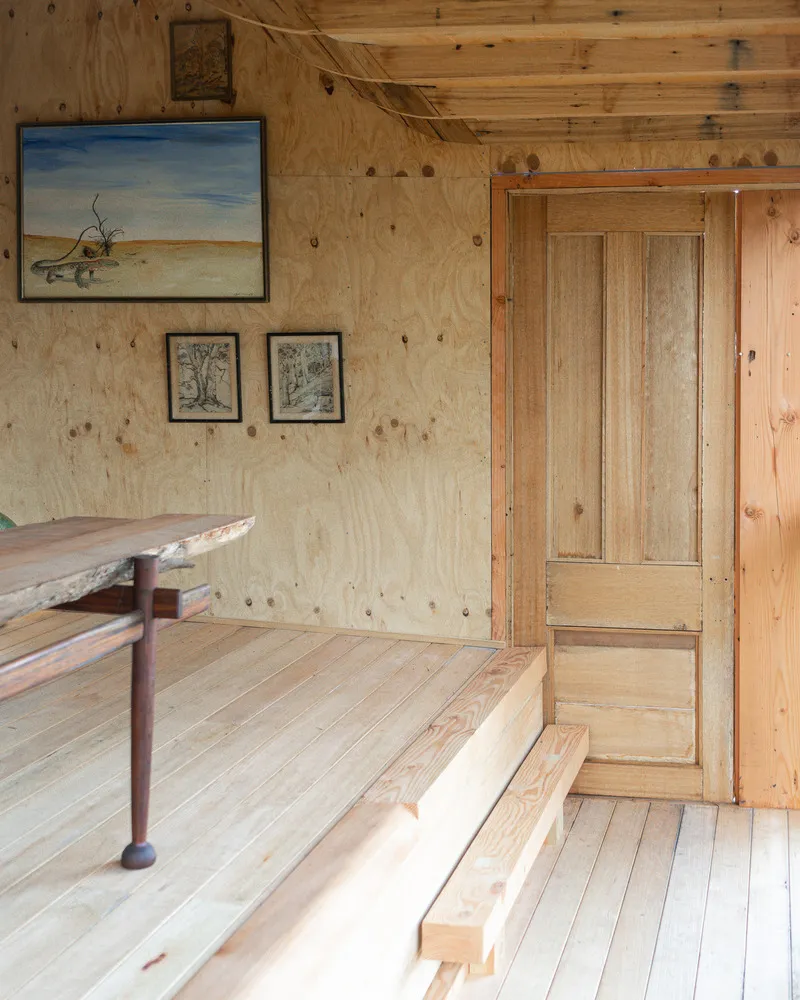
The interior of the library is a direct response to the surrounding environment. With materials such as Oregon and Eucalypt timbers, the scent and essence of the forest are brought indoors. The architectural design, with its low ceilings and curved beams, focuses the visitor's attention outward, encouraging a contemplative engagement with the regenerating landscape.


Sustainable Practices in Construction
Commitment to the Circular Economy
In the construction of this eco-friendly library in Sarsfield, no new materials were introduced. Every component of the building has a backstory of reuse and significance, contributing to a sustainable narrative. From large glass panels repurposed from a beachside penthouse to cedar frames and Oregon beams salvaged from demolition sites, each element of the library carries with it a history, now continuing in a new chapter of environmental stewardship.


Traditional Techniques Meet Modern Design
The library's construction showcases the beauty of traditional Australian joinery, favoring interlocking timber members over mechanical fixings. This approach not only pays homage to the craftsmanship of the past but also promotes a sustainable construction methodology, integral to eco-friendly library design.


Community Engagement and Future Growth
A Resource for Sarsfield
"A Place to Watch the Trees Grow" is more than a building; it's a community hub for the residents of Sarsfield. Open to the public, it serves as an essential resource, offering a collection of books and a space for encounters and shared experiences. Located near local walking tracks, the library invites interaction, fostering a sense of belonging and community resilience.

Living with the Landscape
The library is set within a context of self-sprung eucalypts, standing as a living chronicle of the landscape's recovery. Over time, the building will be enveloped by the natural growth around it, serving as a poignant reminder of the land's capacity for renewal and the enduring importance of eco-friendly architecture.

A Testament to Eco-Friendly Design
The eco-friendly library in Sarsfield by Green Studio is a remarkable example of how architecture can harmonize with nature, support community healing, and promote sustainability. "A Place to Watch the Trees Grow" stands as a symbol of hope, a marker of resilience, and a celebration of the enduring relationship between humans and their environment.


All photographs are work of Callan Green



Popular Articles
Popular articles from the community


AL-JANNAH: Sustainable Architecture and Permaculture for Afghan Widows
AL-JANNAH uses sustainable architecture and permaculture to create resilient oasis of housing, learning, work and renewal for Afghan widows.

The Earth Pod: 3D Printed Homes for Resilient Refugee Communities
The Earth Pod reimagines refugee housing through 3D printed homes made from clay, combining resilience, self-sufficiency, and rapid shelter.

The Ocean Hive: Sustainable Architecture for a Self-Sufficient Civilization at Sea
The Ocean Hive imagines sustainable architecture at sea, where modular habitats, algae, wave power and ocean waste sustain a growing colony.

Co-life: Sustainable Architecture for Age-Friendly Community Living
Co-life reimagines sustainable architecture for seniors through courtyards, rammed earth, shared gardens, and spaces designed for belonging.

Similar Reads
You might also enjoy these articles


Hodi-Mandai Geram
Project Function: Preservation and revitalization of the Intangible heritage and socio-spatial identity of the Hodi by Housing, Cultural Memory Center, Sacred Grove, landscape, local tourism economy


Olio Towers: A Mid-Rise for Performers That Fuses Housing, Rehearsal, and Stage
Located blocks from Houston's Theater District, this modular tower stacks living units around a central performance atrium.

Oasis: Modular Green Housing Carved into Dhaka's Urban Fabric
A shortlisted Plugin Housing entry reclaims unauthorized settlements in Dhaka with stepped concrete volumes, green roofs, and ventilation-driven design.

Black Hole: A Floating Megastructure for the Post-Physical Era
Emiliano Mazzarotto envisions a spherical, self-scaling arena where e-sports, digital hotels, and holographic stadiums replace traditional public space.


Explore Eco Building Competitions
Discover active competitions in this discipline



Challenge to reimagine the Iron Throne


Photograph architecture without architects


Illustrate the lost glory of Angkor Wat - Render Challenge


Design challenge to reuse E-waste
Comments (0)
Please login or sign up to add comments
No comments yet. Be the first to comment!