
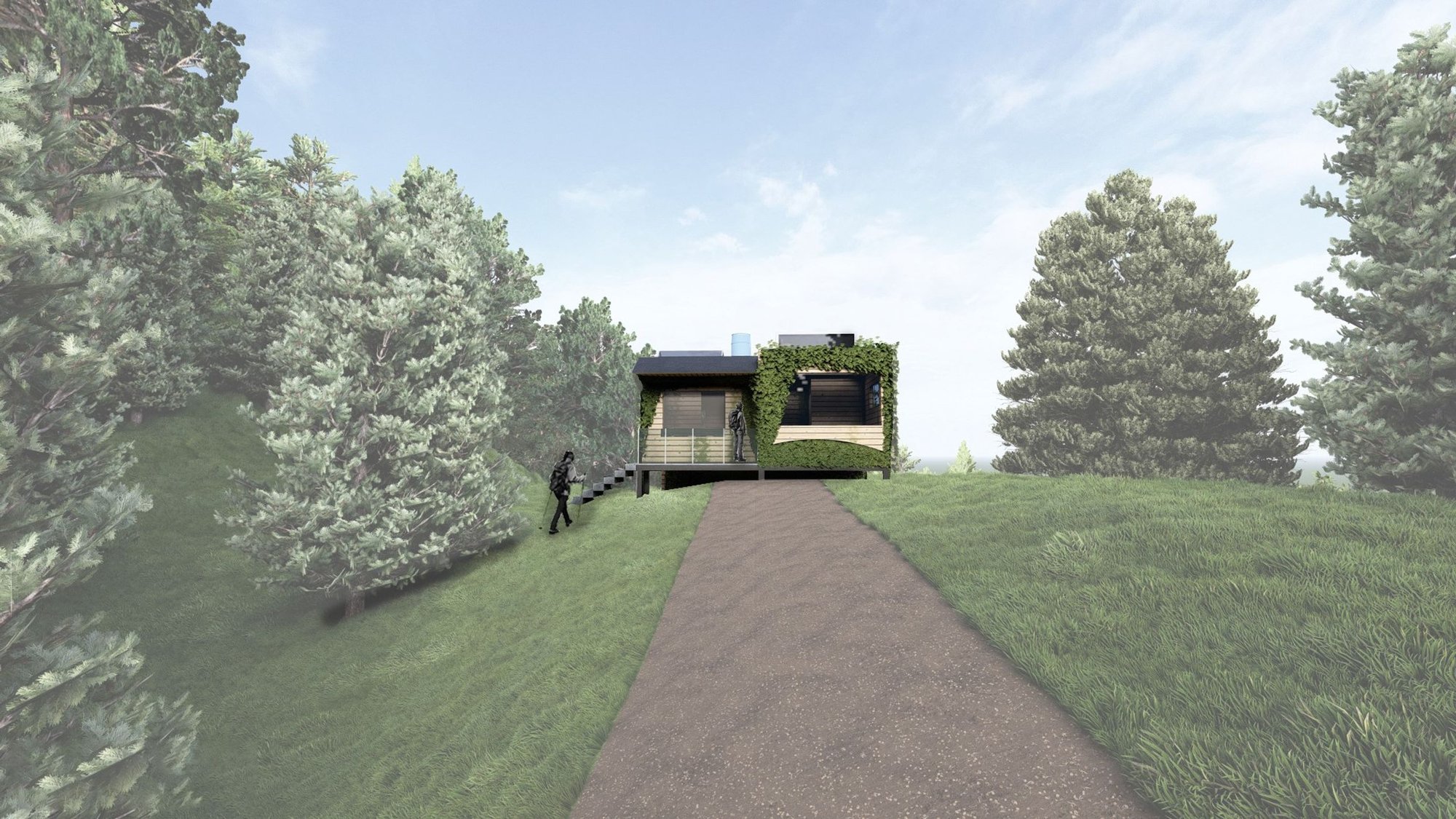
Recharged Stacked Cabins: A Sustainable Haven for Hikers on the Pyrenean Haute Route
The cozy stay for the long journey

The Pyrenean Haute Route, a challenging and rewarding trek through the Pyrenees Mountains, attracts hikers from all over the world. But what if these adventurers could find respite in a unique, sustainable, and adaptable shelter along the way? Enter the Recharged Stacked Cabins, a shortlisted entry in the Recharge competition by Josh Pastrana. This innovative design proposes modular, prefabricated cabins that can be easily transported and assembled in even the most remote and challenging locations, offering hikers a safe and comfortable haven while minimizing environmental impact.
Modular Design for Resilience and Adaptability
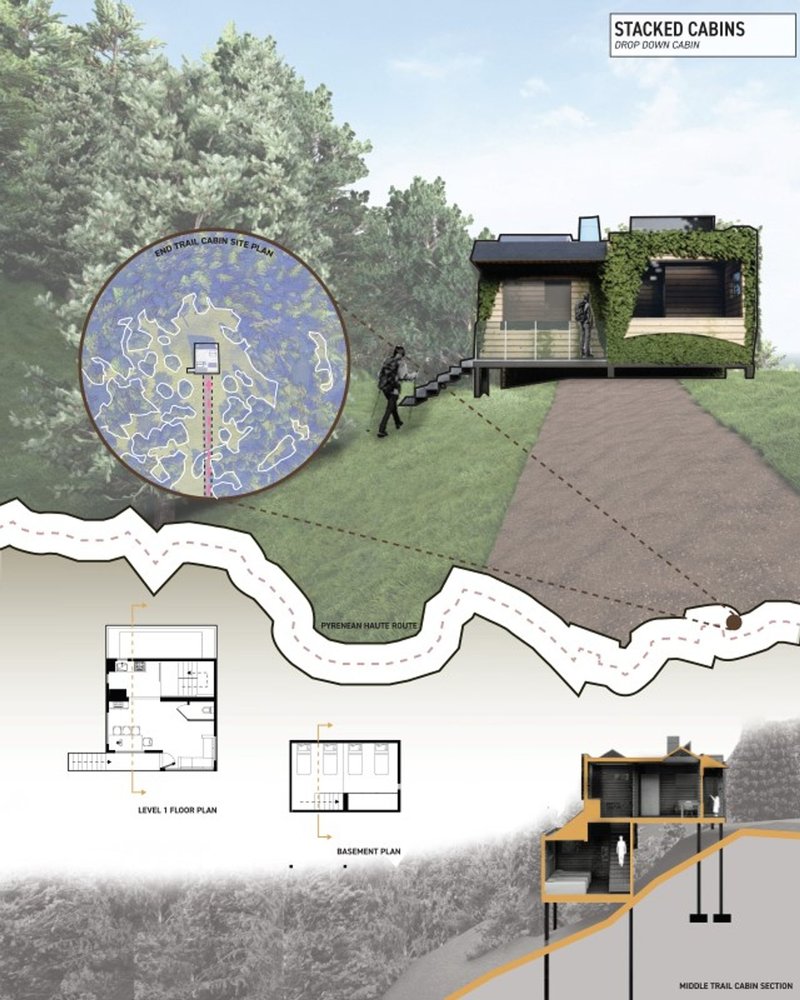
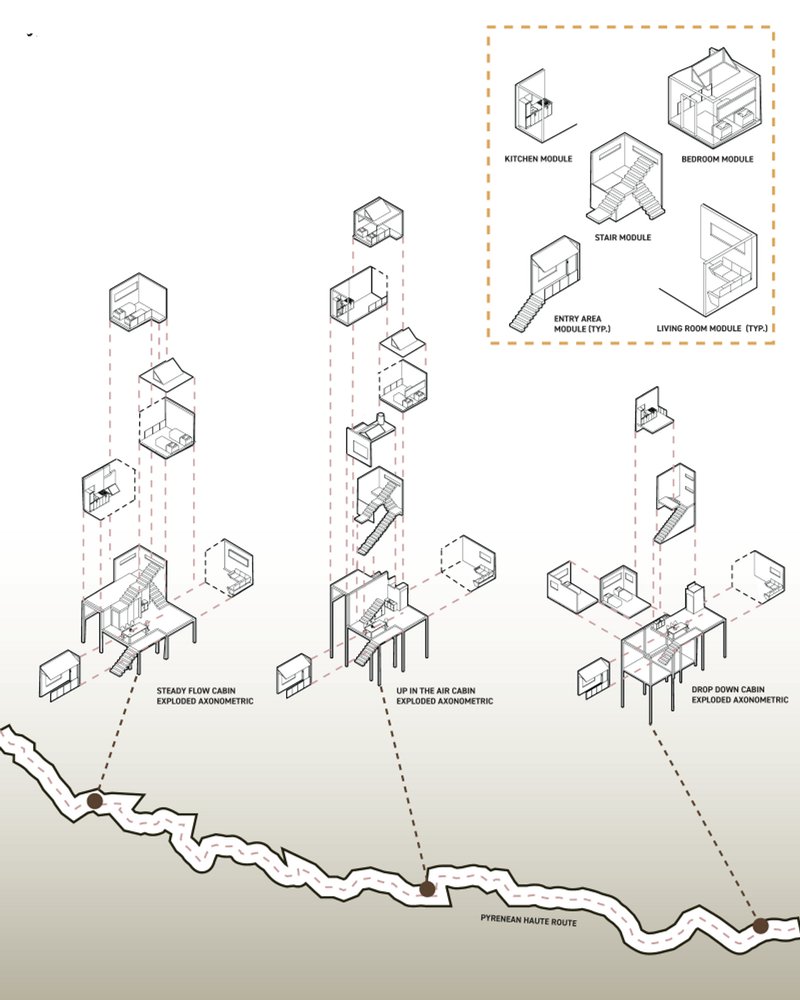
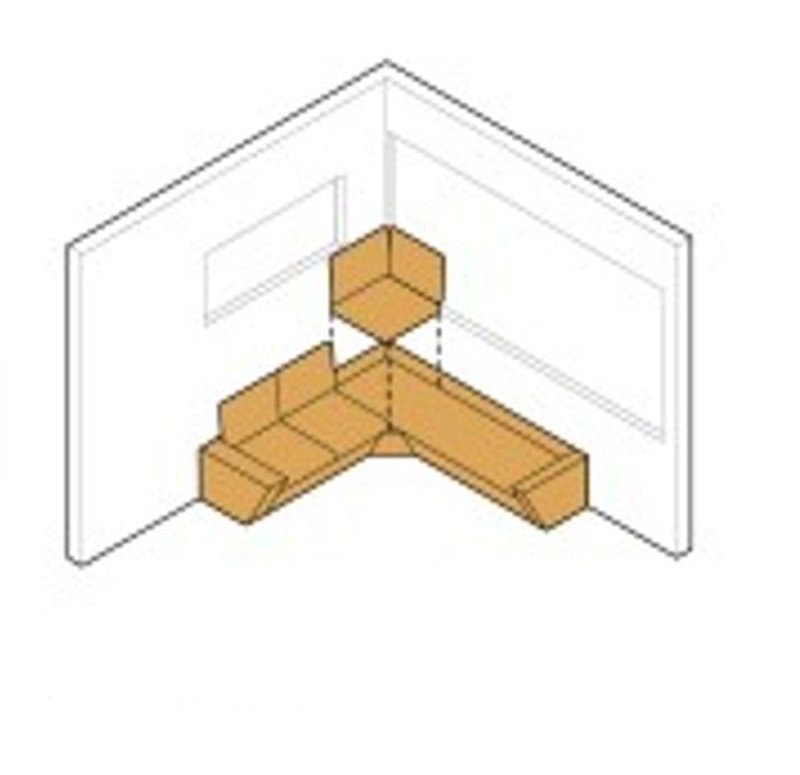
The Stacked Cabins' core strength lies in their modularity. Each cabin comprises a series of prefabricated modules – kitchen, bedroom, living room, and staircase – that can be configured in various arrangements to suit the specific site conditions and hiker needs. This modularity offers several advantages:
Resilience: Should a module get damaged, it can be easily replaced without affecting the rest of the structure. This is particularly important in the harsh and unpredictable environment of the Pyrenees.
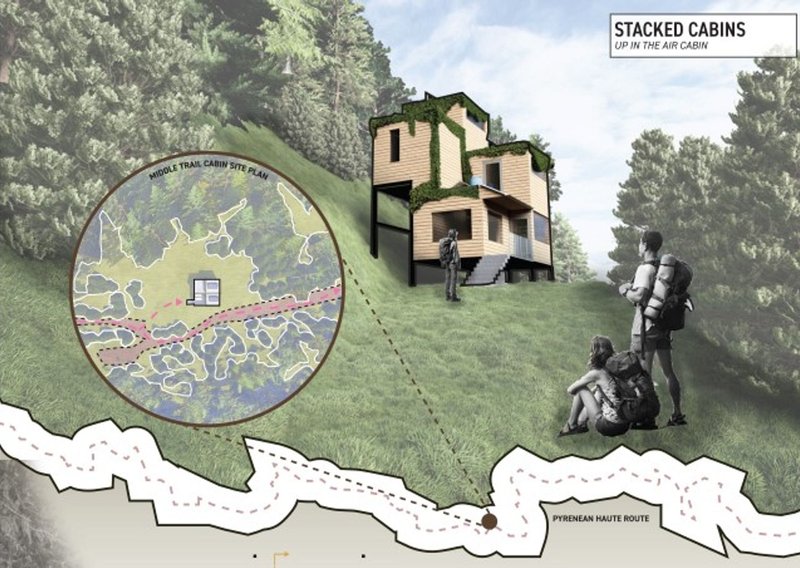
Adaptability: The cabins can be adapted to fit different terrains, from flat ground to steep slopes. The design includes three variations: "Straight-Flow Cabin," "Up in the Air Cabin," and "Drop-Down Cabin," each showcasing the versatility of the modular system.
Ease of Transportation and Assembly: The modules can be transported to remote locations using helicopters or other means and then assembled on-site with minimal disruption to the surrounding environment.
Sustainable Features for Minimal Environmental Impact
The Stacked Cabins are not only designed for resilience and adaptability but also for sustainability. Several features minimize their environmental footprint and promote self-sufficiency:
Timber Construction: The cabins are primarily constructed using timber, a renewable and locally sourced material. This reduces the reliance on energy-intensive materials like concrete and steel.
PV Panels: Rooftop photovoltaic (PV) panels harness solar energy to generate electricity, providing power for lighting, heating, and other essential needs.
Rainwater Collection: A rainwater collection system captures and stores rainwater, which can be used for non-potable purposes like toilet flushing and irrigation, reducing the demand for freshwater resources.
Passive Heating and Cooling: The cabins are designed to maximize natural ventilation and sunlight, reducing the need for artificial heating and cooling systems. This is achieved through strategically placed windows, skylights, and thermal insulation.
A Haven for Hikers and a Boon for the Environment
The Recharged Stacked Cabins offer a unique and compelling solution for providing shelter along the Pyrenean Haute Route. Their modular design, adaptability to challenging terrains, and sustainable features make them a perfect fit for this rugged and environmentally sensitive landscape.
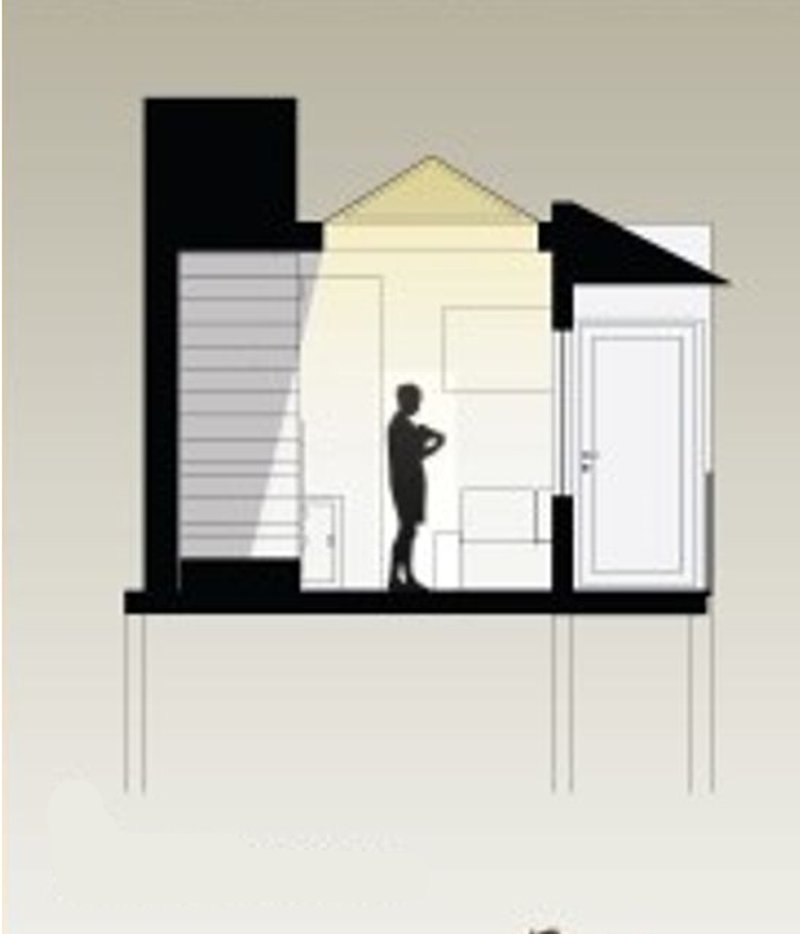
By providing hikers with a comfortable and safe place to rest and recharge, the cabins enhance the overall hiking experience and promote responsible tourism. Furthermore, the cabins' minimal environmental impact aligns with the growing need for sustainable solutions in the tourism industry.
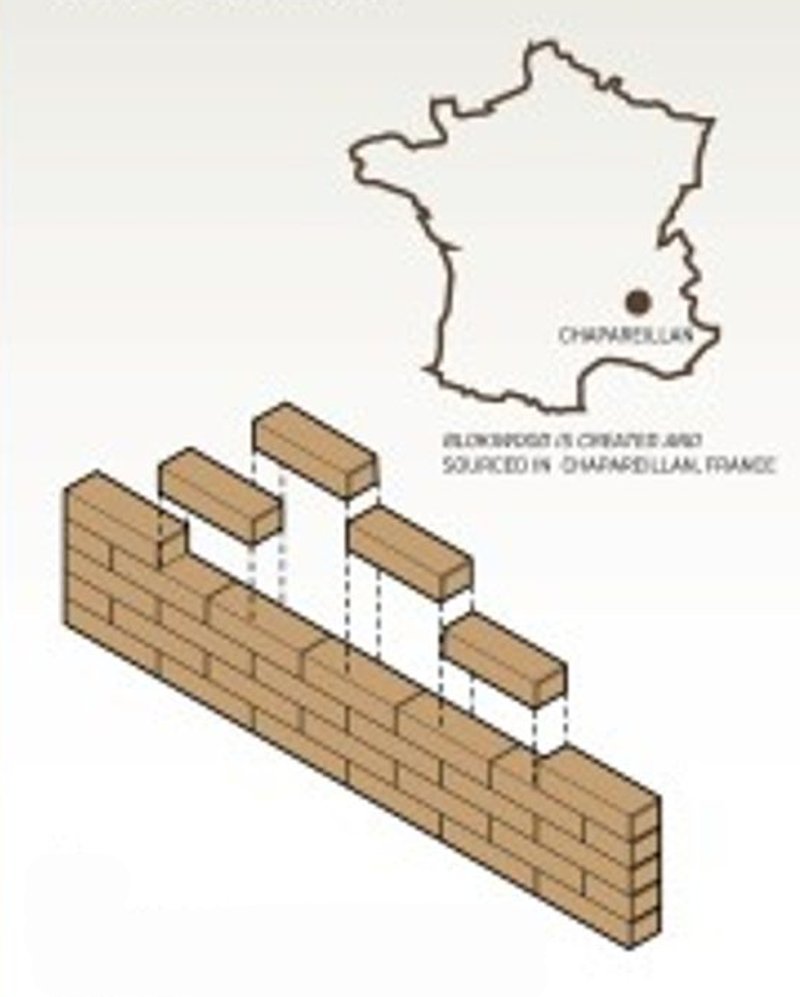
Beyond the Pyrenees: Potential Applications of the Stacked Cabin
The Stacked Cabin concept has the potential to be applied in various contexts beyond the Pyrenean Haute Route. Their modularity and adaptability make them suitable for:
Emergency Shelters: In disaster-stricken areas, the cabins can be quickly deployed to provide temporary housing for displaced populations.
Remote Research Stations: Scientists and researchers working in remote and challenging environments can benefit from the cabins' self-sufficiency and resilience.
Eco-Tourism Lodges: The cabins can be used to create sustainable and environmentally friendly accommodation in eco-sensitive areas.
Off-Grid Living: Individuals seeking a minimalist and sustainable lifestyle can adapt the Stacked Cabin concept for off-grid living.
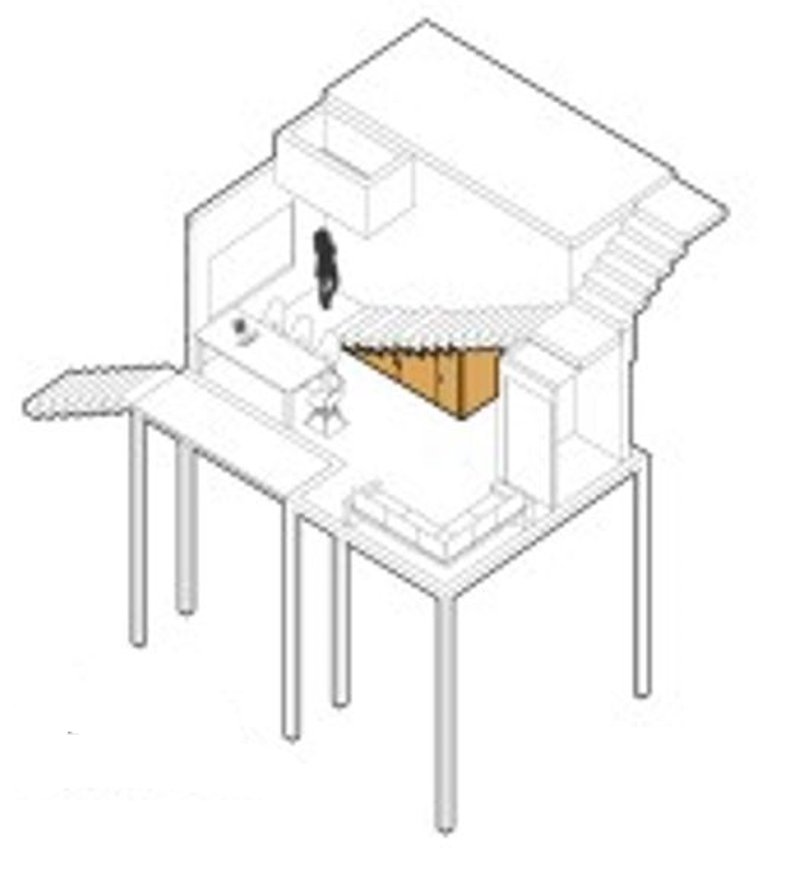
The Recharged Stacked Cabins represent a thoughtful and innovative approach to providing sustainable and adaptable shelter in challenging environments. Their modular design, sustainable features, and potential for diverse applications make them a compelling example of how architecture can respond to the needs of both humans and the environment. As the demand for sustainable tourism and off-grid living grows, concepts like the Stacked Cabins are likely to play an increasingly important role in shaping the future of shelter.




Popular Articles
Popular articles from the community

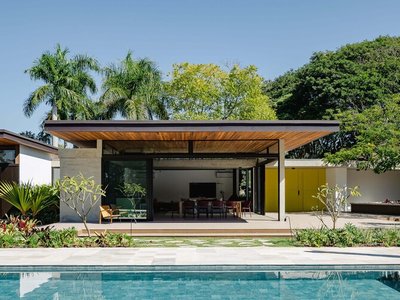
Flamboyant House by Juliana Camargo + Prumo Projetos
Modern Brazilian house integrating existing tree, pool, and volumes with glass, wood, and transitional spaces blending interior, exterior, and landscape seamlessly.
Solar Steam: A Climate-Responsive Architecture That Redefines the Monument
A climate-responsive memorial architecture that transforms heat, decay, and time into a living system reflecting humanity’s ecological impact.
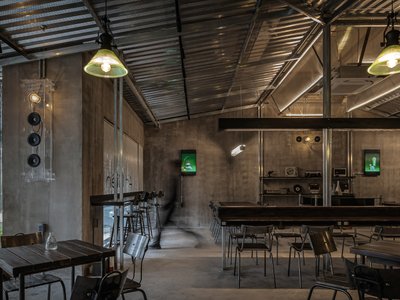
An Miên Lumière Cafe by xưởng xép, Ho Chi Minh City, Vietnam
An industrial-inspired café where layered steel and warm light create a dynamic, immersive environment shaped by reflection, depth, and perception.
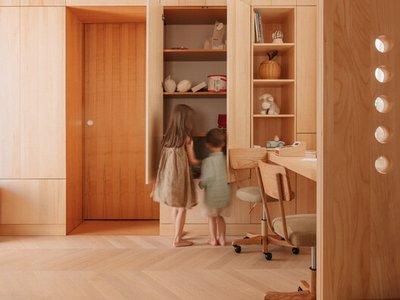
Treehouse Apartment: A Warm Timber Interior Blending Craft, Play, and Contemporary Living
Warm timber apartment with integrated treehouse, combining natural materials, craftsmanship, and playful design to create a flexible, family-oriented living environment.

Similar Reads
You might also enjoy these articles


The Ken Roberts Memorial Delineation Competition (Krob)
As the most senior architectural drawing competition currently in operation anywhere in the world, it draws hundreds of entries each year, awarding the very best submissions in a series of medium-based categories.
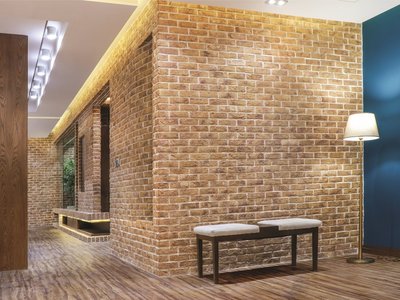
A Contemporary Take on Iranian Residential Architecture
A modern interior design in Mashhad that reinterprets brick, light, and spatial flow to create a warm, contemporary residential architecture.
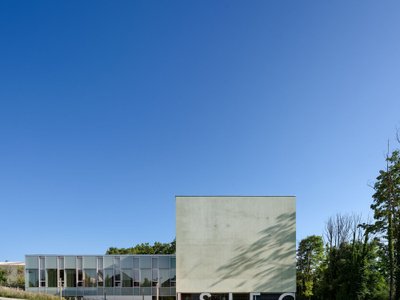
Franche-Comté Advanced School of Engineering by Dominique Coulon & associés, Besançon
A flexible engineering school immersed in woodland, combining concrete minimalism, adaptable spaces, and natural light to support evolving educational environments.

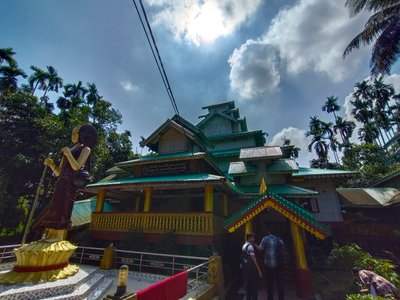
Documentation Work on Buddhist Wooden Temple
Architectural syncretism and cultural hybridity: A comparative study of the Buddhist temples in Chattogram Hill tracks
Explore Architecture Competitions
Discover active competitions in this discipline




The International Standard for Design Portfolios


The Global Benchmark for Architecture Dissertation Awards


The Global Benchmark for Graduation Excellence


Challenge to reimagine the Iron Throne
Comments (0)
Please login or sign up to add comments
No comments yet. Be the first to comment!