
Remembering Bhopal: A Beacon of Memorial Architecture for Healing and Reflection
Where architecture speaks the unspeakable—Remember Bhopal Memorial: Honoring the past, healing the present, inspiring a safer future.


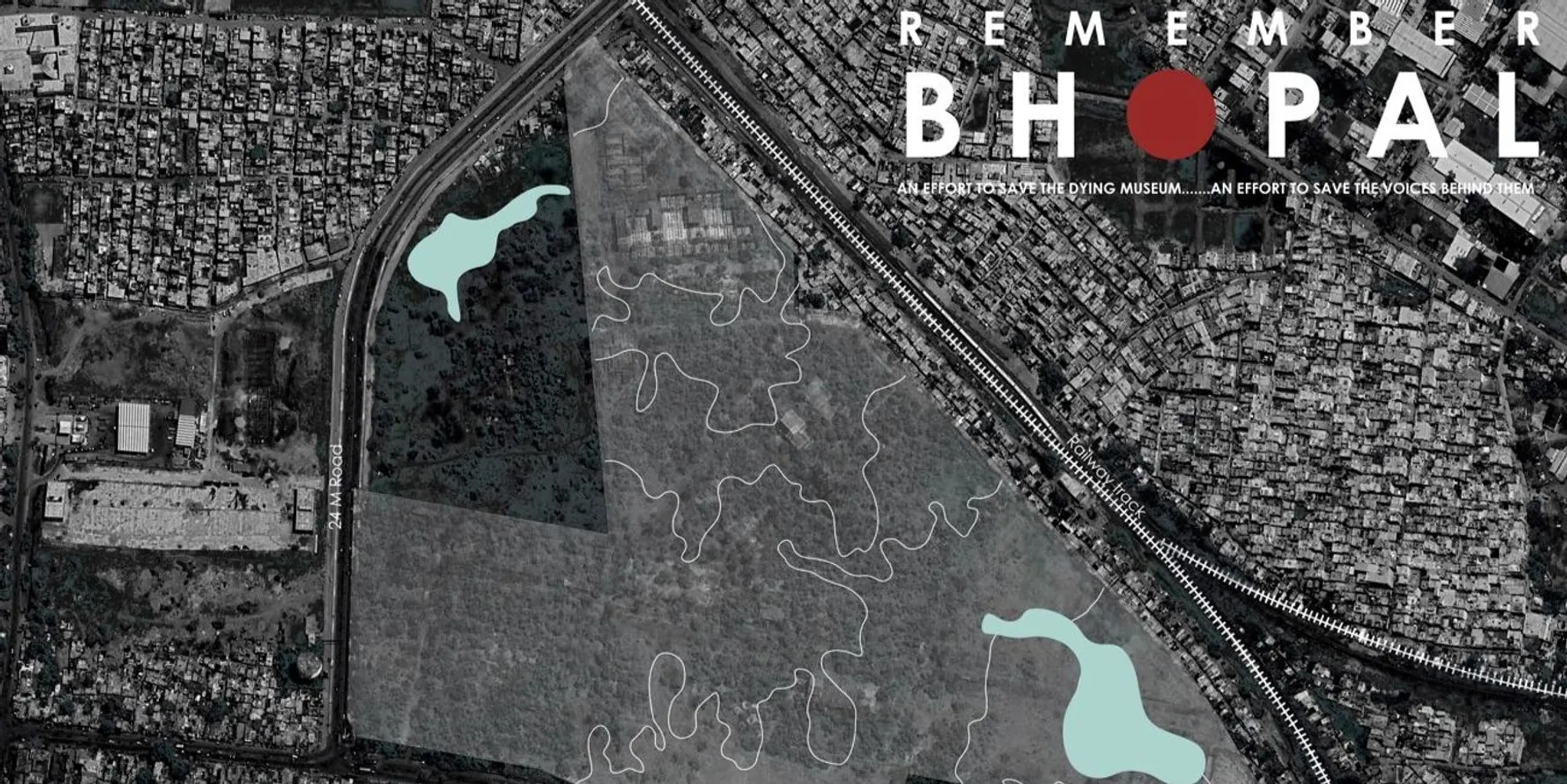
The Bhopal Gas Tragedy, one of the most devastating industrial disasters in history, left an indelible mark on the lives of thousands and the city of Bhopal itself. The design of the "Remember Bhopal Memorial" transcends traditional architecture by embracing the principles of memorial architecture, focusing on healing, education, and remembrance. This unique project integrates the tragedy's narrative into a built environment that honors the victims while inspiring future generations to prevent similar calamities. Shortlisted entry in UnIATA '24 project by Ajay Betageri

The Vision: Experiential Memorial Architecture
The Remember Bhopal Memorial is a testament to the power of architecture in storytelling and emotional resonance. Designed as an experiential museum, the memorial's architectural elements are carefully curated to immerse visitors in the historical and emotional landscape of the tragedy. Key features include:
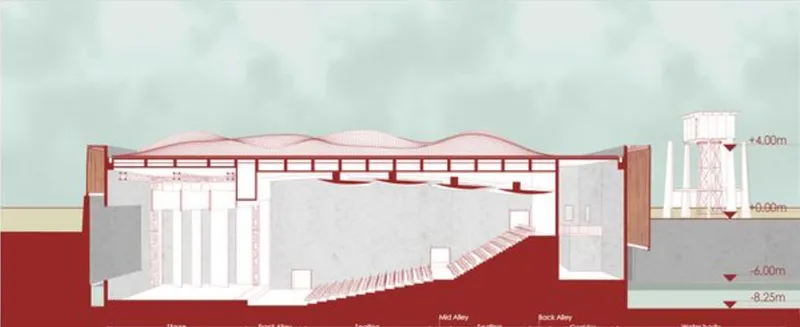
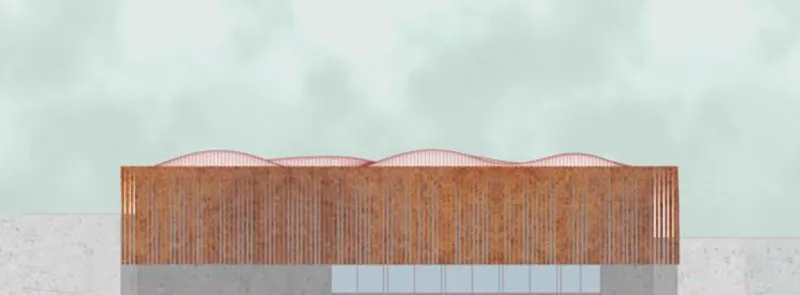
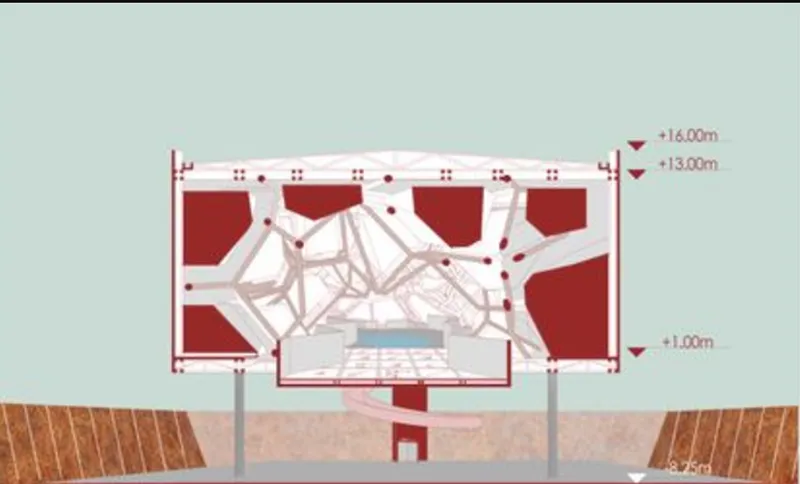
- Symbolic Design Elements:The factory ruins are preserved as raw reminders of the industrial disaster, with rusted steel, broken concrete, and muted tones symbolizing decay and neglect.An open plaza features 48 sculptural pillars, each inscribed with the names of victims, creating a solemn atmosphere of collective grief and remembrance
- Interactive and Reflective Spaces:"Water Claiming Lives" Exhibit: This installation mimics the flow of toxic gas through interactive water features, symbolizing the widespread impact of the MIC leak."The Screams": A section filled with hanging sculptures and abandoned footwear that evokes the hasty departure of victims, allowing visitors to reflect on the chaos and despair of the incident.
- Transparency in Design:The use of transparent flooring in some galleries reveals artifacts beneath, such as tools, photographs, and personal belongings, allowing visitors to engage with the victims' stories directly.The shattered mirrors exhibit, titled "Broken Hopes of Victims," visually represents the fragmented lives of the affected families.

A Multifunctional Space for Healing and Learning
The memorial goes beyond being a static monument. It integrates modern architectural design principles to foster dialogue, education, and support:
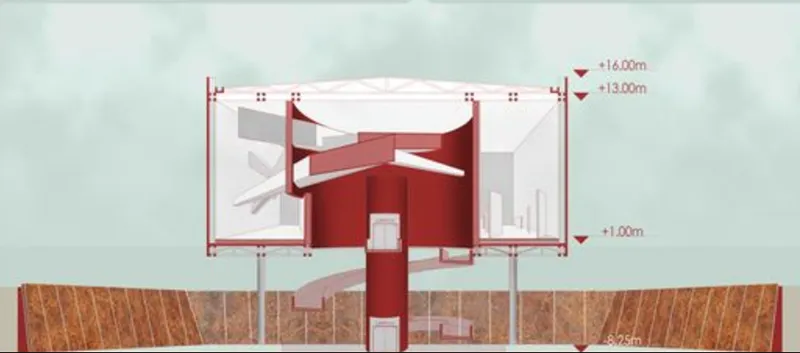
- Educational Pavilion: Focused on environmental safety and industrial regulations, it aims to educate future generations about the importance of accountability and prevention.
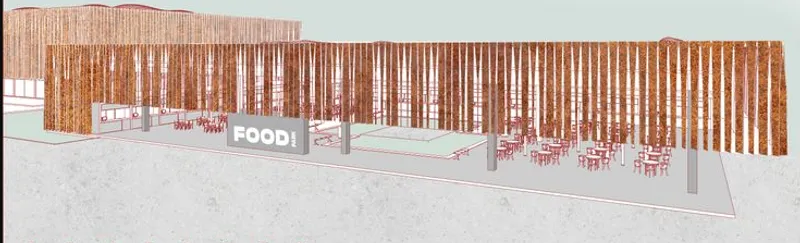
- Auditorium and Food Court: Designed as communal spaces to host cultural events, seminars, and gatherings, these areas promote a sense of unity and healing among survivors and visitors.
- Vocational Training Center: Dedicated to empowering the community, this center provides skill-building programs for the survivors and their families.
The Role of Landscape Architecture
The site’s landscape design enhances the emotional journey of visitors. Walking trails meander through tranquil water bodies and shaded areas, symbolizing the passage from grief to hope. Indigenous trees such as neem and ashoka are planted to represent resilience and healing, seamlessly blending natural and built environments.
A Living Memorial
The "Remember Bhopal Memorial" stands as a beacon of memorial architecture, transforming grief into a powerful narrative for change. By intertwining experiential design, historical storytelling, and community empowerment, this project ensures that the tragedy’s lessons remain alive in collective memory.




Popular Articles
Popular articles from the community


The Ocean Hive: Sustainable Architecture for a Self-Sufficient Civilization at Sea
The Ocean Hive imagines sustainable architecture at sea, where modular habitats, algae, wave power and ocean waste sustain a growing colony.

Lunar Spiral: Space Architecture Shaped by the Mathematics of the Universe
Lunar Spiral reimagines space architecture through Fibonacci geometry, lunar regolith, levitating habitats, and self-sustaining Moon living.

Co-life: Sustainable Architecture for Age-Friendly Community Living
Co-life reimagines sustainable architecture for seniors through courtyards, rammed earth, shared gardens, and spaces designed for belonging.

Riyadh For All: Intergenerational Urban Design for Active Aging in Rabat
Riyadh For All reimagines urban design in Rabat with intergenerational co-living, adaptive courtyards, and Moroccan cultural exchange today.


Similar Reads
You might also enjoy these articles

Eco Chapel: A Green Architecture Pavilion Designed in Symbiosis with the Forest
Eco Chapel uses green architecture to weave prayer, learning and reuse into a forest pavilion shaped by modular hexagonal canopies for life.
Kaffeebühnen: Coffee Shop Architecture Designed as a Civic Stage Between Vienna’s City and Park
Kaffeebühnen turns coffee shop architecture into a civic stage, linking Vienna’s park edge, urban life, warm timber yards, and coffee craft.
Healing Façade: Sustainable Architecture for Reforestation, Community, and Sacred Ecology in Ethiopia
Healing Façade reimagines sustainable architecture as a living wall that restores soil, catches water and renews Ethiopia's forest churches.


Urban Forest: A Vertical Ecosystem for 5,000 Workers in Singapore's Changi Business Park
Radially stacked pods and layered green decks turn a 7-acre plot into 47 acres of ecological workspace projected for 2040.


Explore Memorial Design Competitions
Discover active competitions in this discipline



Challenge to reimagine the Iron Throne


Photograph architecture without architects


Illustrate the lost glory of Angkor Wat - Render Challenge


Bring back Drive In's
Comments (0)
Please login or sign up to add comments
No comments yet. Be the first to comment!