
Rest Space at the Summit of Mt. Rokko by ofa: Harmonizing Architecture and Nature
The Rest Space atop Mt. Rokko blends timber architecture, native landscaping, and sustainable design, creating a serene, eco-friendly public retreat.


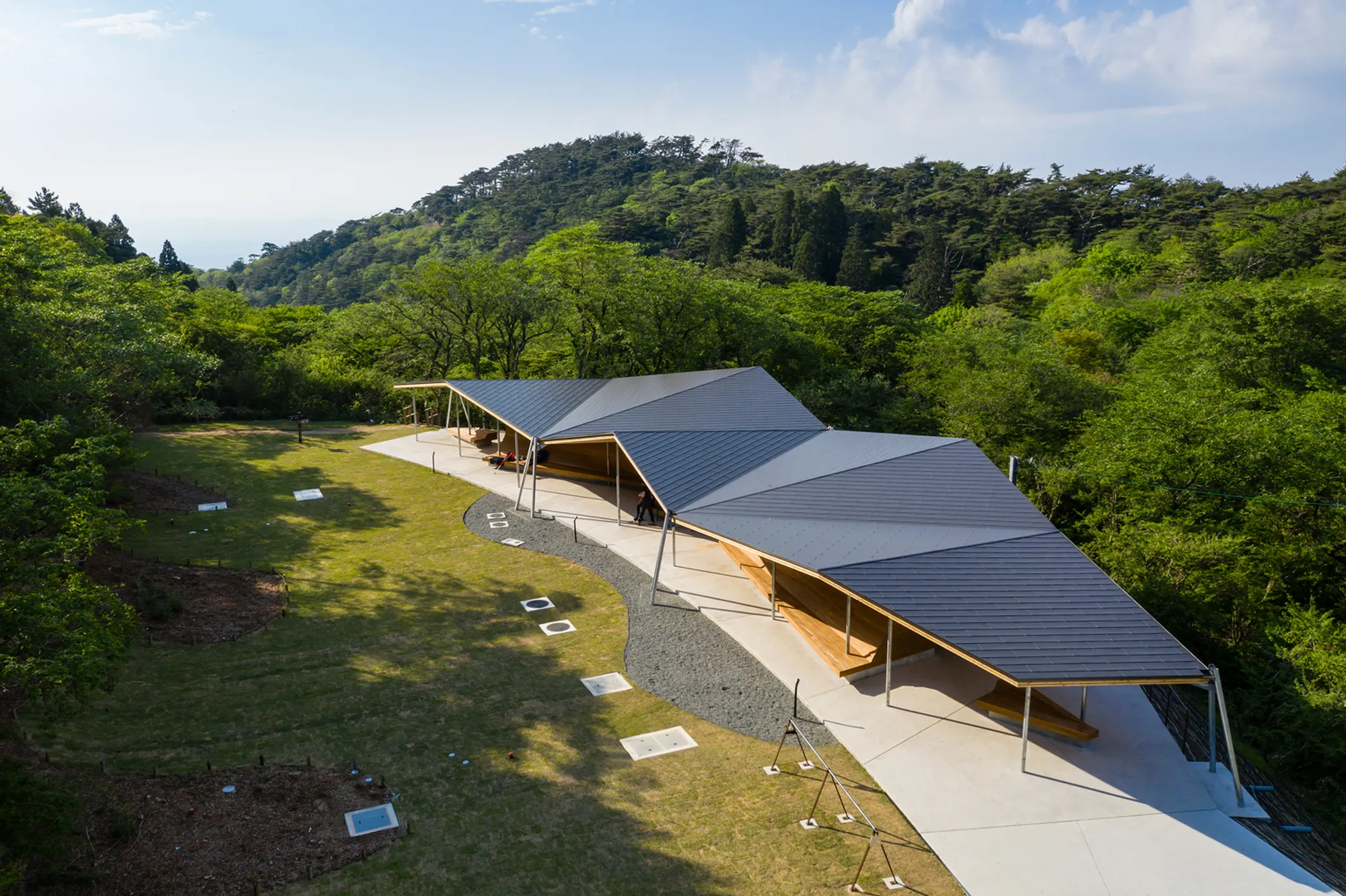
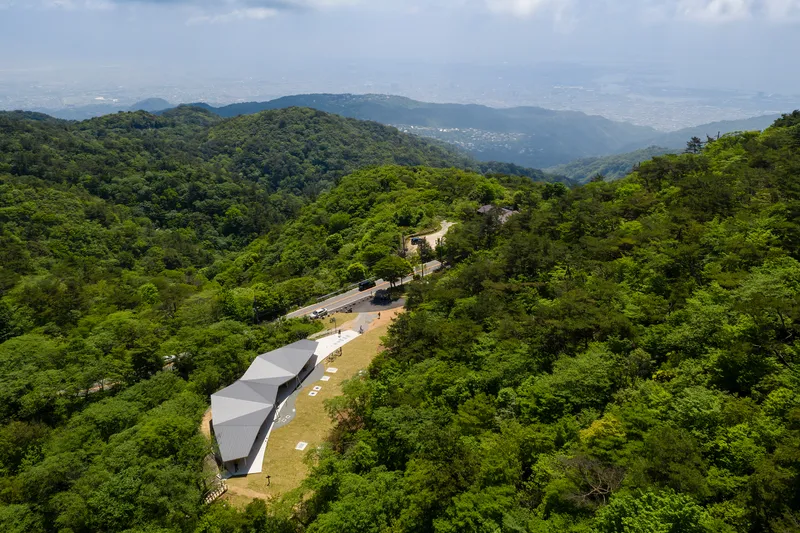
Perched atop the scenic Mt. Rokko in Kobe, Japan, the Rest Space at the Summit of Mt. Rokko by ofa is a masterful integration of public architecture, sustainable materials, and landscape design. Completed in 2020, this 267 m² facility combines a public restroom, resting area, and garden, designed to enhance visitor experience while respecting the natural environment.
Perched atop the scenic Mt. Rokko in Kobe, Japan, the Rest Space at the Summit of Mt. Rokko by ofa is a masterful integration of public architecture, sustainable materials, and landscape design. Completed in 2020, this 267 m² facility combines a public restroom, resting area, and garden, designed to enhance visitor experience while respecting the natural environment.

Architecture That Blends With Nature
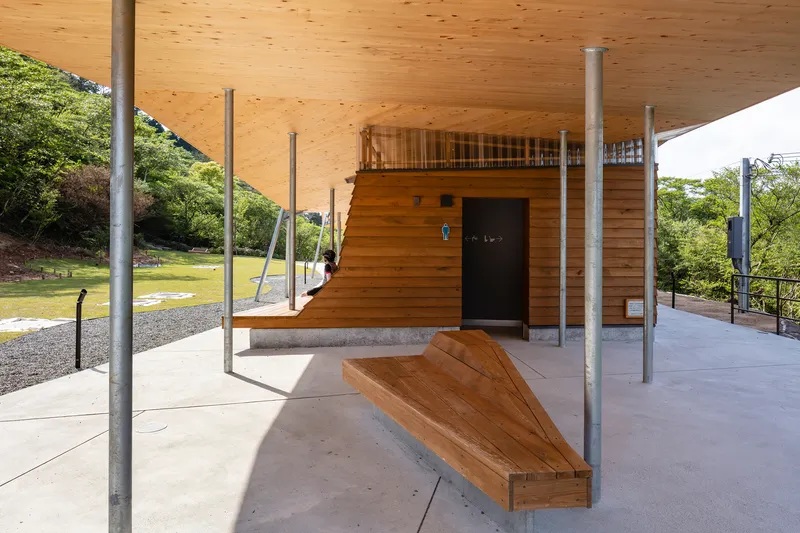
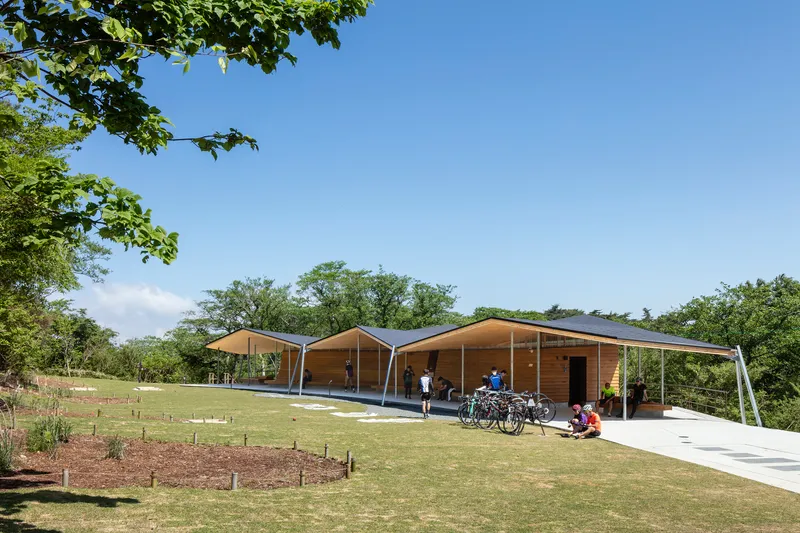
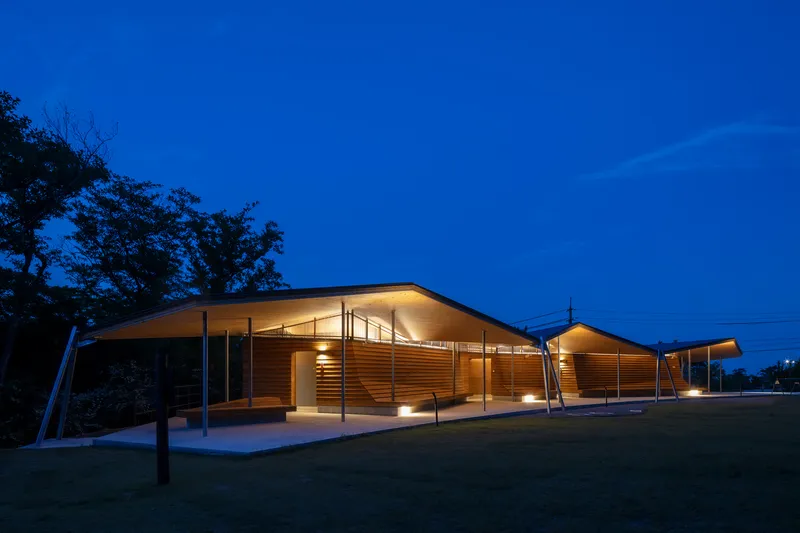
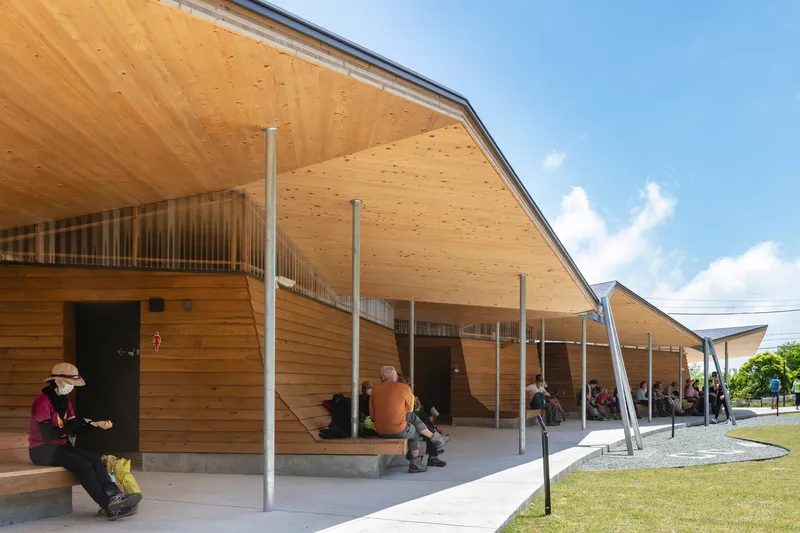
The design features a lightweight, folded wooden roof that seems to float above a bench-like structure, creating the impression of a large piece of furniture harmoniously inserted into the landscape. Using colors and finishes inspired by the surrounding trees, the building seamlessly blends with the national park environment, offering visitors a calming and immersive experience.

Thoughtful Use of Local Materials
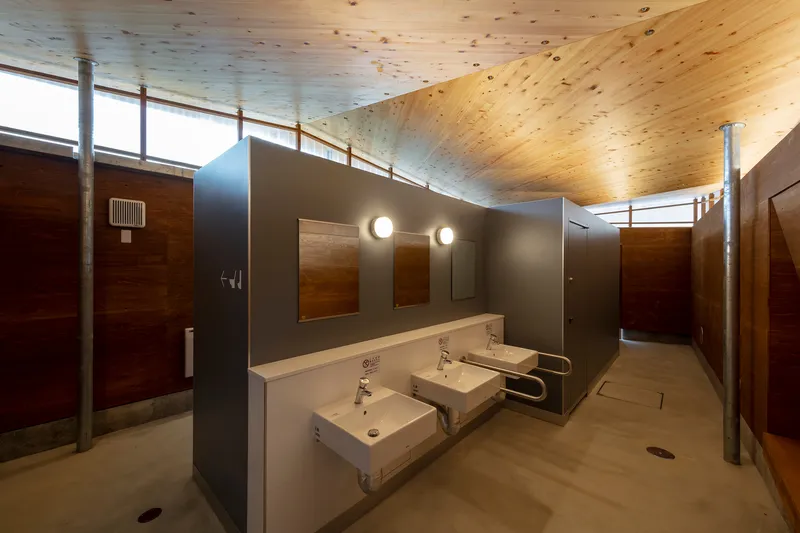
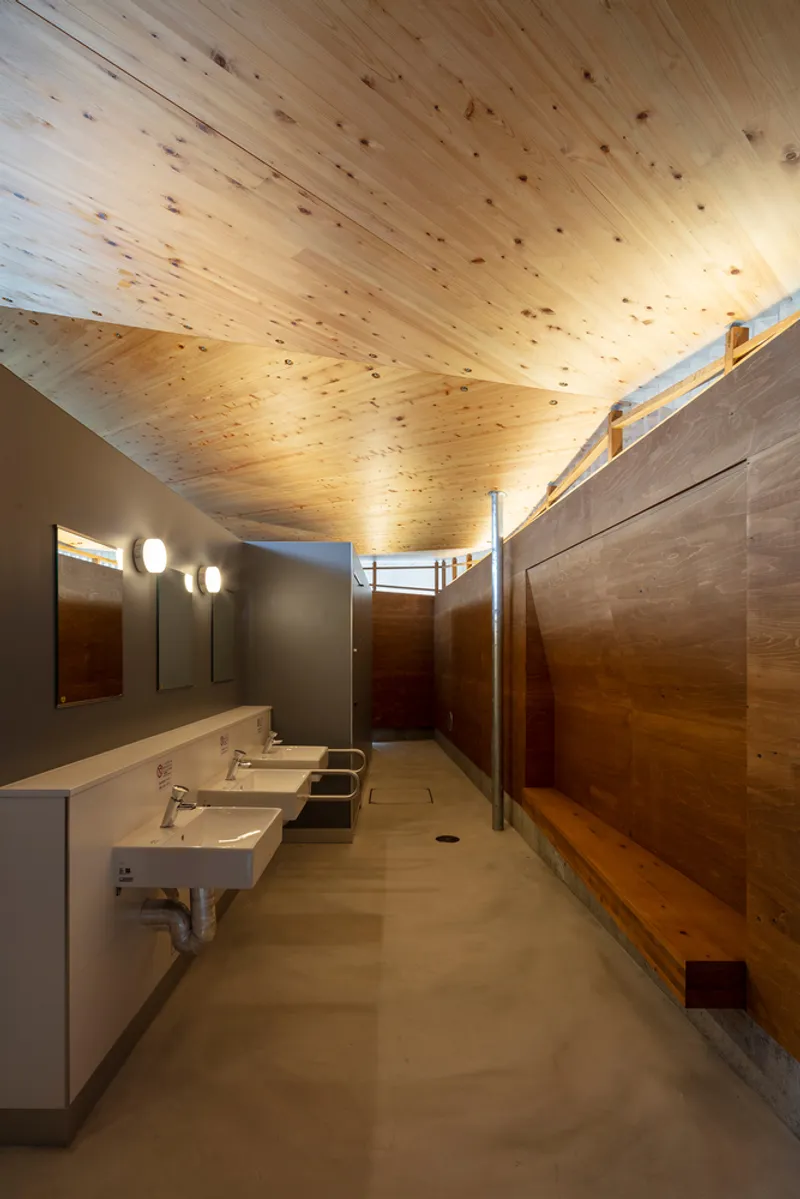
Sustainability is at the core of the project. The facility employs cross-laminated timber (CLT) made from cedar and Japanese cypress, sourced primarily from domestic forests. A portion of the wood comes from thinned trees from Mt. Rokko, helping maintain local forest health. Benches and exterior materials were crafted from local lumber, creating a cohesive material palette that resonates with the natural surroundings.
Rain-Protective Design and Environmental Integration
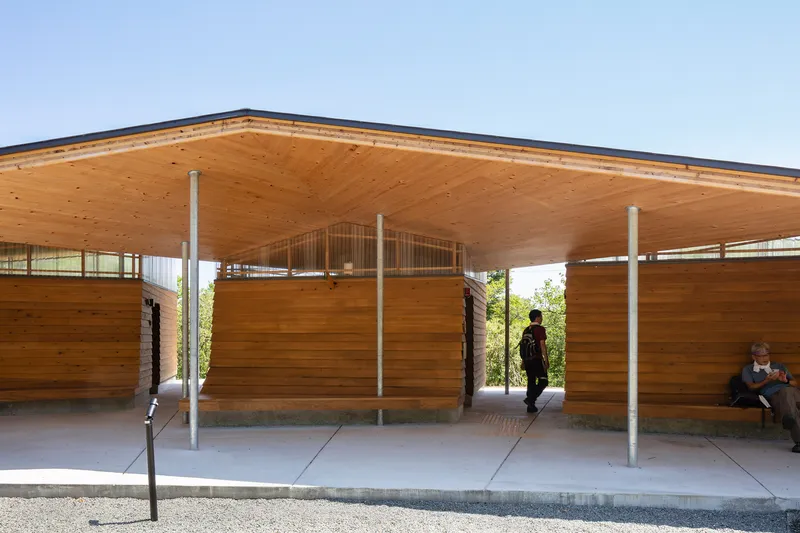
The deep eaves of the structure provide shelter during rainy weather, protecting both visitors and the outer walls. Rainwater management is elegantly incorporated: rainwater is collected from roof valleys and reused for hand-washing, while an underground purification and septic system enables a flush toilet function without conventional water and sewage networks.

Innovative Roof and Structural Design
The building’s roof showcases folded plate geometry with multiple ridges formed by connecting square and triangular wooden panels at varied angles. Supported by a delicate steel frame, this design creates a spacious interior while structurally separating the wooden roof from the steel shed below, merging conventional timber techniques with modern engineering.
Landscaping and Local Vegetation
The surrounding garden emphasizes regional vegetation, incorporating herbs and plants grown from seeds collected locally in the Rokko Mountains. This participatory approach allowed community members and workshops to be involved in the planting process, fostering engagement and stewardship. Over the seasons, the landscape transforms into a vibrant, colorful field, highlighting the natural diversity of Mt. Rokko.

A Sustainable, Community-Centered Landmark
By combining eco-friendly materials, rainwater recycling, and native landscaping, the Rest Space at the Summit of Mt. Rokko offers more than just a public facility. It serves as a model of sustainable public architecture, celebrating local culture, natural heritage, and community participation. Visitors can enjoy a functional, aesthetically pleasing space while connecting with the mountain’s rich ecological environment.

Architecture That Blends With Nature
The design features a lightweight, folded wooden roof that seems to float above a bench-like structure, creating the impression of a large piece of furniture harmoniously inserted into the landscape. Using colors and finishes inspired by the surrounding trees, the building seamlessly blends with the national park environment, offering visitors a calming and immersive experience.

Thoughtful Use of Local Materials
Sustainability is at the core of the project. The facility employs cross-laminated timber (CLT) made from cedar and Japanese cypress, sourced primarily from domestic forests. A portion of the wood comes from thinned trees from Mt. Rokko, helping maintain local forest health. Benches and exterior materials were crafted from local lumber, creating a cohesive material palette that resonates with the natural surroundings.
Rain-Protective Design and Environmental Integration
The deep eaves of the structure provide shelter during rainy weather, protecting both visitors and the outer walls. Rainwater management is elegantly incorporated: rainwater is collected from roof valleys and reused for hand-washing, while an underground purification and septic system enables a flush toilet function without conventional water and sewage networks.

Innovative Roof and Structural Design
The building’s roof showcases folded plate geometry with multiple ridges formed by connecting square and triangular wooden panels at varied angles. Supported by a delicate steel frame, this design creates a spacious interior while structurally separating the wooden roof from the steel shed below, merging conventional timber techniques with modern engineering.
Landscaping and Local Vegetation
The surrounding garden emphasizes regional vegetation, incorporating herbs and plants grown from seeds collected locally in the Rokko Mountains. This participatory approach allowed community members and workshops to be involved in the planting process, fostering engagement and stewardship. Over the seasons, the landscape transforms into a vibrant, colorful field, highlighting the natural diversity of Mt. Rokko.

A Sustainable, Community-Centered Landmark
By combining eco-friendly materials, rainwater recycling, and native landscaping, the Rest Space at the Summit of Mt. Rokko offers more than just a public facility. It serves as a model of sustainable public architecture, celebrating local culture, natural heritage, and community participation. Visitors can enjoy a functional, aesthetically pleasing space while connecting with the mountain’s rich ecological environment.

All photographs are works of
Shigeo Ogawa



Popular Articles
Popular articles from the community


Hill & Cross Opera: Sculptural Opera House Architecture Shaped by Tallinn’s Landscape and Identity
Hill & Cross Opera reimagines opera house architecture in Tallinn through its sculptural hill, civic plaza, glass wave and a luminous cross.

Lunar Spiral: Space Architecture Shaped by the Mathematics of the Universe
Lunar Spiral reimagines space architecture through Fibonacci geometry, lunar regolith, levitating habitats, and self-sustaining Moon living.

Conexión: Biophilic Design Reimagines High-Rise Living in Hong Kong
Conexión reimagines high-rise living in Hong Kong through biophilic design, green facades, shared spaces, daylight, water and nature within.

Co-Life: Senior Housing Design That Reconnects Older Adults With the City
Co-Life reimagines senior housing design through healing gardens, shared streets, workshops, and a sustainable community across generations.


Similar Reads
You might also enjoy these articles

FAMM Arquitectura Organizes Ten Villas Around Courtyards and Jungle in Nosara, Costa Rica
El Molino pairs two elongated volumes with deep overhangs and timber louvers to build a compact coastal community five minutes from the beach.
Oscar Niemeyer's Ibirapuera Park Pavilions Define São Paulo's Cultural Identity in Concrete and Curve
A constellation of modernist volumes set within São Paulo's most important urban park, conceived for the city's 400th anniversary in 1954.
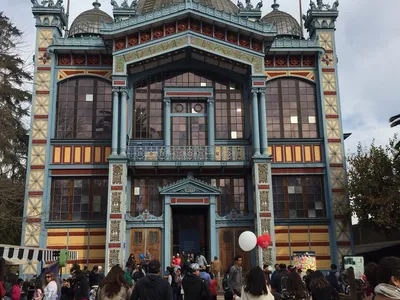
How Henri Picq's 1889 Paris Pavilion Traveled 11,000 Kilometers to Become Santiago's Artequín Museum
A prefabricated iron and glass pavilion built for the Paris Universal Exposition found a second life as a children's art museum in Chile.
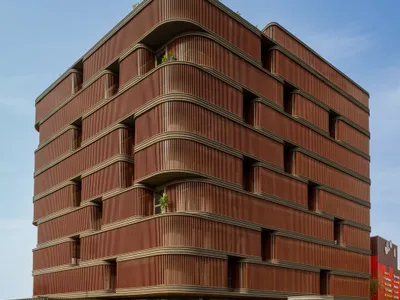
Sanjay Puri Architects Wraps a Jaipur Office Tower in Capsule-Shaped Green Buffers
A nine-level climate-responsive workplace near Jaipur Airport uses stacked planter terraces and aluminium screens to fight 40°C heat.


Explore Public Architecture Competitions
Discover active competitions in this discipline



Challenge to reimagine the Iron Throne


Photograph architecture without architects


Illustrate the lost glory of Angkor Wat - Render Challenge


Design challenge to reuse E-waste
Comments (0)
Please login or sign up to add comments
No comments yet. Be the first to comment!