
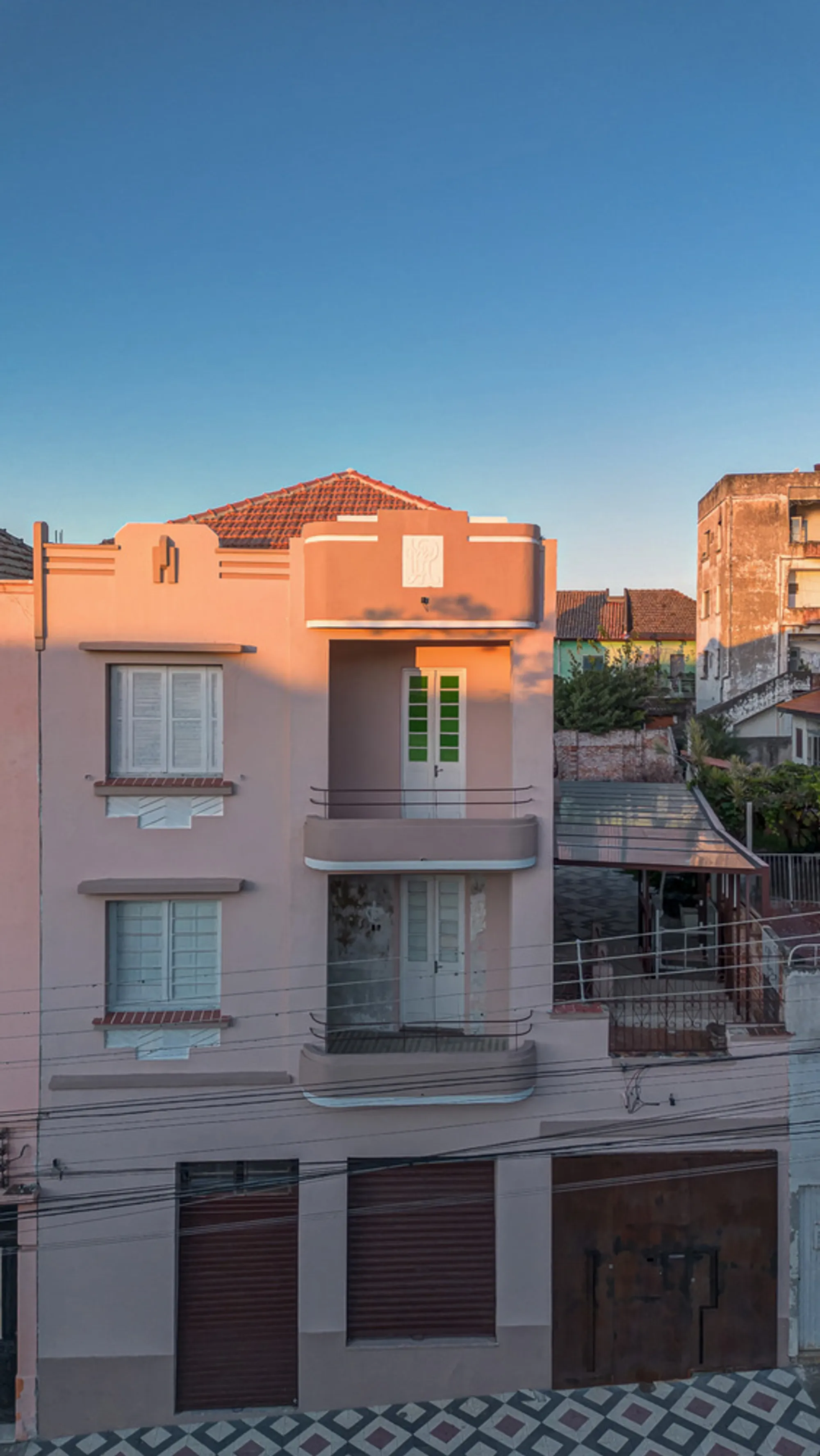
Revitalizing History: Coworking Casa Pedra’s Adaptive Reuse of Art Deco Architecture in Santa Maria"
The article discusses the adaptive reuse of Casa Pedra, blending historic Art Deco architecture with modern coworking space design.


Introduction to Coworking Casa Pedra by Q_arts Arquitetura
Located in Santa Maria, Brazil, Coworking Casa Pedra is a stunning example of adaptive reuse architecture brought to life by Q_arts Arquitetura. Originally constructed in 1939 as the headquarters of the Correio do Povo newspaper, the building has since been transformed into a modern coworking space that honors its Art Deco architectural heritage.
The History of Coworking Casa Pedra: An Art Deco Legacy
The building that is now Casa Pedra was initially designed with a dual purpose: as a single-family residence with a commercial ground floor. The Art Deco design is evident in the geometrically styled facade facing the historic Avenida Rio Branco. The facade is divided into three distinct segments: base, body, and crowning, reflecting the architectural norms of the Art Deco period.
The building's original design includes unique features such as:
- Curved balconies that project over the sidewalk
- Stepped parapets and vertical friezes that emphasize the building's verticality
- Decorative elements, including the initials of the first owner, integrated into the parapet design
Adaptive Reuse and Restoration by Q_arts Arquitetura
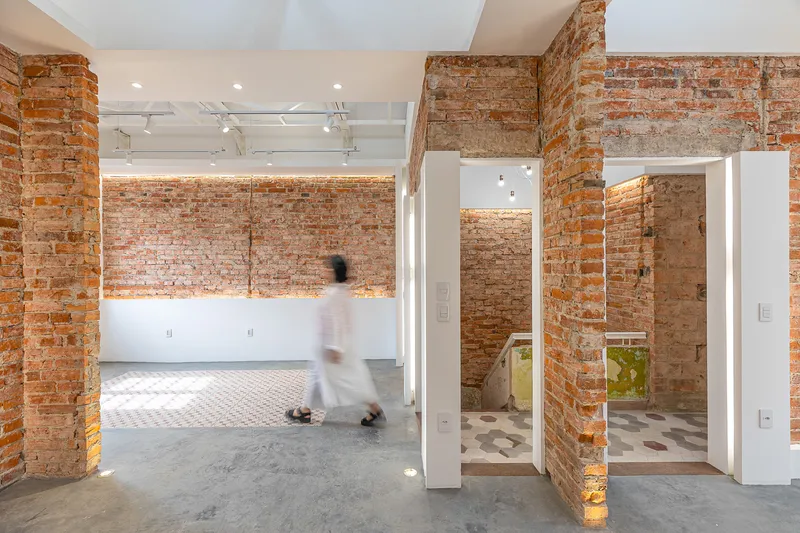
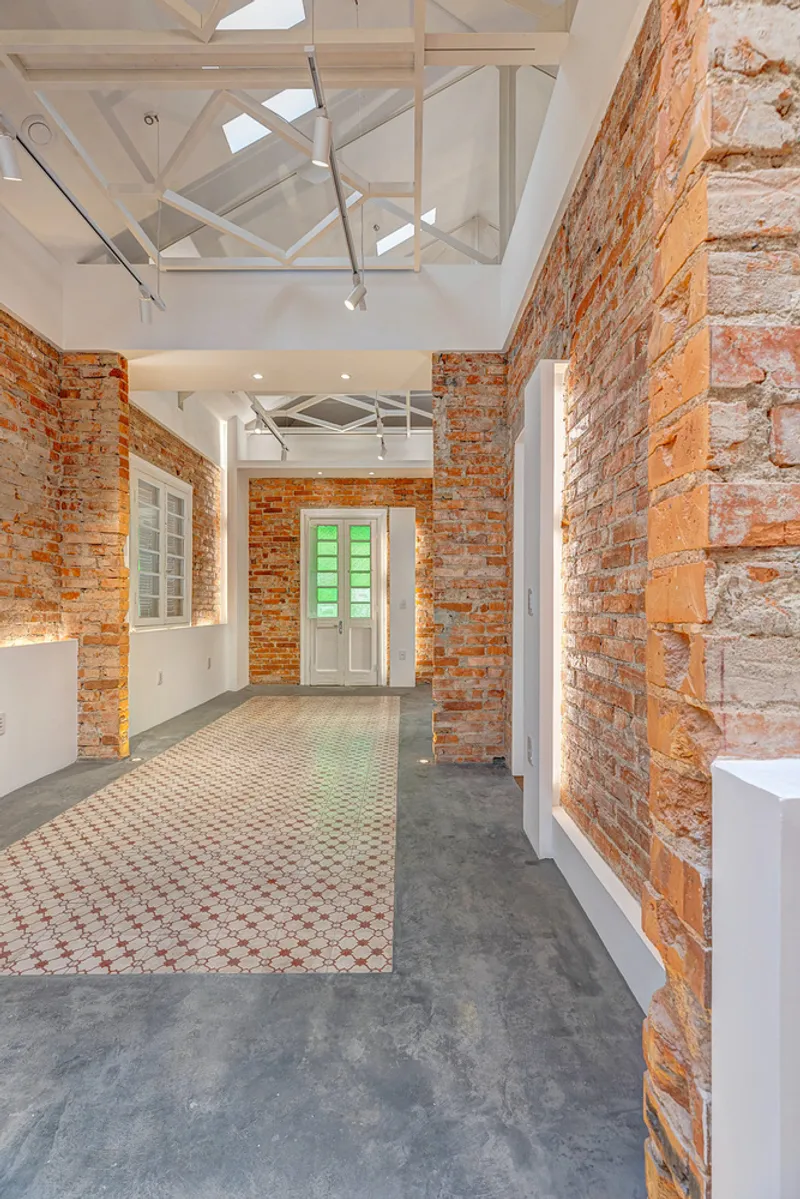
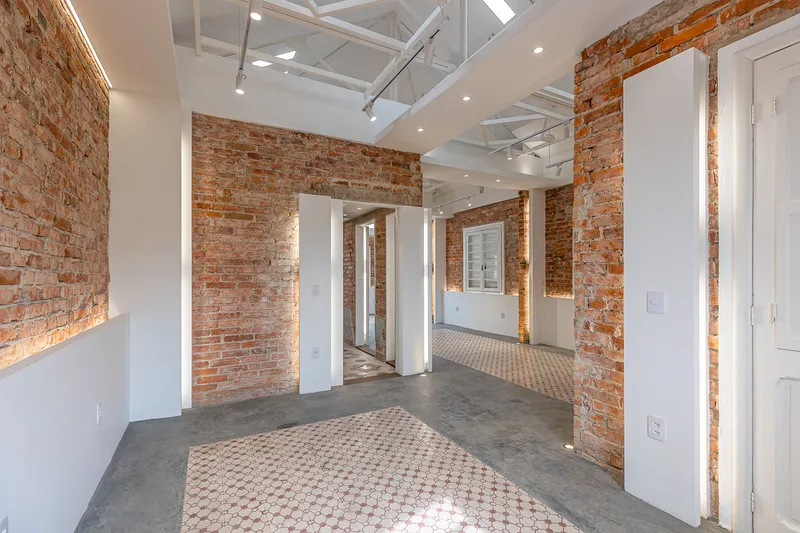
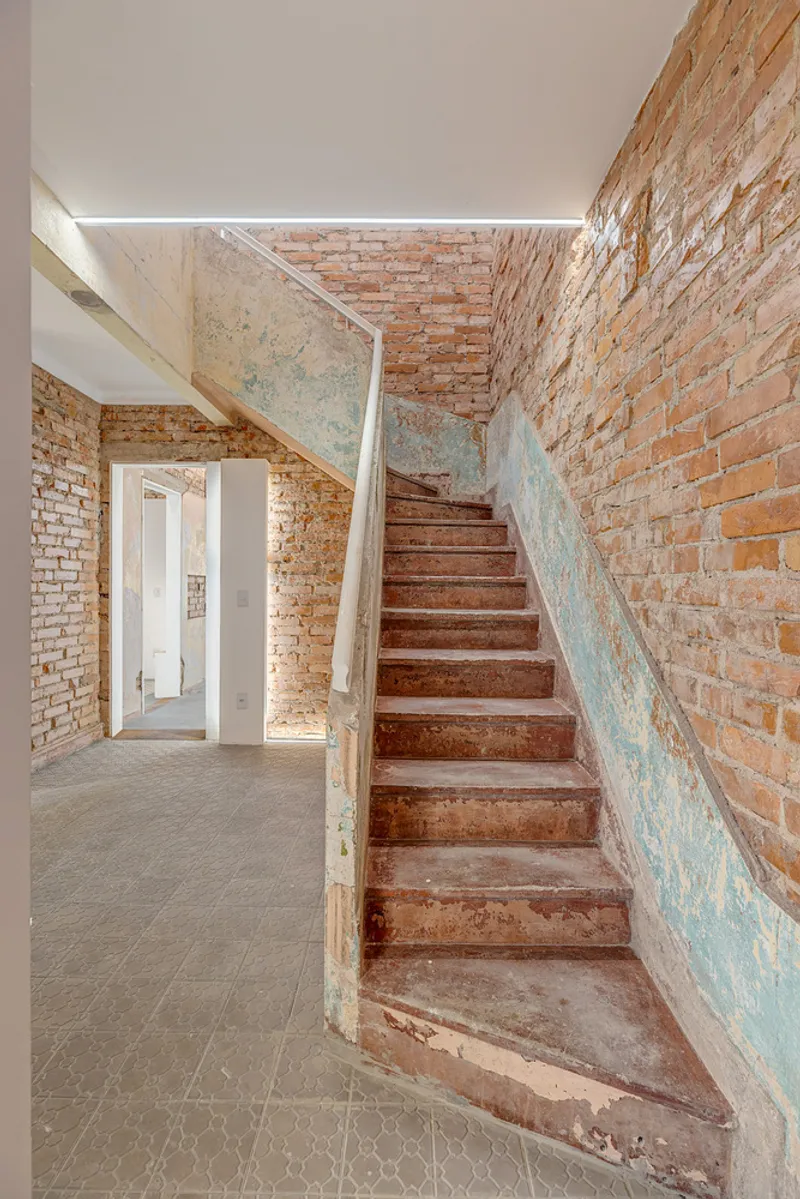
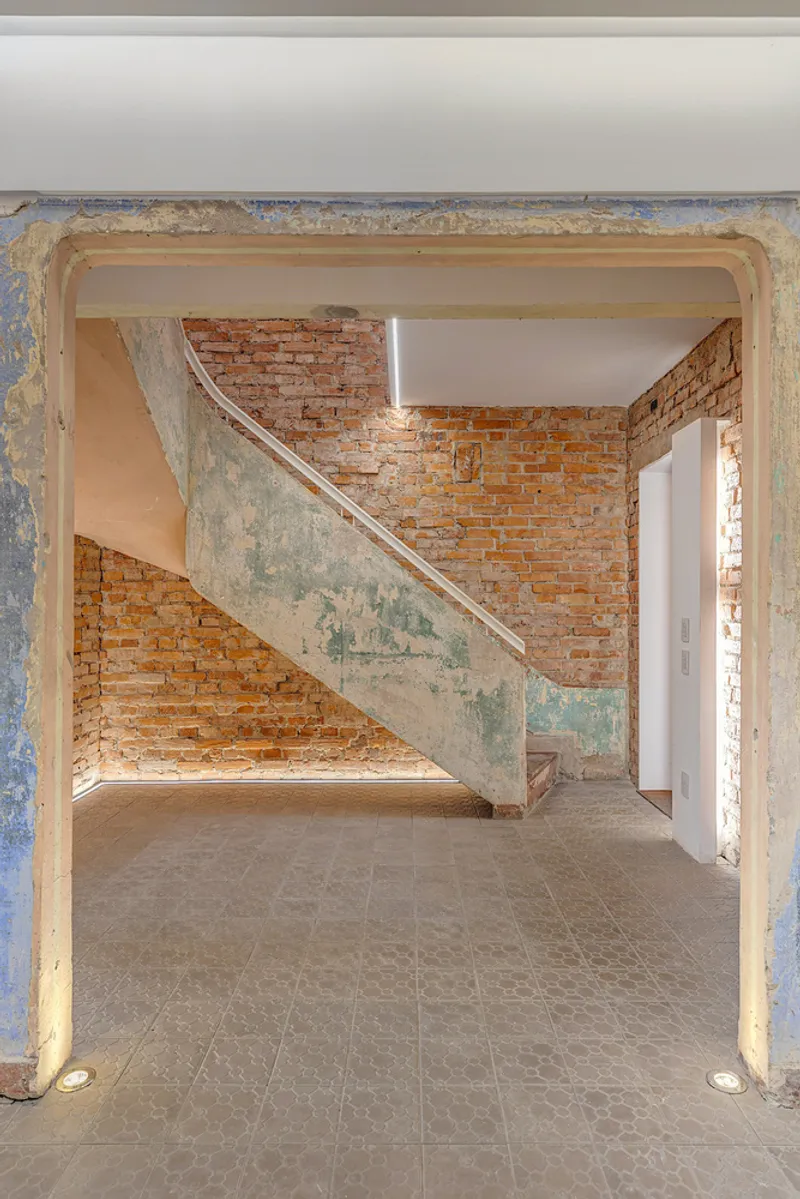
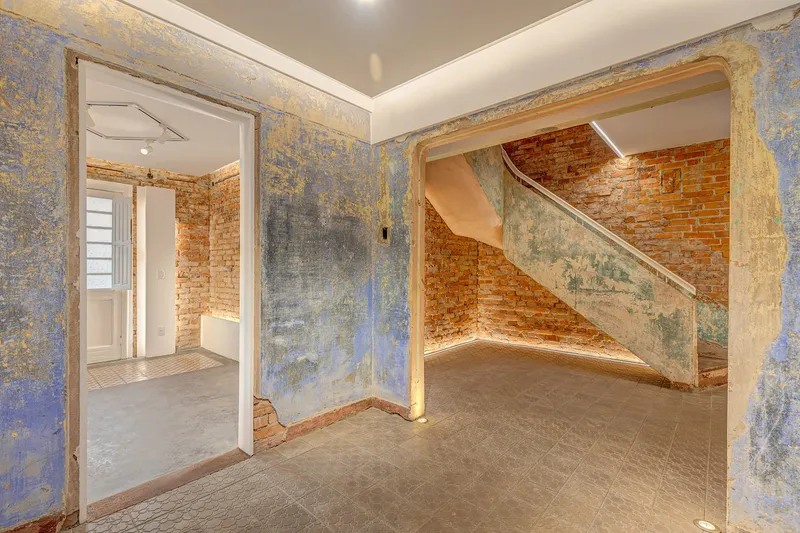
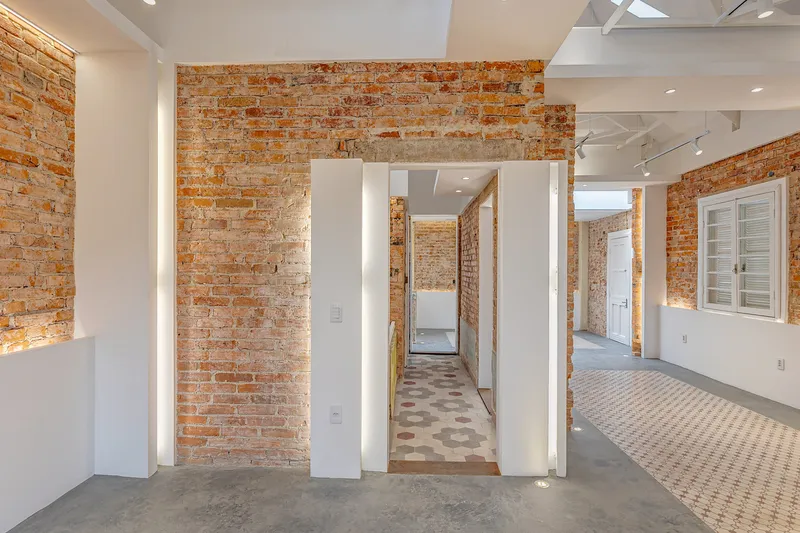
In recent years, Q_arts Arquitetura carefully undertook the restoration and adaptive reuse of Casa Pedra. The goal was to preserve the historic Art Deco features while creating a functional, modern coworking space that respects the original architecture. Key interventions were carried out to balance historical preservation with modern requirements:
- Accessibility: An elevator platform was added to make the upper floors accessible.
- Structural and Electrical Updates: Electrical and lighting systems were modernized.
- Collaborative Spaces: On the third floor, spaces were reconfigured to create collaborative areas suited for coworking.
During the renovation, layers of old paint were removed, revealing mural paintings that were preserved as a homage to the building’s history. The design for the internal pergolas and the patio covering was inspired by original ceiling motifs, preserving the cultural essence of Casa Pedra.
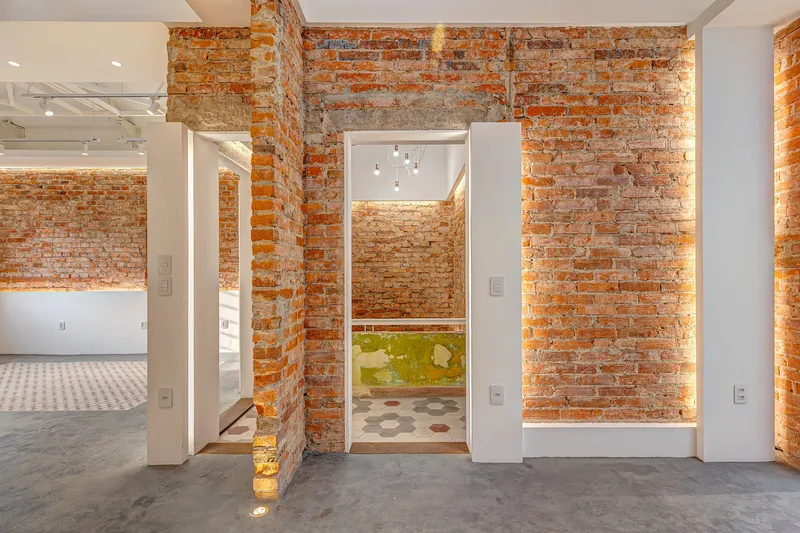
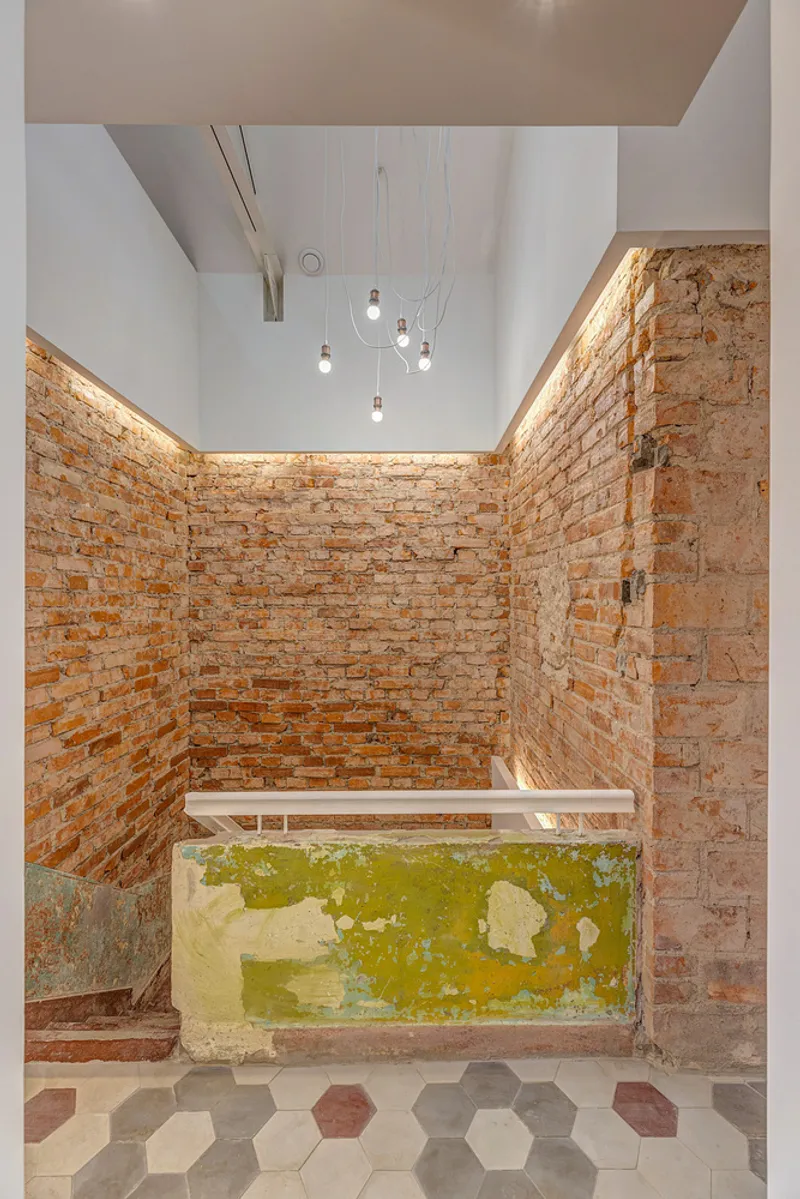
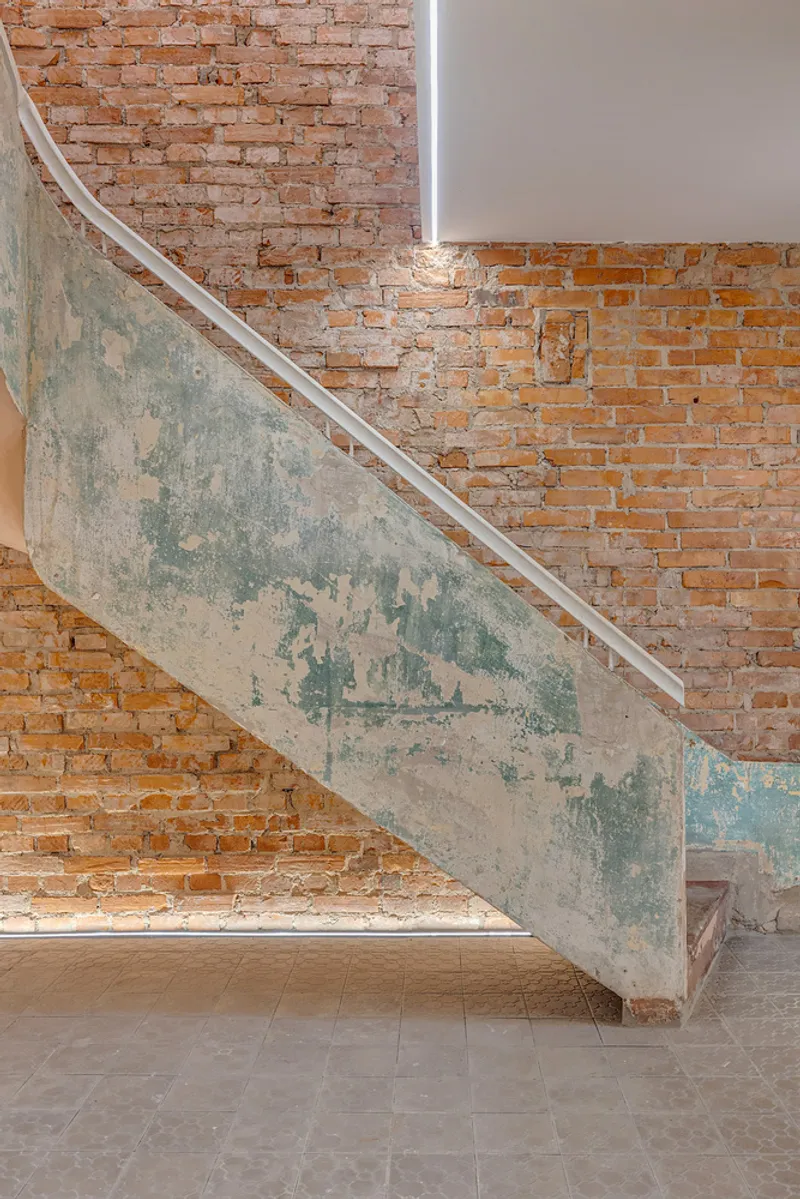
Coworking Casa Pedra as a Cultural Asset in Santa Maria, Brazil
In 2018, journalist Marcelo Canellas acquired the building, and most of its historical Art Deco elements were still intact. The property has since been officially recognized as a cultural asset by the Santa Maria municipality, emphasizing its value in Brazil’s architectural heritage.
The adaptive reuse of Casa Pedra offers a blueprint for sustainable preservation. By combining Art Deco architecture with the modern functionality of a coworking space, Q_arts Arquitetura has created a design that is both respectful of history and aligned with contemporary needs.
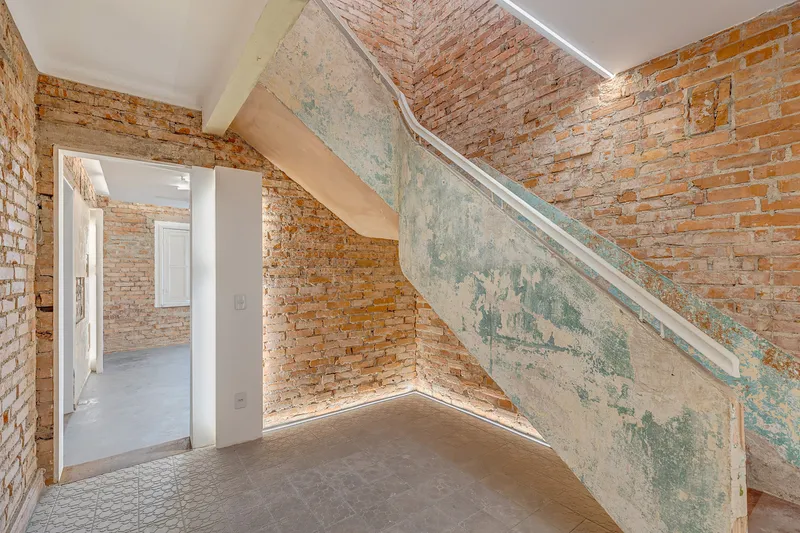
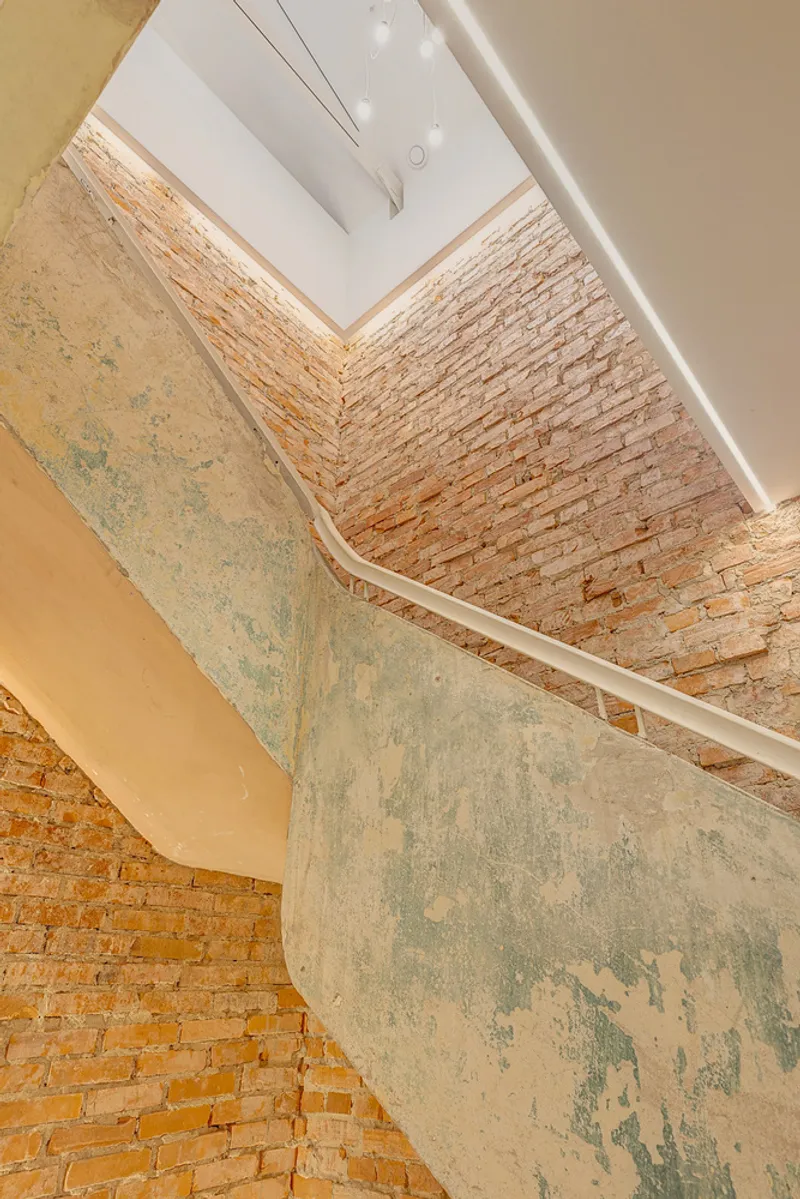
Coworking Casa Pedra – A Model of Adaptive Reuse
Coworking Casa Pedra exemplifies how historic buildings can be revitalized for modern use while preserving architectural integrity. Through adaptive reuse, Q_arts Arquitetura has crafted a space that supports contemporary coworking demands while celebrating Santa Maria's Art Deco past. This project stands as a testament to the enduring value of historical preservation in architectural design.
For anyone interested in coworking spaces that merge history with innovation, Casa Pedra in Santa Maria is a must-see.
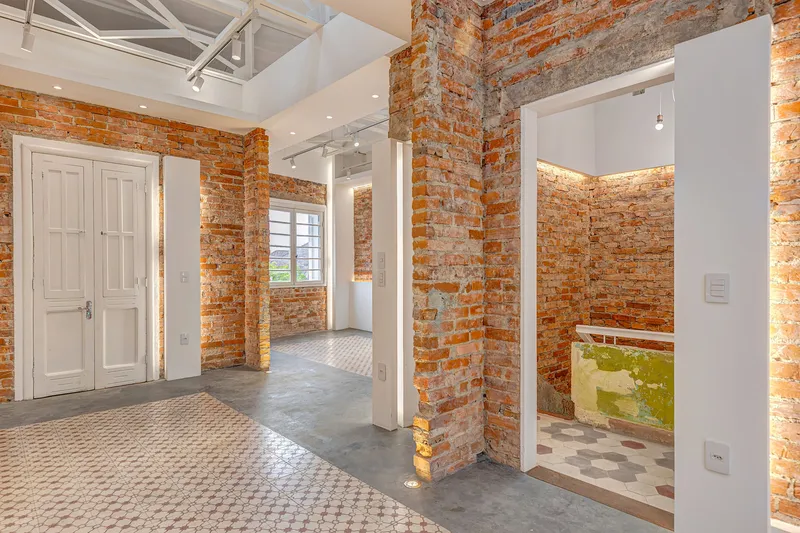
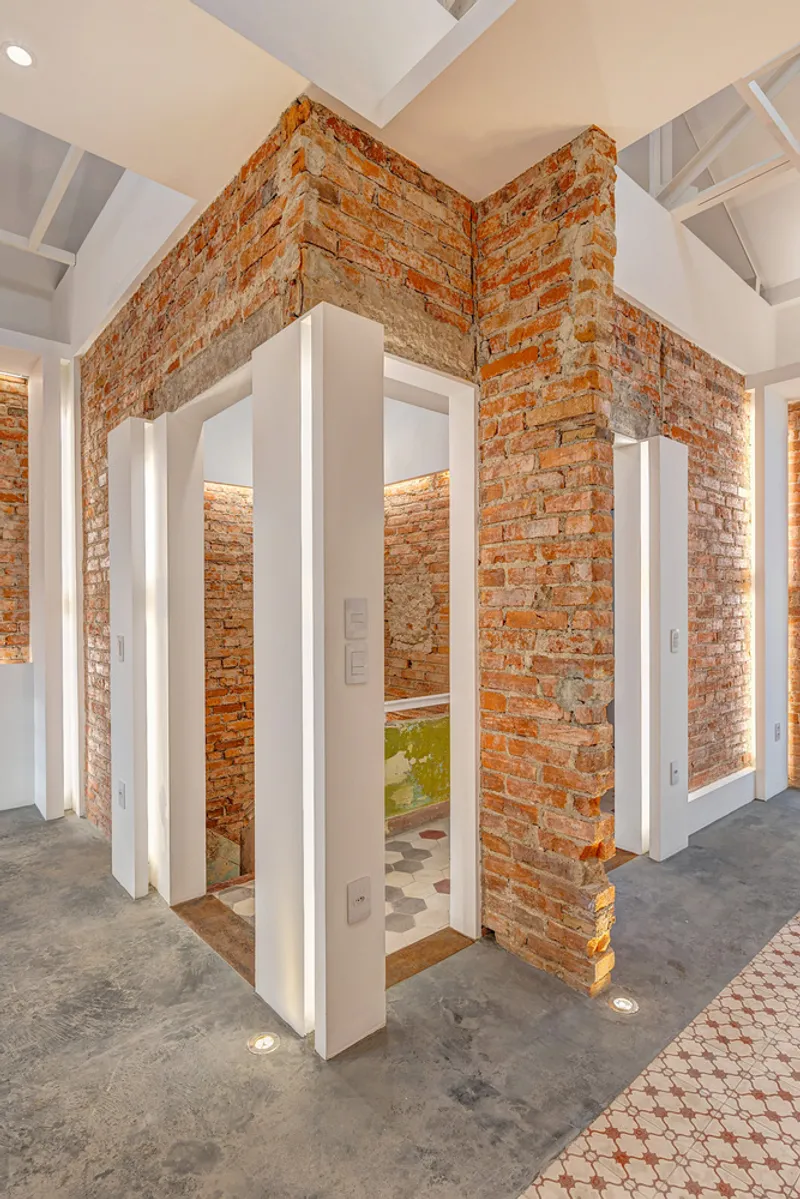
All photographs are work of Juliano Mendes



Popular Articles
Popular articles from the community


Play: Fragments of Their World
Familiar architecture becomes modular playground design, creating safe spaces where displaced children can learn, connect, imagine and play.

Co-Life: Senior Housing Design That Reconnects Older Adults With the City
Co-Life reimagines senior housing design through healing gardens, shared streets, workshops, and a sustainable community across generations.

Riyadh For All: Intergenerational Urban Design for Active Aging in Rabat
Riyadh For All reimagines urban design in Rabat with intergenerational co-living, adaptive courtyards, and Moroccan cultural exchange today.

The Earth Pod: 3D Printed Homes for Resilient Refugee Communities
The Earth Pod reimagines refugee housing through 3D printed homes made from clay, combining resilience, self-sufficiency, and rapid shelter.
Similar Reads
You might also enjoy these articles


Hodi-Mandai Geram
Project Function: Preservation and revitalization of the Intangible heritage and socio-spatial identity of the Hodi by Housing, Cultural Memory Center, Sacred Grove, landscape, local tourism economy


Olio Towers: A Mid-Rise for Performers That Fuses Housing, Rehearsal, and Stage
Located blocks from Houston's Theater District, this modular tower stacks living units around a central performance atrium.

Oasis: Modular Green Housing Carved into Dhaka's Urban Fabric
A shortlisted Plugin Housing entry reclaims unauthorized settlements in Dhaka with stepped concrete volumes, green roofs, and ventilation-driven design.

Black Hole: A Floating Megastructure for the Post-Physical Era
Emiliano Mazzarotto envisions a spherical, self-scaling arena where e-sports, digital hotels, and holographic stadiums replace traditional public space.

Explore Urban Planning Competitions
Discover active competitions in this discipline



Challenge to reimagine the Iron Throne


Photograph architecture without architects


Illustrate the lost glory of Angkor Wat - Render Challenge


Design challenge to reuse E-waste
Comments (0)
Please login or sign up to add comments
No comments yet. Be the first to comment!