

Revolutionizing Politics through Architecture: André Jaque's Reggio School of Political Innovation
Can Architecture Shape a New Era of Political Innovation? André Jaque's Reggio School Explores the Possibilities
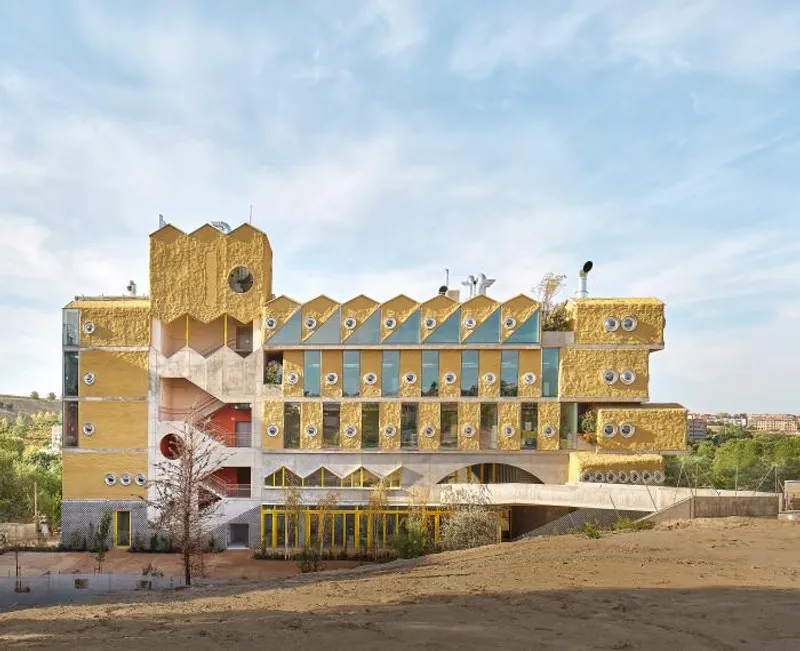
The Reggio School design is based on the belief that architecture can inspire children to explore and ask questions. The building is seen as an intricate ecosystem that allows students to take control of their learning through self-directed collective experimentation. This follows the pedagogical ideas of Loris Malaguzzi and the parents of Reggio nell’Emilia, which are designed to help children develop the skills to handle unpredictable situations and opportunities. The design, construction, and use of the building go beyond sustainability to embrace ecology, where environmental impact, human-nonhuman relationships, material mobilization, collective governance, and pedagogy all come together through architecture.
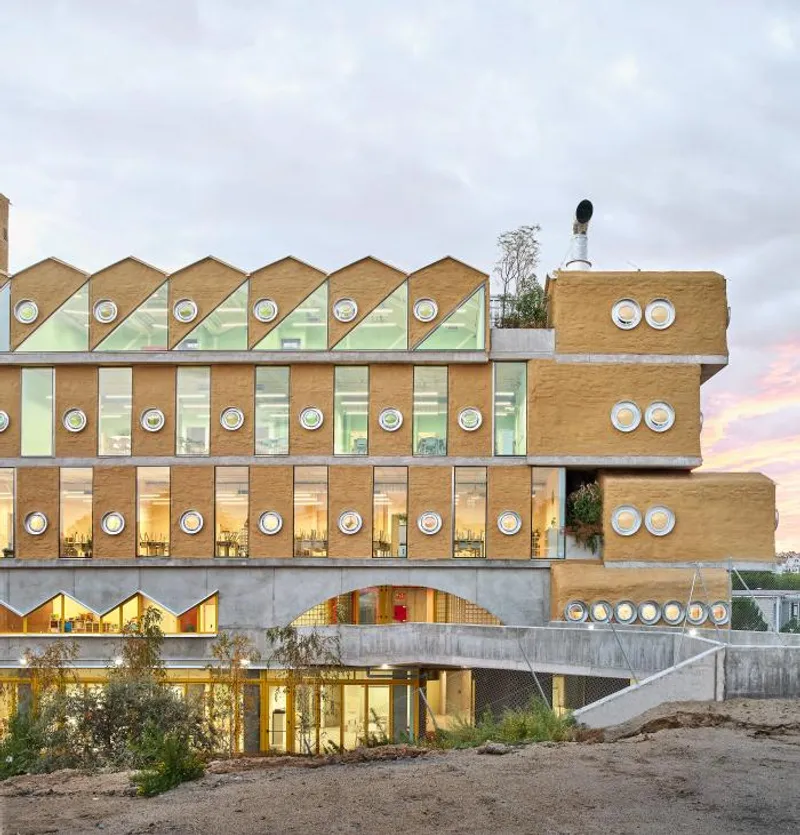
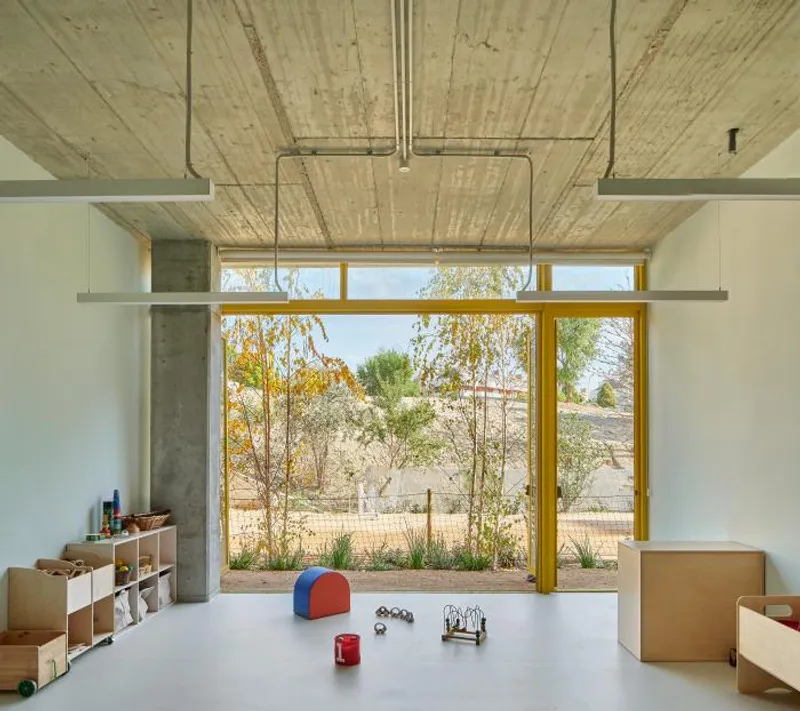
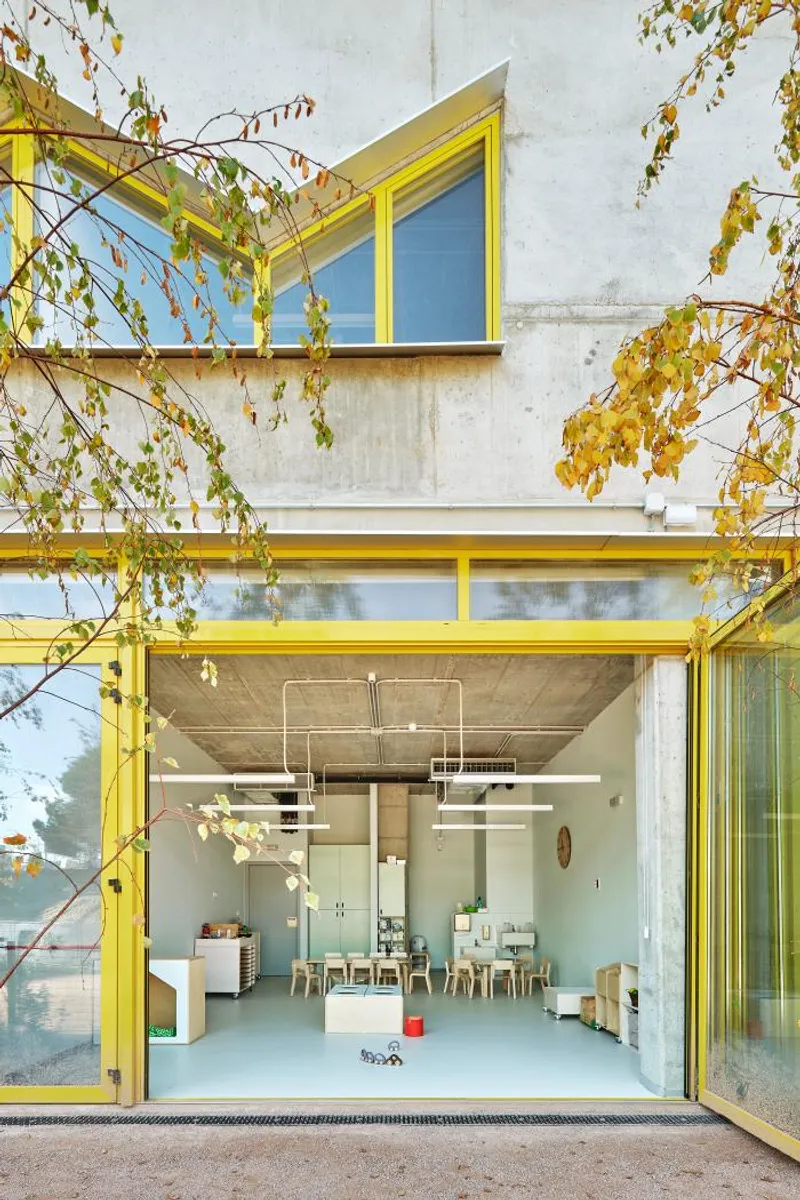
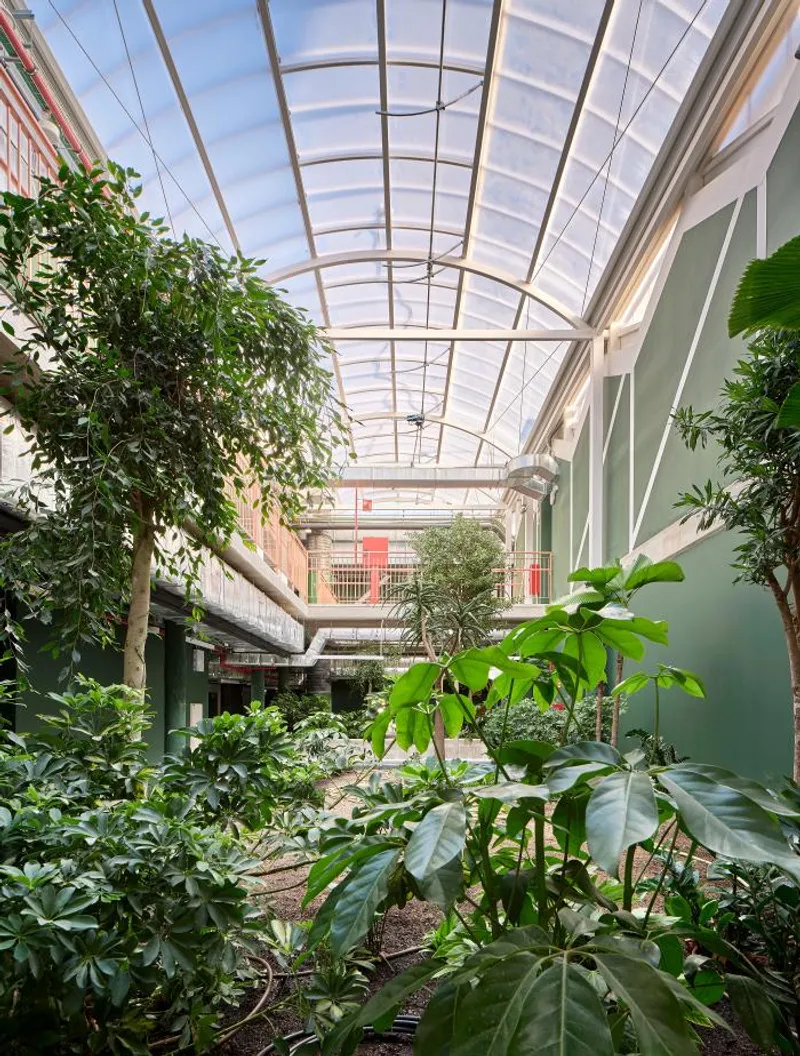
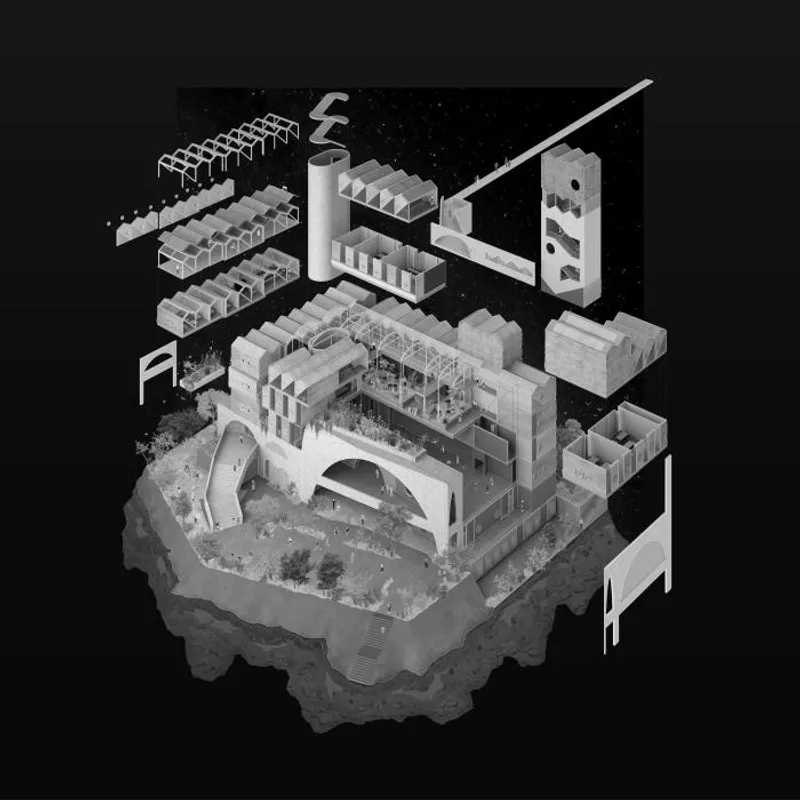
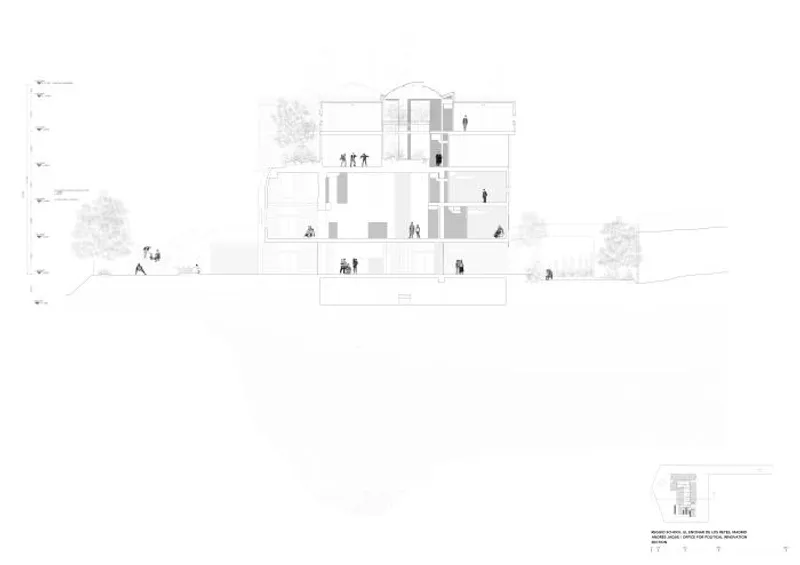
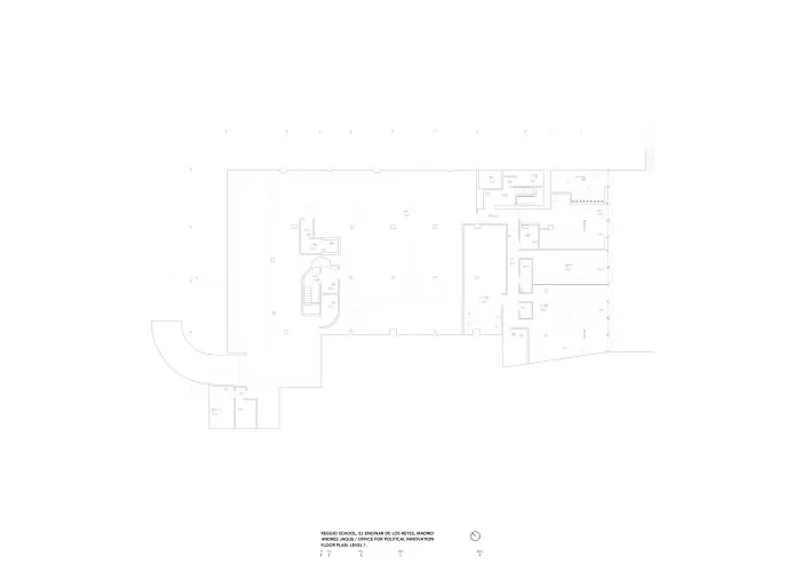
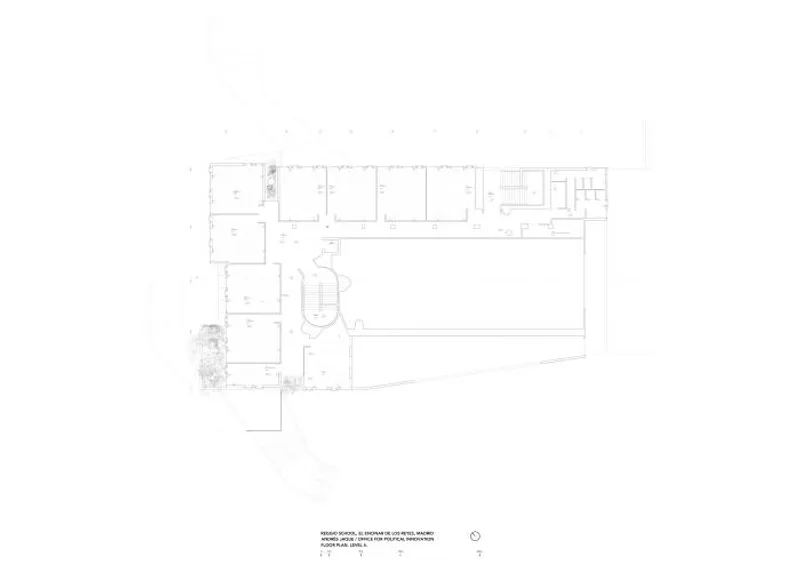
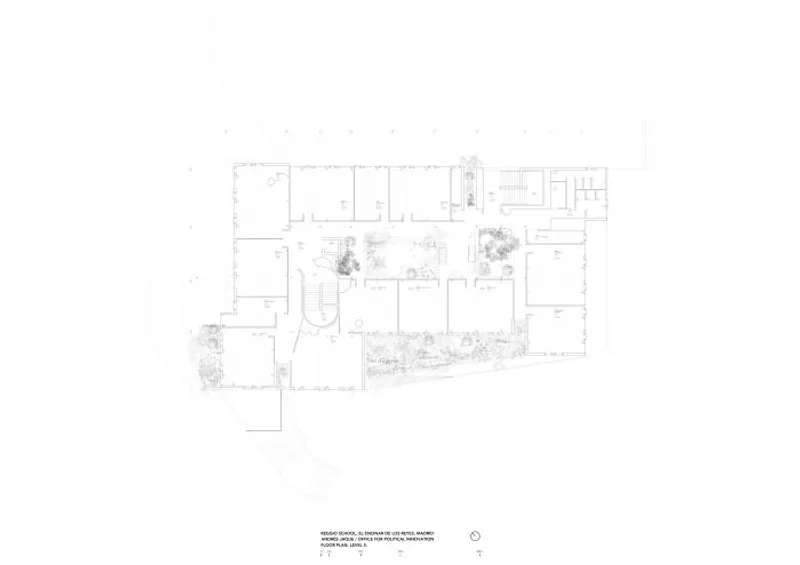
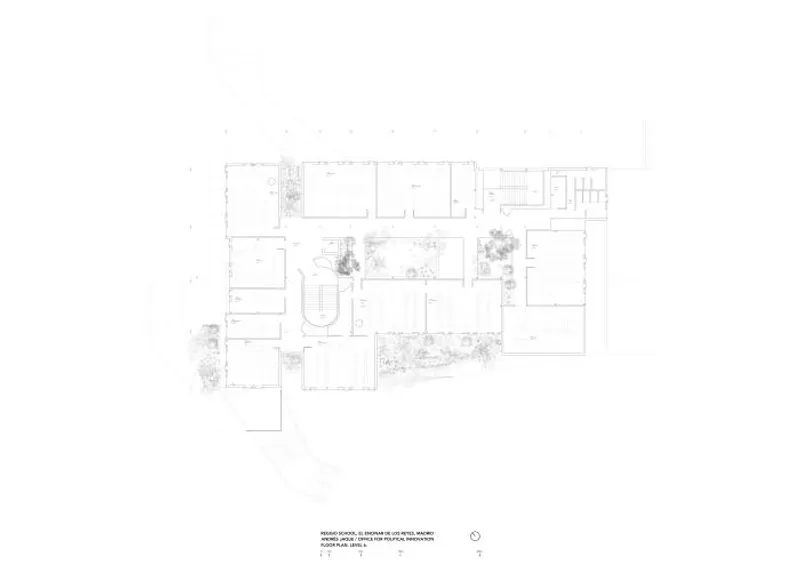
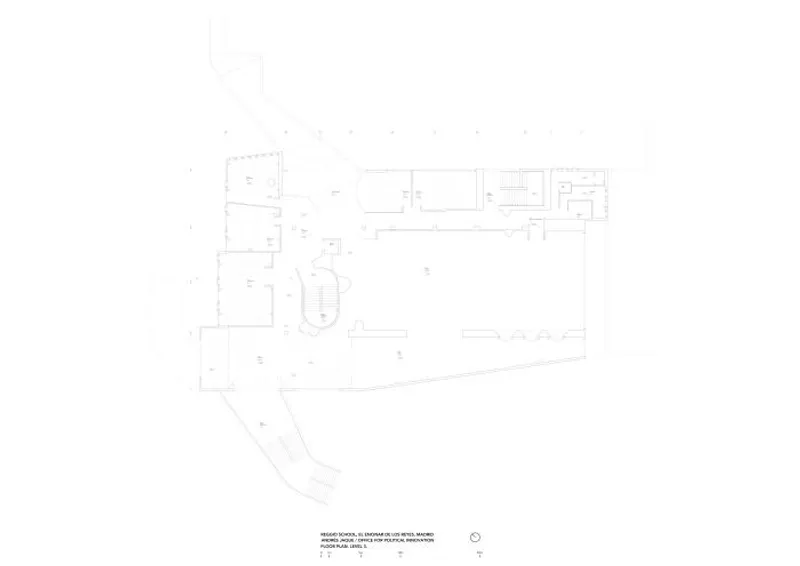
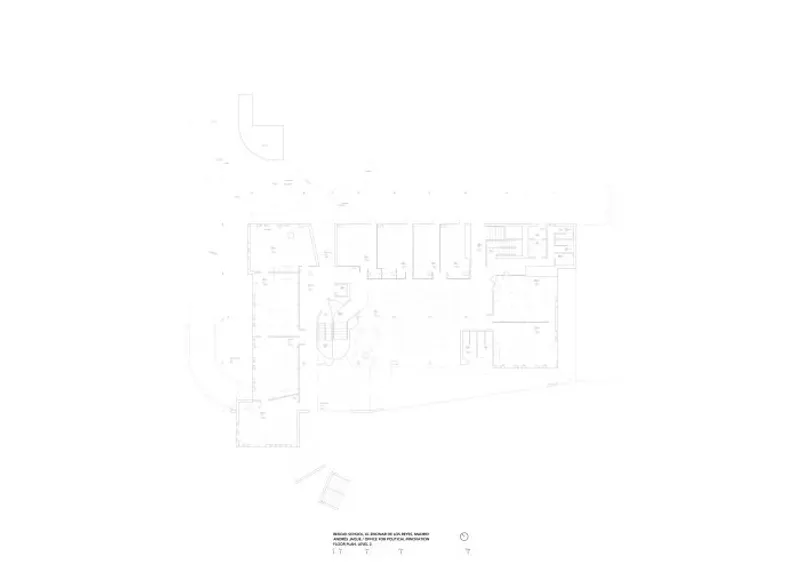
The school is designed to be a diverse, self-educating environment. It has different climates, ecosystems, architectural styles, and regulations. The ground floor has classrooms for younger students. Above that are intermediate classes with water and soil tanks that feed an indoor garden. The top levels have a greenhouse and classrooms for older students, arranged like a small village.
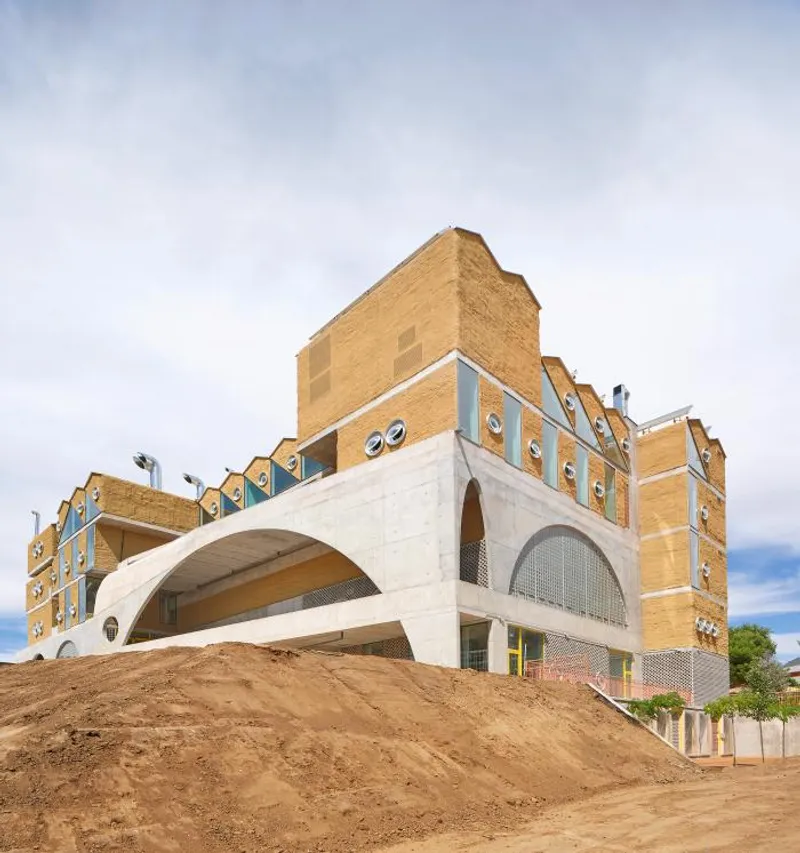
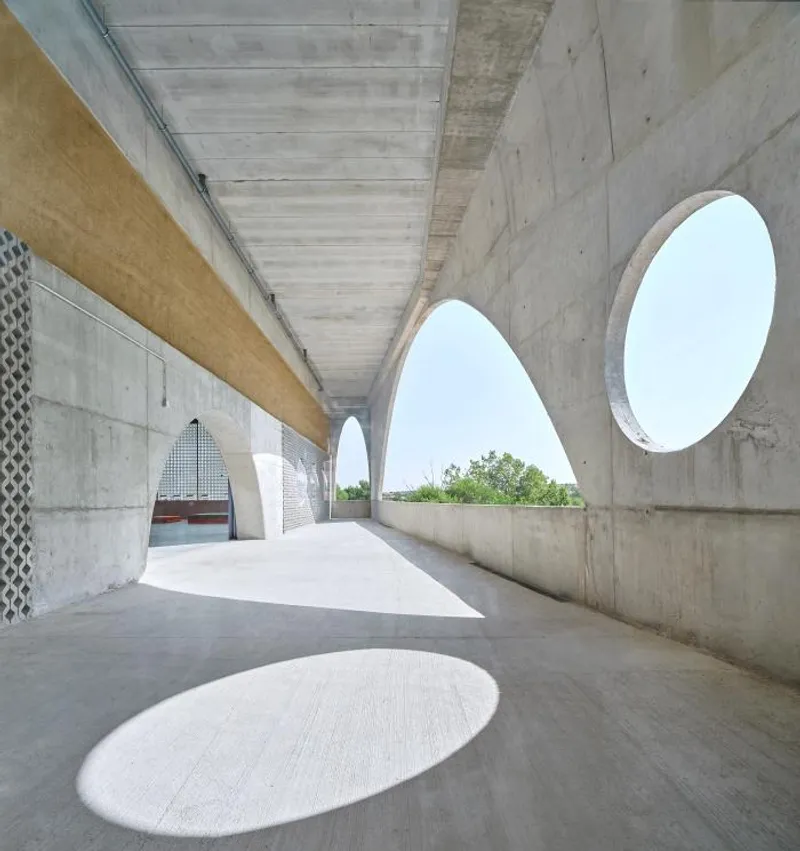
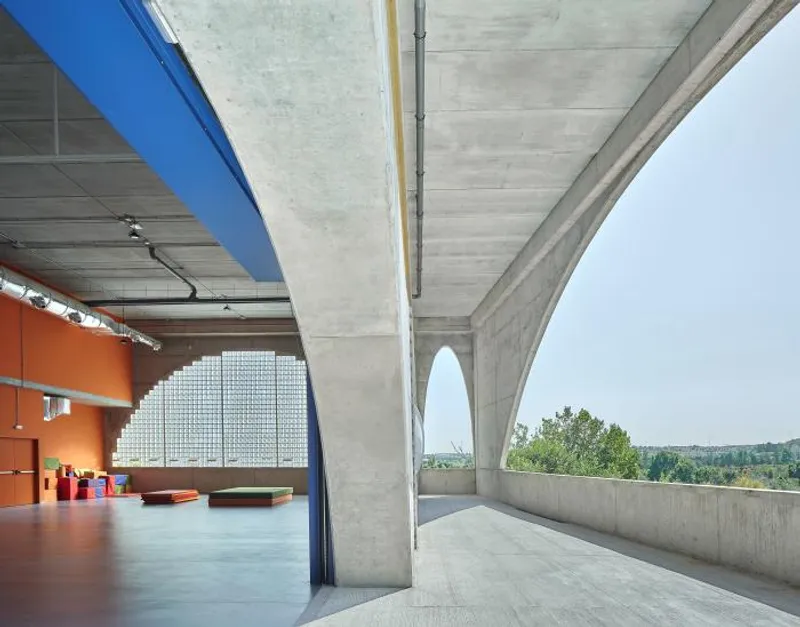
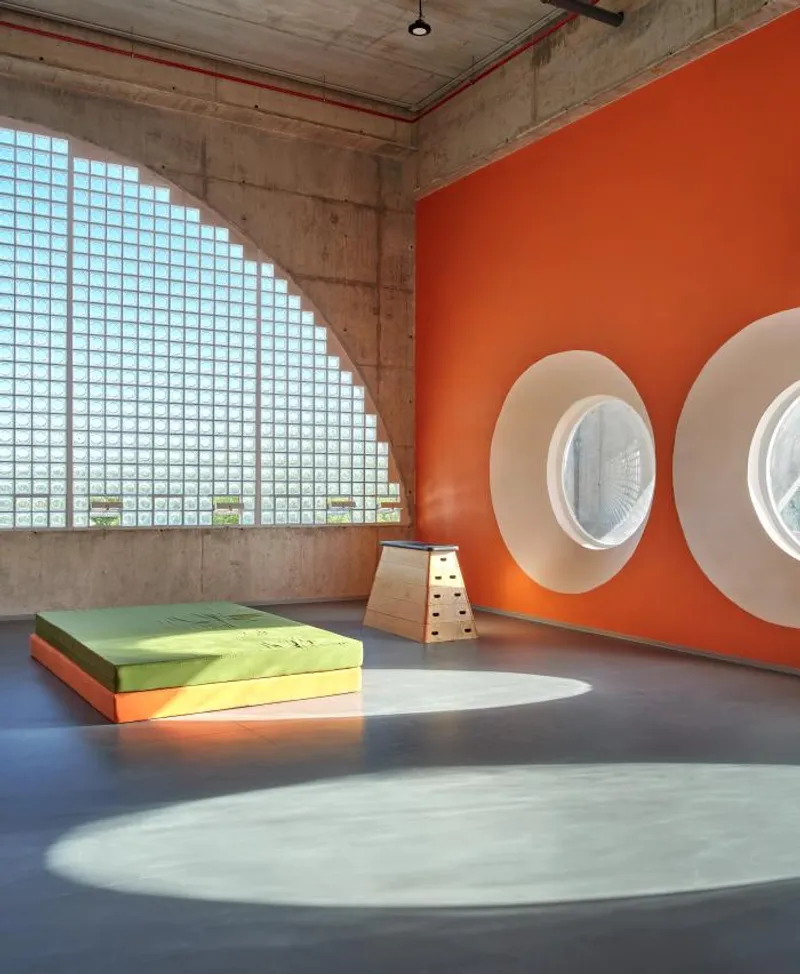
This distribution of uses implies an ongoing maturity process that translates into an increased capacity for students to explore the school ecosystem independently and with their peers. A more-than-human assembly, formalized as a large void opened through landscape-scale arches to the surrounding ecosystems, serves as the school's main social plaza. This 5,000 square-foot central area, which is over 26 feet high, is conceived of as a cosmopolitical agora; a semi-enclosed space crossed by air tempered by the holm oak trees from the nearby countryside. A network of ecologists and edaphologists designed small gardens specifically to host and nurture communities of insects, butterflies, birds, and bats. Here, everyday activities such as exercise coexist with discussions about how the school is run as a community and how to interact with the nearby streams and fields. Ultimately, this floor functions as a more-than-human summit chamber where students and teachers can sense and attune to the ecosystems they are part of.
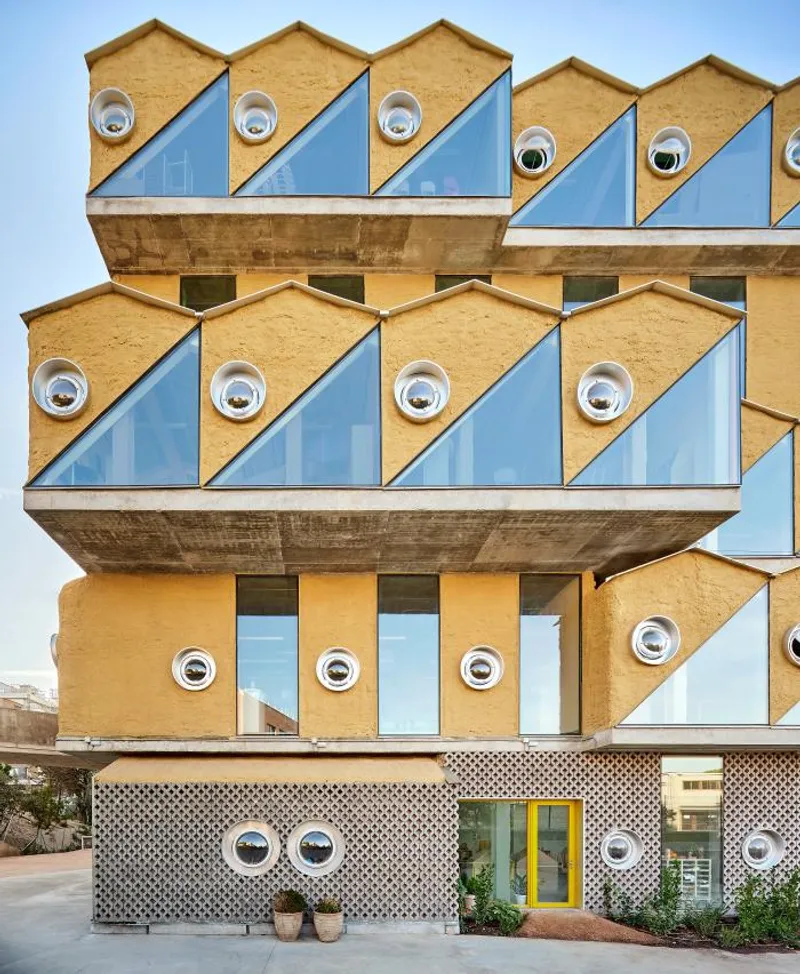
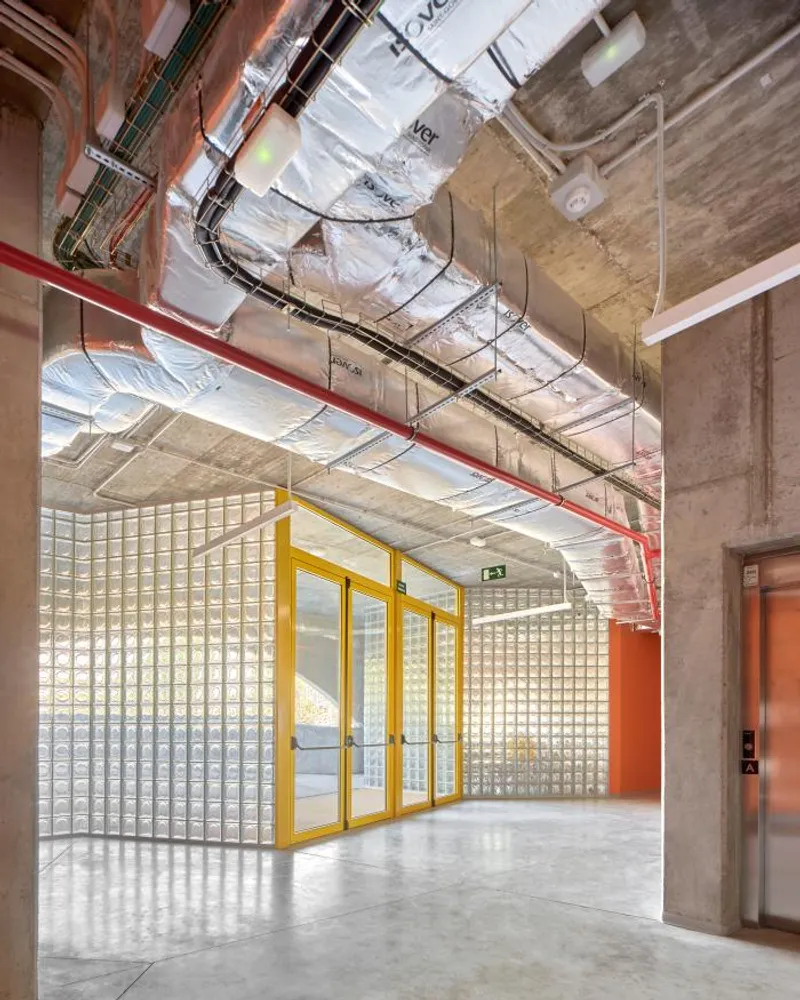
The mechanical systems of this building are visible, providing a pedagogical opportunity and an alternative to the common efforts to conceal such systems. This allows for the flows that keep the building activity to be observed, enabling students to gain an understanding of how their bodies and social interactions are dependent on water, energy, and air exchanges and circulations. The building does not attempt to hide pipes, conduits, wires, and grilles, but instead allows them to become part of its visual and material ecosystem. A low-budget strategy has been developed to reduce the environmental footprint of the building, based on the principles of thinning, skinning, and making fluffy. This strategy is particularly beneficial in the context of Southern Europe, where high-tech sustainable solutions are often only available to high-budgeted, corporate, or state-promoted buildings.
- Verticality to minimize land usage. Rather than selecting a horizontally expanding land occupation, as is the case for 90% of school designs, Reggio School is a compact vertical structure. This design choice minimizes the building's footprint, optimizes the overall requirement for foundations, and significantly decreases its facade rate.
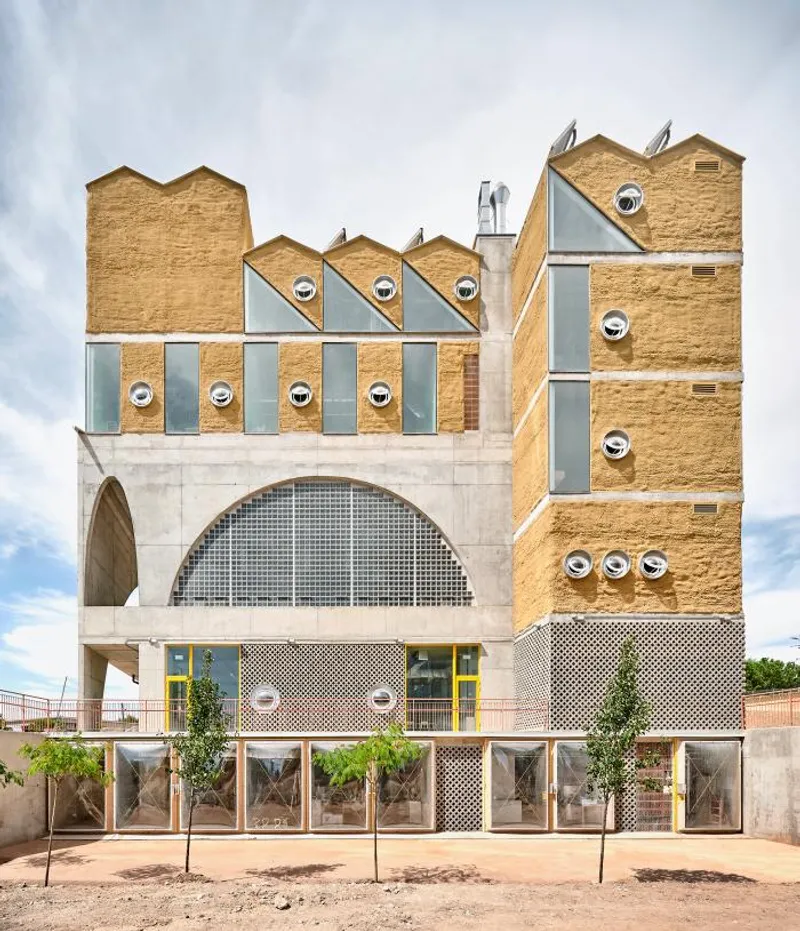
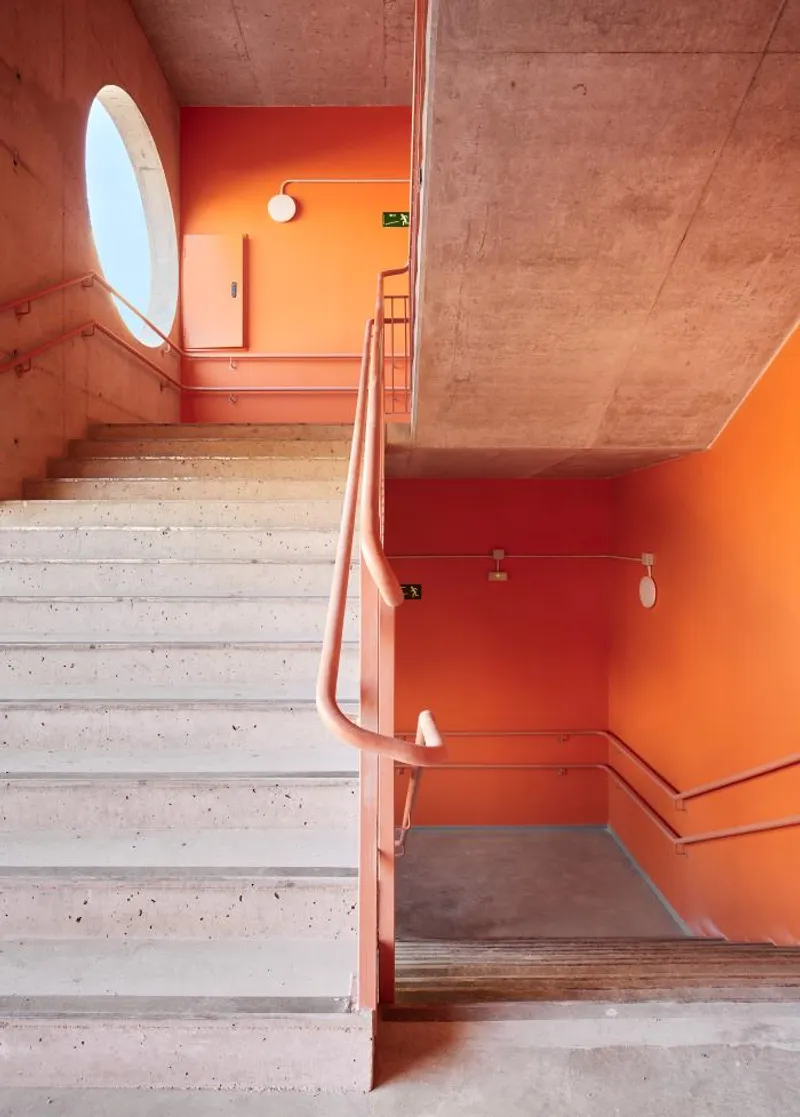
- This building has undergone a radical reduction in construction, with no claddings, drop ceilings, raised technical floors, wall lining, or ventilated facades. By replacing a large portion of the construction with simple strategies for thermal insulation and mechanical systems distribution, the overall amount of material used in the facades, roofs, and interior partitions has been reduced by 48%. The result is a "naked" building, where the unedited visibility of its operating components defines its aesthetics.
- The building's exterior is enveloped in a 14.2 cm thick layer of 9,700 Kg/m3 dense cork, developed by the Office for Political Innovation specifically for this project. This natural solution provides thermal insulation of R-23.52, double the amount required by Madrid's regulations, resulting in a passive 50% reduction in energy consumption for heating the school's interior. Additionally, the irregular surface of the cork projection is designed to accumulate organic material, eventually becoming a habitat for various forms of microbiological fungi, plants, and animals.
- Led by researcher and structural engineer Iago González Quelle, the team has developed, analyzed and dimensioned the building’s structure to reduce the thickness of loading walls by an average of more than 150 mm compared to conventional reinforced concrete structures. This resulted in a 33% reduction in the embedded energy of the building’s structure. The team included Roberto González García, Luis González Cabrera, Alberto Heras, Ismael Medina Manzano, Jesús Meseguer Cortés, Paola Pardo-Castillo, Rajvi Anandpara, Juan David Barreto, Inês Barros, Ludovica Battista, Shubhankar Bhajekar, Elise Durand, Drishti Gandhi, Maria Karagianni, Bansi Mehta, Alessandro Peja, Meeerati Rana, Mishti Shah, and Saumil Shanghavi. Structural engineering was provided by Iago González Quelle and Víctor García Rabadán of Qube Ingeniería de Estructuras, services engineering by Juan Antonio Posadas of JG Ingenieros, quantity survey (project) by Javier González Nieto and Javier Mach Cestero of Dirtec Arquitectos Técnicos, ecology and edaphology by Jorge Basarrate and Álvaro Mingo of Mingobasarrate, and project management by Ángel David Moreno Casero, Carlos Peñalver Álvarez, and Almudena Antón Vélez.
Credits
Architects: Andrés Jaque / Office for Political Innovation
Area: 59158 ft²
Year: 2022
Photographs: José Hevia
Quantity Surveyor: Dirtec Arquitectos Técnicos
Structural Engineering: Qube Ingeniería de Estructuras
Services Engineering: JG Ingenieros

Popular Articles
Popular articles from the community

Tsunami Convergenics: Turning Catastrophic Ocean Forces into Underwater Housing Infrastructure
A speculative underwater settlement off the coast of Onagawa, Japan, treats tsunamis and typhoons as energy sources rather than threats.

Singing Woman: An Opera House That Performs Before the Curtain Rises
Ovidiu Cristian Pavel's conceptual opera house translates Estonia's choral identity into a sculpted waterfront landmark facing the Baltic Sea.

Manzana Morphosis: Stretching Barcelona's Grid into a Living Landscape for 2050
A radical reworking of the Eixample manzana turns density into a tool for generous public space, vertical ecology, and environmental performance.

Opera by the Sea Estonia: Three Shells Dissolving Architecture into Tallinn's Coastline
A winning opera house proposal replaces monumental form with interconnected shells that blur the boundary between building, park and Baltic Sea.

Similar Reads
You might also enjoy these articles
116 Rokeby Building, Collingwood
Sustainable Collingwood office building featuring double-skin façade, natural ventilation, rooftop amenities, and carbon-neutral design focused on wellbeing and longevity.
Contemporary Apartment Renovation in Spain: RV House by BIAN Opens Up to the Sea
A minimalist 1930s apartment in Santander is transformed into a flexible, sea-facing home through contemporary Spanish renovation.
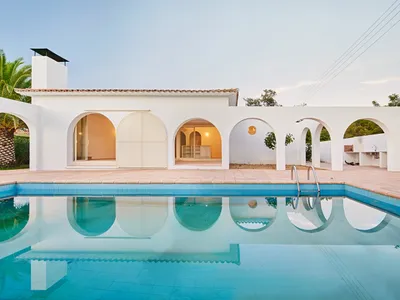
3 Marías House: A Contemporary Mediterranean Courtyard Retreat by Bajet Giramé + Burckhardt
Mediterranean courtyard home blending traditional architecture with modern design, terracotta flooring, flexible interiors, sustainable climate strategies, and garden integration.
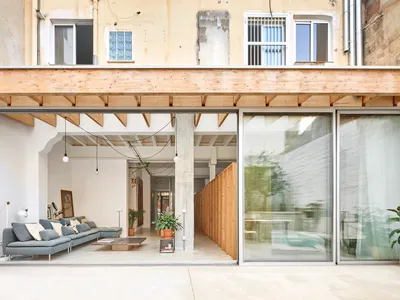
NZ10 Apartment by auba studio: Adaptive Reuse in Palma de Mallorca
Adaptive reuse apartment transforms bakery into light-filled home with patios, privacy layers, and wood interiors enhancing urban living experience.

Explore Educational Building Competitions
Discover active competitions in this discipline


Challenge to design public laboratory

Challenge to reimagine the Iron Throne

Photograph architecture without architects

Illustrate the lost glory of Angkor Wat - Render Challenge
Comments (0)
Please login or sign up to add comments
No comments yet. Be the first to comment!