
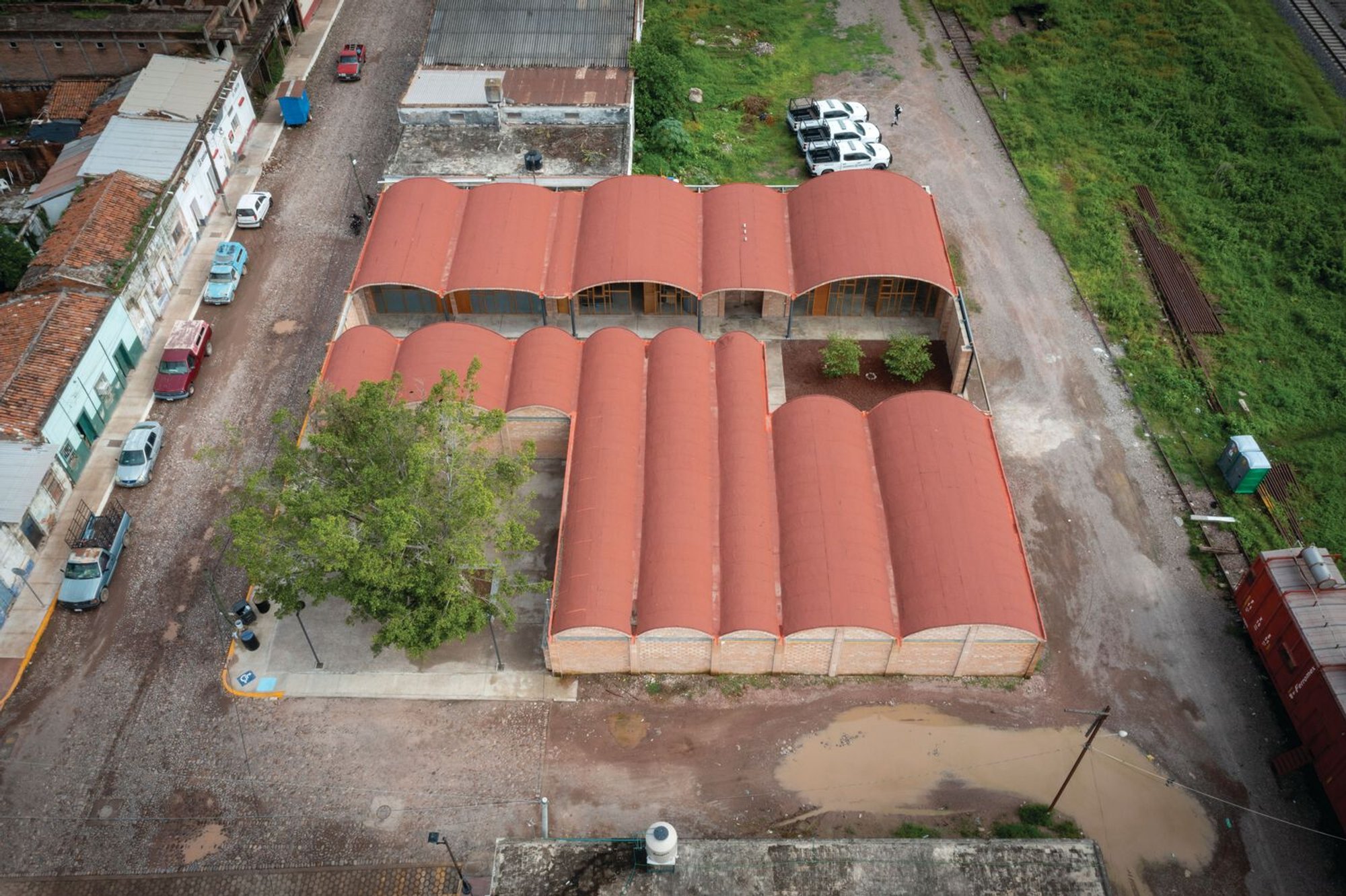
Ruiz Community Center by bgp arquitectura: A Sustainable Hub for Marginalized Communities in Mexico
Ruiz Community Center by bgp arquitectura provides sustainable, accessible social, medical, and emergency services using local materials in marginalized Mexican community.

The Ruiz Community Center, designed by the innovative Mexican firm bgp arquitectura, stands as a vital architectural intervention addressing the needs of a highly marginalized mountainous community. Completed in 2021, this thoughtfully planned community development center spans approximately 1,169 square meters and is strategically designed to provide essential social services—including education, legal aid, medical care, and a communal dining space—while also serving as an emergency distribution hub during natural disasters.
Context and Social Impact
Located in a remote area far from major urban centers, the Ruiz Community Center responds directly to the socio-economic challenges faced by the local population. This multipurpose facility supports daily community activities and emergency response by offering a reliable point for distributing food, water, and medicines. Additionally, it provides shelter and support for individuals experiencing violence or other risks, ensuring safety and resilience for the community.
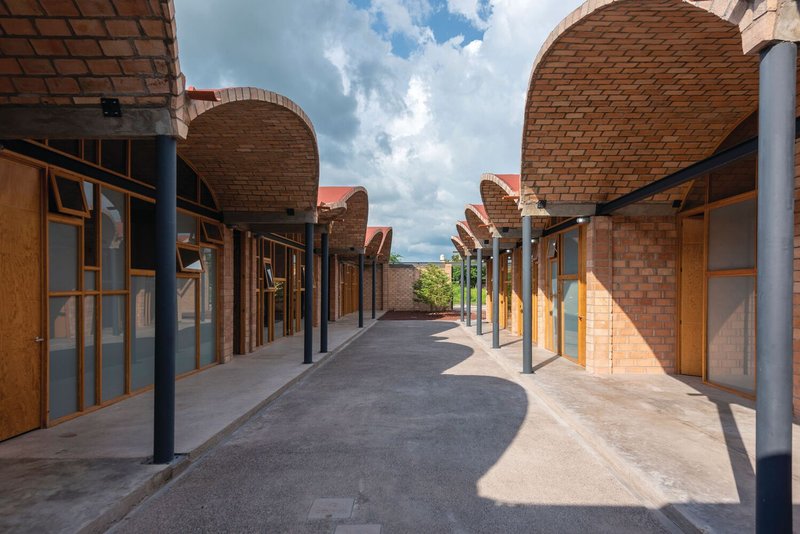
Architectural Design and Orientation
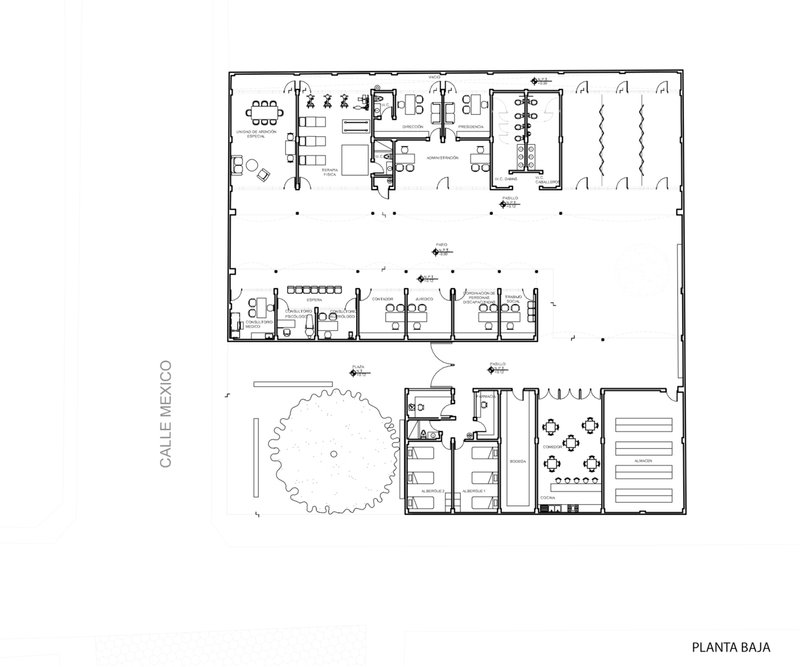
The design consists of three parallel volumes oriented East-West, a deliberate strategy to minimize direct sun exposure on the facades and reduce heat gain—crucial for the building’s thermal comfort given the regional climate. The entire complex is designed on a single level, guaranteeing universal accessibility and inclusive use for all members of the community, including those with mobility challenges.
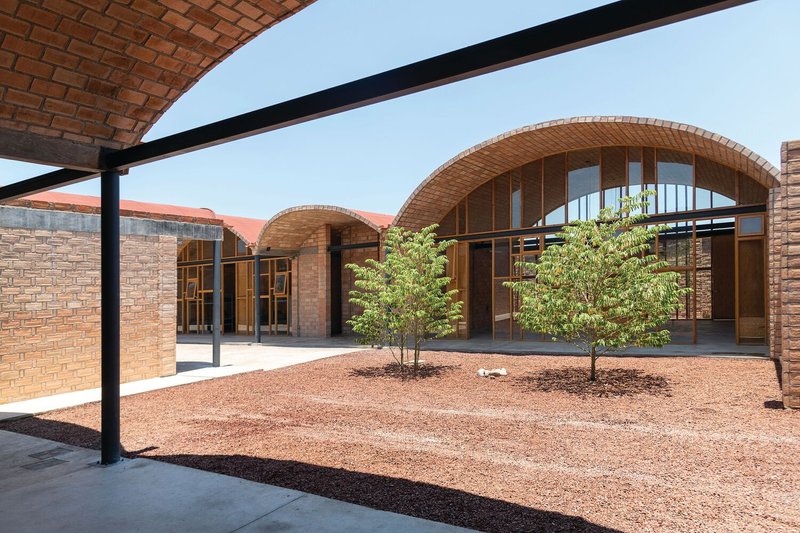
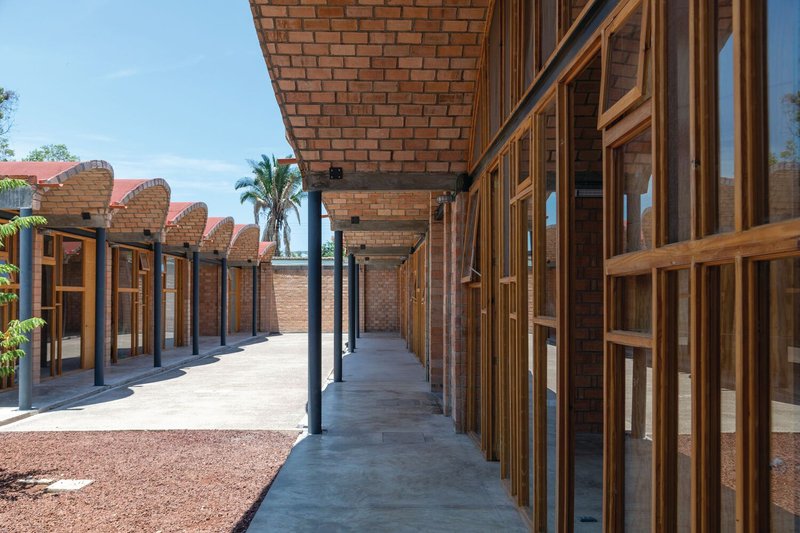
Sustainable Materials and Local Construction
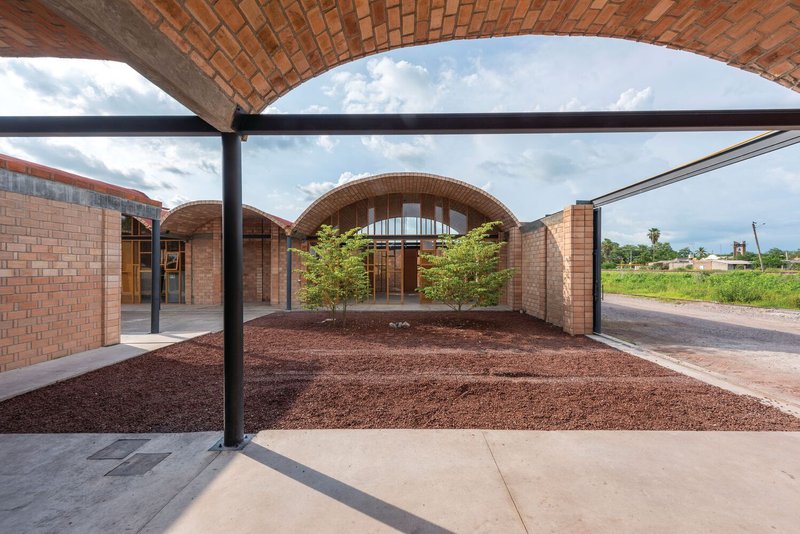
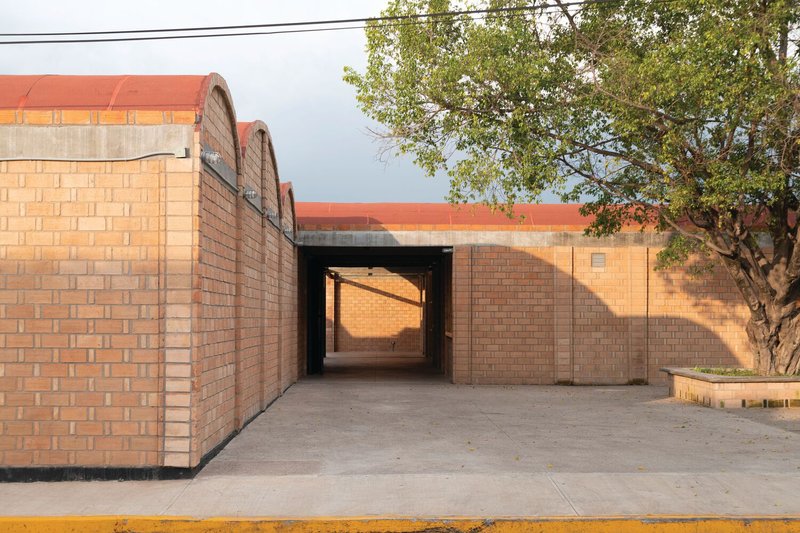
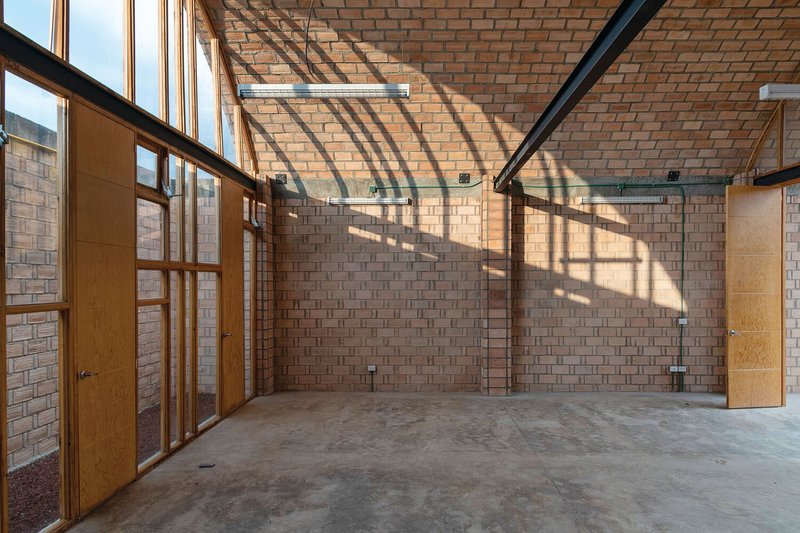
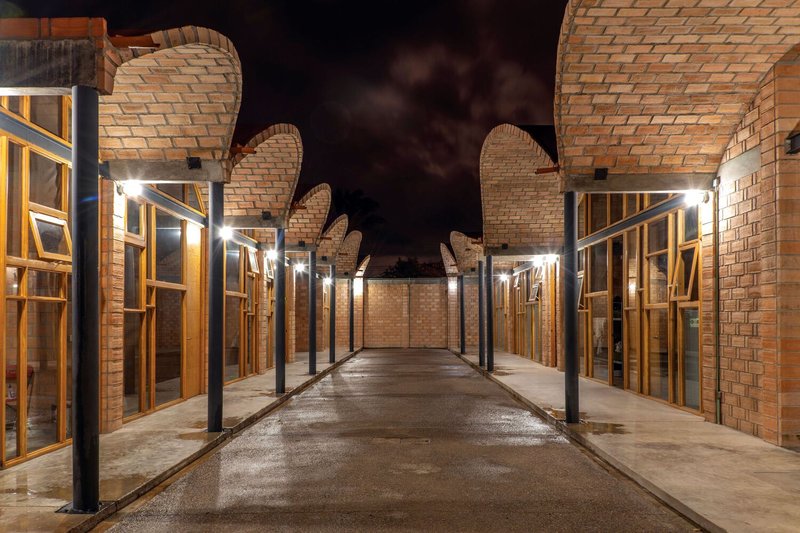
One of the most notable features of the Ruiz Community Center is its commitment to sustainability and local economic empowerment. The building’s construction extensively uses handcrafted brick, produced by local artisans, to stimulate the regional economy and provide employment opportunities. The brickwork is left exposed as the final finish, reducing both construction and long-term maintenance costs while delivering a warm, tactile aesthetic that harmonizes with the natural surroundings.
Concrete structural elements—such as beams and reinforcements—are also enveloped in brick to maintain a consistent visual language across the building’s exterior and interior surfaces. The floors consist of exposed concrete slabs that form part of the structural foundation, ensuring durability and cost efficiency.
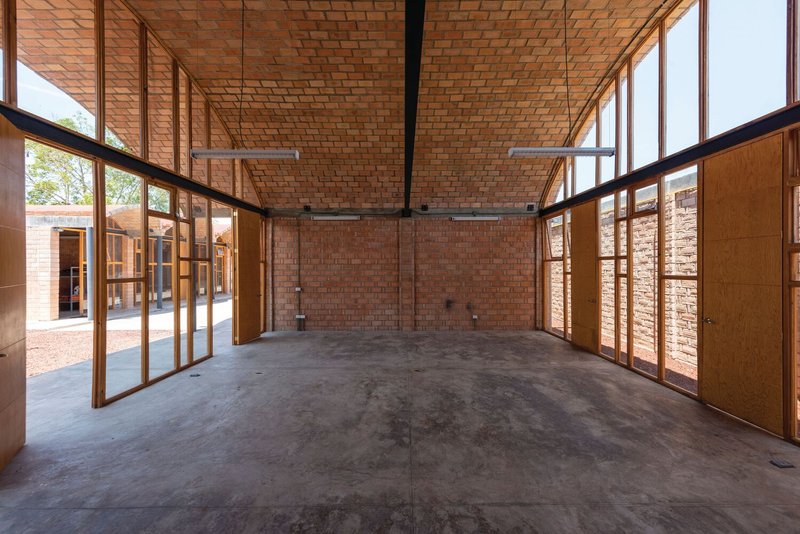
Innovative Catalan Vault Ceilings
The roofing system showcases traditional Catalan vaults crafted from brick, topped by a concrete slab that protects the vaults from weathering and deterioration. This architectural detail reflects a fusion of vernacular construction techniques with modern engineering, enhancing both the building’s longevity and cultural identity.
Community Engagement and Urban Development
Beyond its physical form, the Ruiz Community Center is a model of participatory architecture. The project encourages local residents to actively engage in sourcing materials and contributing to the construction process. This collaborative approach ensures that the social and economic benefits of the project extend beyond mere utility, fostering a sense of ownership and pride within the community.
By integrating architectural design with social responsibility, the Ruiz Community Center serves as a catalyst for urban development and community resilience in one of Mexico’s most underserved regions.
All Photographs are works of Jaime Navarro


Popular Articles
Popular articles from the community

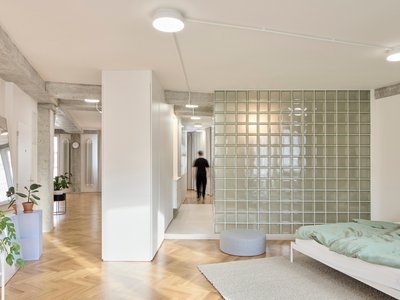
RDTH architekti Rips Out Nearly Every Wall in a Prague Apartment and Replaces Them with Furniture
A 101-square-meter post-war flat in Prague trades rigid partitions for a single rotated furniture block, curtains, and glass concrete.
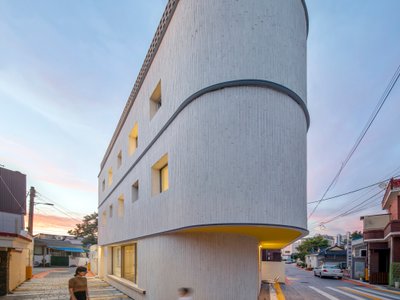
YOAP Architects Round a Corner in Yeongcheon with a Cylindrical Community Hub
A 197-square-meter brick and ribbed-clad tower turns a forgotten alley corner in South Korea into a public garden with a low threshold.

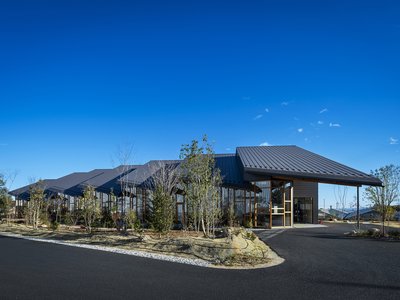
20 Most Popular Office Building Projects of 2025
From biophilic workspaces in India to net-positive energy offices in New Delhi, 20 office building projects that defined architecture in 2025.
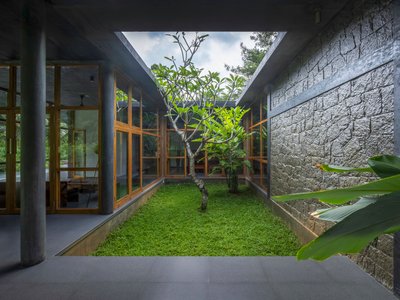
3dor Concepts Wraps a Kerala Home in Mirrored Concrete Arcs Around a Courtyard Tree
In the Western Ghats foothills of Thamarassery, a 270 m² single-story house uses two curved volumes to frame nature as its center.

Similar Reads
You might also enjoy these articles
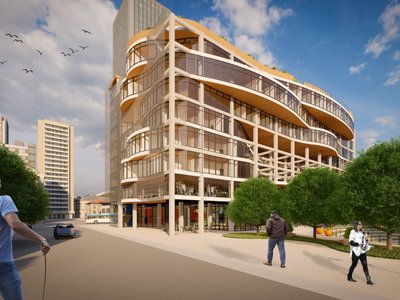
Olio Towers: A Mid-Rise for Performers That Fuses Housing, Rehearsal, and Stage
Located blocks from Houston's Theater District, this modular tower stacks living units around a central performance atrium.
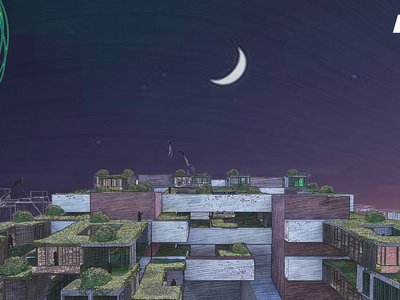
Oasis: Modular Green Housing Carved into Dhaka's Urban Fabric
A shortlisted Plugin Housing entry reclaims unauthorized settlements in Dhaka with stepped concrete volumes, green roofs, and ventilation-driven design.

Black Hole: A Floating Megastructure for the Post-Physical Era
Emiliano Mazzarotto envisions a spherical, self-scaling arena where e-sports, digital hotels, and holographic stadiums replace traditional public space.
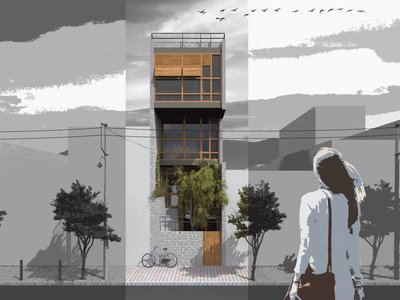
Compact & Sustainable Living in Piraeus: A Four-Level Family Home Built Around Light and Air
A narrow townhouse in one of Greece's densest port cities uses a central atrium and passive strategies to house three generations under one roof.
Explore Architecture Competitions
Discover active competitions in this discipline




The International Standard for Design Portfolios


The Global Benchmark for Architecture Dissertation Awards


The Global Benchmark for Graduation Excellence


Challenge to reimagine the Iron Throne
Comments (0)
Please login or sign up to add comments
No comments yet. Be the first to comment!