

Runda House by Nikjoo, United Kingdom
A curved timber house on a compact urban plot, combining circular forms, brick cladding, and sustainable design with crafted, light-filled interiors.


Runda House by Nikjoo is a compact yet expressive residential project in the United Kingdom that transforms a constrained urban plot into a carefully crafted and sustainable home. Defined by its curved geometry and tactile material palette, the house demonstrates how architectural constraints can become the foundation for creativity and identity.

The project is located on a previously overlooked corner site, once used for brick firing and later left unused and overgrown. Its irregular, curved boundary became the defining gesture of the design, shaping both the footprint and the architectural language. Rather than imposing a rigid form, the house responds directly to the site, embracing its geometry to create a fluid and cohesive spatial experience.


Constructed as a fully timber-framed structure, the house combines sustainability with contextual sensitivity. The exterior is clad in brick, referencing both the site's industrial past and the surrounding residential fabric. A subtle variation in brick tones helps reduce the building’s visual mass while establishing a rhythmic façade that aligns with neighboring terraces.


One of the most distinctive features of Runda House is its use of curves. Circular windows, gently sloping walls, and rounded openings introduce softness and movement into the architecture. These elements not only enhance visual interest but also allow natural light to enter in dynamic ways, creating a playful yet refined atmosphere.


Inside, timber defines the character of the interiors. The ground floor is organized as an open-plan living, dining, and kitchen space that connects directly to a courtyard garden. Large glazing openings blur the boundary between inside and outside, reinforcing a sense of openness despite the compact footprint.

A sculptural staircase becomes the central feature of the home, linking all three levels. Crafted from oak and stainless steel, it follows a curved path that echoes the overall geometry of the house. A skylight above draws daylight into the stairwell, while a circular window at the landing frames views of the surrounding neighborhood.


The upper floors are designed to balance functionality and comfort. The first floor accommodates two bedrooms and a shared bathroom, with calm material tones that create a quiet backdrop for daily life. The top floor is dedicated to a private master suite, complete with a terrace and a circular rooflight that enhances natural illumination.


Sustainability is integral to the project. The timber structure significantly reduces embodied carbon compared to conventional construction methods. Additional features such as a green roof and an air-source heat pump contribute to energy efficiency, achieving a substantial reduction in carbon emissions.


Beyond its physical qualities, Runda House also reflects a collaborative and craft-driven approach. Elements such as handmade ceramic handles and bespoke details highlight the importance of material engagement and human touch in the design process. These features add depth and individuality to the architecture.

Ultimately, Runda House is a study in how thoughtful design can transform limitations into opportunities. Through its integration of geometry, materiality, and sustainability, the project offers a contemporary interpretation of urban living, one that is both efficient and expressive, grounded in context yet forward-looking in its approach.


All the Photographs are works of Jasper Fry, Lorenzo Zandri


Popular Articles
Popular articles from the community

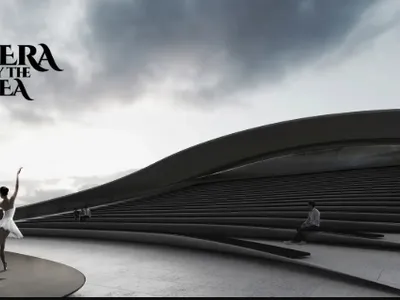
Opera by the Sea Estonia: Three Shells Dissolving Architecture into Tallinn's Coastline
A winning opera house proposal replaces monumental form with interconnected shells that blur the boundary between building, park and Baltic Sea.
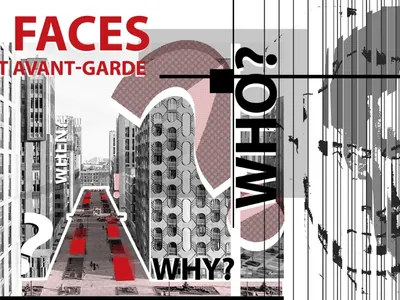
Faces of the Soviet Avant-Garde: Turning Moscow's Street Names into an Open-Air Museum
A network of sculptural installations across a Moscow residential district transforms forgotten architect names into spatial encounters with cultural memor
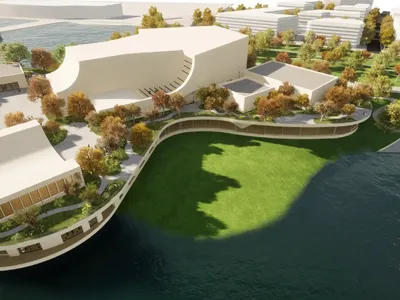
The Amber Palace Opera: A Geological Fiction Surfaces on Tallinn's Baltic Waterfront
Pierre Brillard reimagines a Baltic legend as a public landscape, opera house, and waterfront promenade rooted in Tallinn's coastal identity.
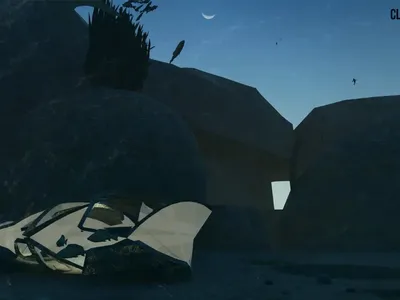
Cloaked Colonization: A Mobile Underwater Habitat That Moves Like a Fish
Micah Abaya's shortlisted EHC Pacific entry reimagines ocean settlement as a dispersed network of self-sustaining architectural organisms.

Similar Reads
You might also enjoy these articles

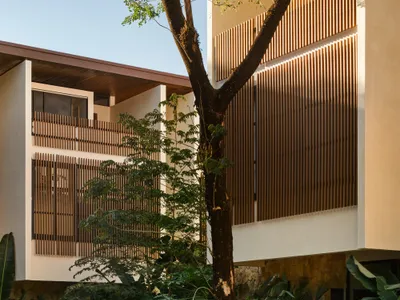
FAMM Arquitectura Organizes Ten Villas Around Courtyards and Jungle in Nosara, Costa Rica
El Molino pairs two elongated volumes with deep overhangs and timber louvers to build a compact coastal community five minutes from the beach.
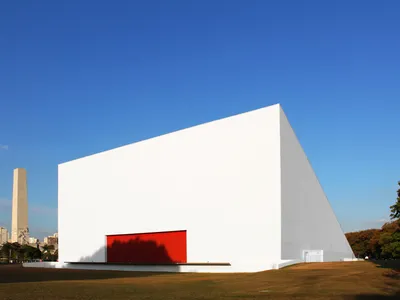
Oscar Niemeyer's Ibirapuera Park Pavilions Define São Paulo's Cultural Identity in Concrete and Curve
A constellation of modernist volumes set within São Paulo's most important urban park, conceived for the city's 400th anniversary in 1954.
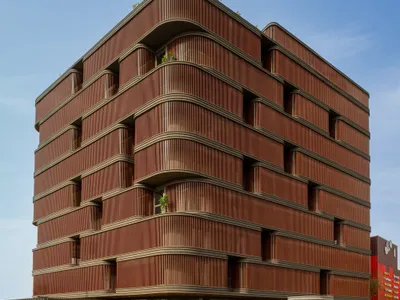
Sanjay Puri Architects Wraps a Jaipur Office Tower in Capsule-Shaped Green Buffers
A nine-level climate-responsive workplace near Jaipur Airport uses stacked planter terraces and aluminium screens to fight 40°C heat.
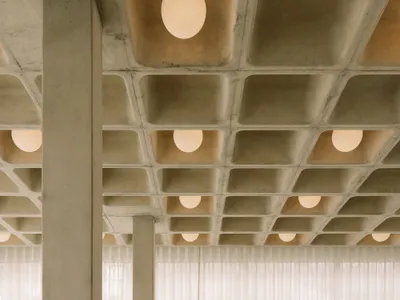
RHO Converts a Berlin Spree-Side Industrial Courtyard into Enkime's 1,000 m² Agency Headquarters
A social media agency's new home in Charlottenburg trades glossy branding for concrete waffle ceilings, glazed tile, and sheer curtains.

Explore Architecture Competitions
Discover active competitions in this discipline

Challenge to reimagine the Iron Throne

Photograph architecture without architects

Illustrate the lost glory of Angkor Wat - Render Challenge

Design challenge to reuse E-waste
Comments (0)
Please login or sign up to add comments
No comments yet. Be the first to comment!