
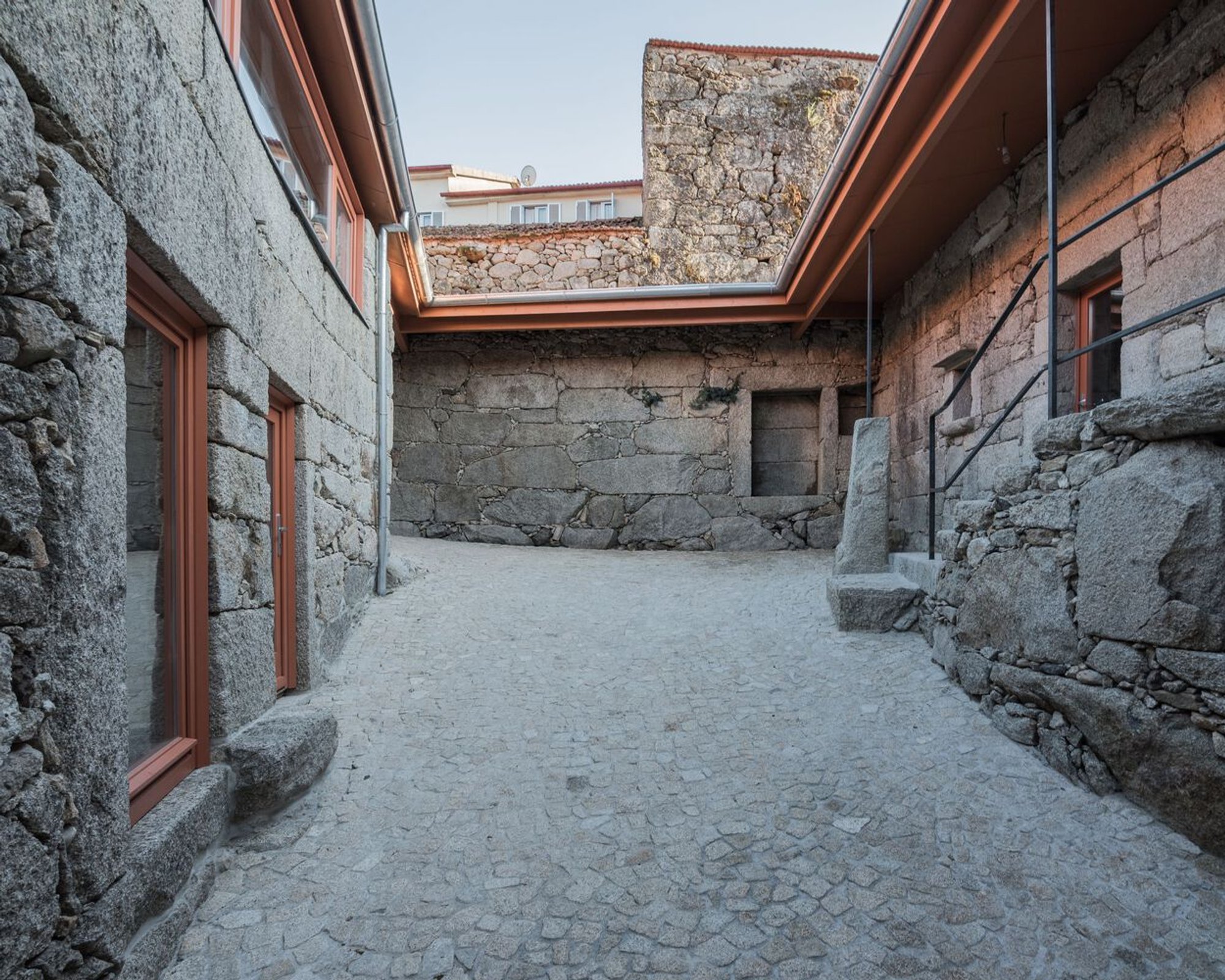
Rural House in Soutelos, Ruivães: A Masterful Example of Rural Tourism Architecture
The Rural House in Soutelos showcases rural tourism architecture, blending restored heritage structures with contemporary design in Portugal's countryside.

Restoration and Contemporary Expansion in Rural Portugal
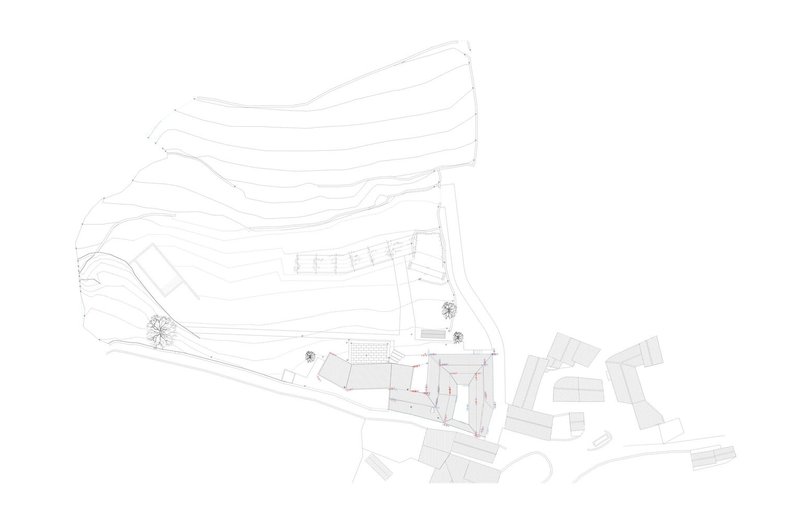
The Rural House in Soutelos, Ruivães, designed by Figuereido+Pena Arquitectos and Nuno Flores Arquitetura, stands as a remarkable example of rural tourism architecture in Portugal. Situated in a picturesque agricultural landscape, this 909 m² project breathes new life into a set of dilapidated granite masonry buildings, once used for agricultural purposes, transforming them into a modern, functional space for rural tourism.
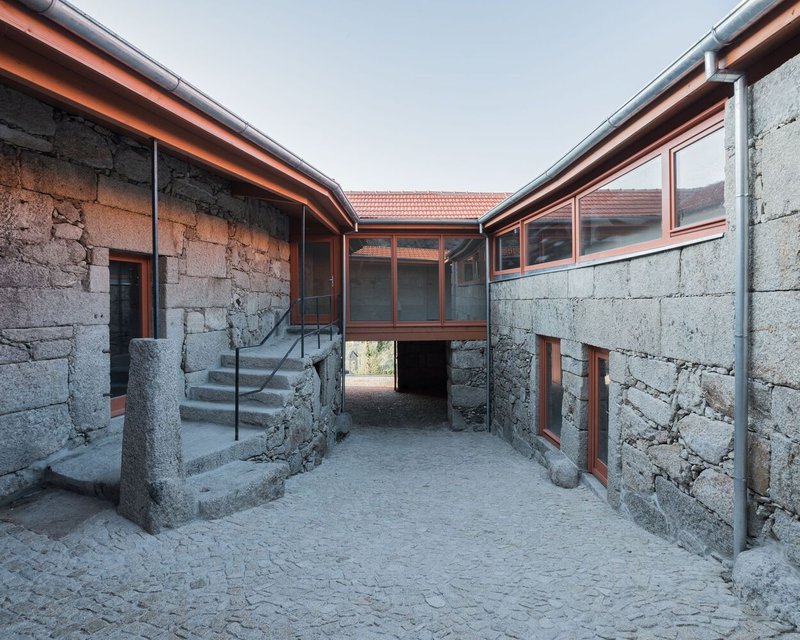
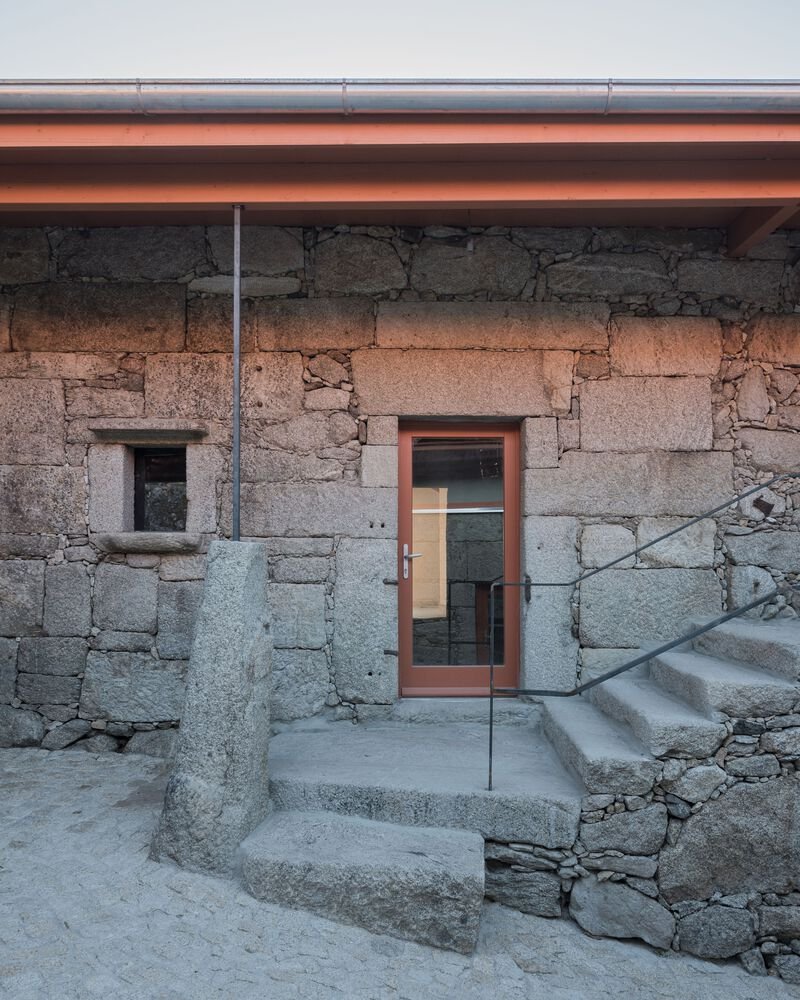
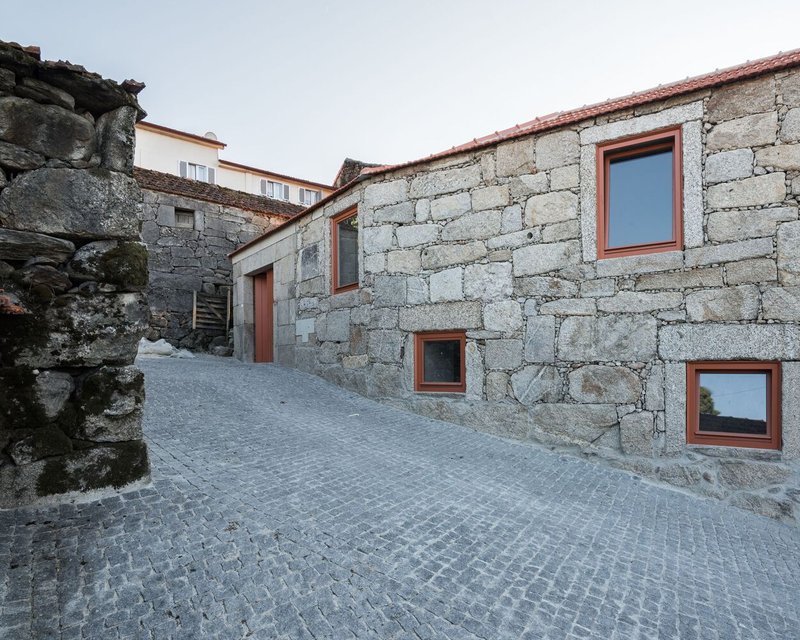
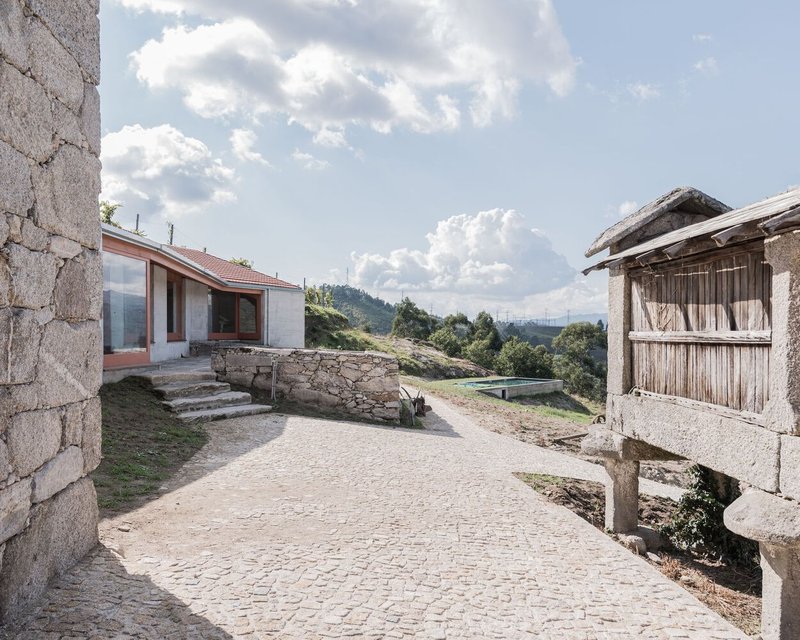
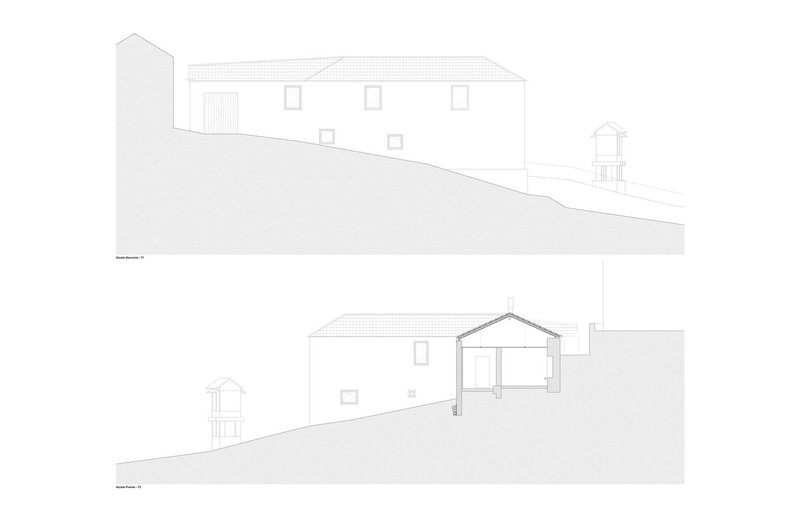
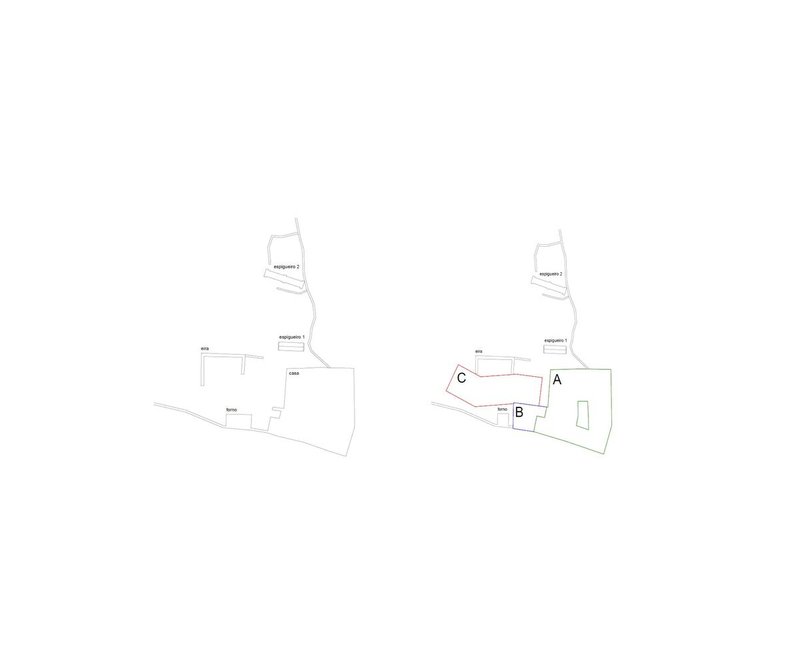
The existing structures included a two-storey house, a one-story oven building, two granaries, and a threshing floor. These buildings, in a state of advanced disrepair, were carefully restored and extended to serve as the core of a tourism venture in the countryside. The design preserves the authenticity of the original construction while introducing modern amenities and aesthetic interventions that celebrate rural heritage.
Restoration of the Existing Structure
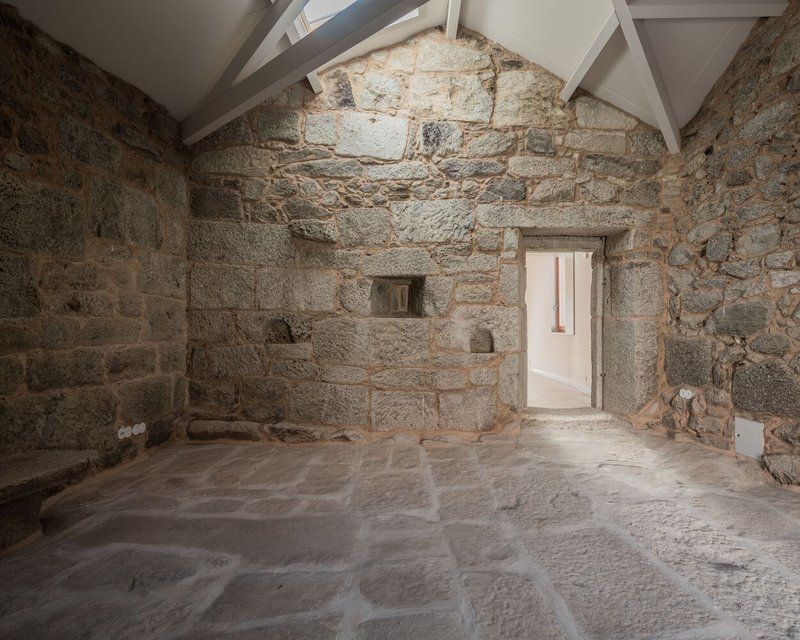
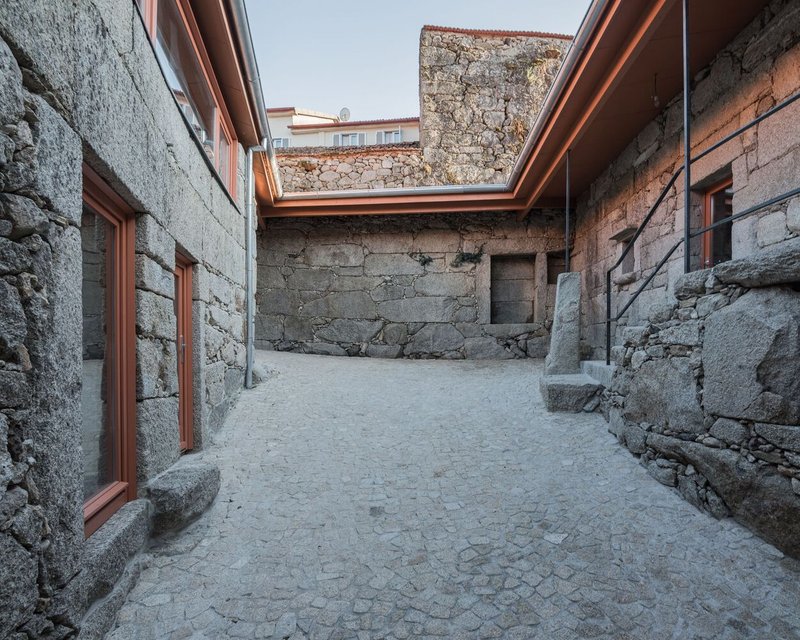
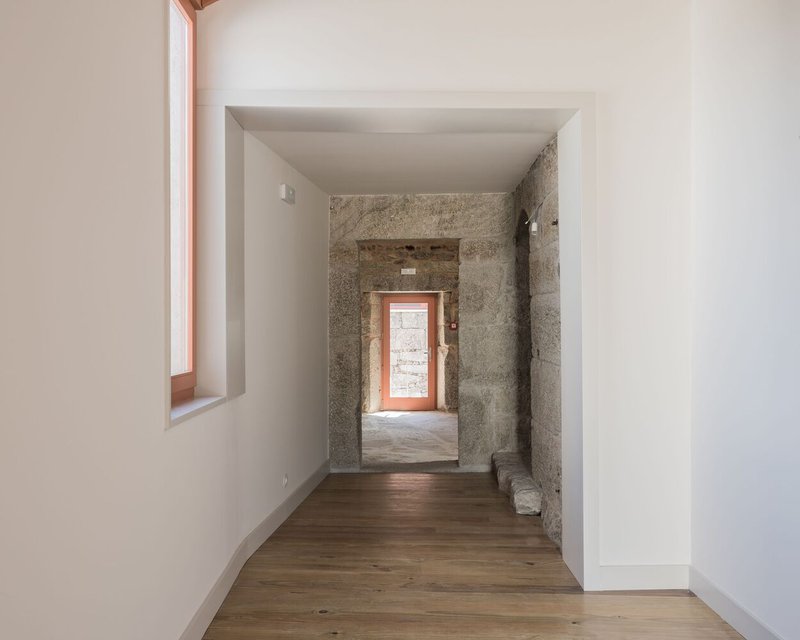
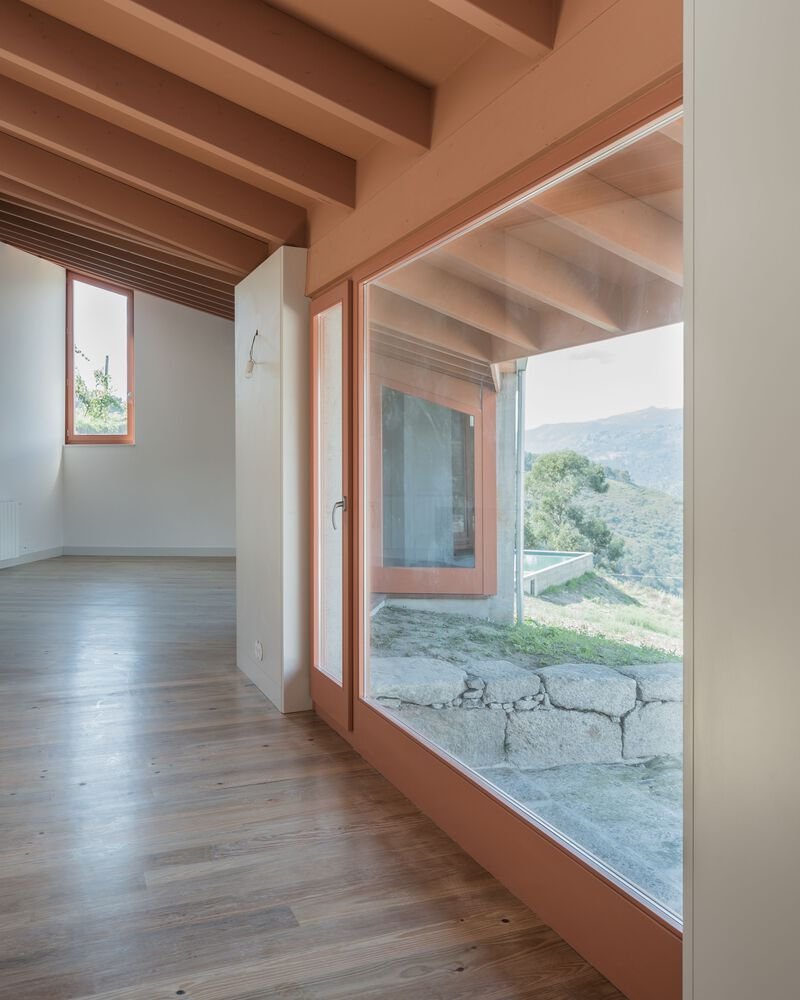
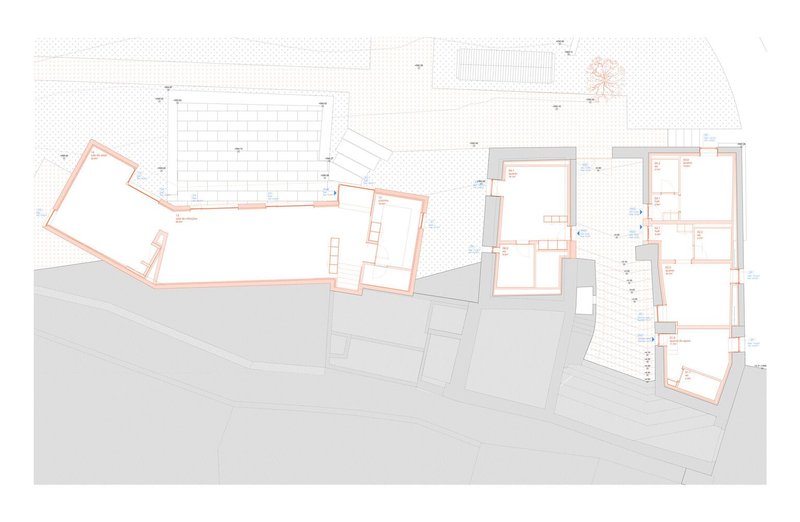
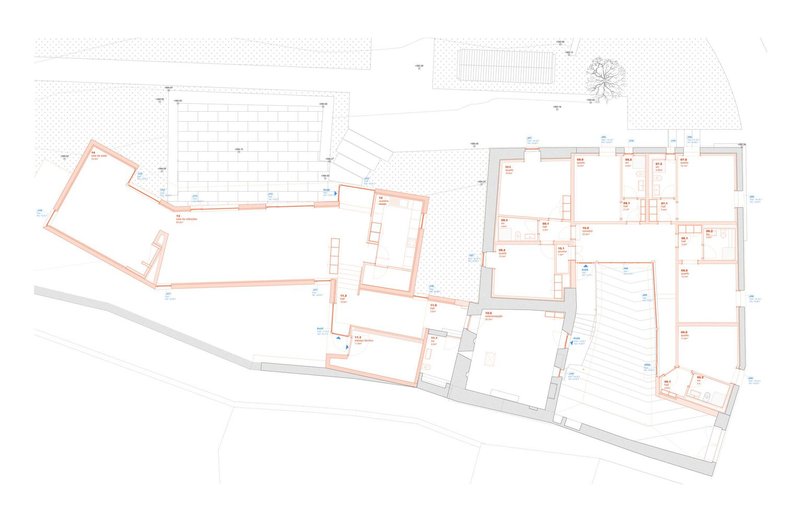
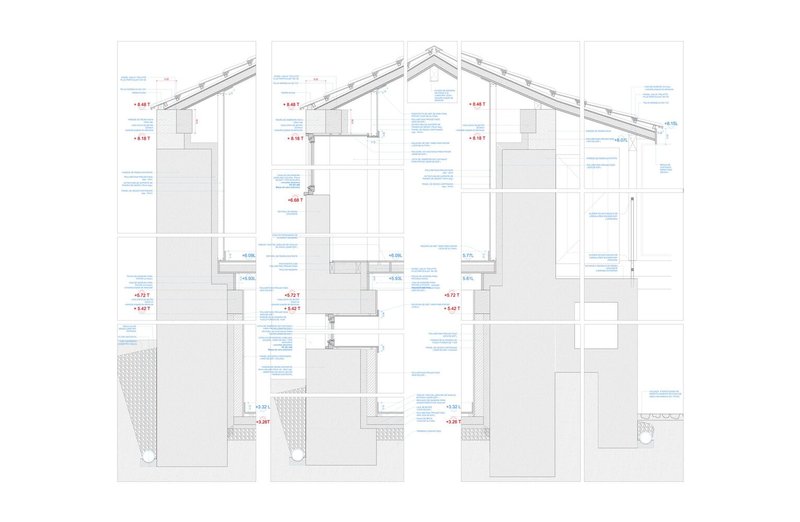
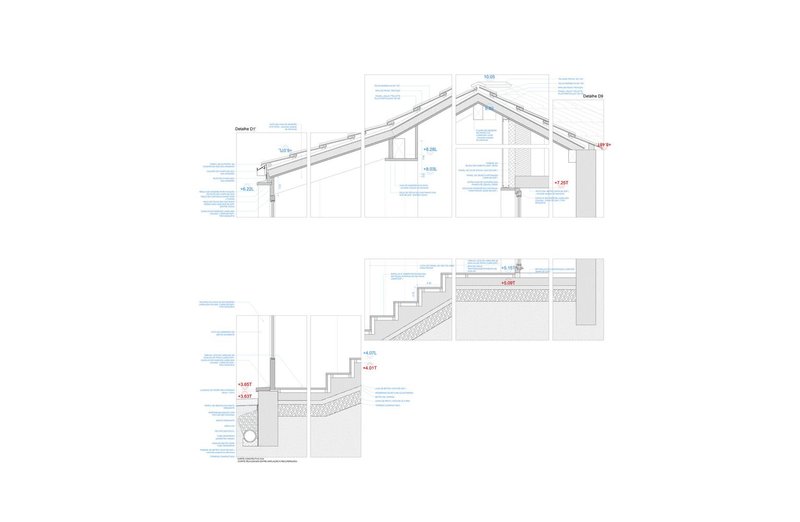
The restoration of the existing house (A) involved maintaining its original structure while reinforcing its granite masonry and incorporating modern building techniques. The project retained the layout, with a central gallery around a central patio that organizes the programmatic flow. The team introduced structural wooden slabs, plasterboard walls, thermal insulation, and wooden window frames. The roof was reconstructed with a new wooden structure, topped with traditional Marseille tiles, ensuring that the historical character of the house was preserved.
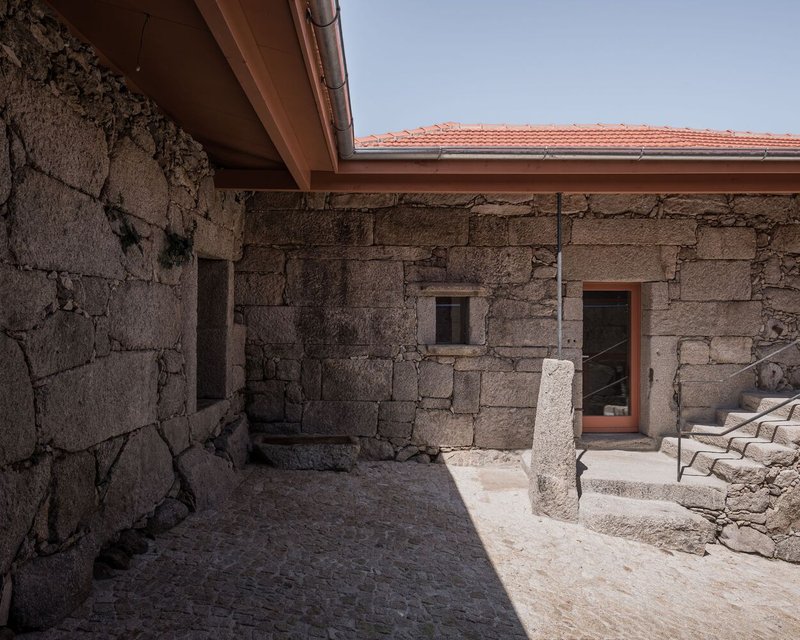
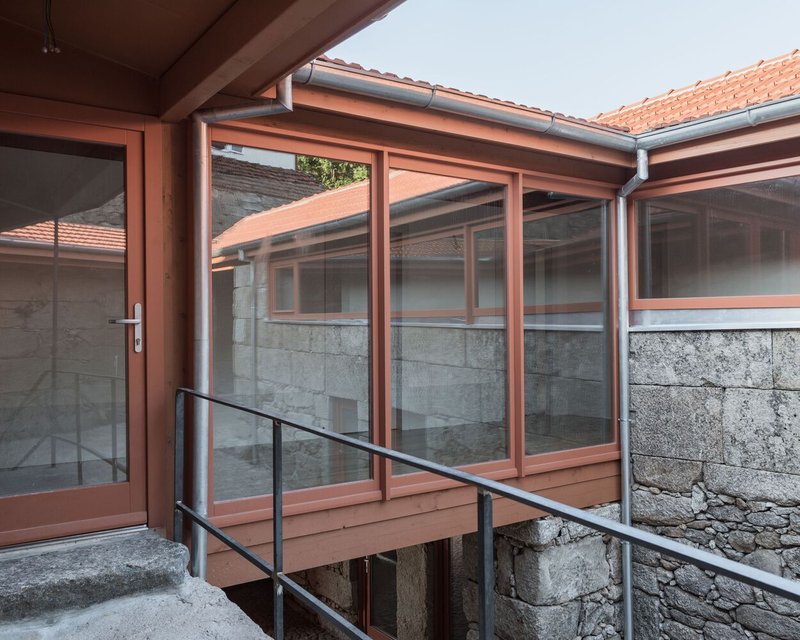
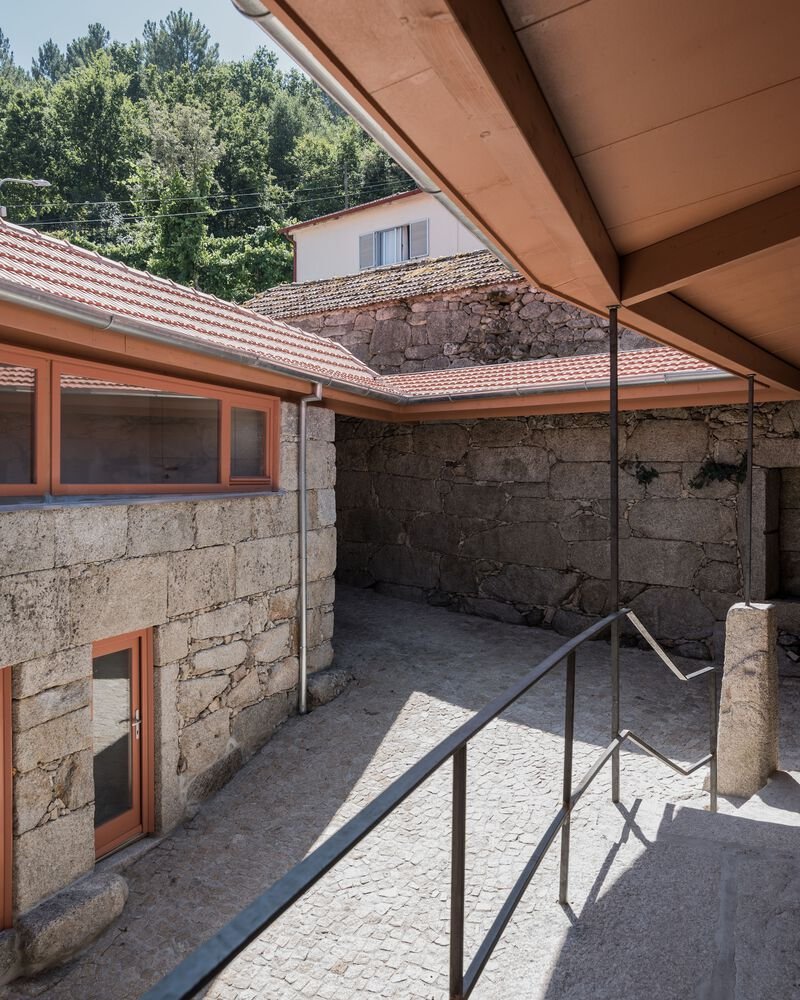
Expansion for Contemporary Living and Rural Tourism
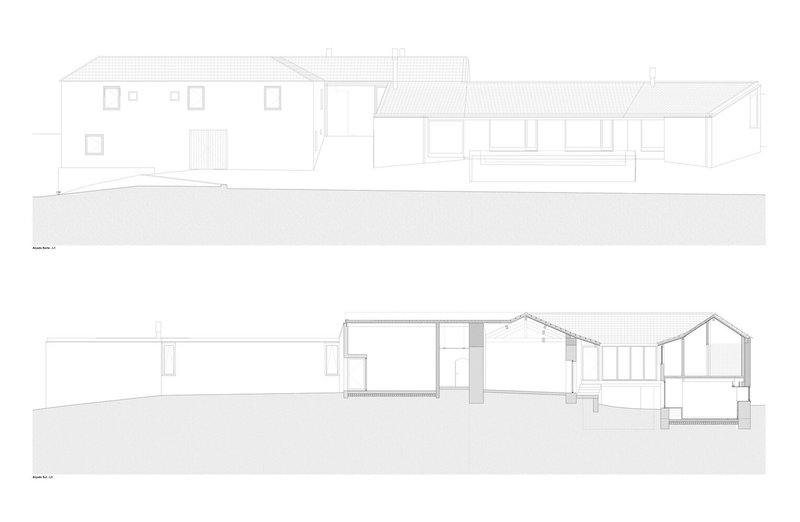
To accommodate the needs of the new rural tourism venture, an extension to the west of the original house was proposed. This extension volume (B) was designed to mirror the height and material characteristics of the original structure, ensuring a seamless integration between old and new. This addition becomes a hinge connecting the historic house to the larger contemporary volumes that follow.
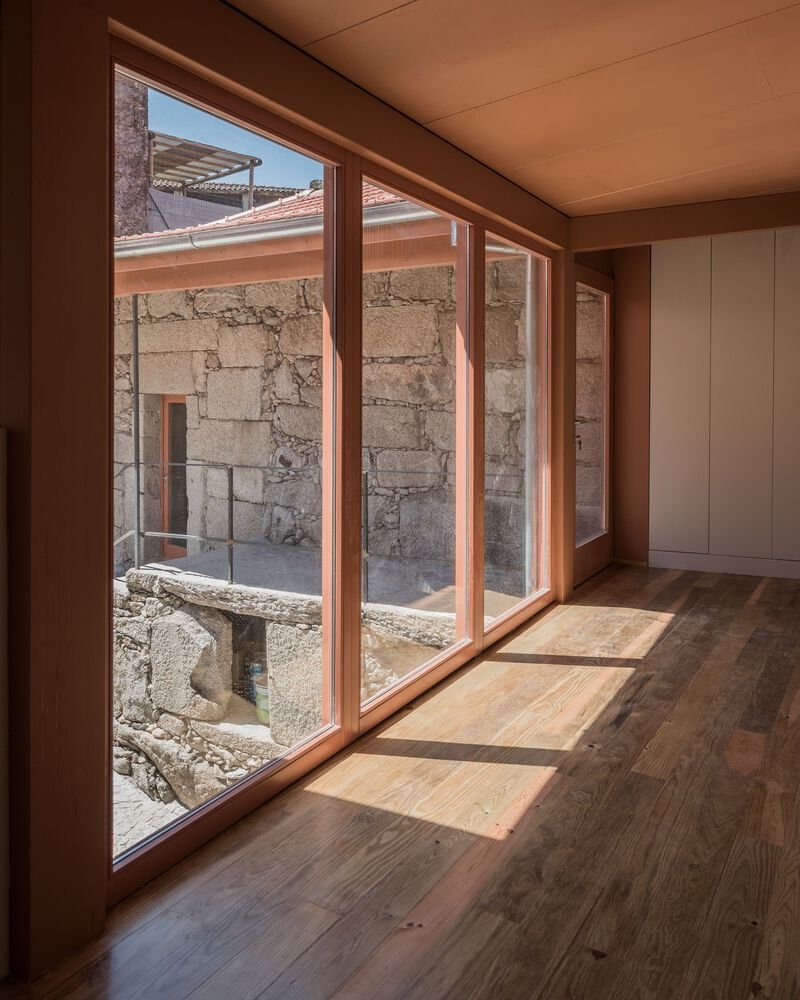
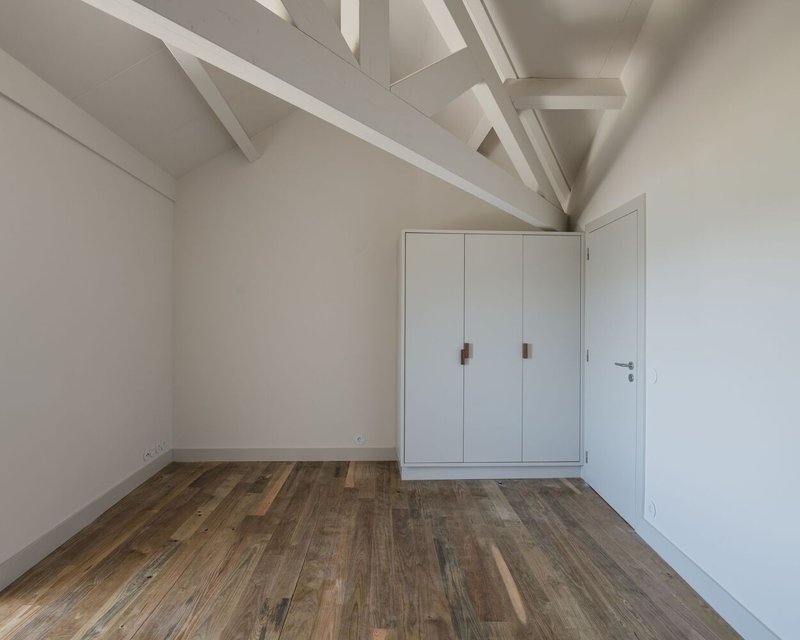
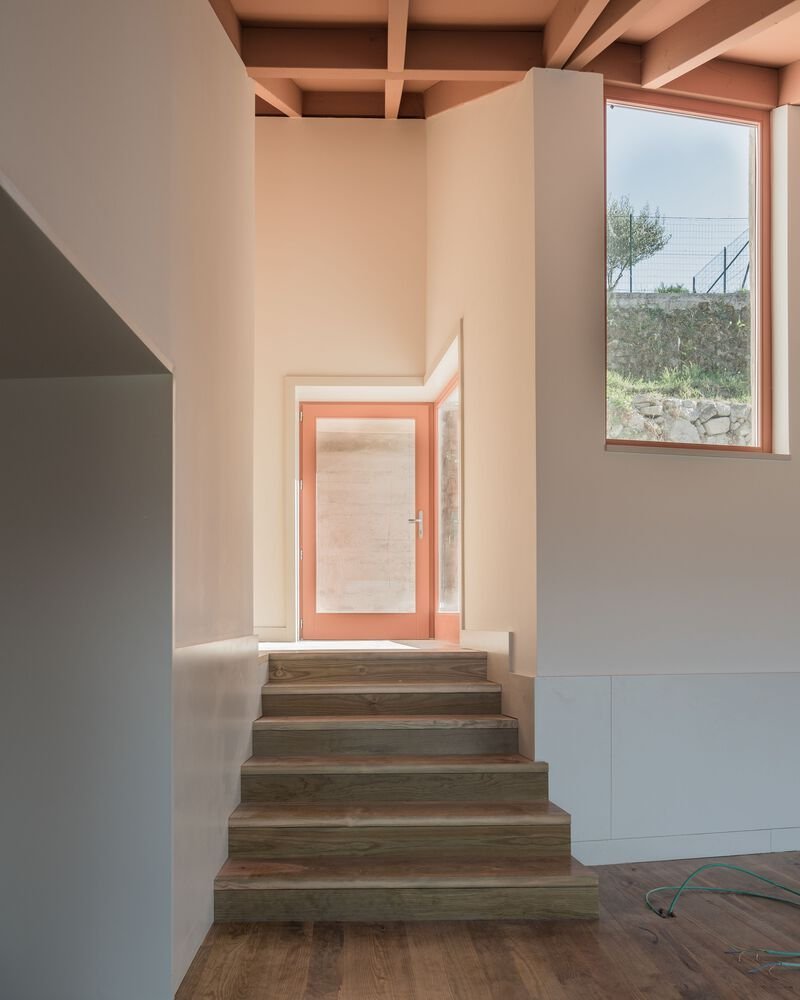
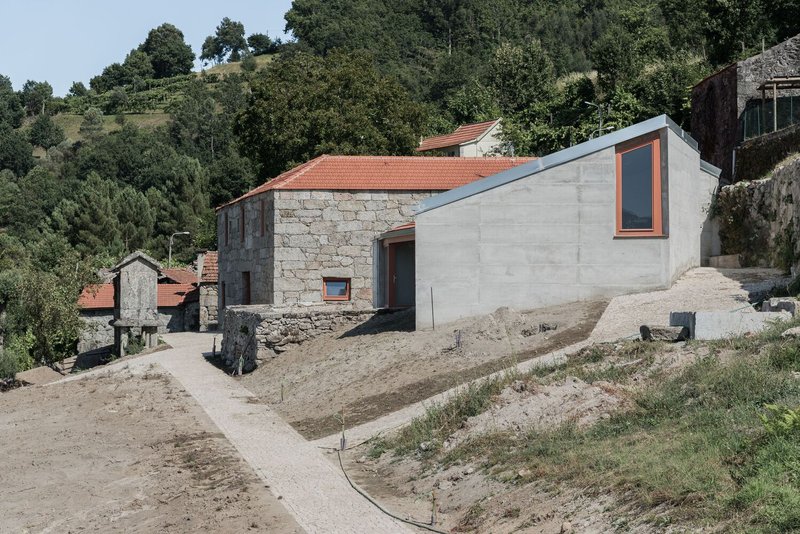
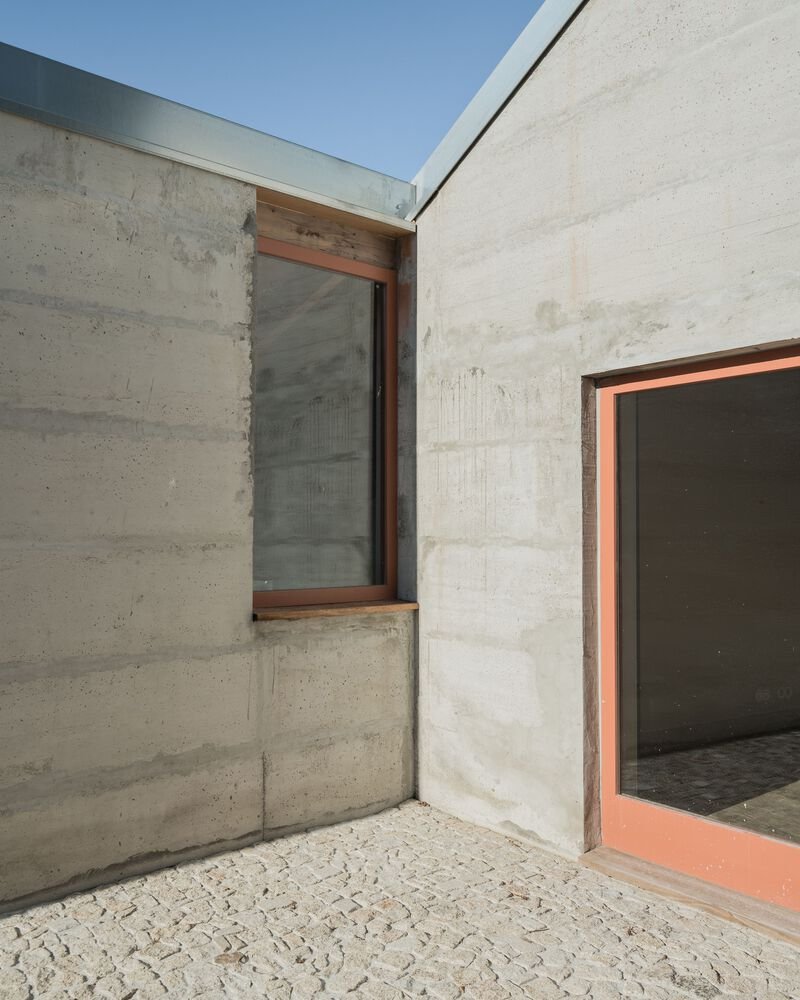
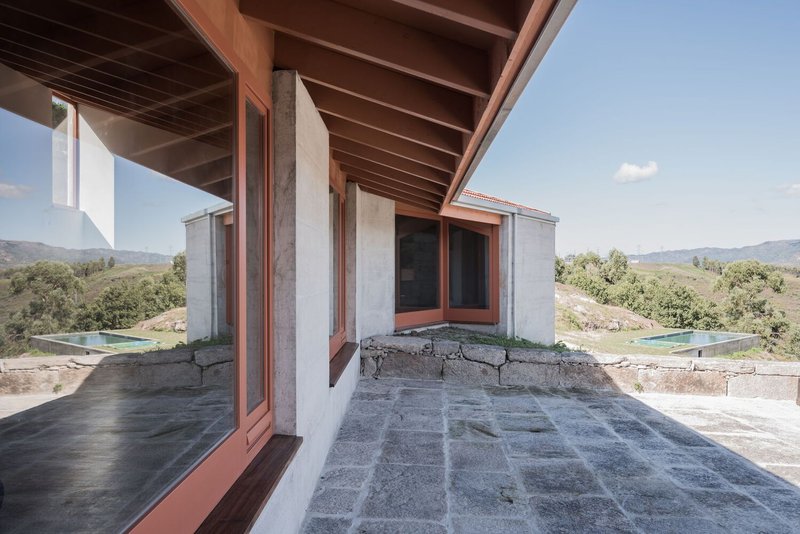
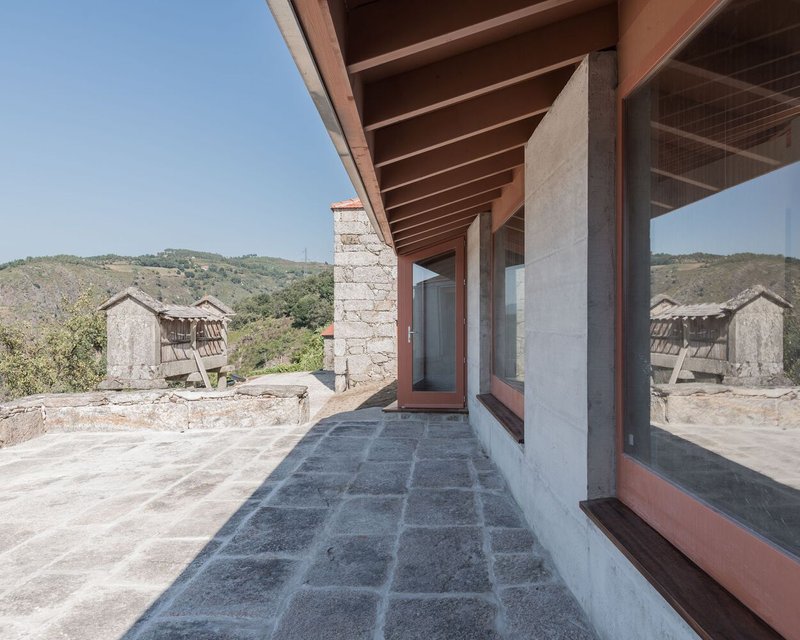
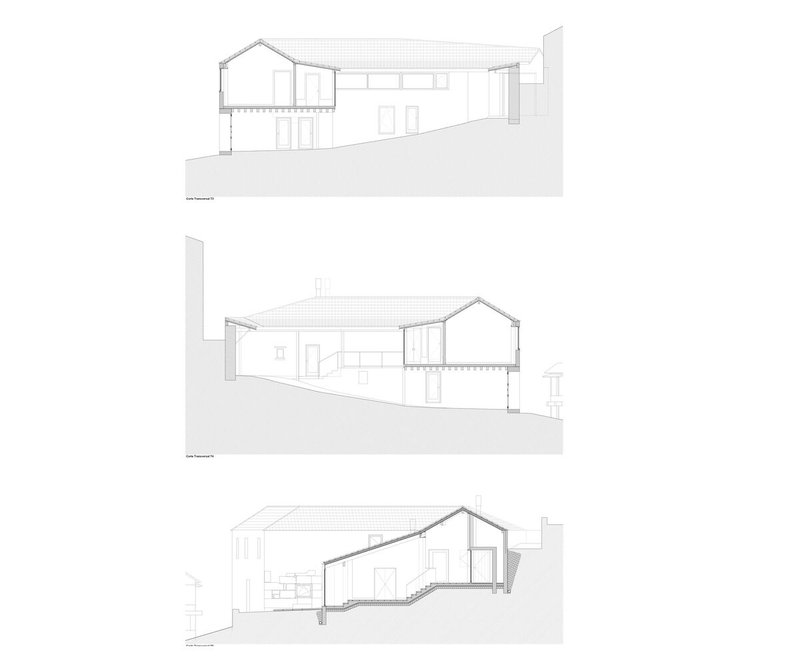
The final extension, Volume C, is positioned at the level of the former threshing floor. This volume houses the collective programs and the kitchen for the tourist facility. The new building, crafted with exposed concrete exterior walls and a Marseille tile roof, creates a visual dialogue with the surrounding landscape. The use of concrete in the new volume contrasts with the rustic materials of the original structure, bringing a contemporary edge to the design while still respecting the rural context.
Materiality and Landscape Integration
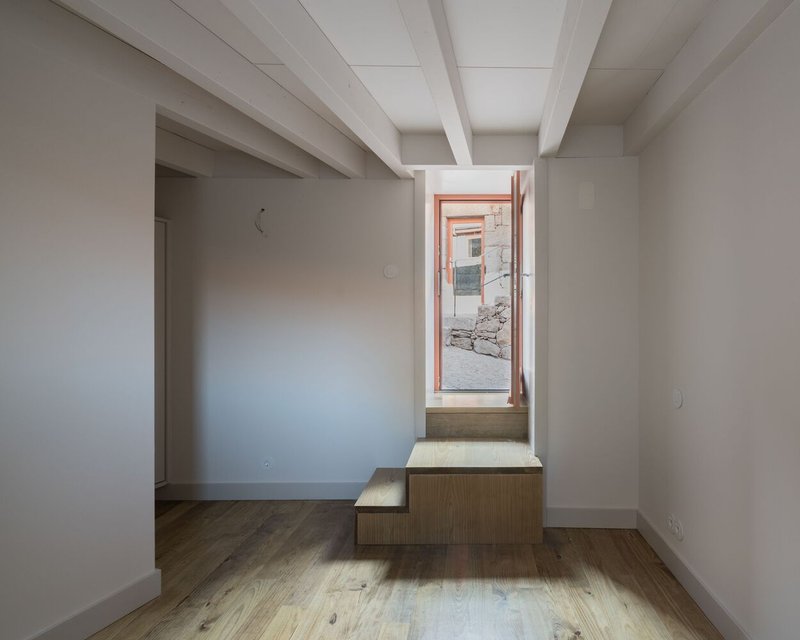
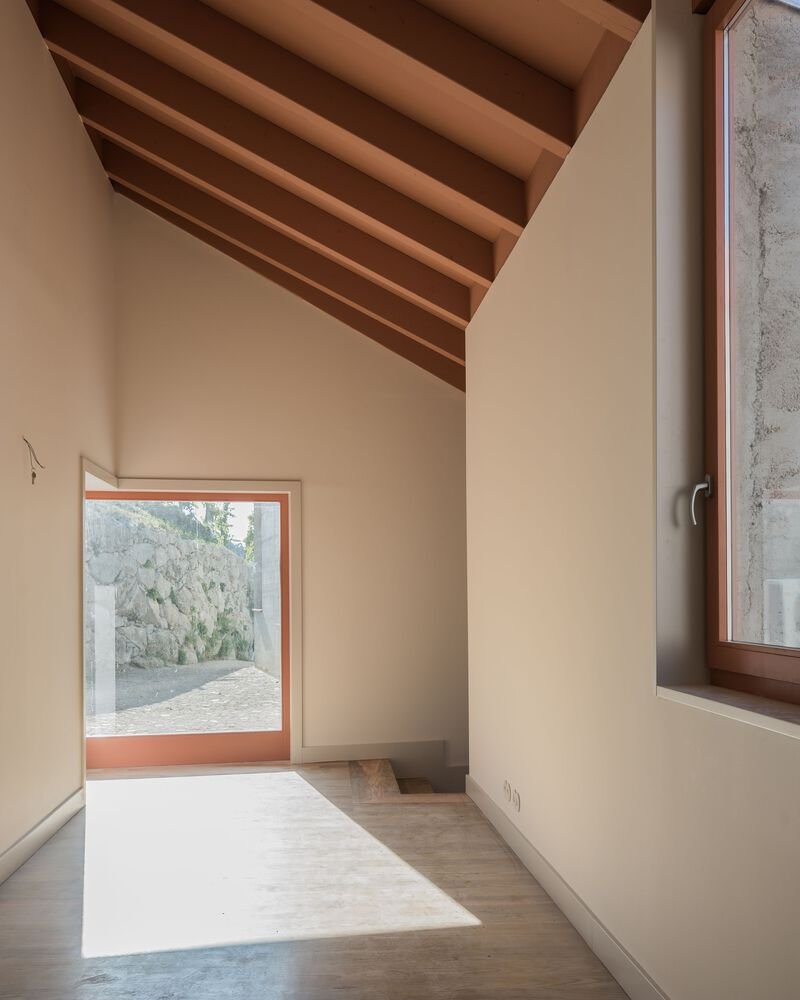
The architecture of the Rural House in Soutelos celebrates the natural beauty of the surrounding landscape through the careful selection of materials. The extension’s exposed concrete walls create a striking contrast with the softer, more organic textures of the existing granite masonry. The wooden window frames and the tile roofing on both the original and new sections pay homage to traditional rural architecture while subtly updating it for modern use.
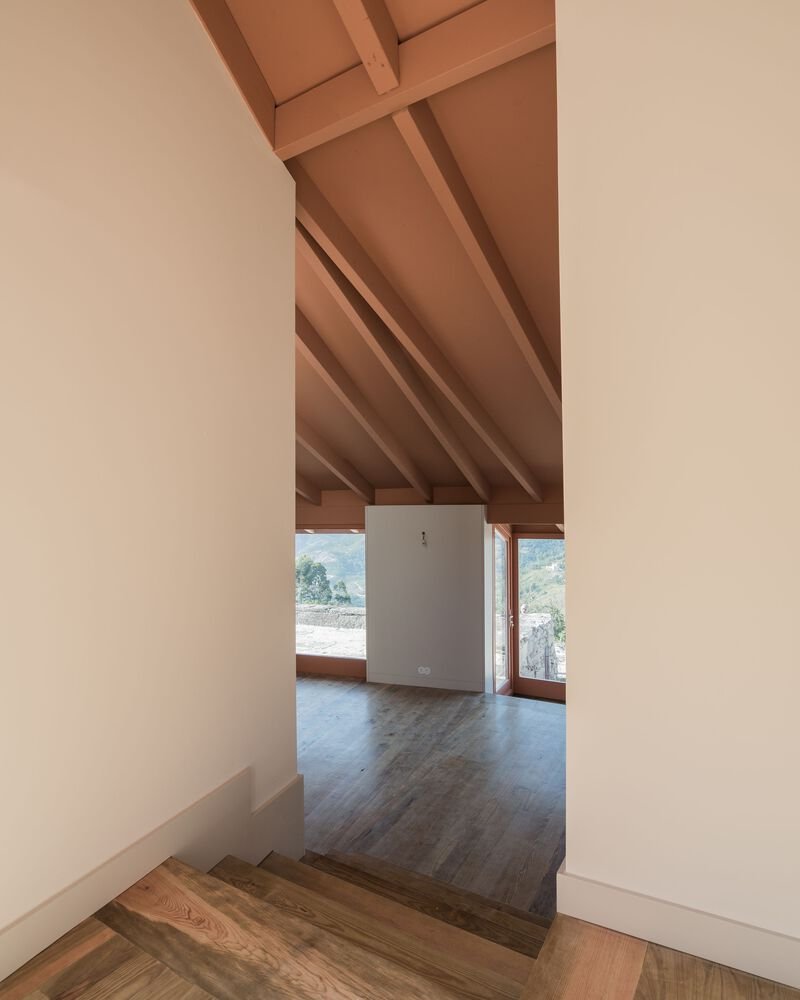
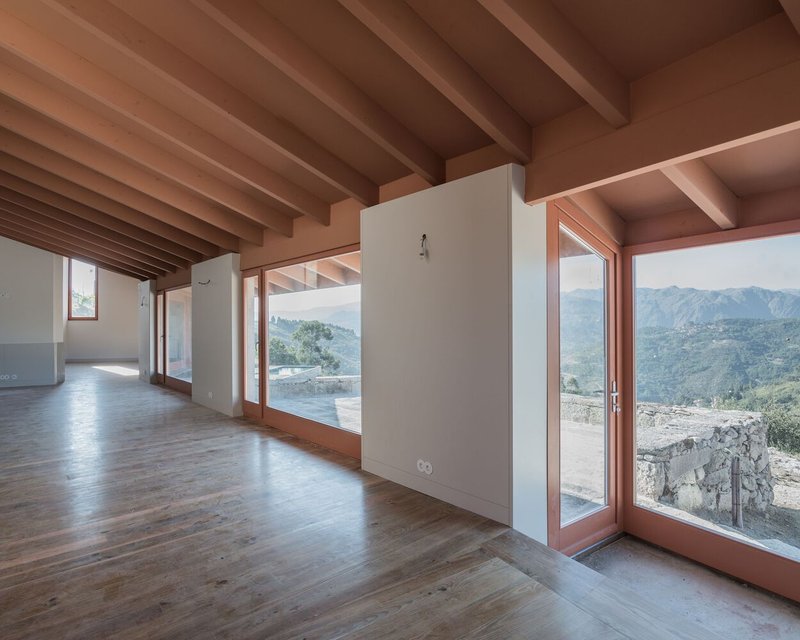
Volume C, with its strategic positioning on the natural contours of the land, allows the building to open up to the landscape. The careful alignment of the new construction with the threshing floor maximizes the views and creates an inviting connection to the outdoors. This thoughtful design ensures that guests enjoy both comfort and an authentic rural experience, with clear sightlines to the expansive agricultural landscape that defines the site.
Rural Tourism and Sustainable Design
This project exemplifies the potential for rural tourism architecture to be both sustainable and innovative. By restoring existing structures and integrating modern extensions that respect local traditions, the Rural House in Soutelos embodies the principles of adaptive reuse. It offers a contemporary interpretation of the region’s architectural heritage, providing a modern yet rooted experience for visitors.
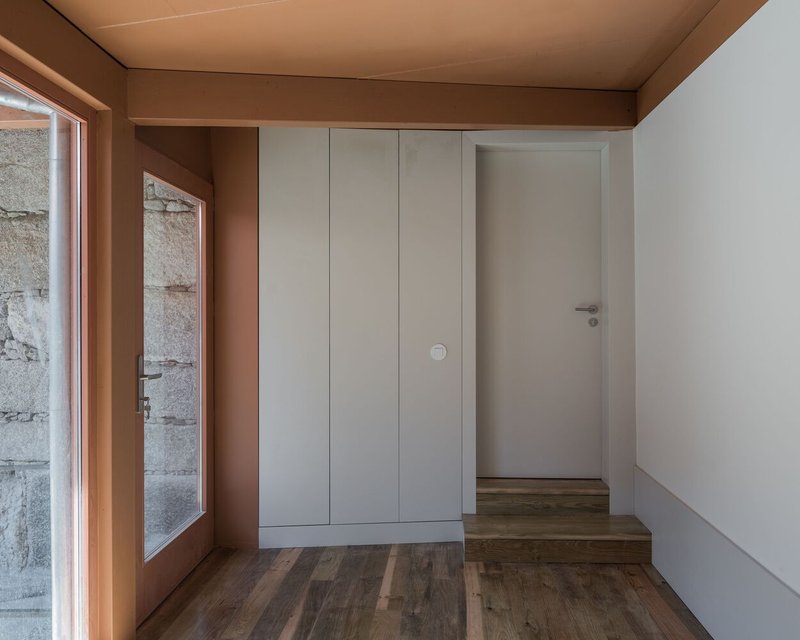
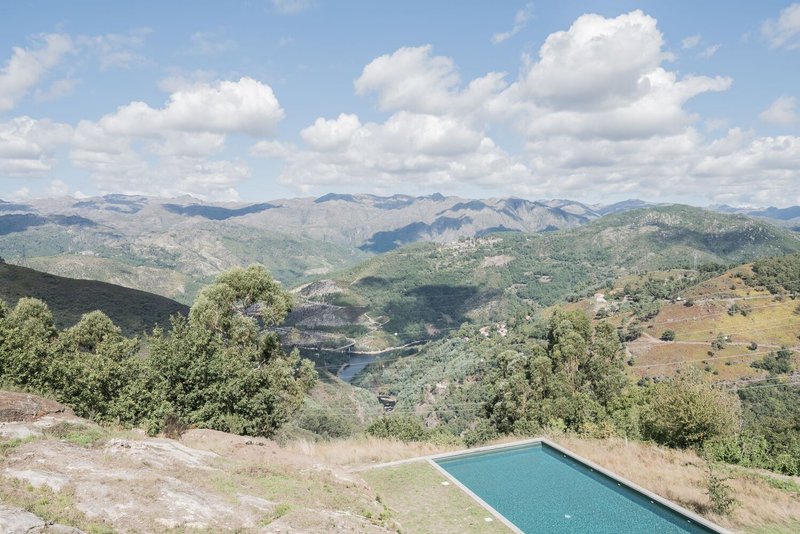
The design highlights the significance of rural heritage in tourism, offering a luxurious yet humble escape into the countryside. The use of traditional materials, along with modern architectural interventions, ensures that the building serves as both a functional space for rural tourism and a celebration of the region’s cultural and agricultural history.
A Harmonious Blend of Old and New
The Rural House in Soutelos is a perfect example of how rural tourism architecture can preserve the essence of a place while introducing modern comforts and aesthetic value. The thoughtful restoration and extension of these agricultural buildings create a timeless space that seamlessly integrates with the landscape, offering visitors a unique and sustainable rural experience.
All Photographs are works of Frederico Martinho




Popular Articles
Popular articles from the community

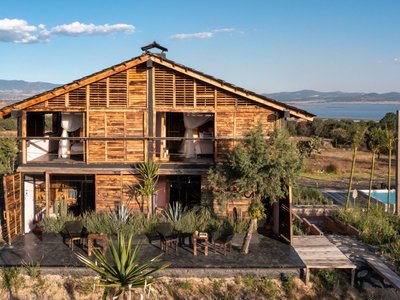
Fausto Terán and Toro Fuse Japanese Craft with Mexican Tradition in a Lakeside Retreat
Nakamura House pairs Shou-Sugi-Ban charred pine with handmade clay tile at the foot of Atlangatepec Lagoon in Mexico.
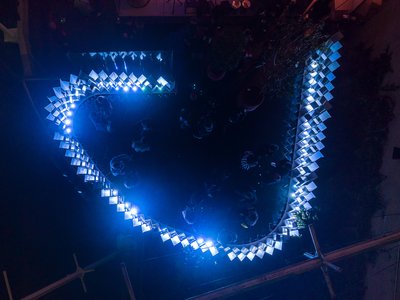
Rojkind Arquitectos and Think Parametric Build a Glueless Pavilion from 67 Interlocking Panels
A serpentine fiber-cement installation in Chapultepec Park celebrates a decade of architectural media in Mexico City.
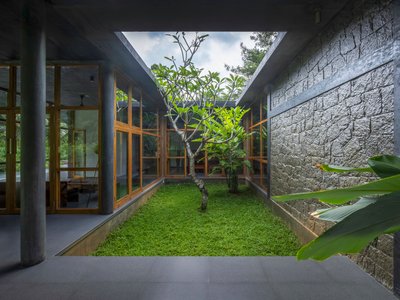
3dor Concepts Wraps a Kerala Home in Mirrored Concrete Arcs Around a Courtyard Tree
In the Western Ghats foothills of Thamarassery, a 270 m² single-story house uses two curved volumes to frame nature as its center.
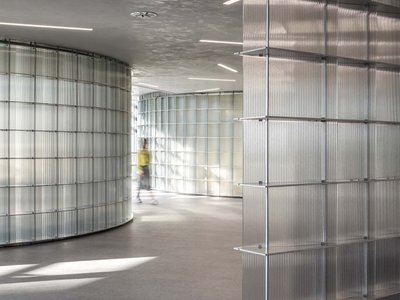
HCCH Studio Wraps a Shanghai High-Rise Office in Curved Walls of Translucent Glass
A 1,000 square meter fit-out in Lujiazui replaces the typical tech-office palette with layered glass, micro-cement, and quiet rigor.

Similar Reads
You might also enjoy these articles

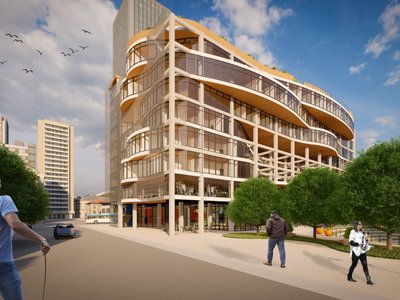
Olio Towers: A Mid-Rise for Performers That Fuses Housing, Rehearsal, and Stage
Located blocks from Houston's Theater District, this modular tower stacks living units around a central performance atrium.
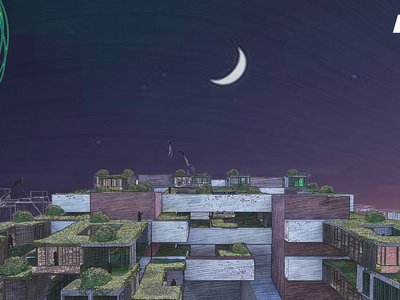
Oasis: Modular Green Housing Carved into Dhaka's Urban Fabric
A shortlisted Plugin Housing entry reclaims unauthorized settlements in Dhaka with stepped concrete volumes, green roofs, and ventilation-driven design.

Black Hole: A Floating Megastructure for the Post-Physical Era
Emiliano Mazzarotto envisions a spherical, self-scaling arena where e-sports, digital hotels, and holographic stadiums replace traditional public space.
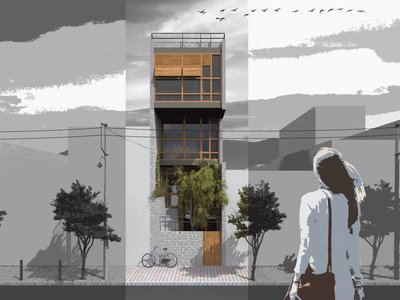
Compact & Sustainable Living in Piraeus: A Four-Level Family Home Built Around Light and Air
A narrow townhouse in one of Greece's densest port cities uses a central atrium and passive strategies to house three generations under one roof.


Explore Architecture Competitions
Discover active competitions in this discipline




The International Standard for Design Portfolios


The Global Benchmark for Architecture Dissertation Awards


The Global Benchmark for Graduation Excellence


Challenge to reimagine the Iron Throne
Comments (0)
Please login or sign up to add comments
No comments yet. Be the first to comment!