

São Victor House by COMBO Architects Studio: A Poetic Restoration of a 19th-Century Bourgeois Residence in Porto
São Victor House by COMBO Architects Studio revives a historic Porto home, blending traditional materials with minimalist, light-filled contemporary living.


A Sensitive Revival of Porto’s Architectural Heritage
Originally built between 1880 and 1881, the São Victor House once stood as a typical example of Porto’s bourgeois residential architecture. Over the years, the building lost much of its identity through unplanned and insensitive alterations. Interior compartmentalization, aimed at maximizing rental income, disrupted the spatial logic and degraded the historic character of the house.
COMBO Architects Studio approached this renovation with the sensitivity of an archaeologist and the vision of a contemporary designer. Their mission was clear: to strip away the superfluous layers of intervention and reveal the essence of the house beneath. Through a thoughtful balance of subtraction and preservation, the architects succeeded in reimagining the São Victor House as a harmonious blend of past and present.


Uncovering the Past, Designing for the Present
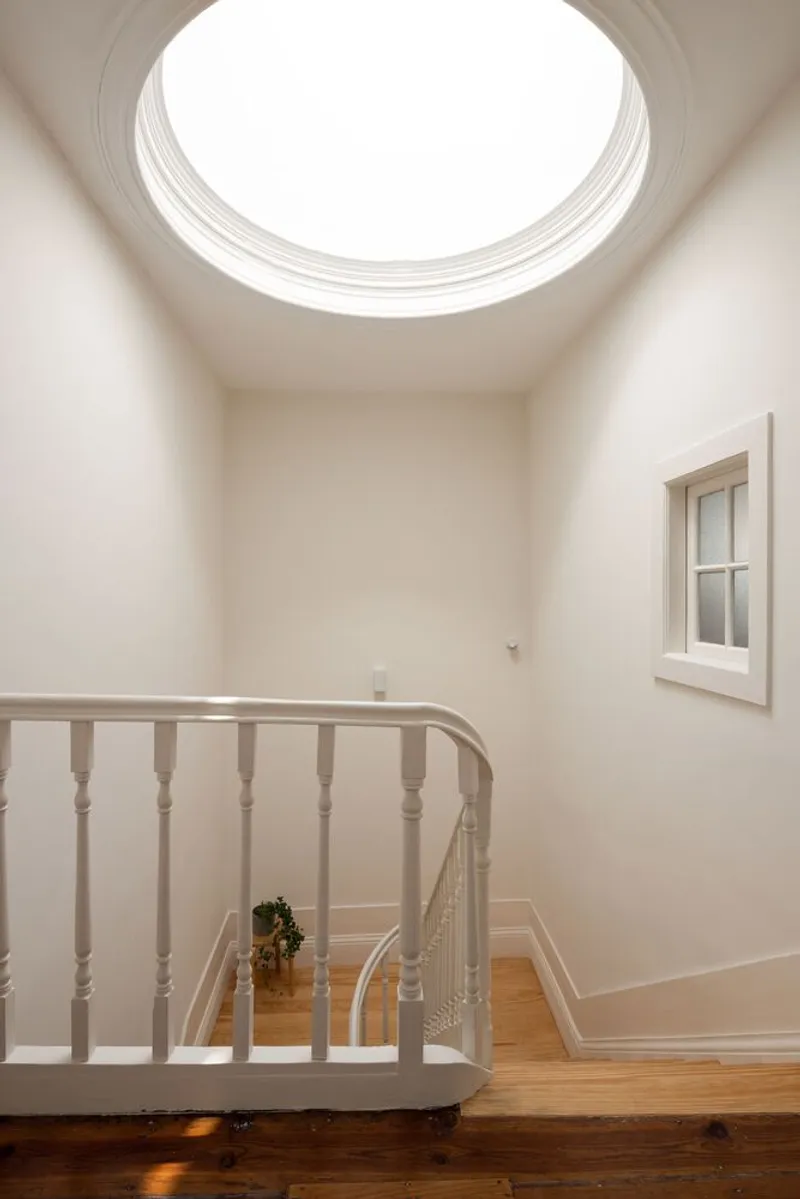
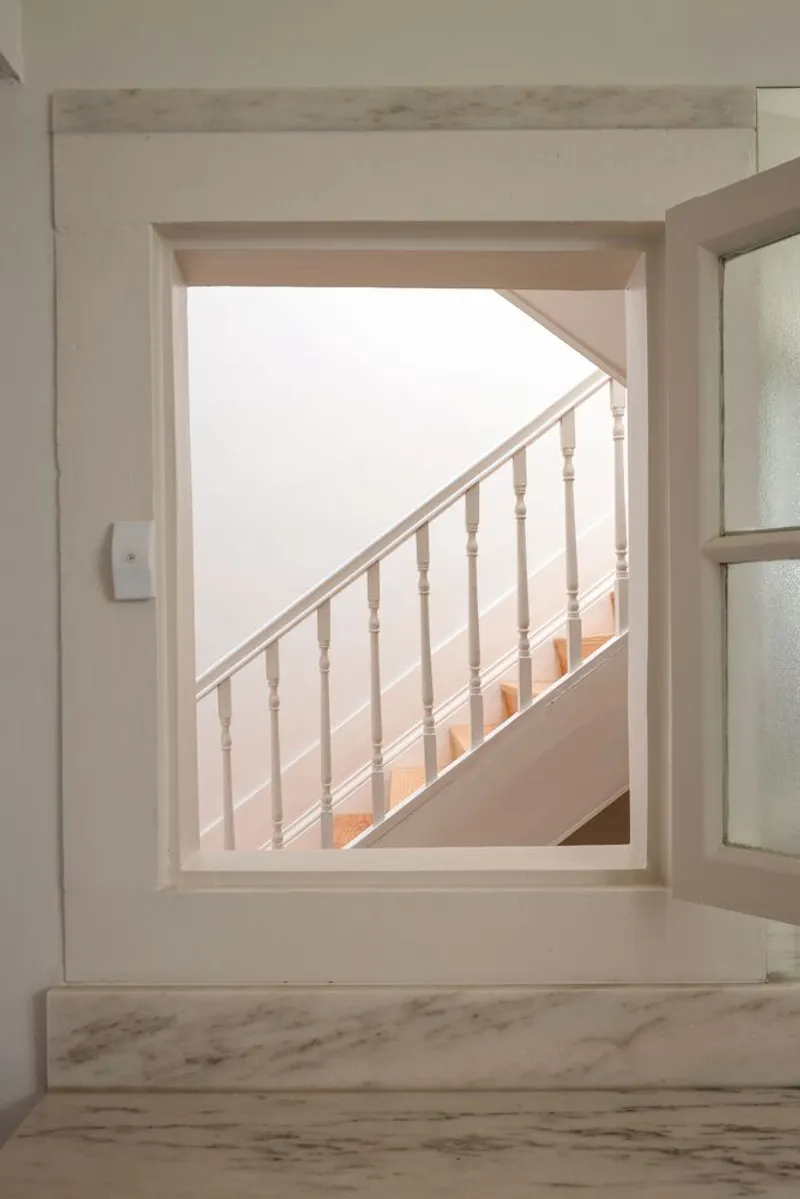
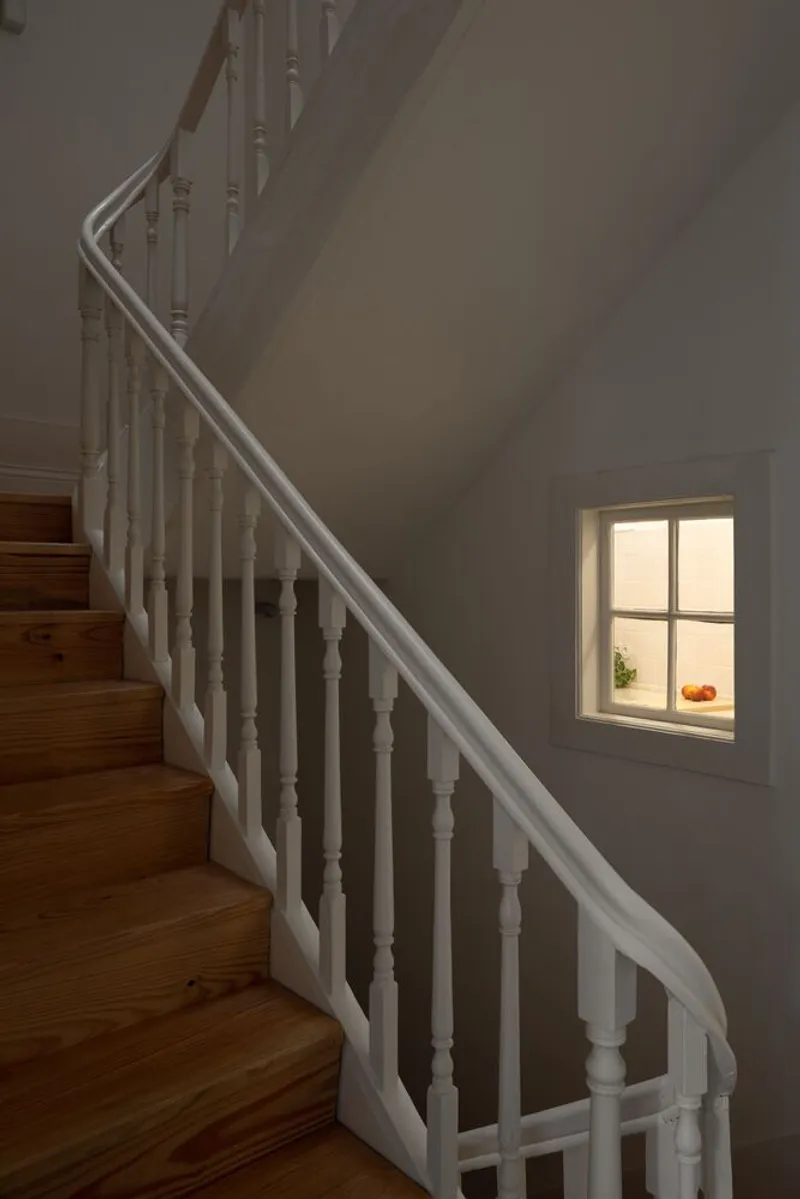
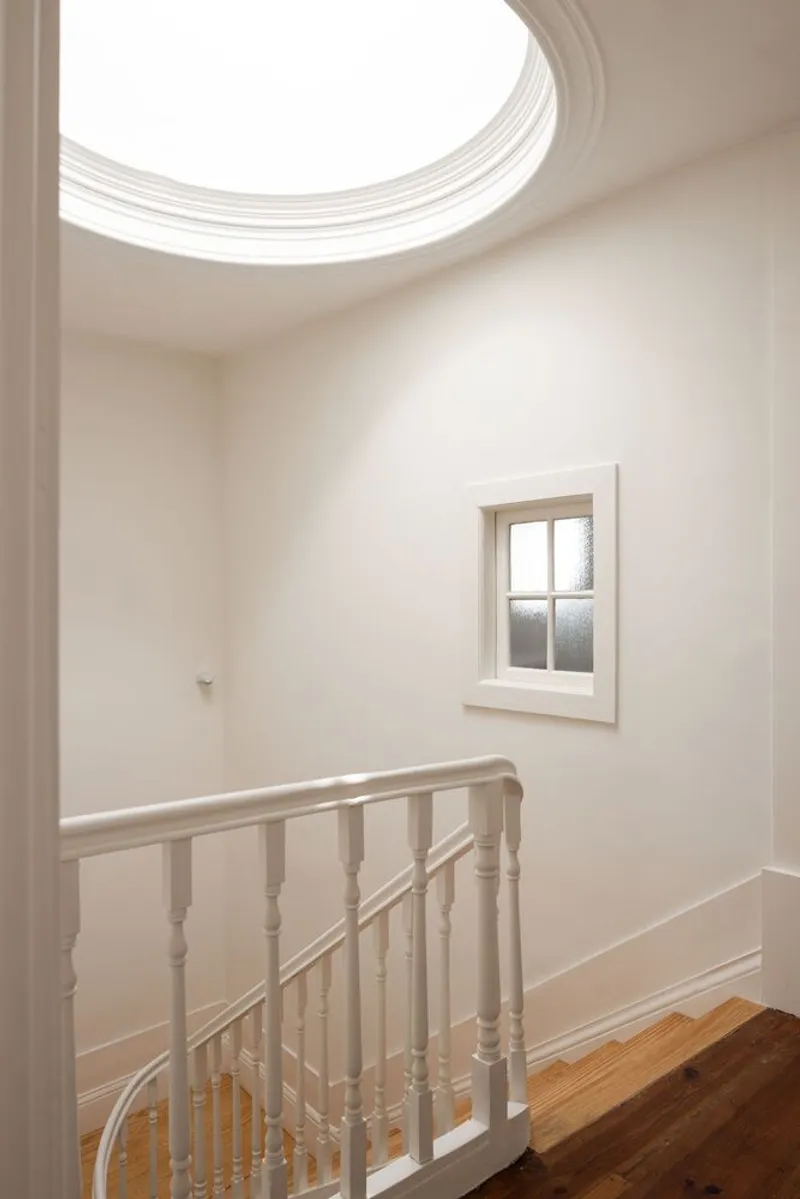
The design strategy revolved around two main goals: recovering the original architectural features and adapting the space to modern living without compromising its historical integrity. Typical elements of 19th-century Porto homes—high ceilings, intricate carpentry, and a central staircase crowned by a conical skylight—were restored to evoke the home's authentic character.
Inside, the excessive partitions that once fractured the space were dismantled. What remained was a purified architectural volume that allowed light to flow freely and the original proportions to breathe once again.

Spatial Layout and Program
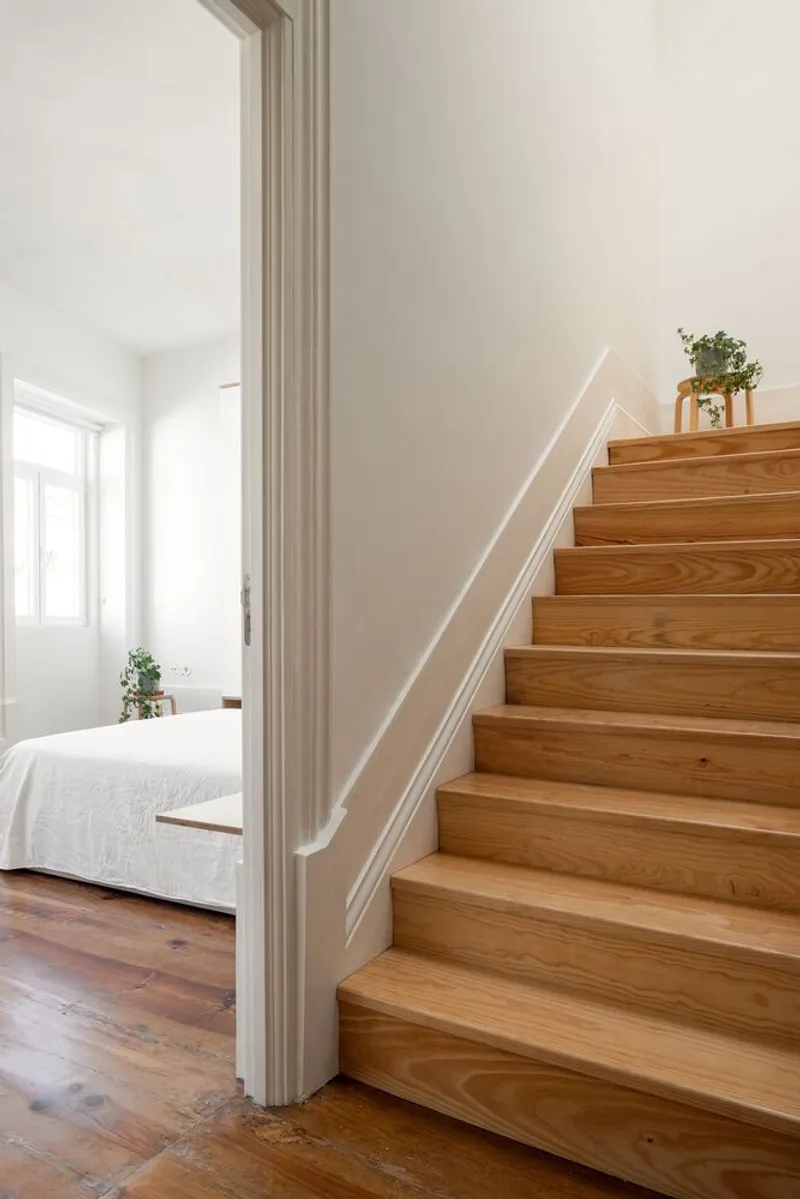
Despite its compact 45 m² footprint, the house unfolds across four vertical levels, offering a total of 145 m² of usable space:
- Ground Floor: Entrance hall and central staircase (commercial space excluded from renovation).
- First Floor: Open-plan living room and kitchen.
- Second Floor: Bedroom and bathroom.
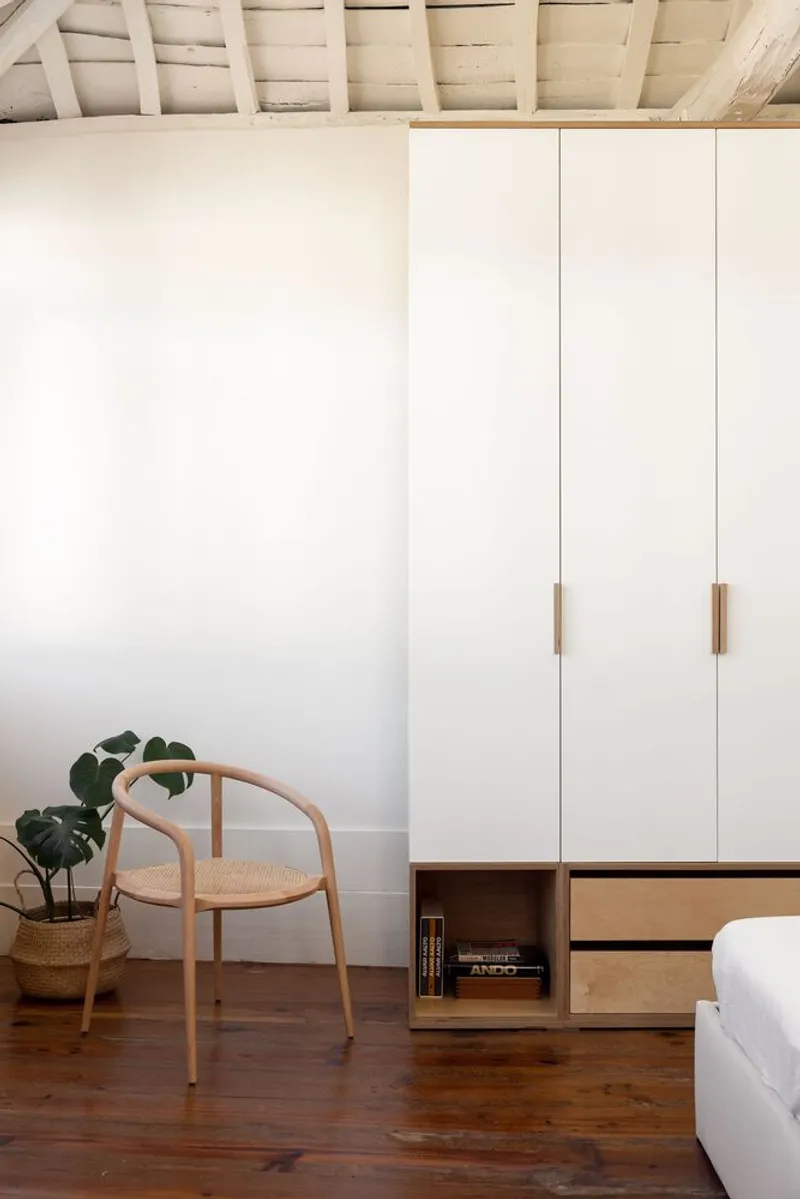
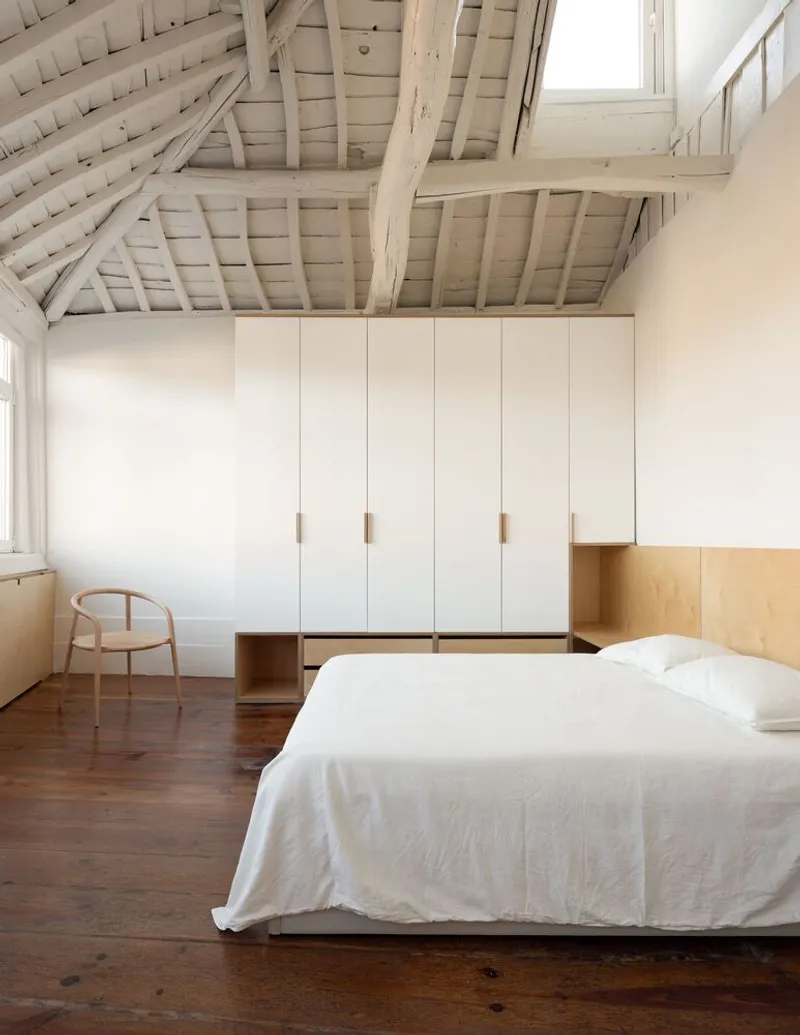
- Third Floor: Second bedroom designed as a flexible studio space with an integrated workspace.
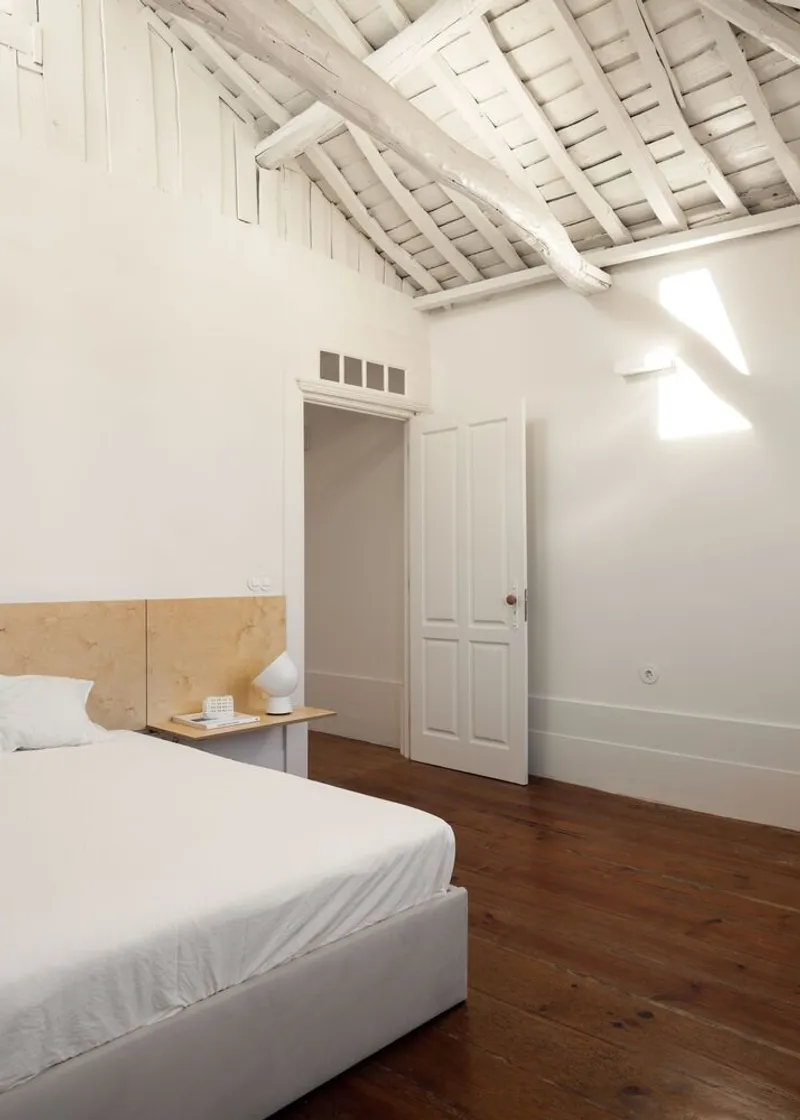
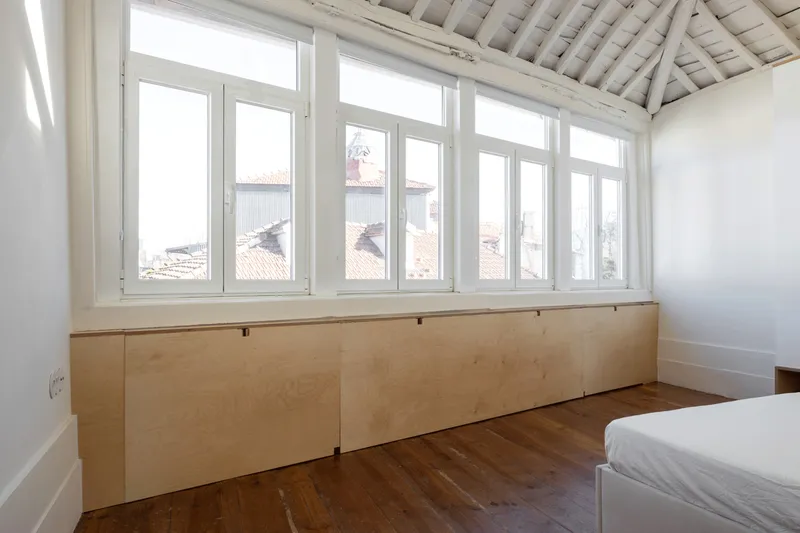
In a clever response to the client's dual needs—residence and studio—the architects devised a foldable, tripartite wall-mounted table along the facade of the top floor. This piece transforms effortlessly from an artist’s workstation to a discreet panel, ensuring functional adaptability in limited space.
Materiality, Light, and Atmosphere
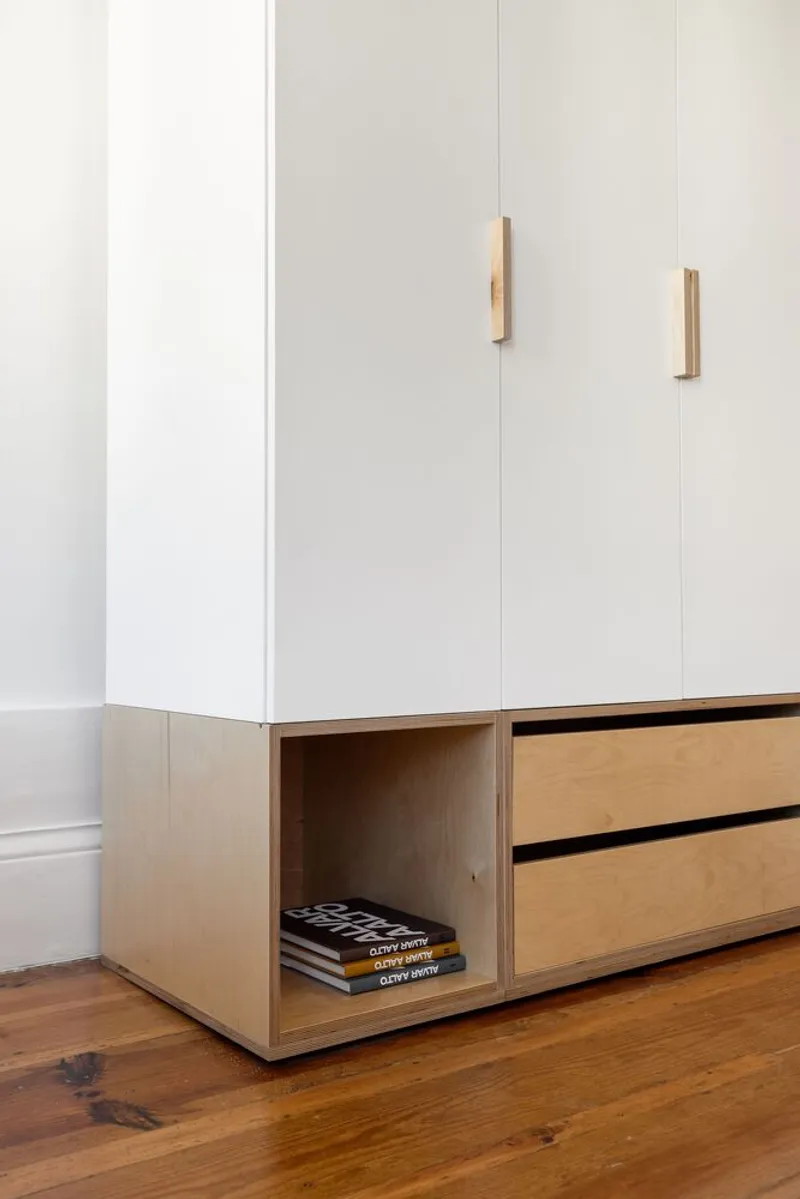
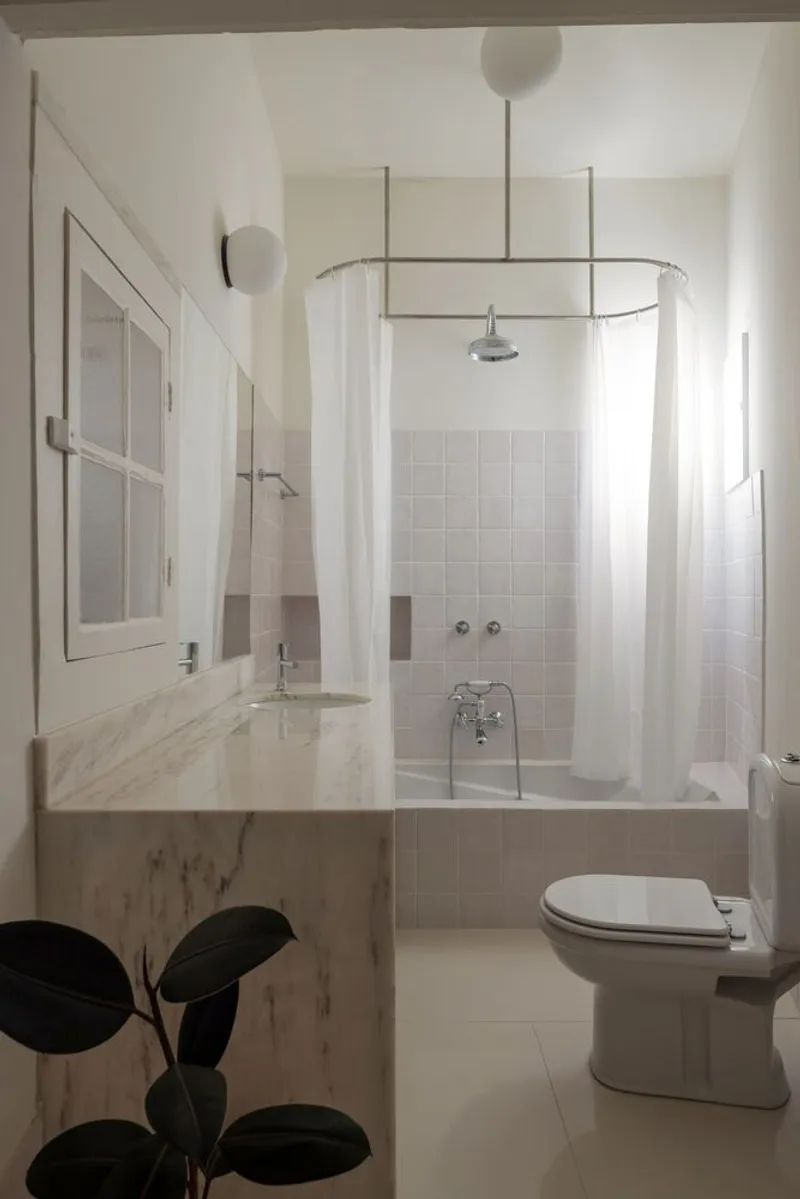
A key part of the renovation focused on material authenticity and light optimization. The design team used traditional materials such as natural wood, Estremoz marble, and handcrafted Portuguese azulejos to root the interiors in a tactile connection to local heritage.
Neutral color palettes, light surfaces, and the reintroduction of skylights amplified natural light across all floors. A false ceiling removed in the attic revealed a previously hidden mansard roof, dramatically increasing ceiling height and enhancing the luminous quality of the top bedroom.
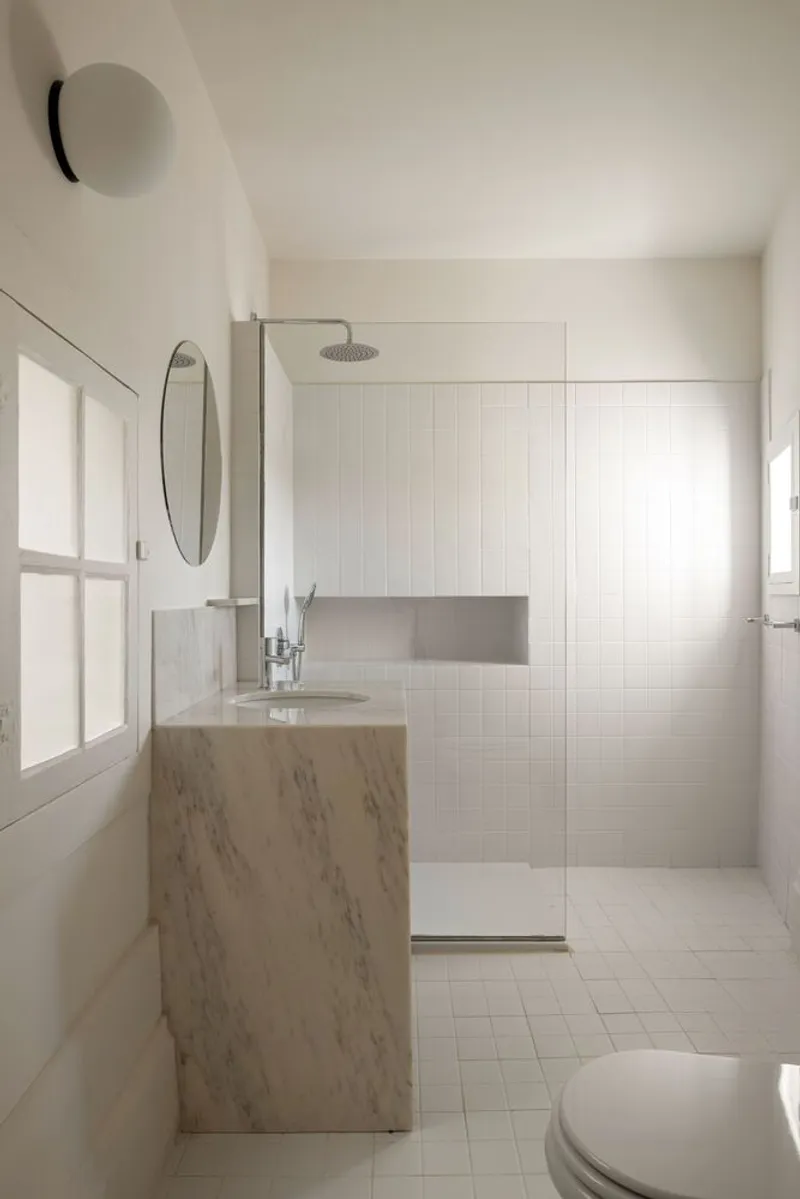
In the kitchen and bathrooms, custom-designed furniture and fixtures reinterpret historical references—like stone sinks and large chimney hoods—with a minimalist, contemporary language.
Craftsmanship and Subtle Discoveries
During demolition, several hidden architectural details were rediscovered, including an old partition wall in the WC, which was preserved as a sculptural element. Lost carpentry, including baseboards, door jambs, and shutters, was reconstructed using traditional joinery techniques, honoring the building’s original craftsmanship.
A Thoughtful Urban Infill
São Victor House stands as a model for urban regeneration through respectful renovation. It demonstrates how compact heritage buildings in dense European cities can be transformed for modern use without erasing their past. With surgical precision and creative restraint, COMBO Architects Studio turned this once-fragmented structure into a poetic, light-filled home and studio that celebrates memory, materiality, and architectural legacy.
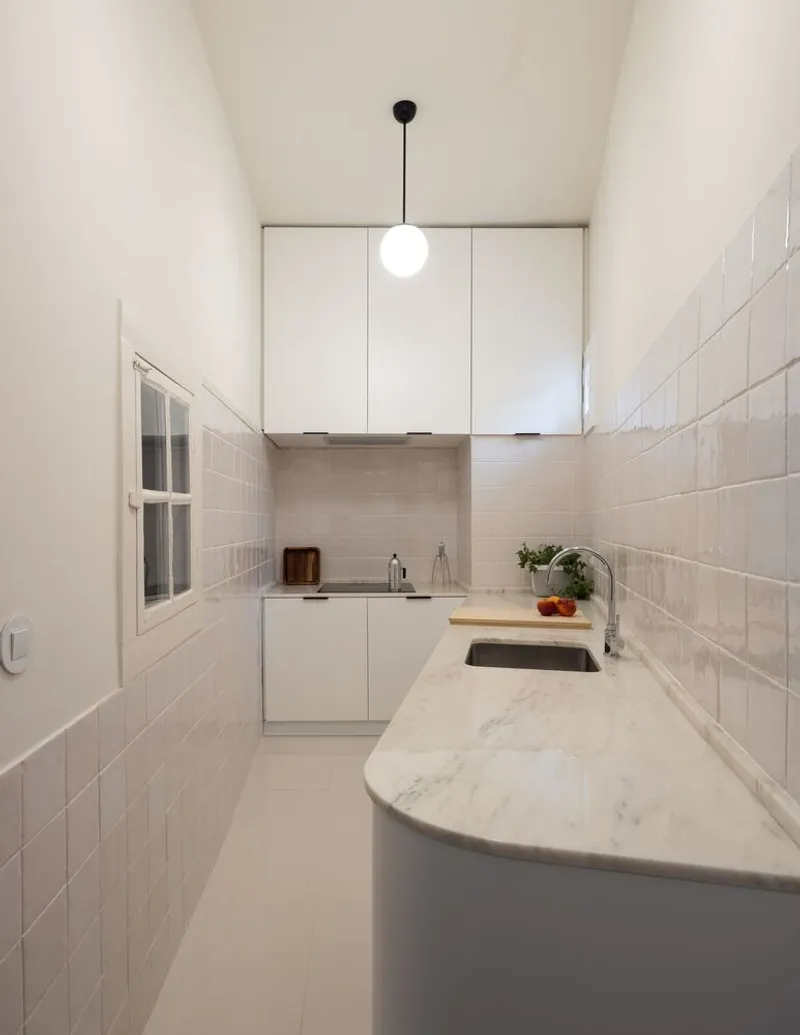
All Photographs are works of Alexander Bogorodskiy


Popular Articles
Popular articles from the community

Tsunami Convergenics: Turning Catastrophic Ocean Forces into Underwater Housing Infrastructure
A speculative underwater settlement off the coast of Onagawa, Japan, treats tsunamis and typhoons as energy sources rather than threats.

Opera on the Sea: Driftwood Logic Shapes a Timber Opera House on Estonia's Coast
Trevor Orgill's opera house translates the entangled drift of floating timber into a civic building where wood, water, and music converge.

The Amber Palace Opera: A Geological Fiction Surfaces on Tallinn's Baltic Waterfront
Pierre Brillard reimagines a Baltic legend as a public landscape, opera house, and waterfront promenade rooted in Tallinn's coastal identity.
Cloaked Colonization: A Mobile Underwater Habitat That Moves Like a Fish
Micah Abaya's shortlisted EHC Pacific entry reimagines ocean settlement as a dispersed network of self-sustaining architectural organisms.

Similar Reads
You might also enjoy these articles


Hodi-Mandai Geram
Project Function: Preservation and revitalization of the Intangible heritage and socio-spatial identity of the Hodi by Housing, Cultural Memory Center, Sacred Grove, landscape, local tourism economy


Olio Towers: A Mid-Rise for Performers That Fuses Housing, Rehearsal, and Stage
Located blocks from Houston's Theater District, this modular tower stacks living units around a central performance atrium.

Oasis: Modular Green Housing Carved into Dhaka's Urban Fabric
A shortlisted Plugin Housing entry reclaims unauthorized settlements in Dhaka with stepped concrete volumes, green roofs, and ventilation-driven design.

Black Hole: A Floating Megastructure for the Post-Physical Era
Emiliano Mazzarotto envisions a spherical, self-scaling arena where e-sports, digital hotels, and holographic stadiums replace traditional public space.

Explore Porto Local Tiles Competitions
Discover active competitions in this discipline

Challenge to reimagine the Iron Throne

Photograph architecture without architects

Illustrate the lost glory of Angkor Wat - Render Challenge

Design challenge to reuse E-waste
Comments (0)
Please login or sign up to add comments
No comments yet. Be the first to comment!