
Sculpting Spaces: Exploring the Maruhon Makiart Terrace by Sou Fujimoto Architects
Can Architecture and Art Coexist? Unveiling the Maruhon Makiart Terrace by Sou Fujimoto Architects


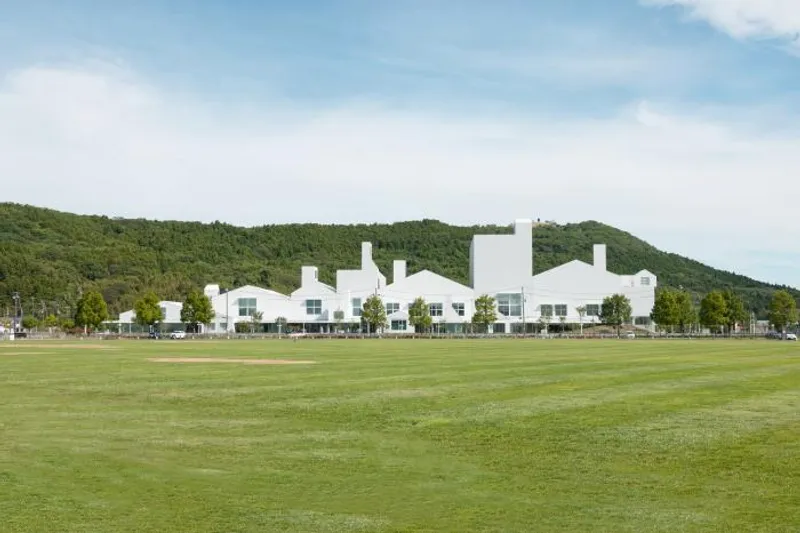
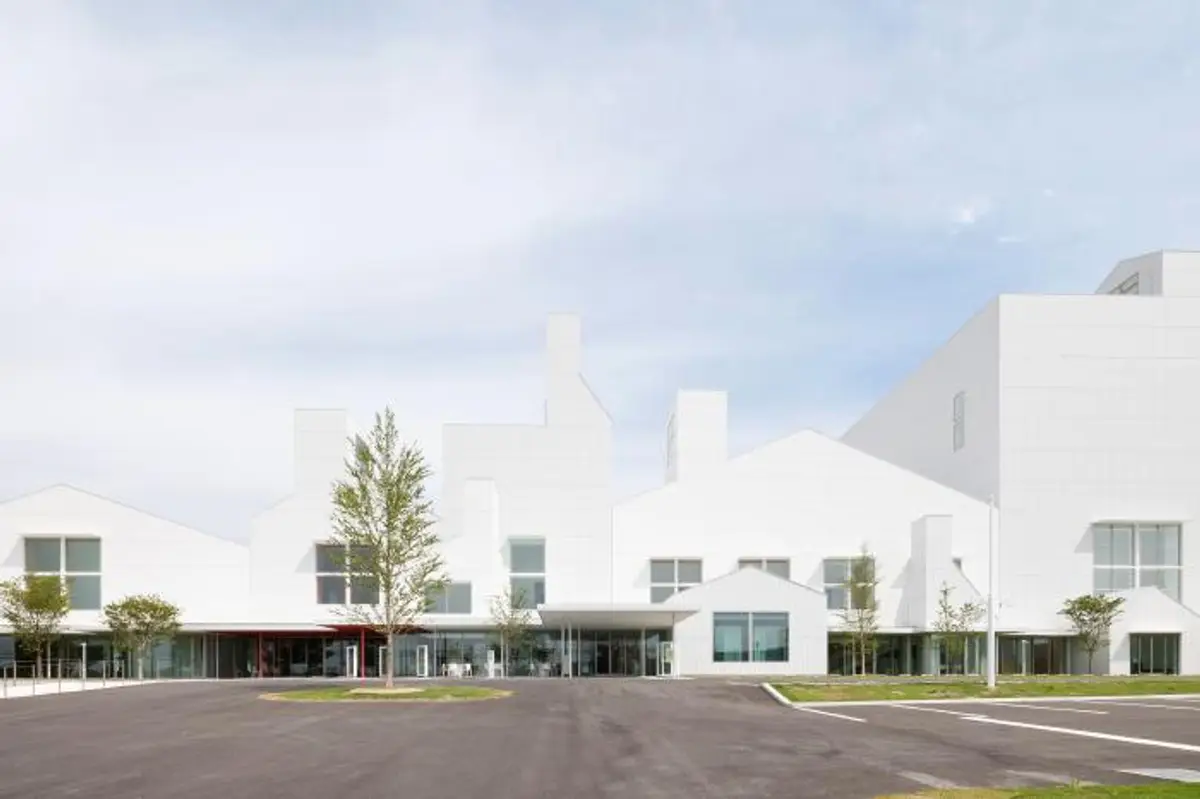
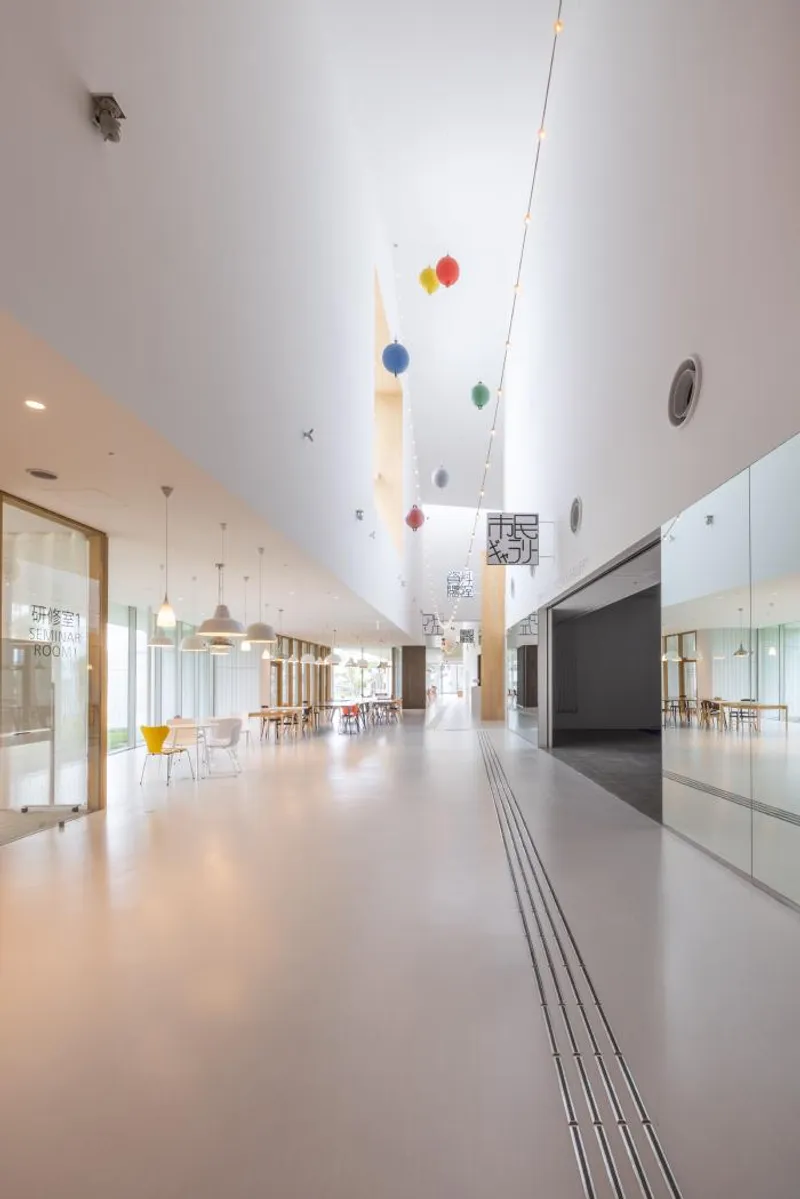
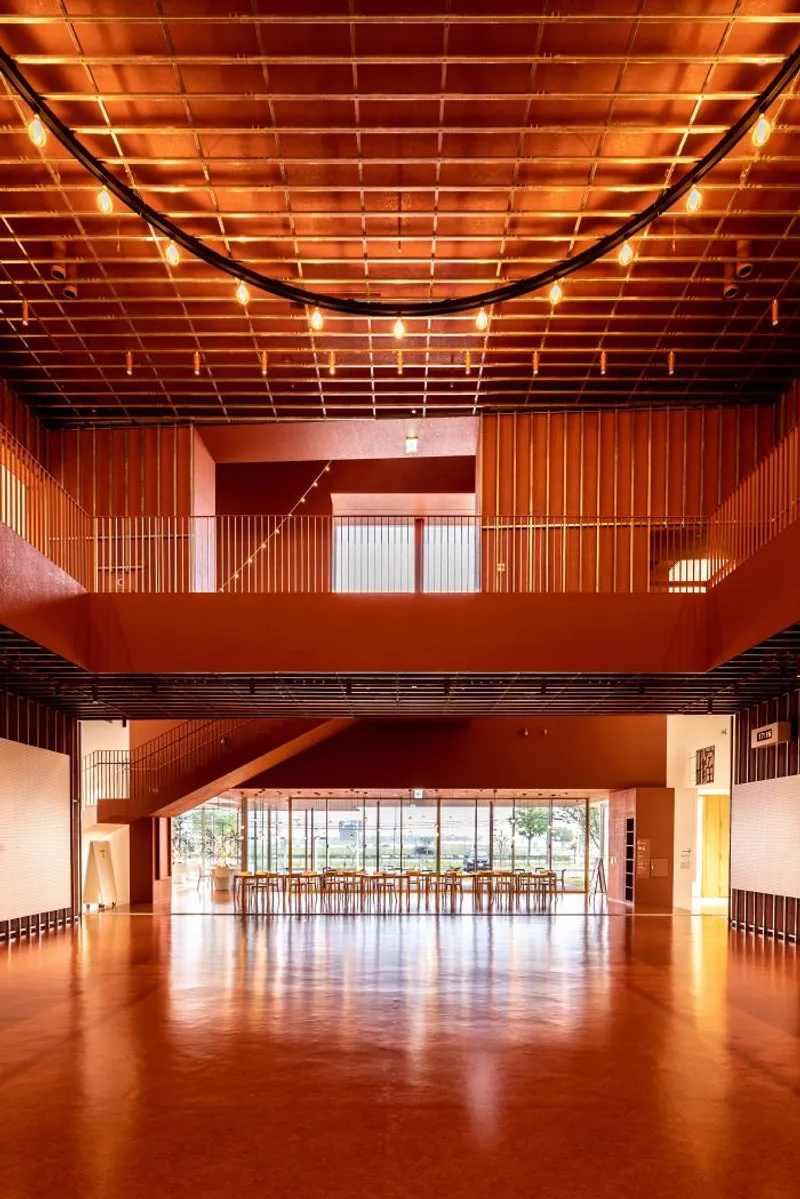
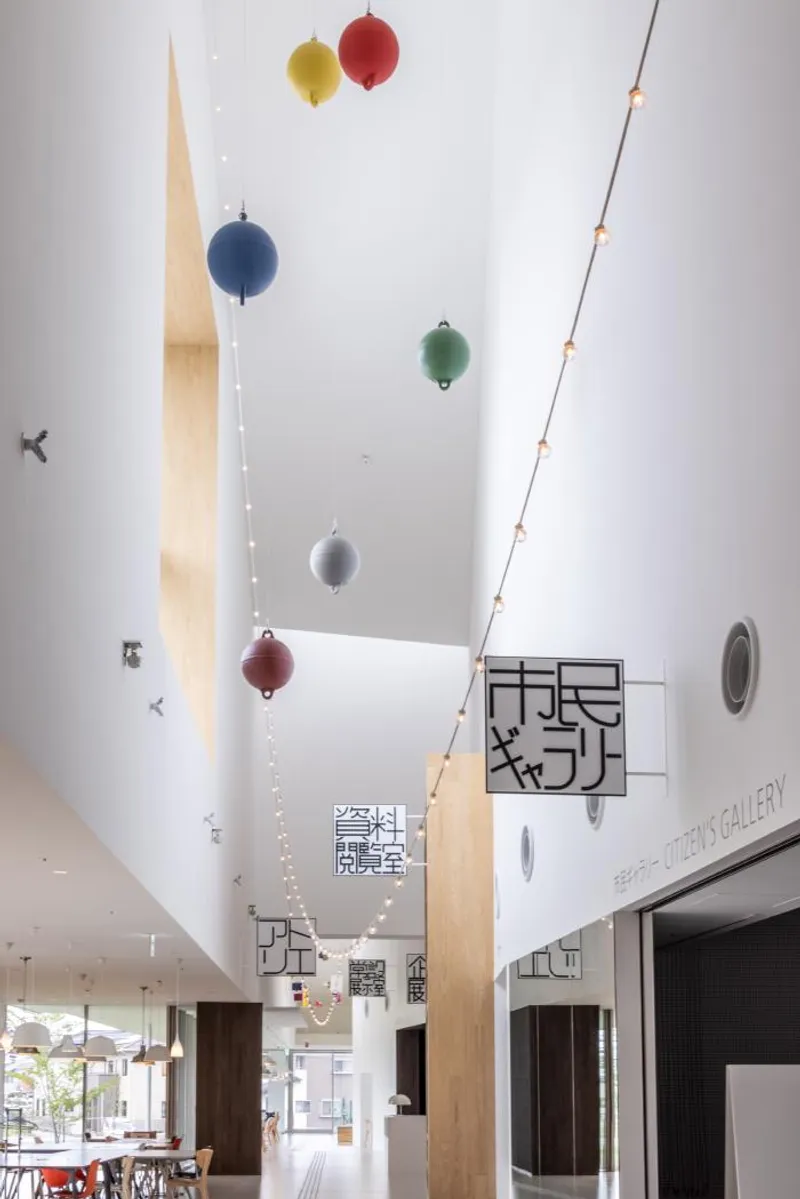
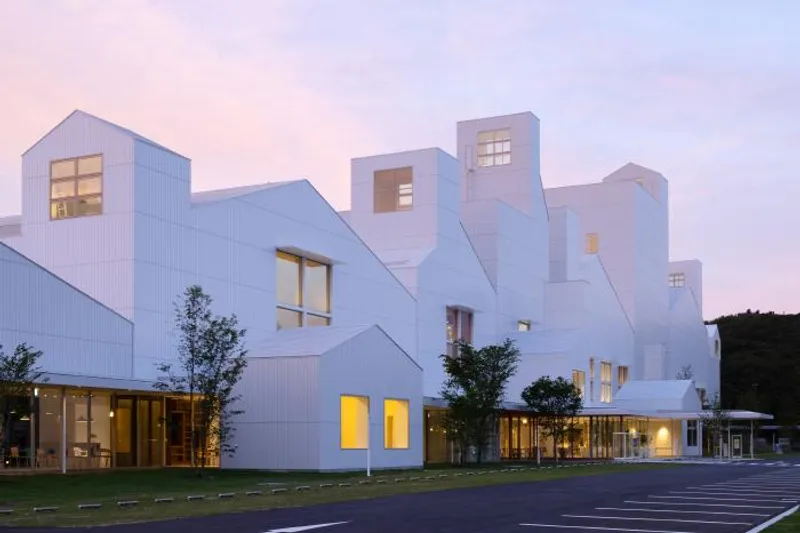
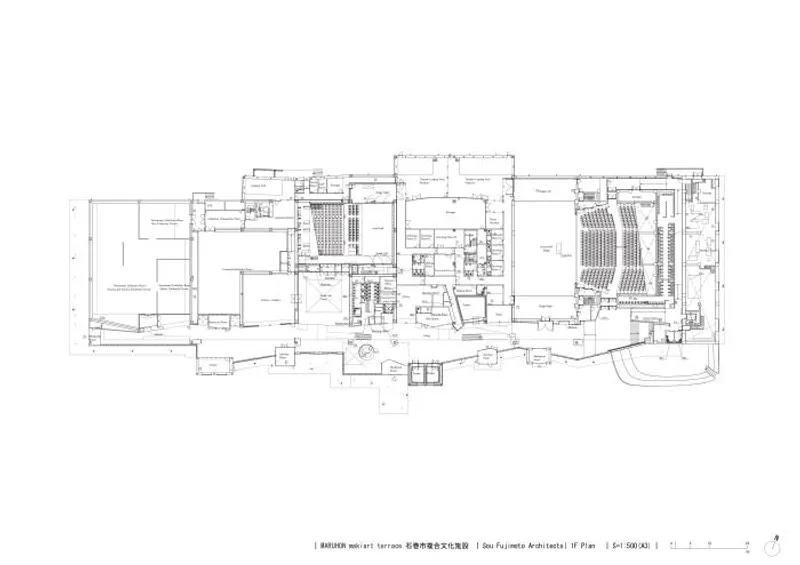
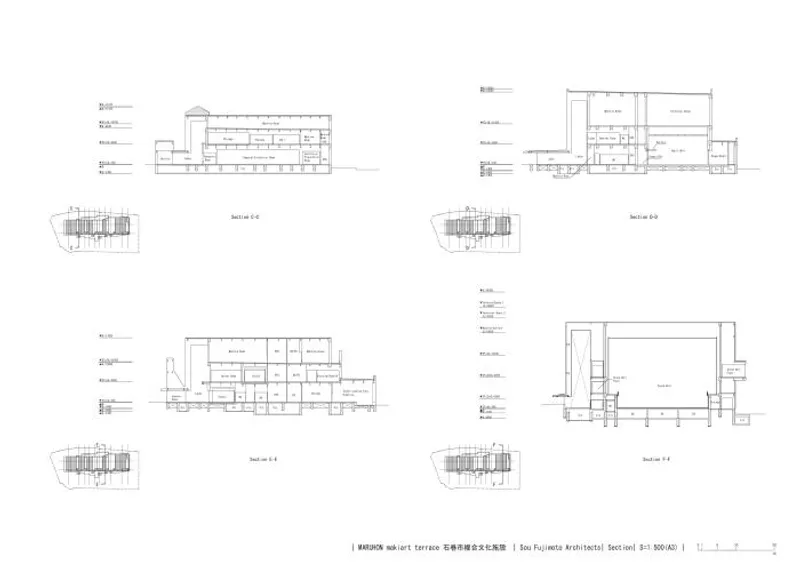
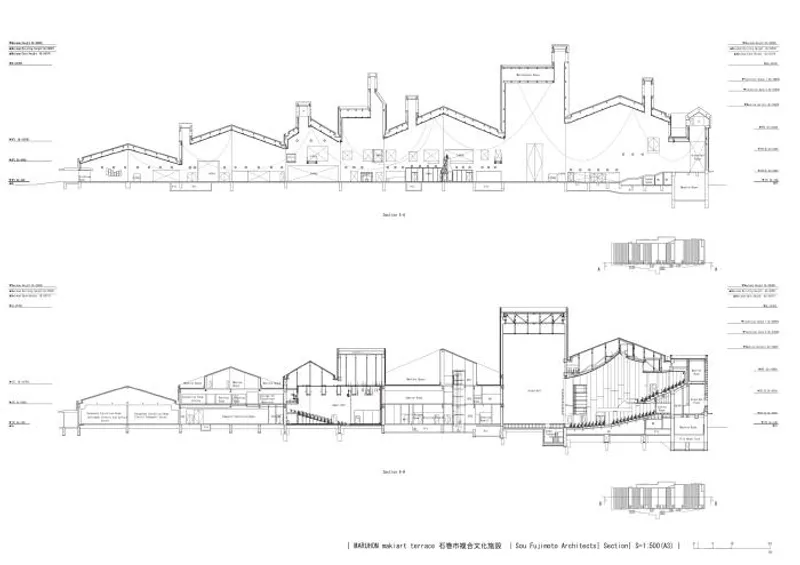
On March 11, 2011, the Great East Japan Earthquake and tsunami caused the Ishinomaki Civic Center and Ishinomaki Cultural Center to be demolished. In 2016, a design proposal was announced with the aim of reviving these functions and creating a complex cultural facility that would symbolize Ishinomaki City's recovery. This program included a large hall with 1254 seats, a small hall with 300 seats, an exhibition area, a public gallery, and a learning space. The plan configuration arranges the programs linearly along a slender lobby of about 170 m in length. The linear arrangement is segmented through the gable-roof forms and rectangular parallelepipeds to create a series of town-like spaces. Functions that are highly used by citizens, such as practice studios and ateliers, are placed in a way that protrudes into the lobby space, creating interlocking effects of various scales.
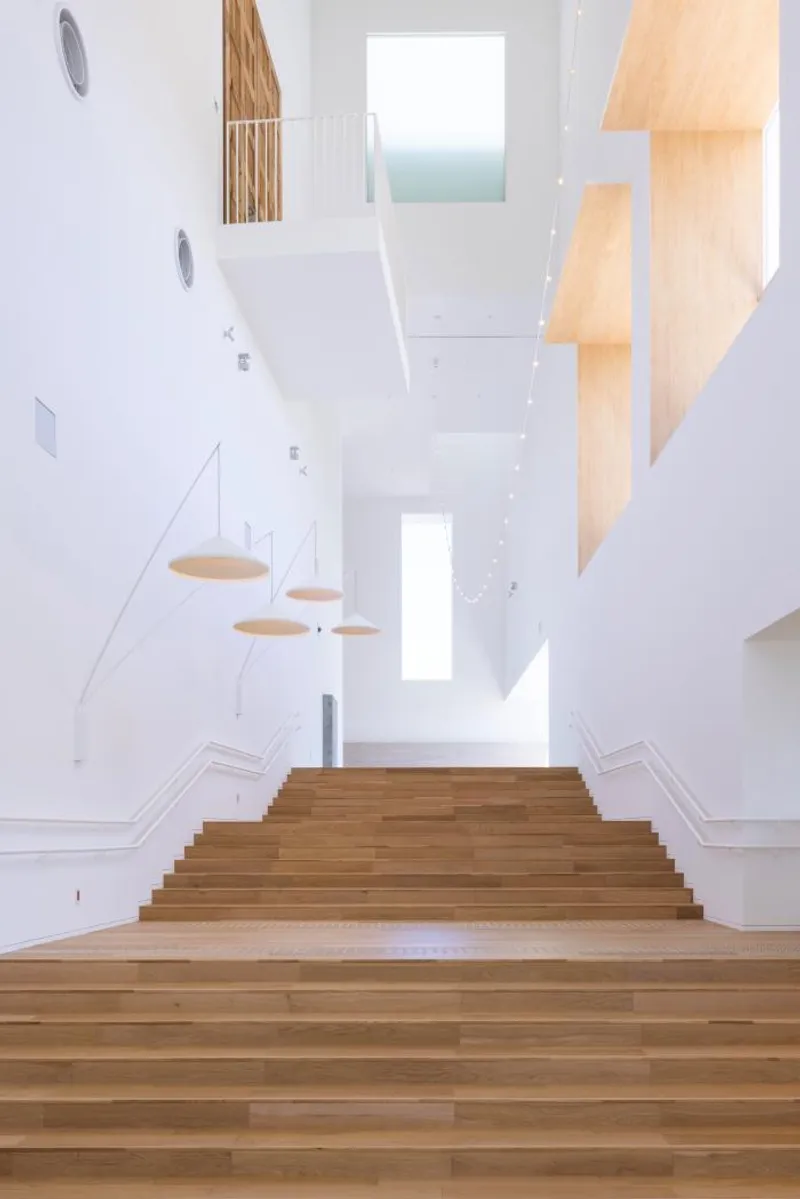
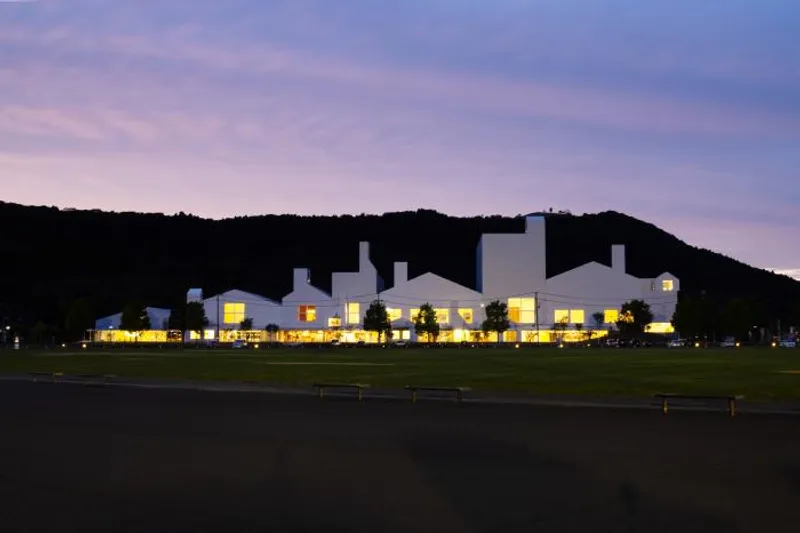
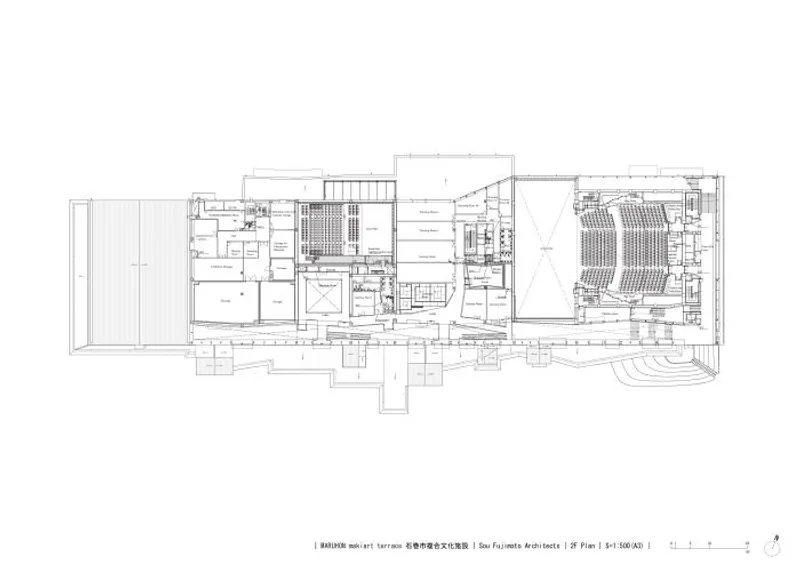
We carefully adjusted the entire space, including the selection and placement of furniture, as well as the density of signs and lighting fixtures, to create a comfortable place for citizens to study, chat, and read. To bring in light and allow for smoke exhaust, we placed small house-shaped and chimney-shaped volumes on the roof of the 13,000-square-meter building with a 30-meter fly tower. This combination of shapes gives the building a strong identity, while also evoking various impressions and meanings. We hope that the building will not be a landmark that imposes a single effect, but something that is flexible enough to allow various people to share their own impressions. The landscape of rows of house-shaped volumes pays homage to the buildings that lined the former Kitakami River, which prospered through water trade. To respond flexibly to the balance between the number of seats and the performance type, we divided the second-floor seats with curtains, making it possible to use the middle hall scale within the first floor.
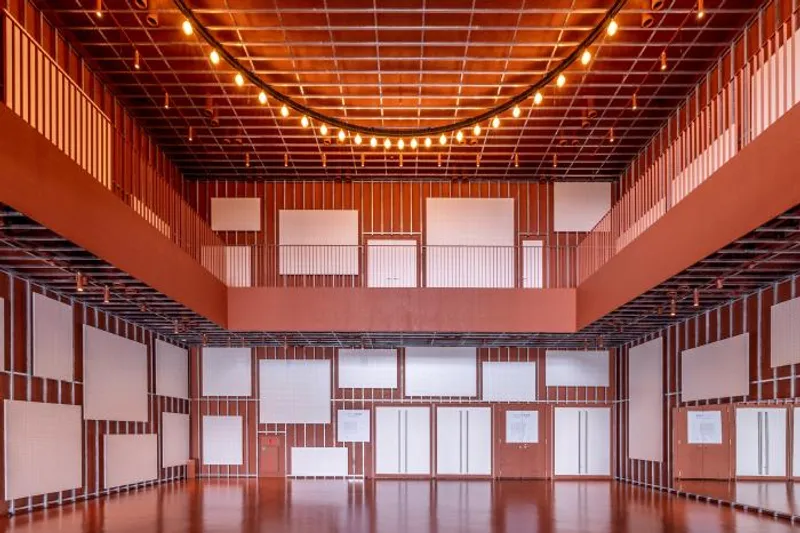
The interior of the hall, designed with black as a backdrop, emphasizes the stage and the audience seating, creating a sense of unity between performers and viewers. The small hall features a flat floor with rollback chairs, and is designed to be used for theatrical performances, music appreciation, exhibitions, and shows. We crafted this architecture with precision, considering the program, the context of the site, how it will be used, its history and future, and its public and human nature. The simple composition of subdivided and clustered scales suggests a new way to think about rural public complexes.
Principal(s) in charge: Sou FujimotoProject team: Sou Fujimoto, Shintaro Honma, Masaki Iwata, Shohei Inada, Miki Shibata, Reo Akiyama, Sei Hosaka, Francesco Zonca, Tomonori Kitamura, Kozo Sasaki, Megumi Sato, Naganobu Matsumura*, Hideto Chijiwa*, Toshiyuki Nakagawa*, Nobuyuki Tejima*, Kanae Shimamura*, Minako Suzuki*, Kei Sasaki*, Tang Li Qun*, Hiroki Nakagawa*, Seiya Ueki* (*Former Staff)








Popular Articles
Popular articles from the community

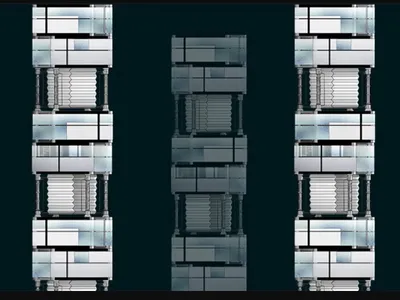
Tsunami Convergenics: Turning Catastrophic Ocean Forces into Underwater Housing Infrastructure
A speculative underwater settlement off the coast of Onagawa, Japan, treats tsunamis and typhoons as energy sources rather than threats.
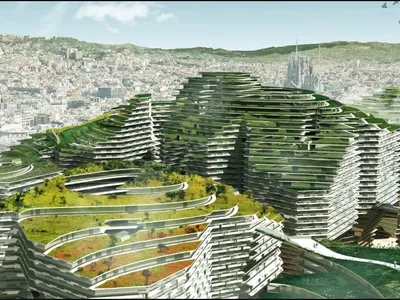
Manzana Morphosis: Stretching Barcelona's Grid into a Living Landscape for 2050
A radical reworking of the Eixample manzana turns density into a tool for generous public space, vertical ecology, and environmental performance.
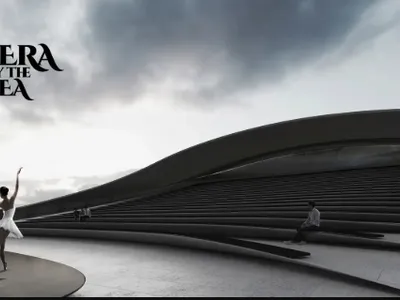
Opera by the Sea Estonia: Three Shells Dissolving Architecture into Tallinn's Coastline
A winning opera house proposal replaces monumental form with interconnected shells that blur the boundary between building, park and Baltic Sea.

Opera on the Sea: Driftwood Logic Shapes a Timber Opera House on Estonia's Coast
Trevor Orgill's opera house translates the entangled drift of floating timber into a civic building where wood, water, and music converge.

Similar Reads
You might also enjoy these articles
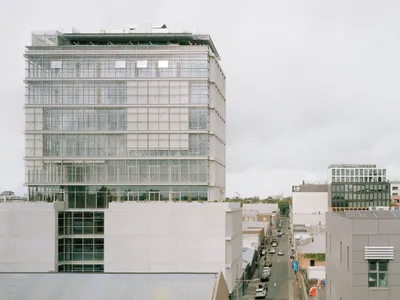
116 Rokeby Building, Collingwood
Sustainable Collingwood office building featuring double-skin façade, natural ventilation, rooftop amenities, and carbon-neutral design focused on wellbeing and longevity.
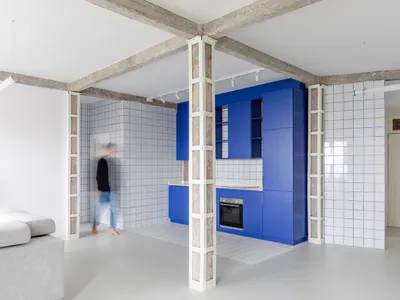
Contemporary Apartment Renovation in Spain: RV House by BIAN Opens Up to the Sea
A minimalist 1930s apartment in Santander is transformed into a flexible, sea-facing home through contemporary Spanish renovation.
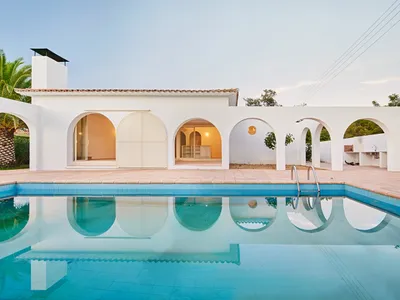
3 Marías House: A Contemporary Mediterranean Courtyard Retreat by Bajet Giramé + Burckhardt
Mediterranean courtyard home blending traditional architecture with modern design, terracotta flooring, flexible interiors, sustainable climate strategies, and garden integration.
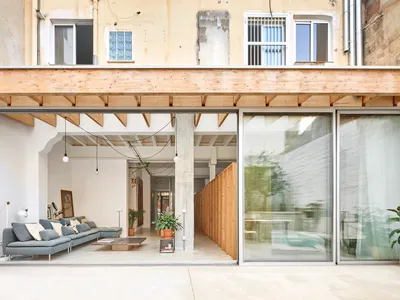
NZ10 Apartment by auba studio: Adaptive Reuse in Palma de Mallorca
Adaptive reuse apartment transforms bakery into light-filled home with patios, privacy layers, and wood interiors enhancing urban living experience.

Explore Tetsuo Kobori Architects Competitions
Discover active competitions in this discipline

Challenge to reimagine the Iron Throne

Photograph architecture without architects

Illustrate the lost glory of Angkor Wat - Render Challenge

Design challenge to reuse E-waste
Comments (0)
Please login or sign up to add comments
No comments yet. Be the first to comment!