

Seoripul-Namu House by Soltozibin Architects: Innovative L-Shaped Urban Living in Seoul
Seoripul-Namu House by Soltozibin Architects is a flexible, L-shaped Seoul residence combining timber and concrete, independent spaces, and courtyard-inspired design.


Located in the serene Seocho District, South Korea, the Seoripul-Namu House by Soltozibin Architects is a masterful example of contemporary residential design blending flexibility, material innovation, and urban sensitivity. Completed in 2020, this 299 m² modern home responds thoughtfully to its context, offering a reimagined approach to family living in the dense Gangnam area.
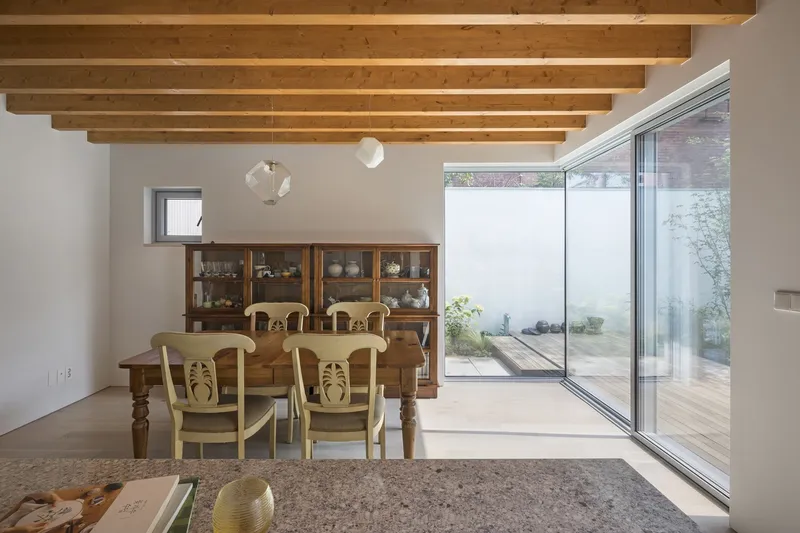
A Home Inspired by Nature and Site Context
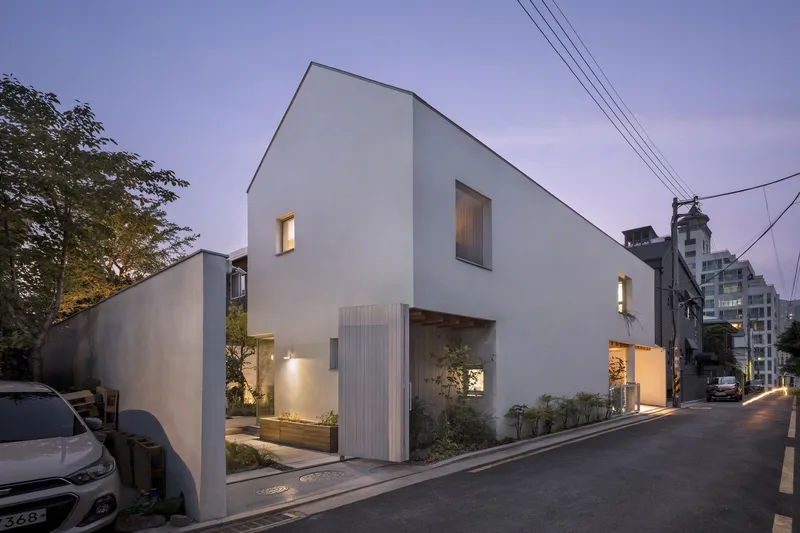
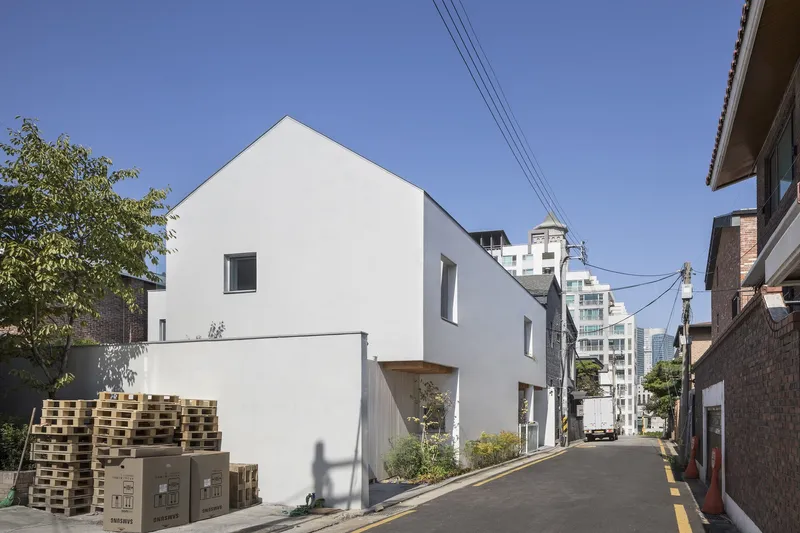
Seoripul-Namu House derives its name from the abundant Seoripul plants surrounding the site in Seochodong. Nestled between the Seoul National University of Education and the Gyeongbu Expressway, the house is embraced by streams from Umyeonsan Mountain, creating a naturally foggy atmosphere during the rainy season. Unlike typical Gangnam residences dominated by apartments, this area retains a quiet charm with single-family houses, allowing the home to engage harmoniously with its environment.
Conceptual Design: Blocks, Independence, and Flexibility
The client envisioned their lifestyle as a stack of interdependent yet autonomous blocks, each representing a distinct aspect of family life. From their first meeting, a cardboard model illustrated the idea of vertically and horizontally stacked floors, symbolizing the fluidity of the family’s spatial needs.
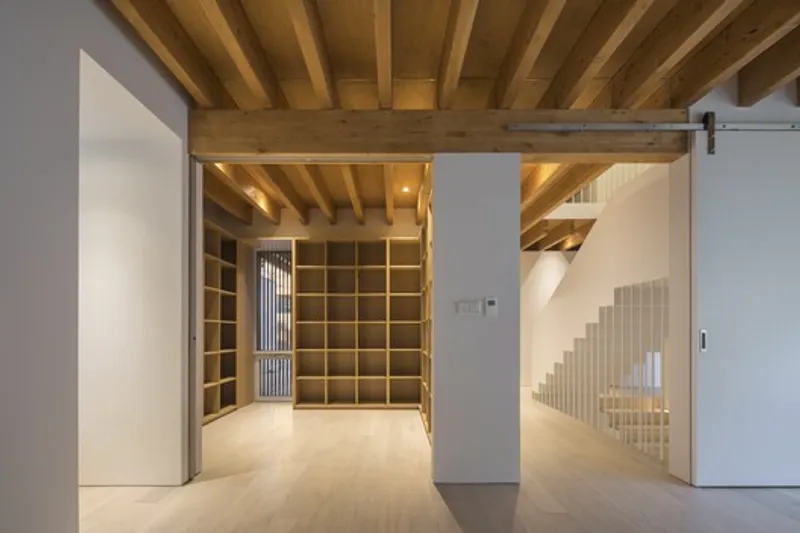
Instead of a traditional central living area, public spaces like the hall and library are separated into independent zones. These spaces connect and divide simultaneously, creating a network of flexible living areas that allow the home to function as both a private retreat and a component of the larger city fabric.
L-Shaped Layout and Courtyard Dynamics
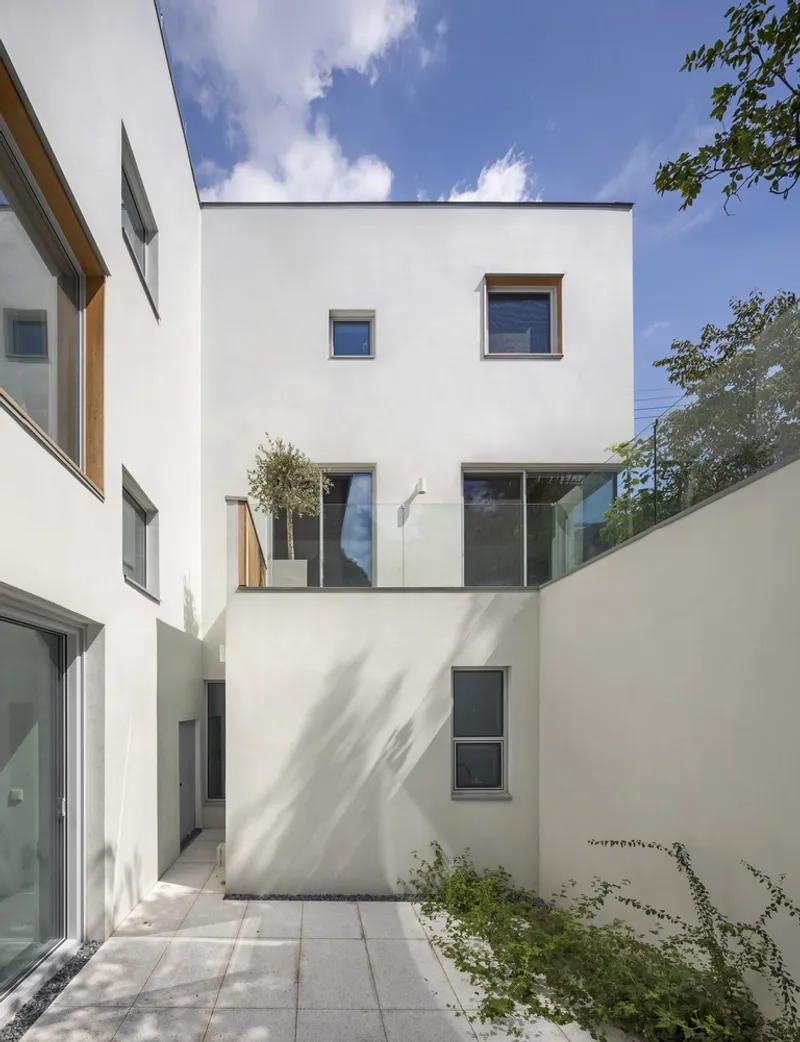
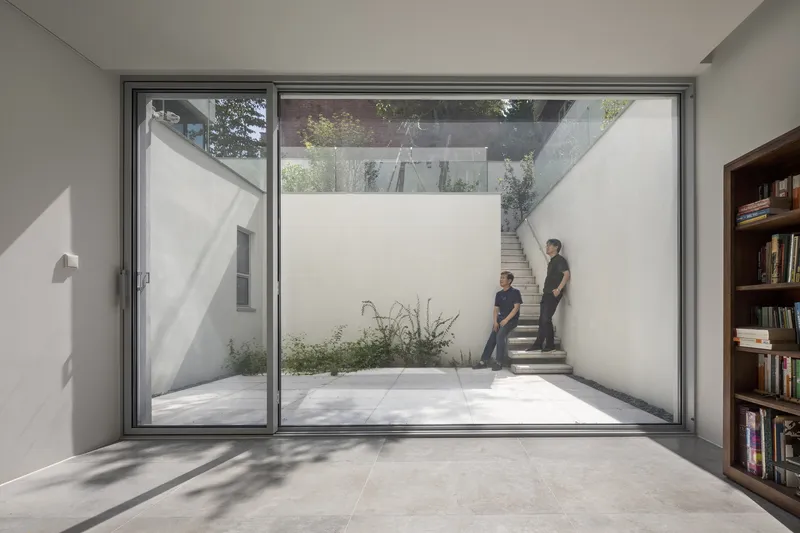
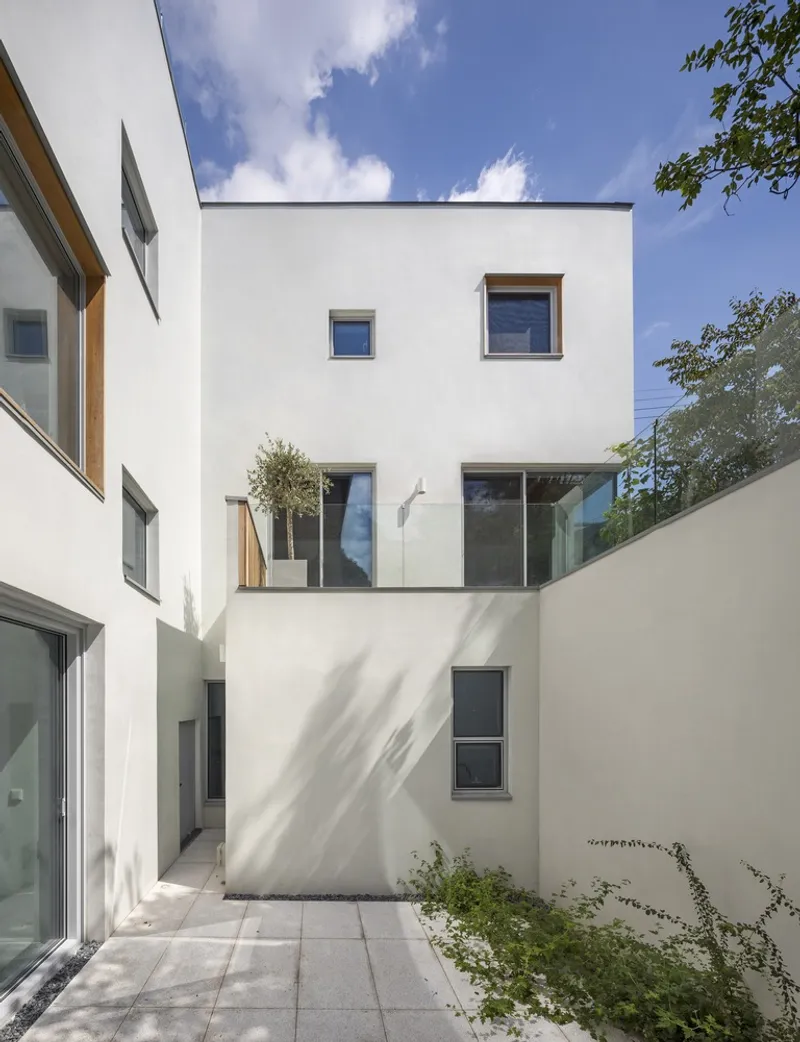
The Seoripul-Namu House is organized in an L-shaped plan open towards the southwest. High walls on the south and west sides create a courtyard-like ambiance, providing privacy while framing natural views. The facade facing the road offers a reserved and enclosed impression, yet the timber structure and garden at the rear give glimpses into the interior, infusing vitality and a sense of openness.
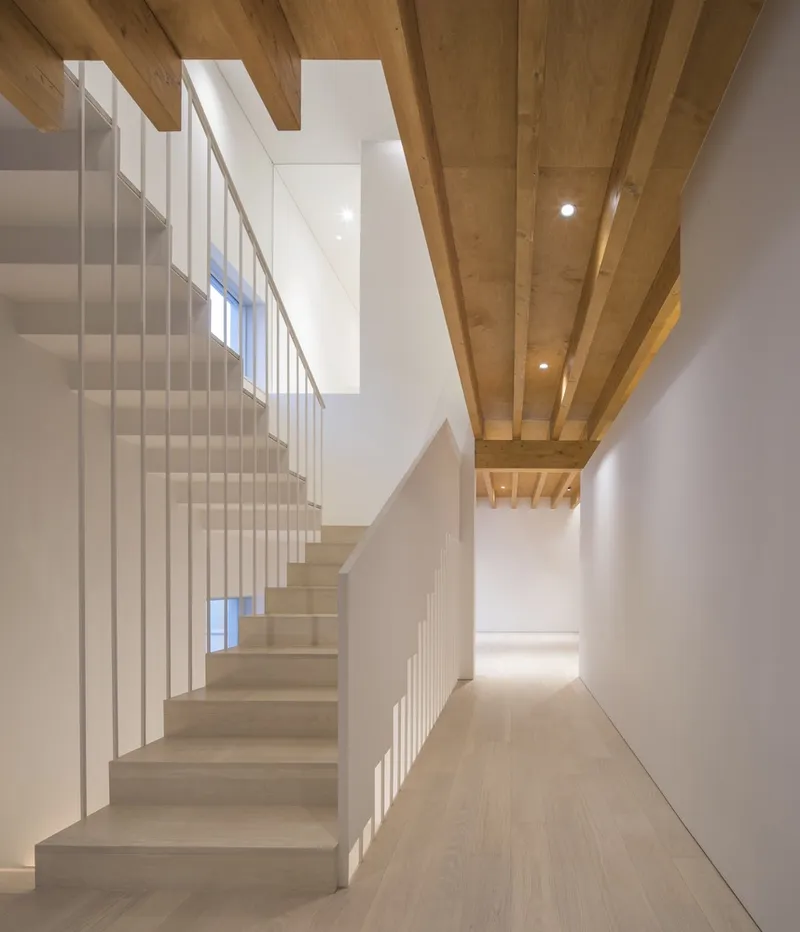
Hybrid Structure: Reinforced Concrete Meets Timber
The architecture employs a hybrid RC (reinforced concrete) and timber system, allowing flexibility in both plan and section:
- Reinforced Concrete Base: The first step establishes a solid, two-story shell finished with fluoropolymer, providing structural stability.
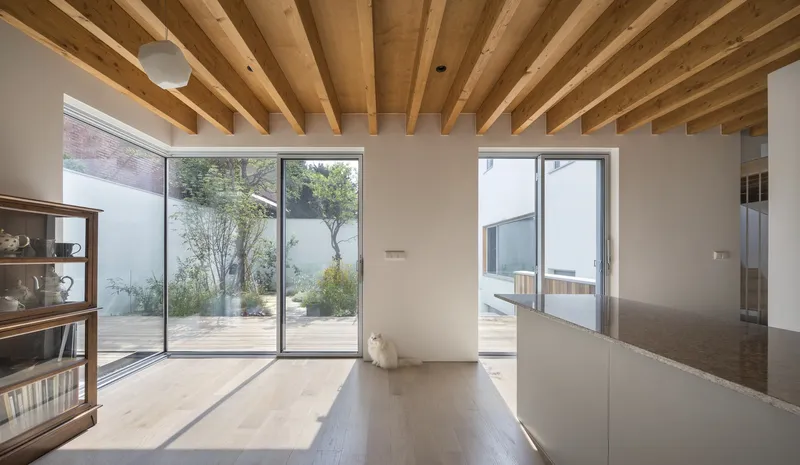
- Heavy Timber Joists: The second step features joists forming the second-floor slab, connecting wall-to-wall and creating a foundation for adaptable spaces.
- Light-Frame Timber Walls: These can be reorganized or reformed over time, accommodating evolving needs without compromising structural integrity.
This combination of RC and timber produces a spatial experience that emphasizes material authenticity, structural clarity, and flexible living solutions.
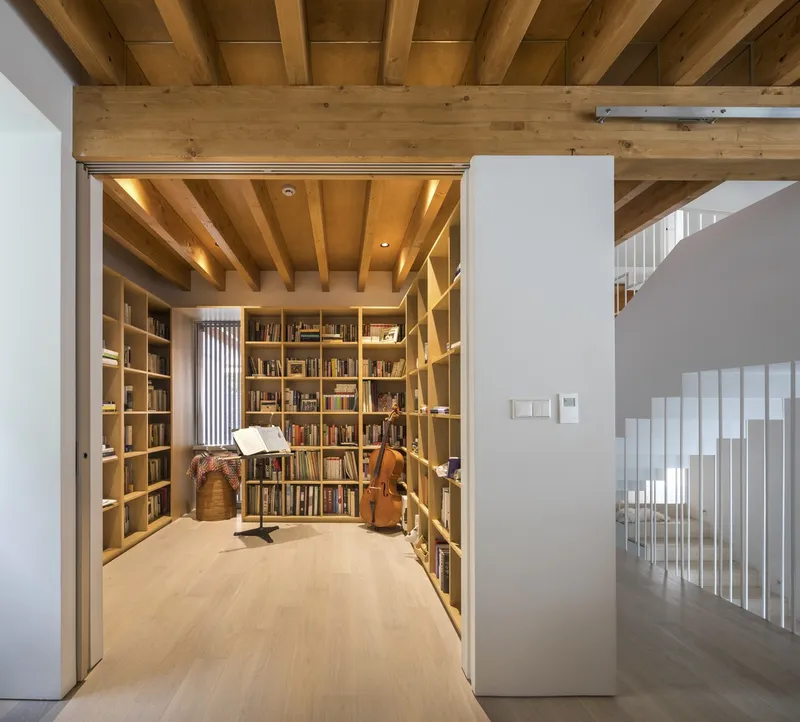
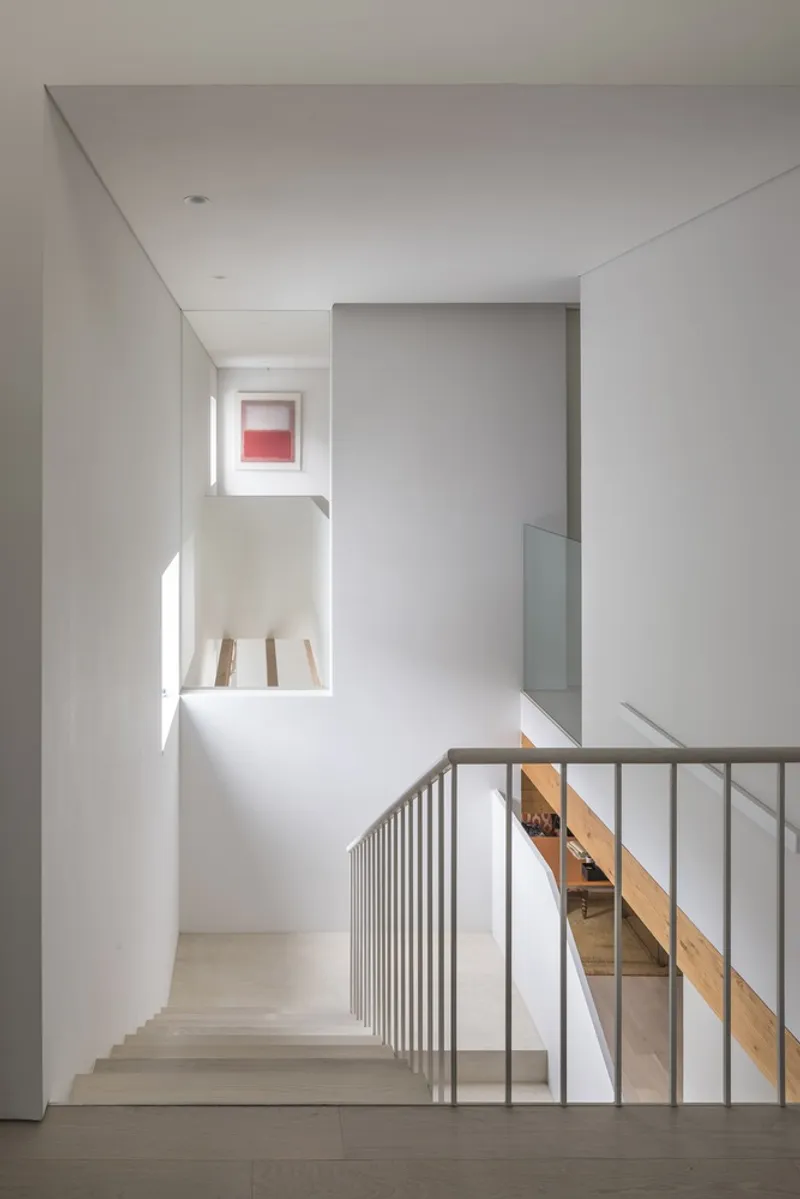
Embracing Free Form and Function
Seoripul-Namu House challenges traditional architectural hierarchies, demonstrating that form and function can coexist and alternate in dominance. The flexible hybrid system allows for:
- Adaptive floor plans that respond to changing lifestyles
- Modular spaces that can transform as family needs evolve
- Material contrasts that create a tactile and visual richness in interior and exterior spaces
In essence, the house is a small urban universe, where independent blocks come together to form a dynamic residential ecosystem.
Interior and Material Highlights
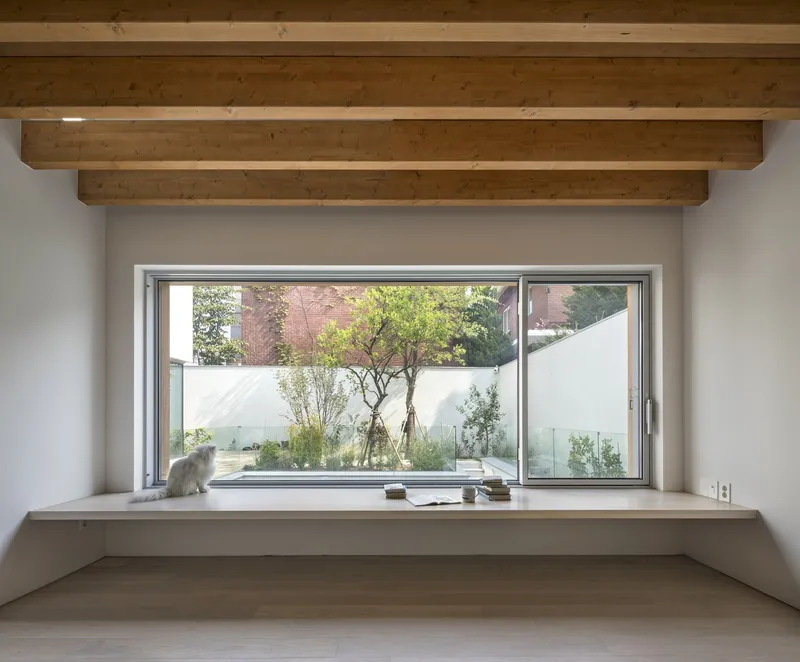
The interiors feature open wood-beamed ceilings, abundant natural light, and careful attention to the relationship between interior volumes and exterior gardens. Each space feels deliberately connected yet privately defined, reinforcing the concept of distributed living zones that accommodate both communal and individual activities.
Conclusion: A Model for Contemporary Urban Living
Seoripul-Namu House exemplifies modern residential architecture in Seoul, where flexibility, hybrid materials, and site responsiveness converge. Its innovative L-shaped plan, hybrid structure, and distributed spatial design offer a compelling model for urban homes that are simultaneously private, adaptable, and in dialogue with the city.



Popular Articles
Popular articles from the community


The Earth Pod: 3D Printed Homes for Resilient Refugee Communities
The Earth Pod reimagines refugee housing through 3D printed homes made from clay, combining resilience, self-sufficiency, and rapid shelter.

Co-Life: Senior Housing Design That Reconnects Older Adults With the City
Co-Life reimagines senior housing design through healing gardens, shared streets, workshops, and a sustainable community across generations.

Co-life: Sustainable Architecture for Age-Friendly Community Living
Co-life reimagines sustainable architecture for seniors through courtyards, rammed earth, shared gardens, and spaces designed for belonging.

Riyadh For All: Intergenerational Urban Design for Active Aging in Rabat
Riyadh For All reimagines urban design in Rabat with intergenerational co-living, adaptive courtyards, and Moroccan cultural exchange today.


Similar Reads
You might also enjoy these articles

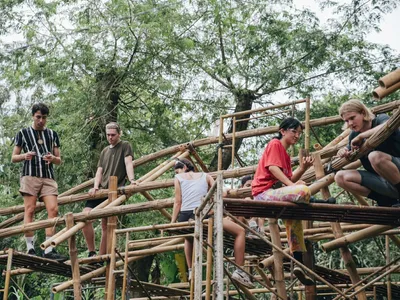
Bamboo Housing Challenge 2026: Design Affordable, Sustainable Homes Using Bamboo
An international design competition by Bamboo U and IBUKU inviting architects and designers to reimagine affordable housing using bamboo — with the winning design built full-scale in Bali.
Computational Design & Education: Beegraphy Design Awards Introduces 7th Category (Featuring Jiyun's Innovative Approach)
Dive into Beegraphy’s 7th Design Awards category, where computational design meets education to create immersive, interactive learning tools, inspired by Jiyun’s work.
From Parametric Lighting to Urban Furniture: Join the 2nd Workshop in Beegraphy’s Computational Design Series
Dive into Cutting-Edge Design Techniques and Practical Applications with Industry Experts

Last Call: Unleash Your Architectural Genius in SHAK's Kindergarten Design Competition
Urgent call for architects to join SHAK's kindergarten design competition before the looming deadline

Explore Architecture Competitions
Discover active competitions in this discipline



Challenge to reimagine the Iron Throne


Photograph architecture without architects


Illustrate the lost glory of Angkor Wat - Render Challenge


Design challenge to reuse E-waste
Comments (0)
Please login or sign up to add comments
No comments yet. Be the first to comment!