

Shell Restaurant by Pablo Luna Studio: A Sustainable Bamboo Masterpiece in Nusa Penida, Bali
Shell Restaurant by Pablo Luna Studio in Bali blends sustainable bamboo architecture with ocean-inspired design, maximizing energy efficiency and environmental harmony.


A Harmonious Fusion of Architecture and Nature
Nestled on the breathtaking cliffs of Nusa Penida, Bali, the Shell Restaurant is an architectural gem designed by Pablo Luna Studio. As part of the Intaaya Retreat, this project seamlessly blends with the surrounding landscape, embodying sustainable construction principles and a deep respect for nature. Every design decision was guided by a commitment to minimizing environmental impact, from material selection to energy-efficient solutions.


Sustainability at the Core of Design
One of the key aspects of the Shell Restaurant is its self-sufficiency in water and energy. The retreat sources water from a deep well, supplemented by a rainwater harvesting system and efficient water appliances that minimize consumption. Additionally, Waste Water Gardens, developed in collaboration with the Biosphere Foundation, treat and repurpose wastewater for irrigation, ensuring a closed-loop water system.
Energy efficiency is another fundamental element of the design. A large portion of the retreat's electricity needs are met through photovoltaic solar panels, reinforcing its commitment to reducing carbon footprints. The construction process itself followed a Sustainable Construction Plan, aimed at preventing pollution, controlling erosion, and managing waste responsibly.


Biophilic Design Inspired by the Ocean
The architectural concept of the Shell Restaurant draws inspiration from marine life, particularly ocean waves and seashells. The structure embodies organic forms, with a curved bamboo roof that mimics the natural ribs of a shell. Constructed using Petung bamboo (Dendrocalamus asper), the 13 structural axes feature handcrafted bamboo trusses, which create a visually stunning yet functional design.
To maintain the building’s natural materiality, the woven bamboo roof is complemented by wood shingles, blending seamlessly with the environment. The front columns, designed to resemble tree trunks, allow ample natural light to flood the interior, reducing reliance on artificial lighting while enhancing the ambiance.


Spatial Flow and Architectural Experience
From the entrance, the restaurant gradually expands in both vertical and horizontal dimensions. The bamboo trusses and increasing column heights create a sense of openness, directing the visitor’s gaze towards the ocean horizon. The fluid architectural rhythm fosters a harmonious interaction between indoor and outdoor spaces, reinforcing the connection between structure and nature.
A key advantage of bamboo construction is its flexibility and adaptability. The absence of intermediate supports enables an open and versatile interior layout, optimizing functionality while maintaining a strong engagement with the surrounding environment.

A Symbol of Sustainable Architecture in Bali
The Shell Restaurant is more than just a dining space—it's an embodiment of biophilic architecture, championing sustainability and craftsmanship. By integrating locally sourced materials, renewable energy, and innovative water management, Pablo Luna Studio has created a benchmark for sustainable design in Indonesia.
This project not only celebrates the natural beauty of Nusa Penida but also showcases the potential of bamboo architecture as a viable, eco-friendly alternative for future developments.

All Photographs are works of Tommaso Riva


Popular Articles
Popular articles from the community

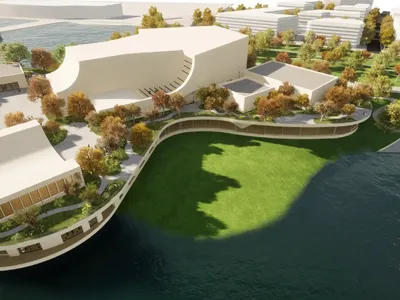
The Amber Palace Opera: A Geological Fiction Surfaces on Tallinn's Baltic Waterfront
Pierre Brillard reimagines a Baltic legend as a public landscape, opera house, and waterfront promenade rooted in Tallinn's coastal identity.
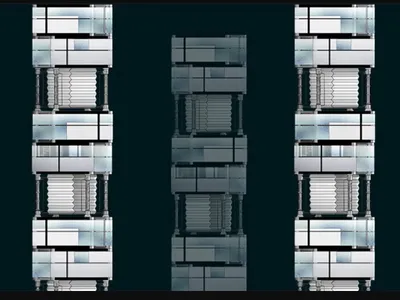
Tsunami Convergenics: Turning Catastrophic Ocean Forces into Underwater Housing Infrastructure
A speculative underwater settlement off the coast of Onagawa, Japan, treats tsunamis and typhoons as energy sources rather than threats.
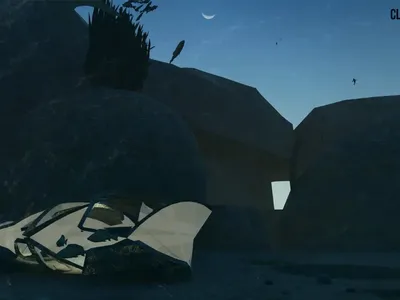
Cloaked Colonization: A Mobile Underwater Habitat That Moves Like a Fish
Micah Abaya's shortlisted EHC Pacific entry reimagines ocean settlement as a dispersed network of self-sustaining architectural organisms.
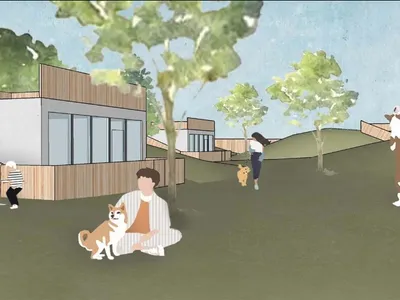
Temporary Home for Dogs: A Reversed Zoo Rethinks Animal Shelter Architecture
In Bucharest, a sinuous corridor and freed landscape flip the logic of containment, designing a shelter that works to make itself unnecessary.

Similar Reads
You might also enjoy these articles

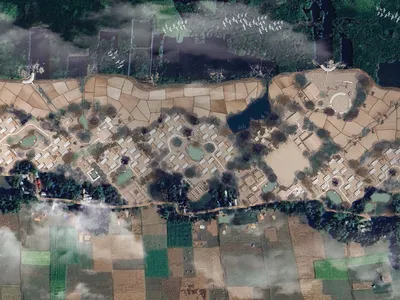
Hodi-Mandai Geram
Project Function: Preservation and revitalization of the Intangible heritage and socio-spatial identity of the Hodi by Housing, Cultural Memory Center, Sacred Grove, landscape, local tourism economy

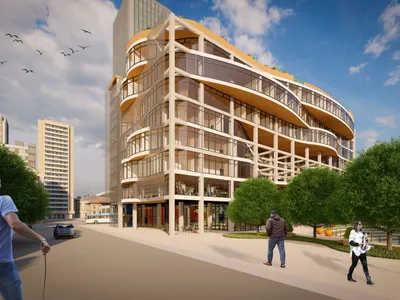
Olio Towers: A Mid-Rise for Performers That Fuses Housing, Rehearsal, and Stage
Located blocks from Houston's Theater District, this modular tower stacks living units around a central performance atrium.
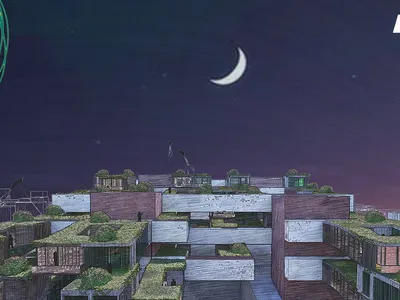
Oasis: Modular Green Housing Carved into Dhaka's Urban Fabric
A shortlisted Plugin Housing entry reclaims unauthorized settlements in Dhaka with stepped concrete volumes, green roofs, and ventilation-driven design.

Black Hole: A Floating Megastructure for the Post-Physical Era
Emiliano Mazzarotto envisions a spherical, self-scaling arena where e-sports, digital hotels, and holographic stadiums replace traditional public space.

Explore Bamboo Construction Competitions
Discover active competitions in this discipline

Challenge to reimagine the Iron Throne

Photograph architecture without architects

Illustrate the lost glory of Angkor Wat - Render Challenge

Design challenge to reuse E-waste
Comments (0)
Please login or sign up to add comments
No comments yet. Be the first to comment!