

SHLTR Coffee by WGNB: A Coastal Café Merging Architecture with Nature in Sokcho-si
SHLTR Coffee by WGNB blends minimalist architecture with nature, offering ocean views, adaptive reuse, and a tranquil café experience.


Nestled along the serene coastline of Sokcho-si, South Korea, SHLTR Coffee, designed by renowned Seoul-based architecture studio WGNB, redefines the experience of café architecture by blurring the boundaries between built form and natural environment. Completed in 2023, this 397-square-meter project is more than just a coffee shop—it's a spatial retreat that embodies harmony, landscape integration, and human-scale design.
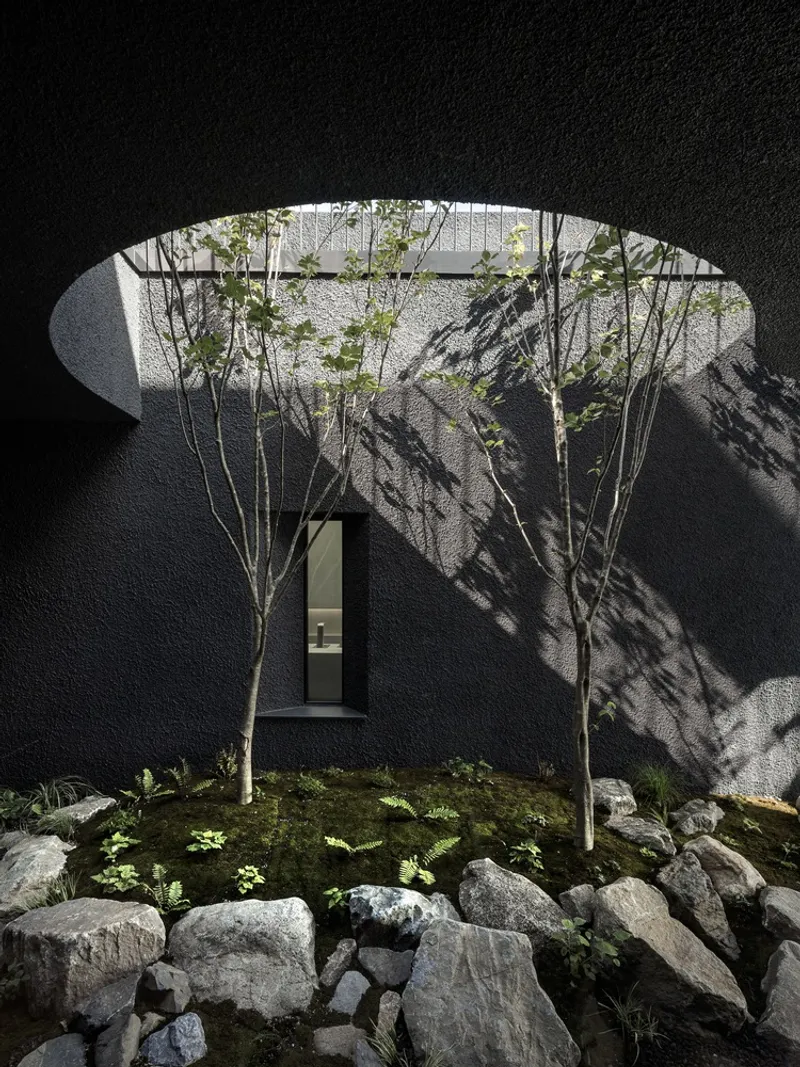
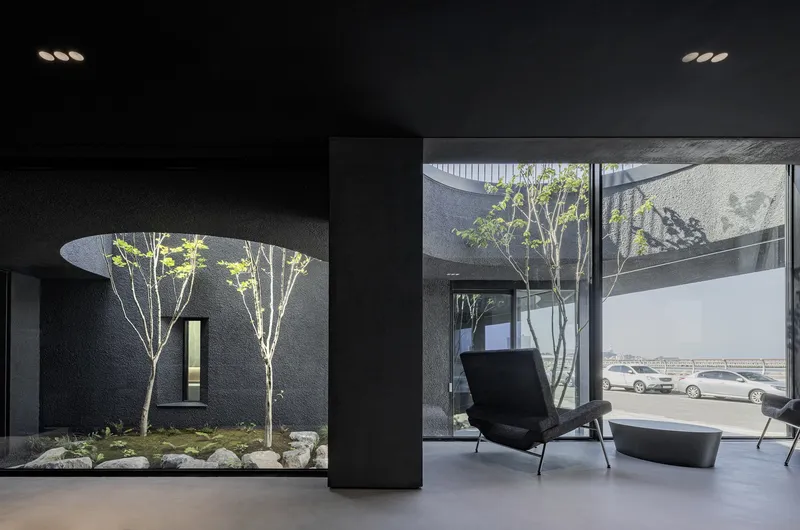
Architectural Concept: A Village Within the City
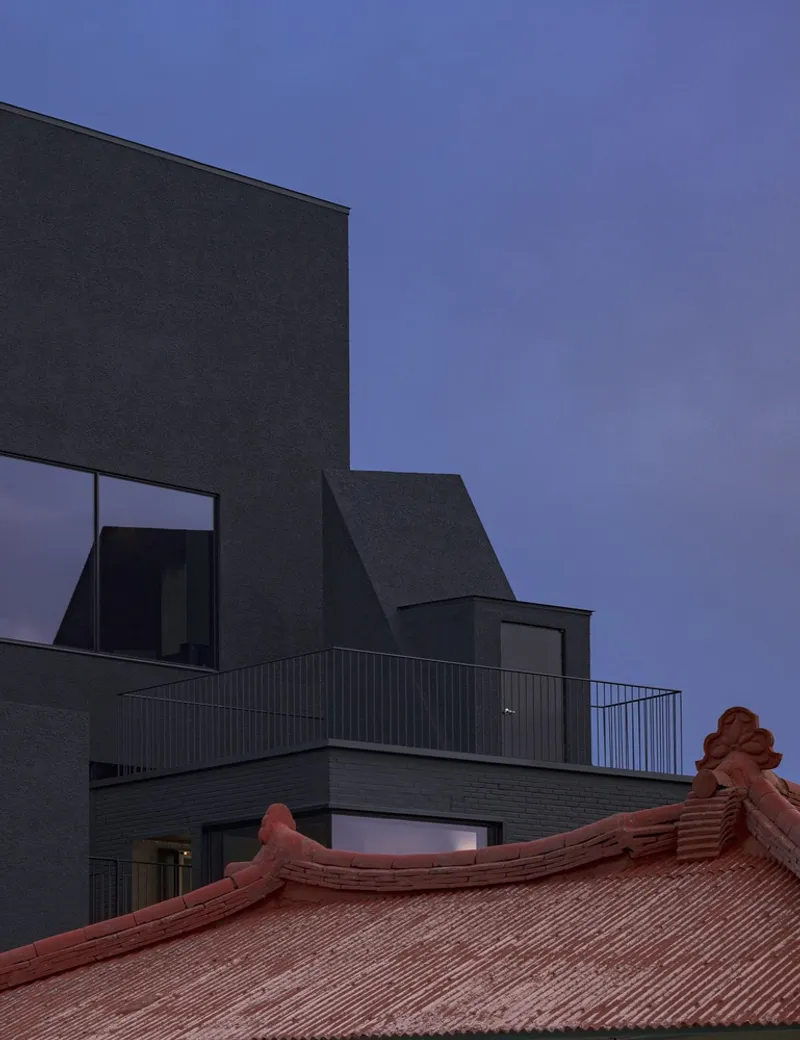
WGNB approached the project with a desire to integrate the new structure into the existing urban fabric. Rather than imposing a monolithic structure, the architects developed the site as a cluster of small-scale buildings, mimicking a village typology. This decentralization fosters a sense of discovery, allowing visitors to wander between interconnected volumes and experience the space gradually.
The design emphasizes urban coexistence, making the café feel like an extension of Sokcho’s cityscape rather than a standalone object. By preserving existing structures and adapting them through subtle interventions, WGNB created a modern yet respectful response to its context.
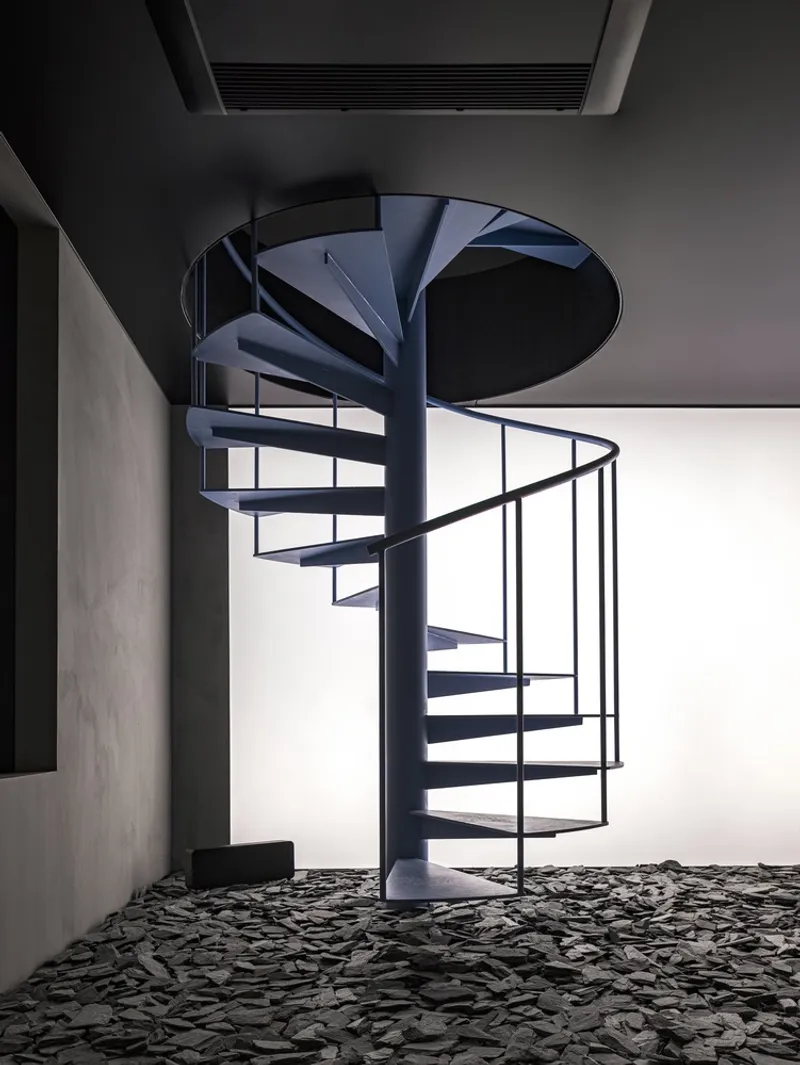
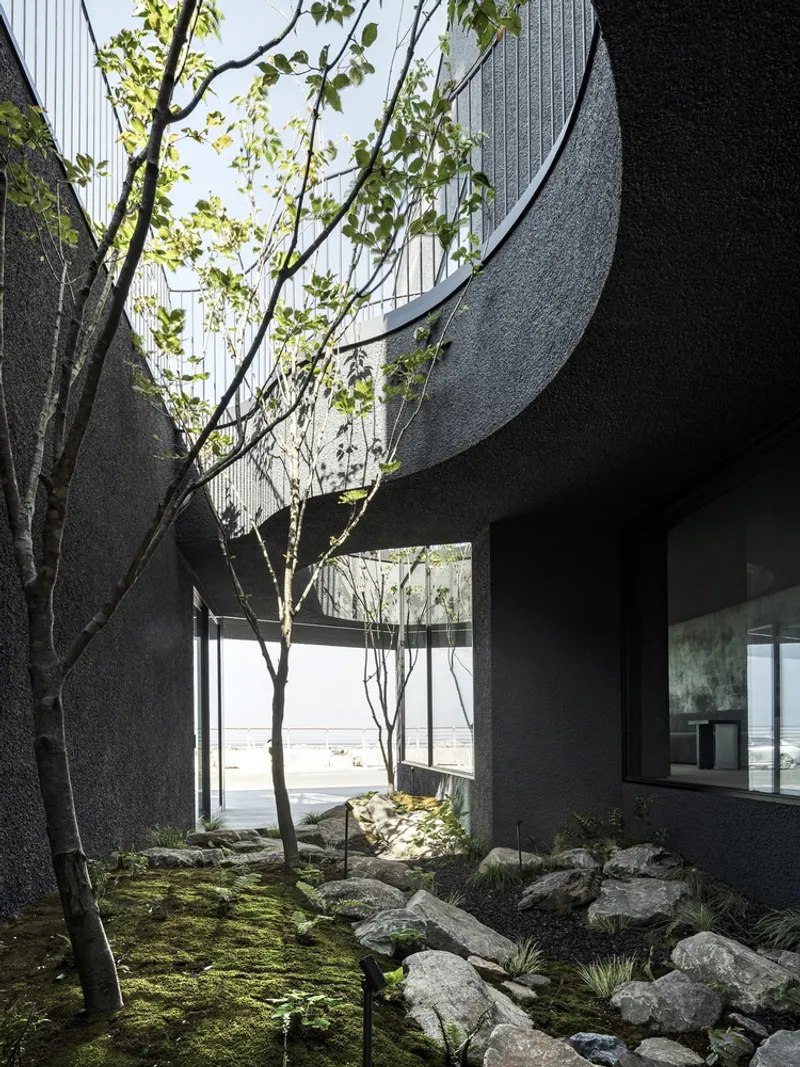
The Podium: Unifying Elements and Ocean Views
A defining feature of SHLTR Coffee is the podium structure—a raised courtyard that elegantly connects four separate buildings. Reinforced with steel framing, this platform not only binds the complex into a cohesive whole but also offers a panoramic view of the ocean, enhancing the café’s atmospheric charm. It acts as a stage for both architectural and sensory experiences, allowing patrons to enjoy the sights and sounds of the sea while immersed in carefully designed spaces.
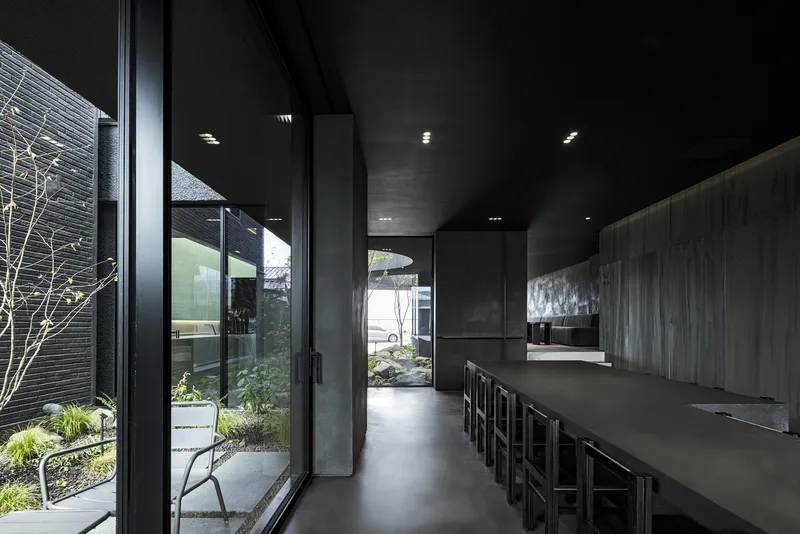
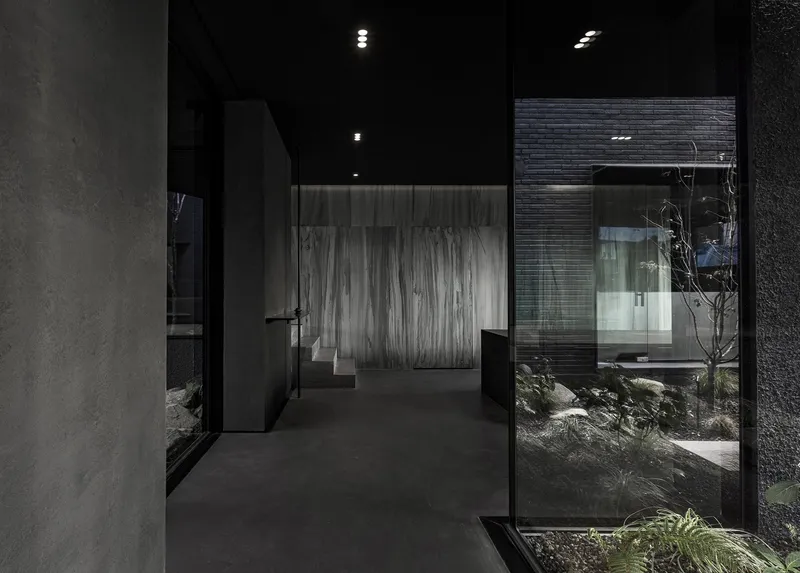
Material Strategy and Spatial Fluidity
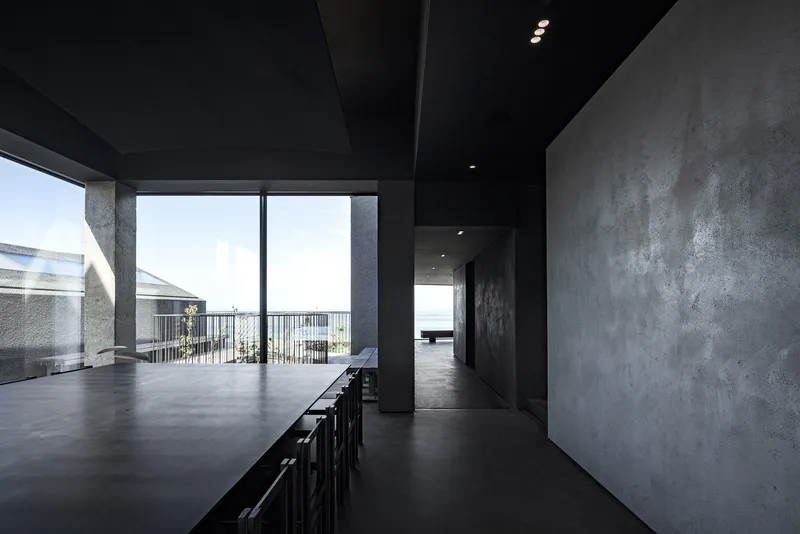
SHLTR Coffee reflects WGNB’s signature approach to materiality and space. The interiors are a composition of minimalist elements, including exposed concrete, natural wood finishes, and expansive windows that frame scenic views of Sokcho’s coastal landscape. The windows, strategically repositioned through structural reinforcement, maximize daylight and ocean vistas, creating a light-filled, contemplative environment.
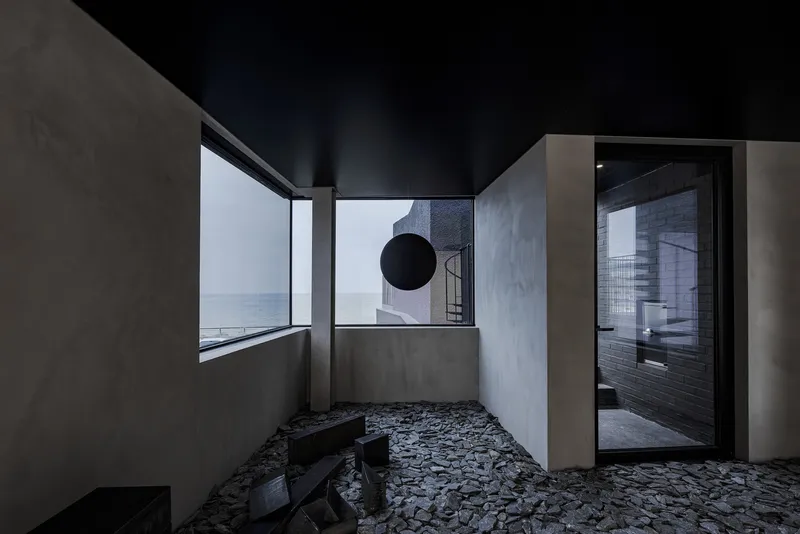
The café’s layout encourages fluid movement—visitors are not restricted to linear circulation but are instead invited to explore a series of interconnected spaces. Each zone reveals new perspectives of the surrounding nature, whether it’s a framed view of the sea, a sheltered courtyard, or a quiet corner to savor a cup of coffee.
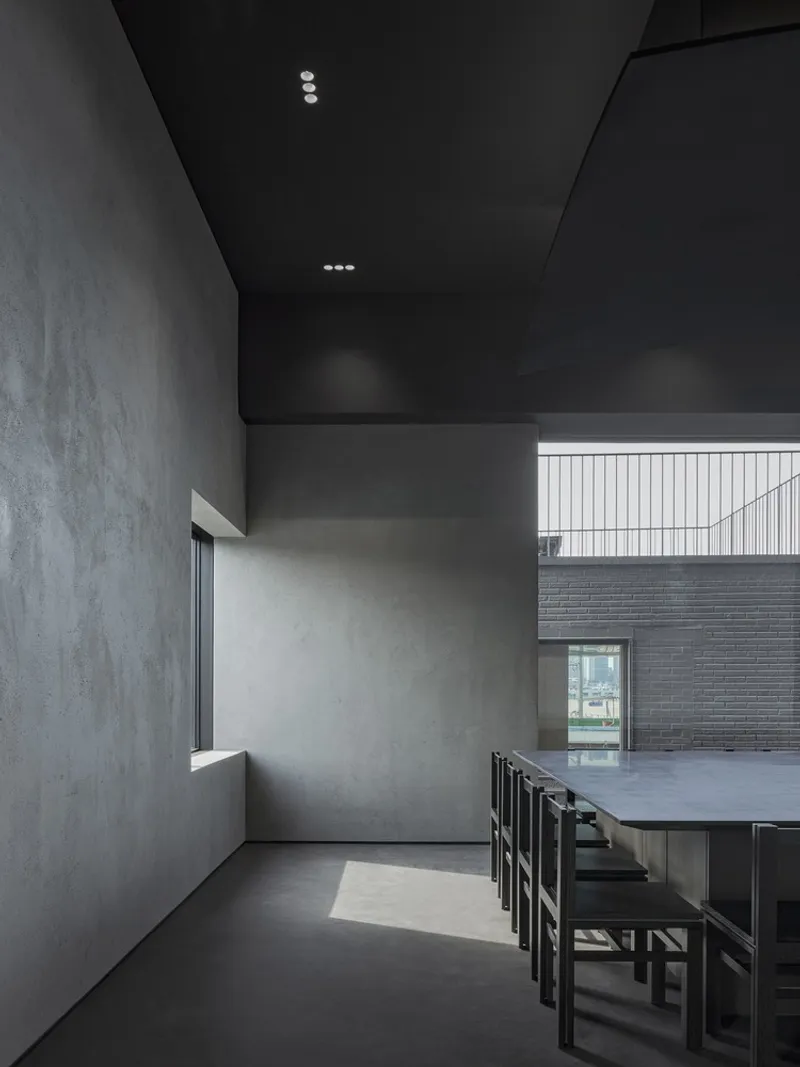
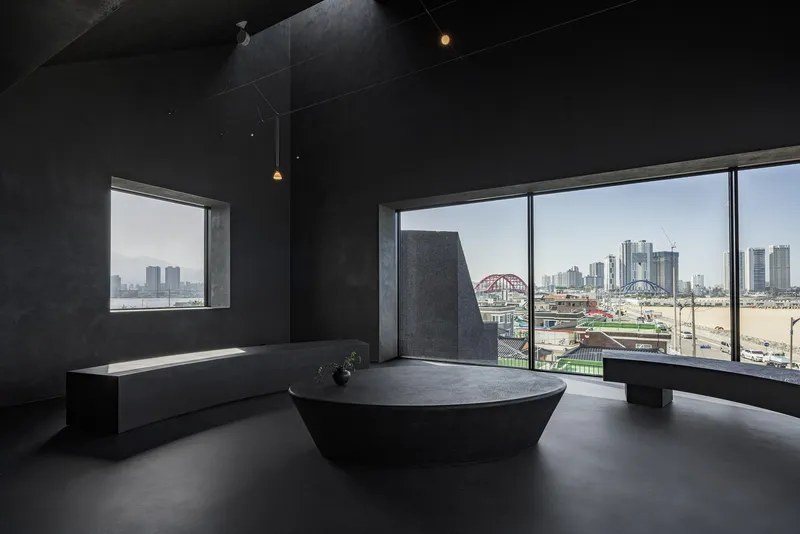
A Place of Shelter and Sensory Connection
True to its name, SHLTR offers a shelter for the senses. More than just a design statement, the café becomes a multi-sensory experience of Sokcho’s elements—the mountains, wind, waves, and light. Visitors can lose themselves in the tranquil atmosphere, where architectural rhythm aligns with the rhythms of nature.
By harmonizing traditional coastal aesthetics with contemporary spatial design, SHLTR Coffee stands as a compelling example of contextual architecture in South Korea’s hospitality scene.
All Photographs are works of Yongjoon Choi.


Popular Articles
Popular articles from the community


andblack design studio Wraps a Three-Generation Ahmedabad Home Around a Planted, Skylit Central Courtyard
In Ahmedabad, a 9,910 sq ft house uses exposed concrete, brick jali and a skylit green court to give three generations both distance and closeness.

David Macias Steps a Doorless Stone and Plaster House Down a Tropical Colombian Hillside
In the humid hills of Colombia, Threshold House replaces the front door with an open void and terraces its 850 m² down the slope instead of fighting it.

Architekt Andreas Gruber Scatters 23 Dark Timber Chalets Across a South Tyrolean Forest Edge
In Molini di Tures, Amonti Chalets breaks a resort into a hamlet of gabled timber houses, with parking, storage and services pushed into the slope.

Tenter Studio Steps a Valle de Bravo Holiday House Down a Slope Around a Void Built for Pausing
In Valle de Bravo, Mexico, two dark brick volumes descend a steep plot and frame a deliberate gap, keeping the landscape quiet rather than staged.

Similar Reads
You might also enjoy these articles


Hodi-Mandai Geram
Project Function: Preservation and revitalization of the Intangible heritage and socio-spatial identity of the Hodi by Housing, Cultural Memory Center, Sacred Grove, landscape, local tourism economy


Olio Towers: A Mid-Rise for Performers That Fuses Housing, Rehearsal, and Stage
Located blocks from Houston's Theater District, this modular tower stacks living units around a central performance atrium.

Oasis: Modular Green Housing Carved into Dhaka's Urban Fabric
A shortlisted Plugin Housing entry reclaims unauthorized settlements in Dhaka with stepped concrete volumes, green roofs, and ventilation-driven design.

Black Hole: A Floating Megastructure for the Post-Physical Era
Emiliano Mazzarotto envisions a spherical, self-scaling arena where e-sports, digital hotels, and holographic stadiums replace traditional public space.

Explore Interior Design Competitions
Discover active competitions in this discipline

Challenge to design luxury tourism on rails

Challenge to reimagine the Iron Throne

Photograph architecture without architects

VR headsets Storefront design competition
Comments (0)
Please login or sign up to add comments
No comments yet. Be the first to comment!