
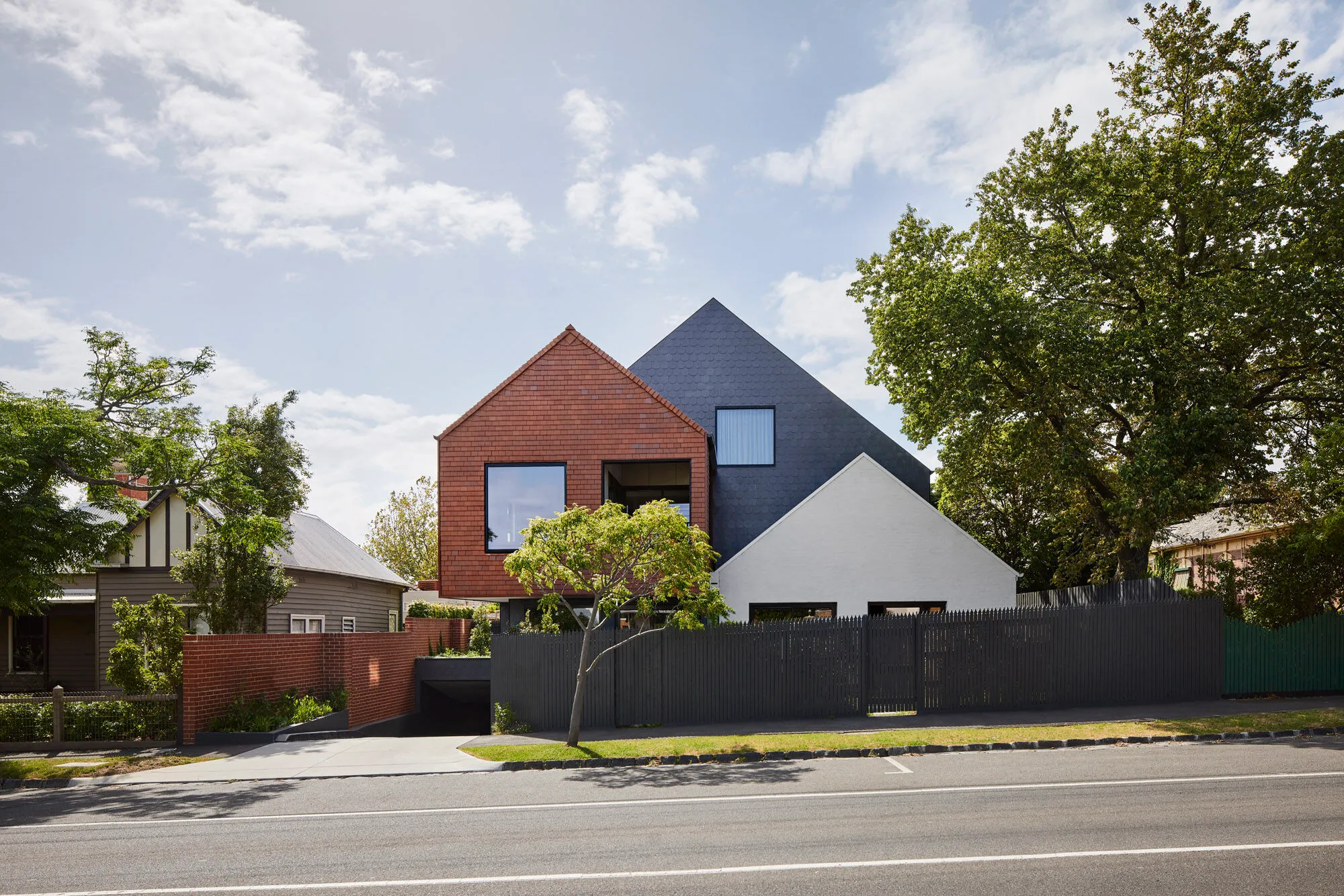
Slate House by Austin Maynard Architects – A Sustainable Multi-Residential Landmark in Brighton
Slate House by Austin Maynard Architects is Brighton’s first fossil-fuel-free, sustainable apartment complex, blending heritage sensitivity, luxury, and eco-conscious living.


Slate House, designed by Austin Maynard Architects, is a groundbreaking three-level residential development located in Brighton, Melbourne. Completed in 2022, this high-performing apartment complex consists of 14 spacious homes that set a new benchmark for sustainable multi-residential living in Australia.
With a total area of 2783 m², Slate House was designed to respond to the developer’s vision of creating beautiful, refined, and sustainable homes while respecting the historic context of Brighton. The project achieved an impressive NatHERS rating of 8.2 stars, making it Brighton’s first fossil-fuel-free multi-residential apartment building.
Design Philosophy and Context
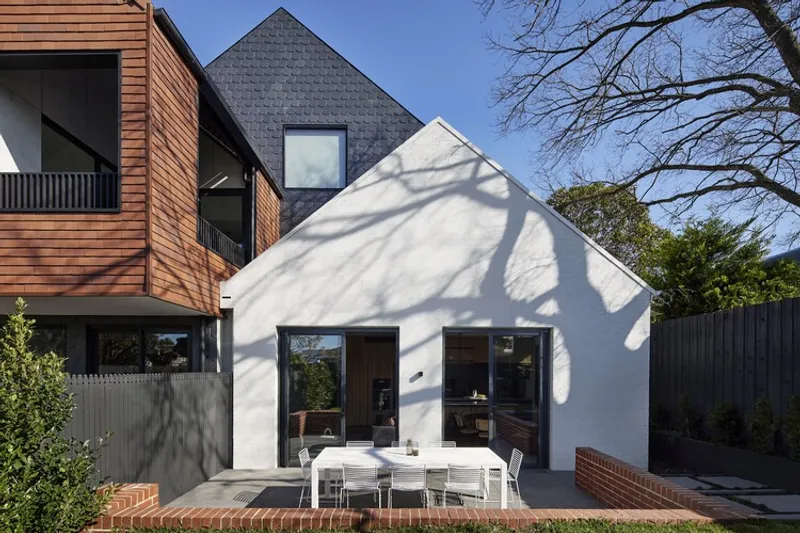
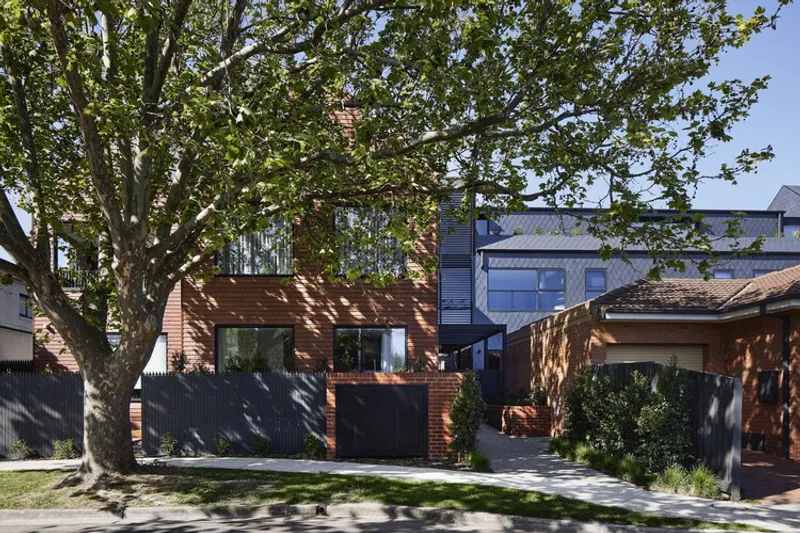
The architectural approach of Slate House prioritizes aesthetics, context, and sustainability. Situated in a leafy bayside suburb, the building is designed to blend seamlessly into the residential streetscape. Unlike the monolithic developments common in the area, Slate House is articulated as a series of smaller forms, giving the impression of multiple domestic-scale buildings rather than one large block.
The project also pays careful attention to its immediate context, especially its proximity to Cardinia House, a heritage-listed property. The design adopts materials and proportions that create a dialogue with Brighton’s architectural history, showcasing that modern multi-residential living can be sensitive, elegant, and community-focused.
Site and Layout
Slate House is built on a T-shaped block, providing two distinctive frontages:
- Bleazby Avenue Entrance: A pedestrian-friendly access point that emphasizes privacy and a quiet suburban atmosphere.
- Male Street Frontage: Designed to accommodate vehicle access and basement parking while maintaining the appearance of a private residence, scaled to complement nearby Victorian villas and Edwardian homesteads.
This dual-frontage approach ensures both functionality and harmony with the neighborhood character.
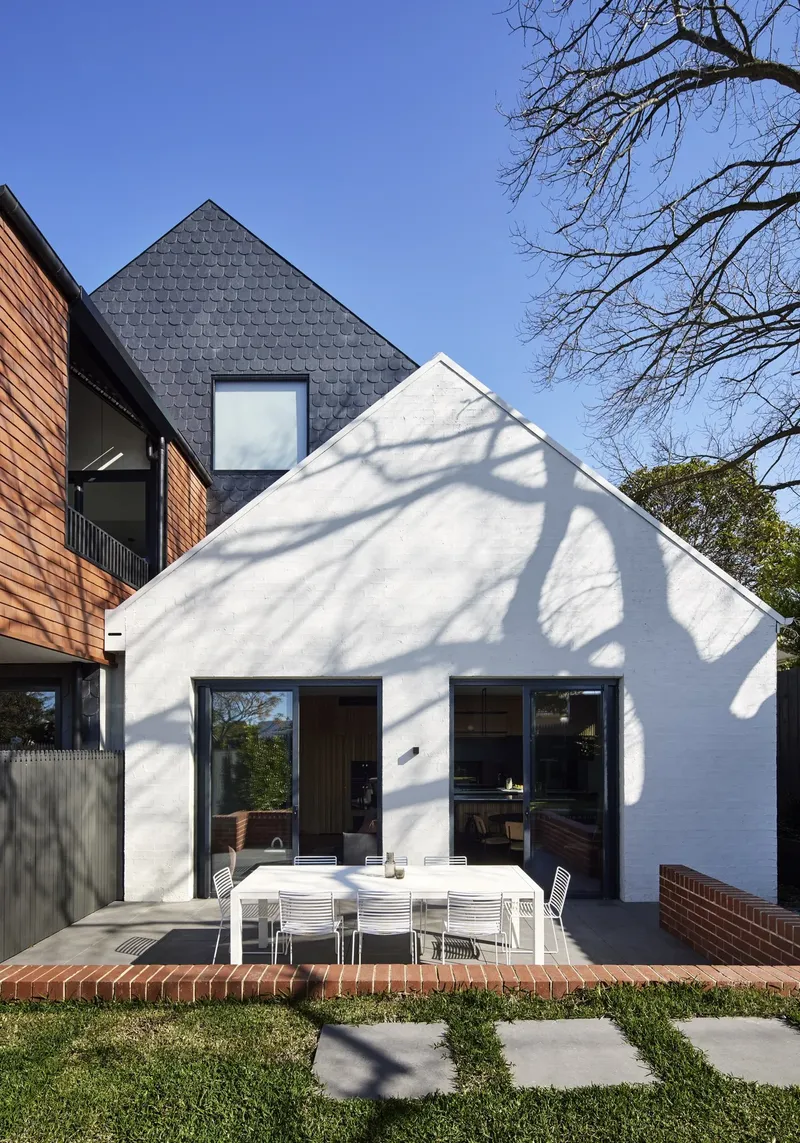
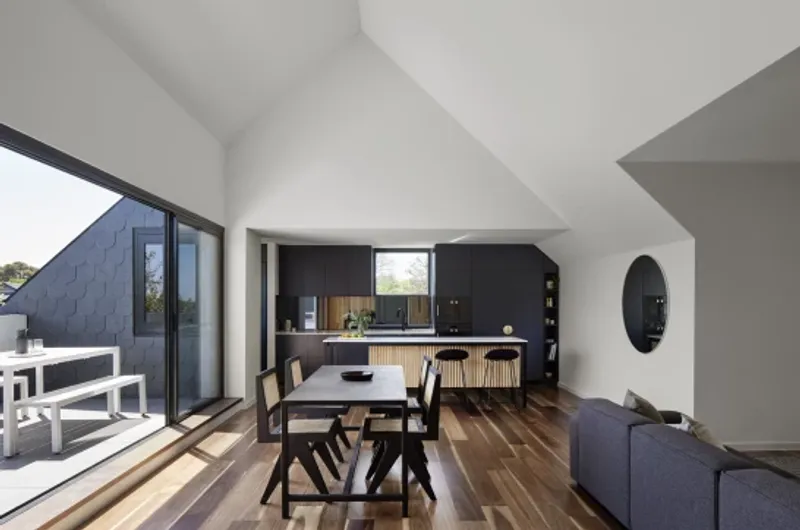
Materiality and Craftsmanship
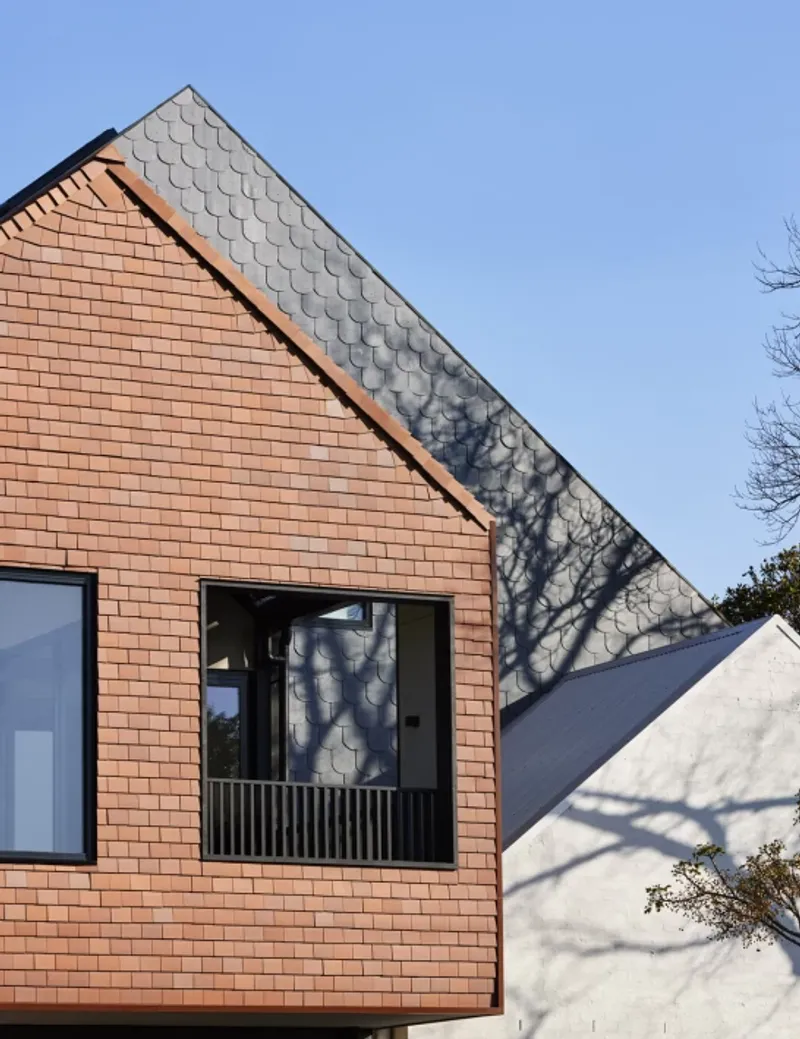
An audit of Brighton’s architectural language revealed a strong presence of slate, terracotta, brick, and white masonry. Inspired by this, Austin Maynard Architects incorporated these durable, timeless materials into the building.
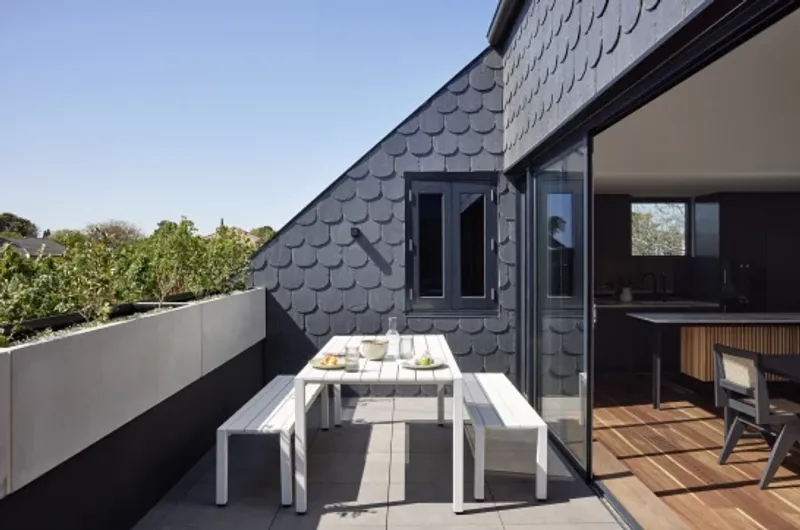
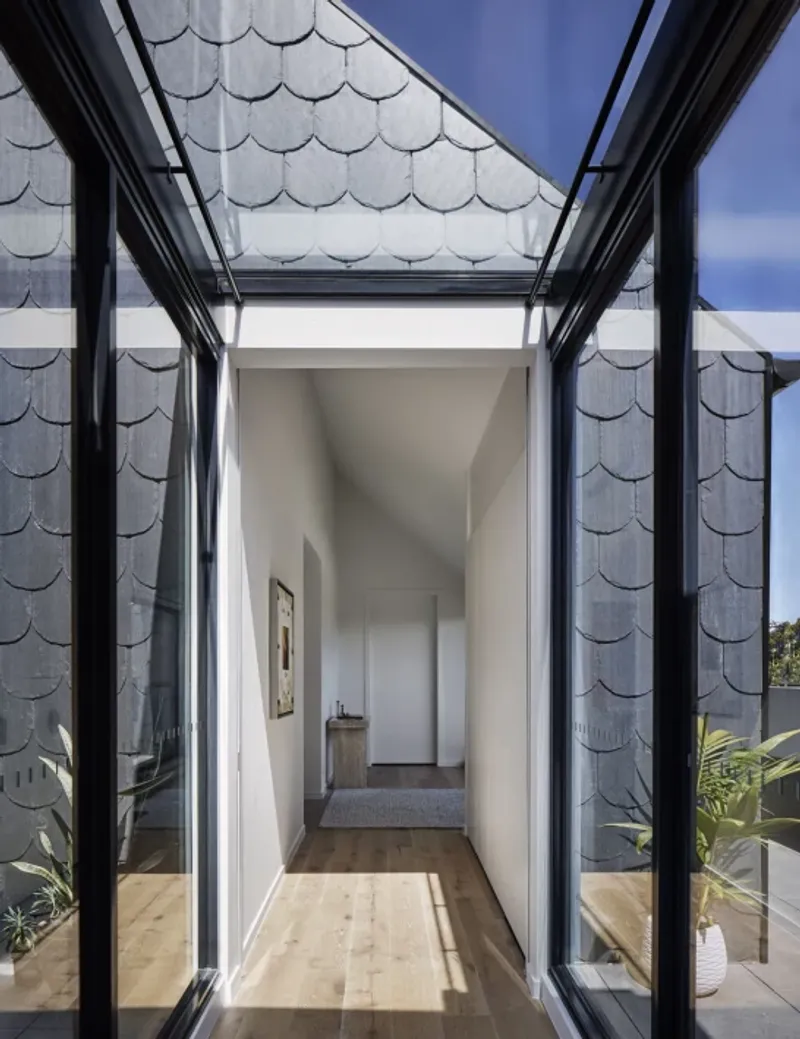
- Slate roofing and cladding offer longevity and visual continuity with local heritage homes.
- Terracotta and brickwork soften the scale of the building and introduce warmth.
- White masonry elements provide brightness and balance.
These choices ensure that Slate House is low-maintenance, sustainable, and enduring, designed to gracefully age over time.
Sustainability and Performance
Slate House is a model of eco-friendly residential design. Beyond its fossil-fuel-free systems, it integrates high-performance building technologies to minimize energy use and enhance comfort for residents.
Key sustainability features include:
- Outstanding NatHERS 8.2 star rating.
- Passive design strategies to maximize natural light and ventilation.
- Selection of durable, low-maintenance materials that reduce long-term environmental impact.
This makes Slate House a pioneering development in Melbourne’s residential sector, setting new standards for green urban living.
Slate House demonstrates how thoughtful design, heritage sensitivity, and sustainability can come together to create a landmark residential development. By rejecting overbearing, large-scale apartment designs, Austin Maynard Architects crafted a building that feels intimate, contextually aware, and environmentally responsible.
More than just a collection of apartments, Slate House represents a new way forward for multi-residential housing in Brighton—balancing luxury living, community character, and ecological responsibility.
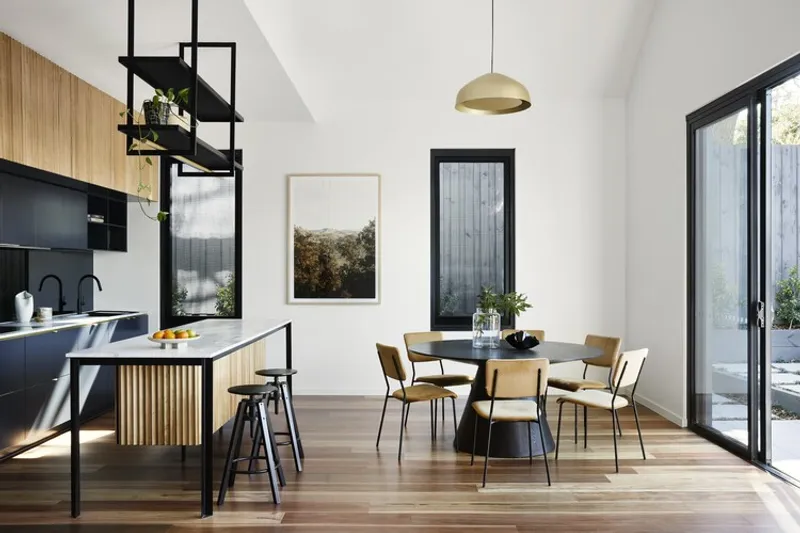
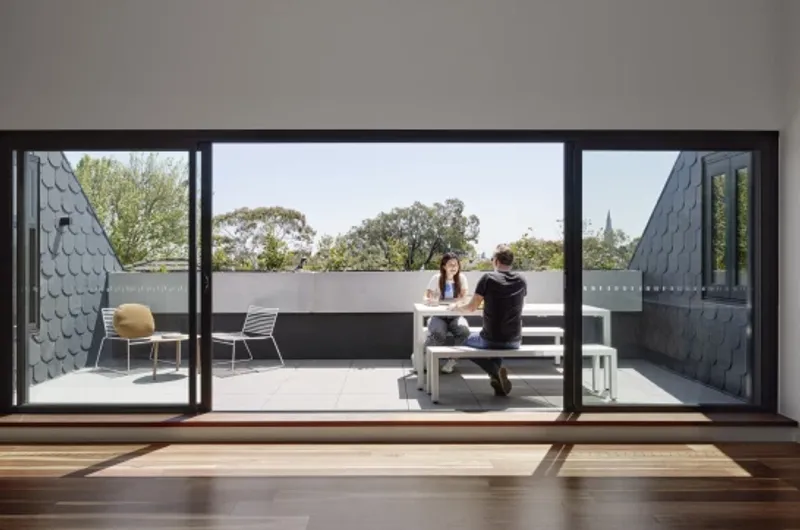
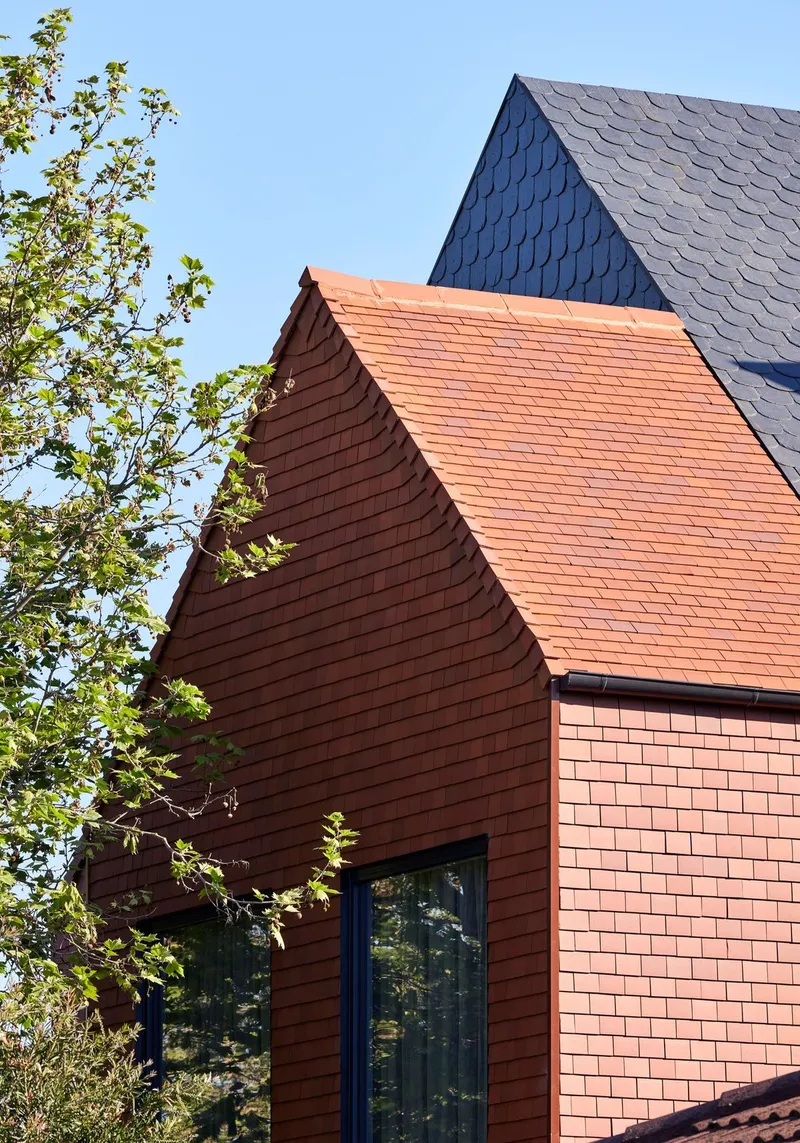
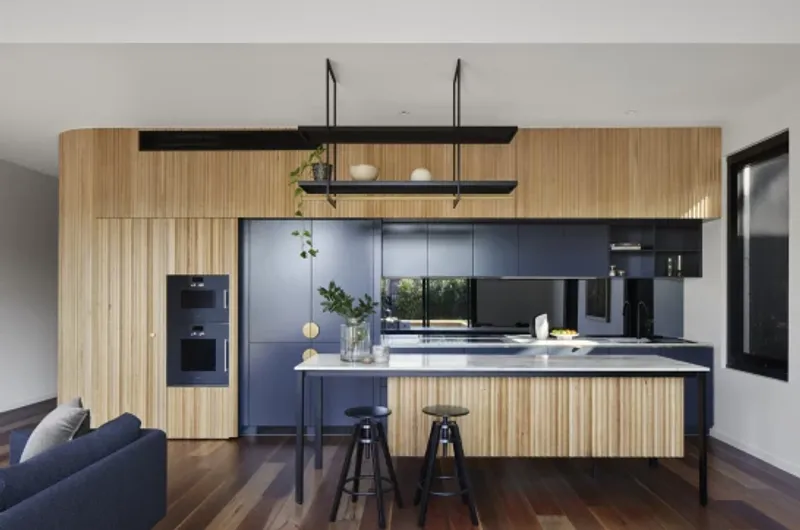
All the photographs are works of Tess Kelly




Popular Articles
Popular articles from the community


Riyadh For All: Intergenerational Urban Design for Active Aging in Rabat
Riyadh For All reimagines urban design in Rabat with intergenerational co-living, adaptive courtyards, and Moroccan cultural exchange today.

The Earth Pod: 3D Printed Homes for Resilient Refugee Communities
The Earth Pod reimagines refugee housing through 3D printed homes made from clay, combining resilience, self-sufficiency, and rapid shelter.
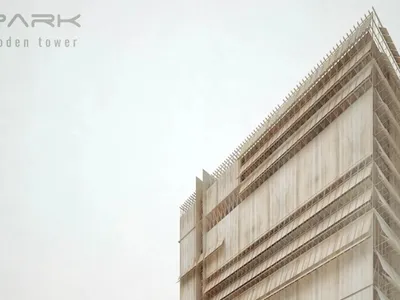
EW PARK: Sustainable Architecture Reimagines the Future of Urban Parking
EW PARK reimagines city parking as a modular wooden tower combining automation, solar energy, electric mobility, and adaptable urban design.

Co-Life: Senior Housing Design That Reconnects Older Adults With the City
Co-Life reimagines senior housing design through healing gardens, shared streets, workshops, and a sustainable community across generations.


Similar Reads
You might also enjoy these articles


Hodi-Mandai Geram
Project Function: Preservation and revitalization of the Intangible heritage and socio-spatial identity of the Hodi by Housing, Cultural Memory Center, Sacred Grove, landscape, local tourism economy


Olio Towers: A Mid-Rise for Performers That Fuses Housing, Rehearsal, and Stage
Located blocks from Houston's Theater District, this modular tower stacks living units around a central performance atrium.

Oasis: Modular Green Housing Carved into Dhaka's Urban Fabric
A shortlisted Plugin Housing entry reclaims unauthorized settlements in Dhaka with stepped concrete volumes, green roofs, and ventilation-driven design.

Black Hole: A Floating Megastructure for the Post-Physical Era
Emiliano Mazzarotto envisions a spherical, self-scaling arena where e-sports, digital hotels, and holographic stadiums replace traditional public space.


Explore Housing Competitions
Discover active competitions in this discipline



Challenge to reimagine the Iron Throne


Photograph architecture without architects


Illustrate the lost glory of Angkor Wat - Render Challenge


Design challenge to reuse E-waste
Comments (0)
Please login or sign up to add comments
No comments yet. Be the first to comment!