

Suetomi AOQ Cafe Stand: A Unique Blend of Tradition and Modern Minimalism in Kyoto’s Urban Fabric
Suetomi AOQ Cafe Stand blends traditional Japanese craftsmanship with modern design, featuring a unique copper facade and compact urban space.


Nestled on Karasuma-dori street in Kyoto, Japan, the Suetomi AOQ Cafe Stand is a masterful collaboration between G architects studio and Ryohei Tanaka that elegantly transforms a modest 10-square-meter footprint into a captivating urban coffee oasis. Completed in 2022, this coffee stand is a vibrant yet subtle extension of SUETOMI, a distinguished Kyoto-based confectionery brand with a seventy-year legacy.
Location and Context: A Hidden Gem on a Bustling Kyoto Intersection
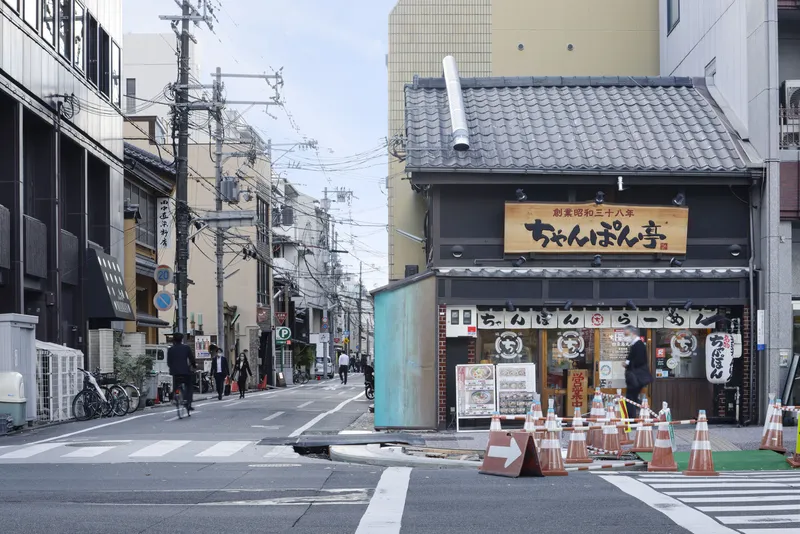
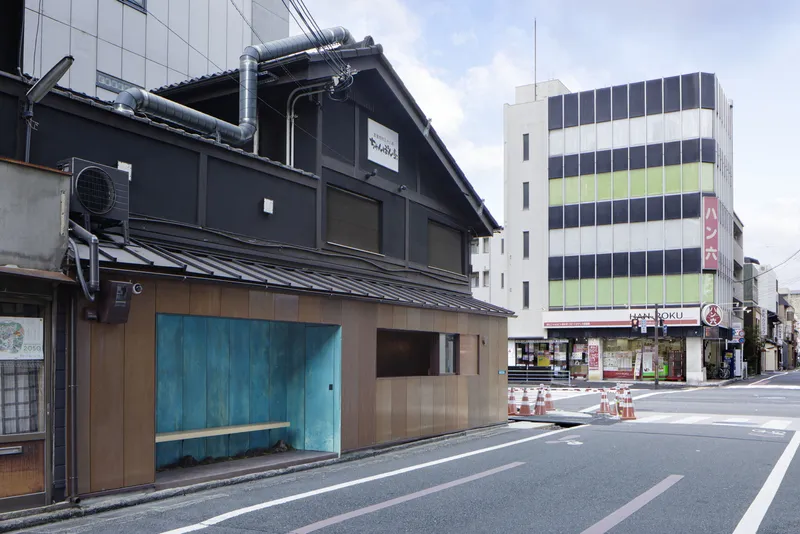
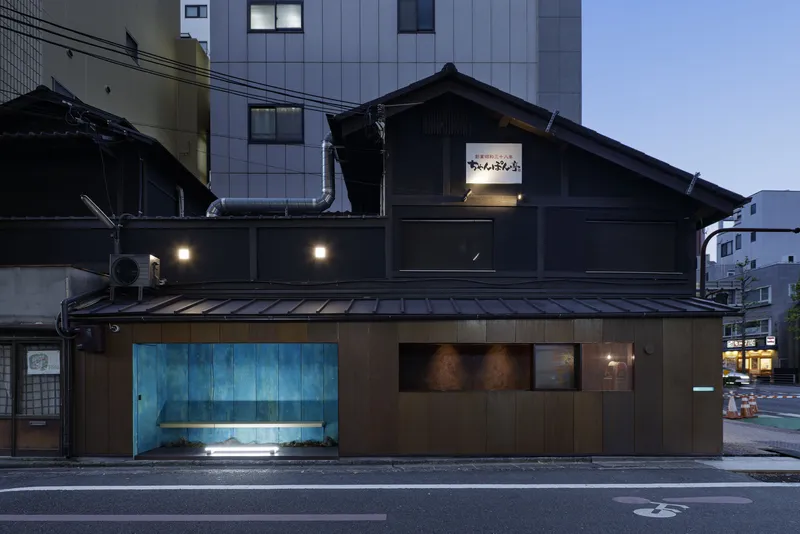
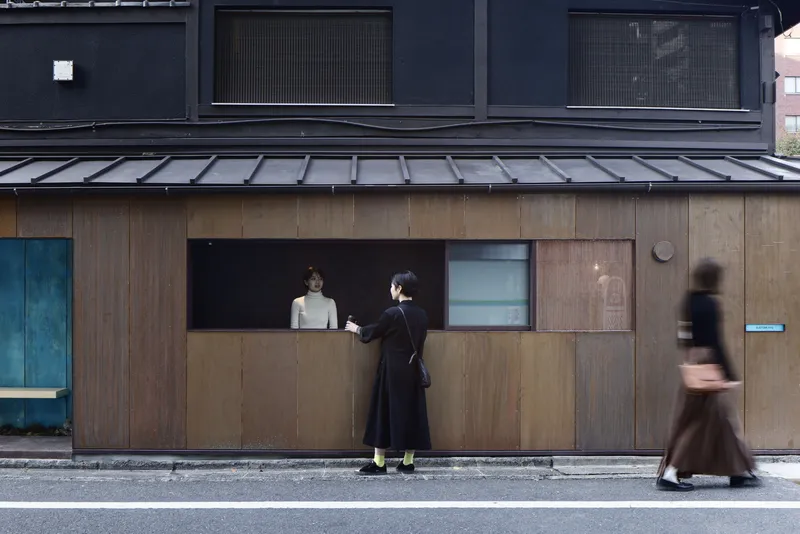
Located on the ground floor of a traditional two-story wooden building at a busy intersection surrounded by hotels and office complexes, the cafe stand’s slender depth of approximately one meter challenges typical urban design norms. This narrowness allows it to blend naturally into the street scene, almost unnoticed, yet its presence leaves a lasting impression. The stand fronts Karasuma-dori, a lively corridor connecting the Kyoto train station with the heart of the city, making it a strategic spot for attracting passersby.
Design Philosophy: Crafting Space from Constraints
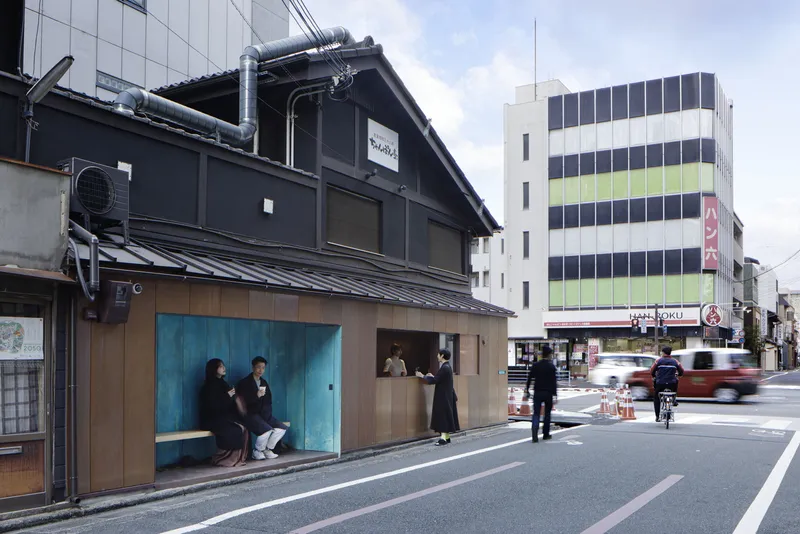
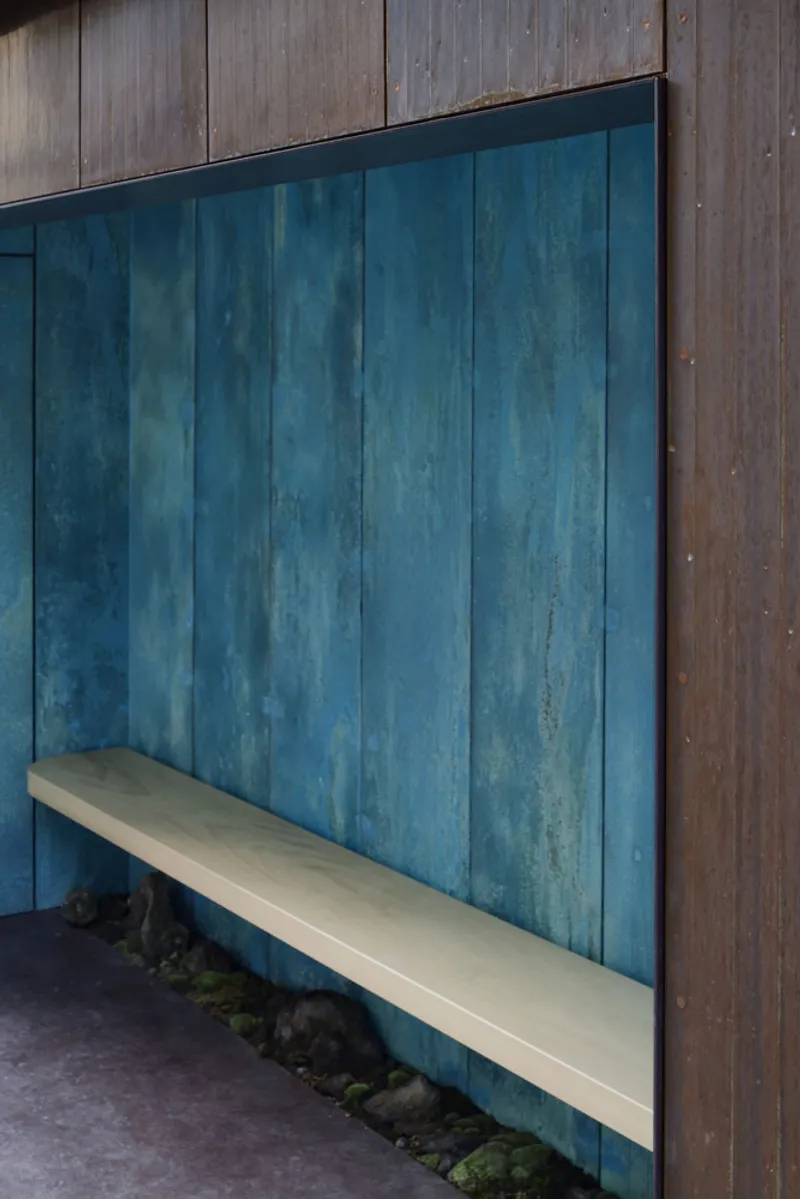
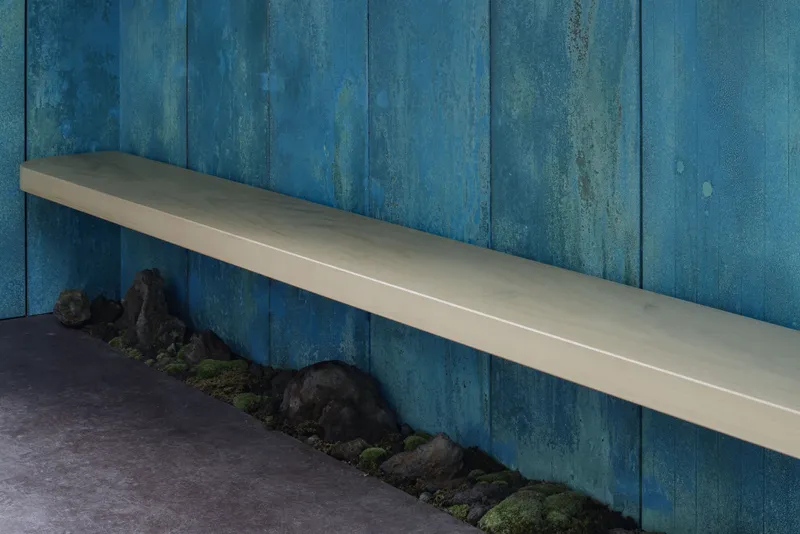
The tight floor plan — dictated largely by the stand’s shallow depth — prompted an intuitive layout where the coffee preparation kitchen and a small resting area are aligned side by side along the street-facing frontage. This spatial efficiency maximizes usability without compromising comfort.
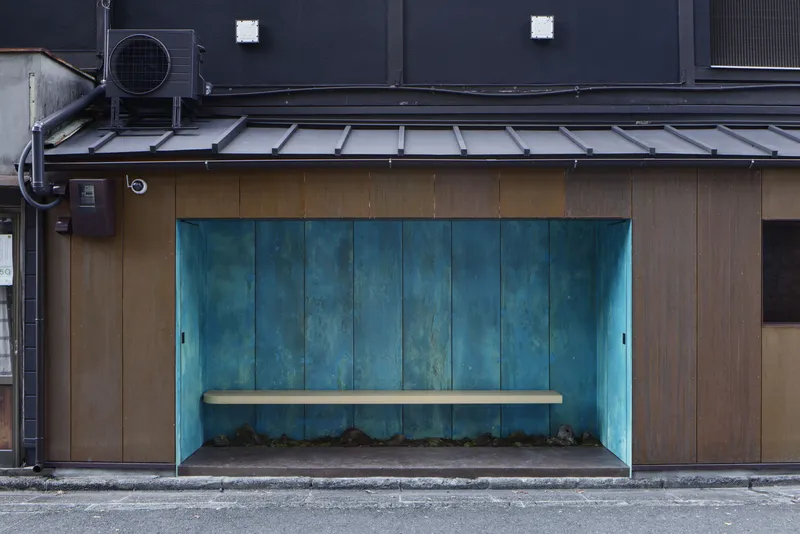
However, the architects devoted meticulous attention to the cafe’s vertical elevations and materiality, elevating the stand beyond mere function to become a potent urban symbol.
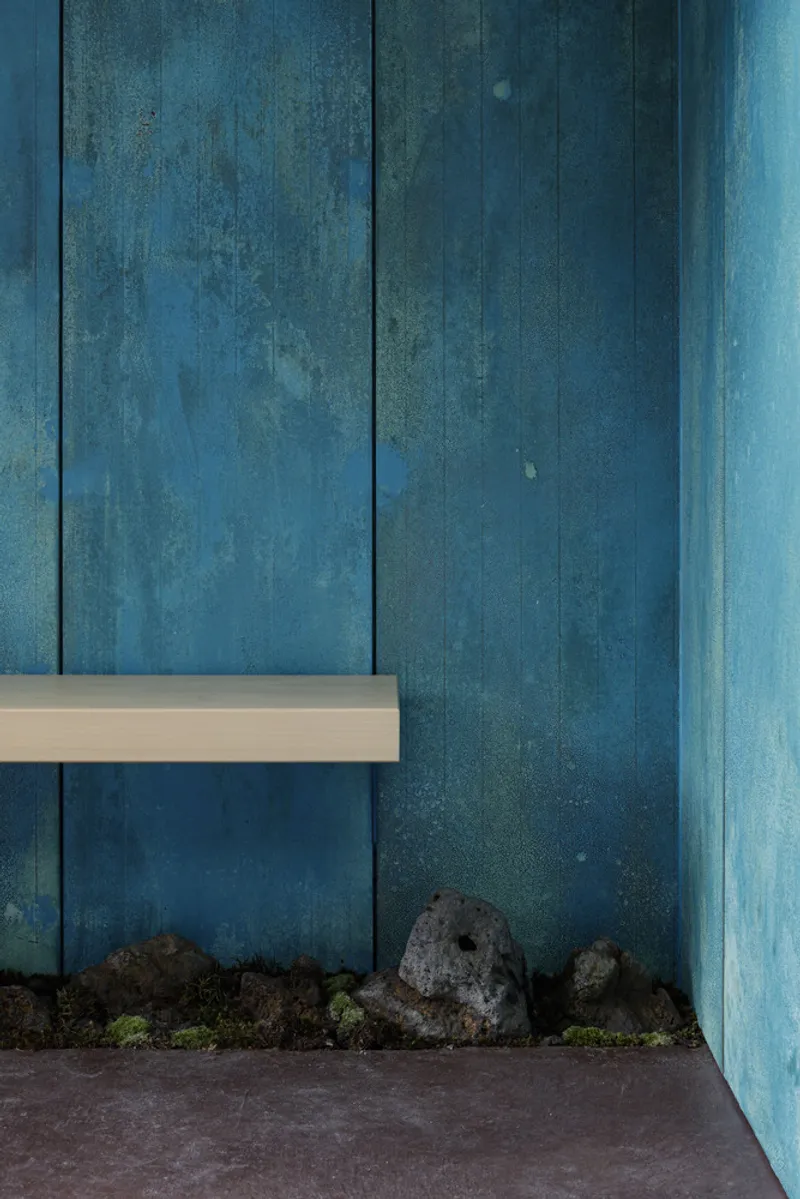
Innovative Copper Facade: Aging as Art
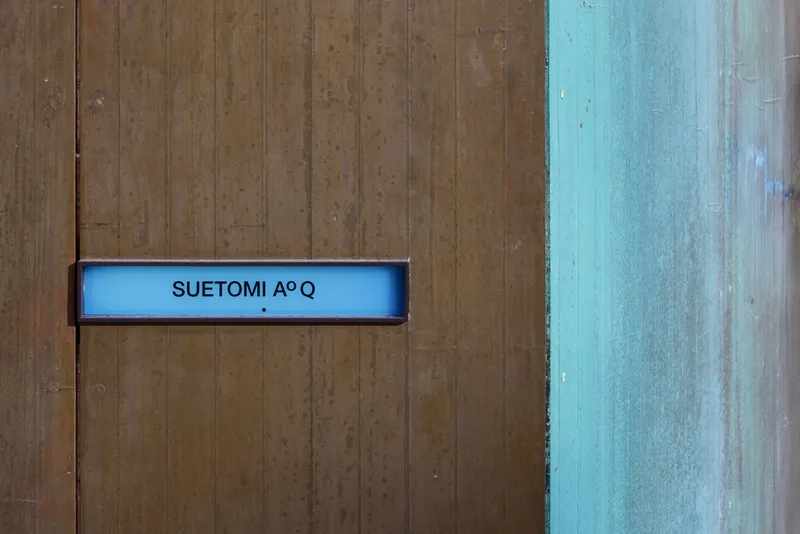
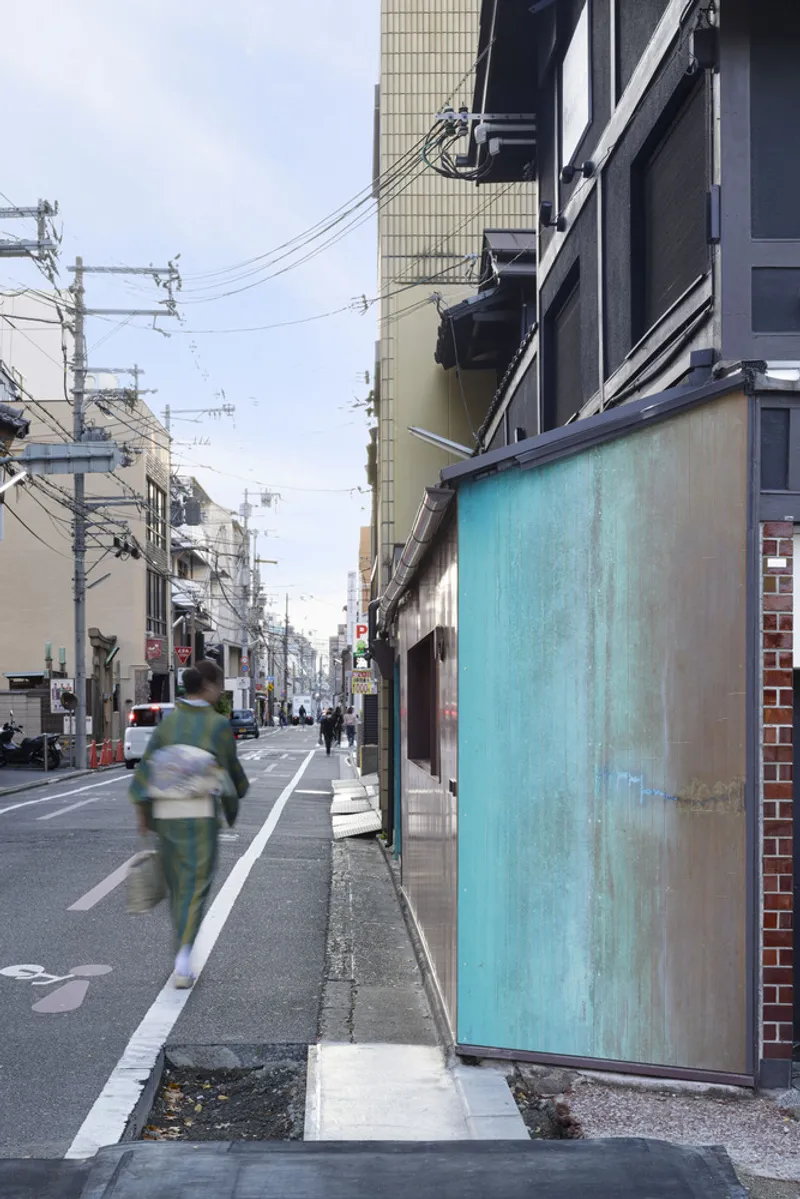
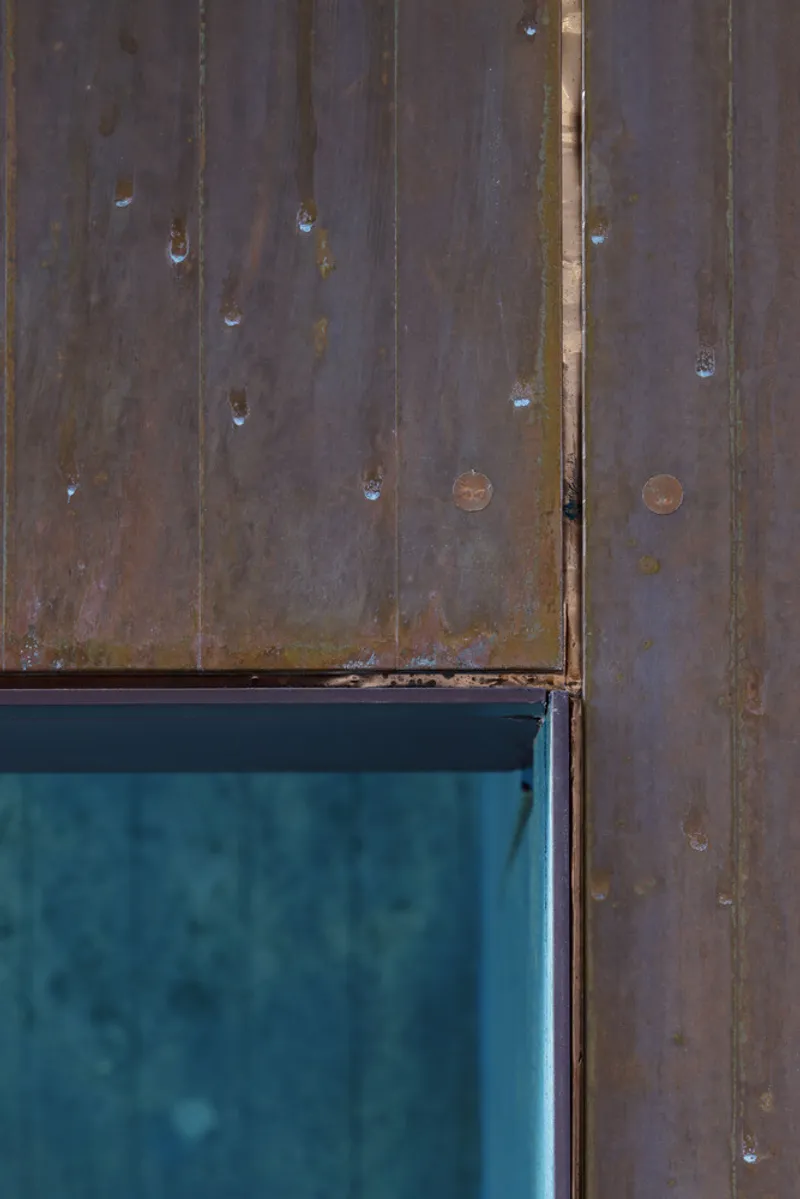
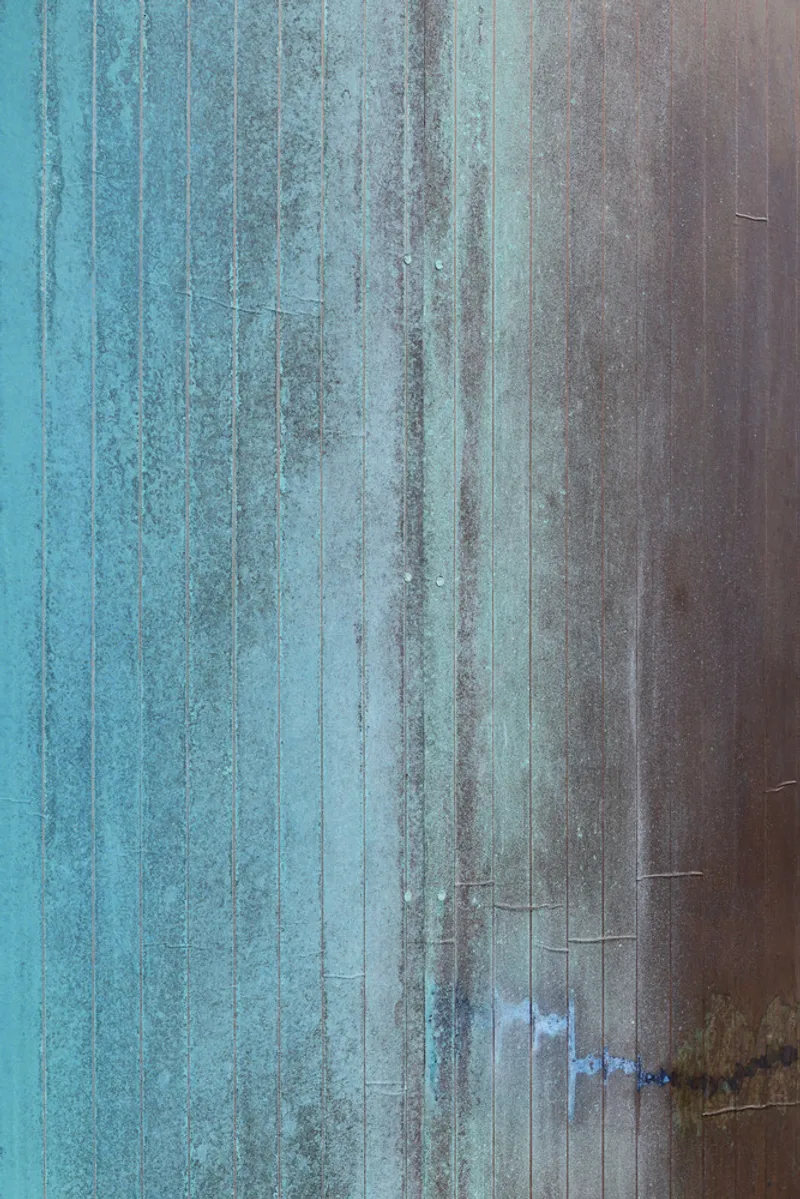
The cafe’s facade features copper panels treated through a unique chemical oxidation process that mirrors SUETOMI’s historic corporate color — “Suetomi Blue.” To achieve this, the architects applied copper foil to the walls and used soy sauce and ammonium chloride to accelerate oxidation, a technique inspired by traditional Japanese methods. The resulting patina develops hues ranging from warm reddish-browns to soft verdigris greens, all without paint, ensuring compliance with strict cityscape regulations that restrict exterior colors to natural materials.
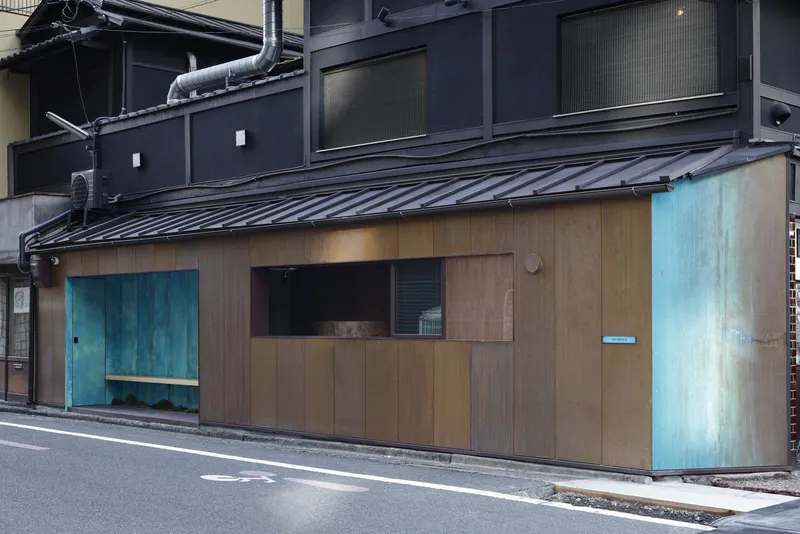
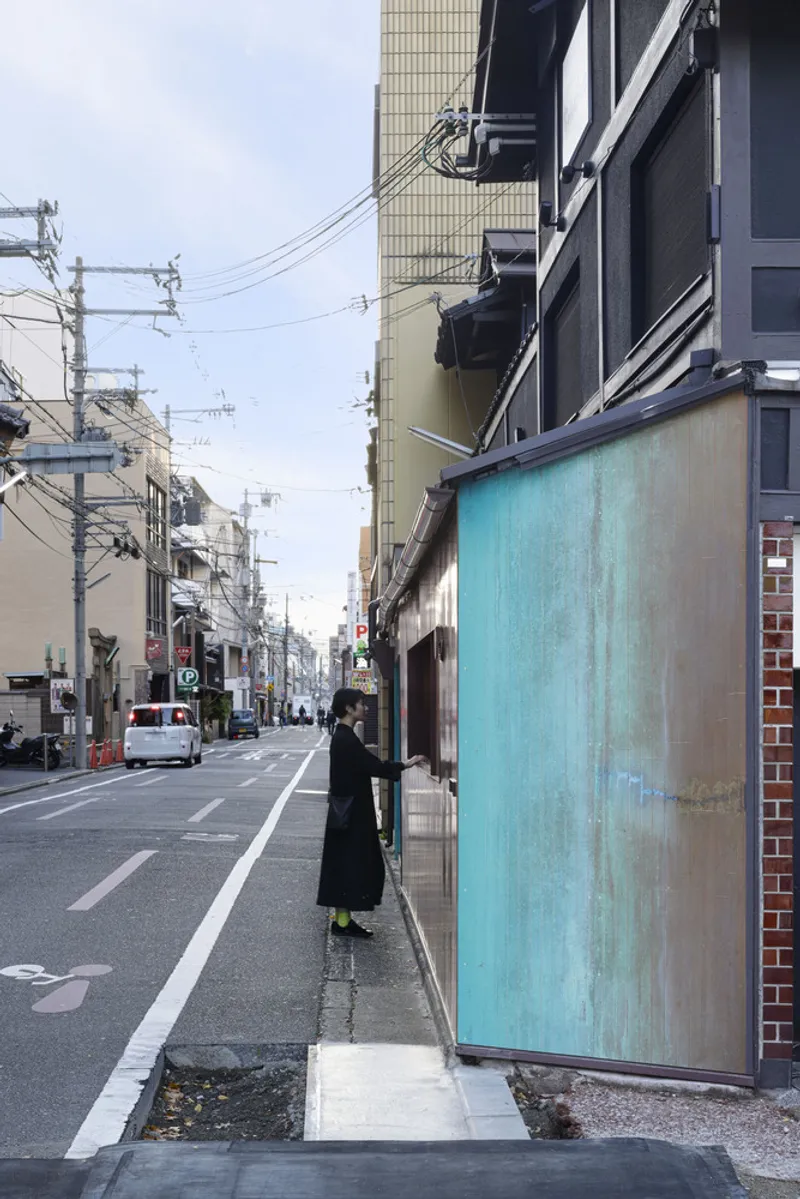
This facade strategy imbues the cafe stand with a timeless, weathered character reminiscent of Kyoto’s rich cultural heritage, subtly echoing the confectionery shop’s longstanding presence just a three-minute walk away.
Multifunctional Elements and Nighttime Ambience
The cafe’s resting area is cleverly designed with a roll-down mesh screen made from construction scaffold netting. When lowered and lit at night, this screen mimics the appearance of traditional Japanese bamboo blinds once used by nobility, offering a soft glow that reveals glimpses of the oxidized copper wall behind. This feature doubles as an ambient street lamp and a luminous billboard, inviting pedestrians to discover SUETOMI’s flagship store.
Seamless Integration of Tradition and Contemporary Urban Life
Despite its modest size, the Suetomi AOQ Cafe Stand captures a poetic balance between the old and new, the subtle and striking. It speaks to Kyoto’s enduring respect for craftsmanship and history while responding to modern urban challenges with compact, sustainable design.
The project is a vivid example of how thoughtful architectural intervention — grounded in local culture, materials, and innovation — can transform even the smallest urban spaces into meaningful landmarks.
All the photographs are works of Daisuke Shima




Popular Articles
Popular articles from the community


The Musturak Paradise: Senior Living Architecture for a Connected Future in Temara, Morocco
The Musturak Paradise reimagines senior living architecture in Temara via private homes, social spaces, culture, community, and shared care.

Riyadh For All: Intergenerational Urban Design for Active Aging in Rabat
Riyadh For All reimagines urban design in Rabat with intergenerational co-living, adaptive courtyards, and Moroccan cultural exchange today.
EW PARK: Sustainable Architecture Reimagines the Future of Urban Parking
EW PARK reimagines city parking as a modular wooden tower combining automation, solar energy, electric mobility, and adaptable urban design.

Conexión: Biophilic Design Reimagines High-Rise Living in Hong Kong
Conexión reimagines high-rise living in Hong Kong through biophilic design, green facades, shared spaces, daylight, water and nature within.


Similar Reads
You might also enjoy these articles


Hodi-Mandai Geram
Project Function: Preservation and revitalization of the Intangible heritage and socio-spatial identity of the Hodi by Housing, Cultural Memory Center, Sacred Grove, landscape, local tourism economy


Olio Towers: A Mid-Rise for Performers That Fuses Housing, Rehearsal, and Stage
Located blocks from Houston's Theater District, this modular tower stacks living units around a central performance atrium.

Oasis: Modular Green Housing Carved into Dhaka's Urban Fabric
A shortlisted Plugin Housing entry reclaims unauthorized settlements in Dhaka with stepped concrete volumes, green roofs, and ventilation-driven design.

Black Hole: A Floating Megastructure for the Post-Physical Era
Emiliano Mazzarotto envisions a spherical, self-scaling arena where e-sports, digital hotels, and holographic stadiums replace traditional public space.

Explore Hospitality Building Competitions
Discover active competitions in this discipline



Challenge to reimagine the Iron Throne


Photograph architecture without architects


Illustrate the lost glory of Angkor Wat - Render Challenge


Design challenge to reuse E-waste
Comments (0)
Please login or sign up to add comments
No comments yet. Be the first to comment!