

Sun Path Installation by Civil Architecture: A Contemporary Reinterpretation of Islamic Timekeeping
Sun Path installation reimagines Islamic sundials using moving sunlight, creating an immersive architectural experience connecting time, spirituality, and celestial rhythms.


The Sun Path, Rajab to Shawwal 1444 installation by Civil Architecture redefines the relationship between architecture, time, and spirituality. Created for the Islamic Arts Biennale 2023 and commissioned by the Diriyah Biennale Foundation, this immersive structure in Jeddah explores how natural elements can shape human perception of time.
Spanning 2400 square meters, the installation draws from Islamic architectural traditions while integrating contemporary spatial design strategies to create a sensory and symbolic experience.

Reinterpreting the Sundial in Islamic Architecture
Historically, mosque courtyards functioned as civic and spiritual centers where sundials guided the five daily prayers. This installation reimagines that legacy by replacing shadow-based timekeeping with a dynamic sunbeam system.
Rather than observing a static shadow, visitors witness a moving beam of light traveling across the ground plane. This innovative approach transforms the traditional sundial into an experiential architectural device, reconnecting users with celestial rhythms.


Inspiration from the Hajj Terminal
The project takes inspiration from the iconic Hajj Terminal, known for its tensile canopy structures. The architects reinterpret its oculus openings as inverted sundials, allowing controlled sunlight to penetrate the space.
These circular apertures filter daylight, creating a carefully choreographed interaction between light and architecture. The result is a spatial environment where illumination becomes both a functional and poetic element.


Spatial Experience and Symbolism
Inside the installation, the sunbeam moves across engraved lines that represent:
- Hours of the day
- Lunar months from Rajab to Shawwal
- Seasonal transitions
Sculptural elements positioned along this path mark significant events in Islamic history, linking time measurement with cultural memory. This layered narrative transforms the installation into a living calendar, where architecture becomes a medium for storytelling.


Light, Material, and Atmospheric Design
The project emphasizes minimal material intervention, allowing light to define space. Structural elements such as beams, columns, and platforms act as frames for the shifting sunbeam.
As daylight changes, the atmosphere evolves, creating a constantly transforming environment. The interplay between light intensity, sky color, and spatial geometry offers visitors a meditative and immersive experience.


Bridging Tradition and Contemporary Architecture
The Sun Path installation demonstrates how contemporary architecture can reinterpret historical concepts without losing their cultural essence. By shifting from mechanical to natural timekeeping, the project challenges modern reliance on digital clocks and encourages a more intuitive understanding of time.
It stands as a powerful example of contextual design, where heritage, environment, and innovation intersect.
Through its poetic use of light and spatial sequencing, Sun Path, Rajab to Shawwal 1444 transforms a traditional sundial into an architectural experience. It reconnects visitors with natural cycles while honoring Islamic cultural heritage.


All photographs are works of
Laurian Ghinitoiu, Ali Ismail Karimi


Popular Articles
Popular articles from the community

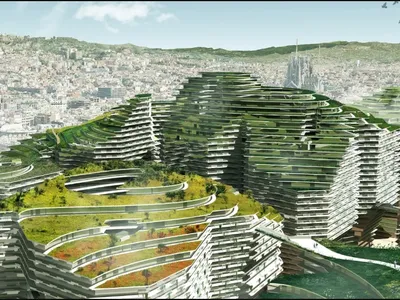
Manzana Morphosis: Stretching Barcelona's Grid into a Living Landscape for 2050
A radical reworking of the Eixample manzana turns density into a tool for generous public space, vertical ecology, and environmental performance.
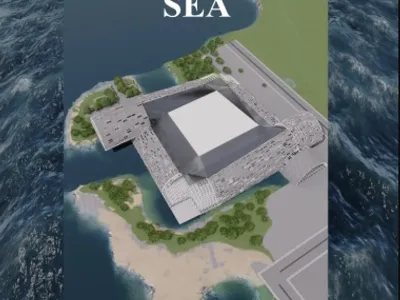
Opera on the Sea: Driftwood Logic Shapes a Timber Opera House on Estonia's Coast
Trevor Orgill's opera house translates the entangled drift of floating timber into a civic building where wood, water, and music converge.
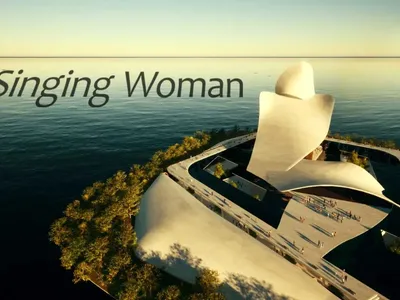
Singing Woman: Contemporary Architecture Inspired by Estonia’s Voice and the Sea
Singing Woman turns Estonia’s song culture into flowing opera house architecture, blending public life, landscape, sea, and national memory.
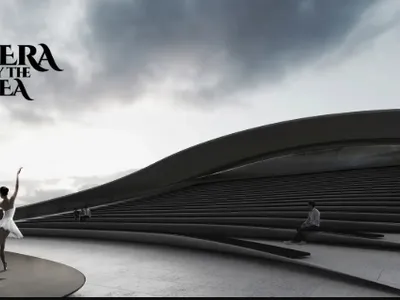
Opera by the Sea Estonia: Three Shells Dissolving Architecture into Tallinn's Coastline
A winning opera house proposal replaces monumental form with interconnected shells that blur the boundary between building, park and Baltic Sea.

Similar Reads
You might also enjoy these articles

Bamboo Housing Challenge 2026: Design Affordable, Sustainable Homes Using Bamboo
An international design competition by Bamboo U and IBUKU inviting architects and designers to reimagine affordable housing using bamboo — with the winning design built full-scale in Bali.

Computational Design & Education: Beegraphy Design Awards Introduces 7th Category (Featuring Jiyun's Innovative Approach)
Dive into Beegraphy’s 7th Design Awards category, where computational design meets education to create immersive, interactive learning tools, inspired by Jiyun’s work.
From Parametric Lighting to Urban Furniture: Join the 2nd Workshop in Beegraphy’s Computational Design Series
Dive into Cutting-Edge Design Techniques and Practical Applications with Industry Experts

Last Call: Unleash Your Architectural Genius in SHAK's Kindergarten Design Competition
Urgent call for architects to join SHAK's kindergarten design competition before the looming deadline
Explore Architecture Competitions
Discover active competitions in this discipline

Challenge to design a portable theatre

Challenge to design a portable music platform

Challenge to design an open learning module for the elderly

Challenge to reimagine the Iron Throne
Comments (0)
Please login or sign up to add comments
No comments yet. Be the first to comment!