
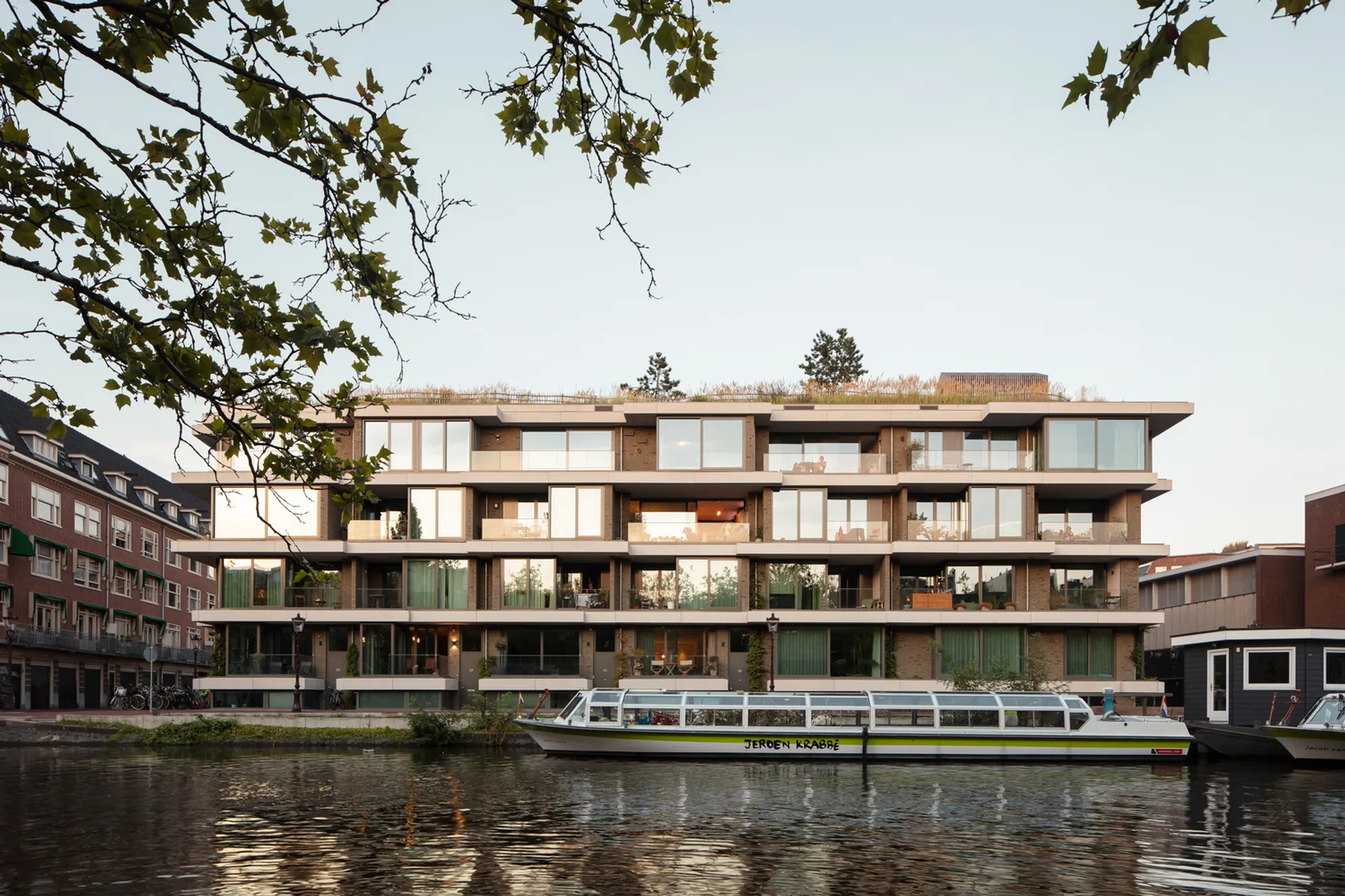
Sustainable Architecture in Amsterdam: The Groenmarkt Housing Project
The article highlights the sustainable design and eco-friendly features of the Groenmarkt Housing project in Amsterdam.


Sustainable architecture is becoming increasingly significant in urban design, particularly in cities like Amsterdam, where environmental concerns, urban density, and the preservation of historical context intertwine. One of the most impressive examples of sustainable design is the Groenmarkt Housing project, located in Amsterdam. This innovative project integrates eco-friendly elements and thoughtful design to create a harmonious balance between nature, community, and modern urban living.
Overview of the Groenmarkt Housing Project
The Groenmarkt Housing project is a collaboration between Ronald Janssen Architecten, Bastiaan Jongerius Architecten, and Buro Harro, with significant contributions from various specialists, including Kooij en Dekker, Berkhout Tros (structural engineers), and Cauberg Huygen (acoustics consultants). The project, completed in 2022, consists of two newly built apartment blocks designed with both sustainability and community in mind.
Key Features of the Groenmarkt Housing Design
- Location: Amsterdam, Netherlands
- Project Area: 7475 m²
- Architectural Collaboration: Ronald Janssen Architecten, Bastiaan Jongerius Architecten, Buro Harro
- Contractor: HBB Groep
- Sustainability Features: Green facades, nature-inclusive roof garden, native plantings, and eco-friendly construction materials.
Concept and Design Philosophy
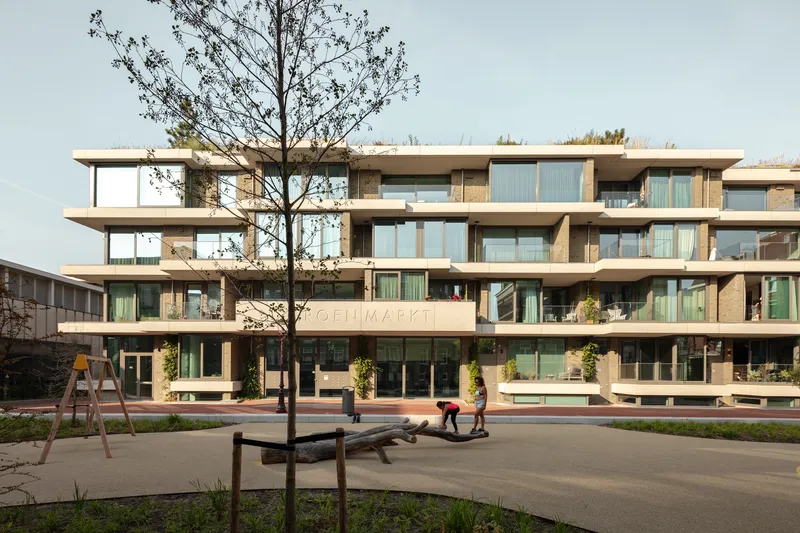
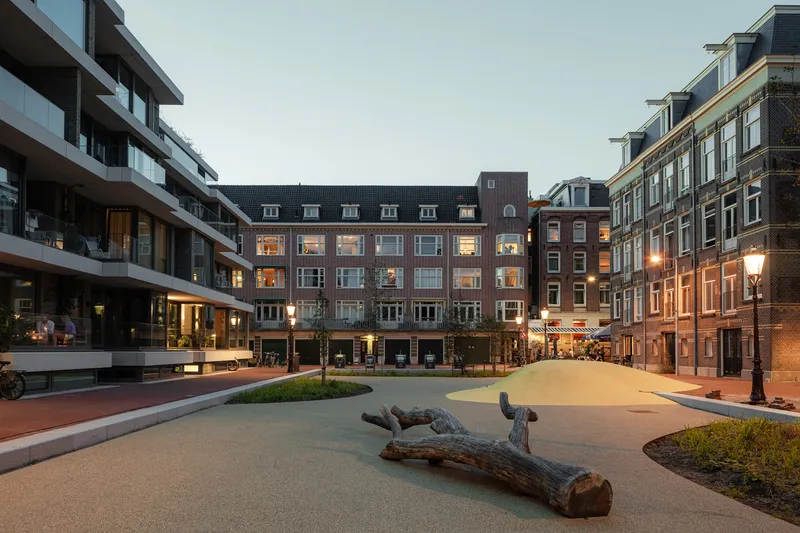
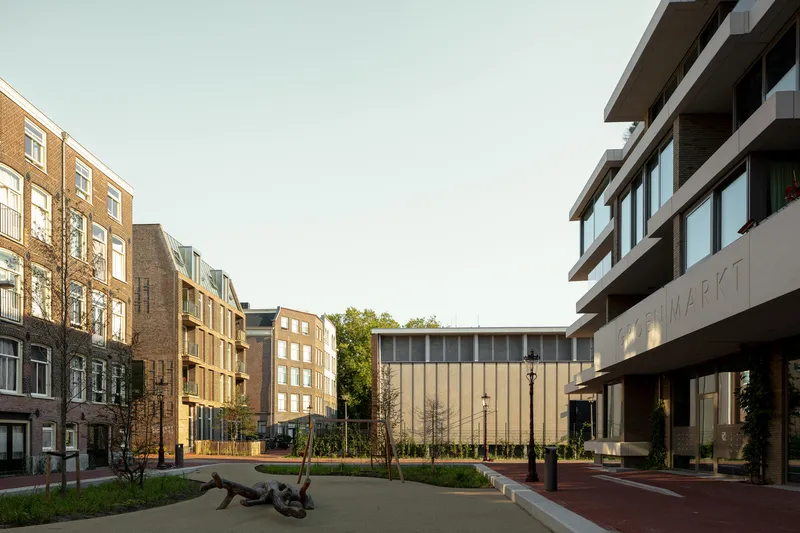
The design of the Groenmarkt Housing reflects a strong commitment to sustainable architecture. The apartment blocks are self-contained, creating a car-free neighborhood square that fosters a more pedestrian-friendly and green environment. The design also addresses the need for a balance between modernity and historical preservation.
The Two Apartment Blocks
Marnixstraat Apartment Block
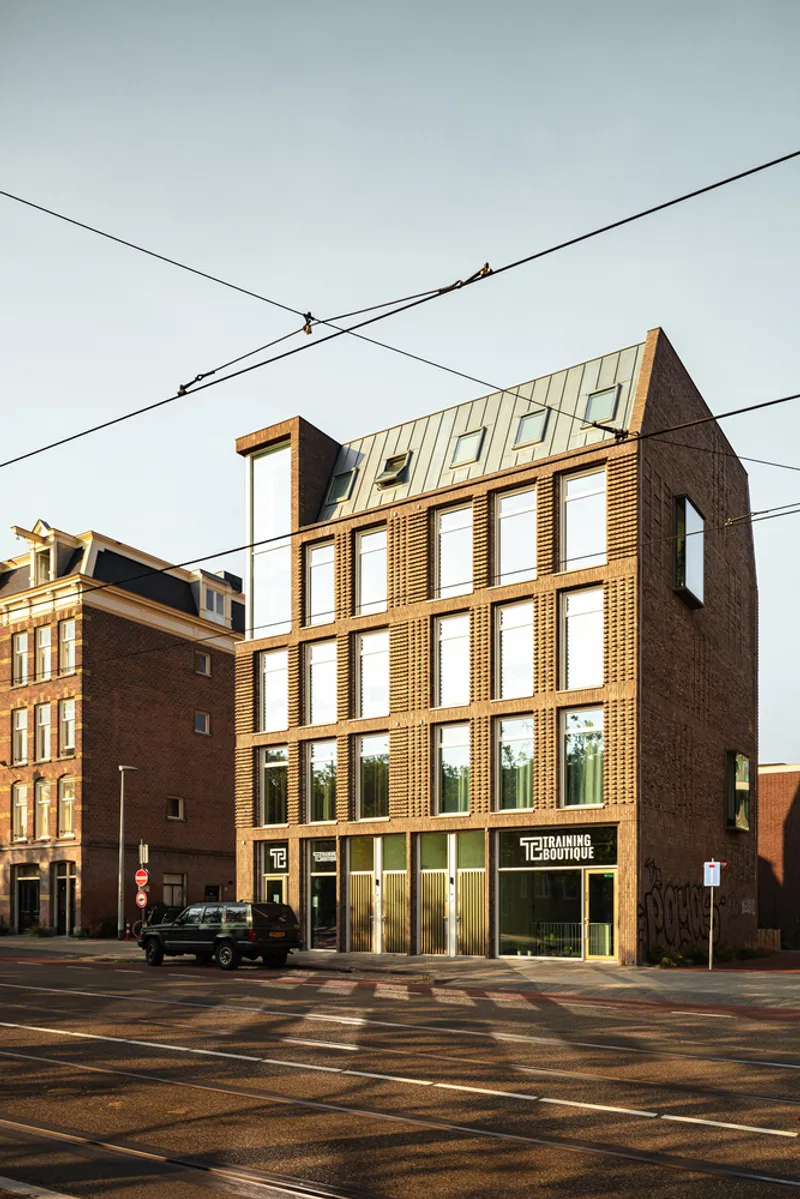
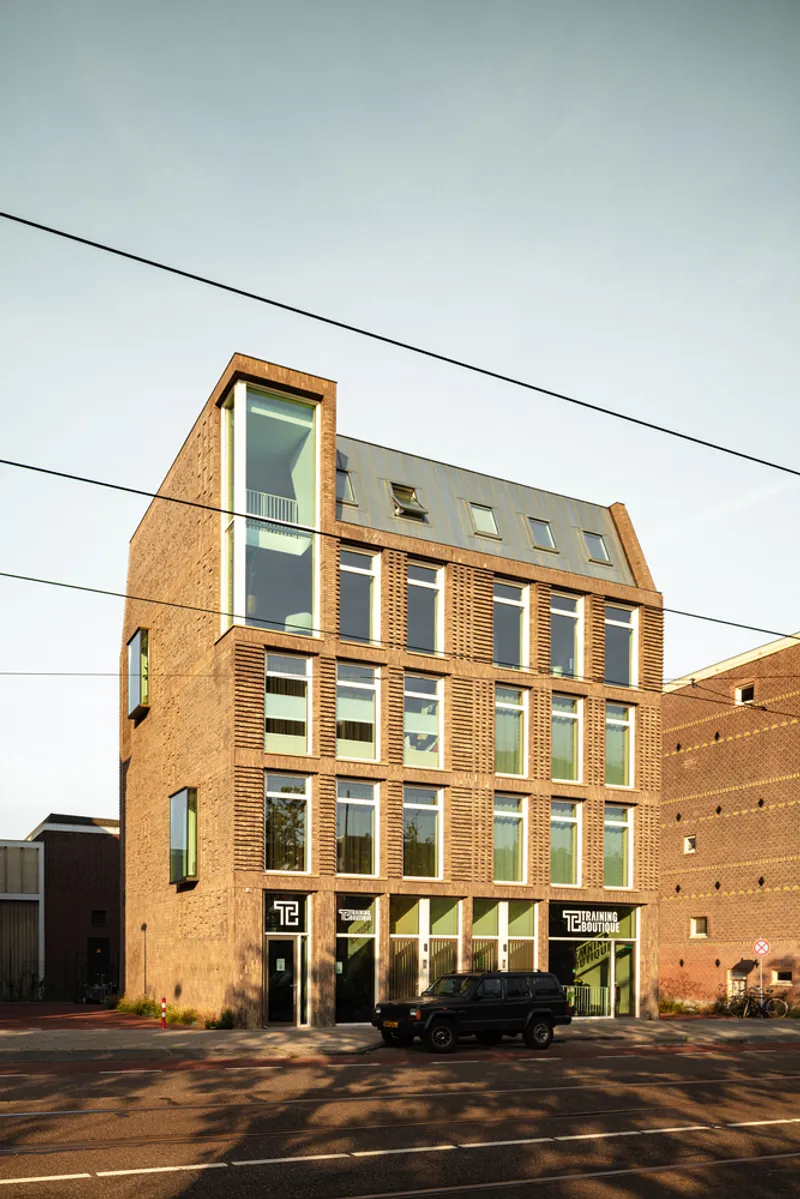
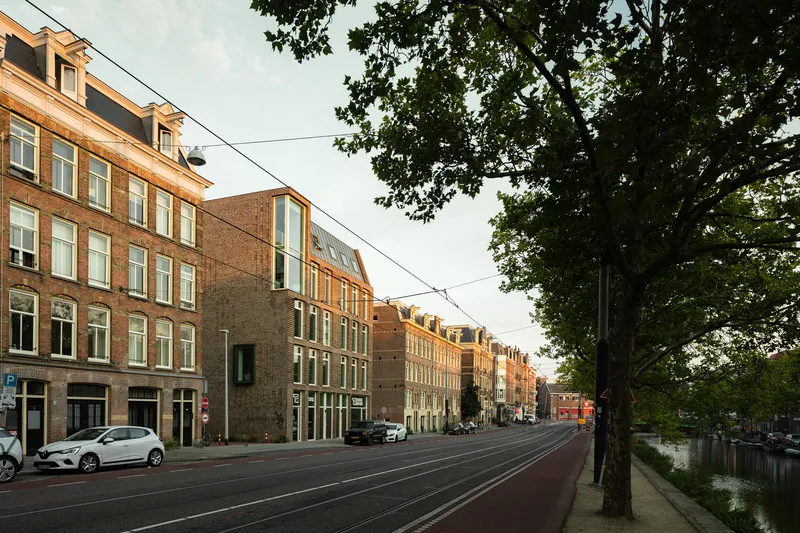
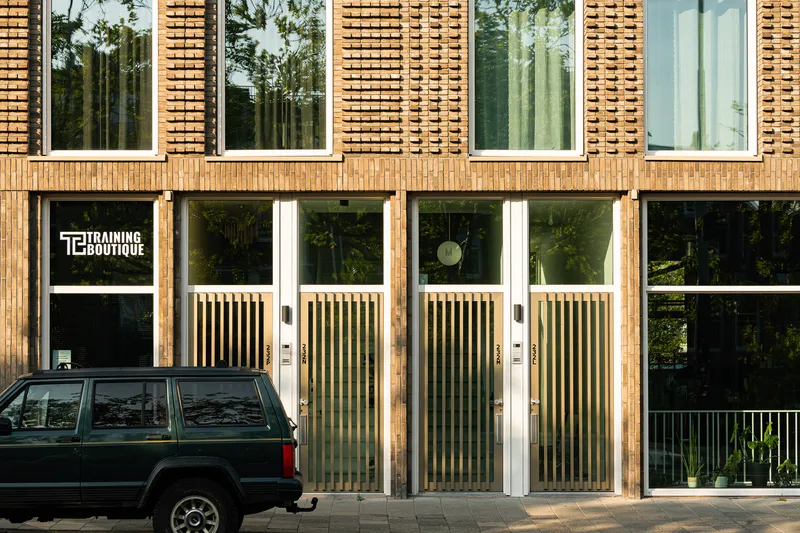
The apartment block at Marnixstraat was designed to respect the historical and architectural integrity of the 19th-century cityscape while introducing contemporary design elements. This block contains four apartments and a small-scale commercial space on the ground floor, promoting a mixed-use environment.
Singelgracht Apartment Block
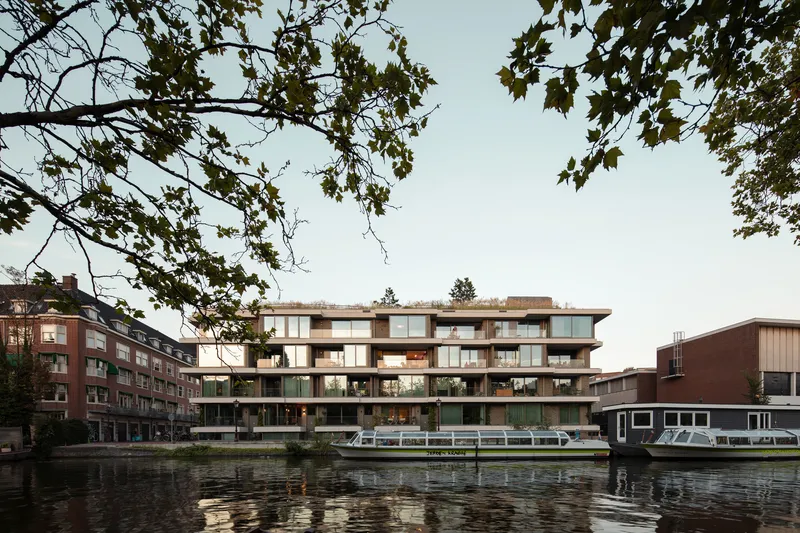
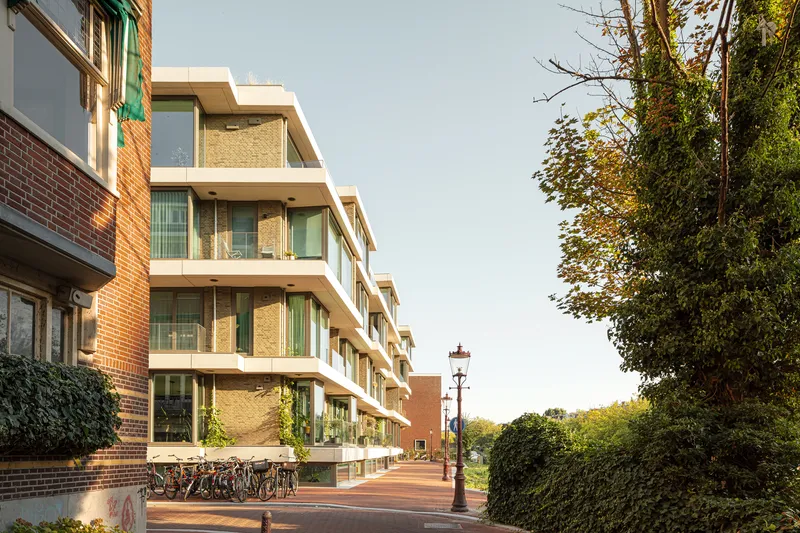
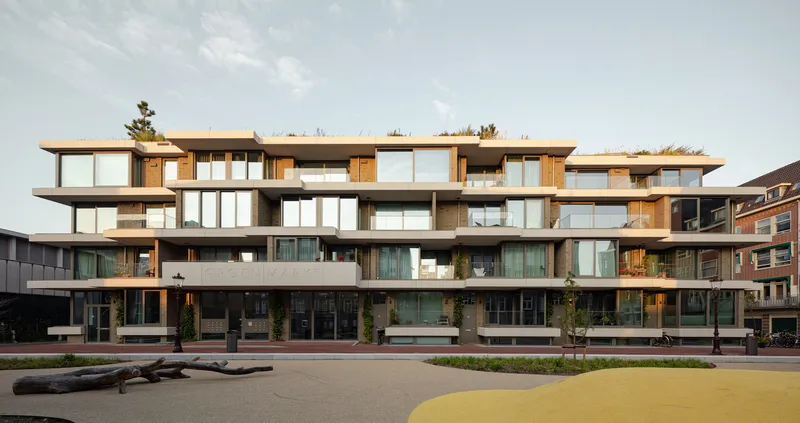
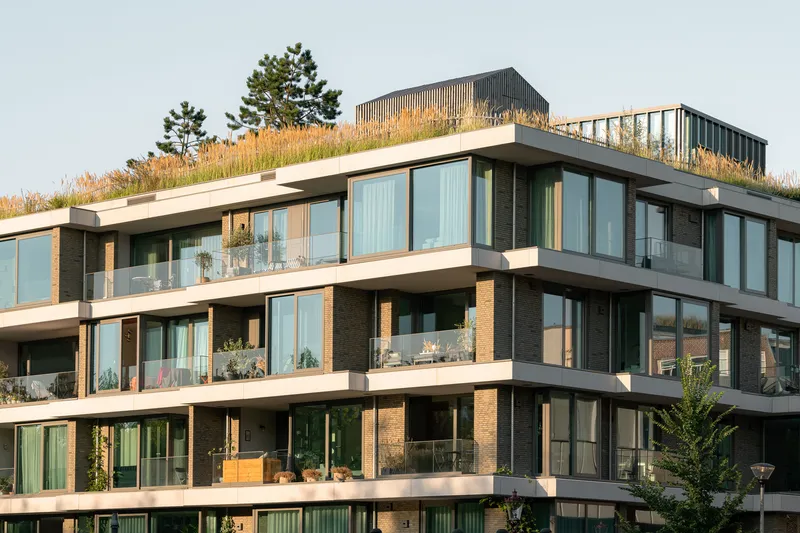
In contrast, the apartment block at Singelgracht embraces a contemporary and transparent design. The block’s approach reverses the traditional enclosed Amsterdam building block, offering green spaces and informal designs. The facades are clad with climbing plants, creating a natural aesthetic and promoting biodiversity.
Sustainable Design Elements
The Groenmarkt Housing project emphasizes sustainability through several key architectural features:
1. Green and Informal Building Facades
The facades of the Singelgracht building are not just architectural elements but are also designed to support biodiversity. Covered with climbing plants and designed to provide homes for various species, including birds, insects, and bats, these facades contribute to the project’s sustainability goals. The green facades help with natural cooling, air purification, and overall ecological balance.
2. Nature-Inclusive Roof Garden
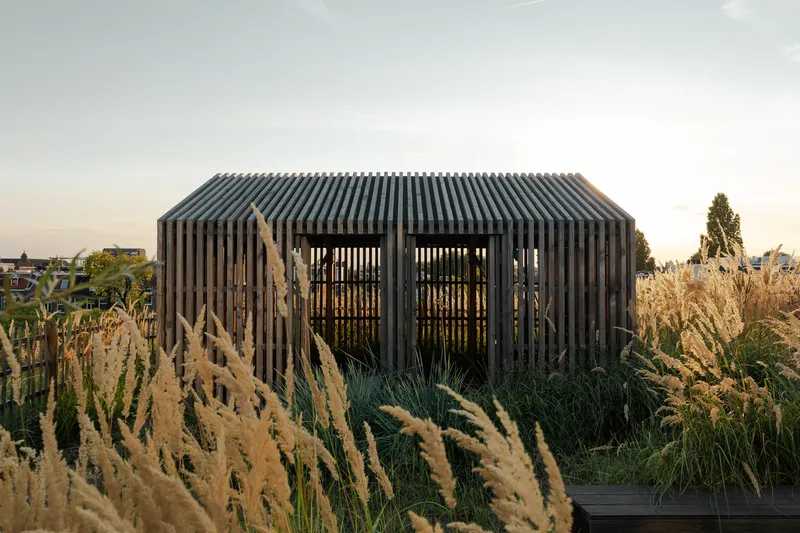
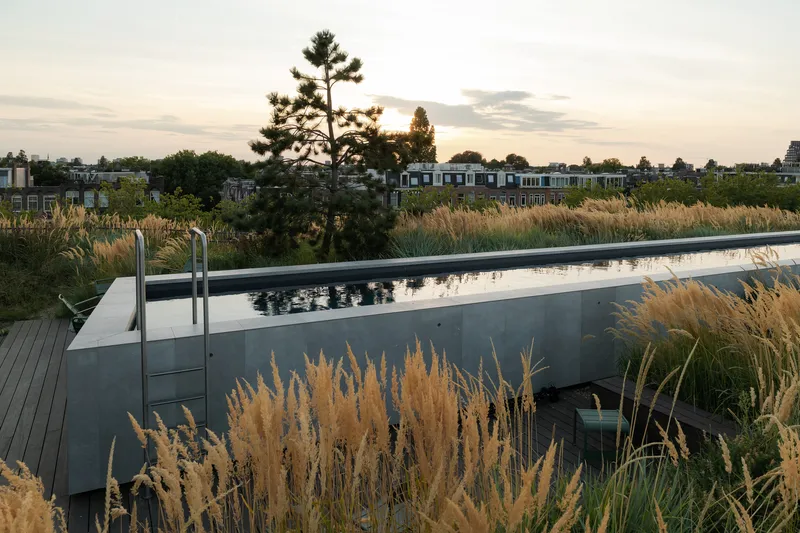
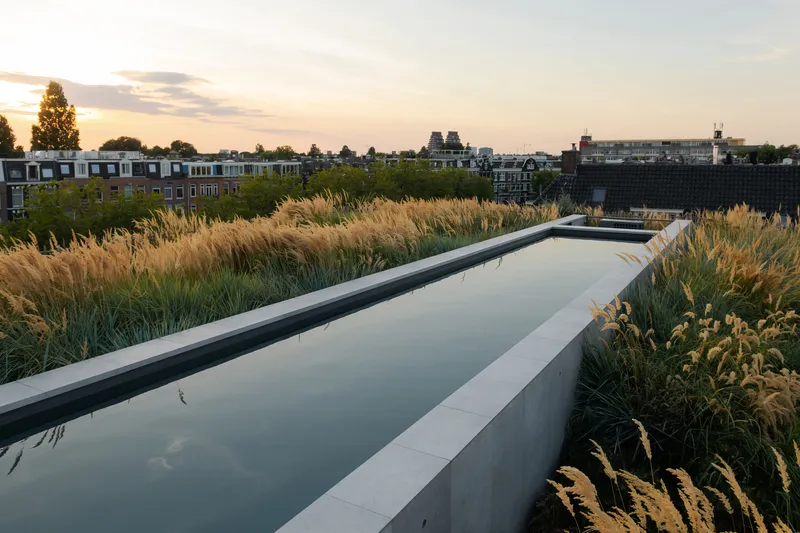
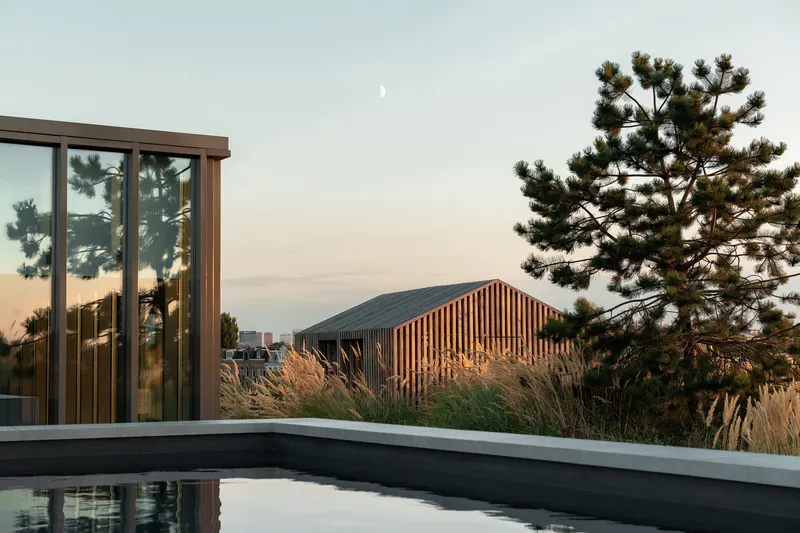
One of the most distinctive features of the Groenmarkt Housing is the nature-inclusive roof garden. The roof is designed as a dune landscape with native plants and a natural swimming pool, providing a peaceful escape in the heart of the city. This eco-friendly space also serves as a stormwater management system, absorbing rainwater and promoting ecological diversity.
3. Sustainable Community Spaces
The first floor of the Singelgracht apartment block is designed as a social housing cluster, featuring spaces such as a communal dining kitchen and a collective living room. These spaces encourage social interaction and a sense of community, which are central to sustainable living in urban environments.
4. Full-Height Windows for Optimal Natural Light
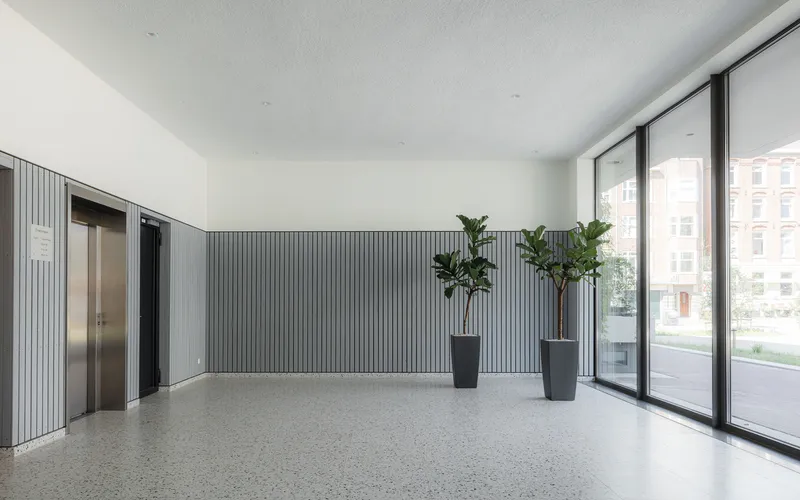
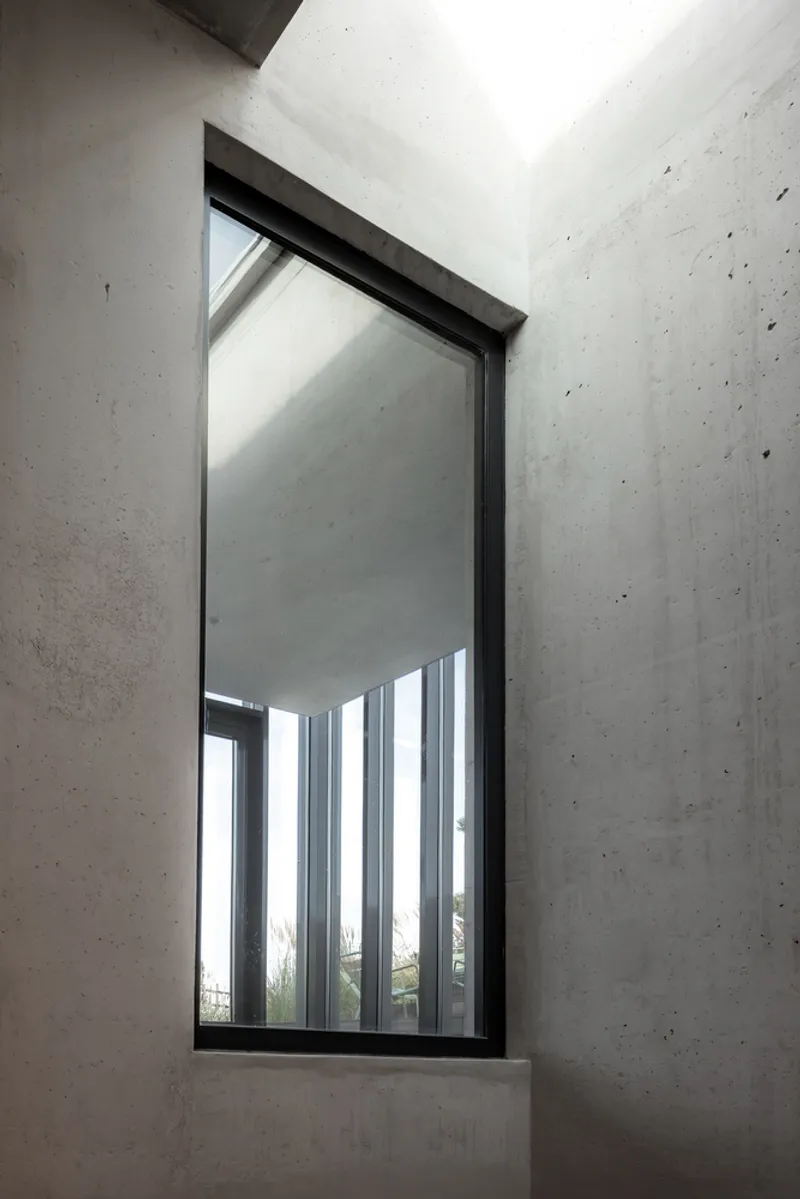
To further enhance sustainability, the design incorporates full-height windows throughout the buildings. These windows ensure optimal natural light, reducing the need for artificial lighting and enhancing the connection between residents and their surrounding environment.
5. Promoting Biodiversity through Architecture
The entire project, from its facades to the rooftop garden, is carefully designed to promote biodiversity. By incorporating spaces for both plants and animals, the project reduces its environmental footprint and enhances the overall urban ecosystem.
The Role of Sustainability in Urban Housing
As cities around the world grow, the need for sustainable urban housing has become more urgent. Groenmarkt Housing is an exemplary model of how urban spaces can be designed to be sustainable, community-focused, and integrated with nature. The project offers important lessons for cities like Amsterdam, where the blending of modern architecture with sustainability and historical preservation can lead to more livable, eco-friendly urban environments.
How Groenmarkt Housing Influences Future Architecture
The Groenmarkt Housing project sets a new standard for sustainable urban architecture in Amsterdam and beyond. By focusing on ecological responsibility, social cohesion, and architectural innovation, it demonstrates how thoughtful design can create a lasting impact on both residents and the environment.
The Groenmarkt Housing project is a landmark in the realm of sustainable architecture. It not only addresses the functional needs of modern urban living but also champions eco-friendly, community-focused design principles. With its green facades, nature-inclusive roof garden, and innovative social spaces, this project exemplifies the future of urban architecture in Amsterdam. As cities continue to face environmental challenges, projects like Groenmarkt Housing offer a blueprint for a sustainable, harmonious future.
All photographs are work of Sebastian van Damme


Popular Articles
Popular articles from the community


Riyadh For All: Intergenerational Urban Design for Active Aging in Rabat
Riyadh For All reimagines urban design in Rabat with intergenerational co-living, adaptive courtyards, and Moroccan cultural exchange today.
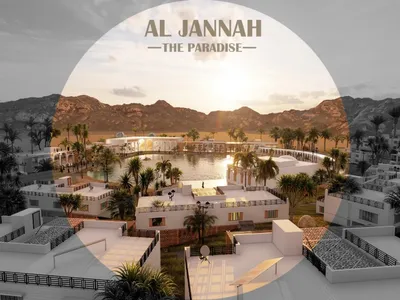
AL-JANNAH: Sustainable Architecture and Permaculture for Afghan Widows
AL-JANNAH uses sustainable architecture and permaculture to create resilient oasis of housing, learning, work and renewal for Afghan widows.

The Musturak Paradise: Senior Living Architecture for a Connected Future in Temara, Morocco
The Musturak Paradise reimagines senior living architecture in Temara via private homes, social spaces, culture, community, and shared care.

Hill & Cross Opera: Sculptural Opera House Architecture Shaped by Tallinn’s Landscape and Identity
Hill & Cross Opera reimagines opera house architecture in Tallinn through its sculptural hill, civic plaza, glass wave and a luminous cross.


Similar Reads
You might also enjoy these articles


Hodi-Mandai Geram
Project Function: Preservation and revitalization of the Intangible heritage and socio-spatial identity of the Hodi by Housing, Cultural Memory Center, Sacred Grove, landscape, local tourism economy


Olio Towers: A Mid-Rise for Performers That Fuses Housing, Rehearsal, and Stage
Located blocks from Houston's Theater District, this modular tower stacks living units around a central performance atrium.

Oasis: Modular Green Housing Carved into Dhaka's Urban Fabric
A shortlisted Plugin Housing entry reclaims unauthorized settlements in Dhaka with stepped concrete volumes, green roofs, and ventilation-driven design.

Black Hole: A Floating Megastructure for the Post-Physical Era
Emiliano Mazzarotto envisions a spherical, self-scaling arena where e-sports, digital hotels, and holographic stadiums replace traditional public space.


Explore Sustainable Features Competitions
Discover active competitions in this discipline



Challenge to reimagine the Iron Throne


Photograph architecture without architects


Illustrate the lost glory of Angkor Wat - Render Challenge


Design challenge to reuse E-waste
Comments (0)
Please login or sign up to add comments
No comments yet. Be the first to comment!