
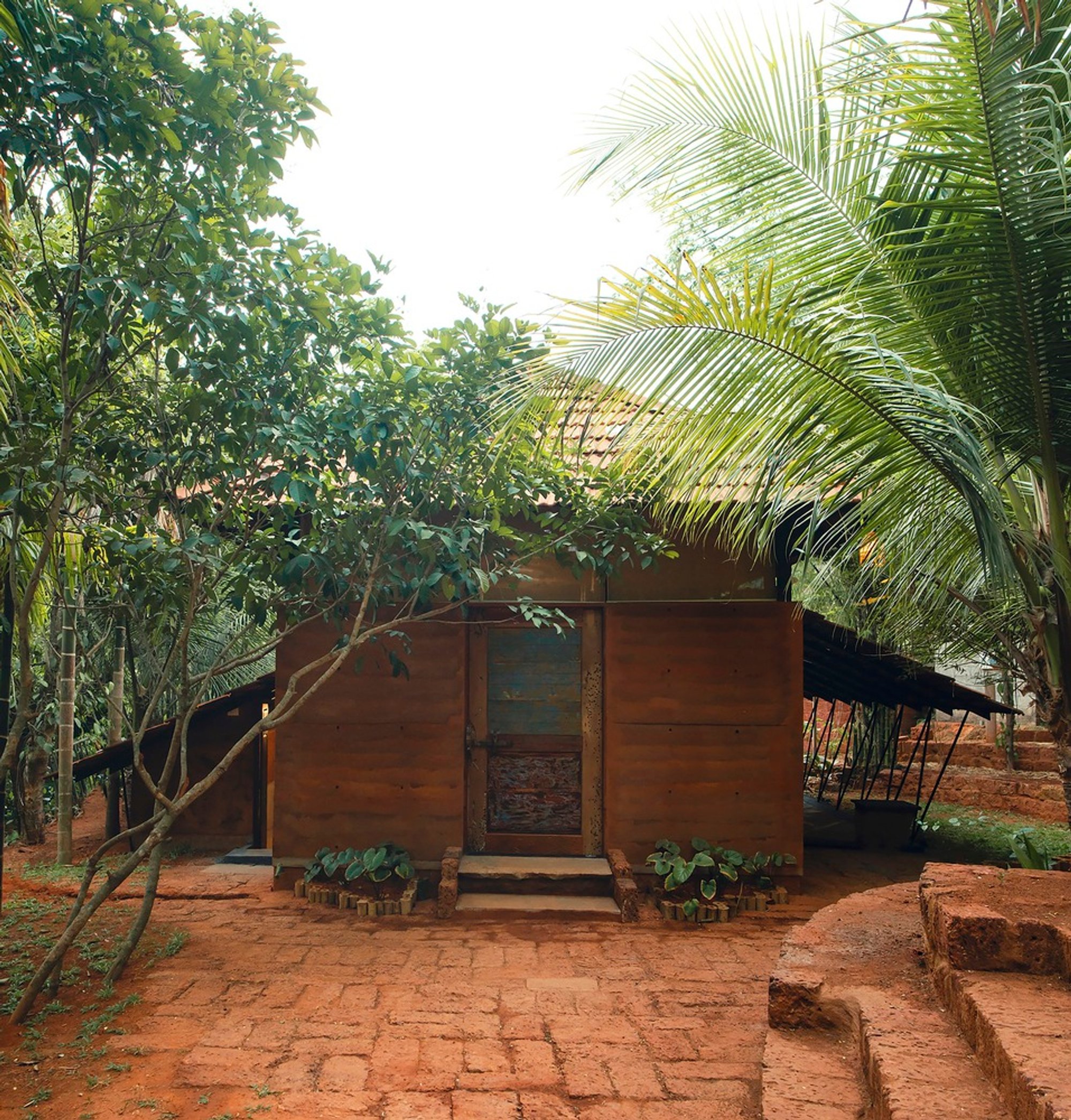
Sustainable Architecture in India: A Closer Look at Shwasam Multipurpose Hall by ShriAbodes
This article explores the Shwasam Multipurpose Hall by ShriAbodes, exemplifying sustainable architecture practices in India using local materials and techniques.

In recent years, sustainable architecture has become a crucial aspect of building design in India, emphasizing environmental stewardship and resource efficiency. The Shwasam Multipurpose Hall in Aliparambu, designed by ShriAbodes, stands as a testament to innovative sustainable building practices in the region.
Overview of Shwasam Multipurpose Hall
Project Context and Design Philosophy
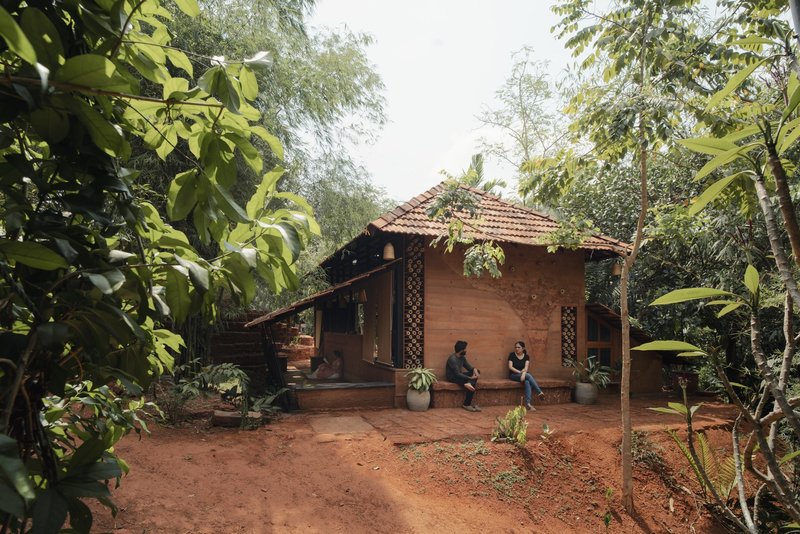
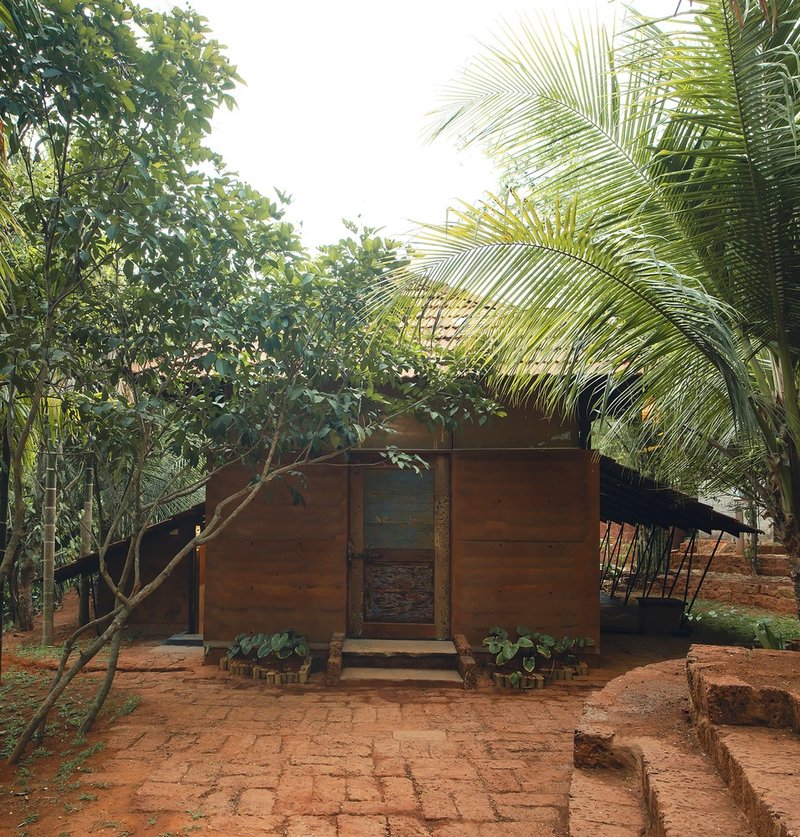
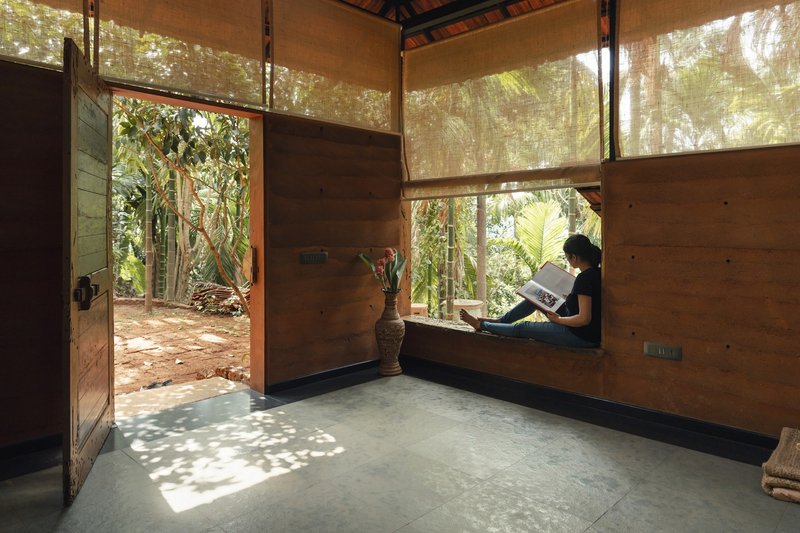
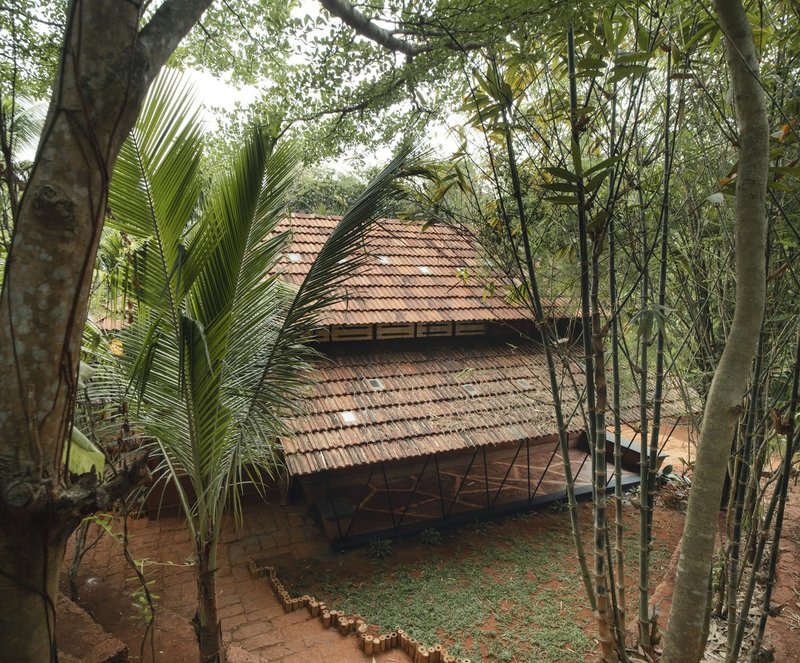
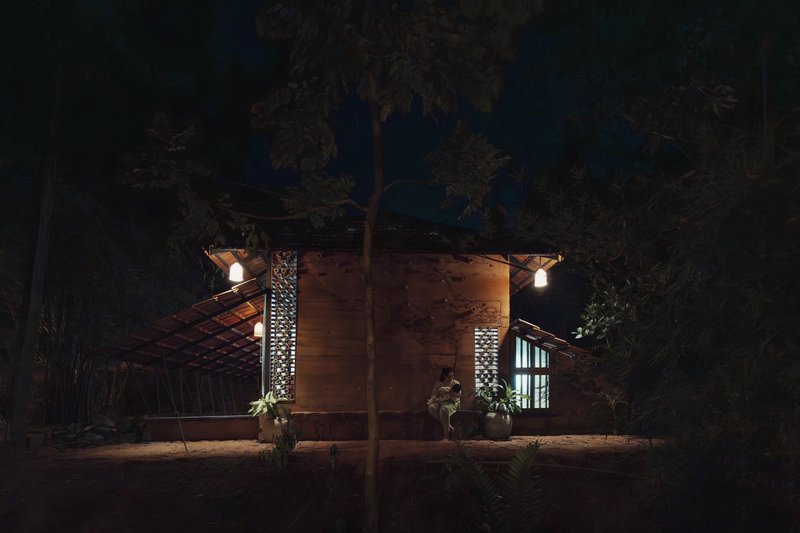
Located near a lush green farm in Aliparambu, India, the Shwasam Multipurpose Hall is designed to blend seamlessly with its natural surroundings. The project encapsulates the essence of 'Shwasam,' which means breath, reflecting the building’s ability to integrate with the environment and maintain a breathable structure.
Architectural Objectives
ShriAbodes aimed to create a structure that not only addresses functional needs but also promotes sustainability. The hall serves multiple purposes, including community gatherings and recreational activities, while demonstrating how traditional materials can be utilized in modern construction.
Key Sustainable Features of Shwasam Multipurpose Hall
Use of Local Materials
Construction Techniques
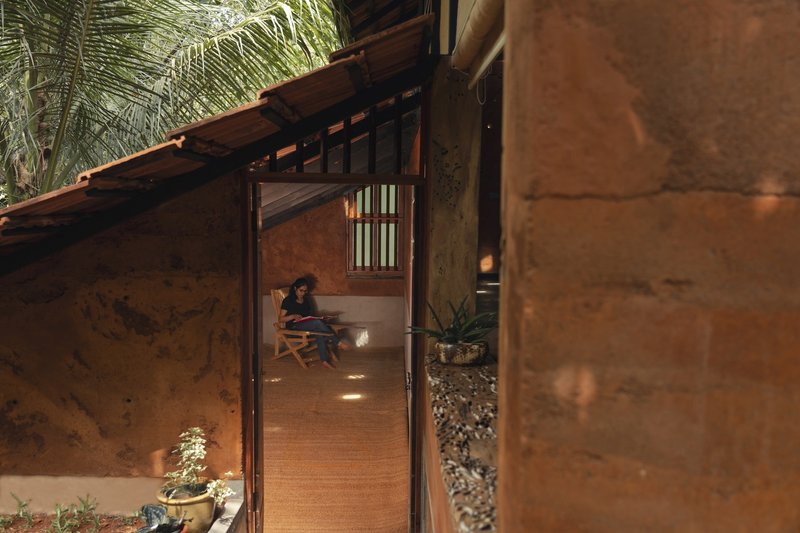
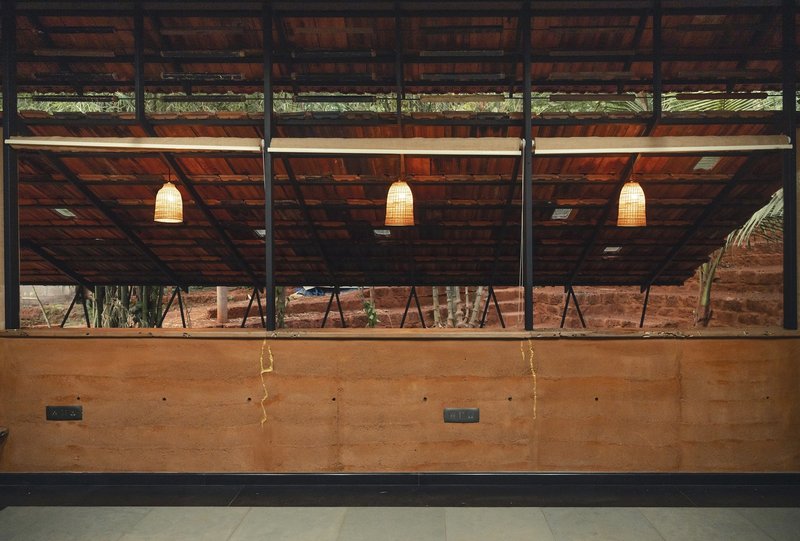
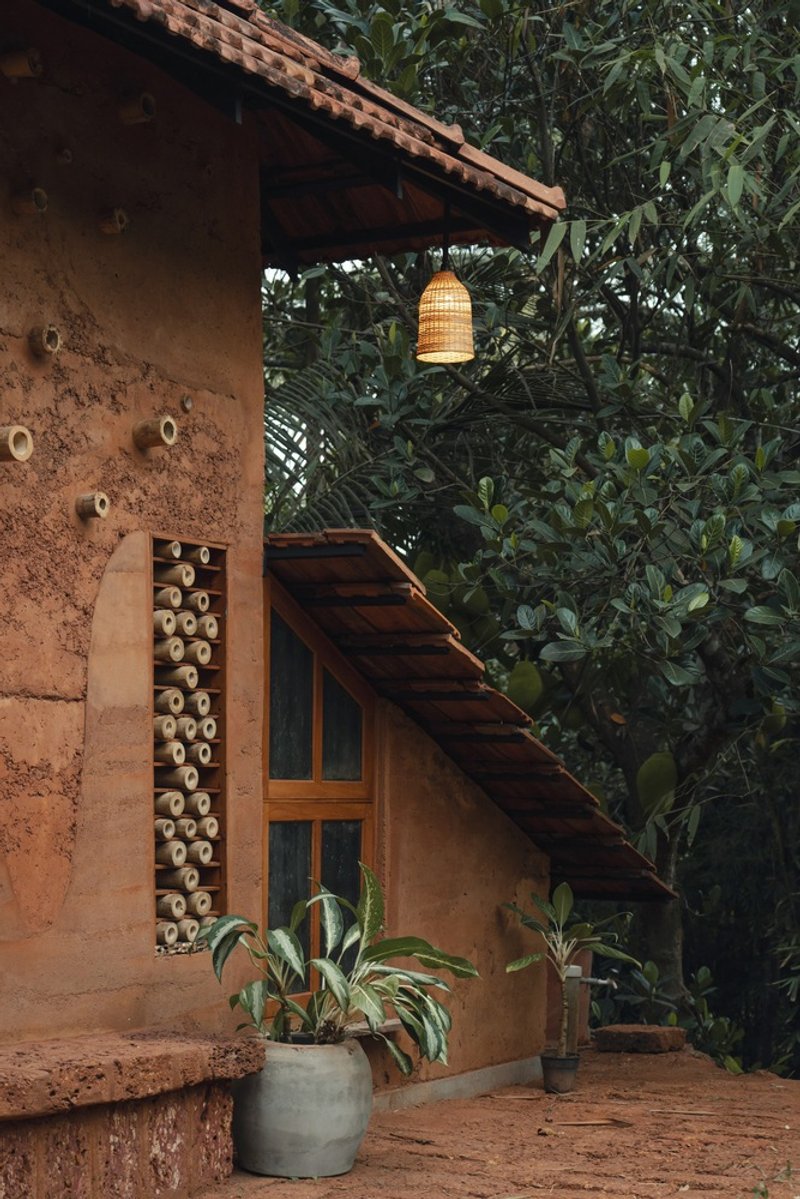
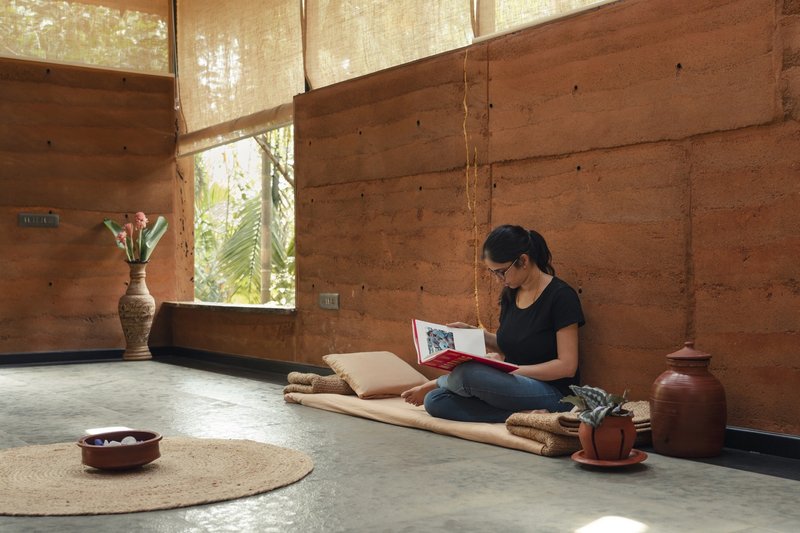
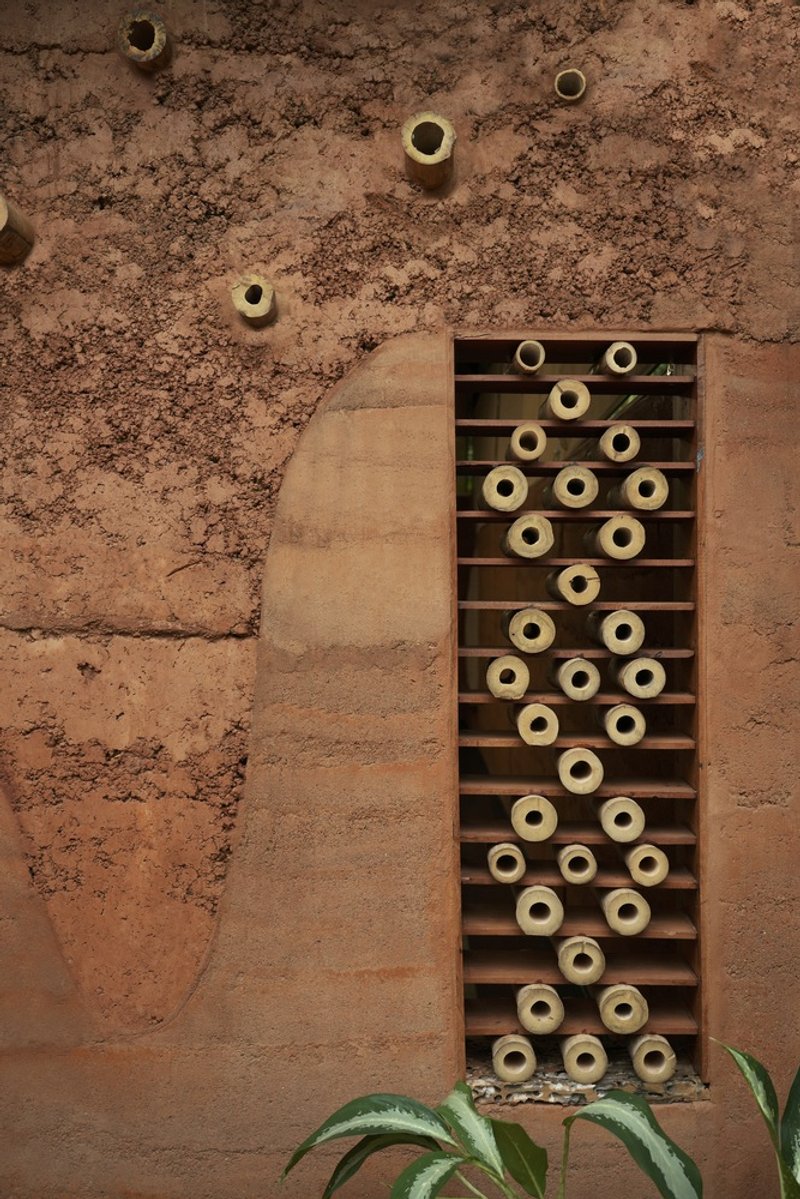
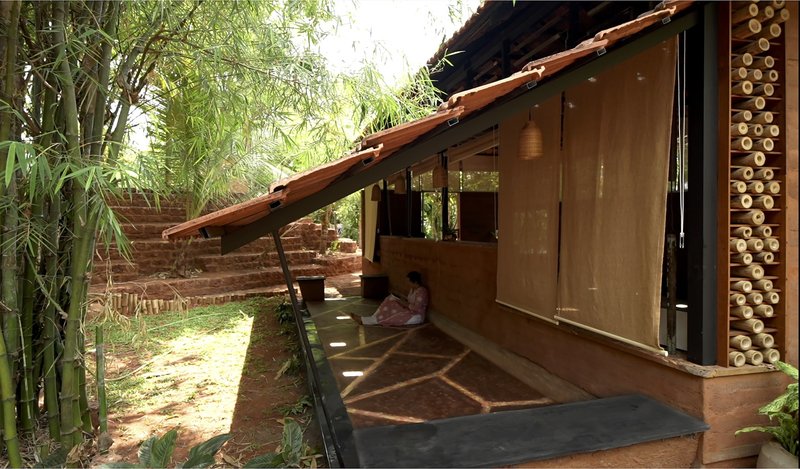
Shwasam Hall showcases the use of local materials such as laterite waste soil, bamboo, and stone. Techniques like rammed earth and dry rubble masonry are employed to enhance the building’s sustainability footprint while maintaining a connection to traditional building practices.
Recycled Elements
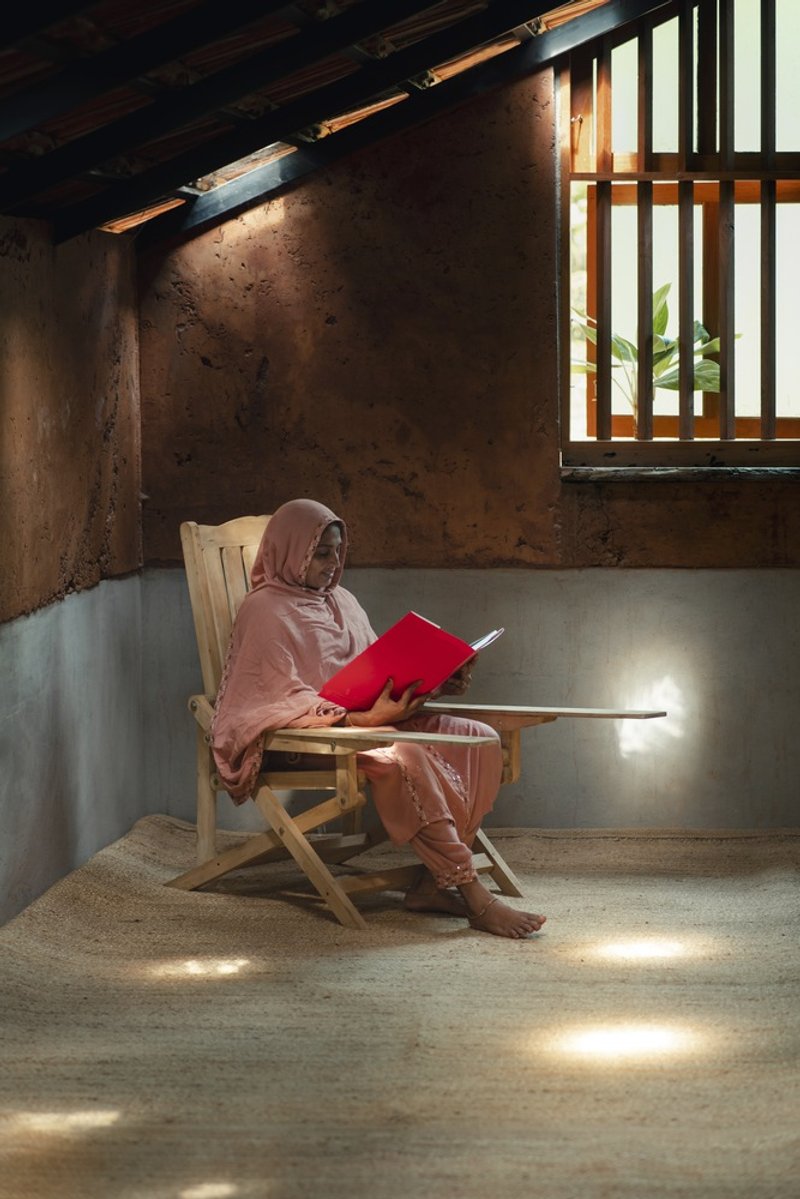
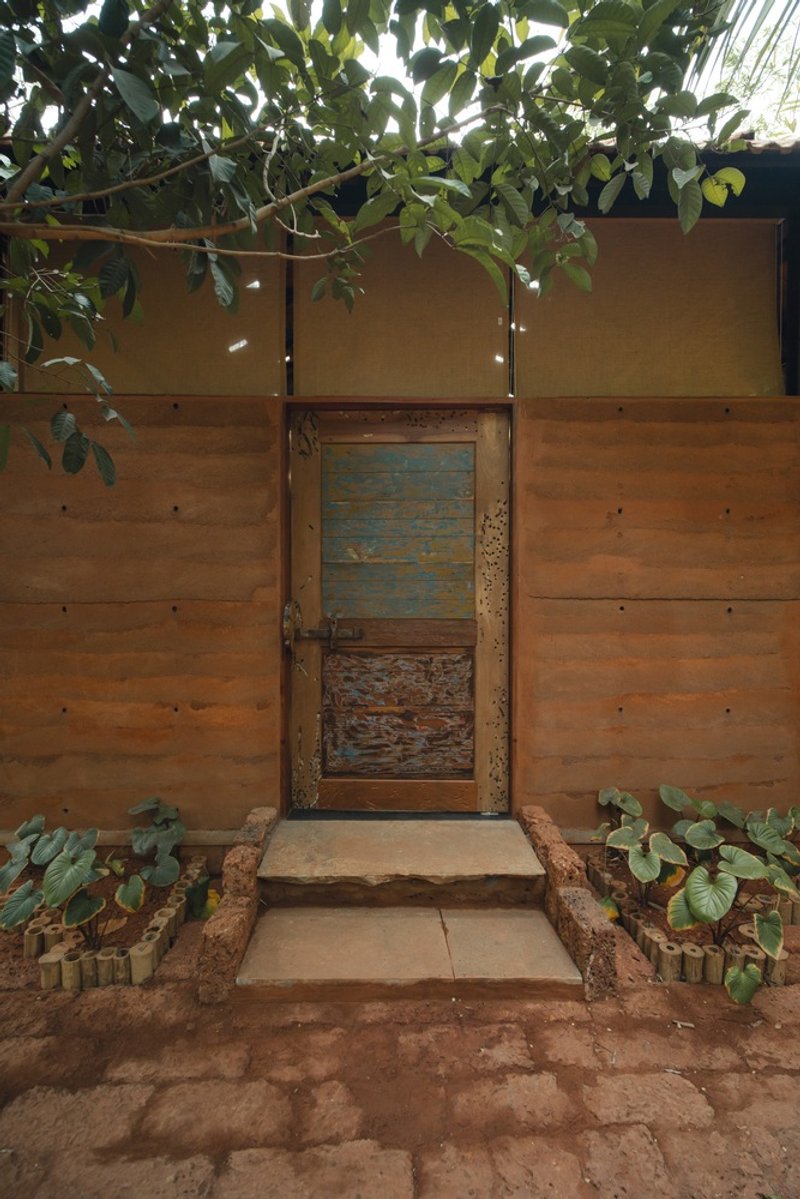
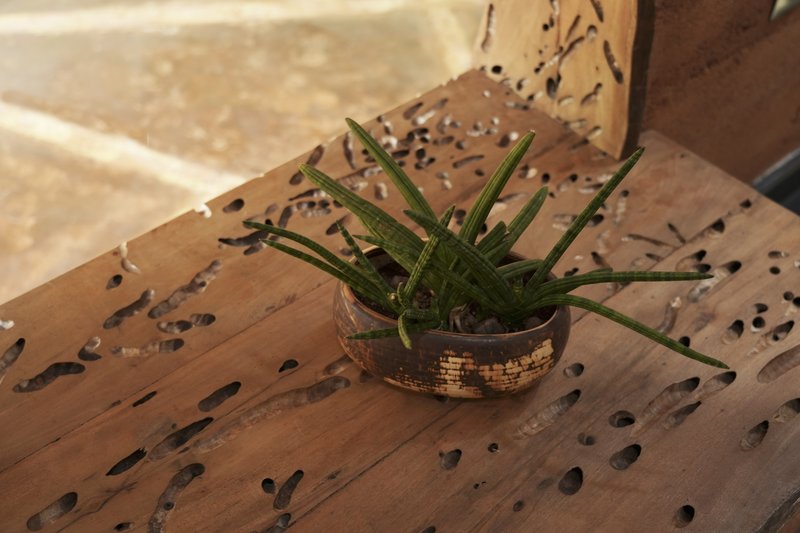
The project emphasizes the 'Reduce, Reuse, Recycle' philosophy, incorporating elements such as repurposed wood, old doors, and Mangalore tiles, which not only reduce waste but also add to the aesthetic and functional value of the building.
Innovative Design Elements
Natural Ventilation and Lighting
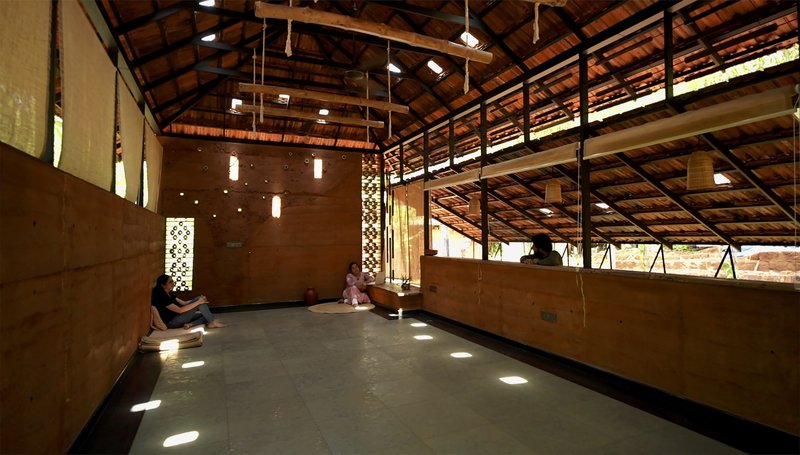
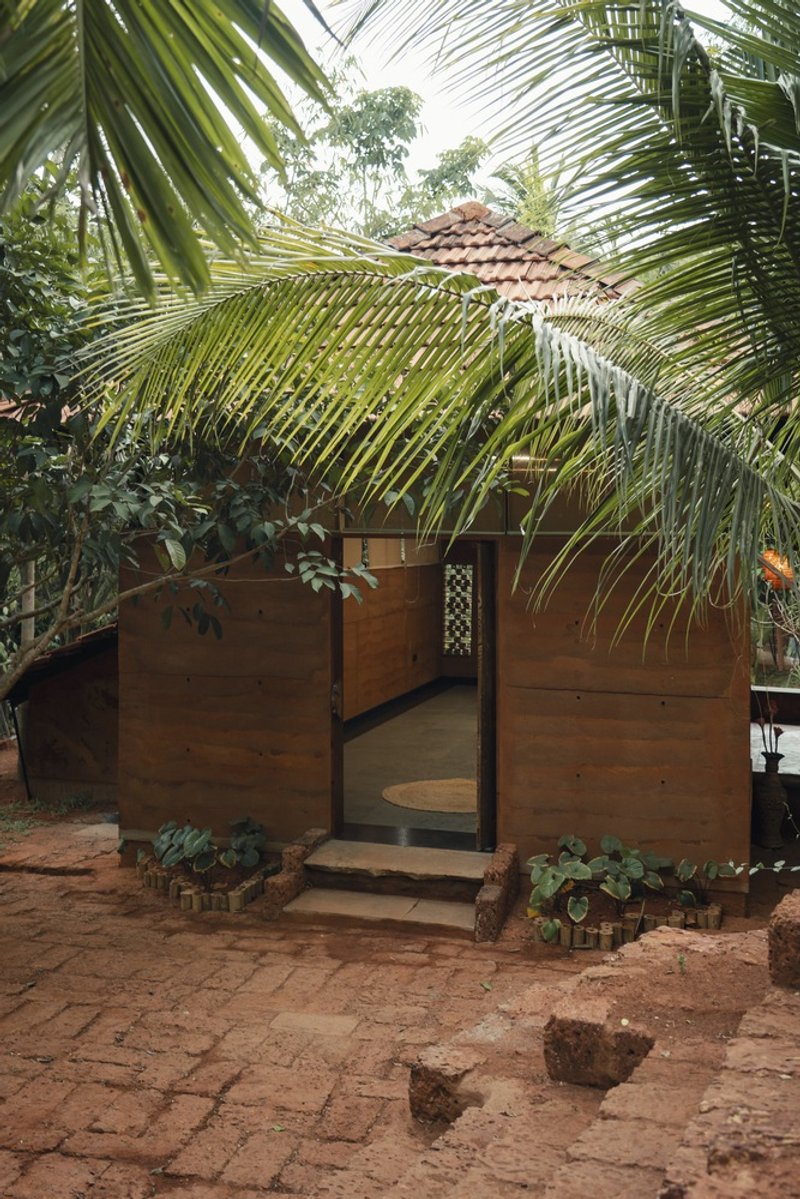
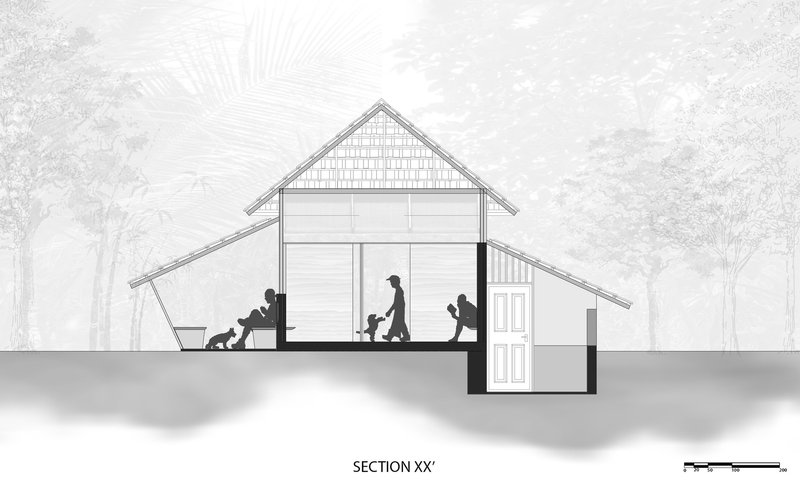
The design includes strategically placed bamboo inserts and clerestory windows, enhancing natural ventilation and lighting. This not only reduces the building's reliance on artificial climate control but also creates a comfortable indoor environment.
Temperature Control
The building’s orientation and material selection are optimized to maintain a temperature that is several degrees cooler than the outside, proving the effectiveness of its passive cooling strategies.
Integrating Sustainability with Functionality
Spatial Layout
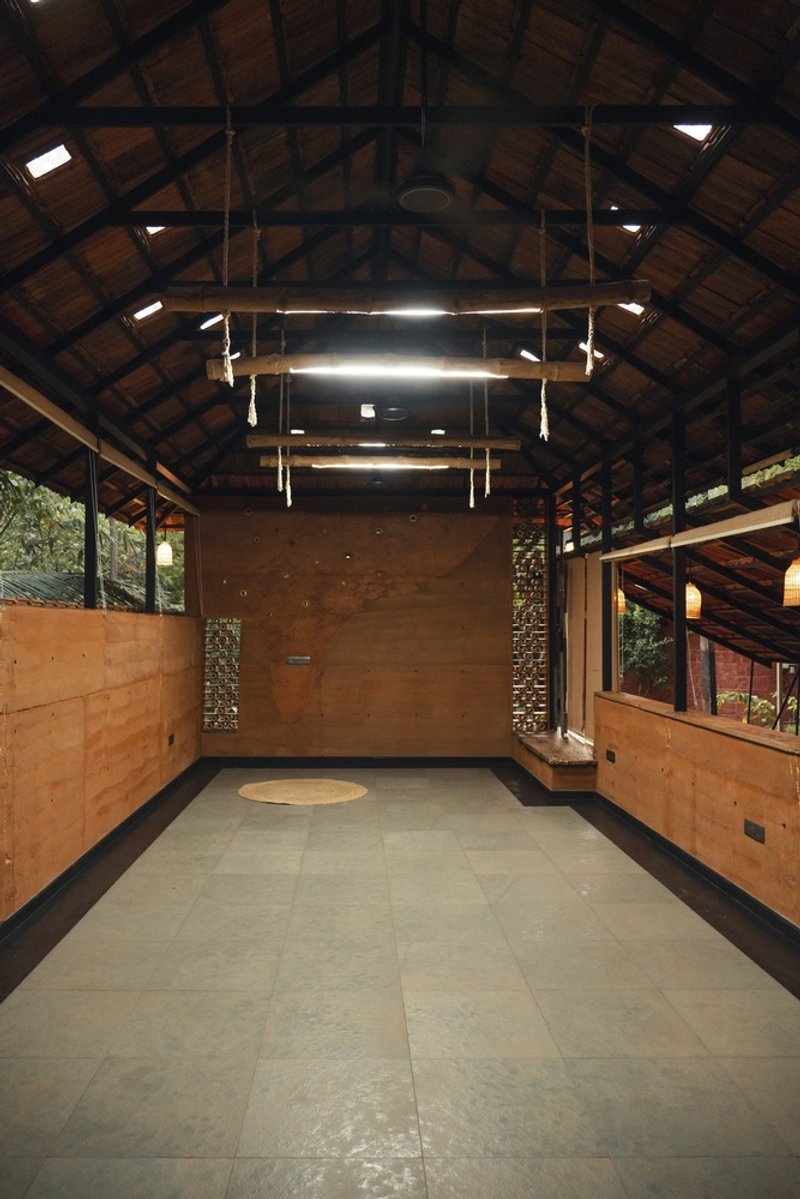
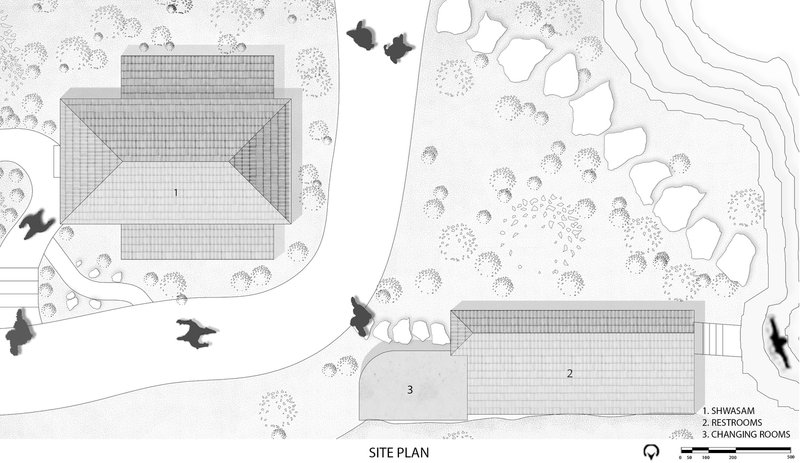
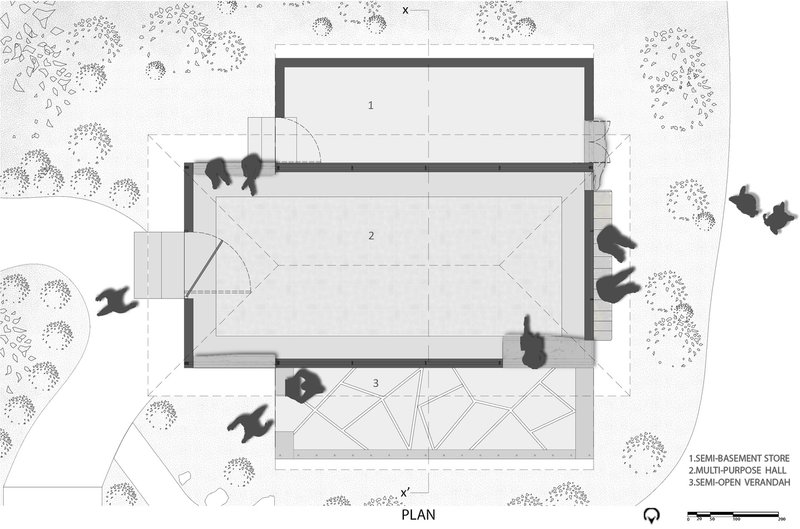
The hall’s open-plan design and segmented spaces allow for flexibility in use, from day-to-day community activities to special events. The integration of indoor and outdoor elements makes the hall an integral part of the community’s social fabric.
Aesthetic and Material Harmony
The choice of materials such as Kota stone for flooring and terrazzo work reflects a blend of durability and local artisanship, contributing to the hall's visual and functional harmony.
Impact of Sustainable Architecture
Shwasam Multipurpose Hall by ShriAbodes is a prime example of how sustainable architecture can be effectively implemented in India to create spaces that are environmentally friendly, culturally relevant, and deeply functional. It stands as a model for future projects, advocating for sustainability without compromising on design quality or cultural integrity.
All photographs are work of Jino Sam




Popular Articles
Popular articles from the community

Fausto Terán and Toro Fuse Japanese Craft with Mexican Tradition in a Lakeside Retreat
Nakamura House pairs Shou-Sugi-Ban charred pine with handmade clay tile at the foot of Atlangatepec Lagoon in Mexico.
YOAP Architects Round a Corner in Yeongcheon with a Cylindrical Community Hub
A 197-square-meter brick and ribbed-clad tower turns a forgotten alley corner in South Korea into a public garden with a low threshold.
3dor Concepts Wraps a Kerala Home in Mirrored Concrete Arcs Around a Courtyard Tree
In the Western Ghats foothills of Thamarassery, a 270 m² single-story house uses two curved volumes to frame nature as its center.
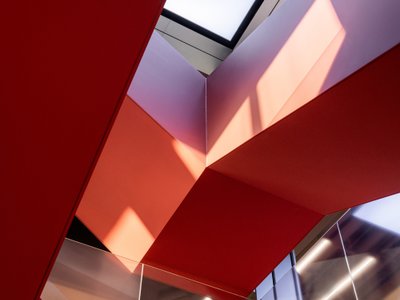
Ippolito Fleitz Group Identity Architects Turn Eight Floors in Shanghai into a Vertical Creative City
Publicis Groupe's new headquarters in Xintiandi reimagines the office as a courtyard-driven urban landscape stacked across eight floors.


Similar Reads
You might also enjoy these articles

CSADI Carves a Jade Blade into the Qinling Mountains for China's First Ecology Museum
A 43,788 square meter terraced museum in Shangluo draws its form from a Xia Dynasty artifact and steps down toward the valley below.
Ippolito Fleitz Group Identity Architects Turn Eight Floors in Shanghai into a Vertical Creative City
Publicis Groupe's new headquarters in Xintiandi reimagines the office as a courtyard-driven urban landscape stacked across eight floors.
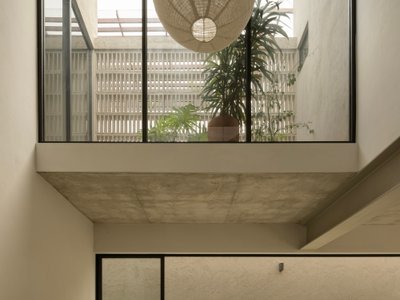
Díaz Webster Arquitectura Carves Light and Air into a Compact Zapopan House
A 237-square-meter residence in western Zapopan uses courtyards and double-height voids to dissolve the boundary between interior and garden.
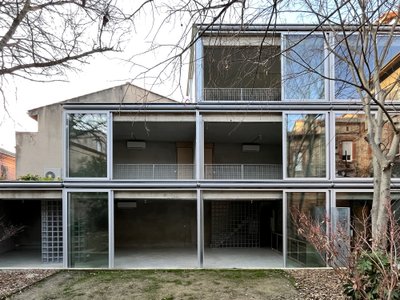
BAST Slots a Four-Story Glass House into a Narrow Gap Between Toulouse Townhouses
In the dense Bonnefoy district, a stepped infill building merges home and office while preserving a majestic hackberry tree.
Explore Architecture Competitions
Discover active competitions in this discipline




The International Standard for Design Portfolios


The Global Benchmark for Architecture Dissertation Awards


The Global Benchmark for Graduation Excellence


Challenge to reimagine the Iron Throne
Comments (0)
Please login or sign up to add comments
No comments yet. Be the first to comment!