
Sustainable Architecture in South Korea: A Close Look at Raw House by Todot Architects and Partners
Explore Raw House by Todot Architects, a prime example of sustainable architecture in South Korea, emphasizing harmony with nature.

In the realm of modern architecture, sustainability is a key driver in design and construction. Todot Architects and Partners have embodied this principle beautifully in their latest project, Raw House, located in Yangpyeong-gun, South Korea. This article explores how Raw House exemplifies sustainable architecture in South Korea.
Site and Inspiration
The Natural Setting
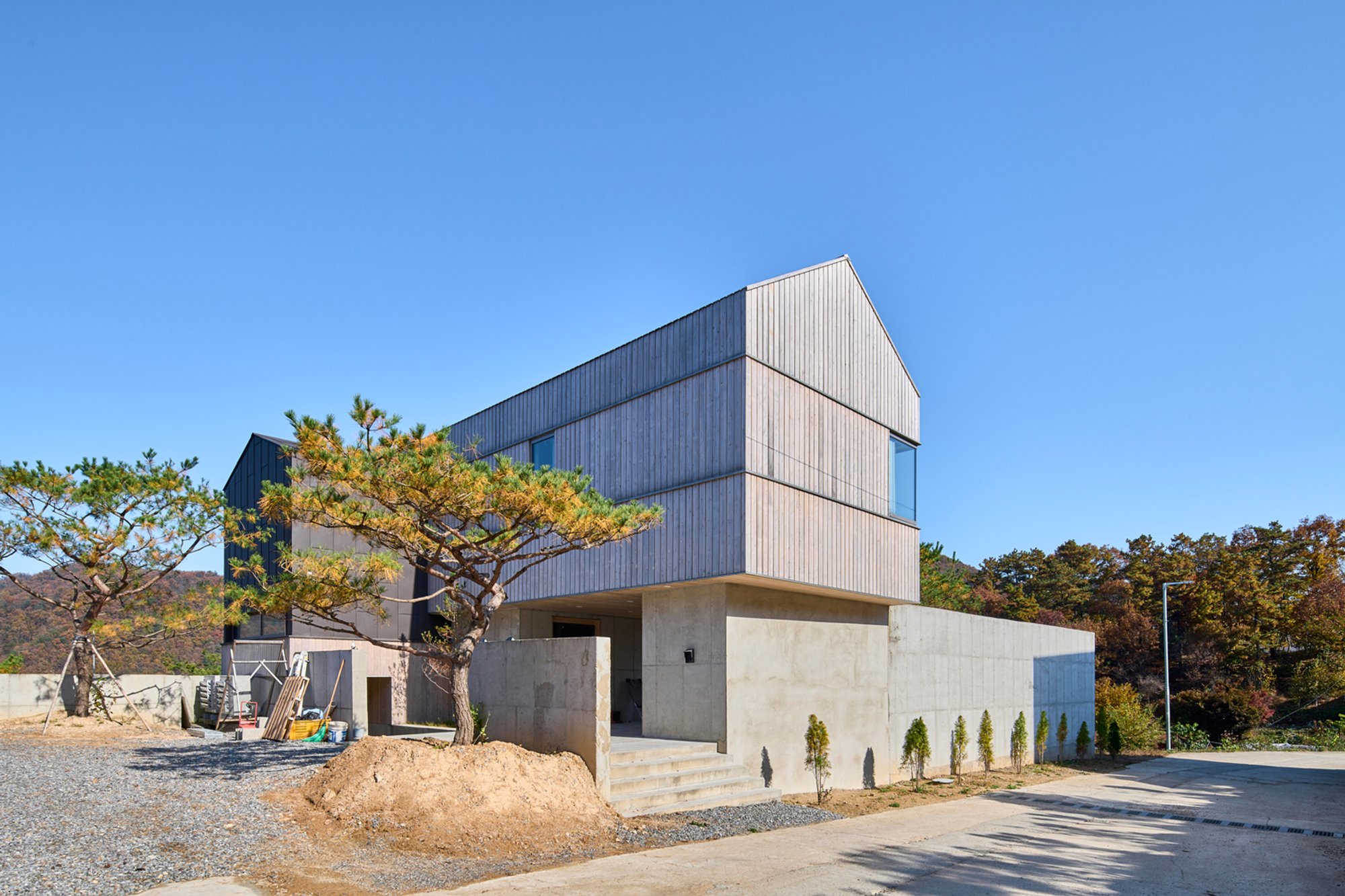
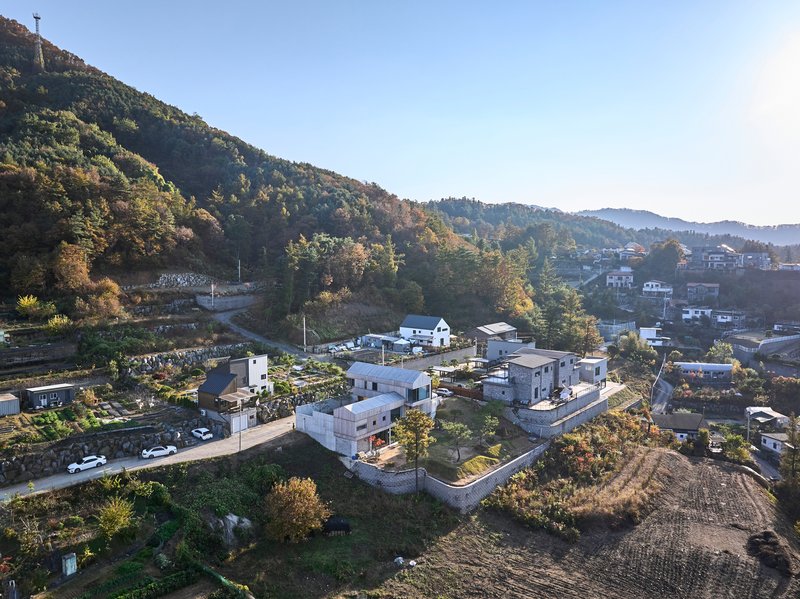
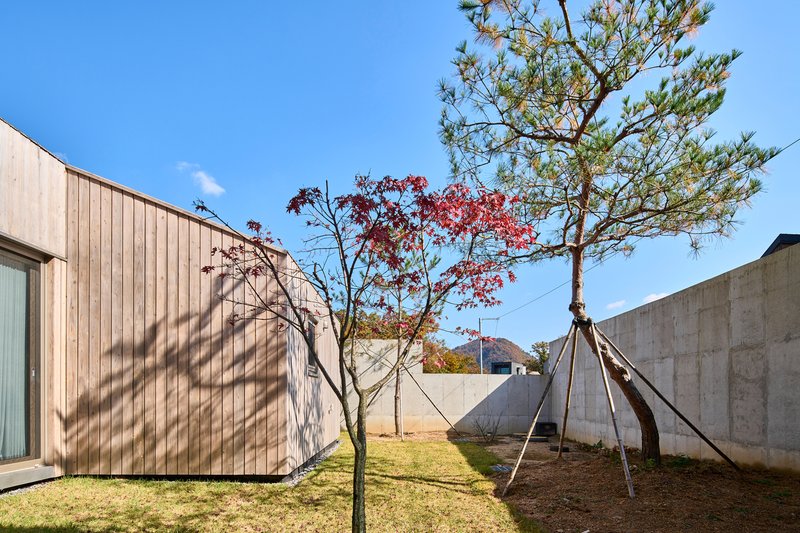
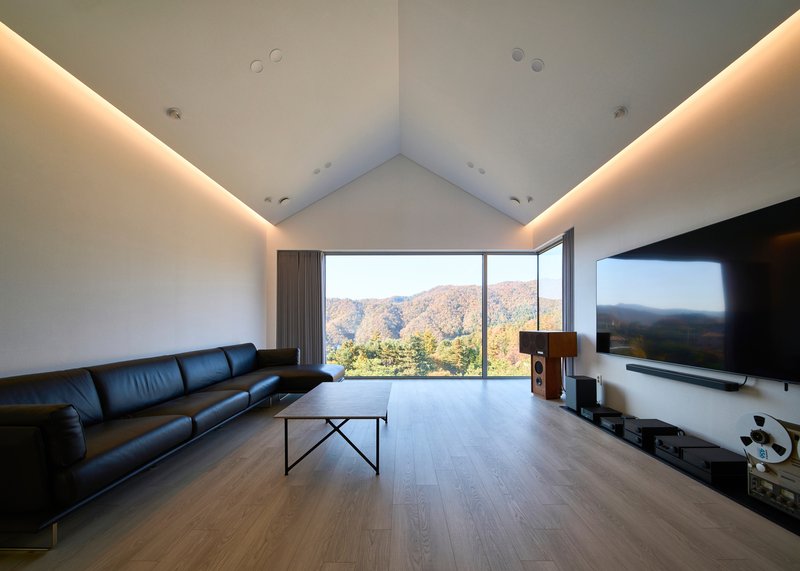
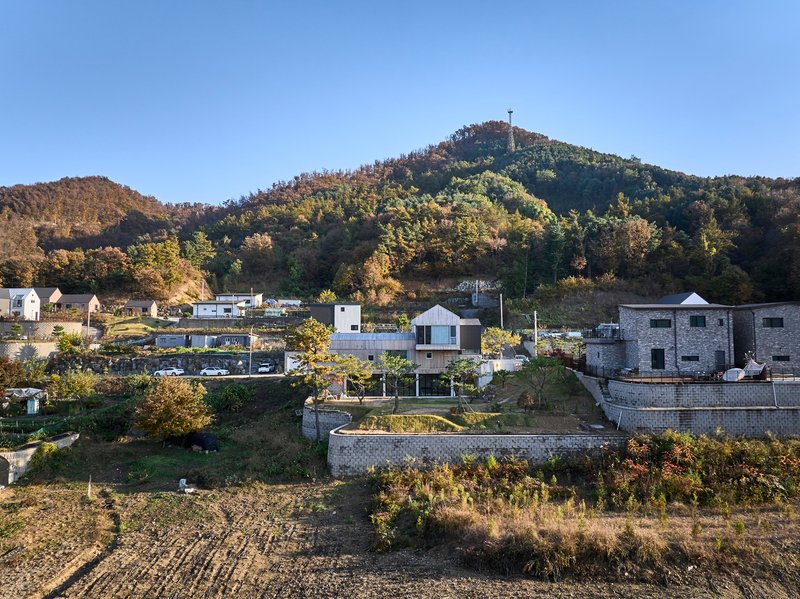
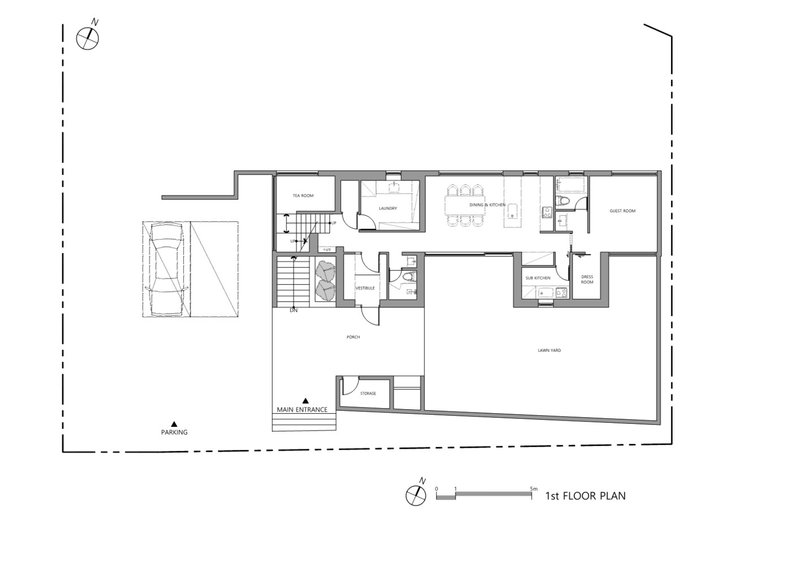
Raw House is strategically situated on a mountainside, offering panoramic views of the nearby ridge and vibrant natural landscapes. The initial design process focused on integrating the building with its surroundings, ensuring minimal environmental impact. This approach reflects a broader commitment to sustainability that is becoming more prevalent in South Korean architecture.
Design Philosophy
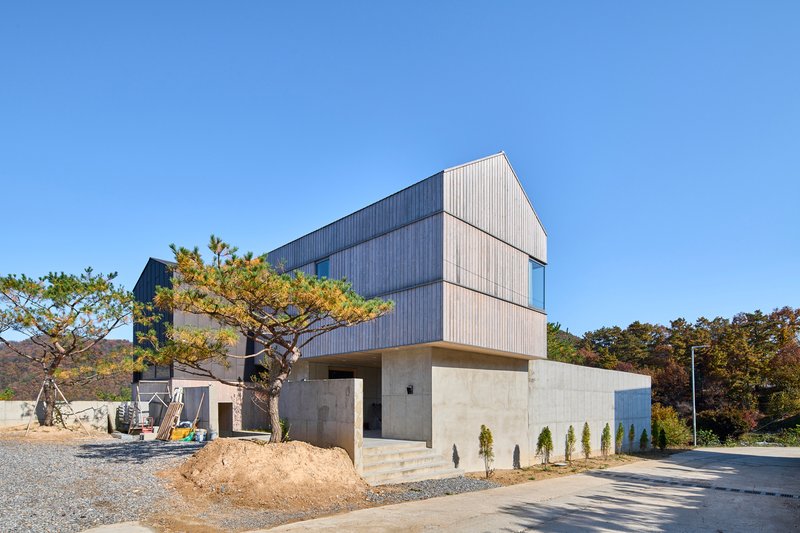
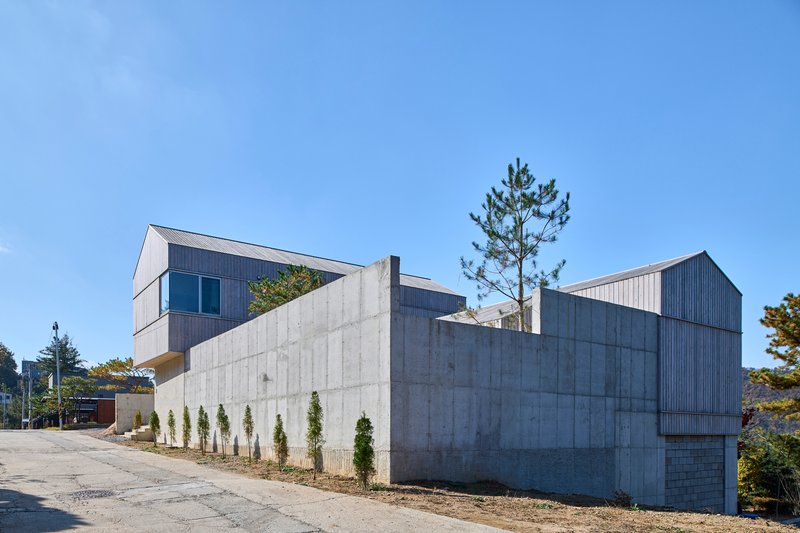
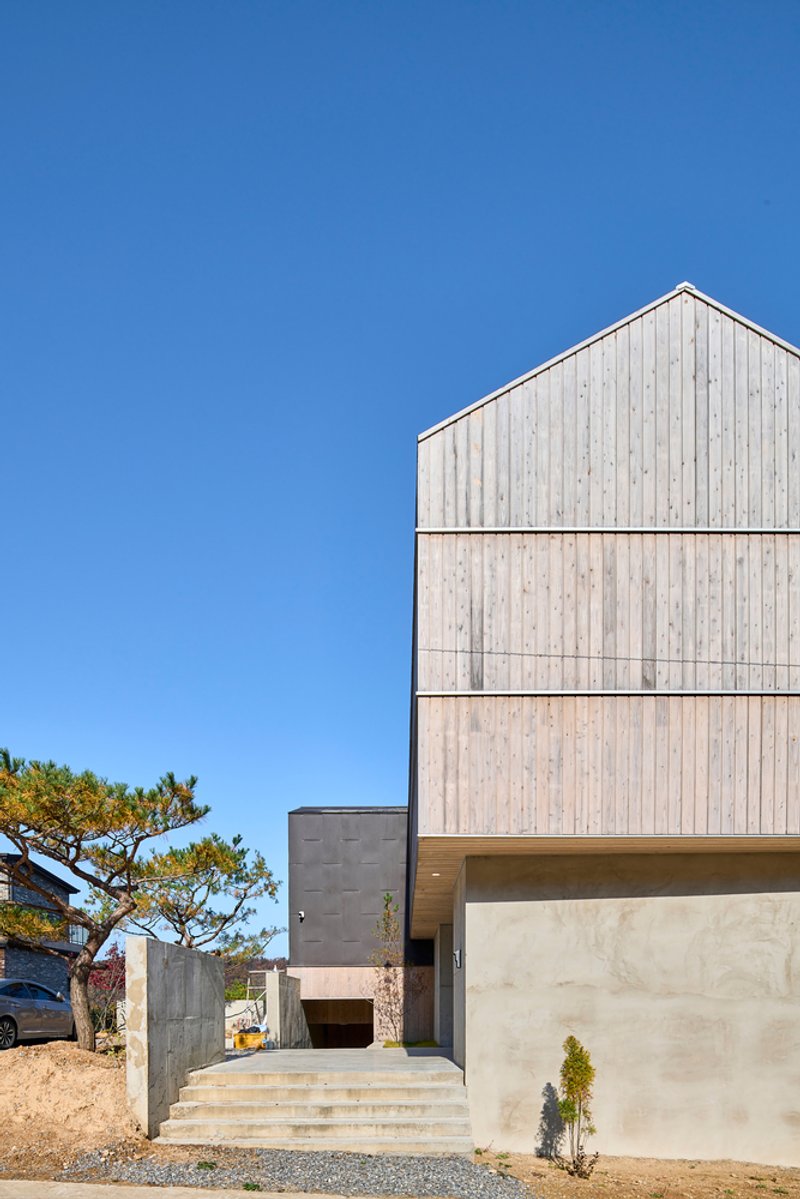
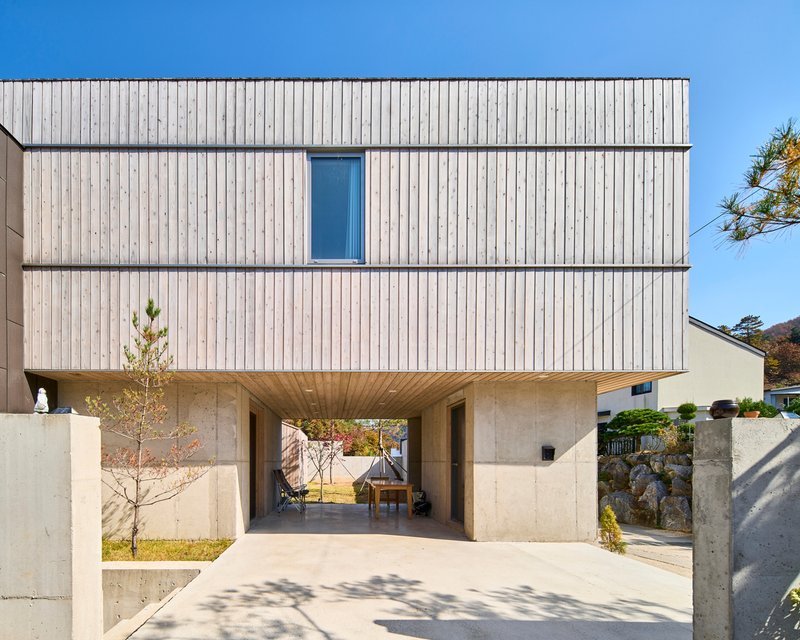
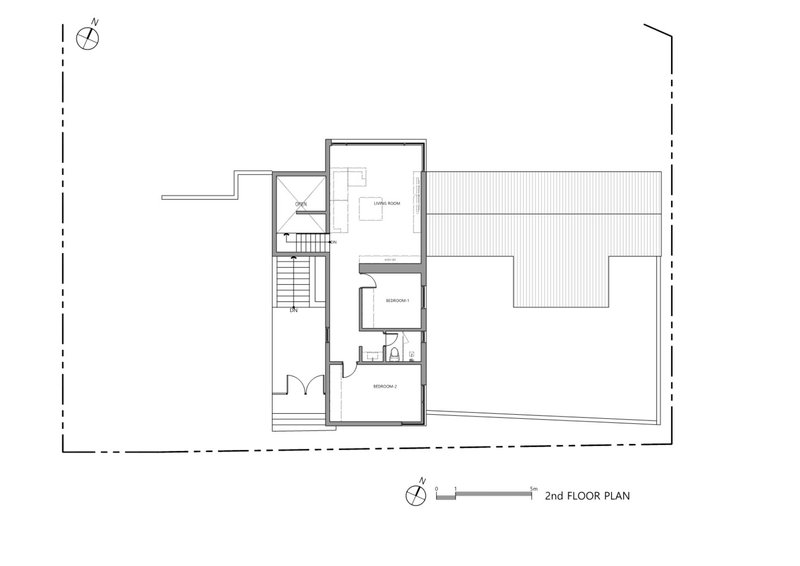
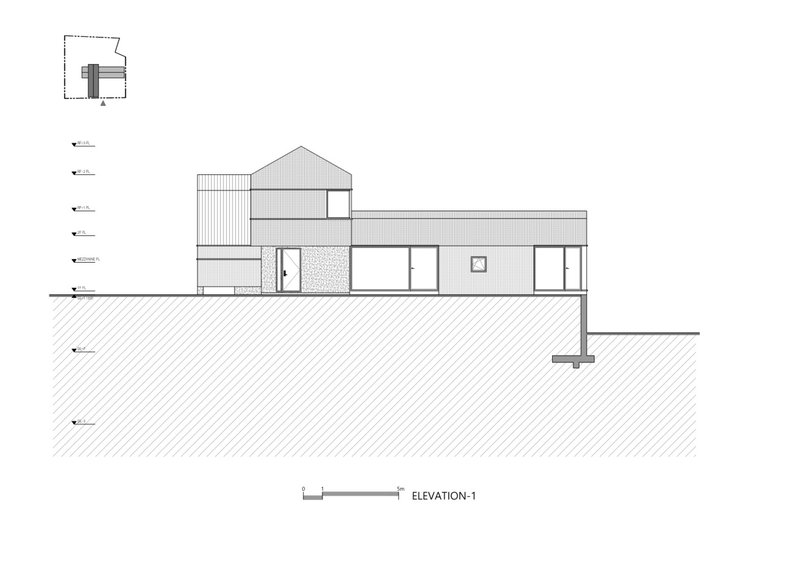
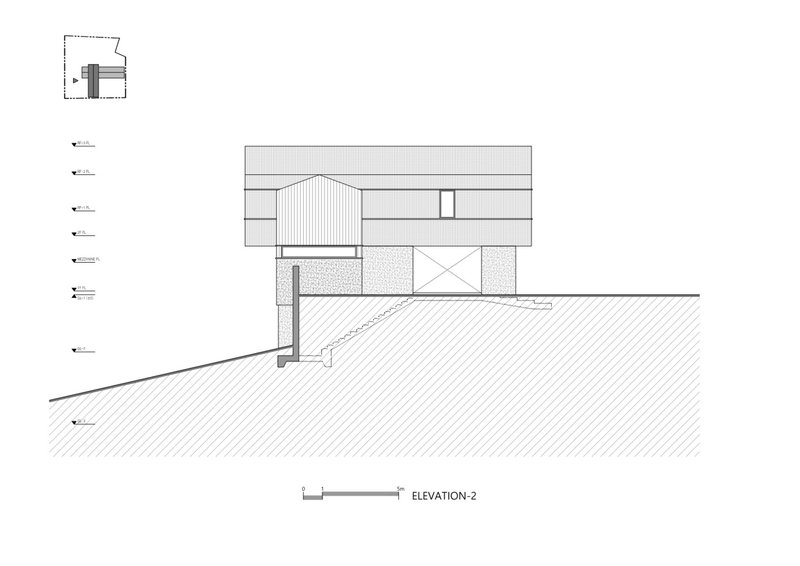
The architects approached the site with a deep respect for nature, aiming to "accept nature as it is." This philosophy guided every decision, from the layout of the living spaces to the choice of materials. The house's integration with the terrain, especially its use of sloping yards and pilotis (supporting stilts), highlights the adaptive strategies that define sustainable architecture in South Korea.
Architectural Features
Utilizing Natural Light and Views
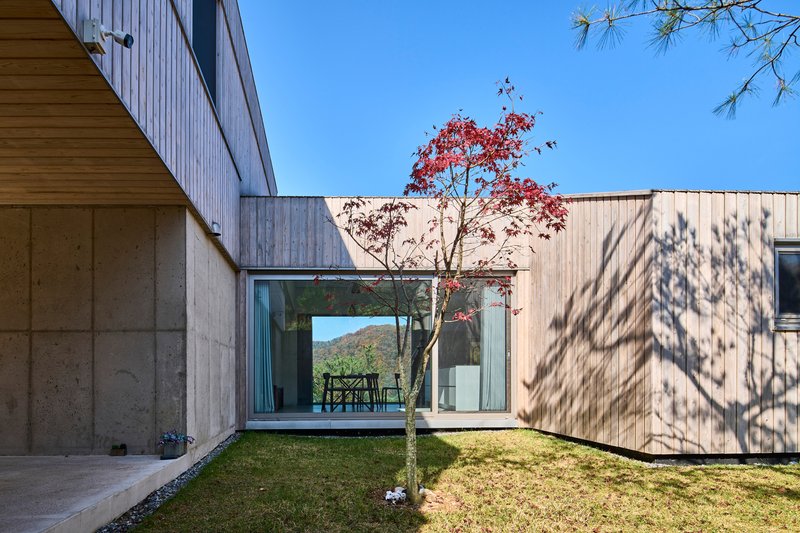
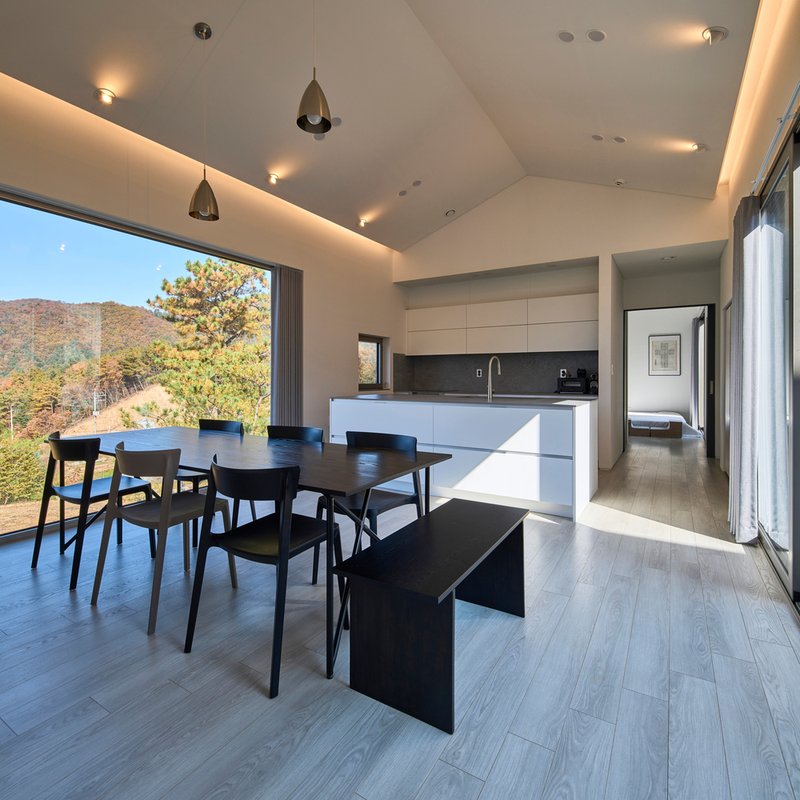
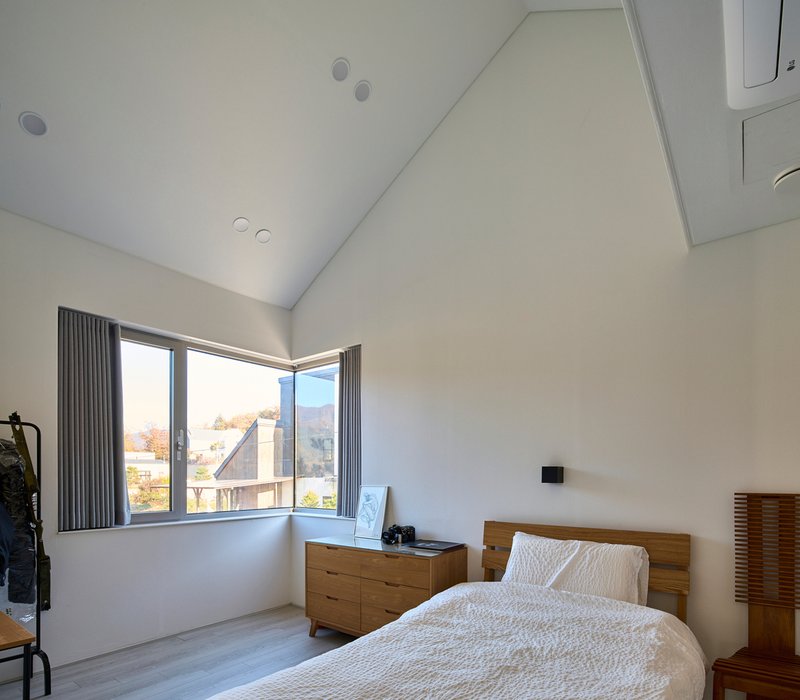
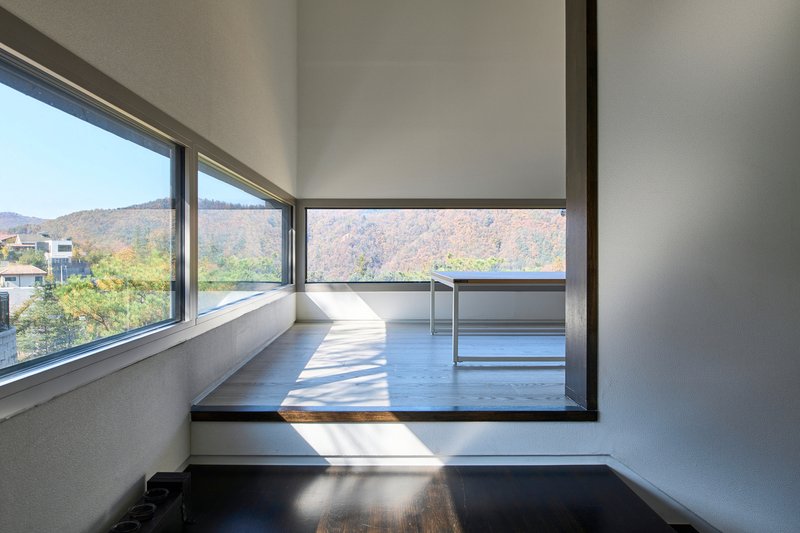
Raw House is designed to maximize the intake of natural light. The varying heights of the site allow for a dynamic interaction between indoor spaces and the natural world outside. Every room offers a distinct view, engaging the occupants with the landscape in a way that changes throughout the day and with the seasons.
Materials and Structure
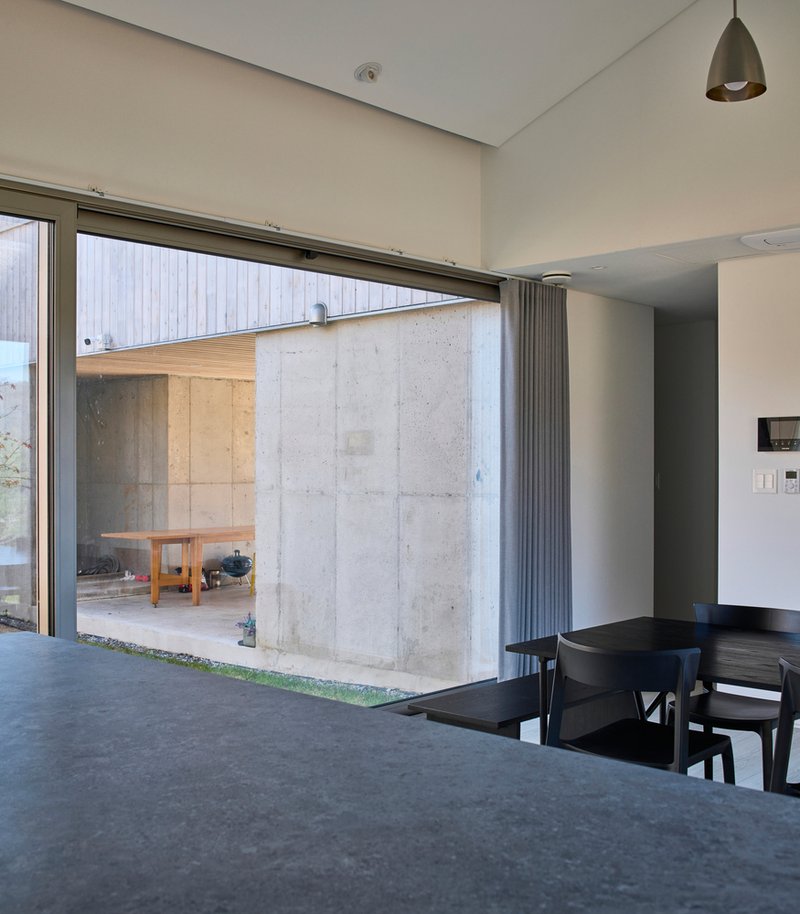
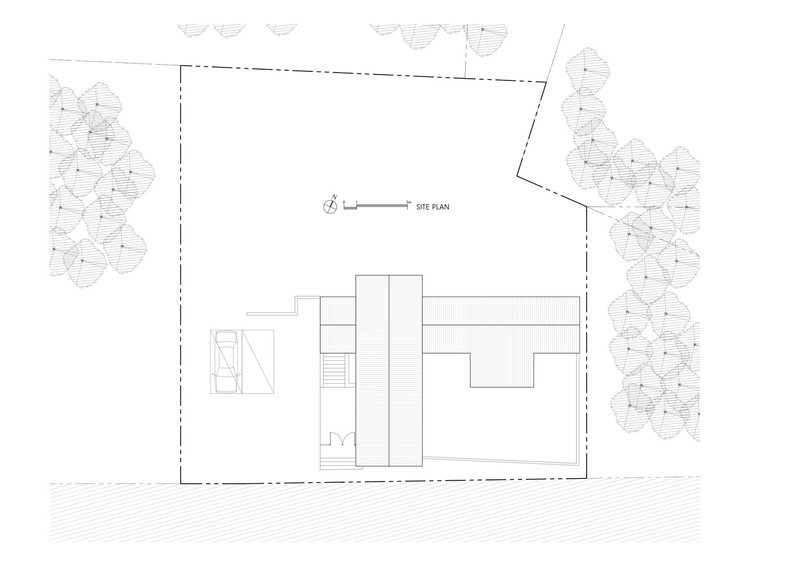
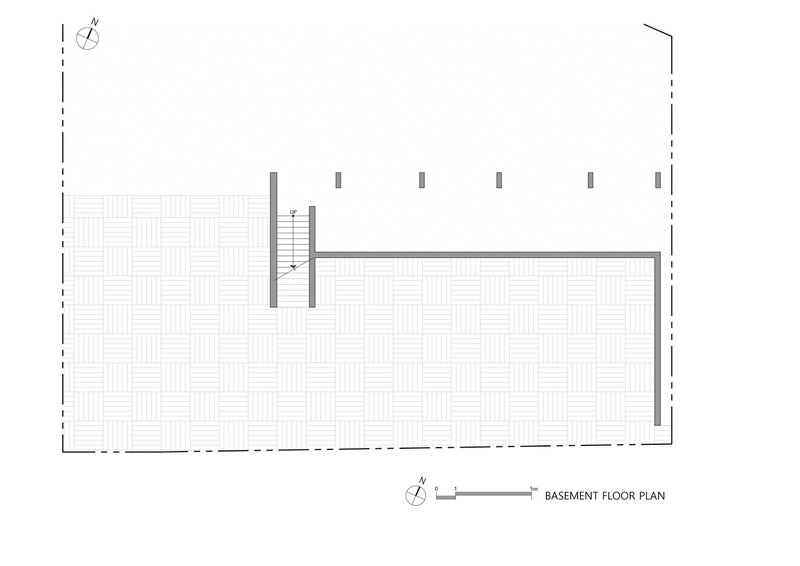
The use of raw, natural materials is a hallmark of the project. Concrete and wood dominate, providing both durability and a tactile sense of the natural world. These materials were selected for their low environmental impact and their ability to age gracefully, thereby reducing the need for replacement or extensive maintenance.
Sustainable Practices
Energy Efficiency
The house is designed to be energy-efficient, with thermal insulation that minimizes heating and cooling needs. Large windows facilitate cross-ventilation, reducing the reliance on artificial climate control. This not only aligns with sustainable practices but also enhances the comfort of those living in the house.
Water Conservation
Water conservation measures are integrated throughout the property, including rainwater harvesting systems that reduce dependence on municipal water supplies. This is particularly important in the context of South Korea's variable climate.
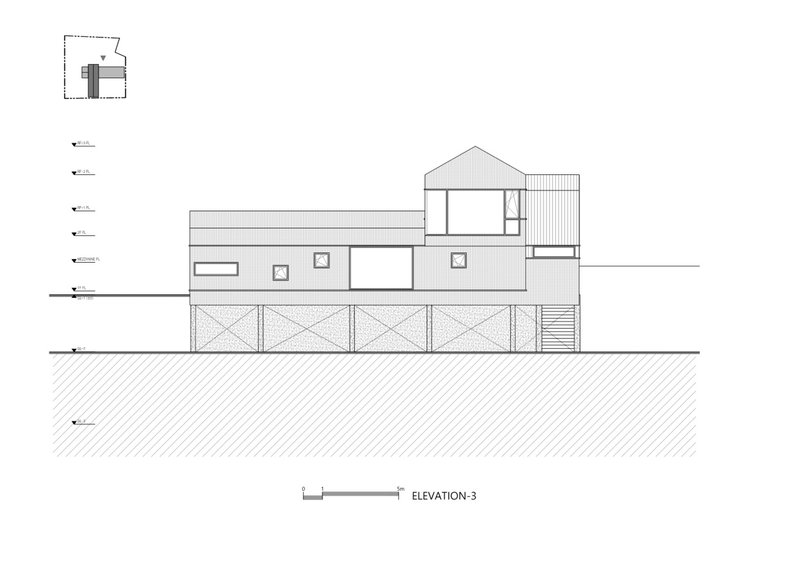
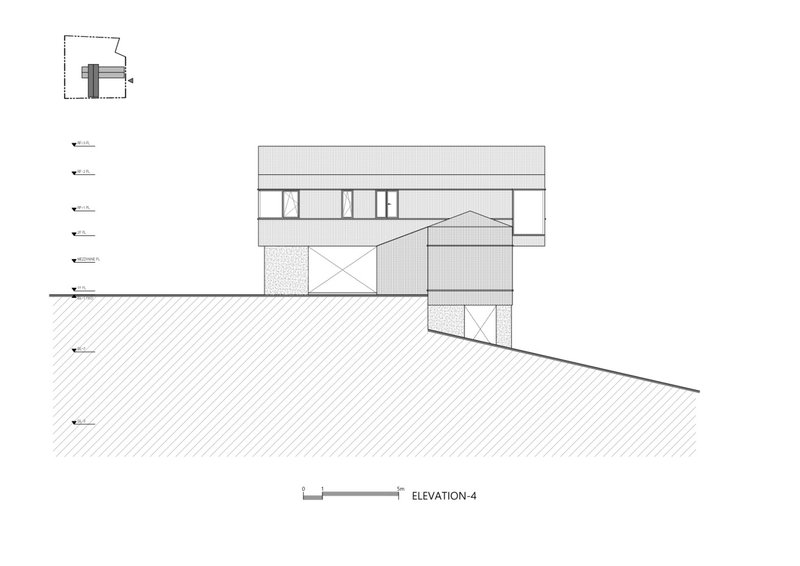
Raw House by Todot Architects and Partners is a prime example of sustainable architecture in South Korea. Through thoughtful design and innovative use of materials, the project demonstrates how modern homes can harmonize with their environment while providing comfortable, sustainable living spaces.
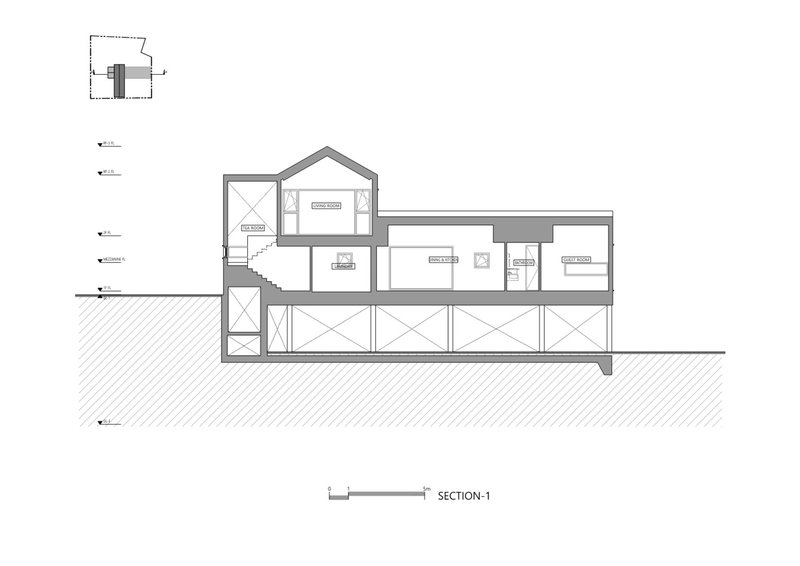
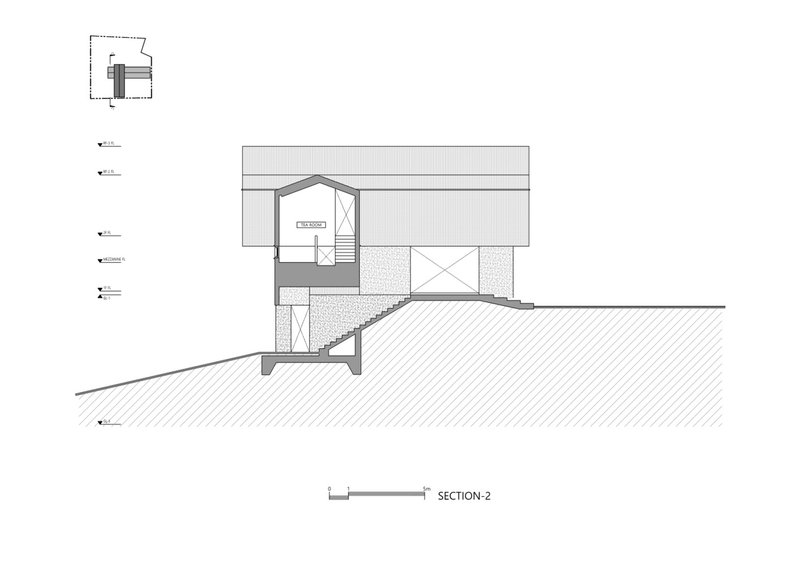
All photographs are work of Jinbo Choi




Popular Articles
Popular articles from the community

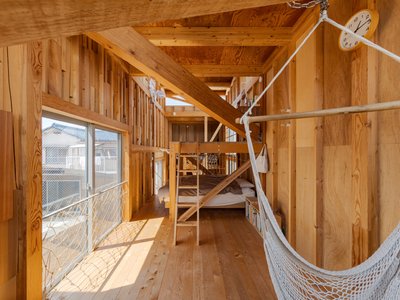
1-1 Architects Builds a Nagoya House and Office from Decades of Stockpiled Timber
A 69-square-meter tower in dense residential Nagoya transforms surplus lumber into a home and workplace for a construction company.

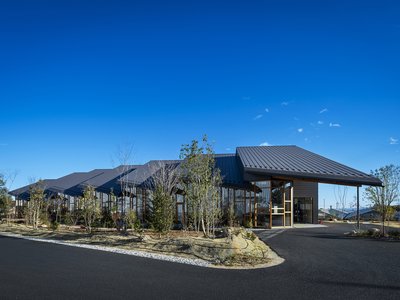
20 Most Popular Office Building Projects of 2025
From biophilic workspaces in India to net-positive energy offices in New Delhi, 20 office building projects that defined architecture in 2025.

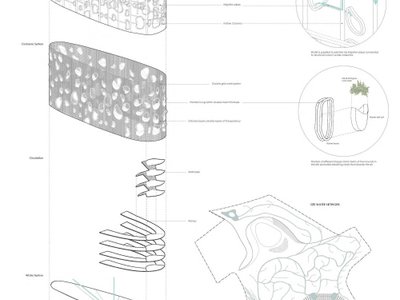
Biophilic Architecture and Regenerative Stadium Design: Biophilia Lagos by Rachel George
A regenerative stadium in Lagos transforms landfill into a living ecosystem through biophilic architecture, waste reuse, and environmental healing.
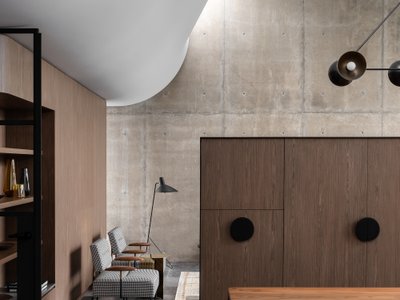
Studio Gram Unfurls a Concrete Curve Through an Adelaide Queen Anne Villa
In Rose Park, a billowing concrete threshold stitches a century-old house to a sun-chasing pavilion organized around an existing pool.

Similar Reads
You might also enjoy these articles
Olio Towers: A Mid-Rise for Performers That Fuses Housing, Rehearsal, and Stage
Located blocks from Houston's Theater District, this modular tower stacks living units around a central performance atrium.

Oasis: Modular Green Housing Carved into Dhaka's Urban Fabric
A shortlisted Plugin Housing entry reclaims unauthorized settlements in Dhaka with stepped concrete volumes, green roofs, and ventilation-driven design.

Black Hole: A Floating Megastructure for the Post-Physical Era
Emiliano Mazzarotto envisions a spherical, self-scaling arena where e-sports, digital hotels, and holographic stadiums replace traditional public space.
Compact & Sustainable Living in Piraeus: A Four-Level Family Home Built Around Light and Air
A narrow townhouse in one of Greece's densest port cities uses a central atrium and passive strategies to house three generations under one roof.


Explore Architecture Competitions
Discover active competitions in this discipline




The International Standard for Design Portfolios


The Global Benchmark for Architecture Dissertation Awards


The Global Benchmark for Graduation Excellence


Challenge to reimagine the Iron Throne
Comments (0)
Please login or sign up to add comments
No comments yet. Be the first to comment!