

Sustainable Cabin Design in Brazil: Unveiling the Altar Ninho Cabin by Natureza Urbana
This article details the Altar Ninho Cabin in Brazil, highlighting its sustainable design and seamless integration with nature by Natureza Urbana.


Nestled in the lush landscapes of Joanópolis, Brazil, the Altar Ninho Cabin represents a paradigm of sustainable cabin design, developed by the architectural firm Natureza Urbana. This project stands as a testament to innovative architecture that harmoniously blends with its natural surroundings.


Concept and Collaboration
The Vision Behind Altar Ninho
The Altar Ninho Cabin was conceived through a collaborative effort between Altar and Natureza Urbana, aimed at creating a unique lodging experience that respects and integrates with the natural environment. This cabin is part of a broader initiative to develop decentralized hotels that emphasize glamping and sustainability.
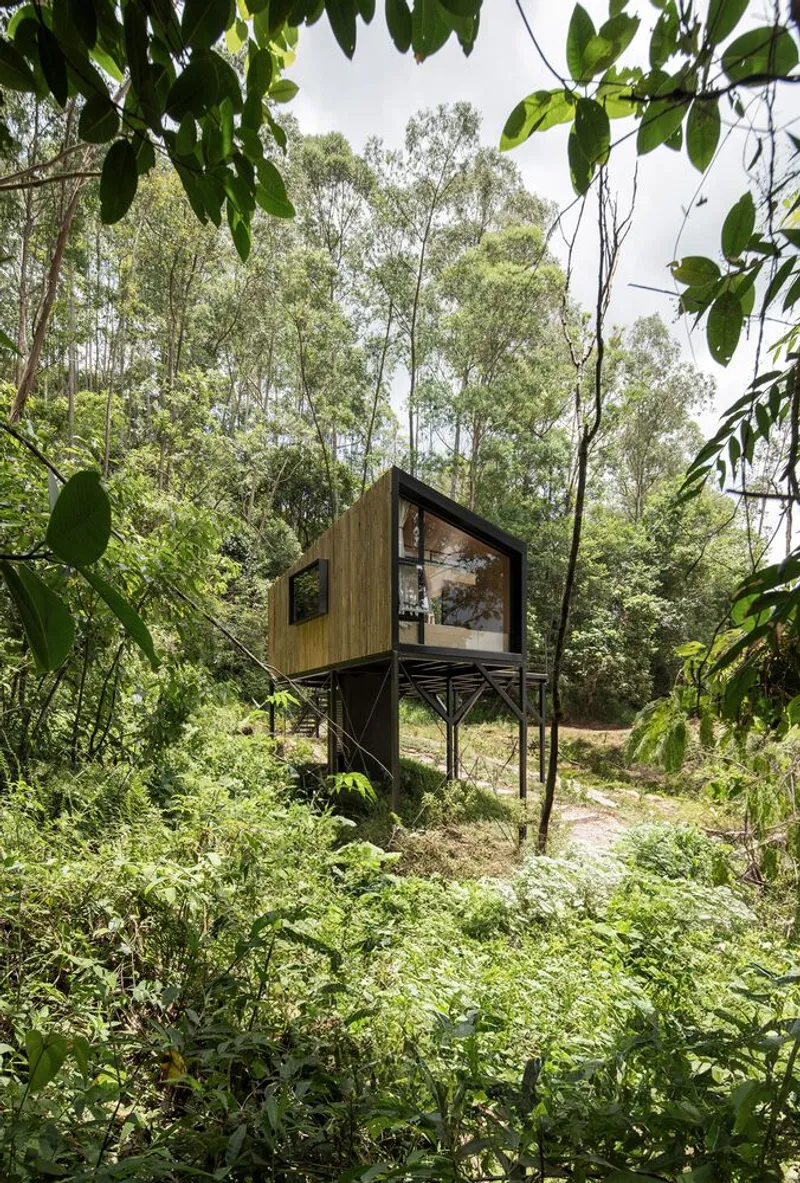

Partnerships and Material Innovations
This cabin's development included a partnership with Tok&Stok in 2022, introducing a line of furniture and decorative items that complement the sustainable ethos of the Altar Ninho Cabin. The materials and construction methods were carefully chosen to reflect the commitment to ecological building practices.


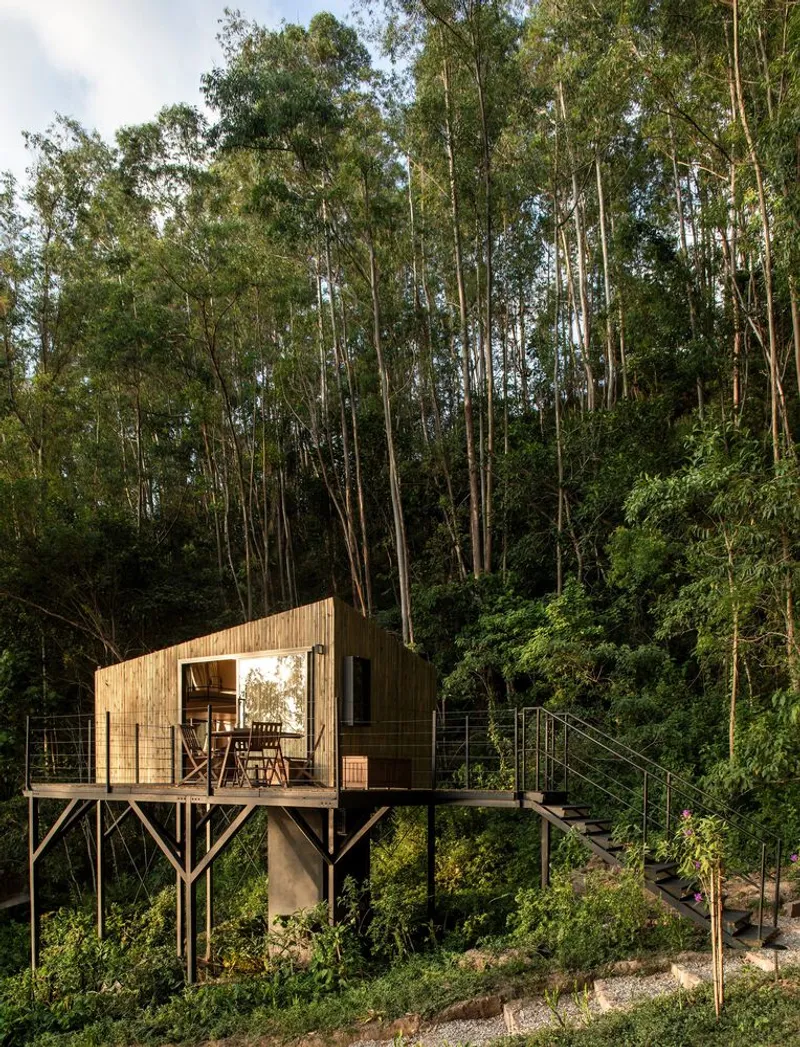
Architectural and Design Features
Strategic Location and Integration
Located at Fazenda Pedra Alta, the cabin is strategically placed near two other Altar units, facilitating a dynamic integration while maintaining privacy and tranquility. This setting allows guests to experience a seamless connection with nature without sacrificing comfort.


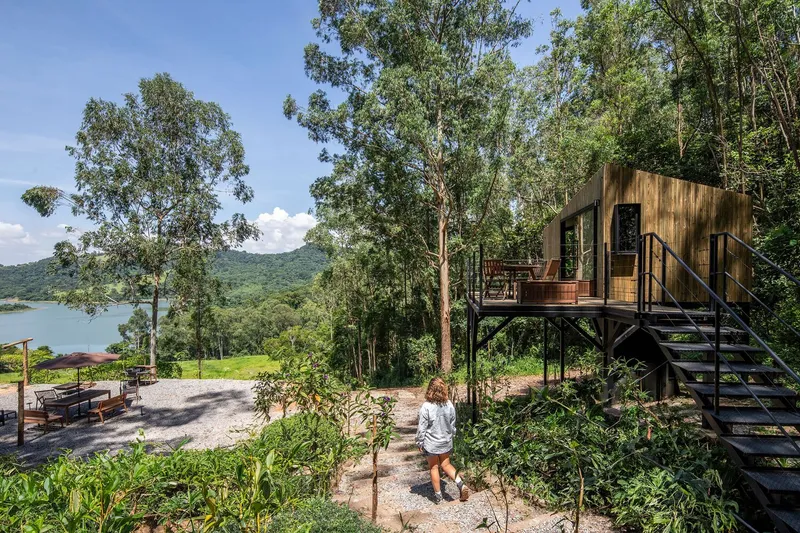
Design and Layout
The design of the Altar Ninho Cabin is a marvel of architectural ingenuity. Elevated four meters above the ground, the structure mimics a treehouse, with beds positioned to offer stunning views of the reservoir. The cabin combines living, kitchen, and bedroom areas into a cohesive, open space, enhanced by natural lighting and thoughtful spatial organization.

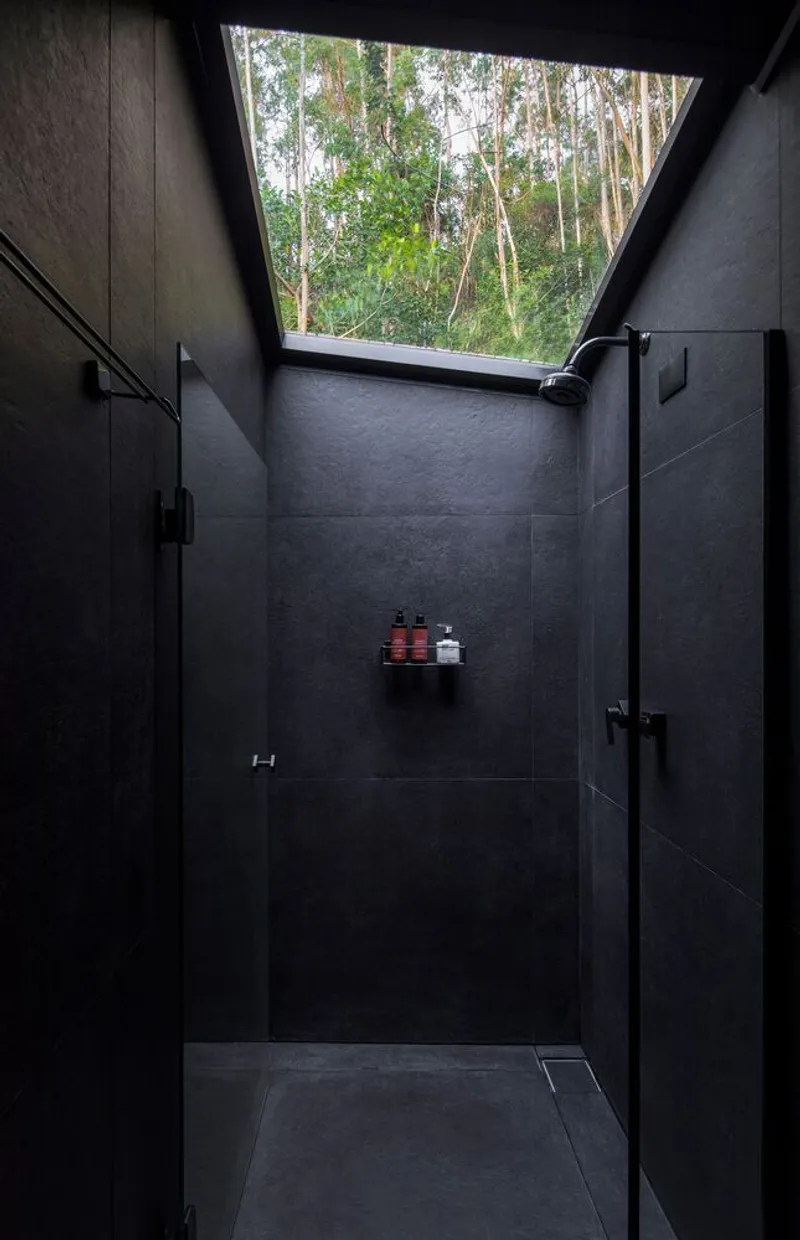
Sustainability and Environmental Impact
Prefabrication and Minimal Site Impact
The cabin's construction utilized prefabricated elements, including a metallic structure and facade solutions, which were transported in a single trip to reduce environmental impact. The design features elevated metallic columns that minimize ground disturbance and incorporate a natural wood deck that complements the surrounding landscape.


Regenerative Design Principles
Natureza Urbana's approach goes beyond traditional sustainability, embracing regenerative design principles that aim to restore and enhance the ecological systems of the area. The project uses resources to not only sustain but improve the quality of life and environment for future generations.


A Benchmark for Cabin Design
The Altar Ninho Cabin by Natureza Urbana is more than just a building; it is a beacon of sustainable cabin design in Brazil. It showcases how architecture can coexist with nature, providing a blueprint for future projects in eco-tourism and sustainable development. This cabin is not only a place for relaxation and enjoyment but also a step forward in the architectural journey towards a more sustainable and regenerative future.

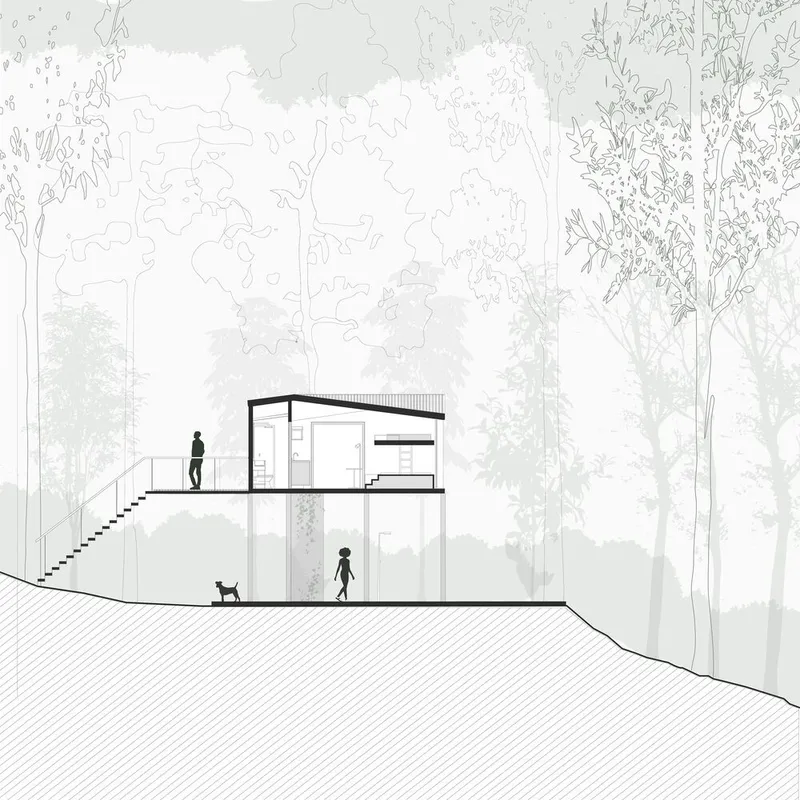

All photographs are work of Maira Acayaba




Popular Articles
Popular articles from the community


Hill & Cross Opera: Sculptural Opera House Architecture Shaped by Tallinn’s Landscape and Identity
Hill & Cross Opera reimagines opera house architecture in Tallinn through its sculptural hill, civic plaza, glass wave and a luminous cross.

The Earth Pod: 3D Printed Homes for Resilient Refugee Communities
The Earth Pod reimagines refugee housing through 3D printed homes made from clay, combining resilience, self-sufficiency, and rapid shelter.
AL-JANNAH: Sustainable Architecture and Permaculture for Afghan Widows
AL-JANNAH uses sustainable architecture and permaculture to create resilient oasis of housing, learning, work and renewal for Afghan widows.

Riyadh For All: Intergenerational Urban Design for Active Aging in Rabat
Riyadh For All reimagines urban design in Rabat with intergenerational co-living, adaptive courtyards, and Moroccan cultural exchange today.


Similar Reads
You might also enjoy these articles


Hodi-Mandai Geram
Project Function: Preservation and revitalization of the Intangible heritage and socio-spatial identity of the Hodi by Housing, Cultural Memory Center, Sacred Grove, landscape, local tourism economy


Olio Towers: A Mid-Rise for Performers That Fuses Housing, Rehearsal, and Stage
Located blocks from Houston's Theater District, this modular tower stacks living units around a central performance atrium.

Oasis: Modular Green Housing Carved into Dhaka's Urban Fabric
A shortlisted Plugin Housing entry reclaims unauthorized settlements in Dhaka with stepped concrete volumes, green roofs, and ventilation-driven design.

Black Hole: A Floating Megastructure for the Post-Physical Era
Emiliano Mazzarotto envisions a spherical, self-scaling arena where e-sports, digital hotels, and holographic stadiums replace traditional public space.

Explore Architecture Competitions
Discover active competitions in this discipline



Challenge to reimagine the Iron Throne


Photograph architecture without architects


Illustrate the lost glory of Angkor Wat - Render Challenge


Design challenge to reuse E-waste
Comments (0)
Please login or sign up to add comments
No comments yet. Be the first to comment!