

Sustainable Coastal Home Extension: Marianne House by Victoria Merrett Architects
A sustainable coastal home extension that balances preservation, adaptability, and environmental performance on Victoria’s Mornington Peninsula.


A Harmonious Blend of Heritage and Sustainability on the Mornington Peninsula
Located in the serene coastal setting of Rye on Victoria’s Mornington Peninsula, Marianne House by Victoria Merrett Architects exemplifies the seamless integration of heritage, sustainability, and contemporary design. Completed in 2024 and spanning 208 m², this residential extension reimagines the potential of existing architecture through a thoughtful and sustainable coastal home extension strategy.


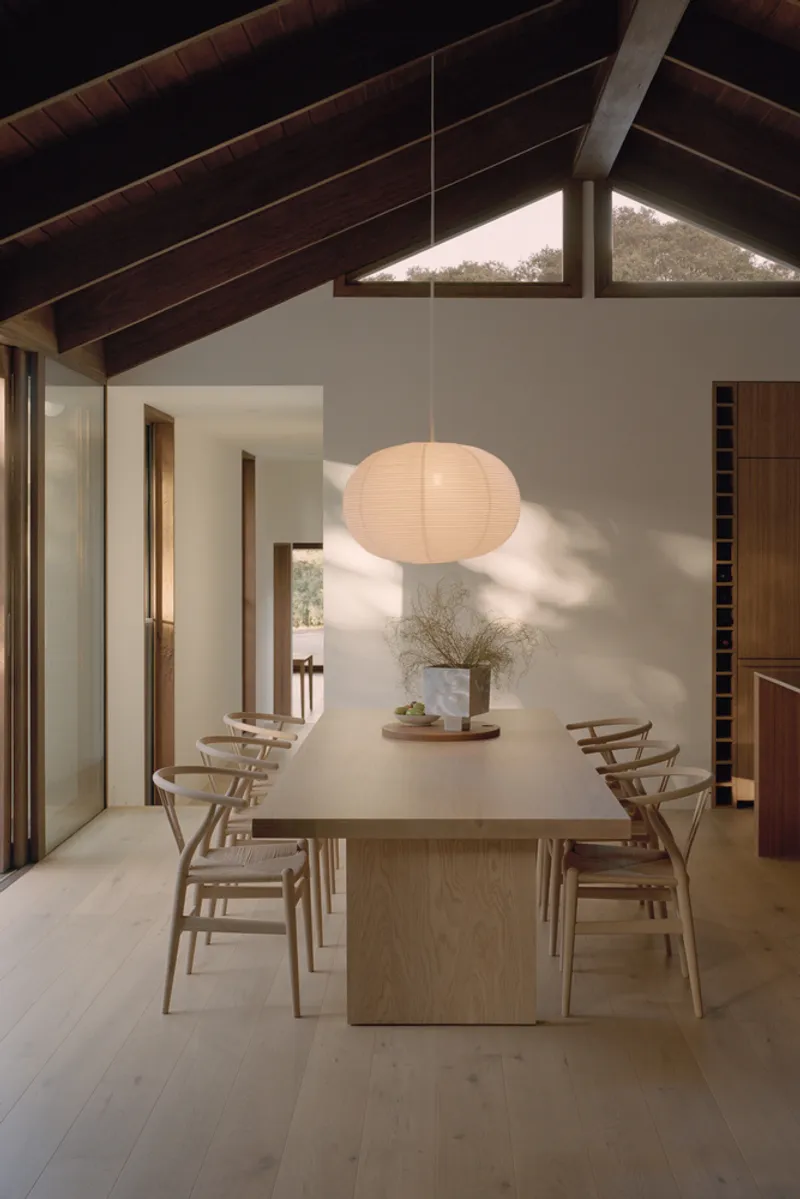
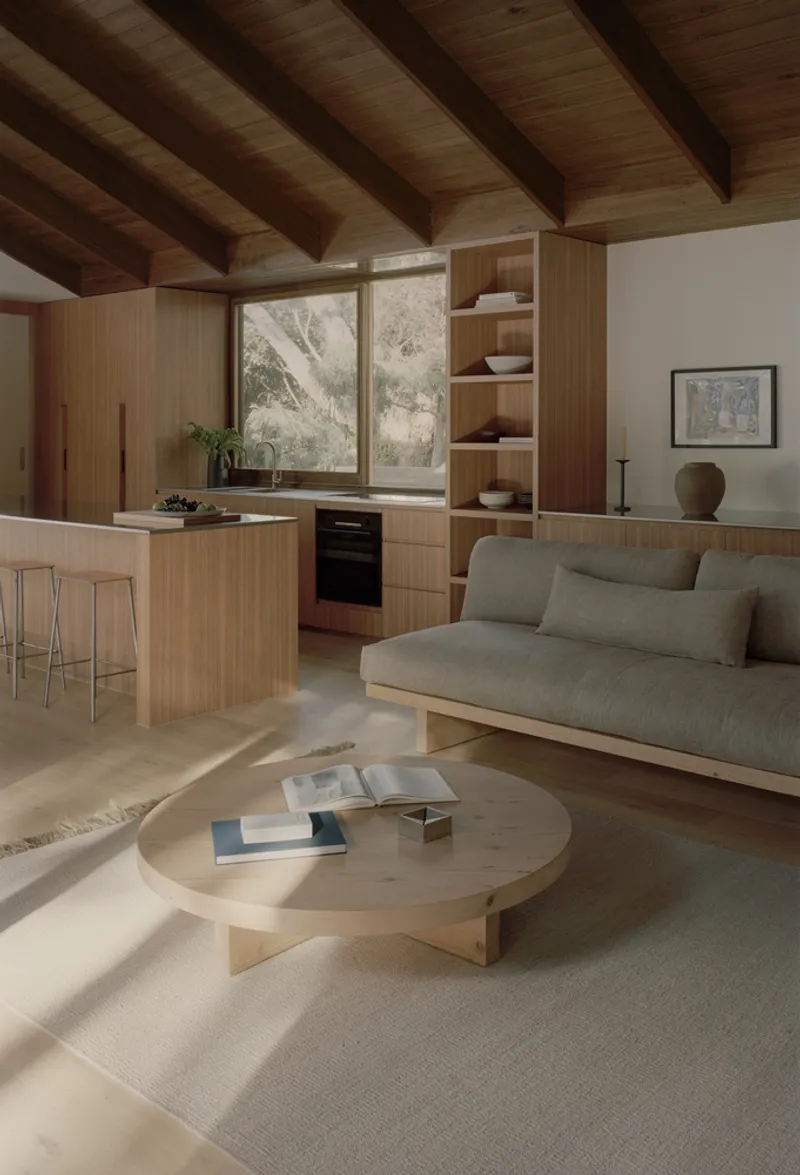
Preserving Character Through Contemporary Design
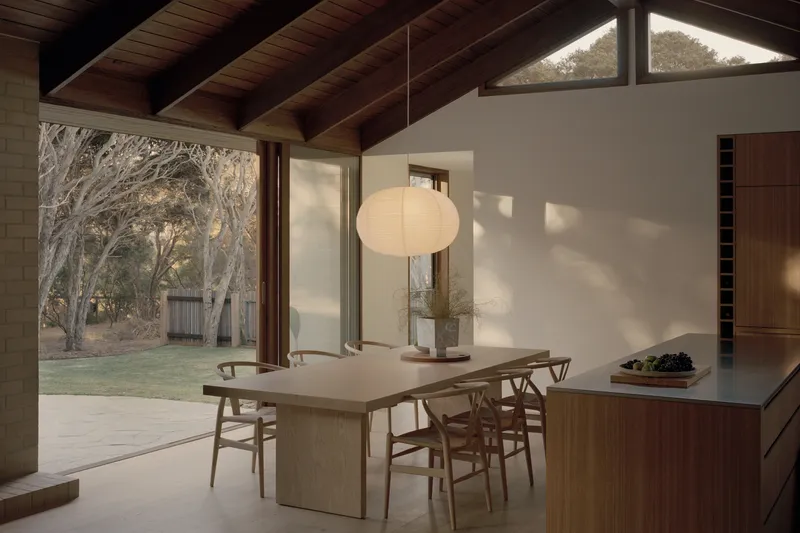
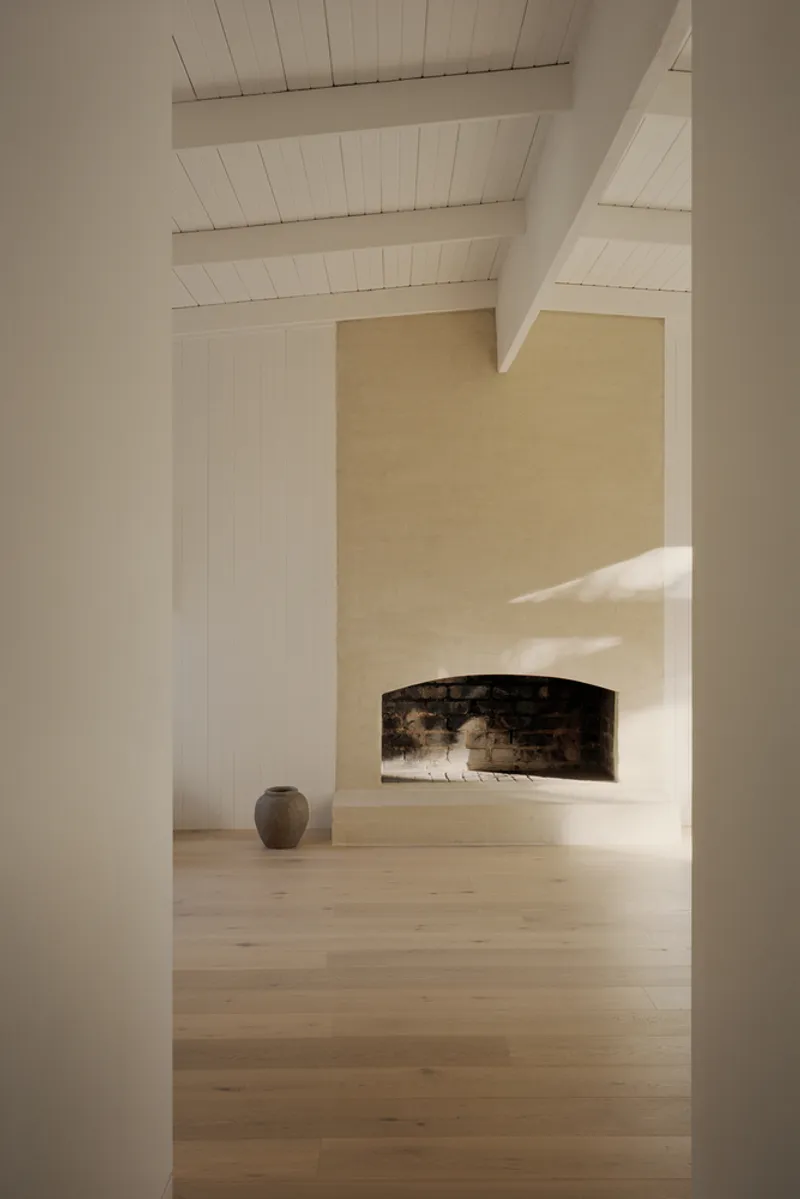
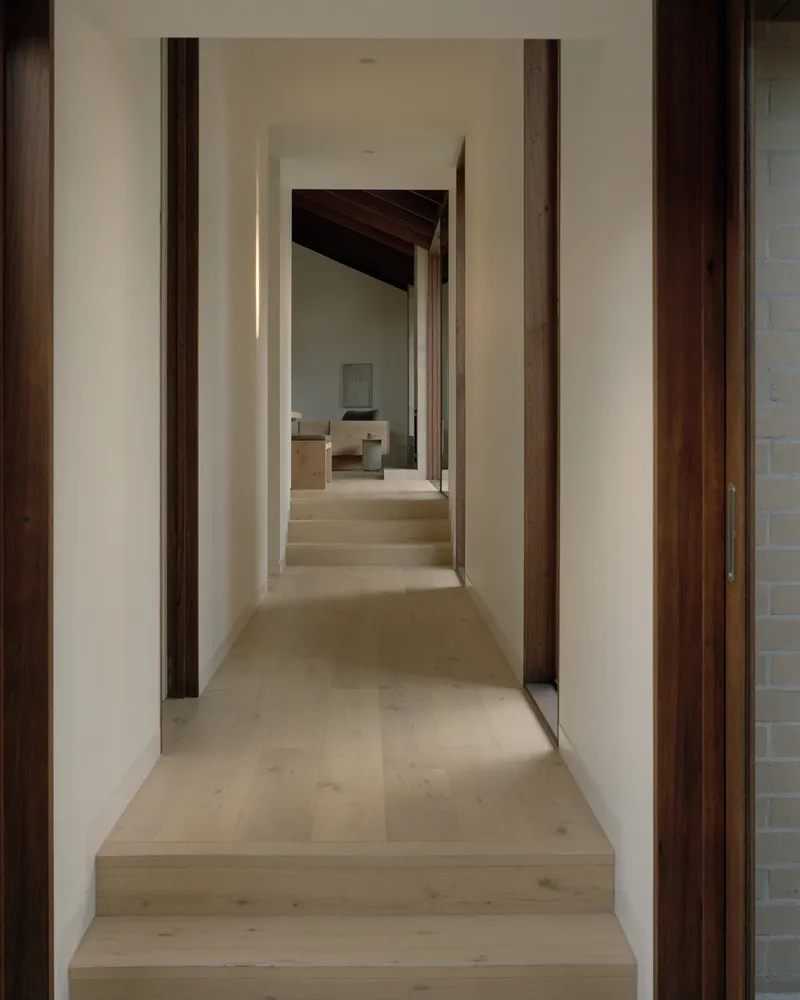
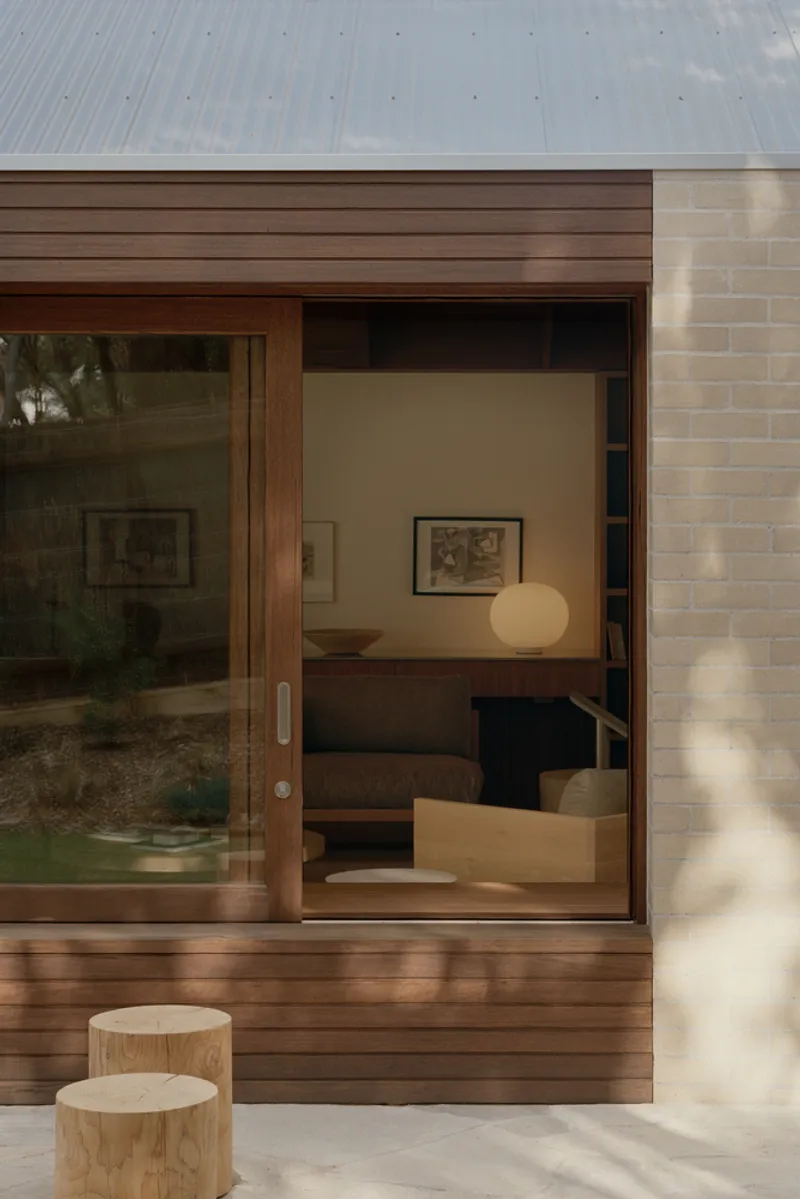
The architectural narrative of Marianne House is grounded in the preservation of the original structure’s essence, including its exposed rafters, pine-lined walls, and central brick fireplace. Rather than erasing these features, the design reinterprets them through a modern lens—ensuring that the extension not only complements the old but elevates it into a new architectural dialogue.
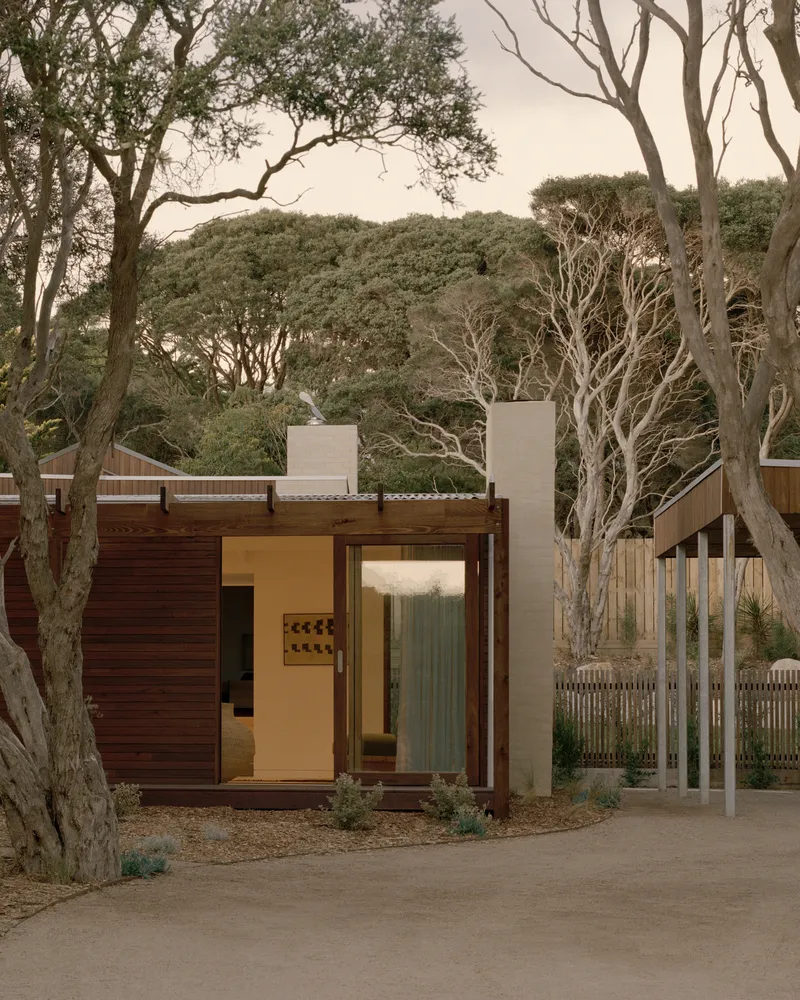
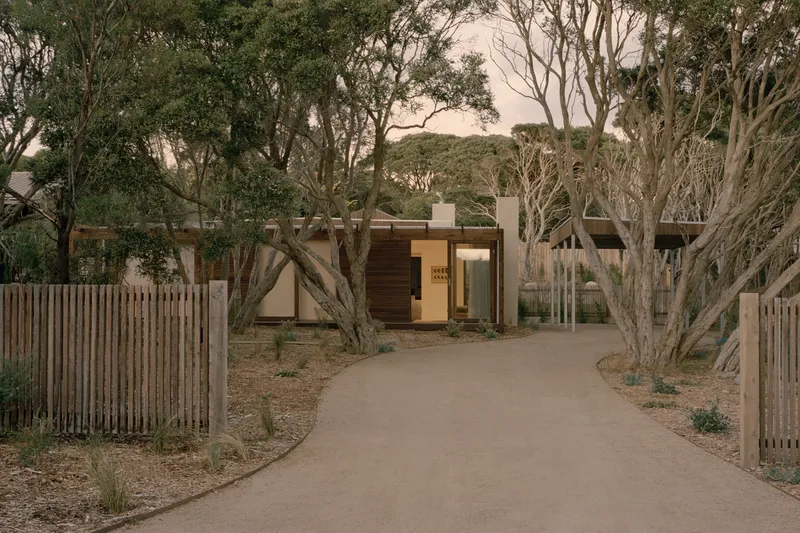
Victoria Merrett Architects have approached the project with a clear respect for contextual sensitivity and material authenticity. By retaining the spirit of the existing home, they have crafted a modern coastal residence that feels timeless and inherently tied to its environment.

Material Integrity and Contextual Cohesion
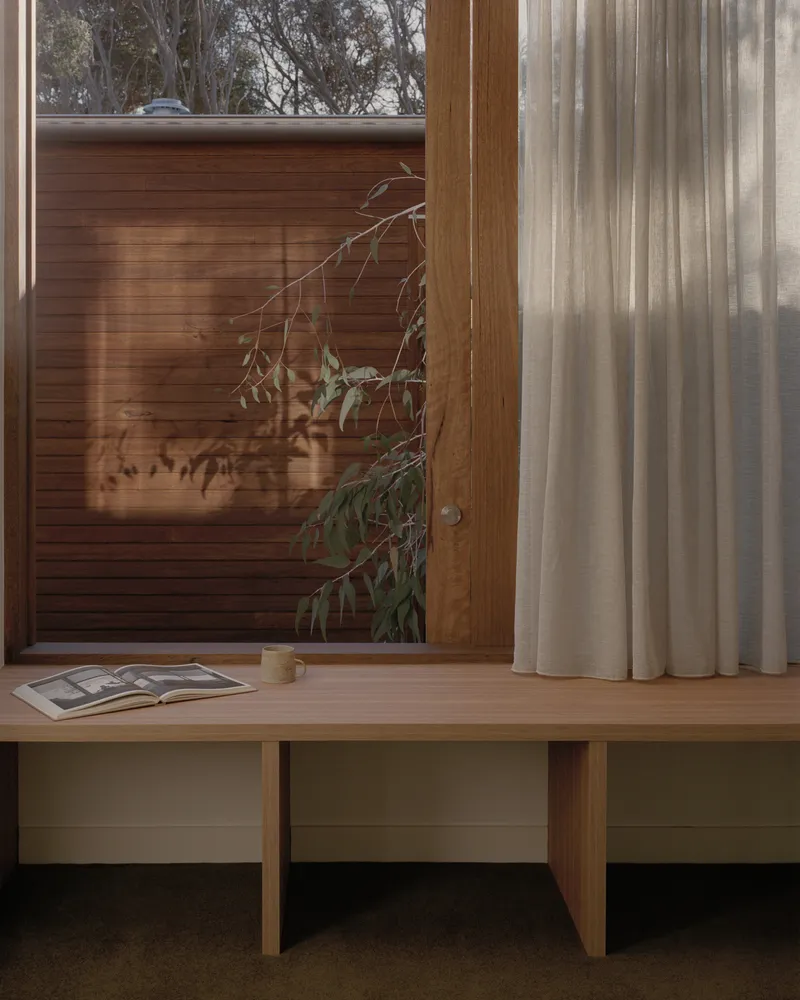
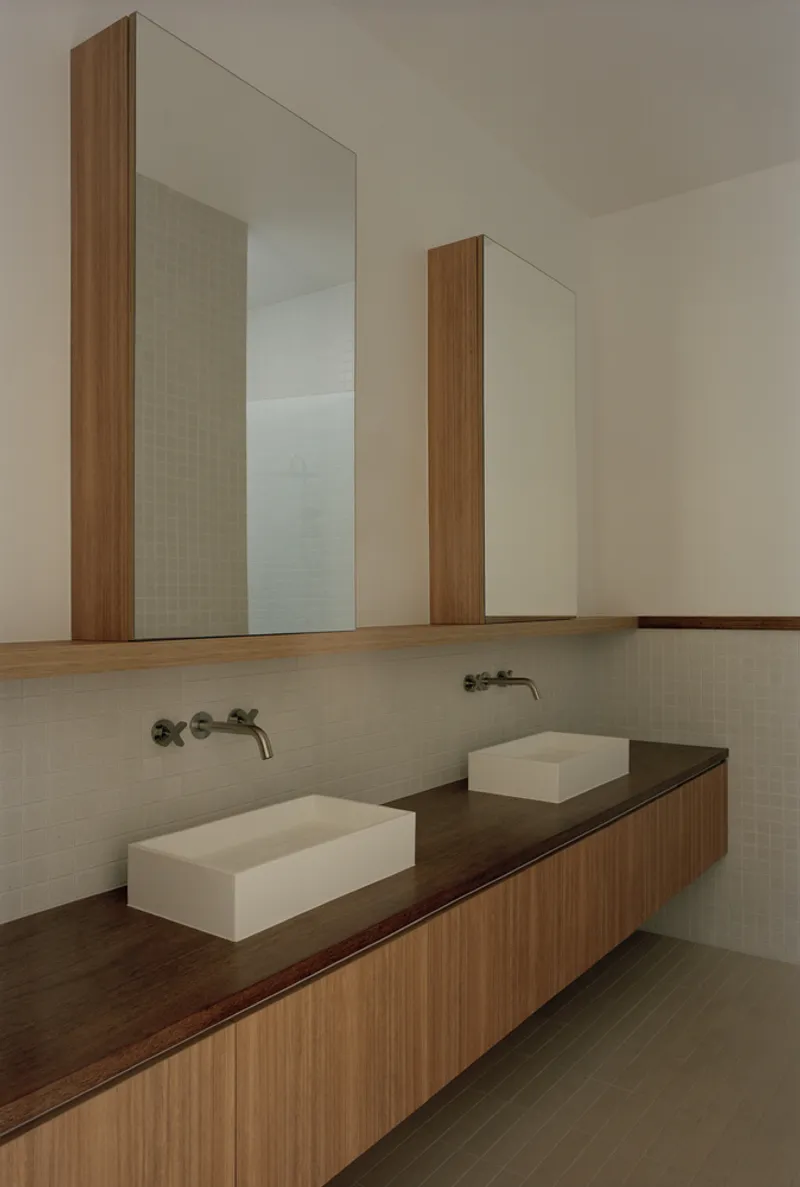
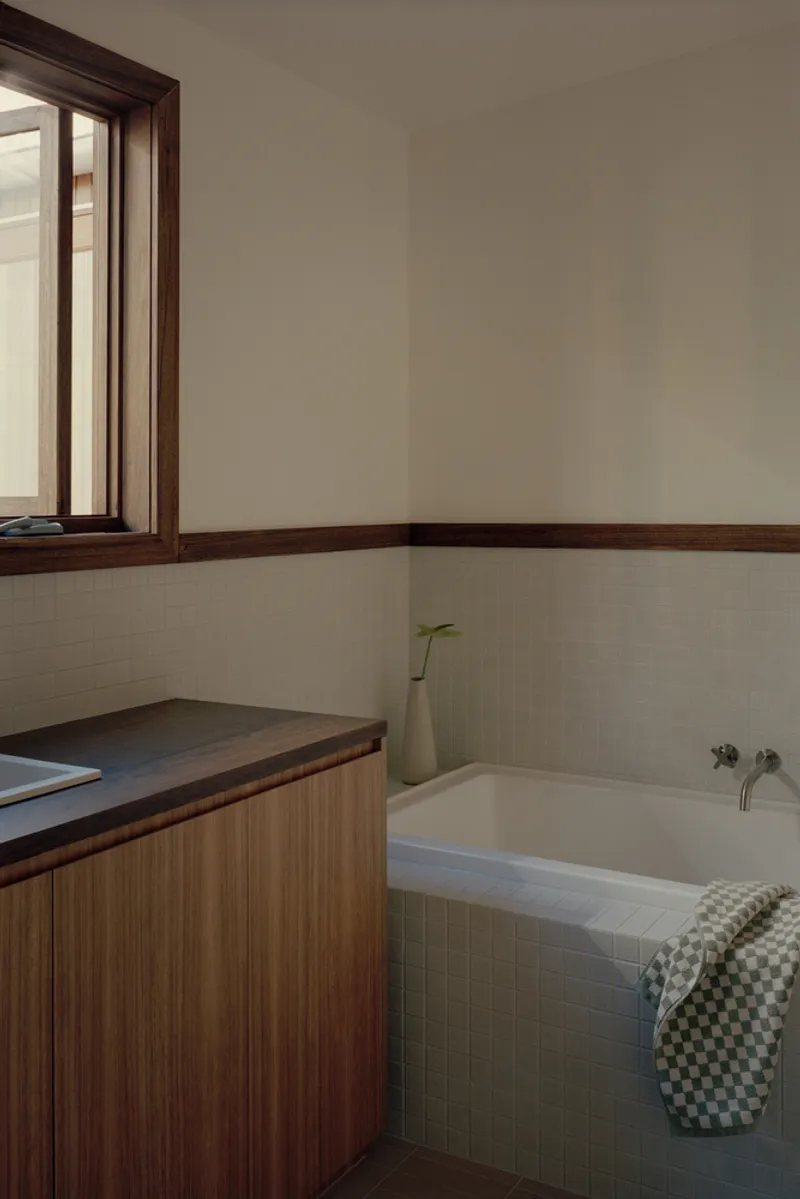
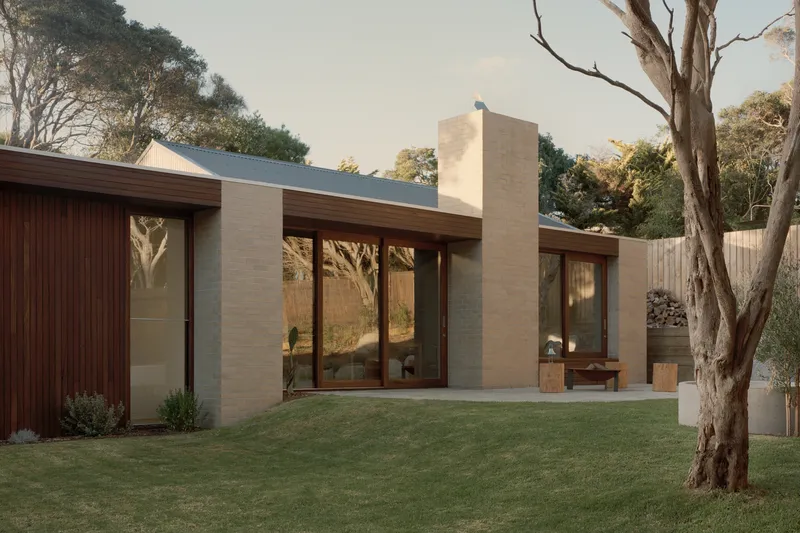
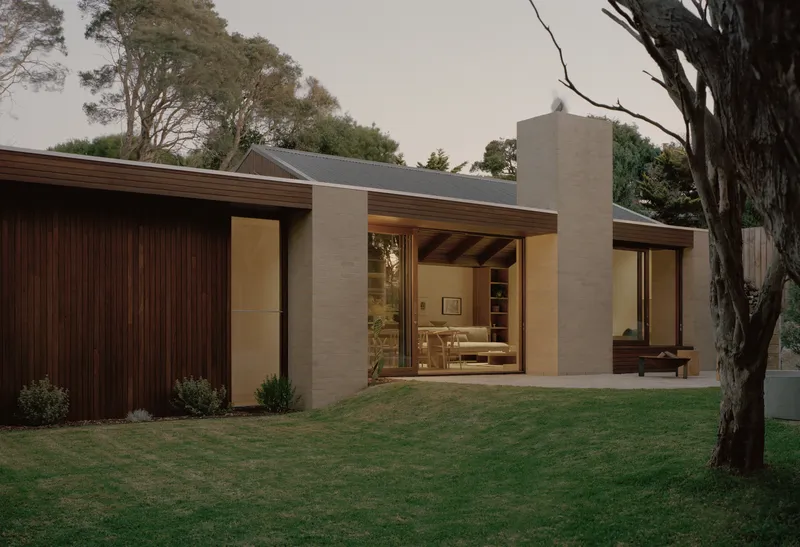
Materiality plays a central role in unifying the original and new volumes. Locally sourced, walnut-stained Blackbutt timber and recycled brick were chosen not only for their tactile warmth and beauty but also for their sustainability and relevance to the home’s coastal setting. The use of these natural materials reinforces a commitment to sustainable design practices, creating a cohesive visual language across old and new.
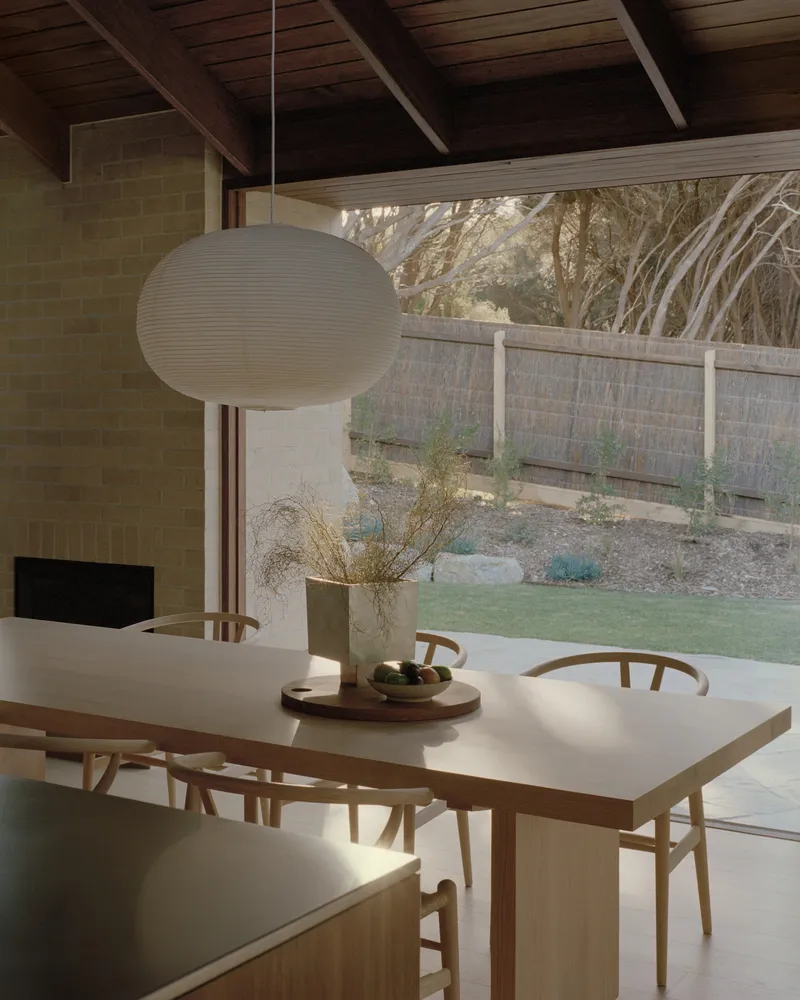
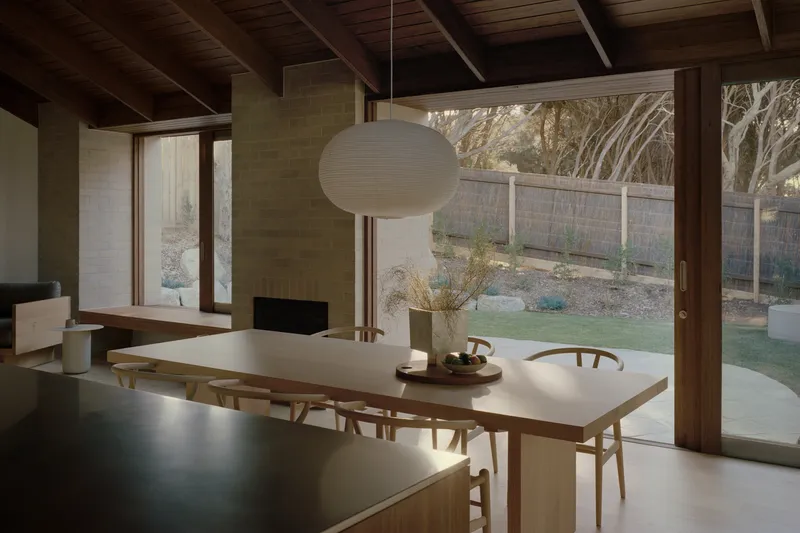
A central courtyard anchors the home, forming a spatial and experiential bridge between the original and extended sections. It bathes the entry in natural light and provides framed views of native vegetation, seamlessly blending built and natural environments.

Environmentally Responsive Design Principles
The project is a refined example of passive design at work. Oriented to face a north-west garden, the extension harnesses natural light throughout the day while promoting cross-ventilation and thermal comfort. These strategies reduce reliance on mechanical heating and cooling systems, ensuring energy efficiency year-round.
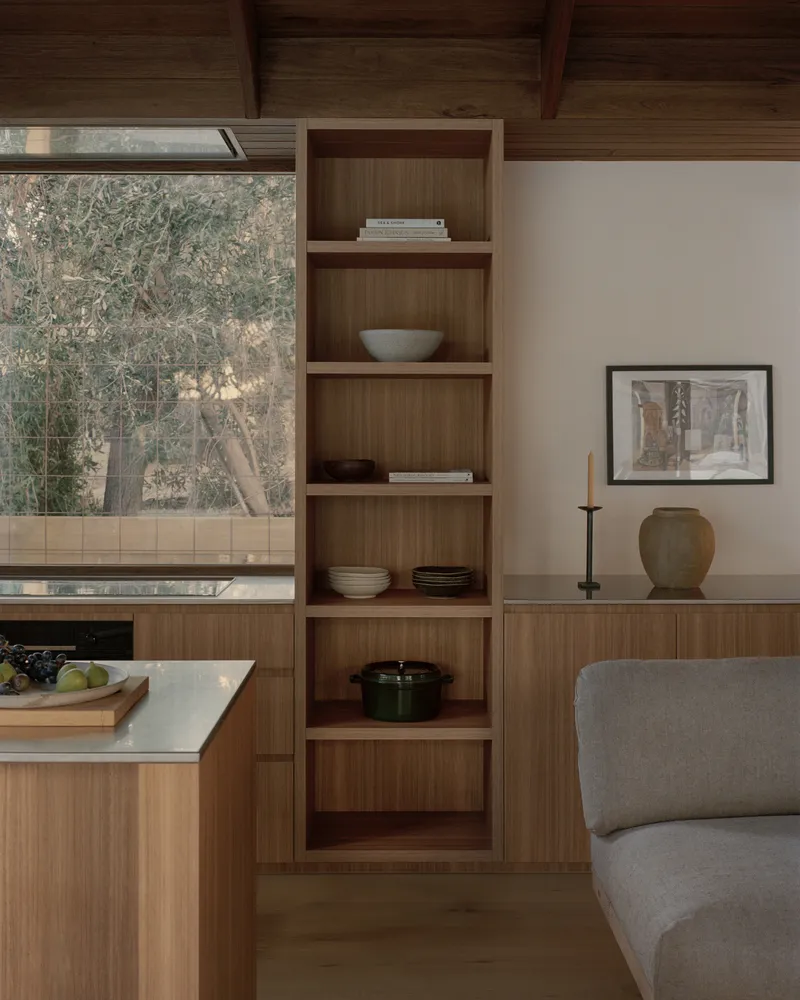
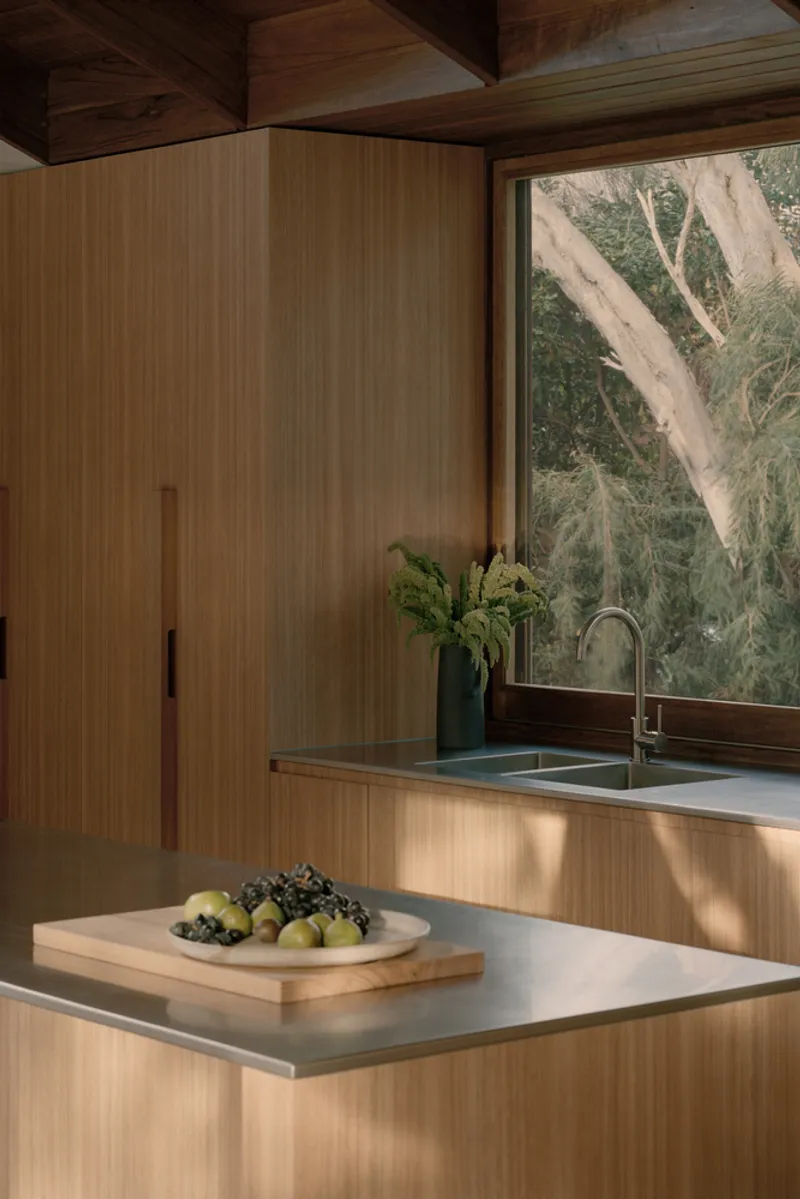
The adaptive reuse of the original structure significantly reduces construction waste and material consumption. By integrating reclaimed timber and other recycled materials, the project underscores its environmentally responsible ethos while maintaining high aesthetic standards. Every architectural choice, from ventilation systems to glazing placement, is made with a long-term sustainability mindset.

Flexible Living for a Growing Family
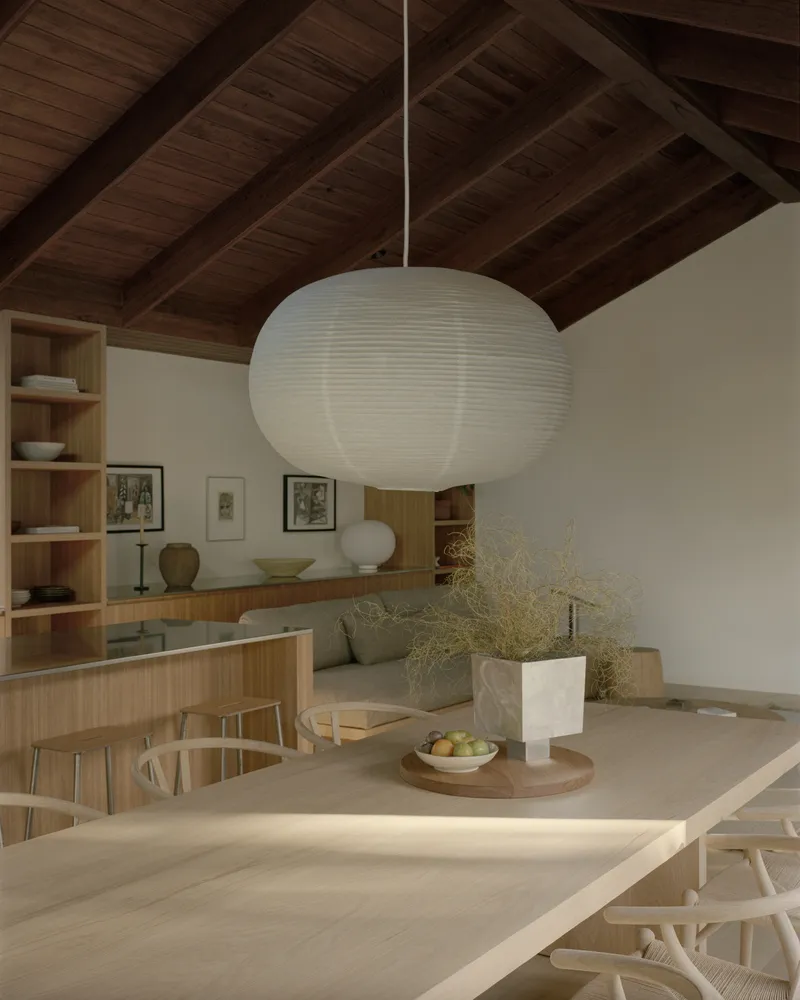
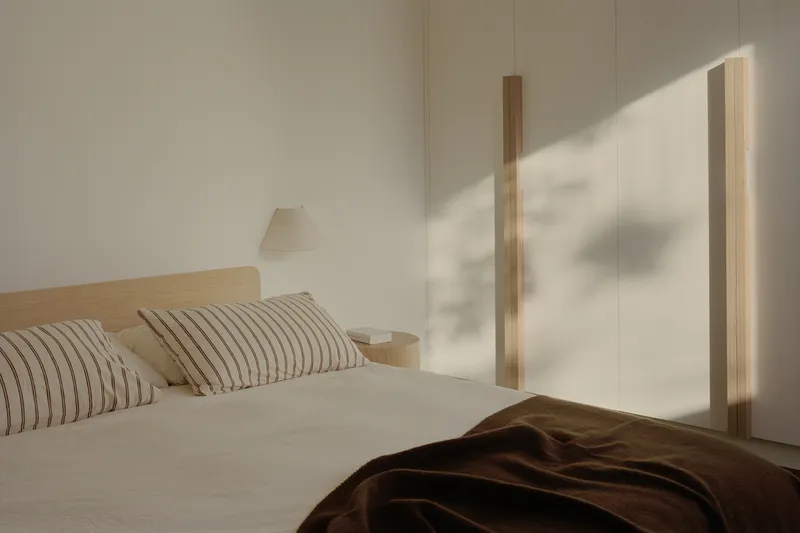
Functionally, Marianne House has been designed to evolve alongside the family it serves. The extension introduces a generous kitchen, dining, and living area alongside a master suite and service spaces. Meanwhile, the original home has been reorganized to host bedrooms, a study, and a second lounge. This intelligent layout fosters spatial adaptability and ensures the home will continue to meet the family’s changing needs over time.

Economical, Durable, and Future-Focused
The project delivers lasting value not only through environmental performance but also via strategic material choices and efficient planning. Durable, low-maintenance materials reduce long-term costs, while the minimal structural alterations maximize spatial impact without inflating the budget. The result is a home that balances coastal lifestyle comfort, ecological awareness, and economic practicality.

A Model for Sustainable Coastal Home Design
Marianne House stands as a compelling blueprint for sustainable coastal home extension projects. It shows how a modest family dwelling can be transformed with care, creativity, and environmental intelligence. Rooted in place and designed for longevity, this home doesn’t just occupy its site—it strengthens its connection to it.


In a time where sustainability is paramount, Marianne House proves that respectful renovation, contextual awareness, and flexible design are not only compatible—they are essential.

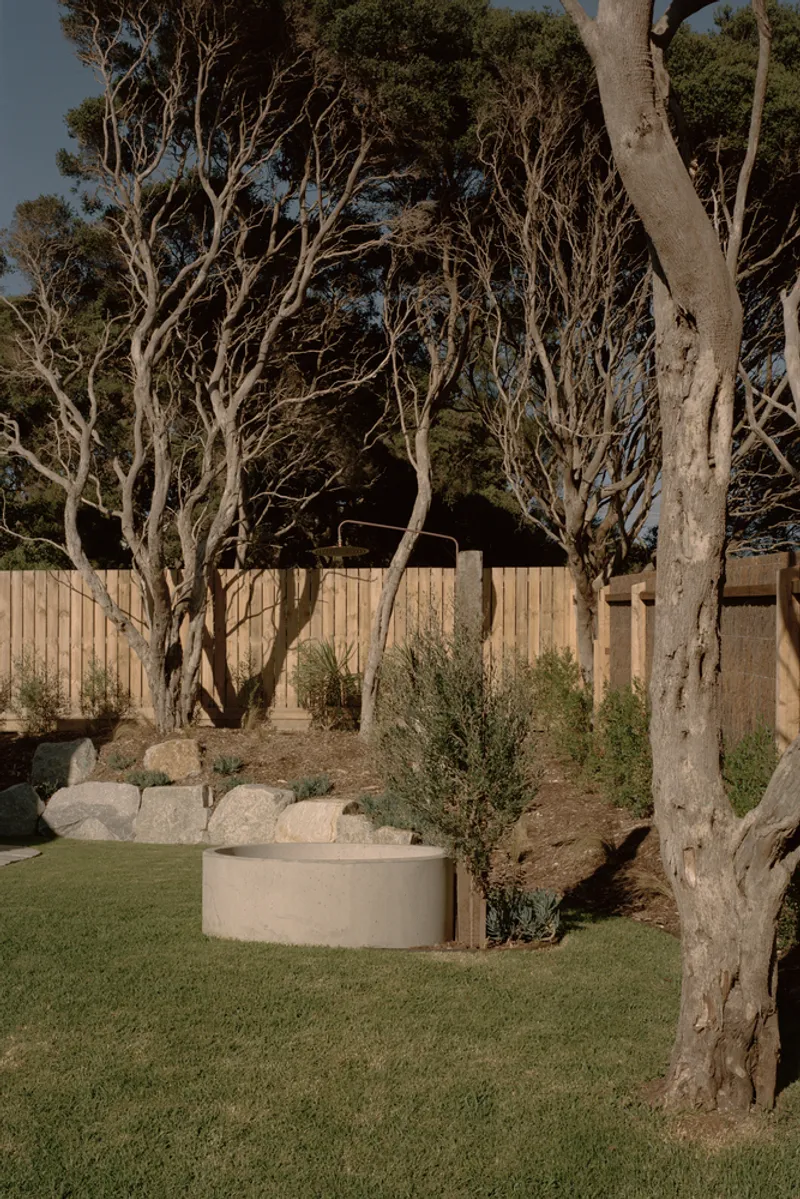
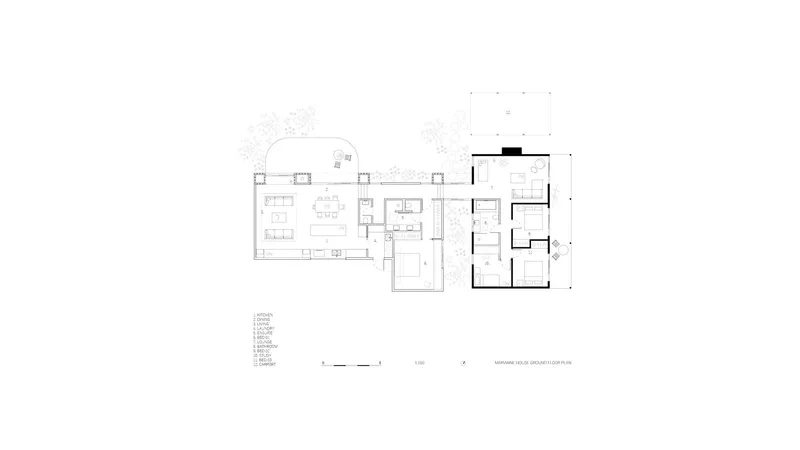
All Photographs are works of Tasha Tylee




Popular Articles
Popular articles from the community


Co-Life: Senior Housing Design That Reconnects Older Adults With the City
Co-Life reimagines senior housing design through healing gardens, shared streets, workshops, and a sustainable community across generations.

The Ocean Hive: Sustainable Architecture for a Self-Sufficient Civilization at Sea
The Ocean Hive imagines sustainable architecture at sea, where modular habitats, algae, wave power and ocean waste sustain a growing colony.

EW PARK: Sustainable Architecture Reimagines the Future of Urban Parking
EW PARK reimagines city parking as a modular wooden tower combining automation, solar energy, electric mobility, and adaptable urban design.

AL-JANNAH: Sustainable Architecture and Permaculture for Afghan Widows
AL-JANNAH uses sustainable architecture and permaculture to create resilient oasis of housing, learning, work and renewal for Afghan widows.


Similar Reads
You might also enjoy these articles

Bamboo Housing Challenge 2026: Design Affordable, Sustainable Homes Using Bamboo
An international design competition by Bamboo U and IBUKU inviting architects and designers to reimagine affordable housing using bamboo — with the winning design built full-scale in Bali.

Computational Design & Education: Beegraphy Design Awards Introduces 7th Category (Featuring Jiyun's Innovative Approach)
Dive into Beegraphy’s 7th Design Awards category, where computational design meets education to create immersive, interactive learning tools, inspired by Jiyun’s work.
From Parametric Lighting to Urban Furniture: Join the 2nd Workshop in Beegraphy’s Computational Design Series
Dive into Cutting-Edge Design Techniques and Practical Applications with Industry Experts

Last Call: Unleash Your Architectural Genius in SHAK's Kindergarten Design Competition
Urgent call for architects to join SHAK's kindergarten design competition before the looming deadline

Explore Architecture Competitions
Discover active competitions in this discipline



Challenge to reimagine the Iron Throne


Photograph architecture without architects


Illustrate the lost glory of Angkor Wat - Render Challenge


Design challenge to reuse E-waste
Comments (0)
Please login or sign up to add comments
No comments yet. Be the first to comment!