
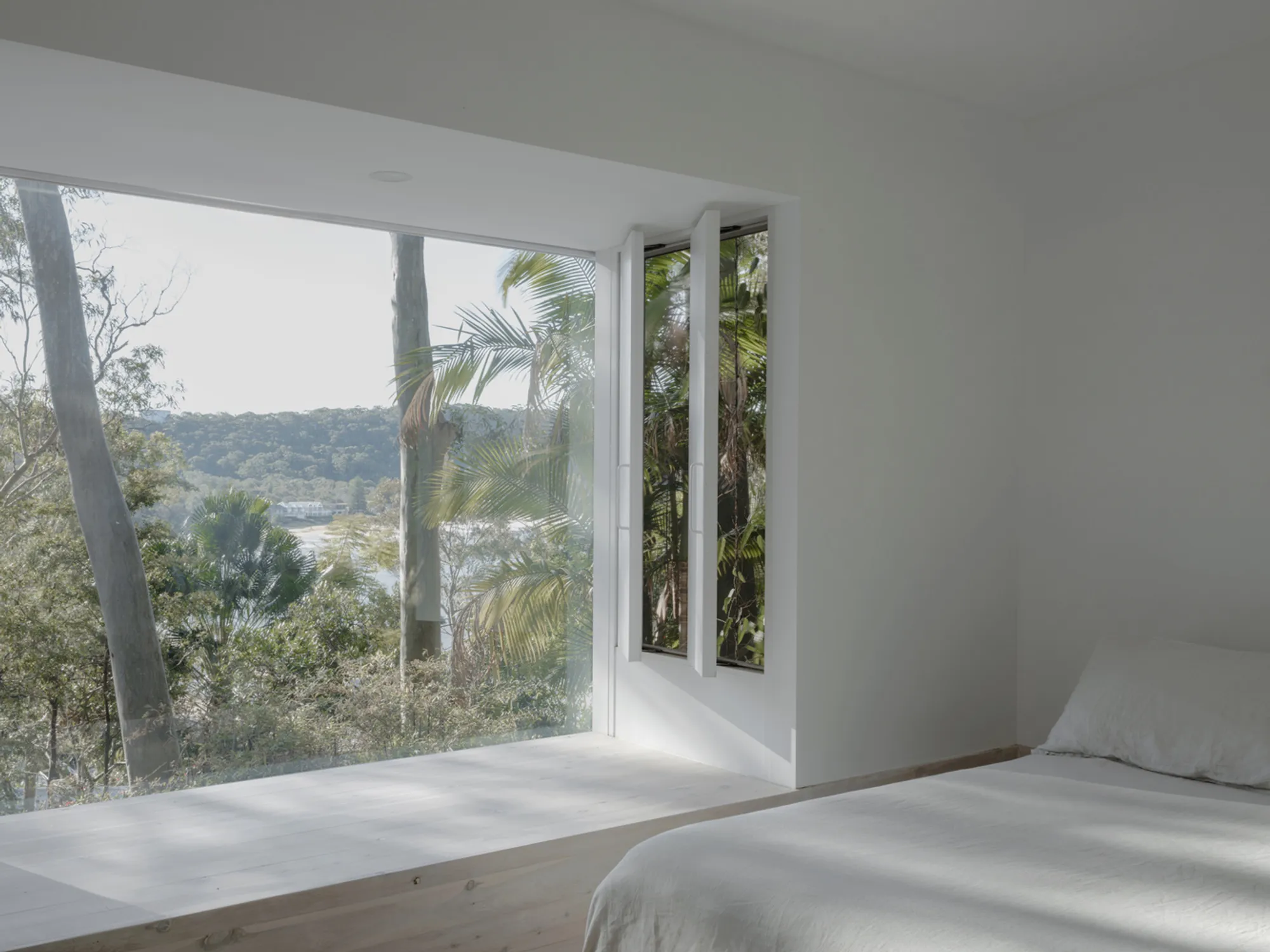
Sustainable Coastal House Design: Window, Window, Window House by panovscott
Window, Window, Window House by panovscott exemplifies sustainable coastal house design, integrating passive cooling, minimal impact construction, and immersive spatial experience.


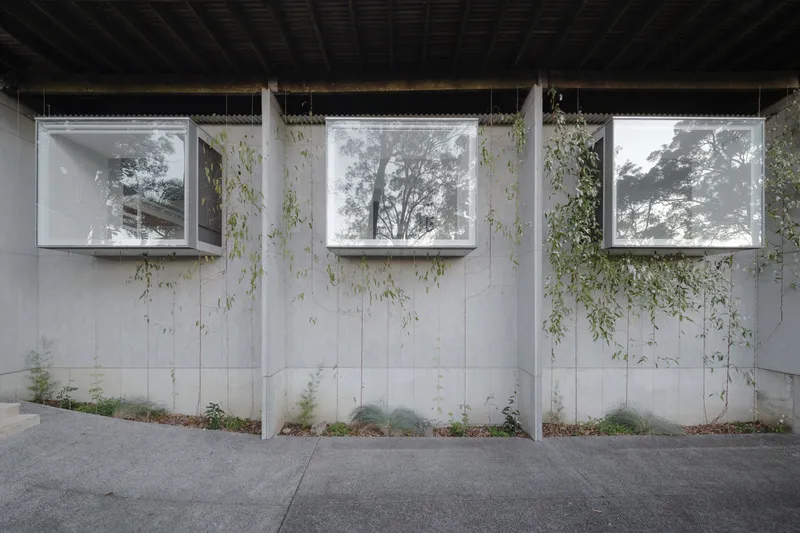
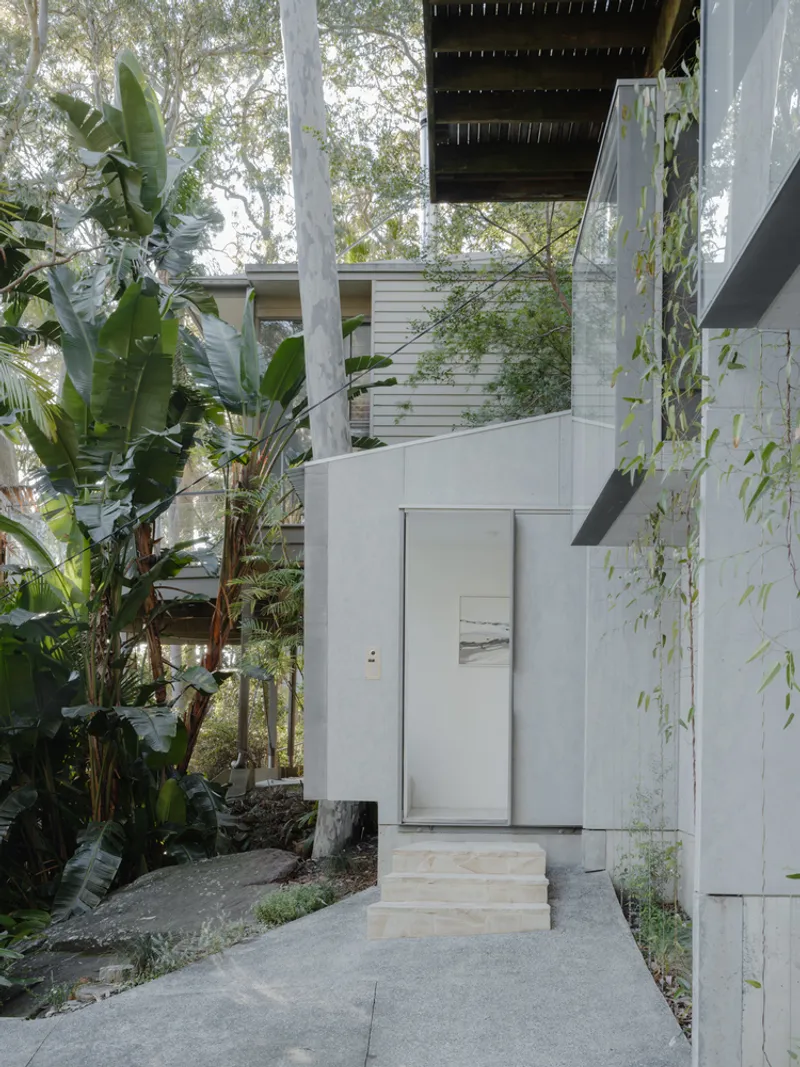
Sustainable coastal house design is transforming modern architecture, emphasizing minimal impact on the environment while enhancing the living experience. The Window, Window, Window House by panovscott exemplifies this philosophy, seamlessly blending with its natural surroundings in Pearl Beach, Australia. This extension of an existing home introduces three additional rooms and a new entrance stair, maintaining an ecological balance with its location and fostering a deep connection between the inhabitants and the landscape.

A Site-Responsive Design Approach
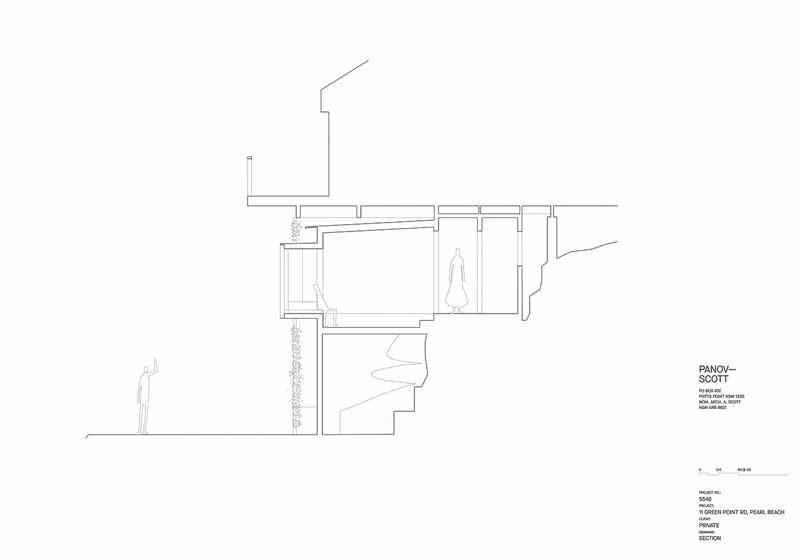
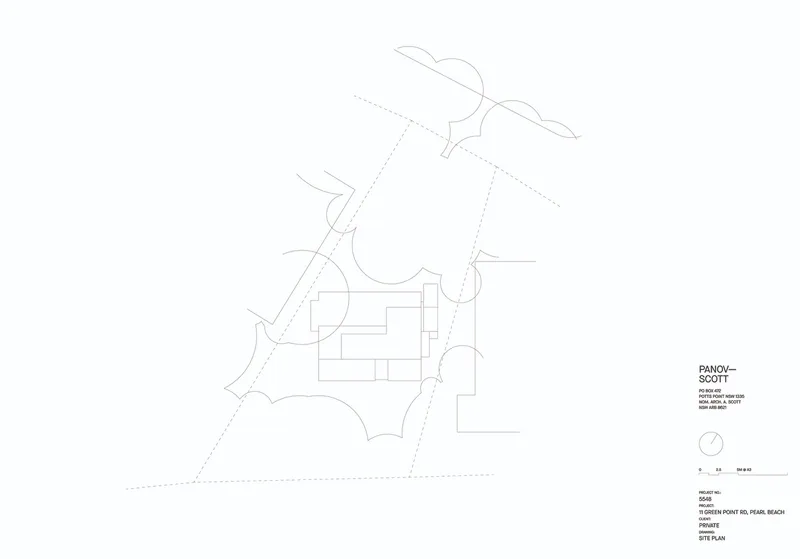
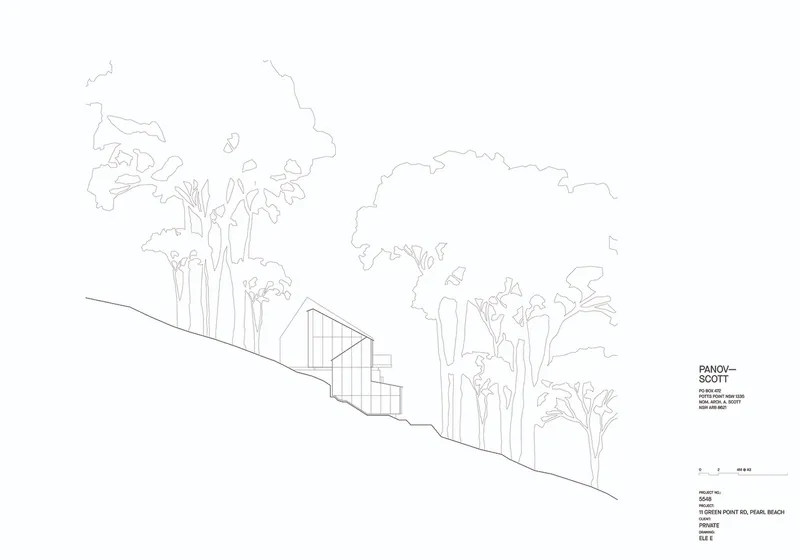
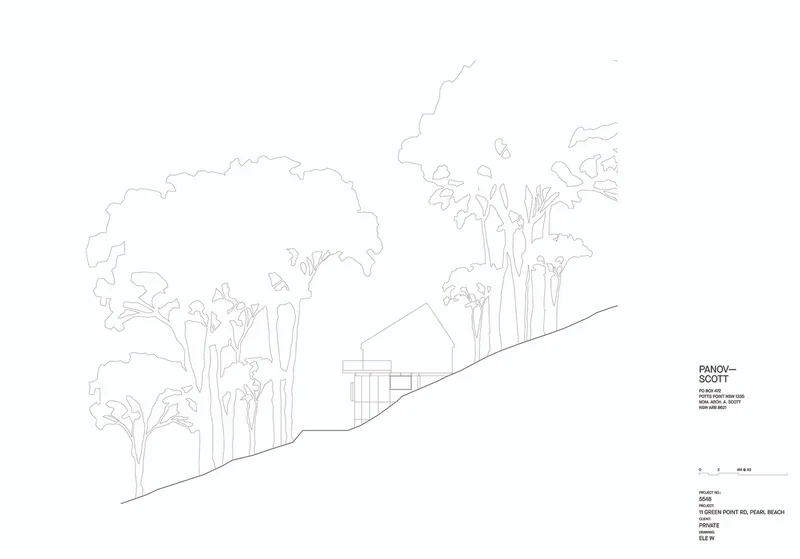
Nestled on a steeply sloped site with breathtaking views of Broken Bay, the house benefits from its natural surroundings. The northeast-facing home allows abundant daylight while being protected from harsh southerly winds by the Green Point ridge. This strategic positioning ensures thermal comfort throughout the year, eliminating the need for artificial cooling.


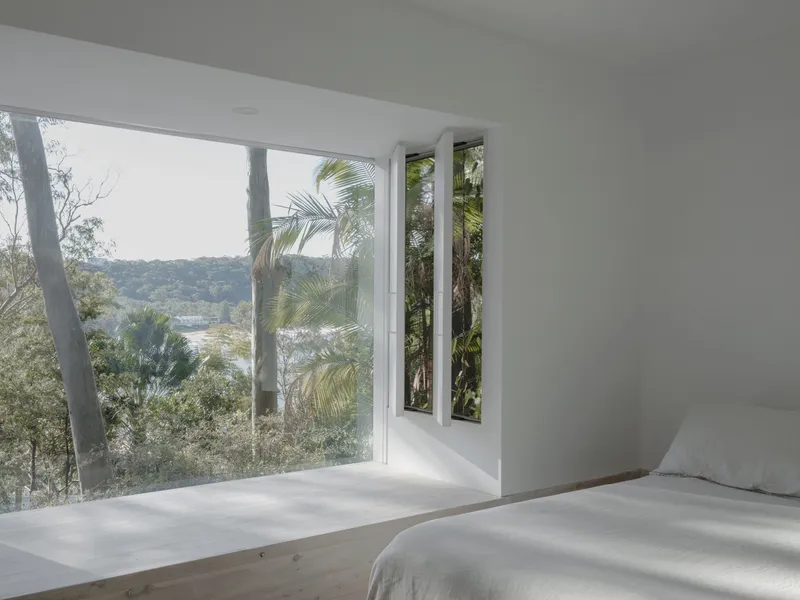
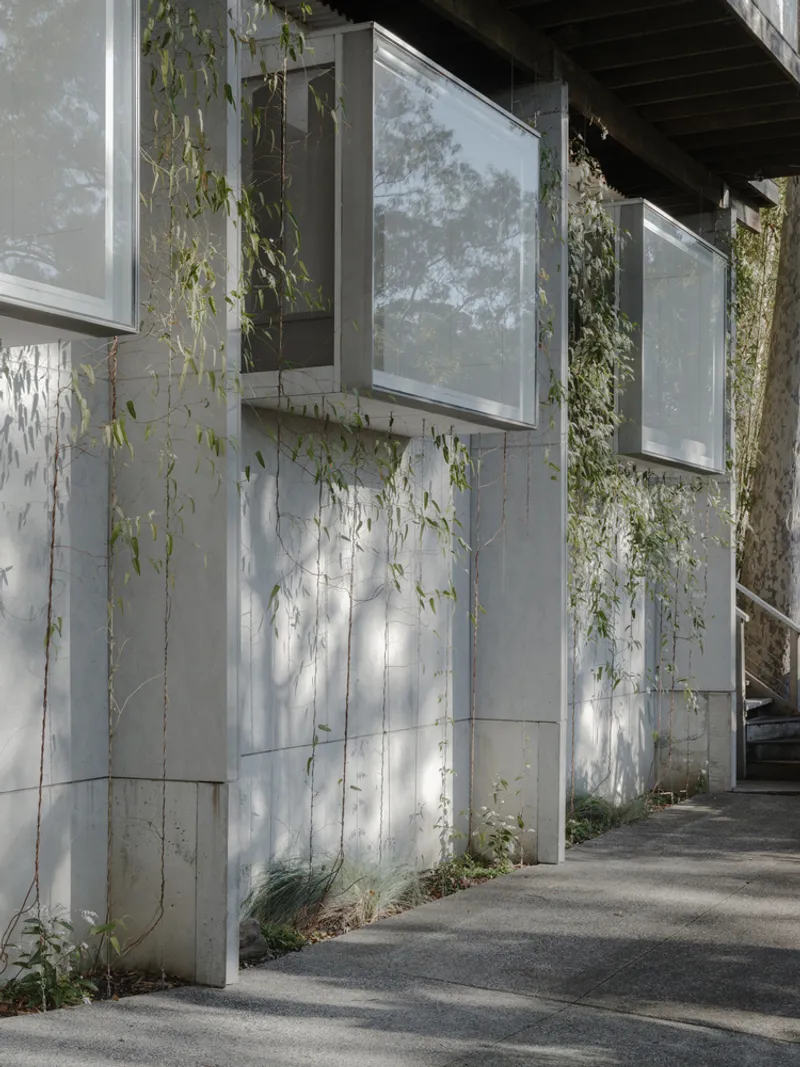
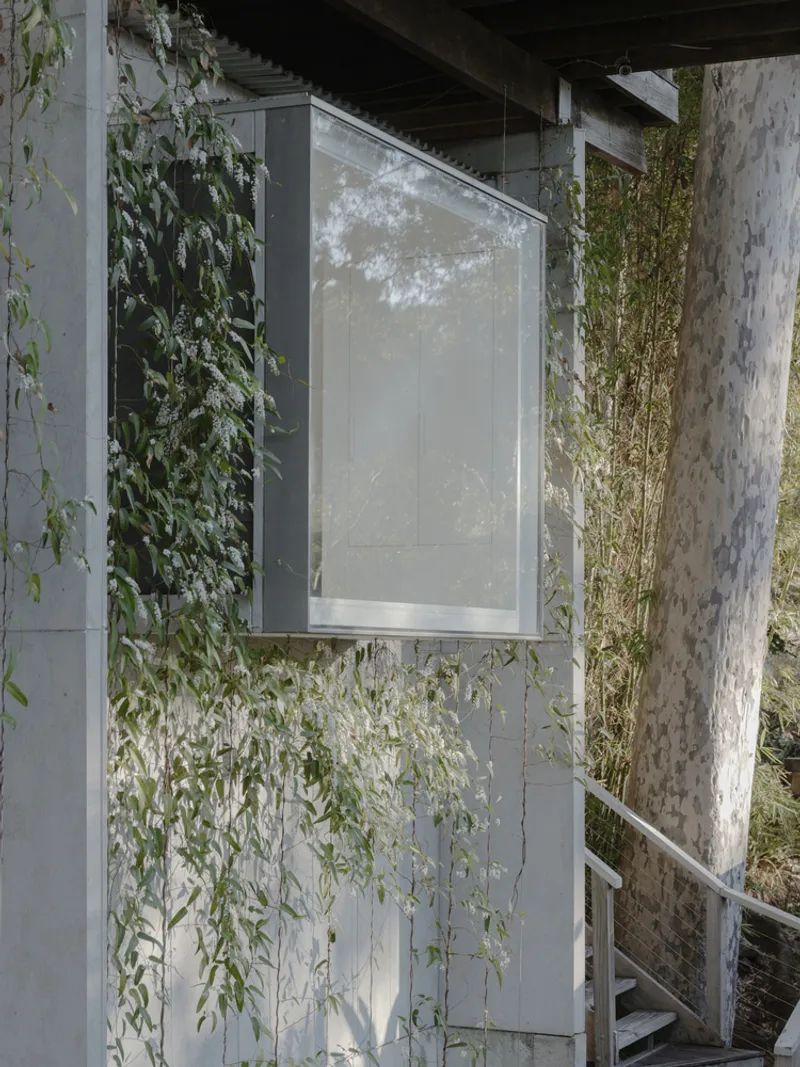
The addition to the house remains largely within the original footprint, minimizing disruption to the landscape. The existing deck provides natural shading for the new north-facing windows in summer while allowing warm sunlight to penetrate the space during winter. These design choices emphasize an environmentally conscious approach, reinforcing the principles of sustainable coastal house design.

Architecture That Enhances Sensory Experience
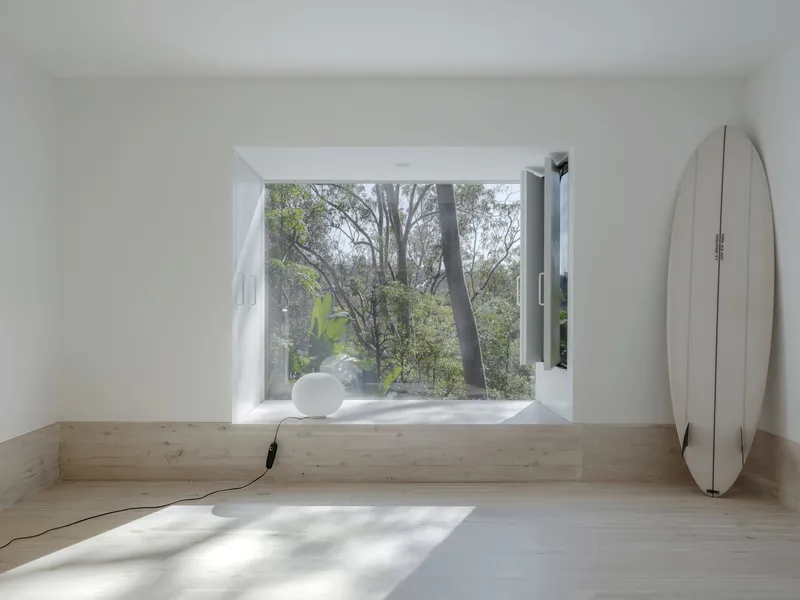
The interior of the home is carefully crafted to create a unique spatial and sensory experience. The proportions of the rooms, the threshold heights, and the variations in ceiling slopes evoke a subtle sense of movement and intrigue. A central architectural feature is the bay window, extending into the landscape to create a framed perspective of the coastal environment. This intimate space invites inhabitants to engage with nature, whether observing the waves, noticing wildlife, or simply absorbing the shifting light throughout the day.
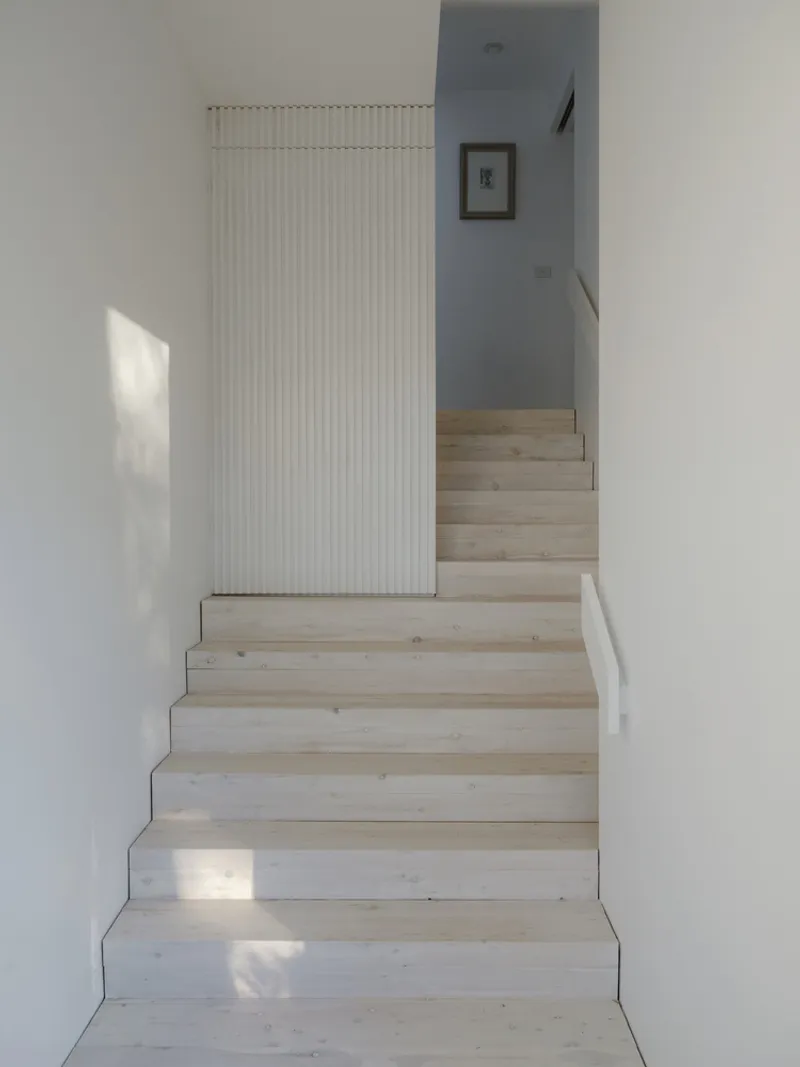
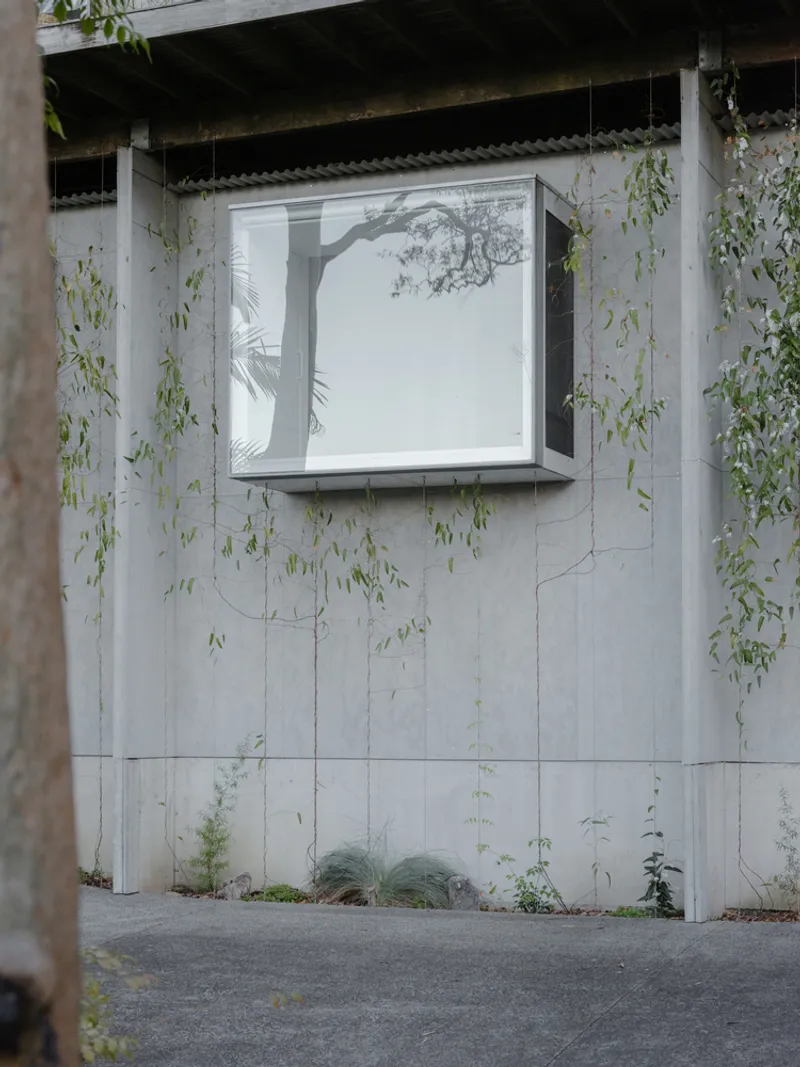
The design of the house draws inspiration from classical architecture, such as the proportional contrasts found in the Laurentian Library. By deliberately juxtaposing cozy, enclosed spaces with open, expansive views, the house fosters an interplay of tension and release, making everyday moments within the home more immersive and poetic.

Passive Cooling and Environmental Efficiency
The architectural decisions in the Window, Window, Window House prioritize natural climate control. The thin floor plate of the home, combined with north and south ventilation hatches, enables effective cross-ventilation, eliminating the need for air conditioning. Overhead tree canopies further aid in cooling during summer, while the carefully positioned windows maximize airflow.

This passive approach to thermal comfort underscores the house’s commitment to sustainability. The use of timber, a renewable material, in interior finishes also contributes to an eco-friendly footprint, reinforcing the home’s connection to the surrounding natural landscape.
A Philosophy of Minimal Intervention
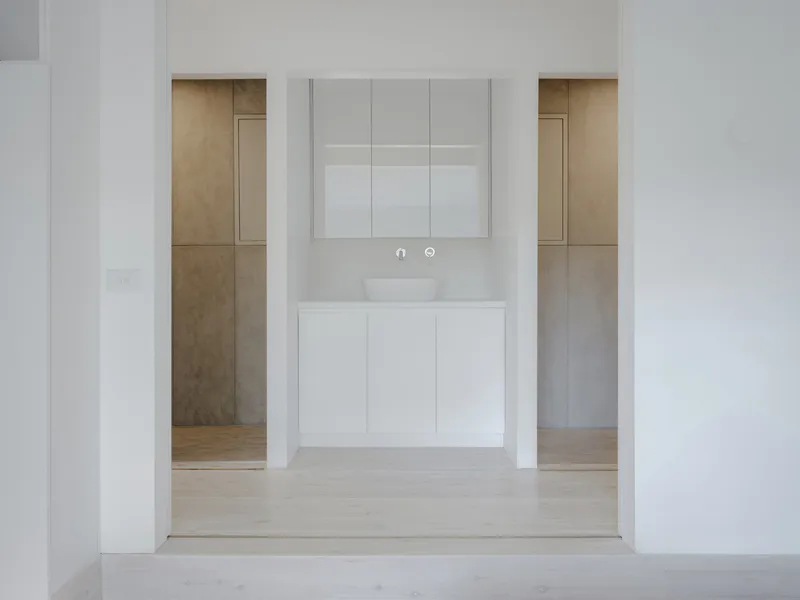
One of the core principles behind this project is the idea of “doing very little.” Instead of pursuing complex architectural interventions, the design embraces simplicity and restraint. The three additional rooms seamlessly integrate with the existing structure, ensuring that the expansion does not overwhelm or disrupt the home’s original character.
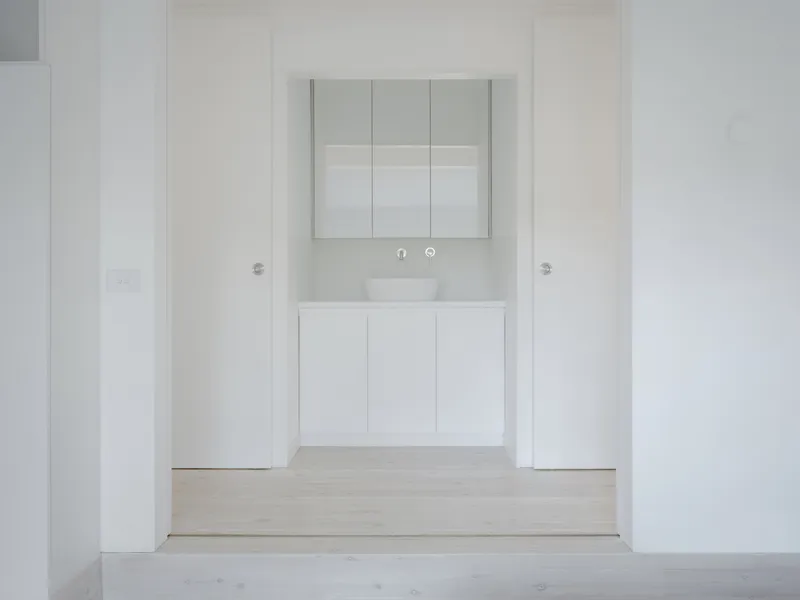
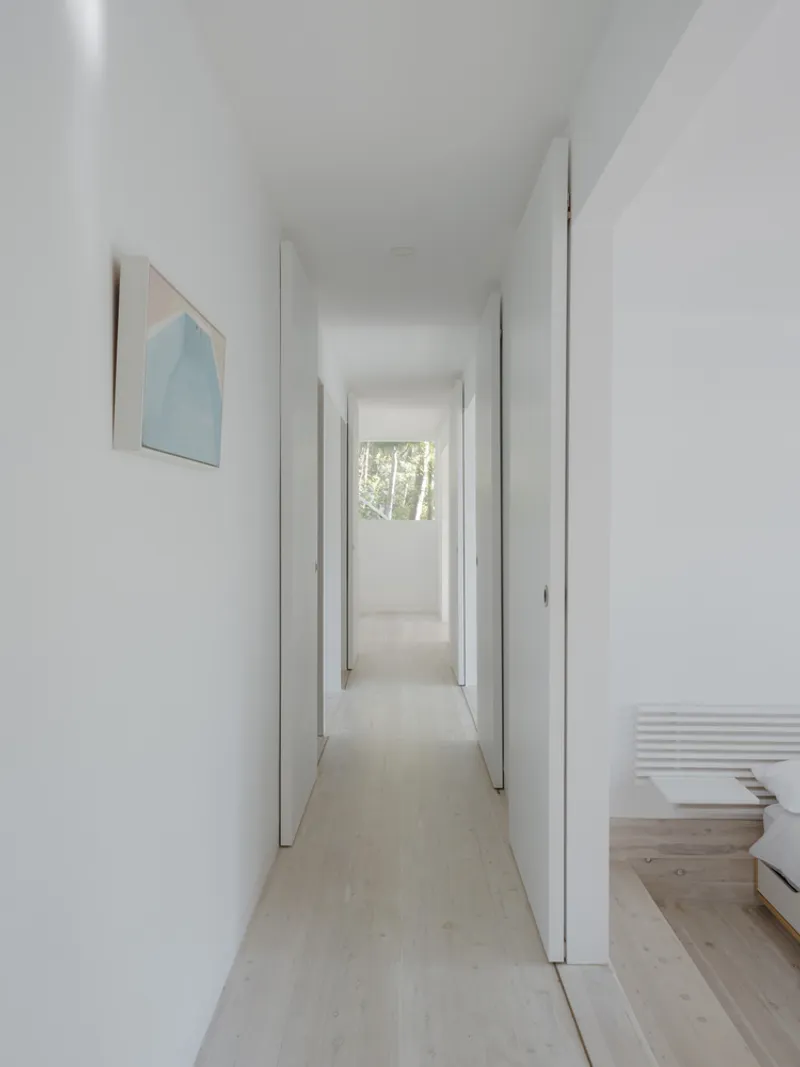
This low-resolution architectural approach values experience over excess. It creates a living environment that respects its coastal setting, enhances daily rituals, and fosters a lasting relationship between the inhabitants and the land. Through minimal yet thoughtful design choices, the house becomes an extension of the natural world rather than an intrusion upon it.

A Model for Sustainable Coastal House Design
The Window, Window, Window House by panovscott stands as a benchmark for sustainable coastal house design. By prioritizing passive environmental strategies, minimal impact construction, and an immersive spatial experience, the house sets a precedent for future coastal architecture. It proves that thoughtful design can elevate both the aesthetic and ecological integrity of a home, ensuring harmony between human habitation and the environment.
All Photographs are works of Hamish McIntosh




Popular Articles
Popular articles from the community


Riyadh For All: Intergenerational Urban Design for Active Aging in Rabat
Riyadh For All reimagines urban design in Rabat with intergenerational co-living, adaptive courtyards, and Moroccan cultural exchange today.

The Ocean Hive: Sustainable Architecture for a Self-Sufficient Civilization at Sea
The Ocean Hive imagines sustainable architecture at sea, where modular habitats, algae, wave power and ocean waste sustain a growing colony.

Co-Life: Senior Housing Design That Reconnects Older Adults With the City
Co-Life reimagines senior housing design through healing gardens, shared streets, workshops, and a sustainable community across generations.

Hill & Cross Opera: Sculptural Opera House Architecture Shaped by Tallinn’s Landscape and Identity
Hill & Cross Opera reimagines opera house architecture in Tallinn through its sculptural hill, civic plaza, glass wave and a luminous cross.


Similar Reads
You might also enjoy these articles


Hodi-Mandai Geram
Project Function: Preservation and revitalization of the Intangible heritage and socio-spatial identity of the Hodi by Housing, Cultural Memory Center, Sacred Grove, landscape, local tourism economy


Olio Towers: A Mid-Rise for Performers That Fuses Housing, Rehearsal, and Stage
Located blocks from Houston's Theater District, this modular tower stacks living units around a central performance atrium.

Oasis: Modular Green Housing Carved into Dhaka's Urban Fabric
A shortlisted Plugin Housing entry reclaims unauthorized settlements in Dhaka with stepped concrete volumes, green roofs, and ventilation-driven design.

Black Hole: A Floating Megastructure for the Post-Physical Era
Emiliano Mazzarotto envisions a spherical, self-scaling arena where e-sports, digital hotels, and holographic stadiums replace traditional public space.

Explore Architecture Competitions
Discover active competitions in this discipline



Challenge to reimagine the Iron Throne


Photograph architecture without architects


Illustrate the lost glory of Angkor Wat - Render Challenge


Design challenge to reuse E-waste
Comments (0)
Please login or sign up to add comments
No comments yet. Be the first to comment!