

Sustainable Community Architecture in Shilong: The Linden Centre Shaxi Community Campus
Explore the Linden Centre Shaxi Community Campus, a model of sustainable community architecture in Shilong, blending tradition with modern design.


The Linden Centre Shaxi Community Campus, located in the picturesque village of Shilong in Yunnan, China, represents a paradigm shift in sustainable community architecture. Designed by Anderson Anderson Architecture and Atelier FUN, this project is a beacon of cultural and environmental responsiveness integrated within a new national park.
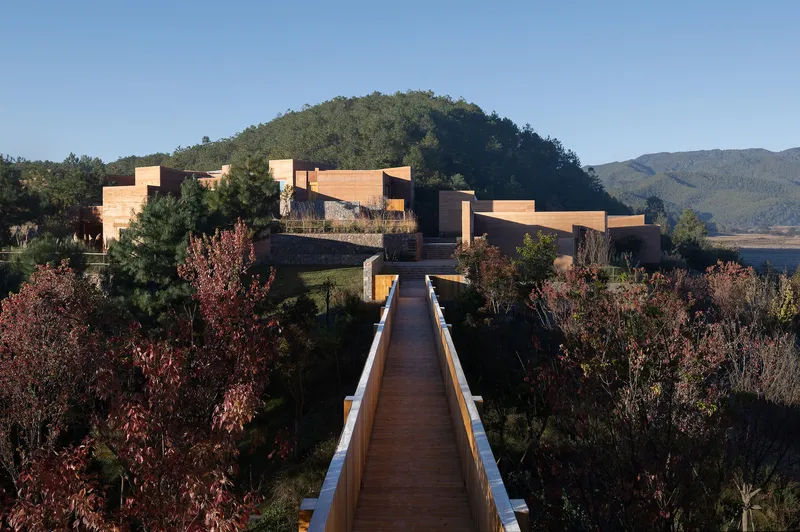
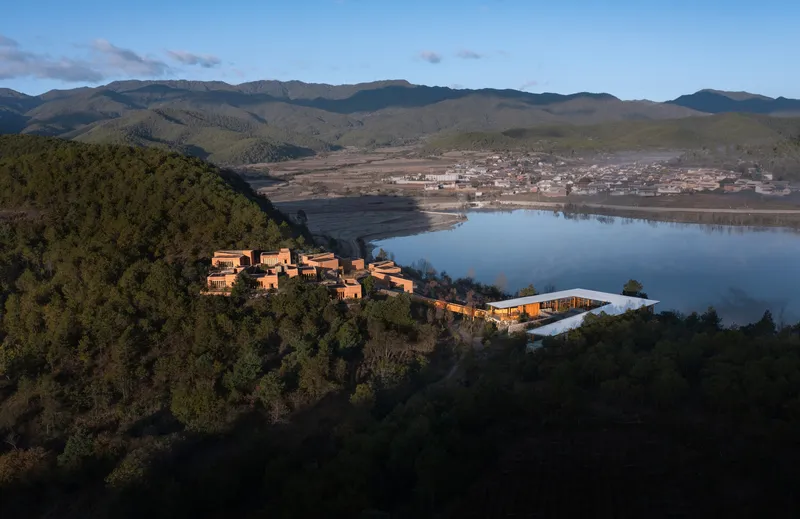
Project Overview
Design Philosophy and Context
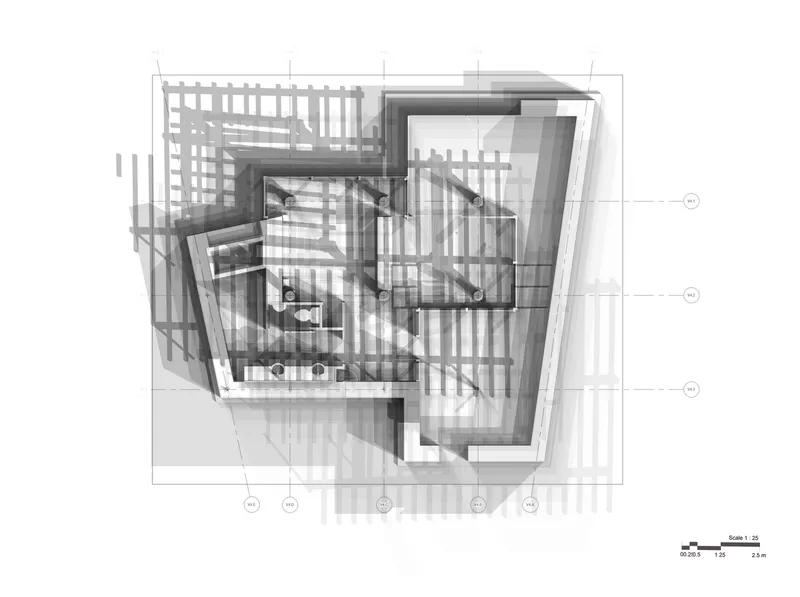
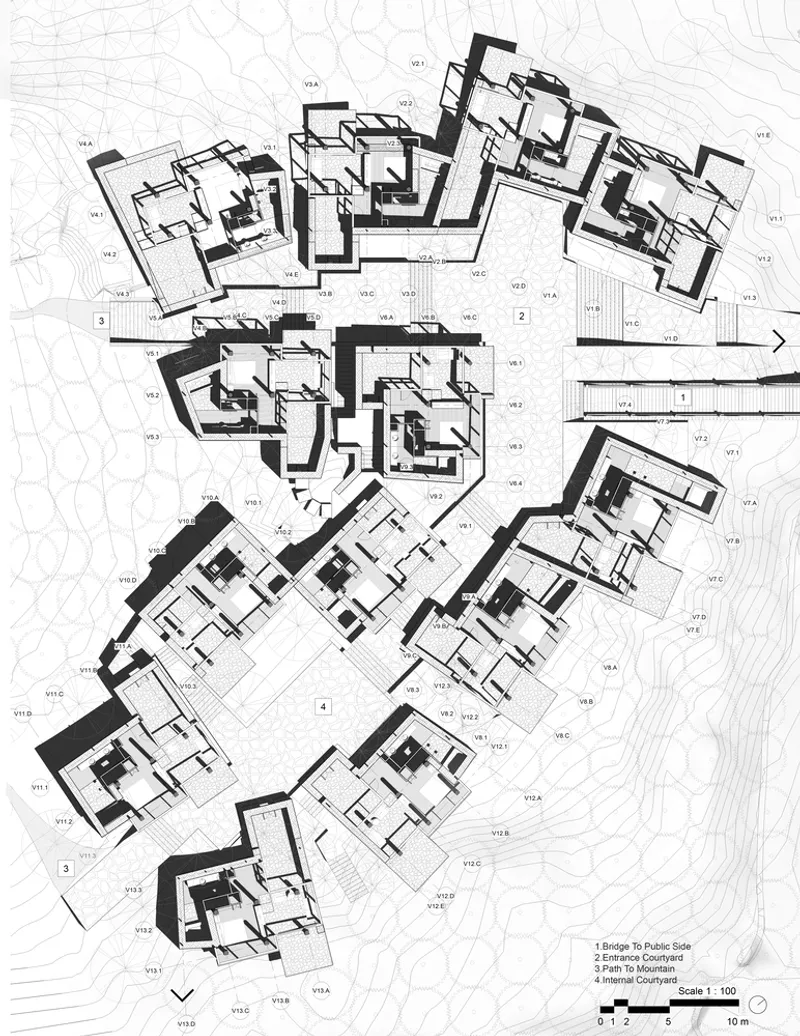
Nestled along a historic trail near Shaxi, the campus is designed to serve as a hub for community and cultural engagement while fostering economic and educational growth. It spans an area of 1,541 square meters and incorporates traditional building techniques with modern sustainable practices.


Architectural Challenges and Innovations
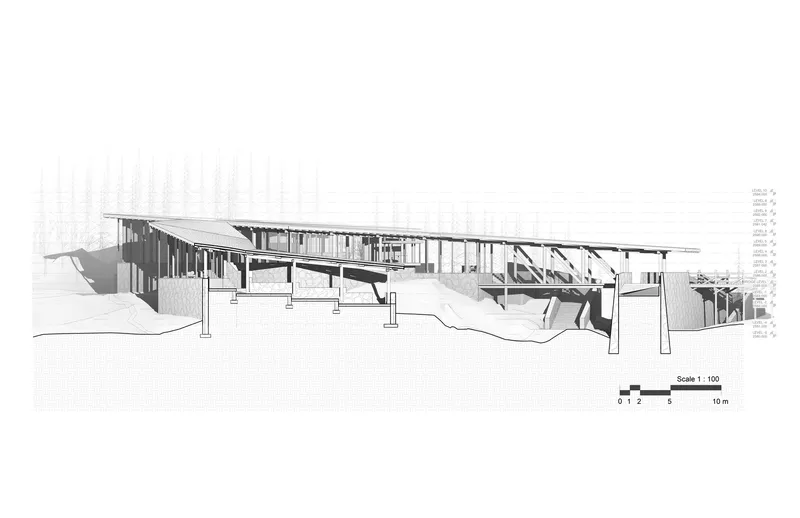
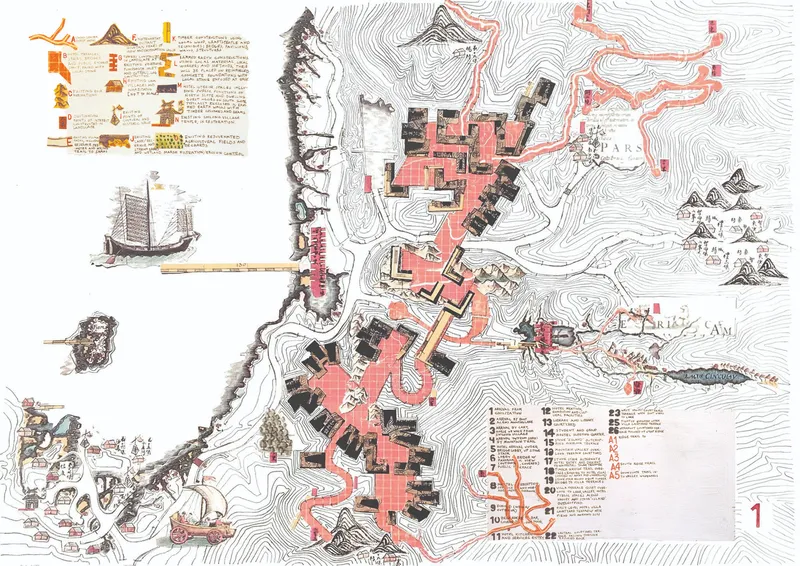
One of the main challenges was integrating the campus with the existing landscape marred by construction scars and grazing damage. The solution was innovative: build within these scars to preserve the surrounding natural beauty. This approach not only minimized environmental impact but also enhanced the site's ecological recovery.


Key Features of The Linden Centre Shaxi Community Campus
Integration with Local Environment
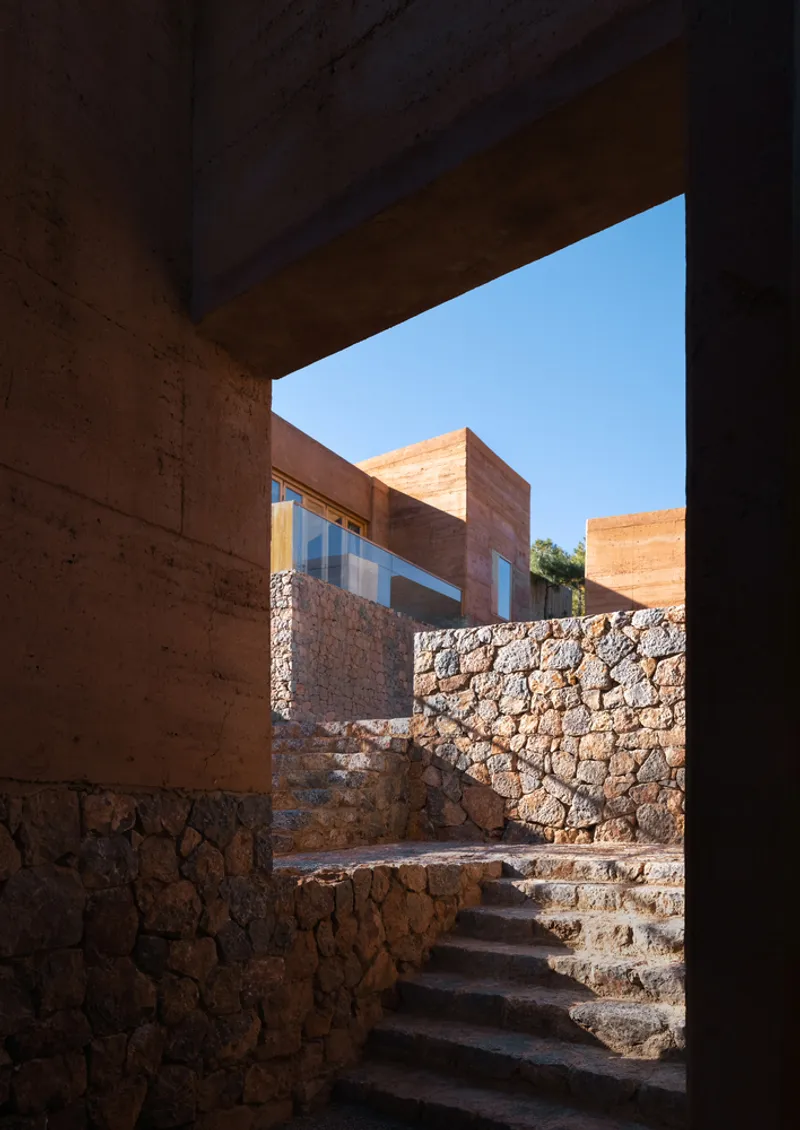
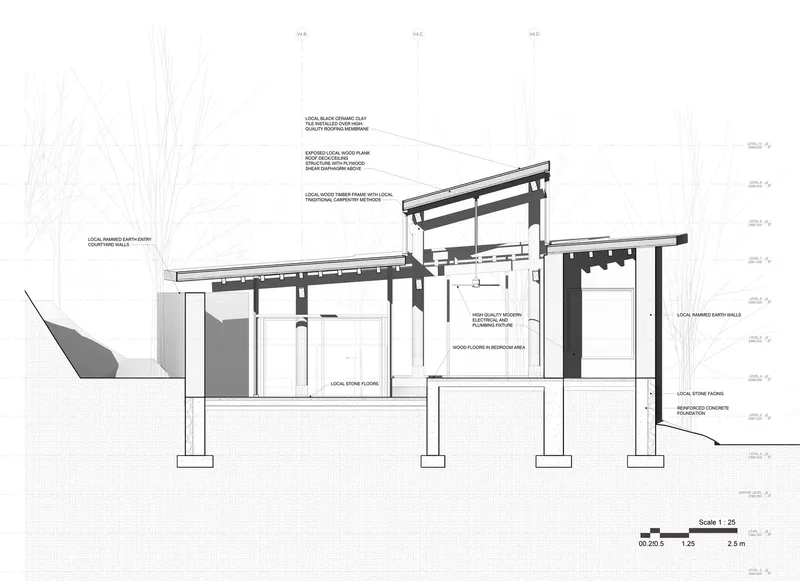
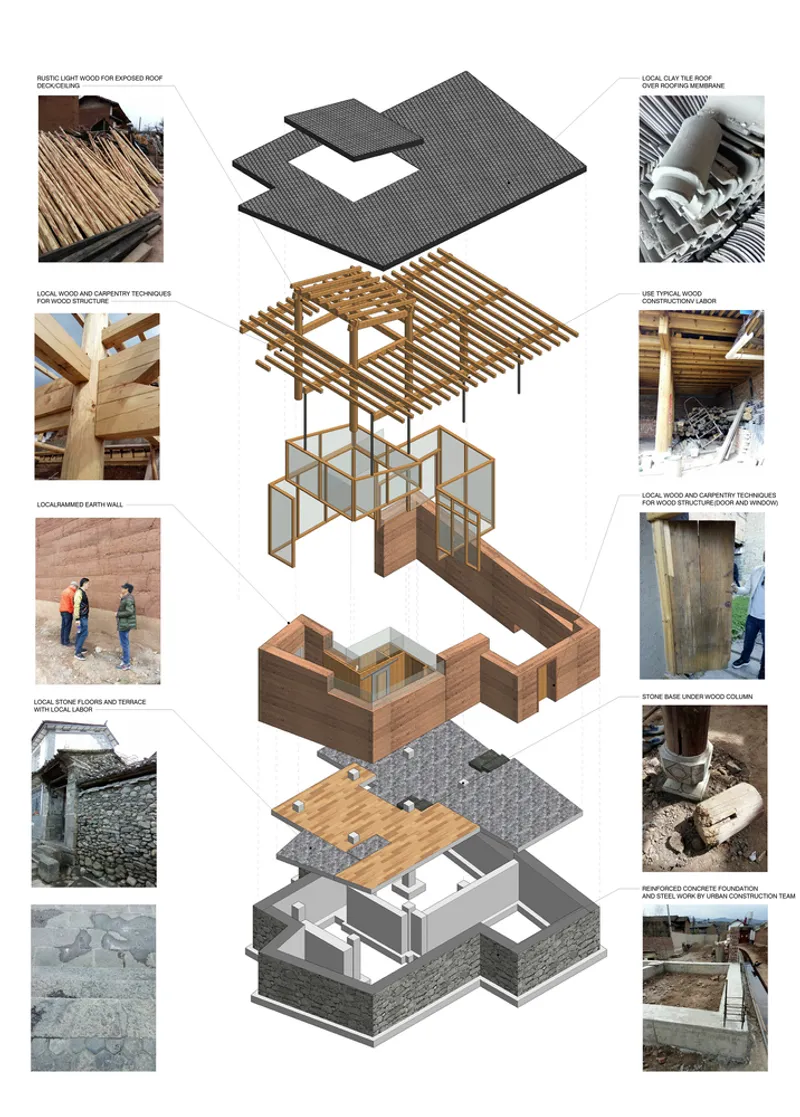
The campus layout carefully considers its pristine surroundings, using local materials like stone, rammed earth, and timber. These materials are not just choices for sustainability but are deeply embedded in the local craftsmanship, ensuring the campus resonates with the regional architectural vernacular.


Communal Construction Methods
Emphasizing communal construction methods, the project reflects the traditional communal work practices of Shilong villagers. This approach helps sustain community skills and ensures the architectural process contributes to local social cohesion and economic stability.


Sustainability Practices
Use of Local Materials
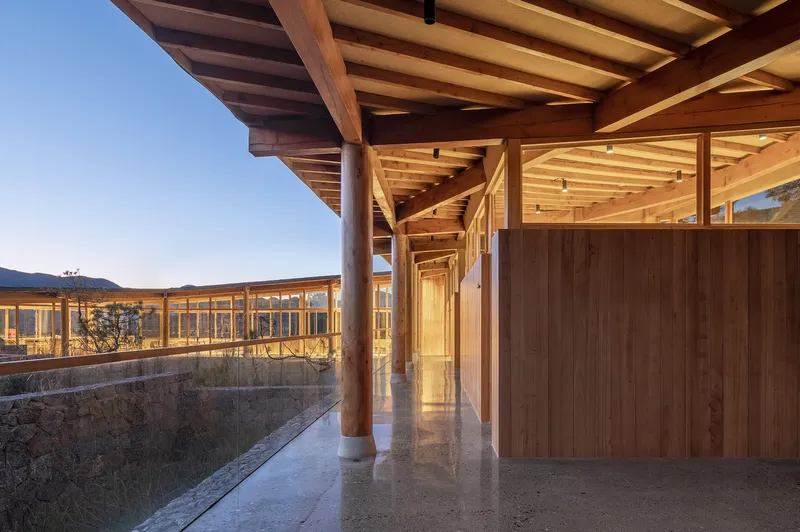
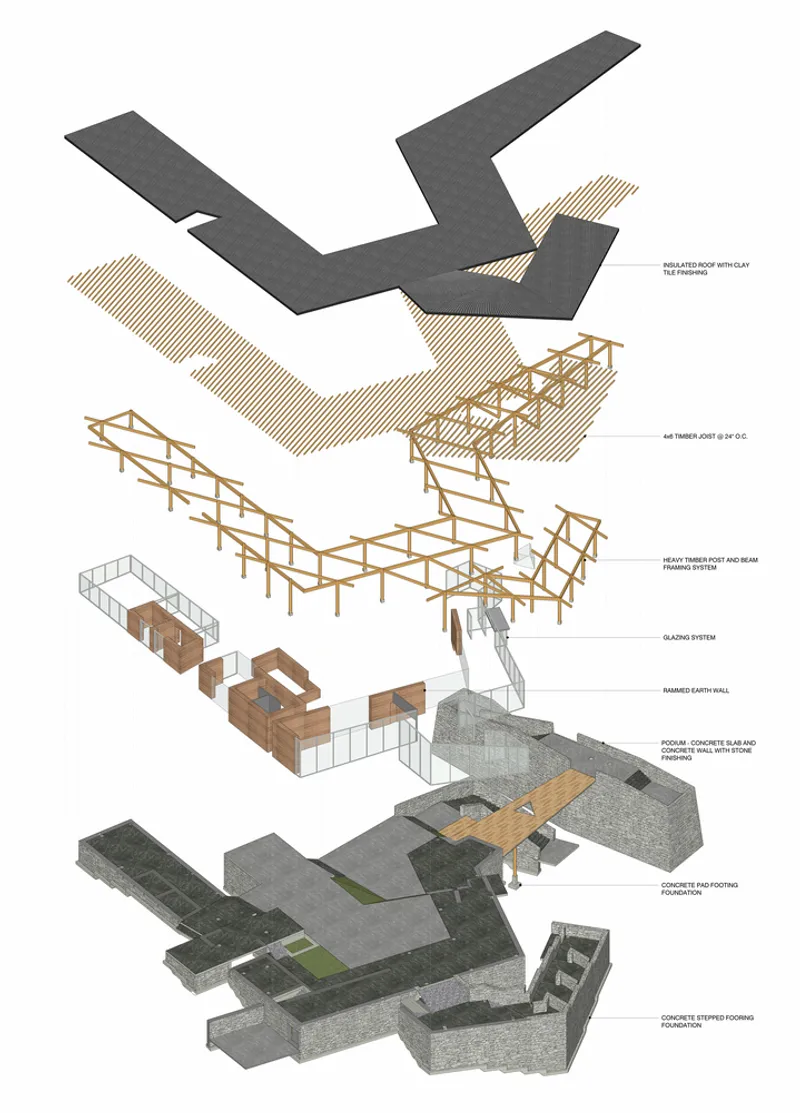
The campus utilizes locally sourced materials to reduce the carbon footprint associated with transportation. Stone foundations, rammed earth walls, and timber frameworks are built using age-old techniques adapted to meet contemporary standards and building codes.


Modern Enhancements
To complement traditional methods, modern glazing and necessary reinforced concrete are introduced, ensuring durability and compliance with modern safety standards. These interventions are subtly integrated, maintaining the aesthetic integrity of the traditional design.


Community Impact and Cultural Preservation
Enhancing Local Skills
The construction process not only preserved traditional building techniques but also introduced the local workforce to new skills. This fusion of old and new practices is creating a sustainable construction model that can be replicated in similar rural settings.
Cultural and Economic Education
The campus serves as a center for cultural and economic education, aimed at transitioning the local economy from subsistence activities to sustainable tourism and education, thereby aligning with the goals of the Development-Oriented Poverty Reduction Program for Rural China.

A Model for Future Developments
The Linden Centre Shaxi Community Campus stands as a model of sustainable community architecture in Shilong, demonstrating how architectural interventions can respect and rejuvenate a local ecosystem while enhancing community life. It offers valuable insights into sustainable development, blending traditional practices with modern standards to create spaces that are culturally resonant and environmentally responsible.

All photographs are work of Zhang Yangyang



Popular Articles
Popular articles from the community


Play: Fragments of Their World
Familiar architecture becomes modular playground design, creating safe spaces where displaced children can learn, connect, imagine and play.

Lunar Spiral: Space Architecture Shaped by the Mathematics of the Universe
Lunar Spiral reimagines space architecture through Fibonacci geometry, lunar regolith, levitating habitats, and self-sustaining Moon living.

Conexión: Biophilic Design Reimagines High-Rise Living in Hong Kong
Conexión reimagines high-rise living in Hong Kong through biophilic design, green facades, shared spaces, daylight, water and nature within.

The Musturak Paradise: Senior Living Architecture for a Connected Future in Temara, Morocco
The Musturak Paradise reimagines senior living architecture in Temara via private homes, social spaces, culture, community, and shared care.

Similar Reads
You might also enjoy these articles


Hodi-Mandai Geram
Project Function: Preservation and revitalization of the Intangible heritage and socio-spatial identity of the Hodi by Housing, Cultural Memory Center, Sacred Grove, landscape, local tourism economy


Olio Towers: A Mid-Rise for Performers That Fuses Housing, Rehearsal, and Stage
Located blocks from Houston's Theater District, this modular tower stacks living units around a central performance atrium.

Oasis: Modular Green Housing Carved into Dhaka's Urban Fabric
A shortlisted Plugin Housing entry reclaims unauthorized settlements in Dhaka with stepped concrete volumes, green roofs, and ventilation-driven design.

Black Hole: A Floating Megastructure for the Post-Physical Era
Emiliano Mazzarotto envisions a spherical, self-scaling arena where e-sports, digital hotels, and holographic stadiums replace traditional public space.


Explore Architecture Competitions
Discover active competitions in this discipline



Challenge to reimagine the Iron Throne


Photograph architecture without architects


Illustrate the lost glory of Angkor Wat - Render Challenge


Design challenge to reuse E-waste
Comments (0)
Please login or sign up to add comments
No comments yet. Be the first to comment!