
Sustainable Community Center Architecture in West Wusutu Village by Zhang Pengju
Zhang Pengju’s West Wusutu Village Community Center blends sustainability, cultural memory, and multifunctional design, redefining rural architecture in northern China.


The West Wusutu Village Community Center, designed by Zhang Pengju in Hohhot, China, is a 1,276 m² project completed in 2023. Conceived as a multifunctional cultural and social hub, the building addresses the lack of public service facilities in the village. Through sustainable construction techniques and a design rooted in local identity, the project offers a new model for sustainable community center architecture in rural China.
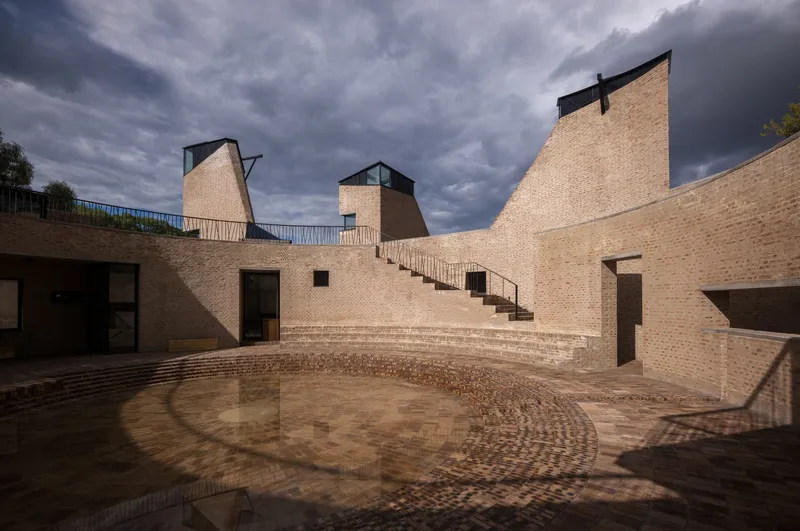
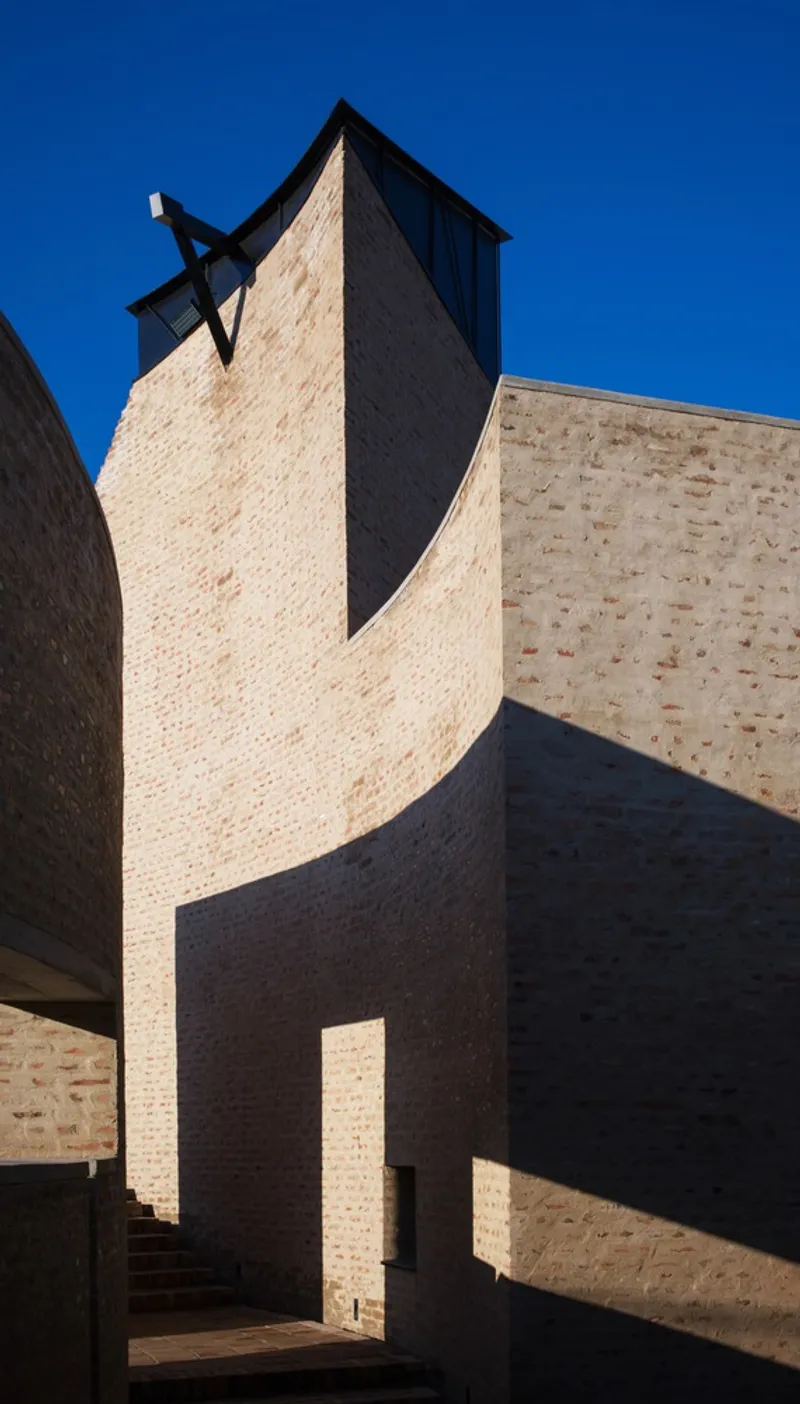
A Multifunctional Village Hub
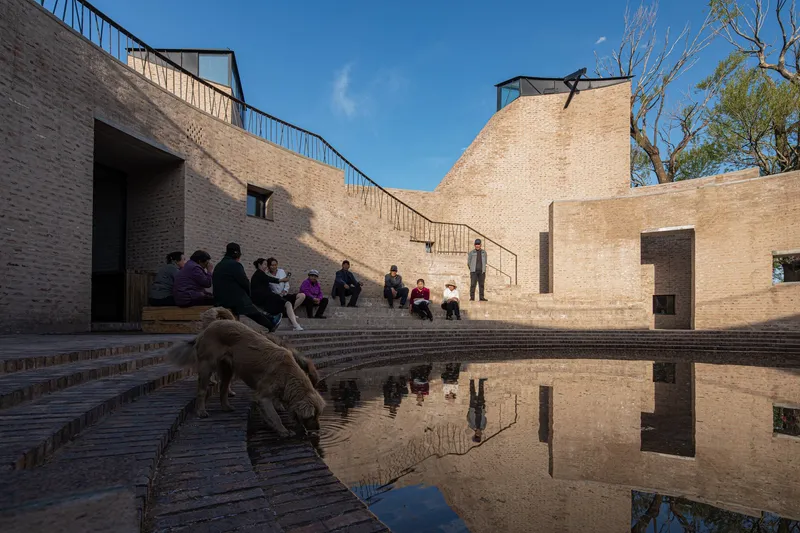
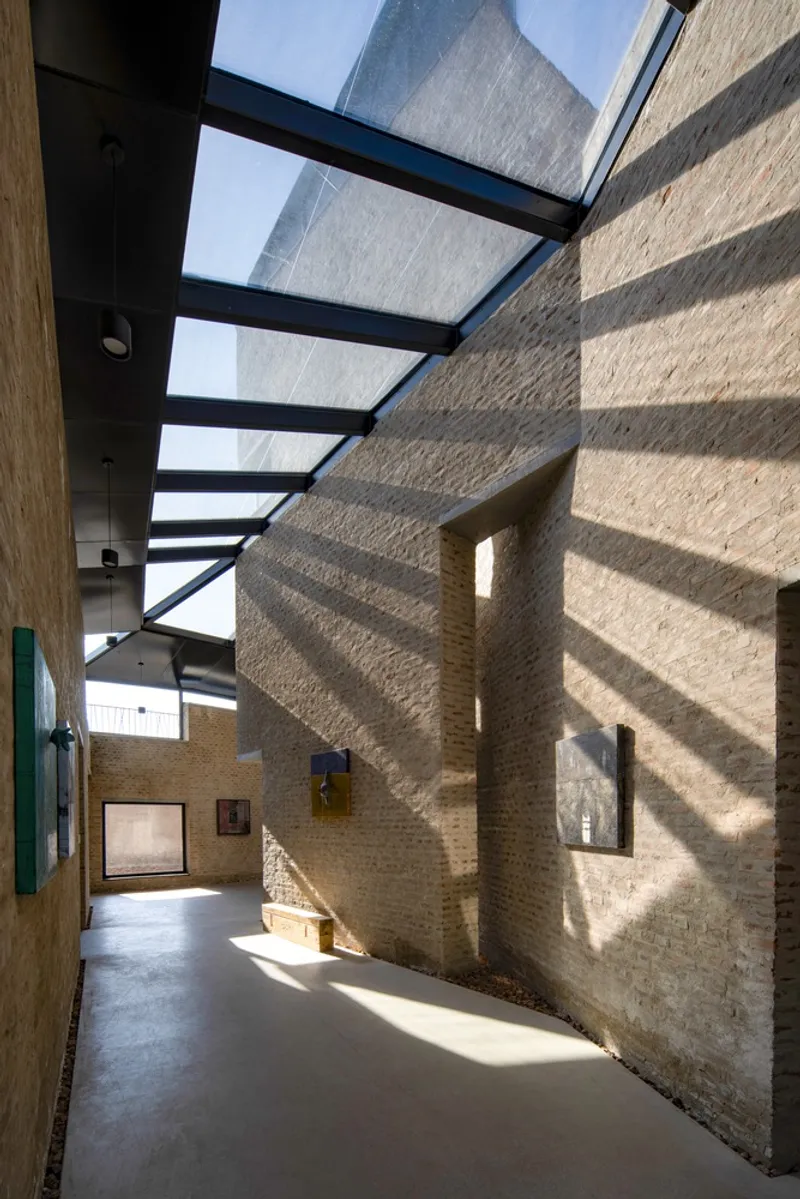
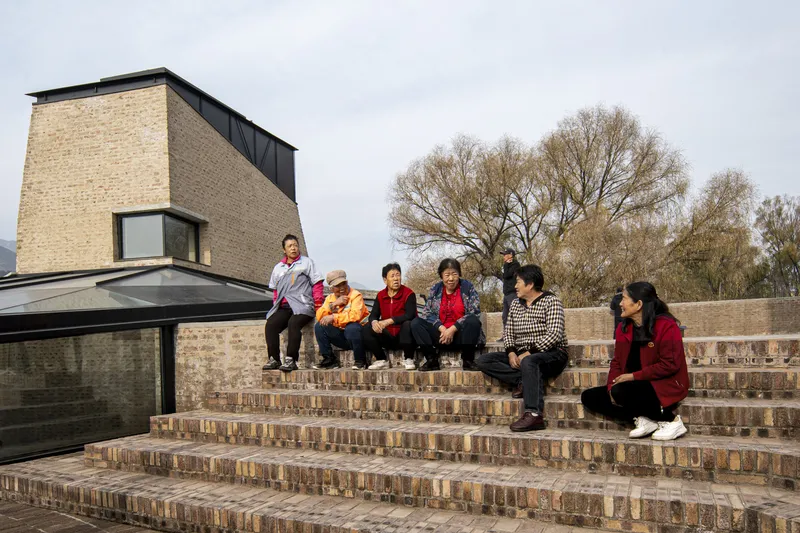
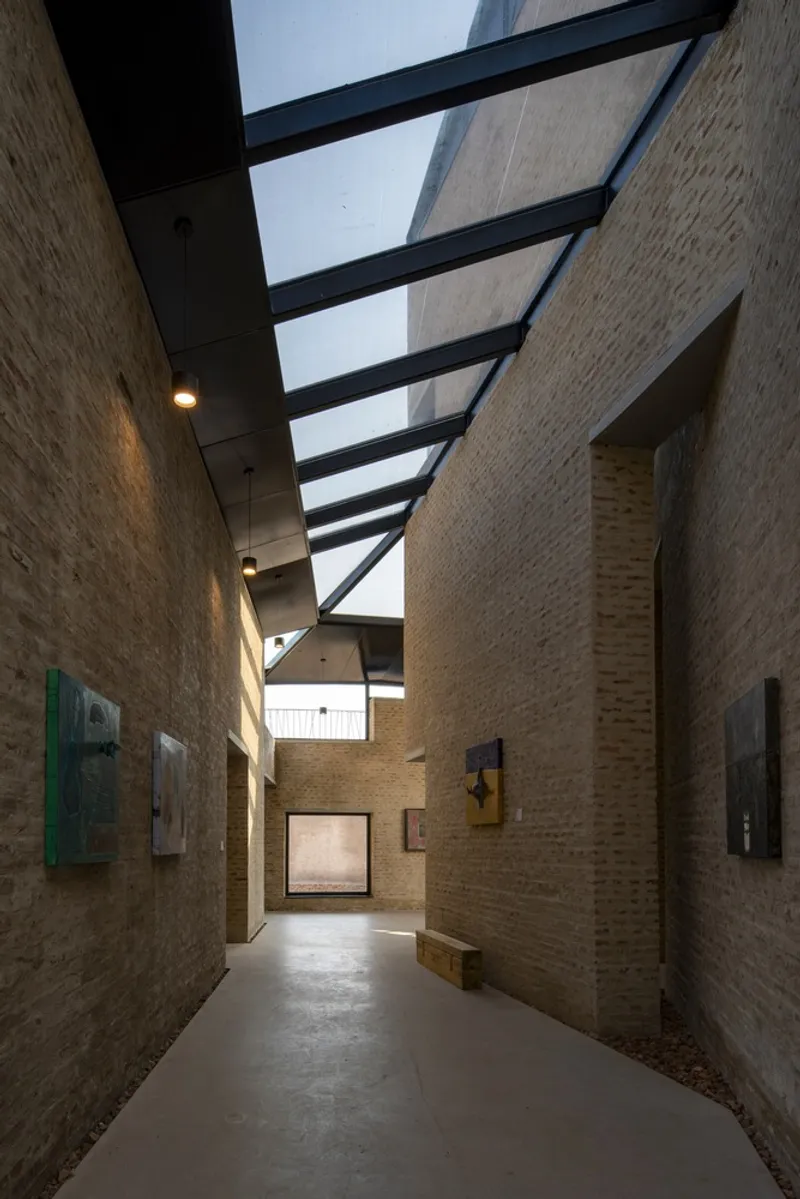
The community center responds to the diverse needs of West Wusutu’s residents. It provides gathering spaces for elderly villagers, children, and returning youth, creating opportunities for social interaction and intergenerational exchange. At the same time, the project integrates exhibition and social spaces for artists, fostering cultural development. For the Hui Muslim community, the center accommodates religious needs, serving as an accessible spiritual space far from the main mosque.
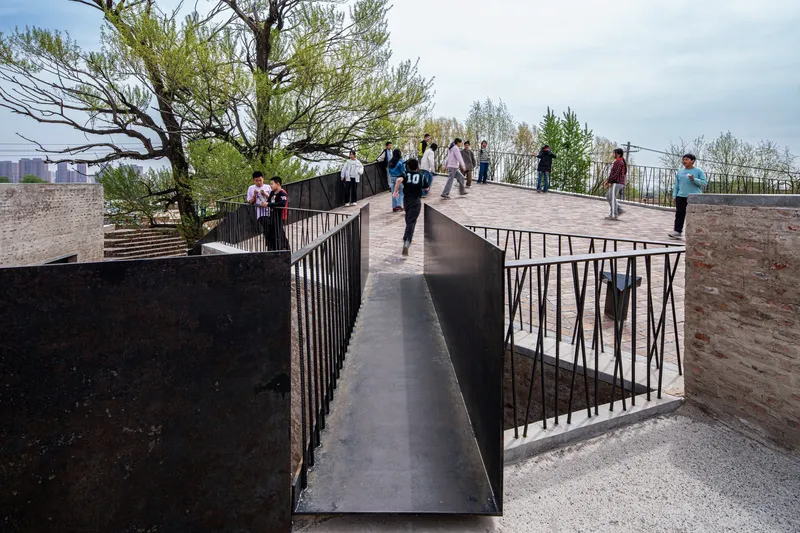
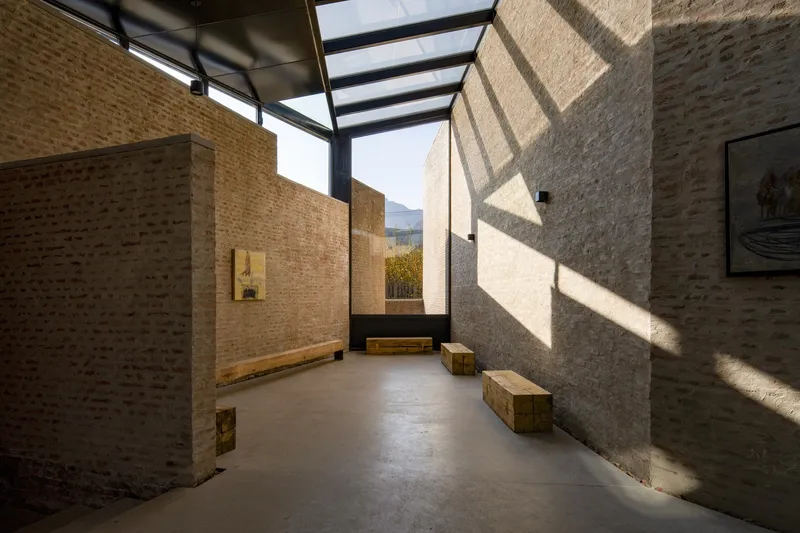
Spatial Organization and Design Language
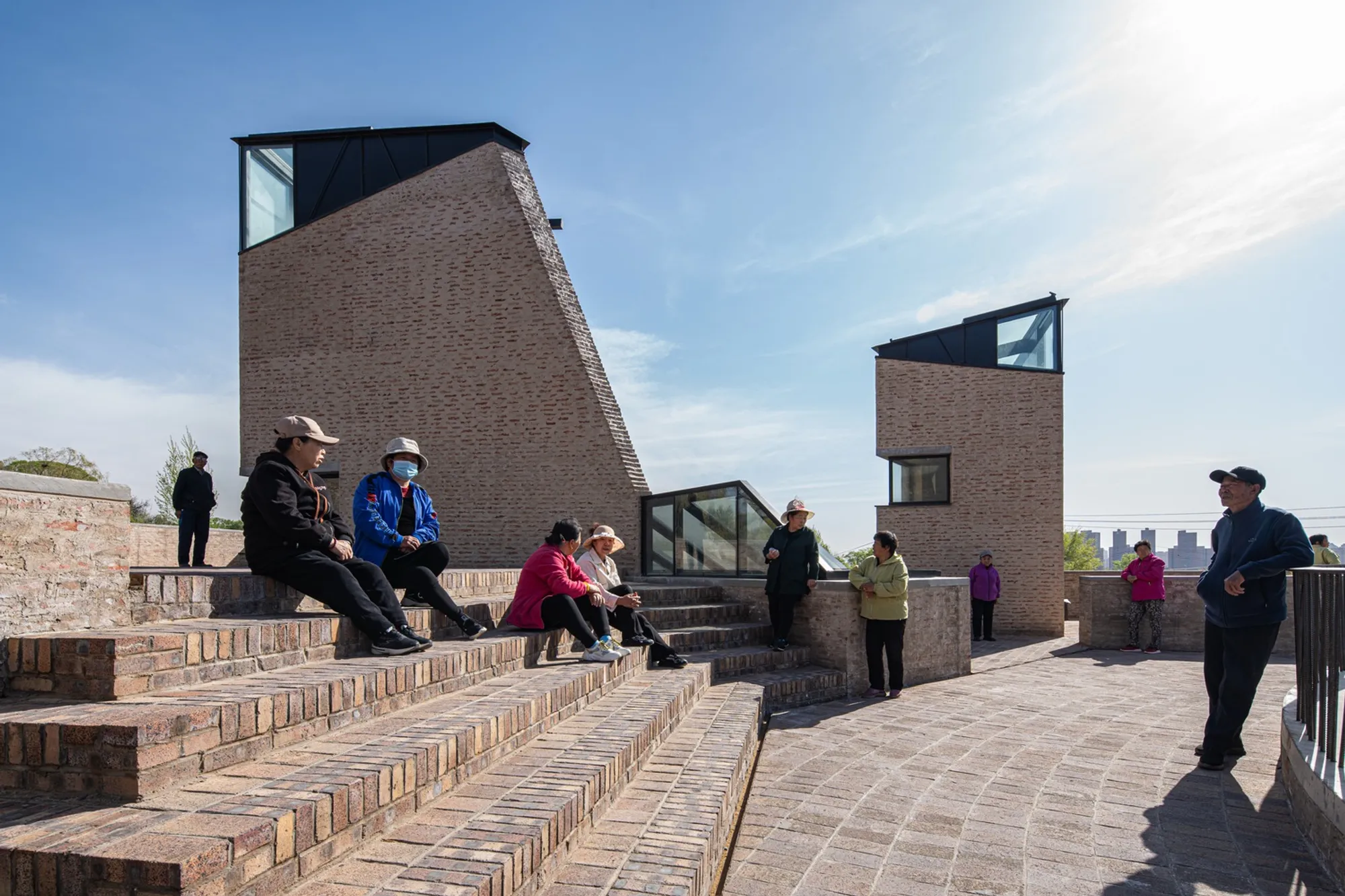
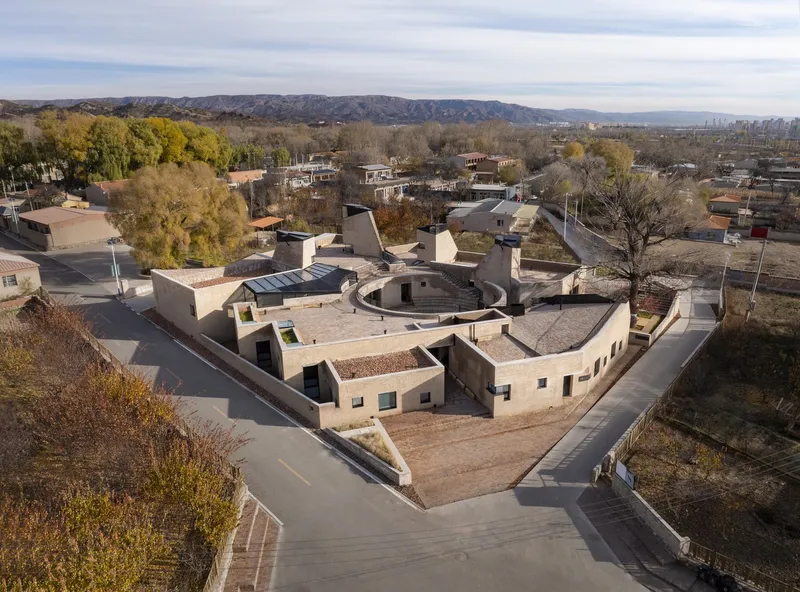
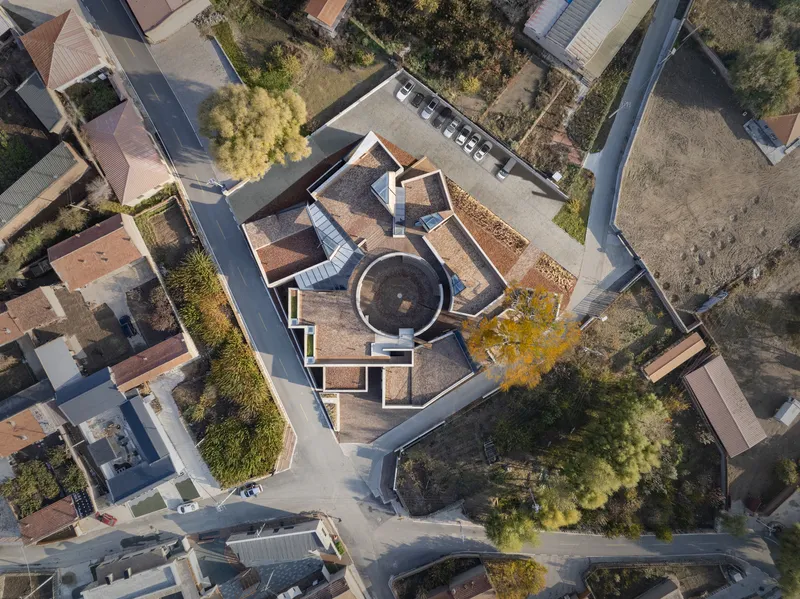
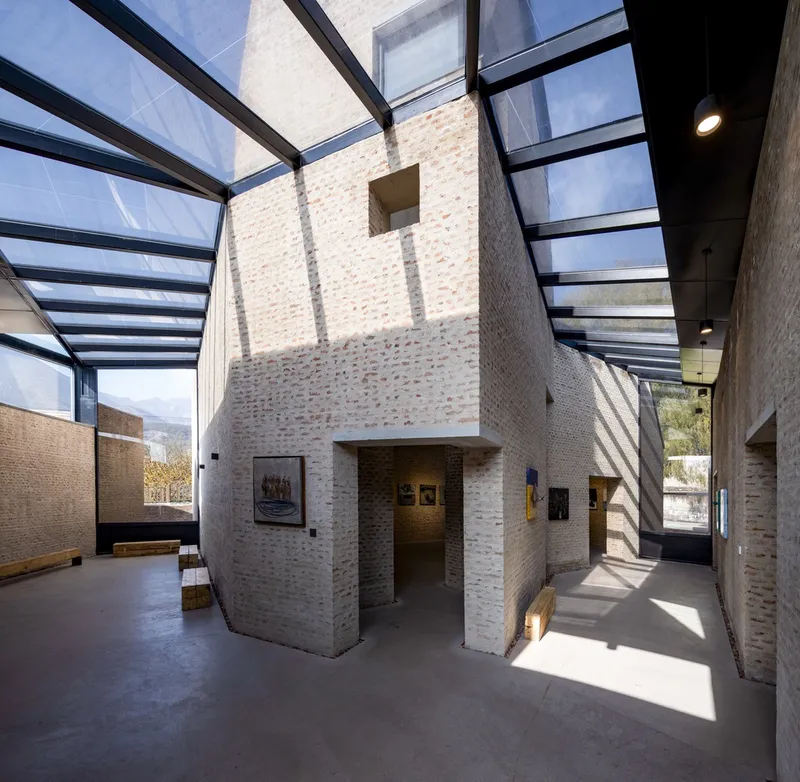
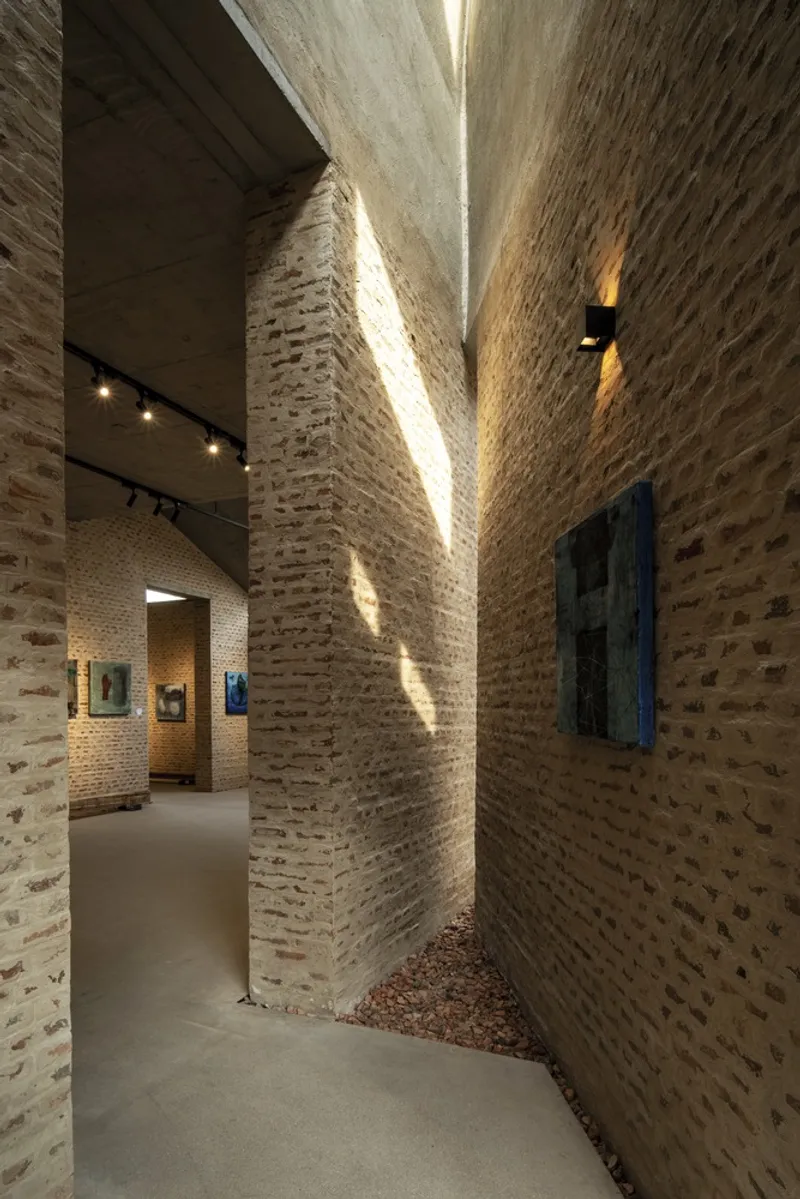
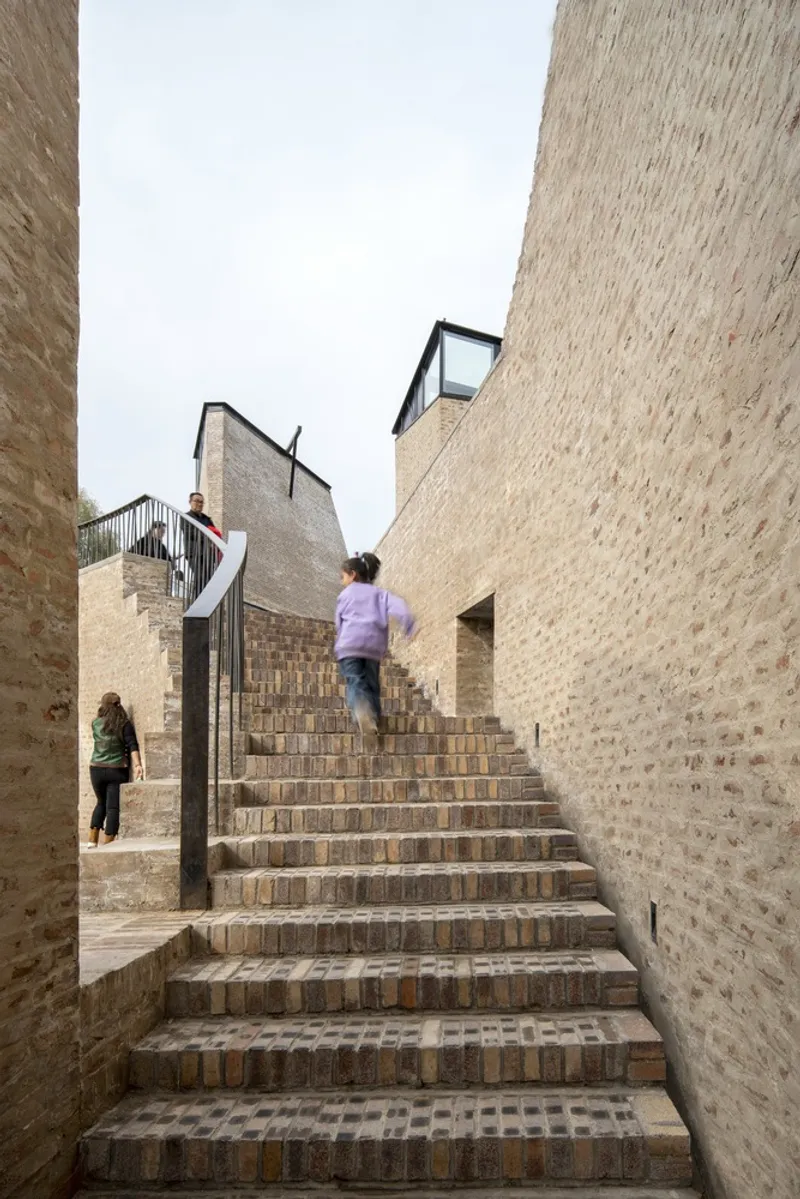
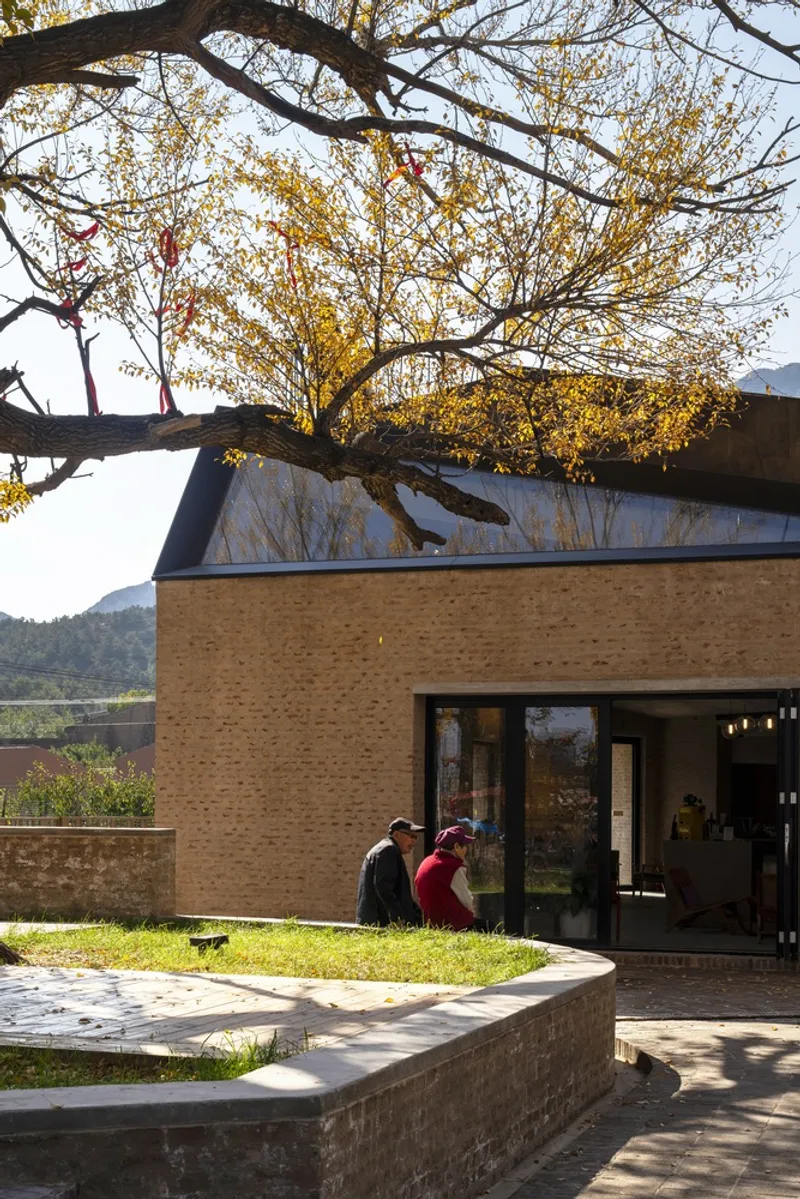
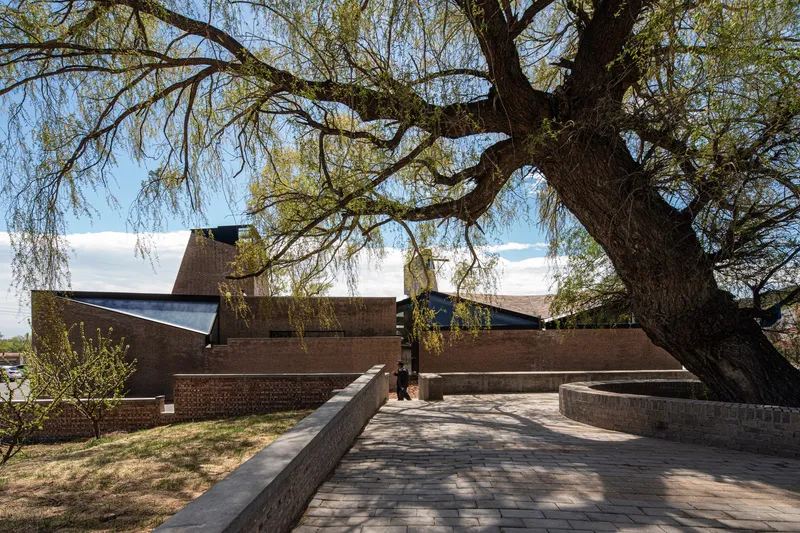
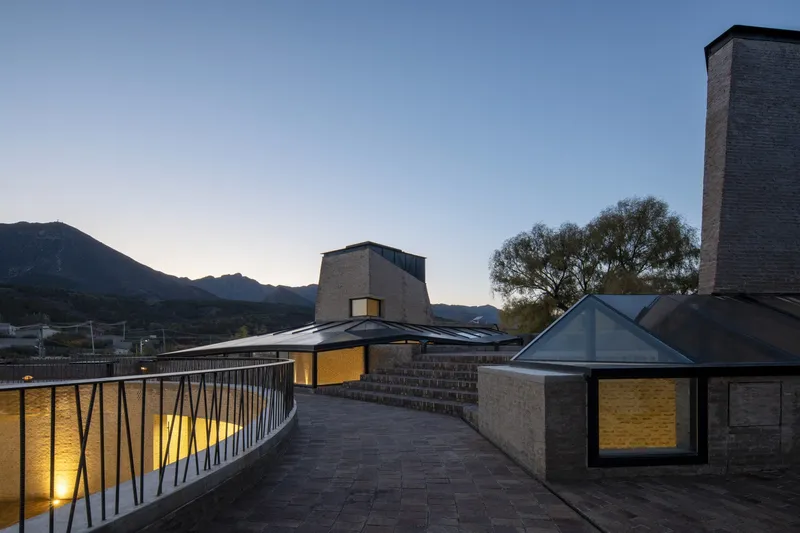
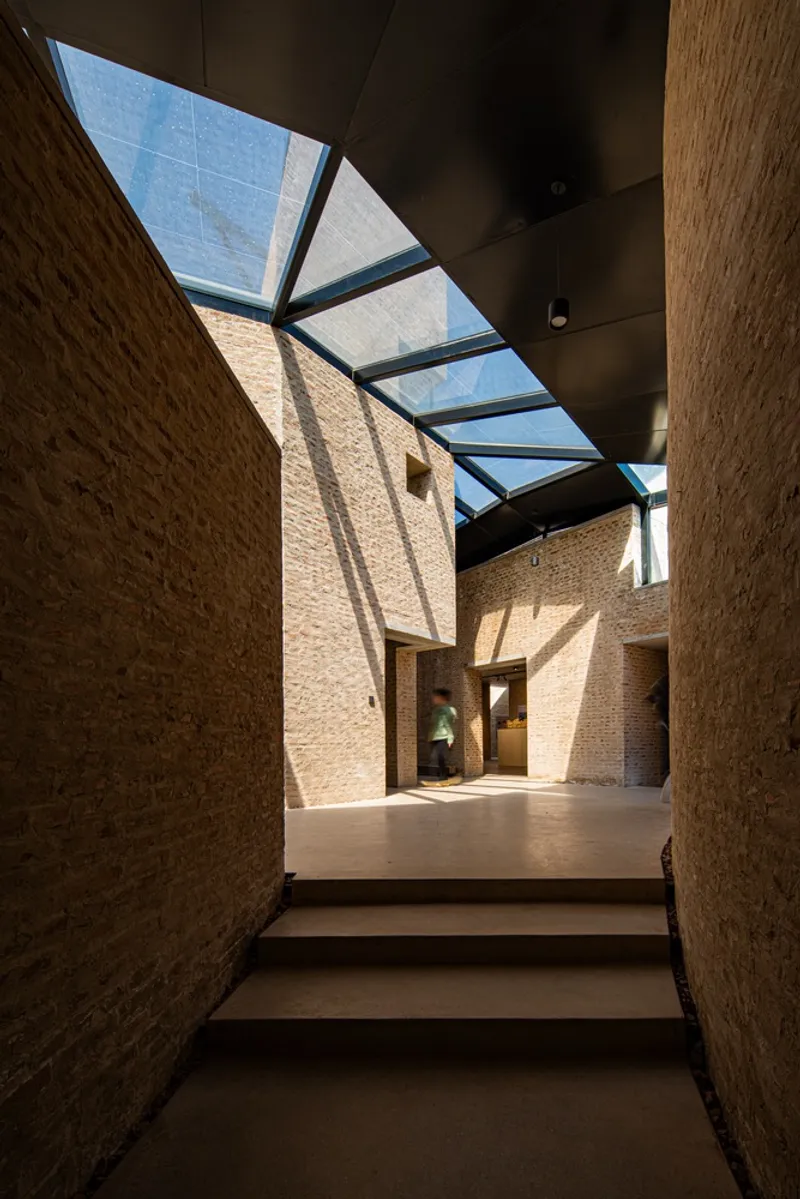
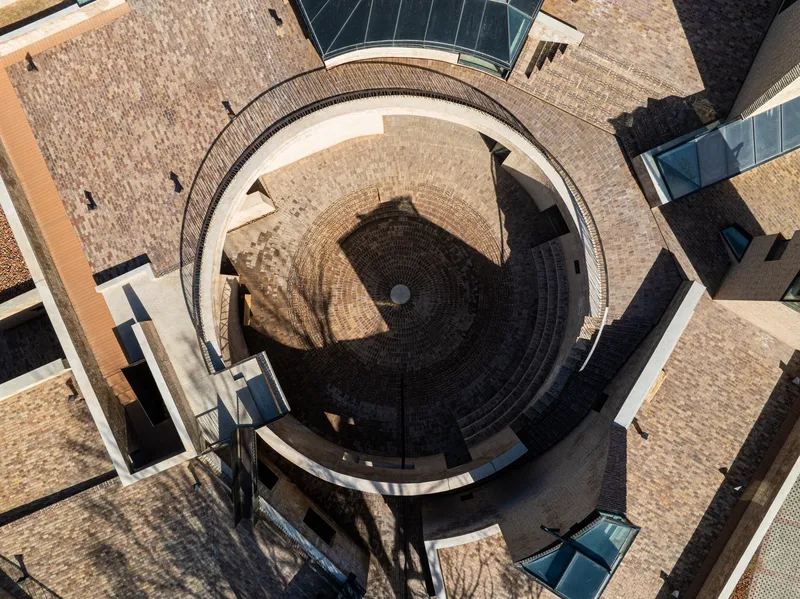
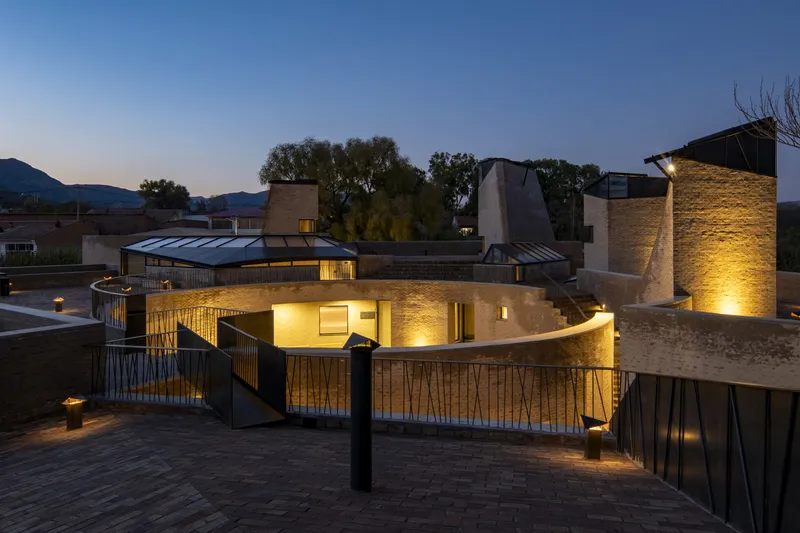
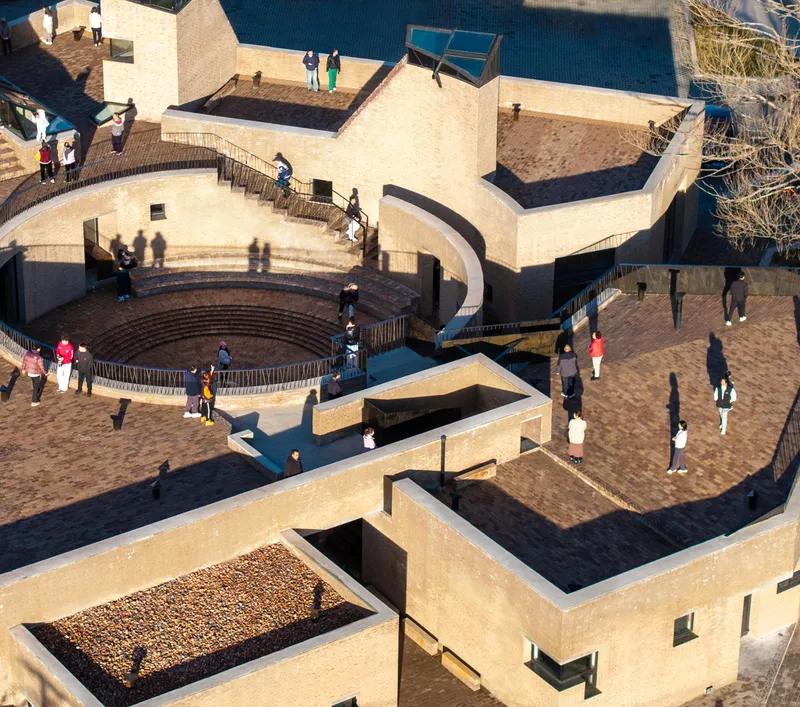
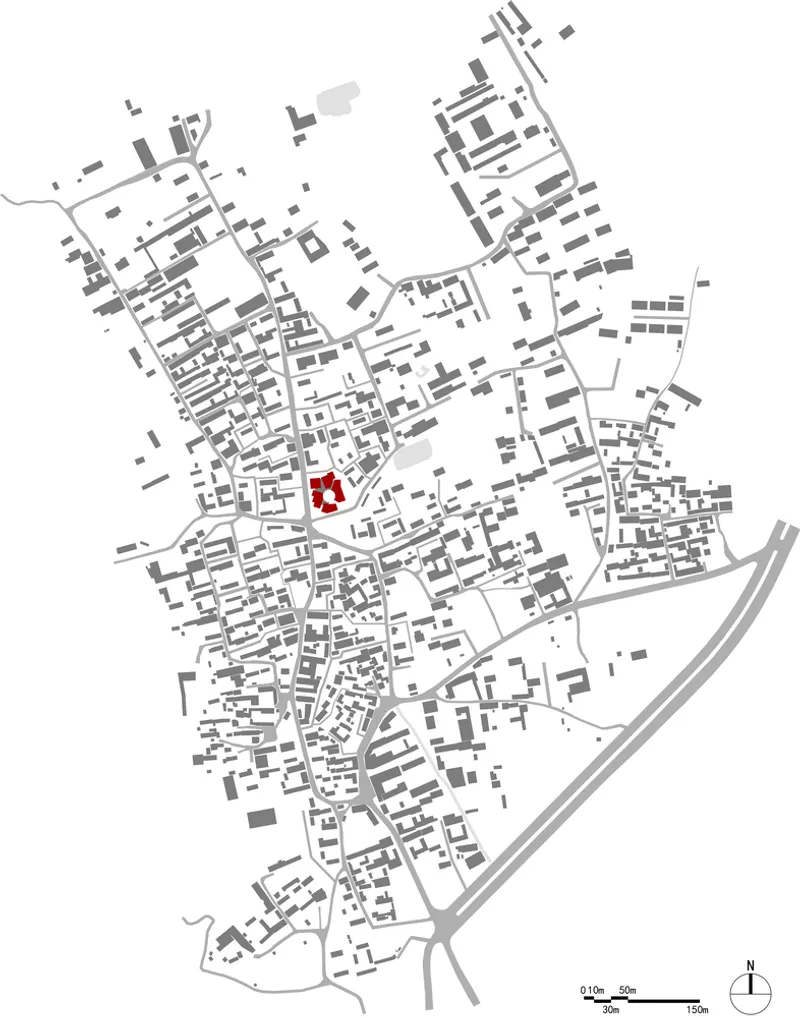
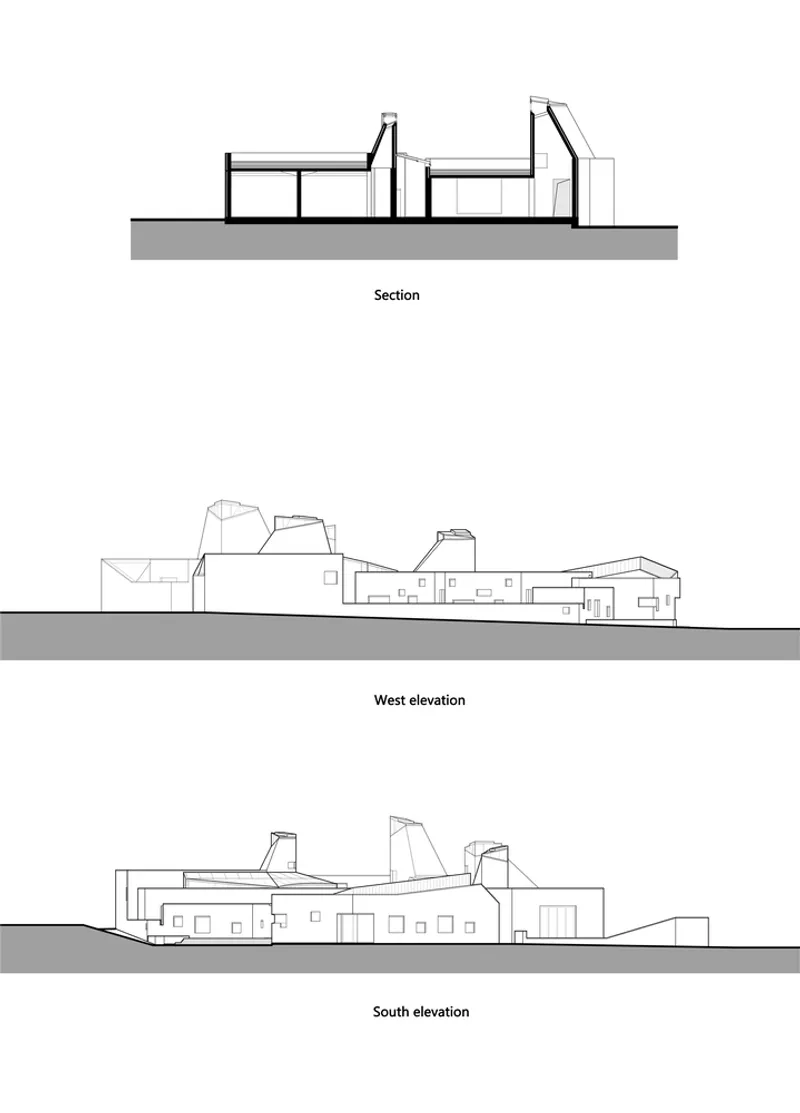
The project preserves the original texture of village streets and alleys by arranging smaller building volumes along the site’s perimeter. Circulation converges inward to a central courtyard and extends upward through indoor streets and rooftop terraces. This three-dimensional network creates fluid spaces that encourage exploration, relaxation, and gathering. The layout, shaped around existing old trees, strengthens the collective memory of the former village temple, reinforcing the site’s cultural and spiritual identity.
Sustainable Construction and Materials
Sustainability lies at the core of the design. The entire complex is constructed with reclaimed bricks from local demolitions, reducing costs and minimizing waste. The facades are finished with a mixture of white cement and fine sand, retaining the historic traces of material use. To ensure comfort and efficiency, the buildings integrate an 80-mm fly ash insulation layer, providing an affordable and durable housing model for the community.
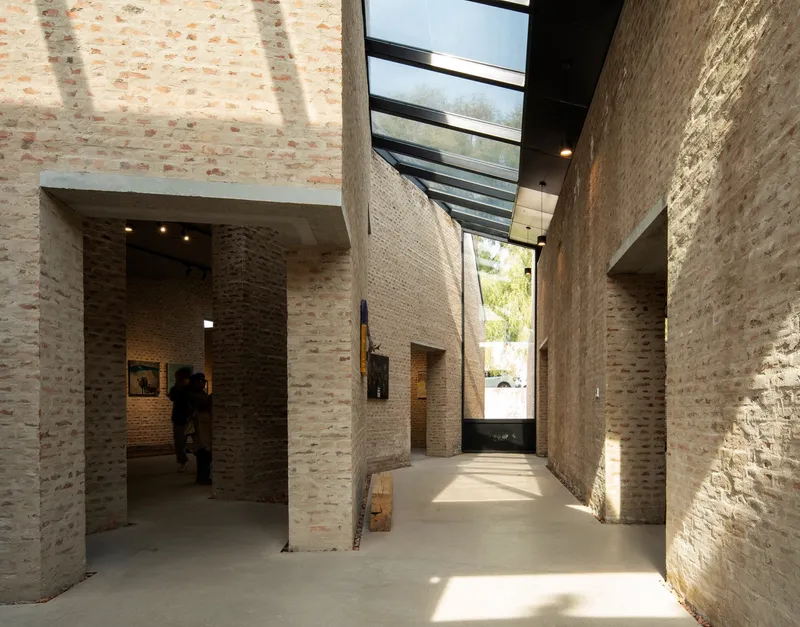
Passive Ventilation and Climate Strategies
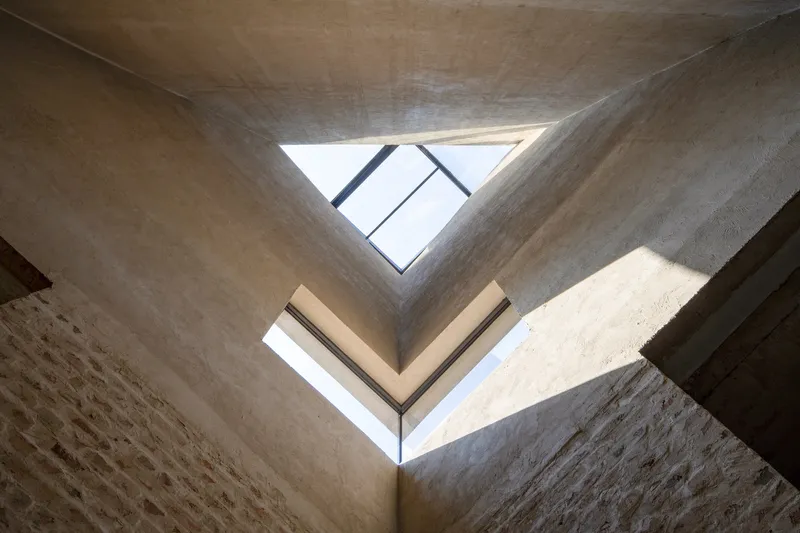
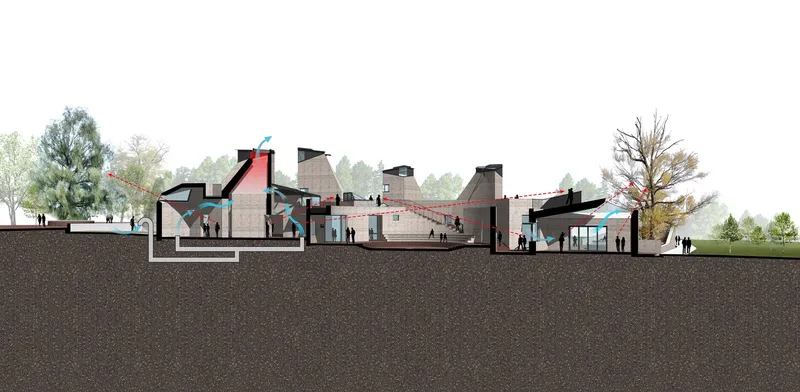
A key innovation of the project is its passive ventilation system, created by combining ventilation towers with underground air ducts. This system ensures natural airflow throughout the complex, improving comfort while minimizing energy use. The architectural form emerges directly from this system, with towers and roof structures doubling as multi-scaled activity spaces for villagers. The design thus merges environmental performance with social interaction.
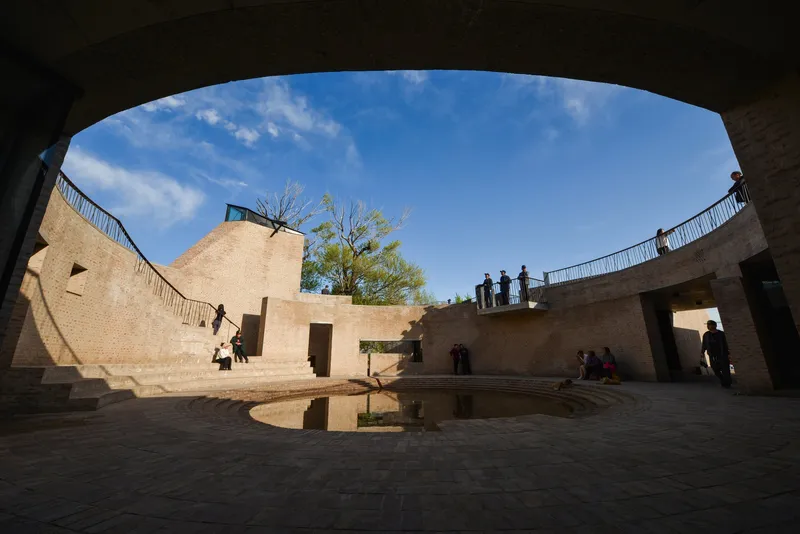
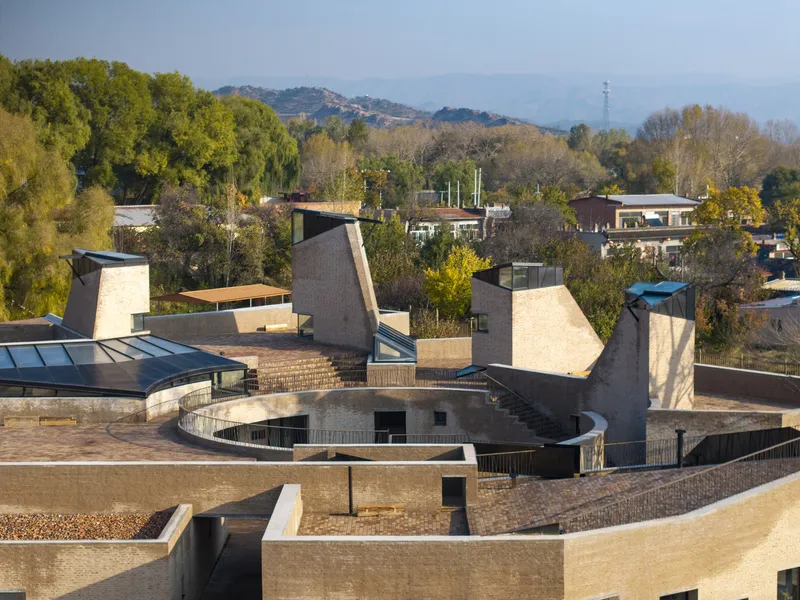
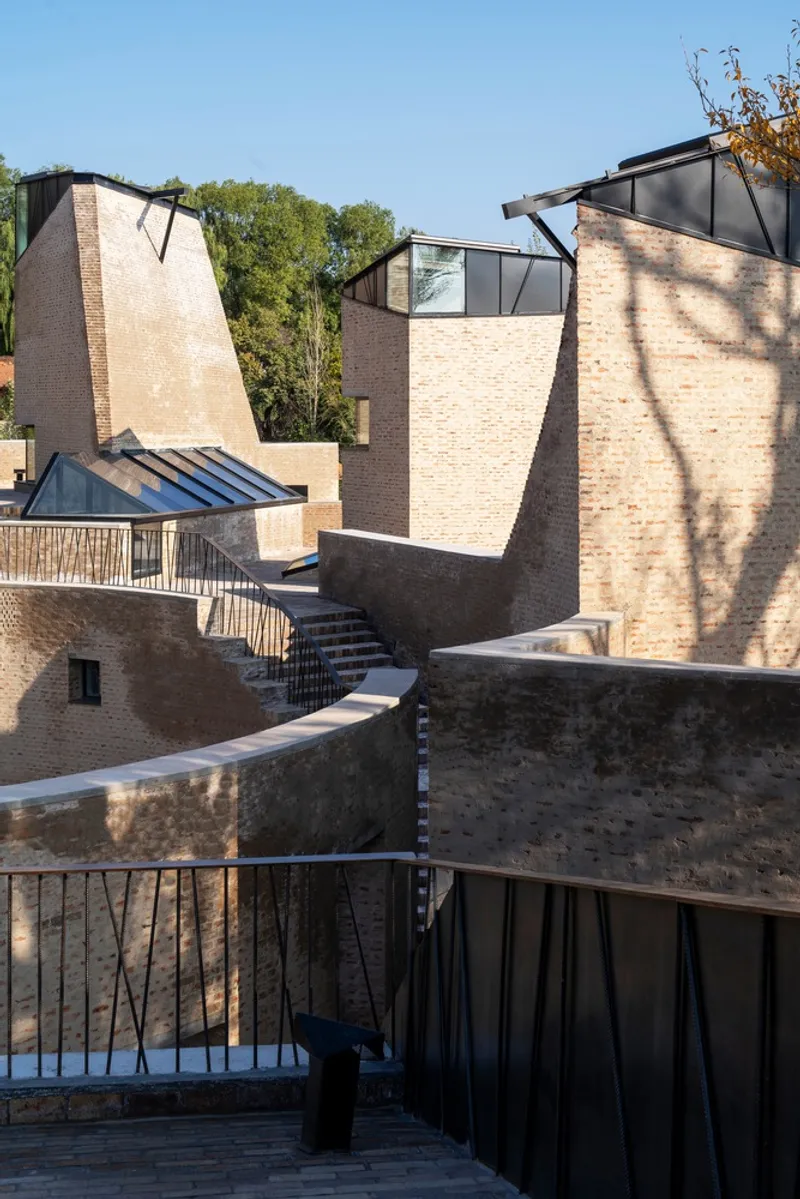
A Model for Rural Regeneration
The West Wusutu Village Community Center demonstrates how sustainable community architecture can serve as a catalyst for rural regeneration. By integrating cultural, social, and religious functions within an ecologically responsible design, the project strengthens identity, supports local traditions, and provides modern amenities. It sets a precedent for future rural architecture in China and beyond, showing how sustainability can be achieved through local resources, passive systems, and community-driven design.
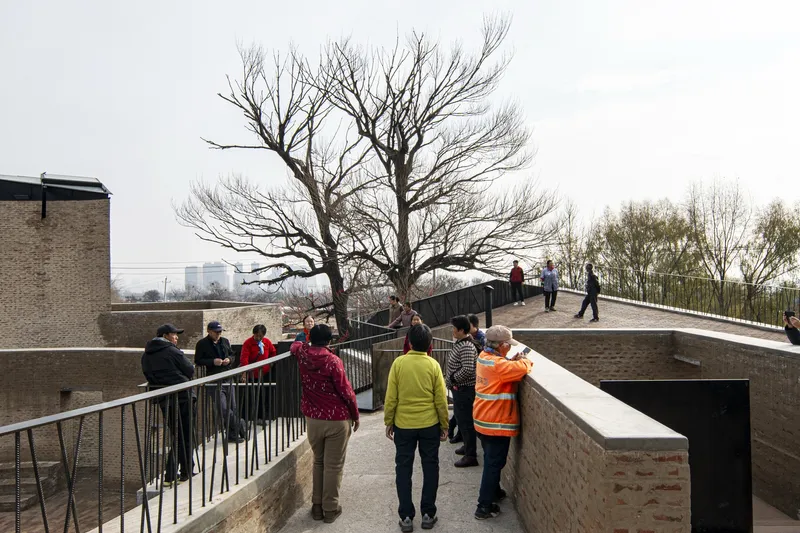
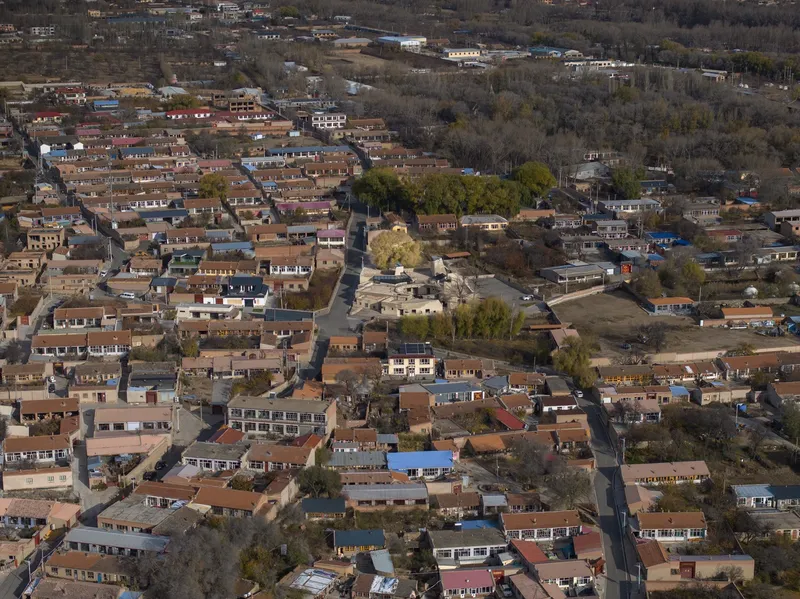
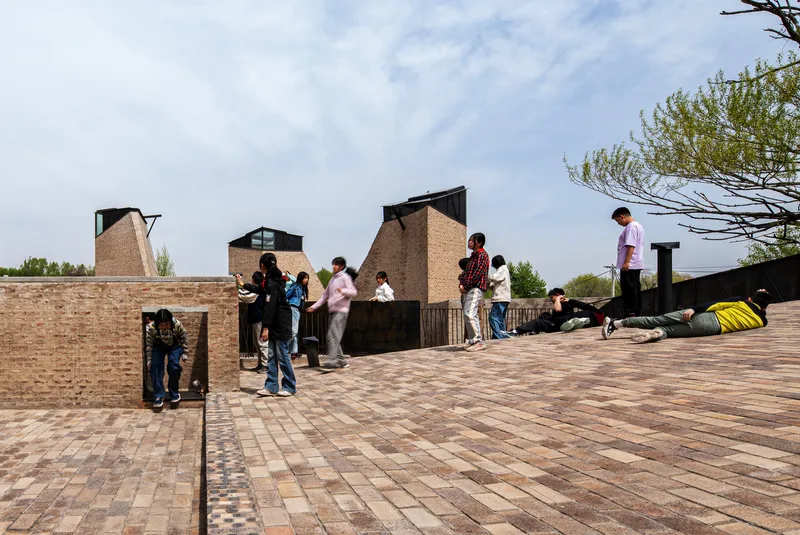
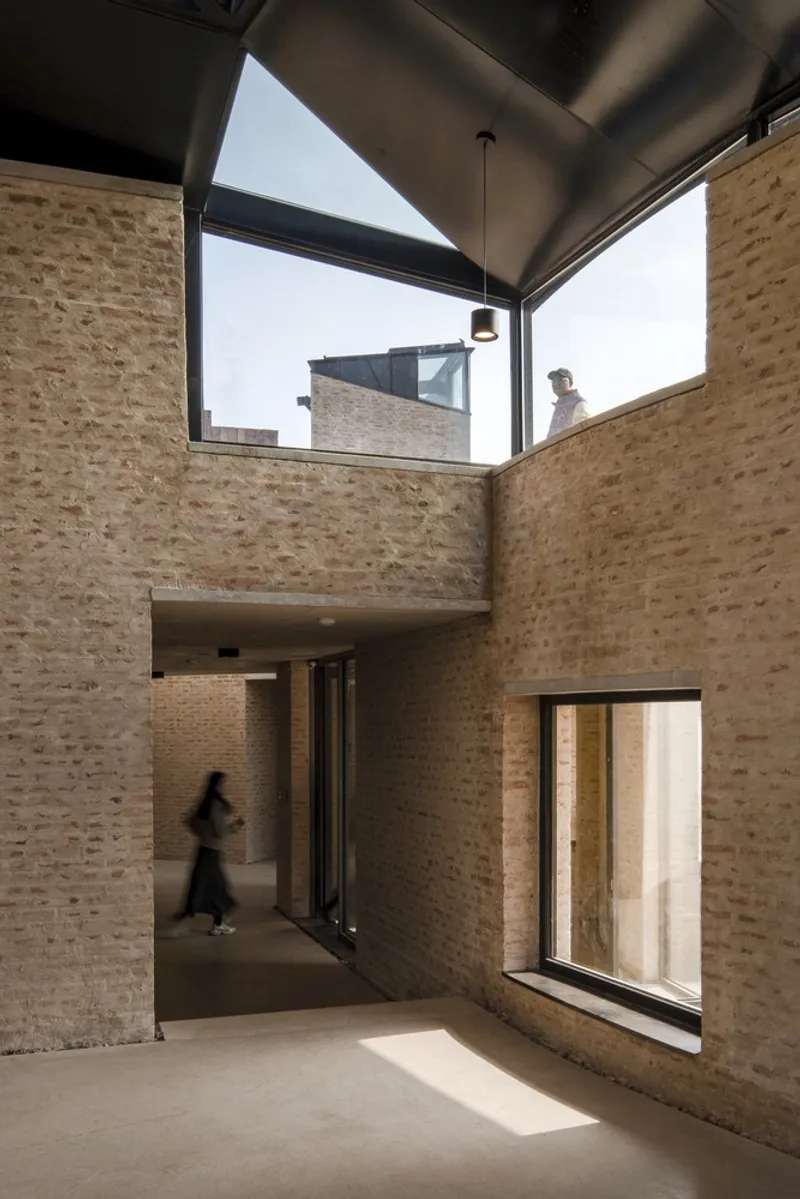
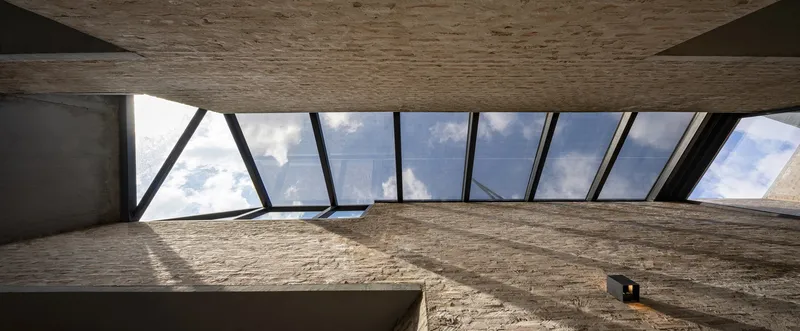
Zhang Pengju’s work in West Wusutu Village highlights the transformative power of sustainable community center architecture. By honoring tradition, embracing material reuse, and addressing the needs of diverse users, the project becomes a timeless anchor for collective life and rural revitalization.
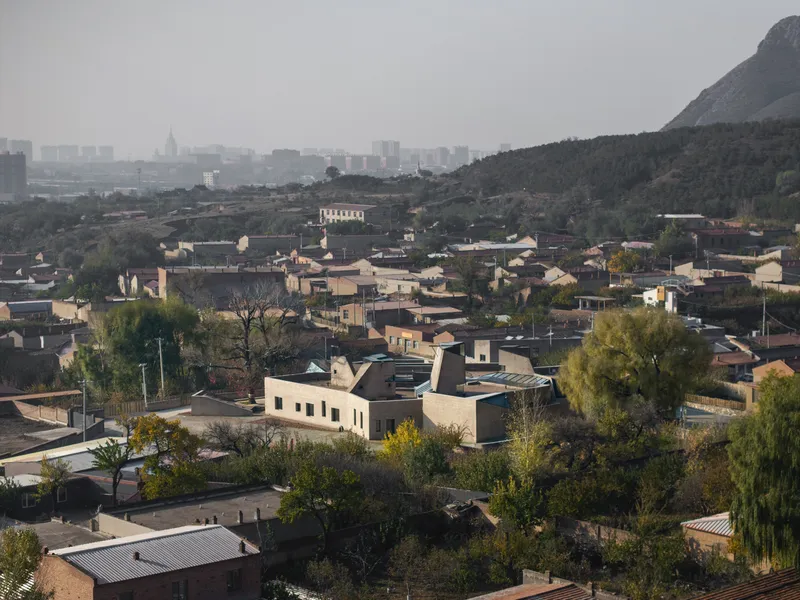
All Photographs are works of Yujun Dou, Mingzhuo Zhao



Popular Articles
Popular articles from the community


Lunar Spiral: Space Architecture Shaped by the Mathematics of the Universe
Lunar Spiral reimagines space architecture through Fibonacci geometry, lunar regolith, levitating habitats, and self-sustaining Moon living.

Co-Life: Senior Housing Design That Reconnects Older Adults With the City
Co-Life reimagines senior housing design through healing gardens, shared streets, workshops, and a sustainable community across generations.

Conexión: Biophilic Design Reimagines High-Rise Living in Hong Kong
Conexión reimagines high-rise living in Hong Kong through biophilic design, green facades, shared spaces, daylight, water and nature within.

Riyadh For All: Intergenerational Urban Design for Active Aging in Rabat
Riyadh For All reimagines urban design in Rabat with intergenerational co-living, adaptive courtyards, and Moroccan cultural exchange today.

Similar Reads
You might also enjoy these articles

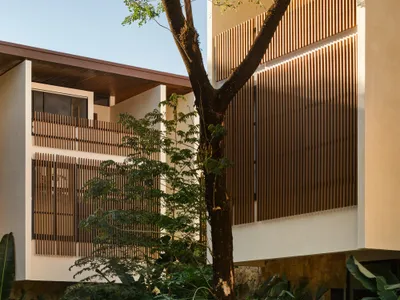
FAMM Arquitectura Organizes Ten Villas Around Courtyards and Jungle in Nosara, Costa Rica
El Molino pairs two elongated volumes with deep overhangs and timber louvers to build a compact coastal community five minutes from the beach.
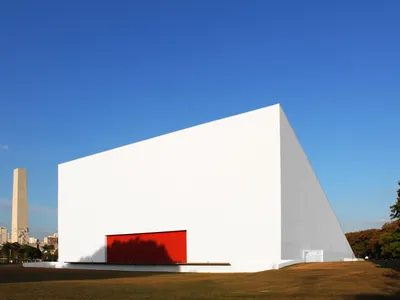
Oscar Niemeyer's Ibirapuera Park Pavilions Define São Paulo's Cultural Identity in Concrete and Curve
A constellation of modernist volumes set within São Paulo's most important urban park, conceived for the city's 400th anniversary in 1954.
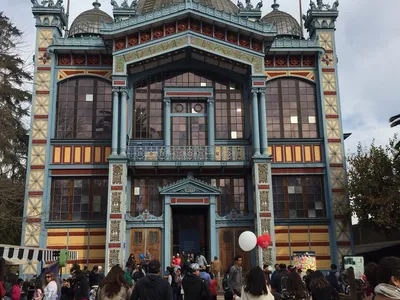
How Henri Picq's 1889 Paris Pavilion Traveled 11,000 Kilometers to Become Santiago's Artequín Museum
A prefabricated iron and glass pavilion built for the Paris Universal Exposition found a second life as a children's art museum in Chile.
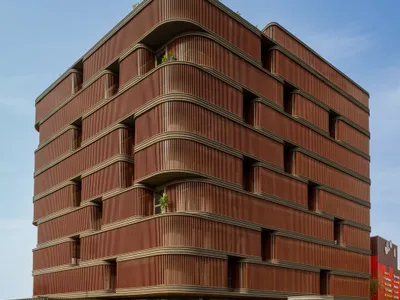
Sanjay Puri Architects Wraps a Jaipur Office Tower in Capsule-Shaped Green Buffers
A nine-level climate-responsive workplace near Jaipur Airport uses stacked planter terraces and aluminium screens to fight 40°C heat.

Explore Architecture Competitions
Discover active competitions in this discipline



Challenge to reimagine the Iron Throne


Photograph architecture without architects


Illustrate the lost glory of Angkor Wat - Render Challenge


Design challenge to reuse E-waste
Comments (0)
Please login or sign up to add comments
No comments yet. Be the first to comment!