
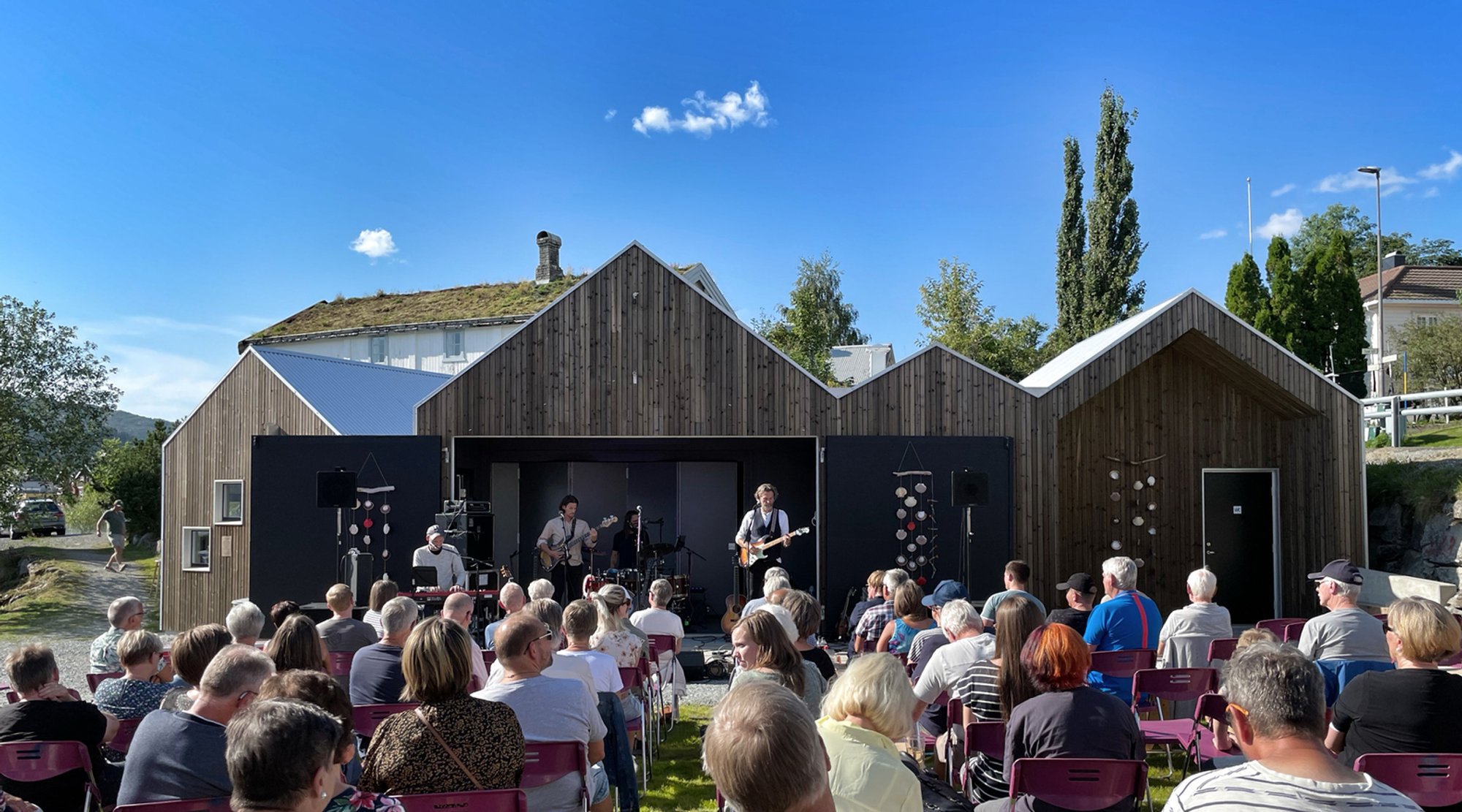
Sustainable Cultural Center Design: A Closer Look at Lapphella Cultural Center by Tanken Arkitektur AS
The article explores the Lapphella Cultural Center by Tanken Arkitektur AS, showcasing its sustainable design in Hemnesberget, Norway's architectural landscape.

In the quaint village of Hemnesberget, Norway, the Lapphella Cultural Center emerges as a beacon of sustainable cultural center design. Conceived by the innovative minds at Tanken Arkitektur AS, this project stands as a testament to the harmonious blend of architectural innovation, environmental stewardship, and cultural enrichment.
The Vision Behind Lapphella Cultural Center
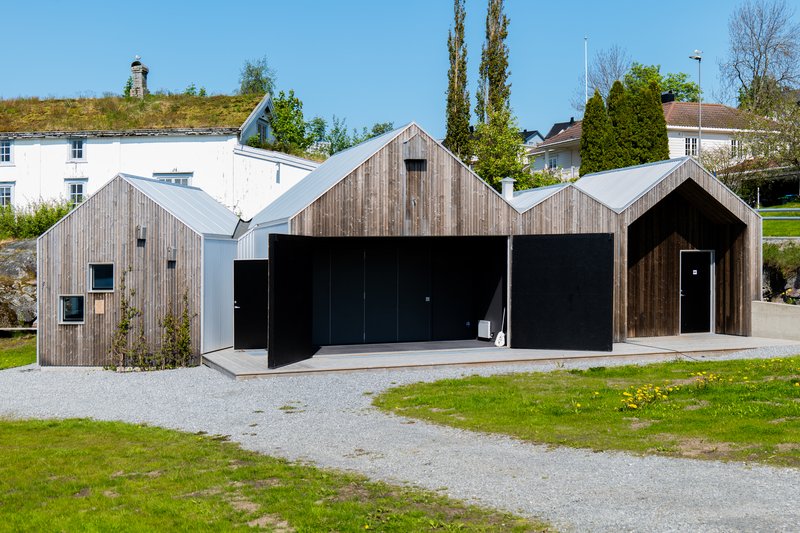
A Building That Blends
The primary objective for the Lapphella Cultural Center was to create a structure that not only respects its natural and built surroundings but also contributes to the local community's cultural life. With a footprint of just 70 m², this project showcases how thoughtful design can make a significant impact, regardless of size.
Sustainable Materiality and Design
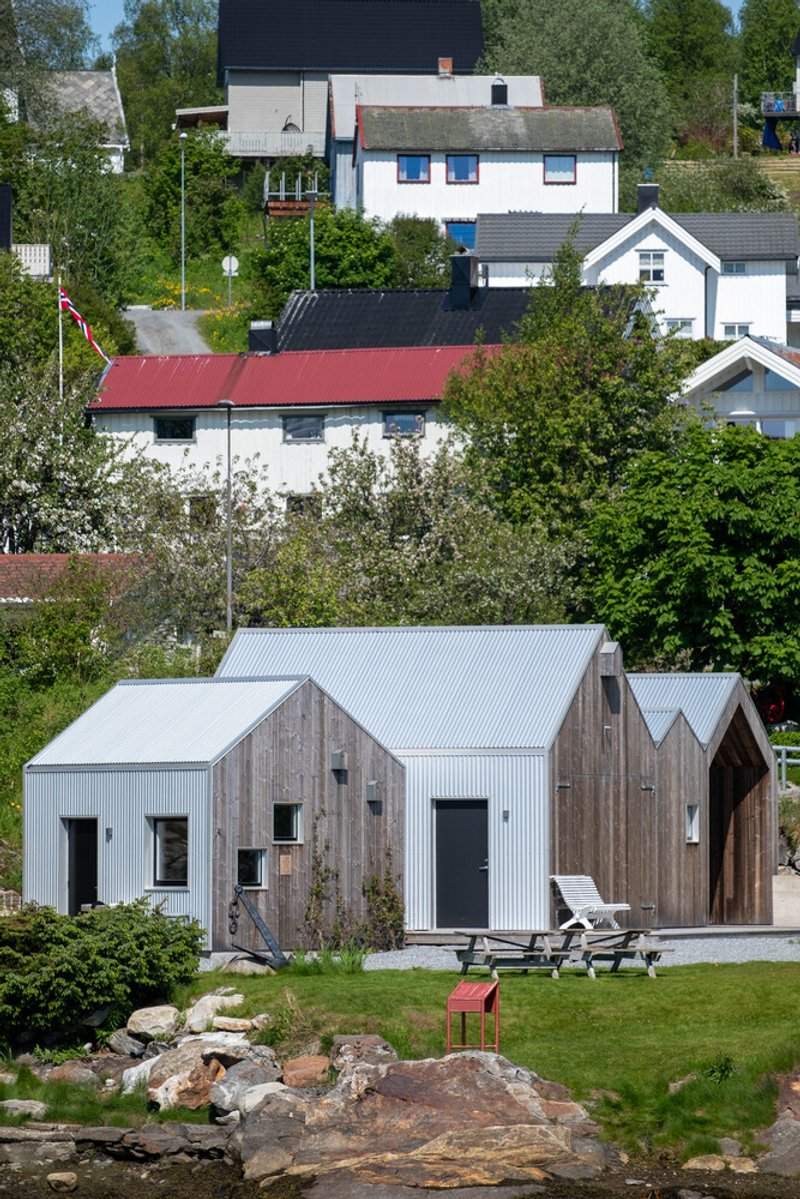
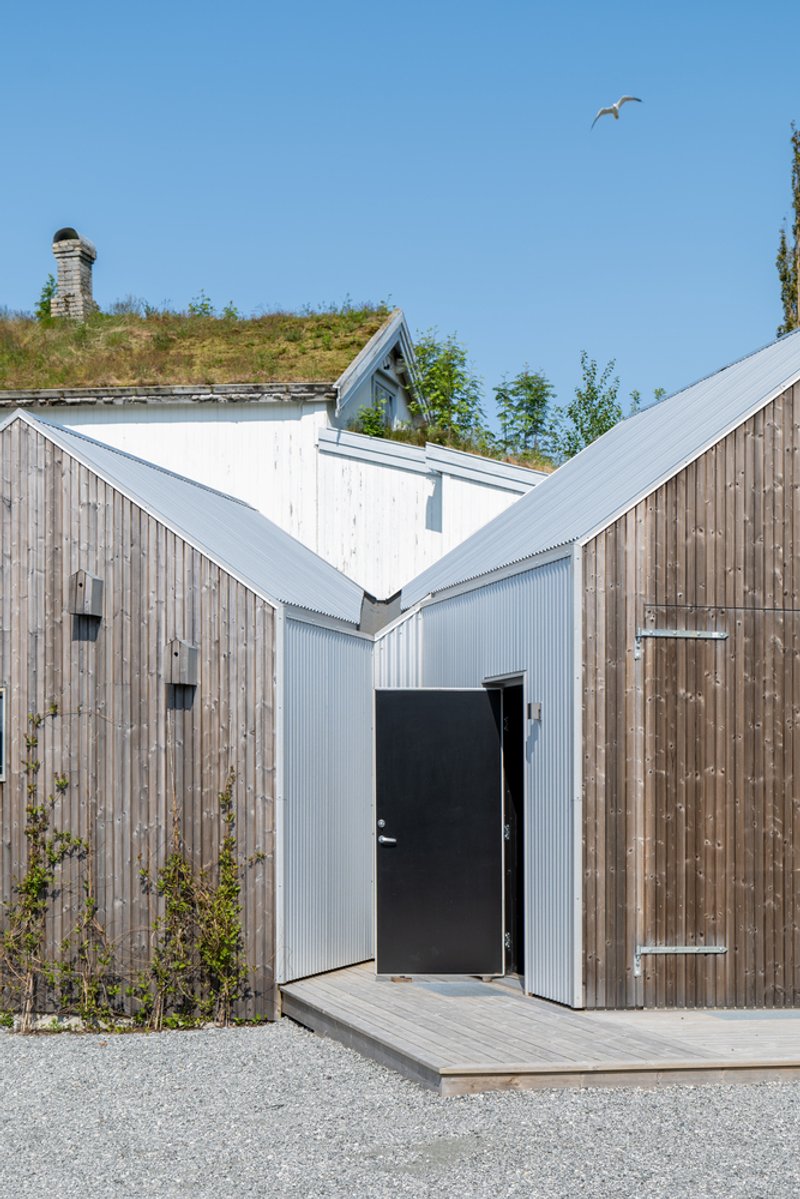
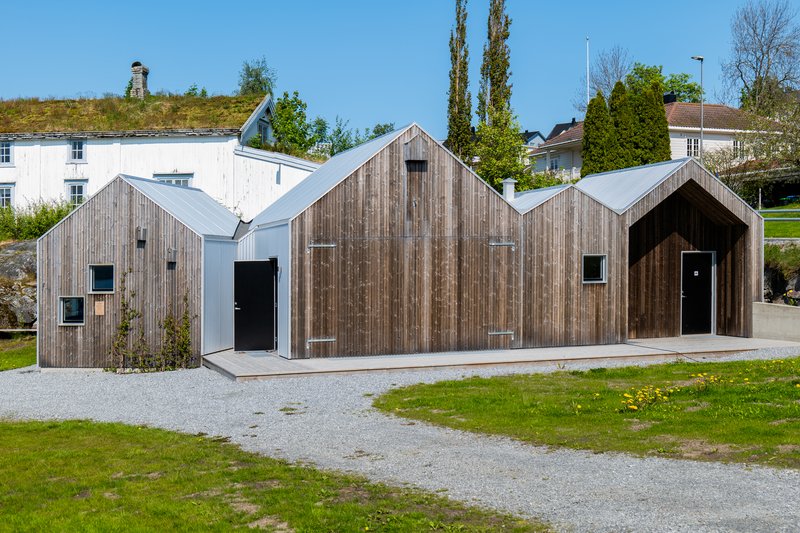
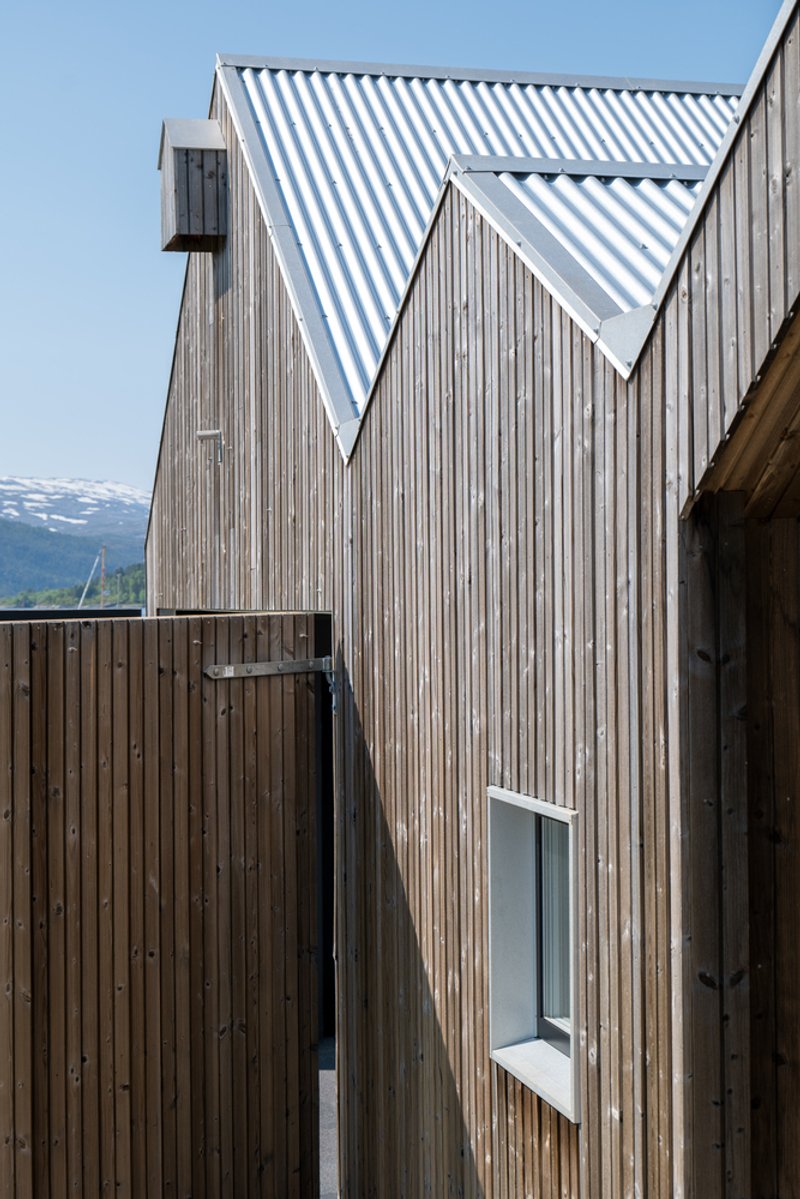
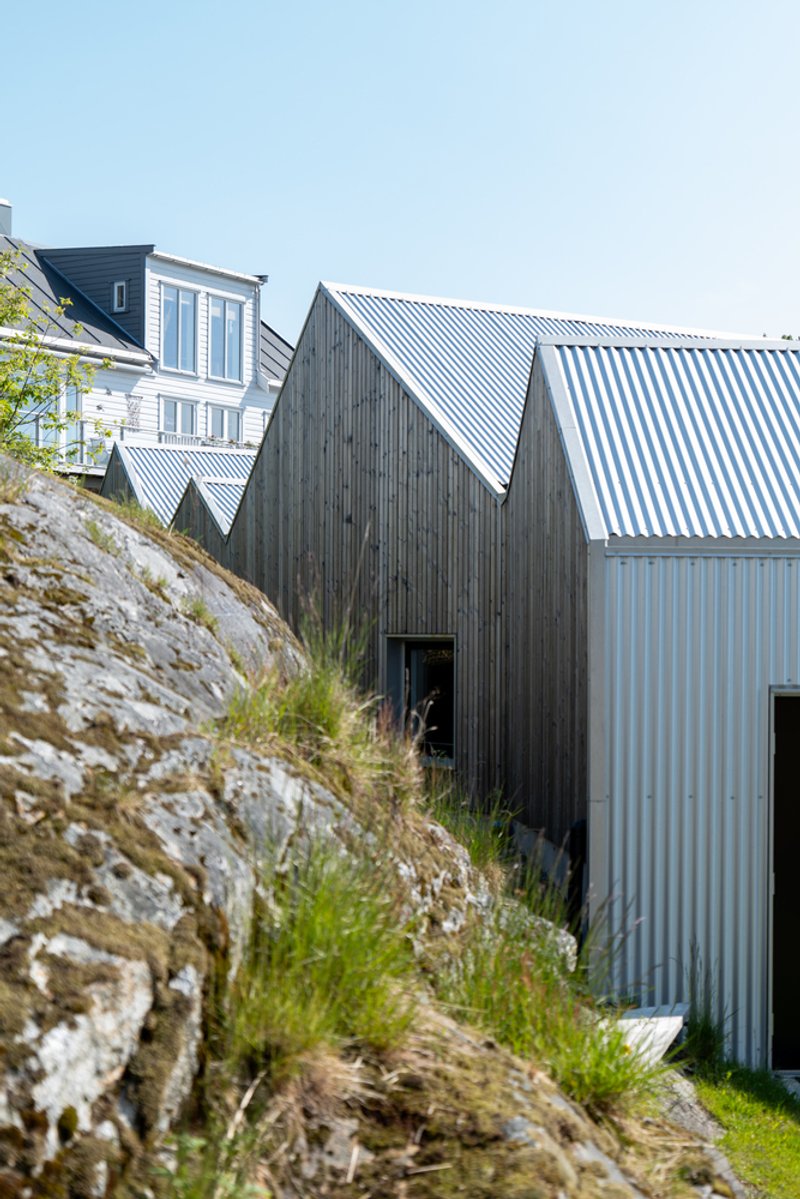
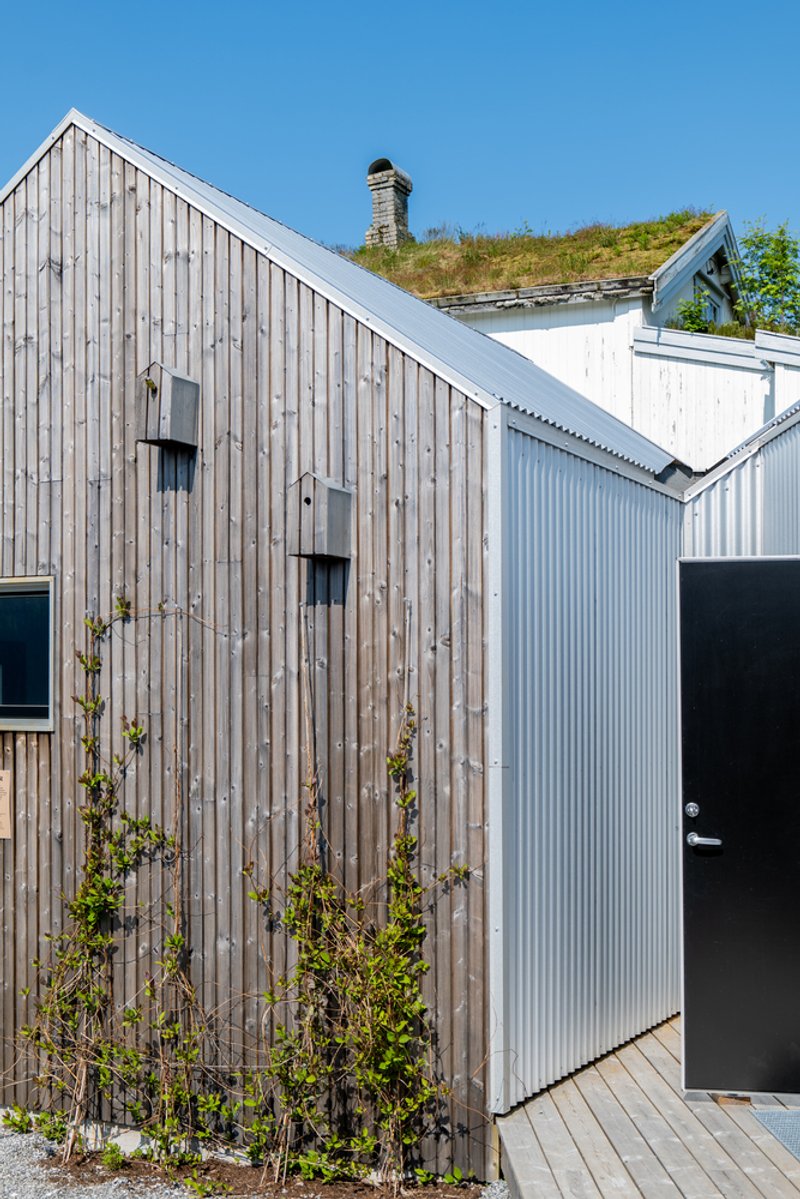
Echoing the architectural vernacular of Hemnesberget, the center incorporates materials and elements reminiscent of the locale's dock buildings. The decision to use weathered gray untreated wood cladding and galvanized corrugated metal sheets nods to the site's historical narrative while emphasizing sustainability.
Key Features of the Cultural Center
Multi-Functional Spaces
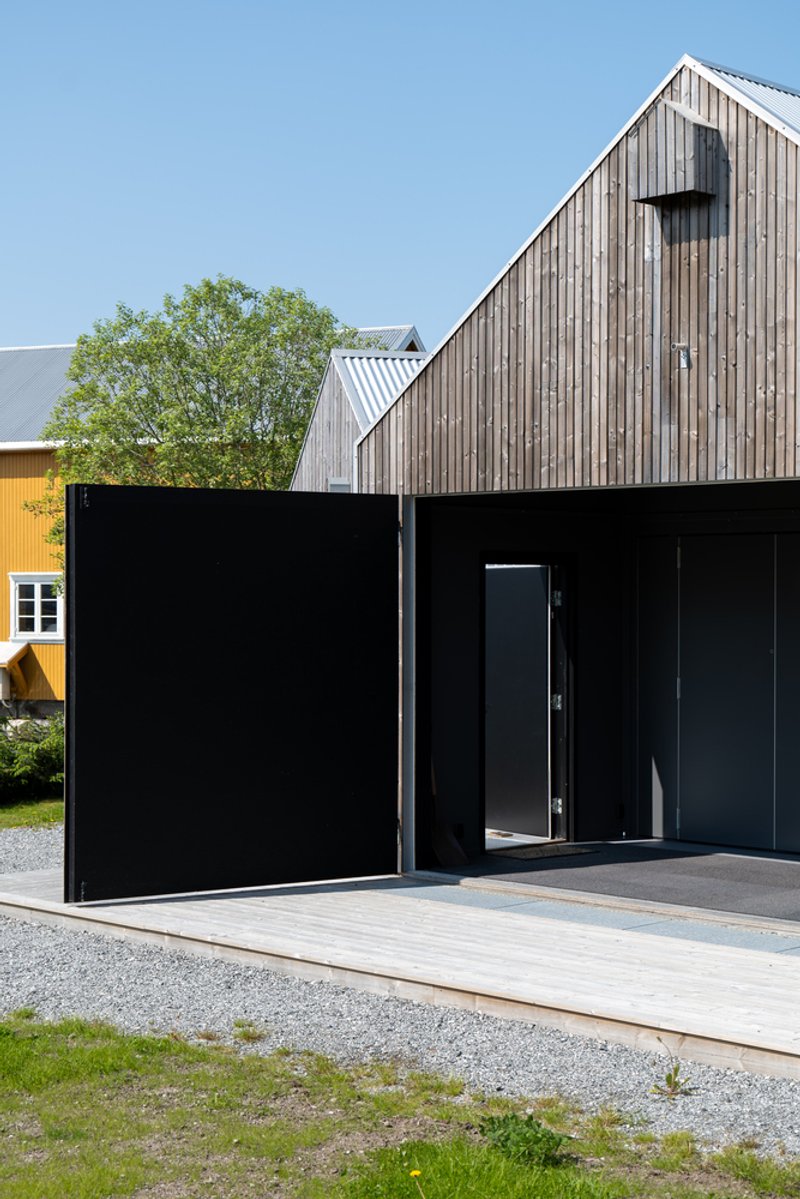
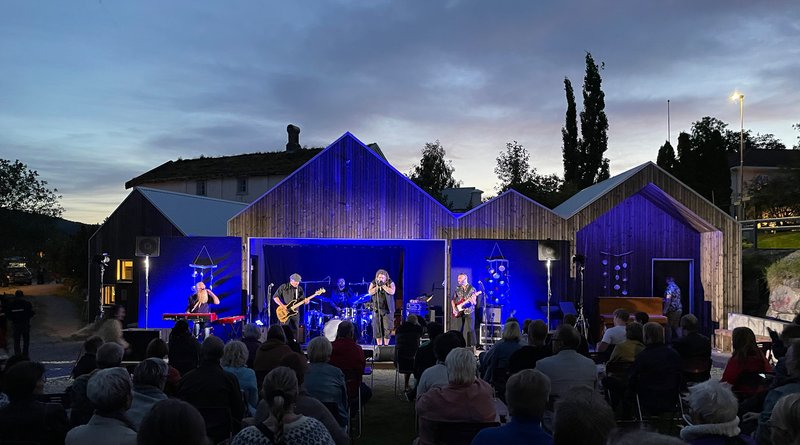
The spatial program defined by the client includes a stage, backstage area, exhibition space/snack bar, storage, and toilets, including an accessible one. Each space is designed to be flexible, catering to a range of cultural activities from concerts to exhibitions.
Minimal Environmental Impact
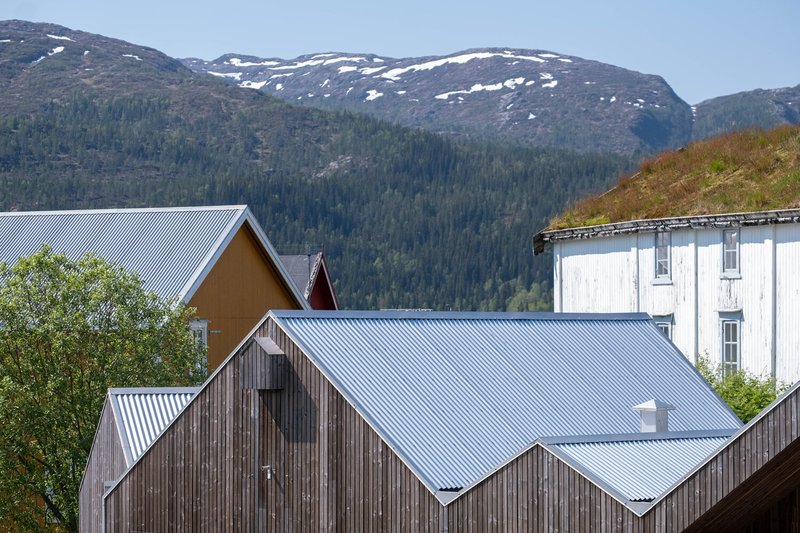
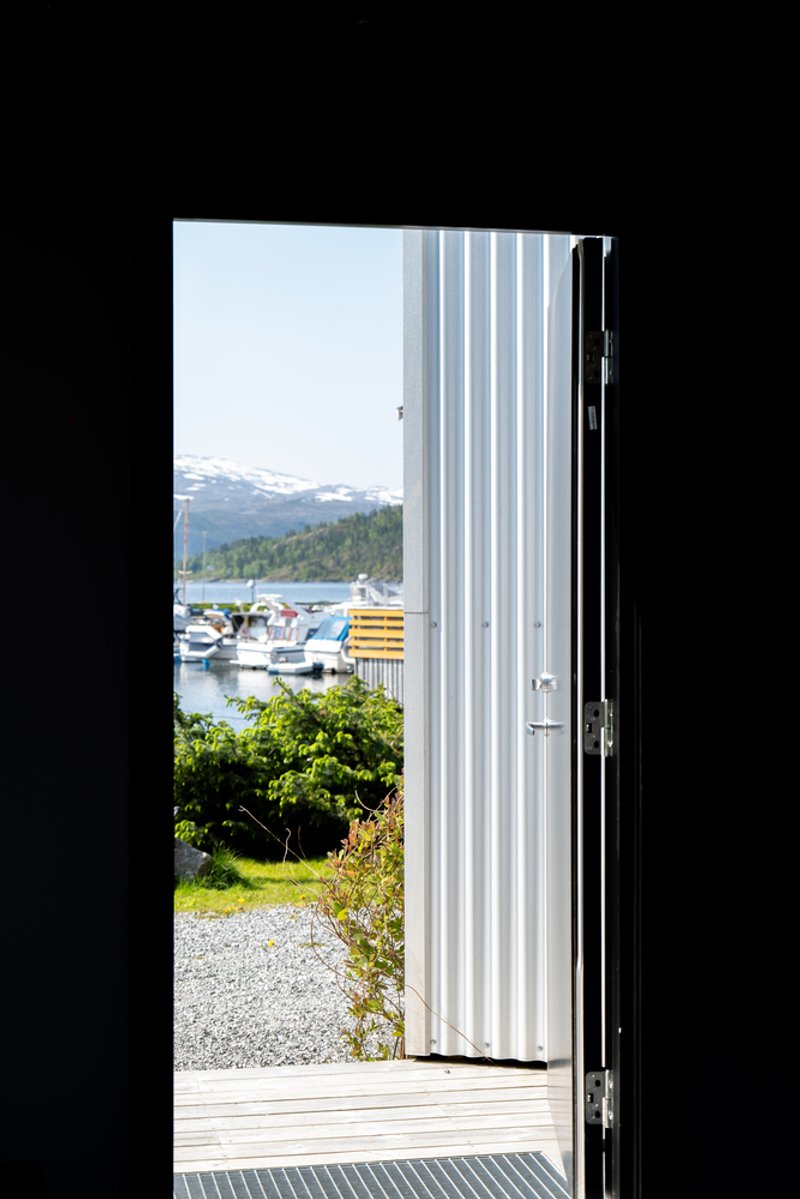
Strategically placed to minimize disruption to the existing landscape, the building preserves the scenic fjord views and retains the green space for community recreation. Its low positioning in the terrain and careful orientation demonstrate respect for its natural context.
A Reflection of Local Architecture
Drawing inspiration from local dock buildings, the center features a distinctive roof shape, winch houses, and even nesting boxes for birds. The ground terrace is envisioned as a dock, further integrating the maritime heritage of Hemnesberget into the design.
Architectural Innovation Meets Sustainability
Tanken Arkitektur AS has crafted a modern facility that speaks to the community's identity and environmental values. The Lapphella Cultural Center stands as a model for sustainable cultural center design, showcasing how architecture can be both innovative and respectful of its heritage and ecology.
Setting a New Standard
The Lapphella Cultural Center by Tanken Arkitektur AS not only serves its immediate community but also sets a precedent for future projects worldwide. It embodies the principles of sustainable cultural center design, proving that thoughtful architecture can enrich both society and the environment.
Through this detailed exploration, it becomes clear that the Lapphella Cultural Center is more than just a building; it is a pivotal point in the narrative of sustainable architecture in cultural spaces. Its dedication to environmental harmony, community engagement, and architectural integrity makes it a beacon for future projects in the realm of cultural center design.
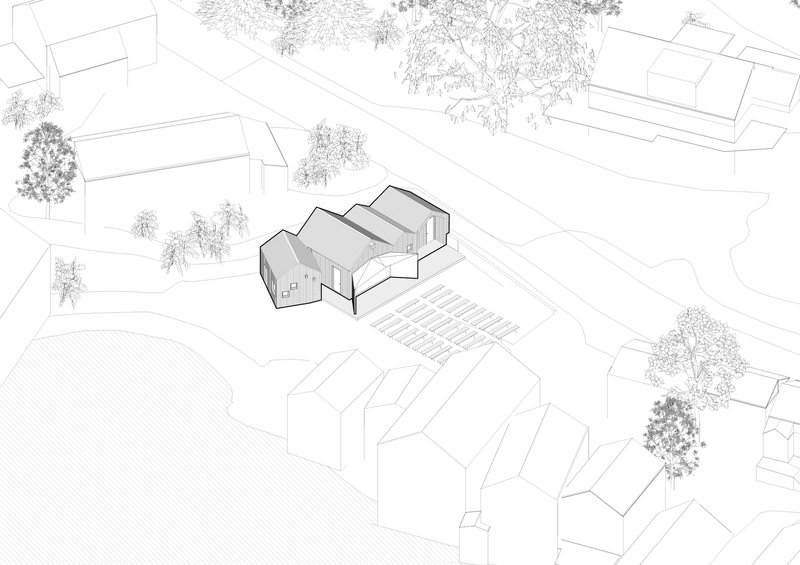
All the photographs are work of Sondre Stensheim Jørgensen



Popular Articles
Popular articles from the community

3dor Concepts Wraps a Kerala Home in Mirrored Concrete Arcs Around a Courtyard Tree
In the Western Ghats foothills of Thamarassery, a 270 m² single-story house uses two curved volumes to frame nature as its center.
YOAP Architects Round a Corner in Yeongcheon with a Cylindrical Community Hub
A 197-square-meter brick and ribbed-clad tower turns a forgotten alley corner in South Korea into a public garden with a low threshold.
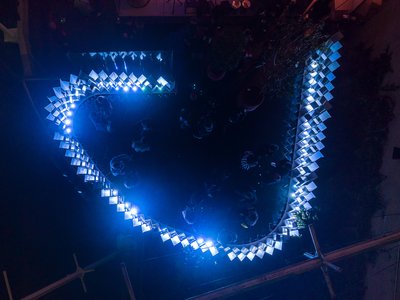
Rojkind Arquitectos and Think Parametric Build a Glueless Pavilion from 67 Interlocking Panels
A serpentine fiber-cement installation in Chapultepec Park celebrates a decade of architectural media in Mexico City.
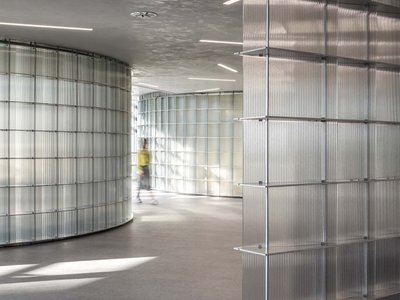
HCCH Studio Wraps a Shanghai High-Rise Office in Curved Walls of Translucent Glass
A 1,000 square meter fit-out in Lujiazui replaces the typical tech-office palette with layered glass, micro-cement, and quiet rigor.

Similar Reads
You might also enjoy these articles

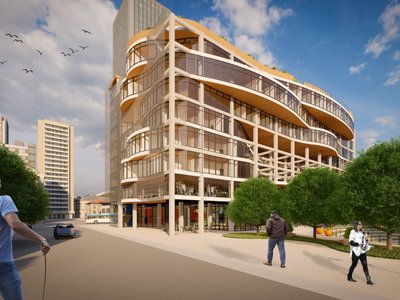
Olio Towers: A Mid-Rise for Performers That Fuses Housing, Rehearsal, and Stage
Located blocks from Houston's Theater District, this modular tower stacks living units around a central performance atrium.

Oasis: Modular Green Housing Carved into Dhaka's Urban Fabric
A shortlisted Plugin Housing entry reclaims unauthorized settlements in Dhaka with stepped concrete volumes, green roofs, and ventilation-driven design.

Black Hole: A Floating Megastructure for the Post-Physical Era
Emiliano Mazzarotto envisions a spherical, self-scaling arena where e-sports, digital hotels, and holographic stadiums replace traditional public space.
Compact & Sustainable Living in Piraeus: A Four-Level Family Home Built Around Light and Air
A narrow townhouse in one of Greece's densest port cities uses a central atrium and passive strategies to house three generations under one roof.


Explore Cultural Architecture Competitions
Discover active competitions in this discipline




The International Standard for Design Portfolios


The Global Benchmark for Architecture Dissertation Awards


The Global Benchmark for Graduation Excellence


Challenge to design an urban locus of culture and heritage
Comments (0)
Please login or sign up to add comments
No comments yet. Be the first to comment!