
Sustainable Kindergarten Design: A Closer Look at Saint-Ouen-Du-Tilleul's Innovative Approach
The article explores the innovative, sustainable kindergarten design in Saint-Ouen-Du-Tilleul, highlighting eco-friendly materials and bioclimatic features.


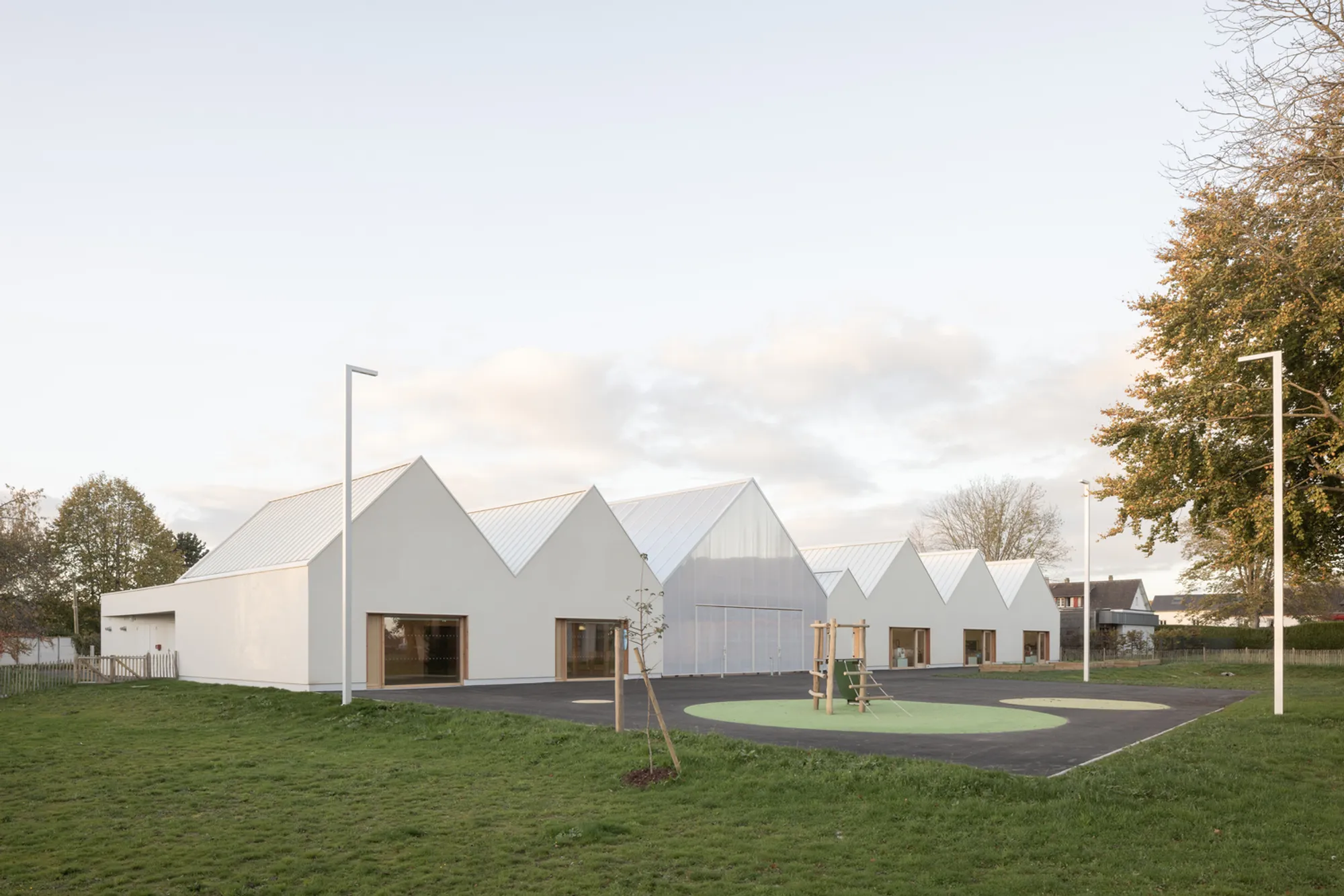
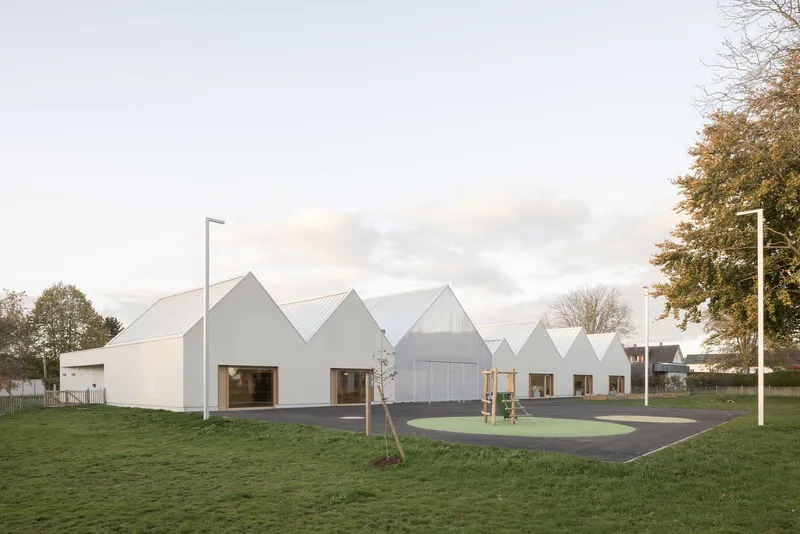
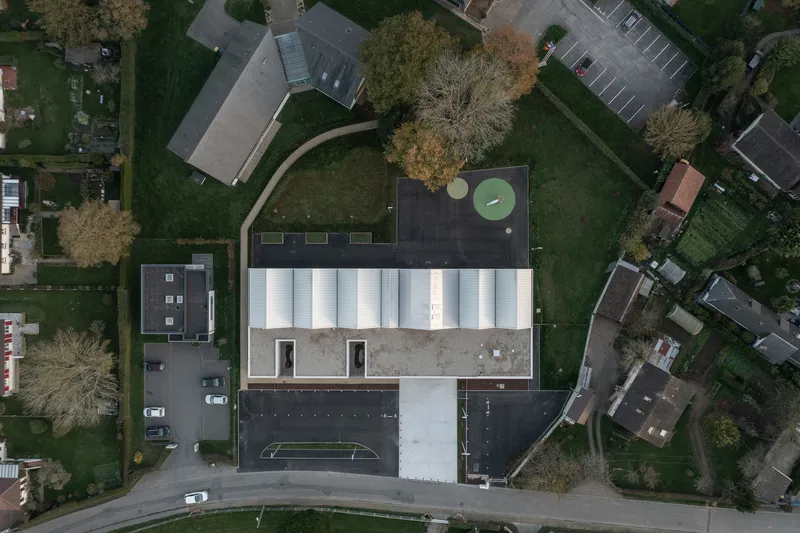
In the heart of Saint-Ouen-du-Tilleul, France, a remarkable example of sustainable kindergarten design stands as a testament to eco-responsible architecture. Designed by ACAU Architects and completed in 2022, this 800 m² educational facility sets a new standard for day care and kindergarten buildings. With a focus on sustainability, the project showcases how modern architecture can harmonize with nature while providing a nurturing environment for young children.
The Philosophy Behind the Design
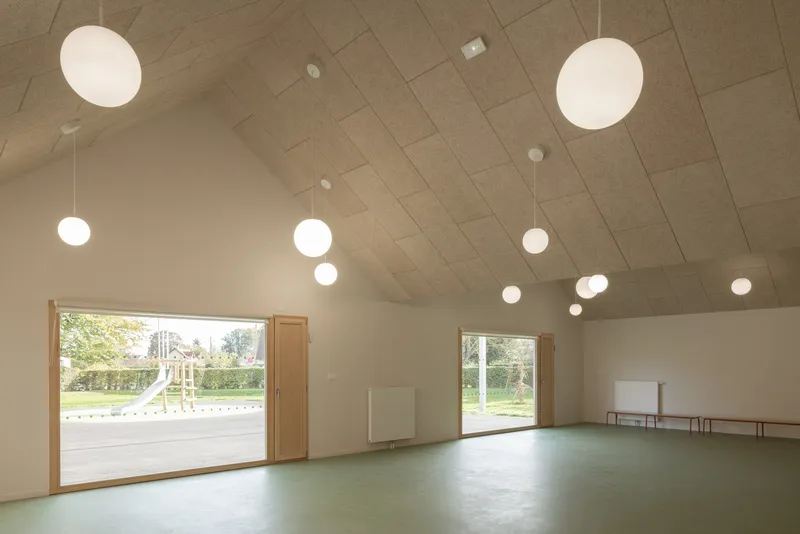
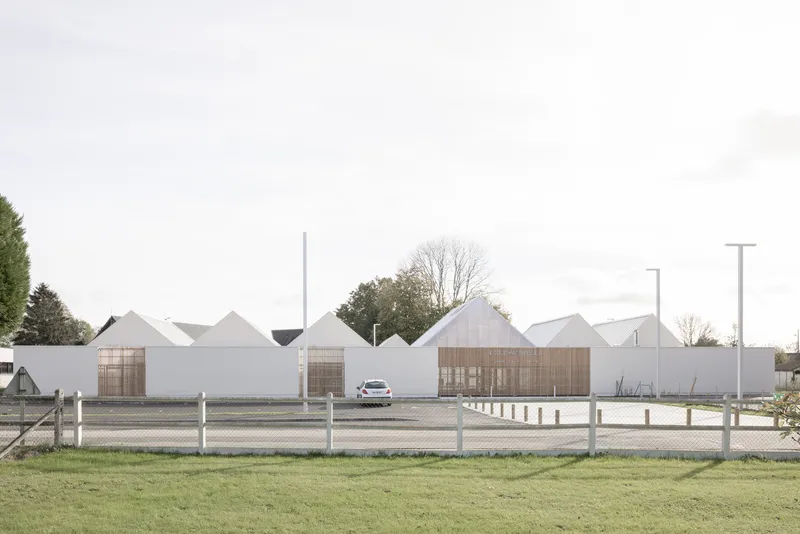
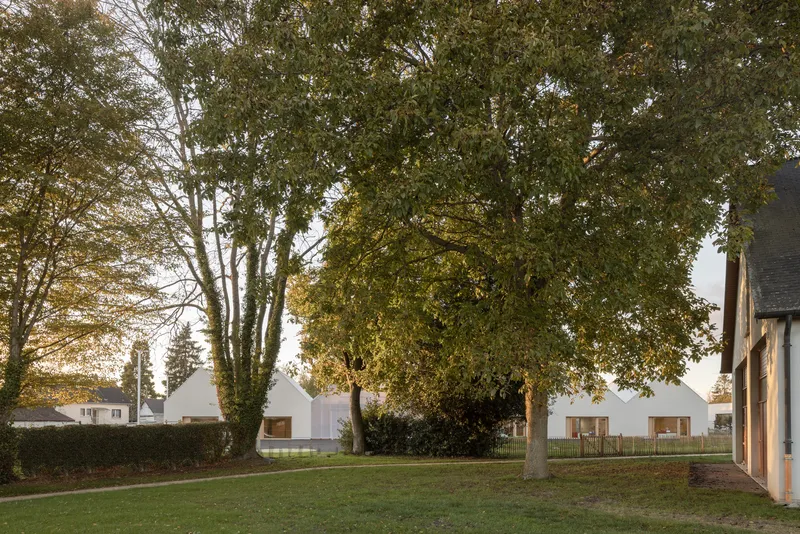
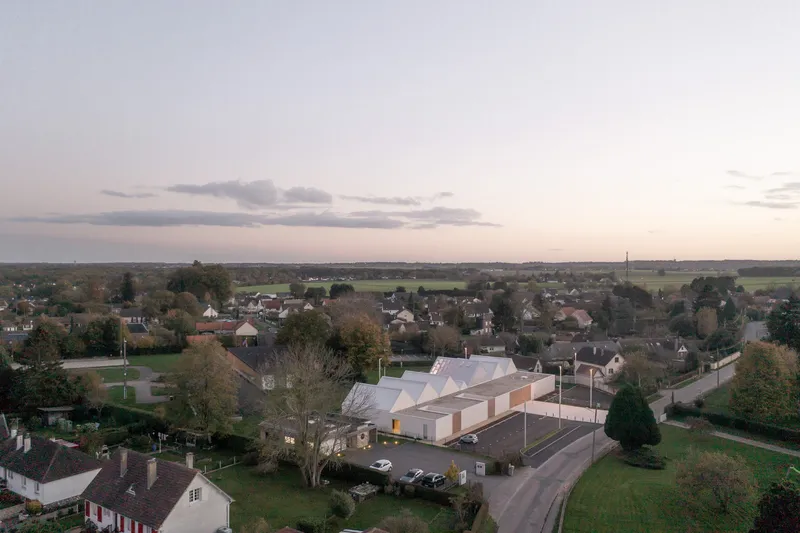
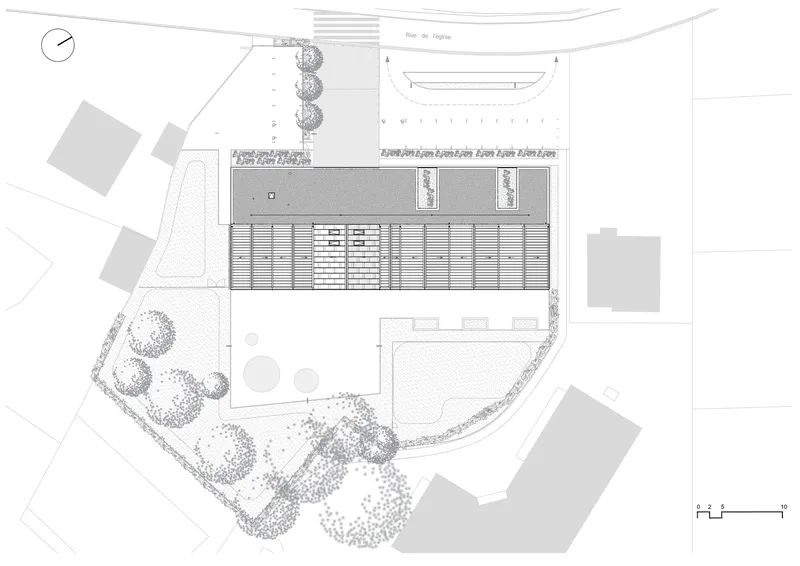
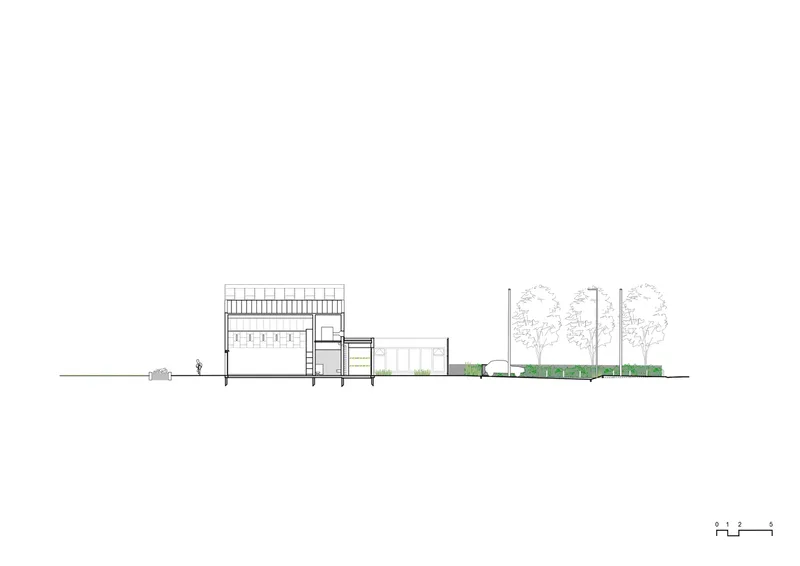
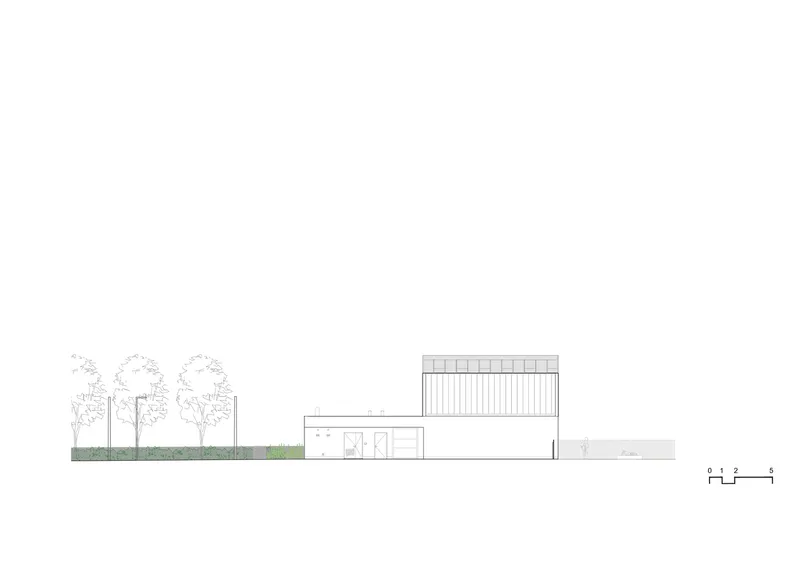
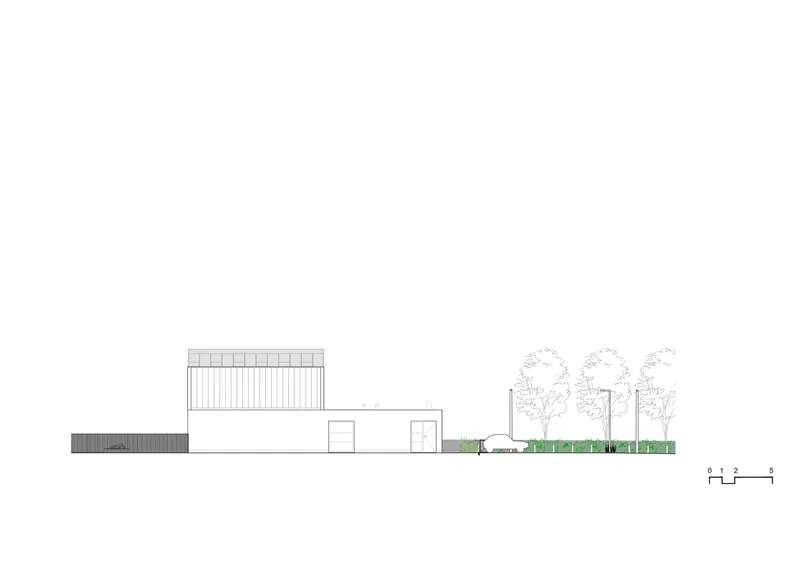
The kindergarten in Saint-Ouen-Du-Tilleul is strategically located next to the town hall and a multipurpose hall, fully integrating into the city center while maintaining privacy and security for the children. The design principle revolves around creating a living space shielded from external views yet open to nature, promoting a healthy, eco-friendly lifestyle from a young age.
Eco-Responsible Construction Materials
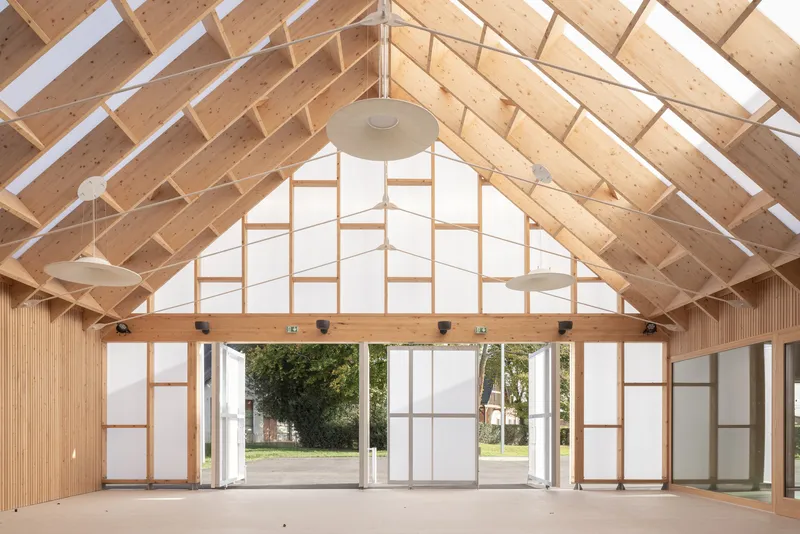
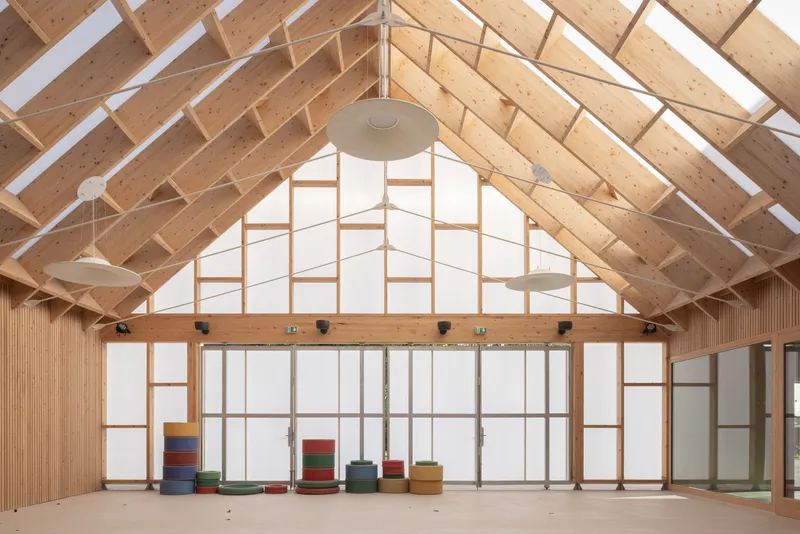
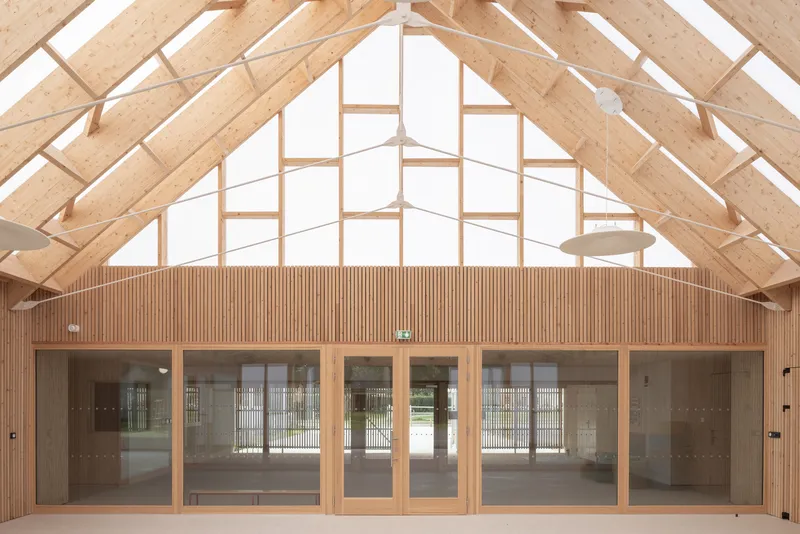
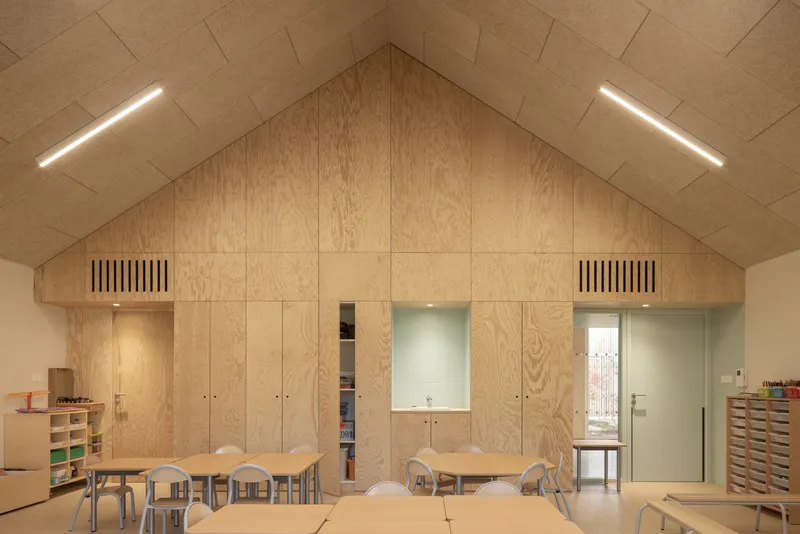
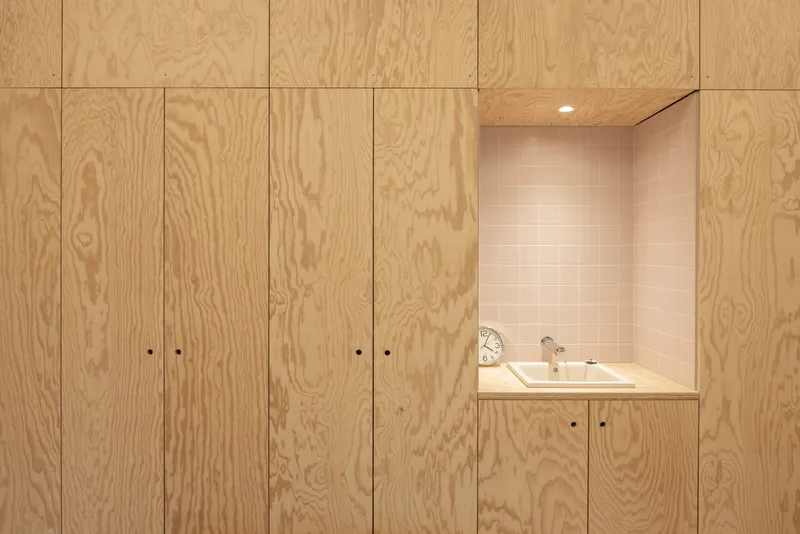
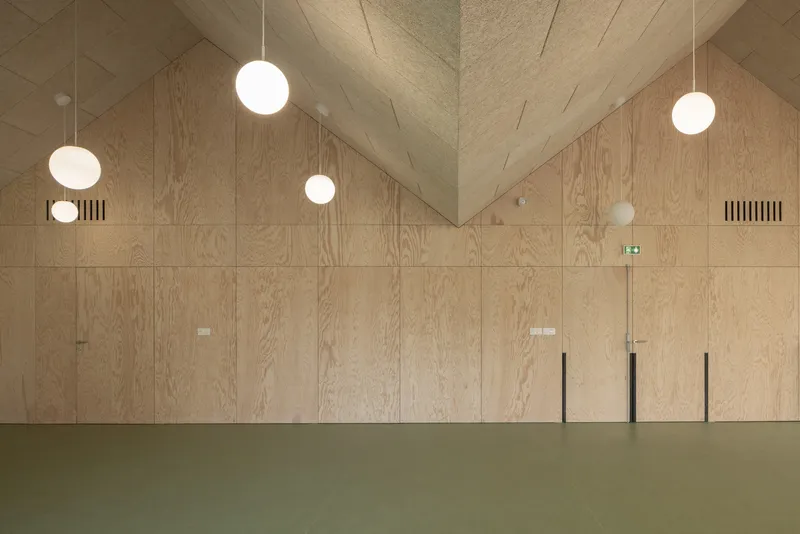
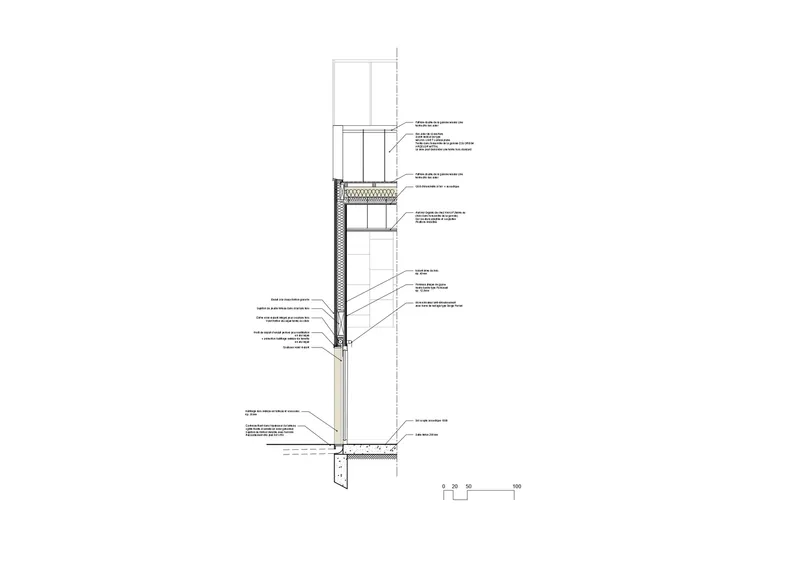
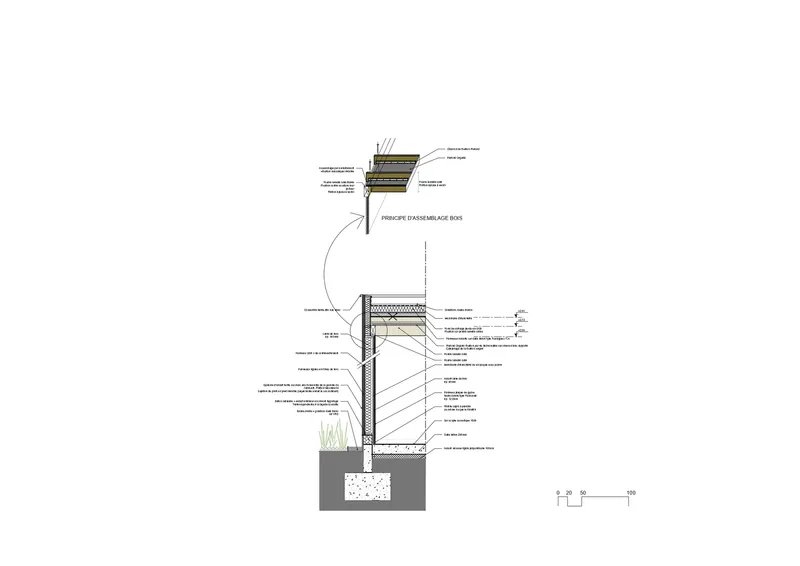
The use of natural materials is at the forefront of the kindergarten's design. A wooden frame, wood wool insulation, natural lime plaster by fermacell, and interior coatings in spruce wood panels emphasize the commitment to sustainability. These materials not only ensure a healthier indoor environment but also contribute to the building's overall eco-friendly footprint.
Bioclimatic Features Enhancing the Learning Environment
The Winter Garden Courtyard
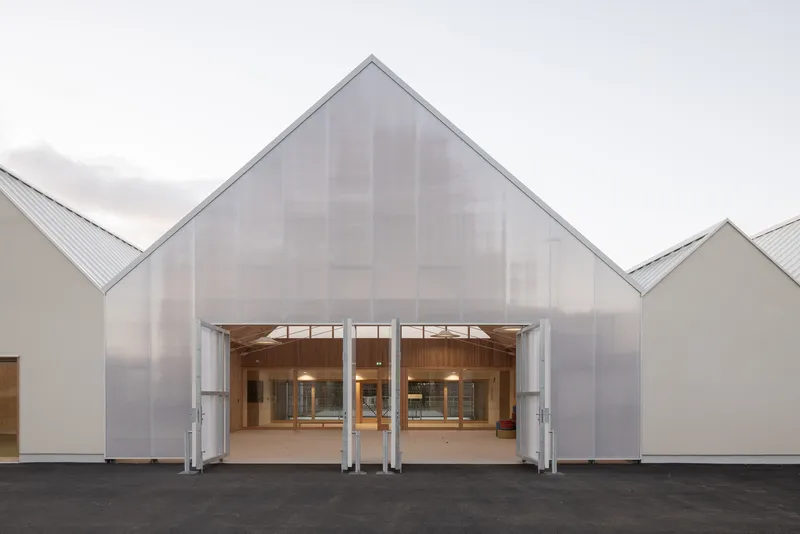
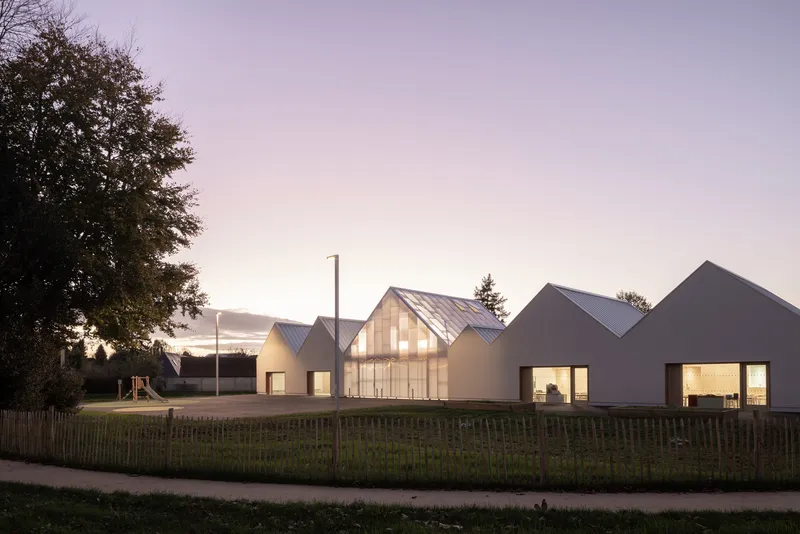
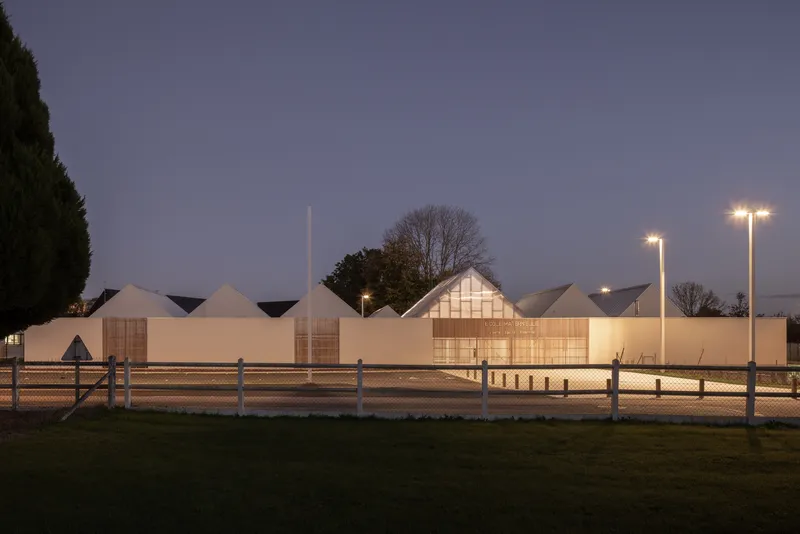
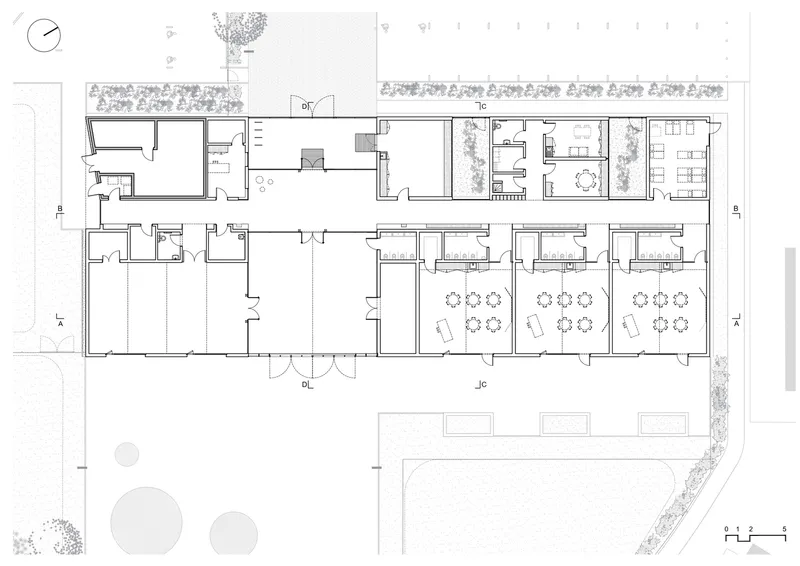
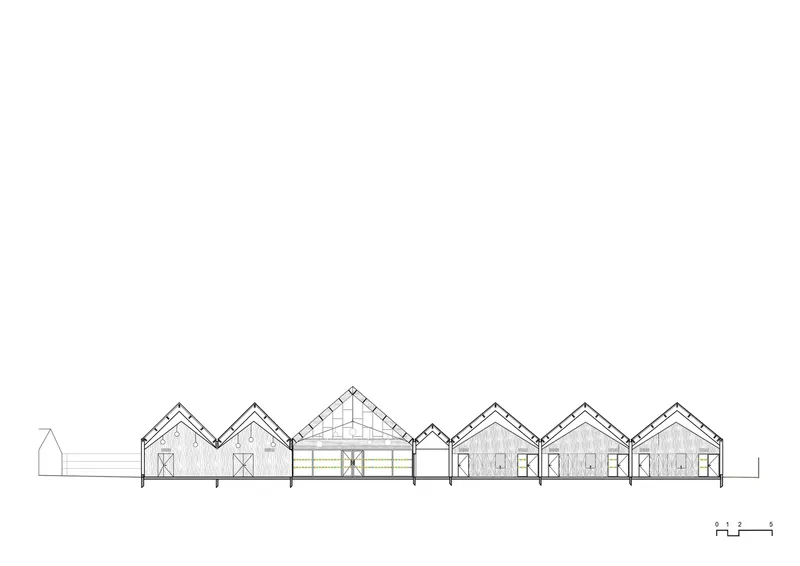
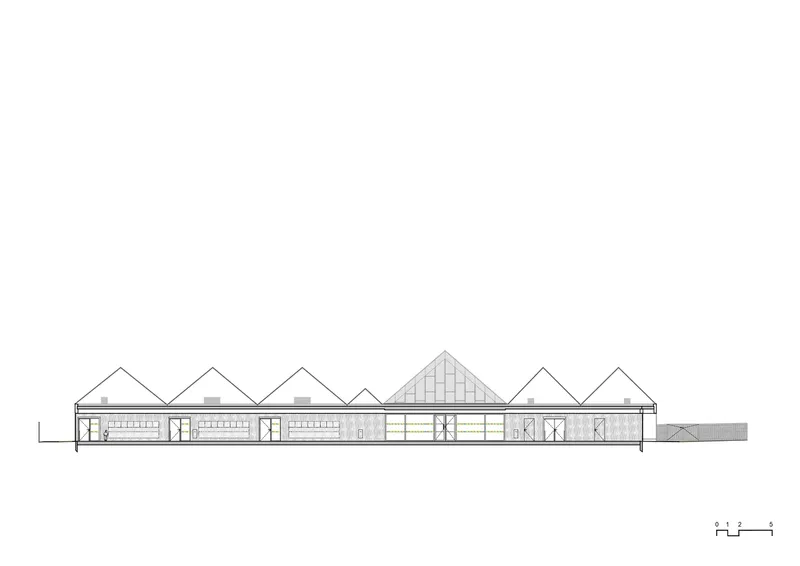
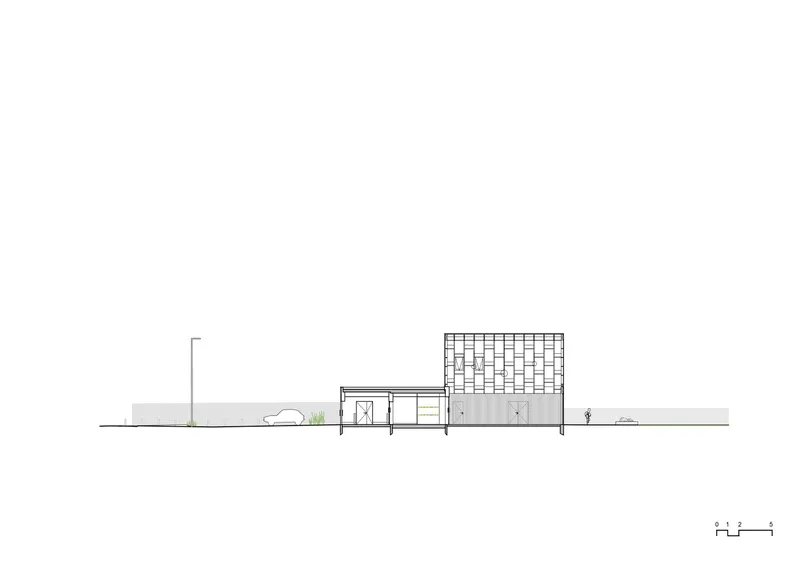
Central to the kindergarten's design is the winter garden courtyard. This polycarbonate-encased space serves multiple functions: a gathering area for children, a natural light source, and a bioclimatic tool. It passively heats the school during winter through the greenhouse effect and ventilates the building in summer, showcasing innovative solutions to common architectural challenges.
Lighting and Nature Integration
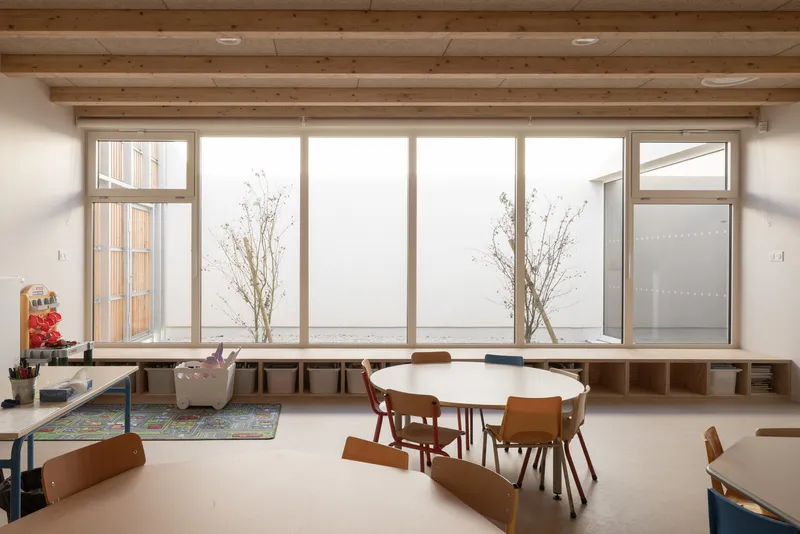
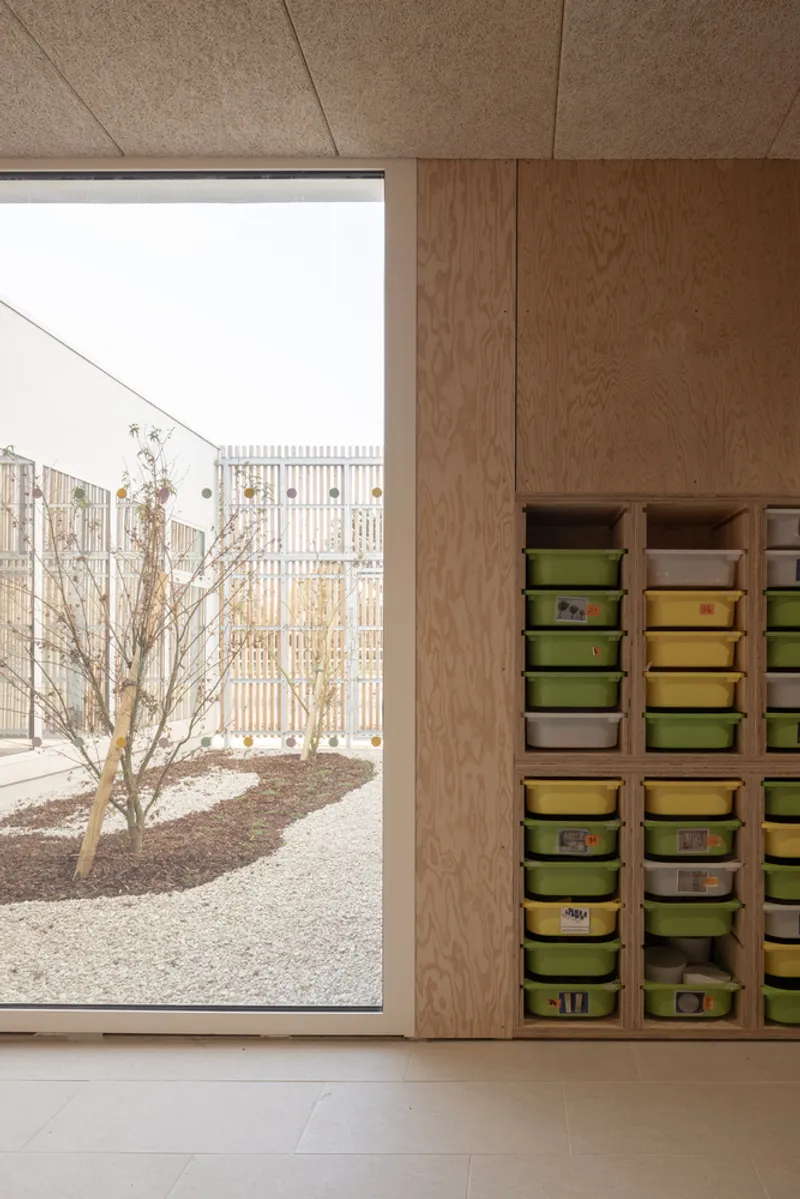
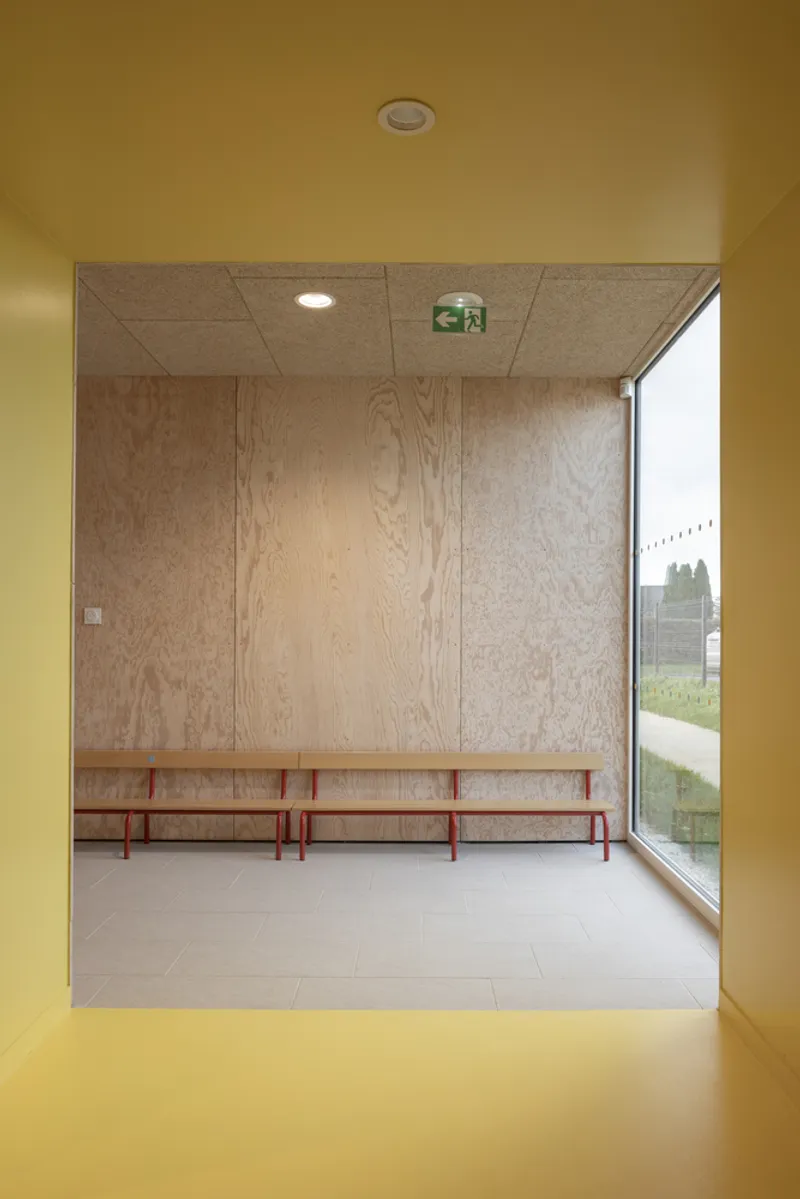
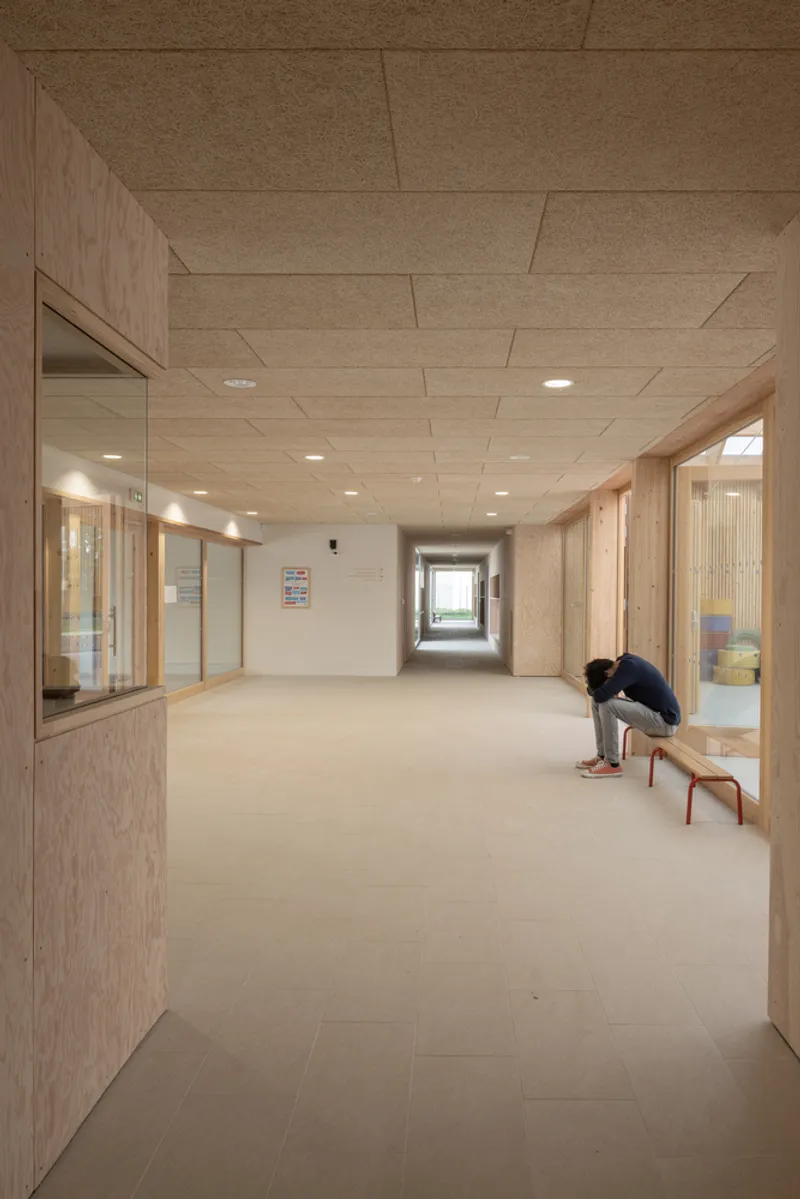
The main corridor of the school is designed to maximize light, reducing the need for artificial lighting and creating a warm, inviting atmosphere. Indoor patios further enhance this effect, bringing light and nature into the heart of the building. This approach not only saves energy but also connects children with the natural world.
Sustainable Features and Functional Design
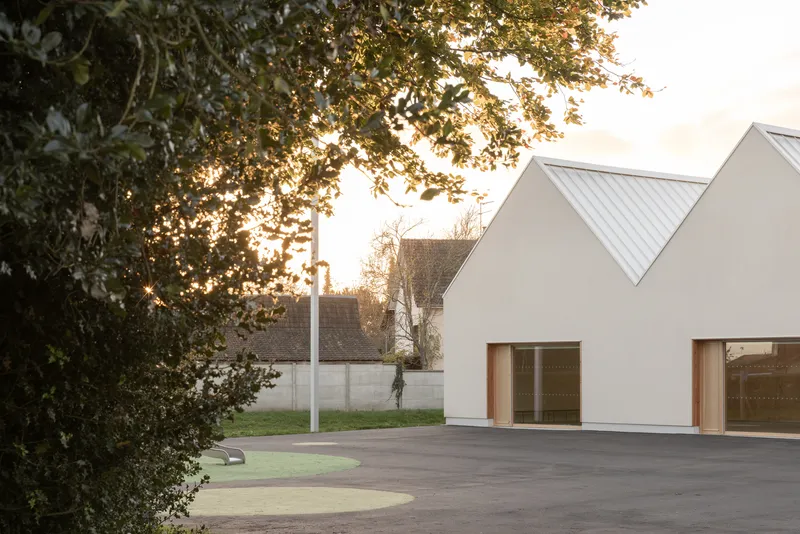
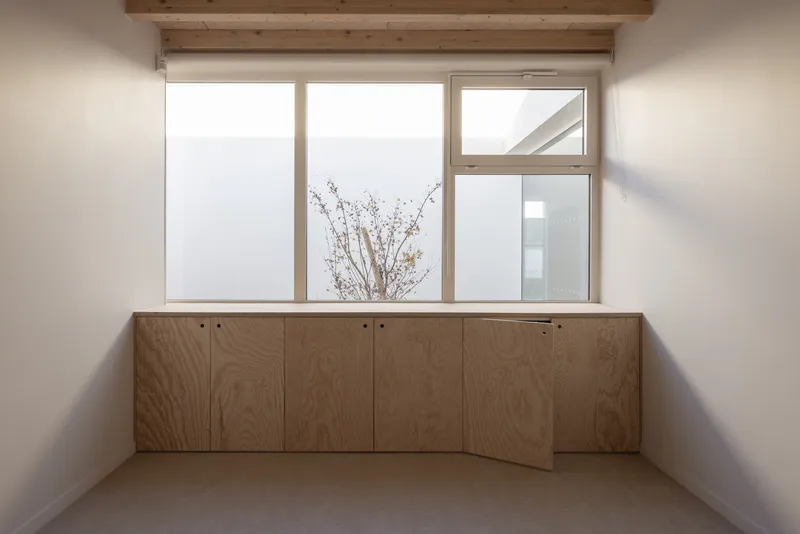
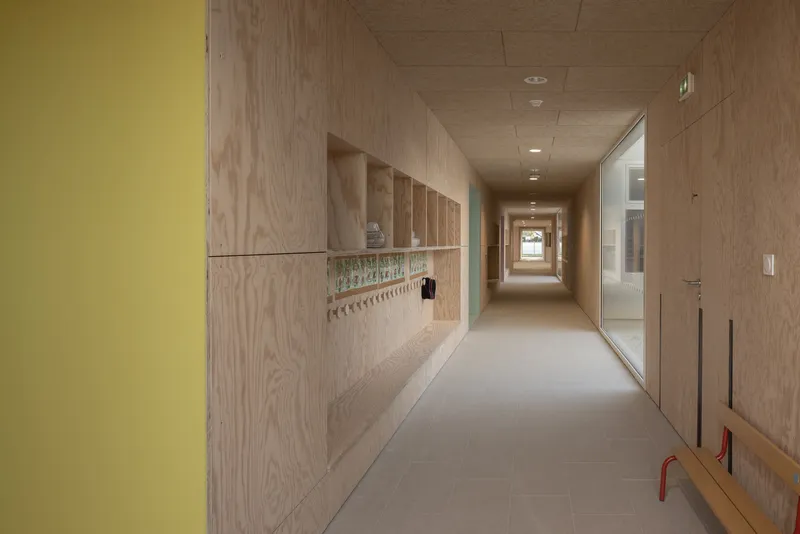
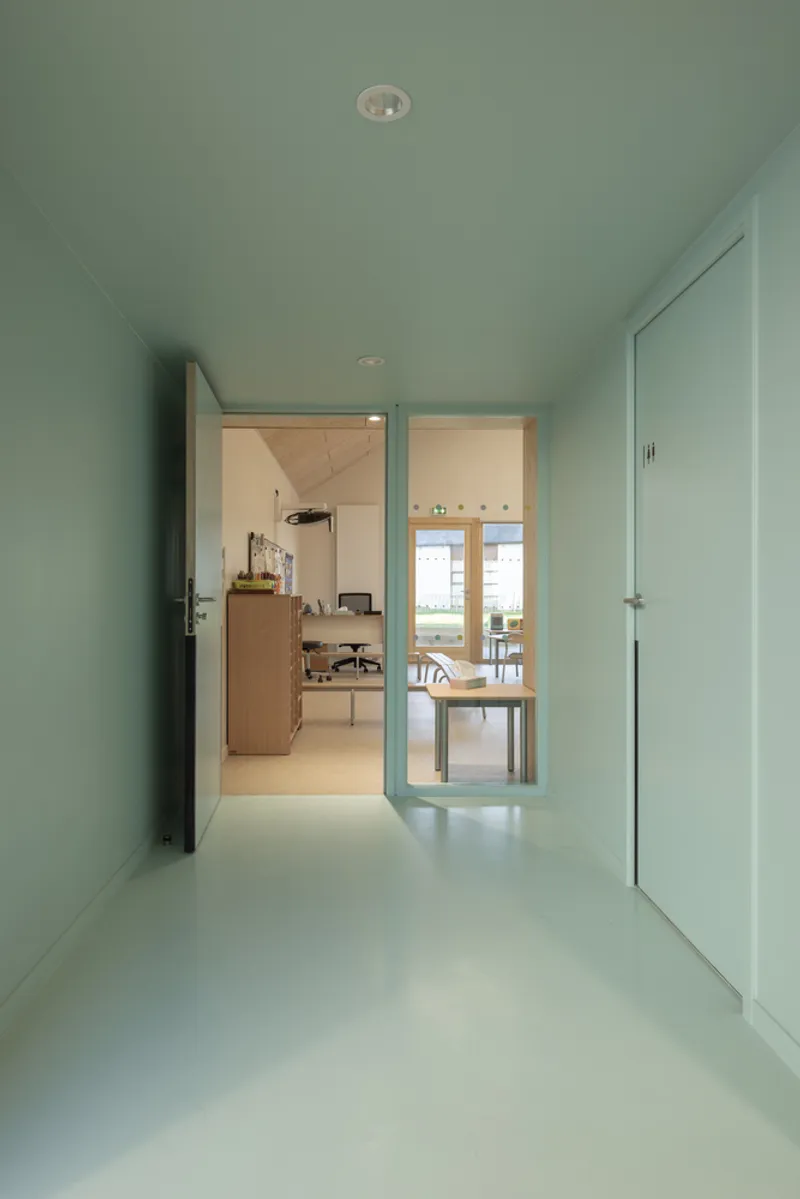
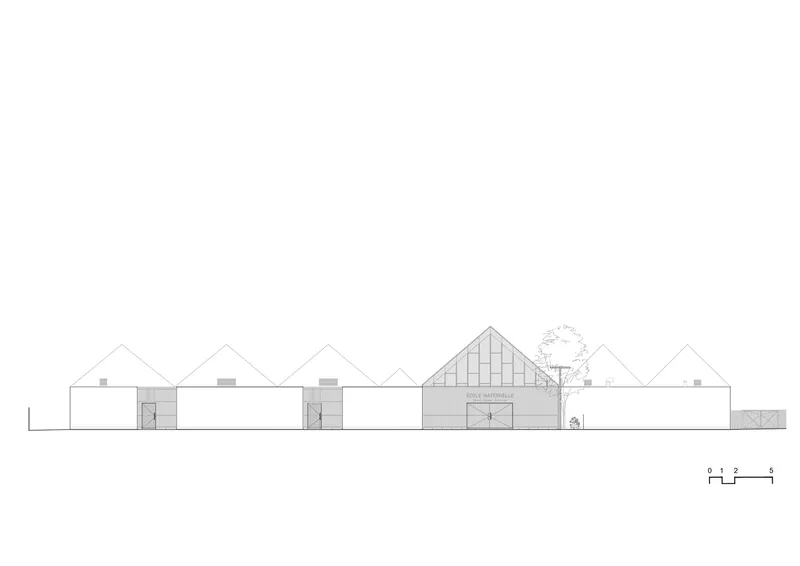
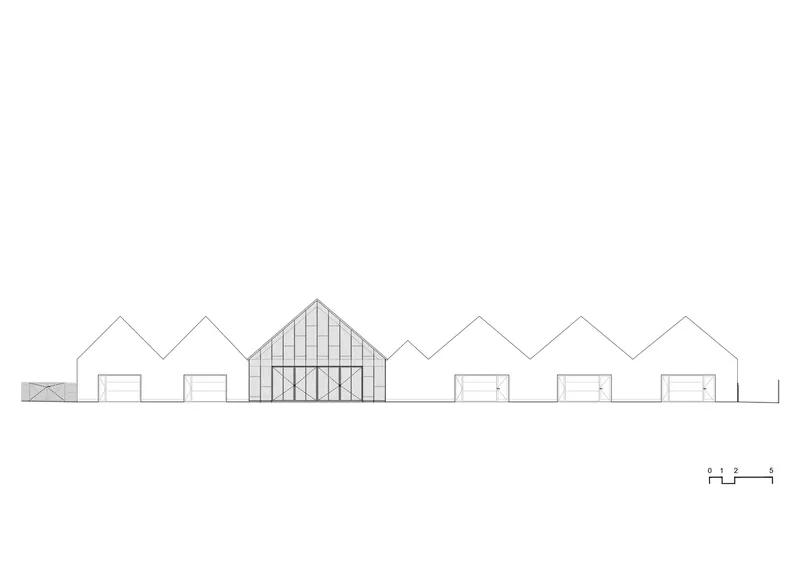
The kindergarten's architecture goes beyond just aesthetics; it incorporates functional features designed with children's needs in mind. Integrated wooden furniture provides a calm and warm learning environment while serving practical purposes such as seating, storage, and organization. Double-pitched roofs reflect the suburban houses in the surrounding area, helping the kindergarten blend with its environment while providing comfortable indoor spaces.
A Model for Future Kindergartens
The kindergarten in Saint-Ouen-Du-Tilleul by ACAU Architects represents a paradigm shift in educational architecture. By prioritizing sustainability, bioclimatic design, and natural materials, this project provides a healthier, more inspiring environment for children to grow and learn. It stands as a model for future kindergartens worldwide, proving that sustainable kindergarten design is not only feasible but beneficial for our children and the planet.
All photographs are work of Nicolas Da Silva Lucas



Popular Articles
Popular articles from the community


The Musturak Paradise: Senior Living Architecture for a Connected Future in Temara, Morocco
The Musturak Paradise reimagines senior living architecture in Temara via private homes, social spaces, culture, community, and shared care.

Co-Life: Senior Housing Design That Reconnects Older Adults With the City
Co-Life reimagines senior housing design through healing gardens, shared streets, workshops, and a sustainable community across generations.

Hill & Cross Opera: Sculptural Opera House Architecture Shaped by Tallinn’s Landscape and Identity
Hill & Cross Opera reimagines opera house architecture in Tallinn through its sculptural hill, civic plaza, glass wave and a luminous cross.

The Ocean Hive: Sustainable Architecture for a Self-Sufficient Civilization at Sea
The Ocean Hive imagines sustainable architecture at sea, where modular habitats, algae, wave power and ocean waste sustain a growing colony.


Similar Reads
You might also enjoy these articles


Hodi-Mandai Geram
Project Function: Preservation and revitalization of the Intangible heritage and socio-spatial identity of the Hodi by Housing, Cultural Memory Center, Sacred Grove, landscape, local tourism economy


Olio Towers: A Mid-Rise for Performers That Fuses Housing, Rehearsal, and Stage
Located blocks from Houston's Theater District, this modular tower stacks living units around a central performance atrium.

Oasis: Modular Green Housing Carved into Dhaka's Urban Fabric
A shortlisted Plugin Housing entry reclaims unauthorized settlements in Dhaka with stepped concrete volumes, green roofs, and ventilation-driven design.

Black Hole: A Floating Megastructure for the Post-Physical Era
Emiliano Mazzarotto envisions a spherical, self-scaling arena where e-sports, digital hotels, and holographic stadiums replace traditional public space.


Explore Architecture Competitions
Discover active competitions in this discipline



Challenge to reimagine the Iron Throne


Photograph architecture without architects


Illustrate the lost glory of Angkor Wat - Render Challenge


Design challenge to reuse E-waste
Comments (0)
Please login or sign up to add comments
No comments yet. Be the first to comment!