
Sustainable Restaurant Design: Jajaffe Restaurant Transformation by BARAKI
This article explores the sustainable transformation of Jajaffe Restaurant, blending recycled materials, community focus, and contemporary design elements.


Redefining Culinary Spaces through Architecture
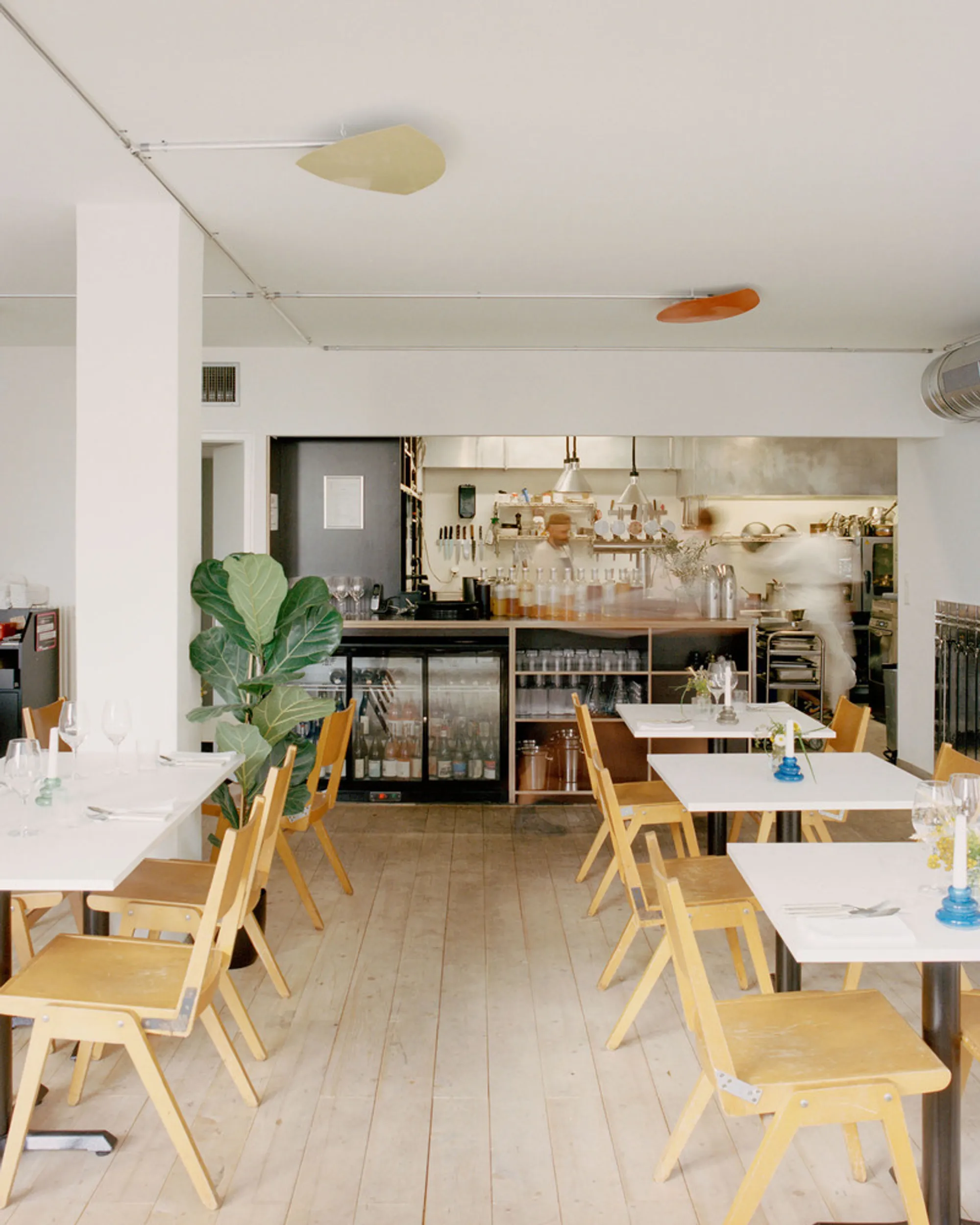
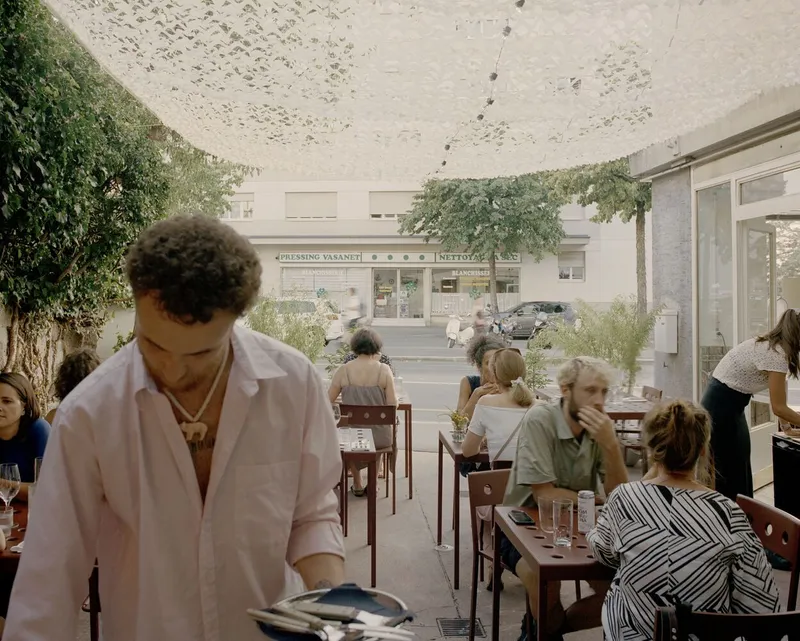
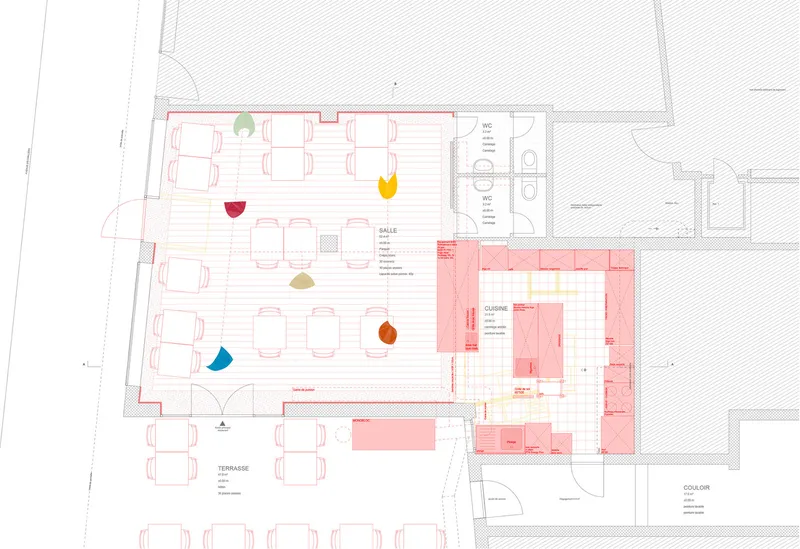
The Jajaffe Restaurant transformation in Lausanne, Switzerland, designed by BARAKI, is a testament to the seamless integration of culinary artistry and architectural innovation. The project, completed in 2023, reimagines an 80-square-meter space into a dynamic social hub, emphasizing sustainability and inclusivity. By merging the worlds of food and design, this project transcends conventional restaurant renovations, showcasing a collaborative, instinctive approach that prioritizes community and creativity.
A Collaborative Approach to Architecture
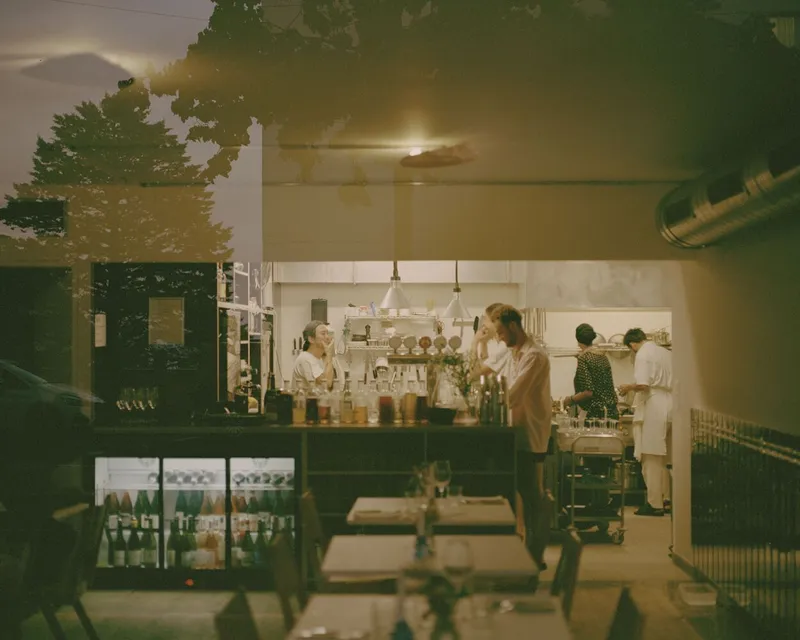
Unlike traditional design processes, the Jajaffe transformation unfolded entirely in situ, driven by instinctive dialogue among architects, contractors, and clients. Eschewing detailed blueprints, the project relied on raw creativity and spontaneous problem-solving. This hands-on approach yielded an organic evolution of the space, emphasizing direct connections between the preparation and enjoyment of food.
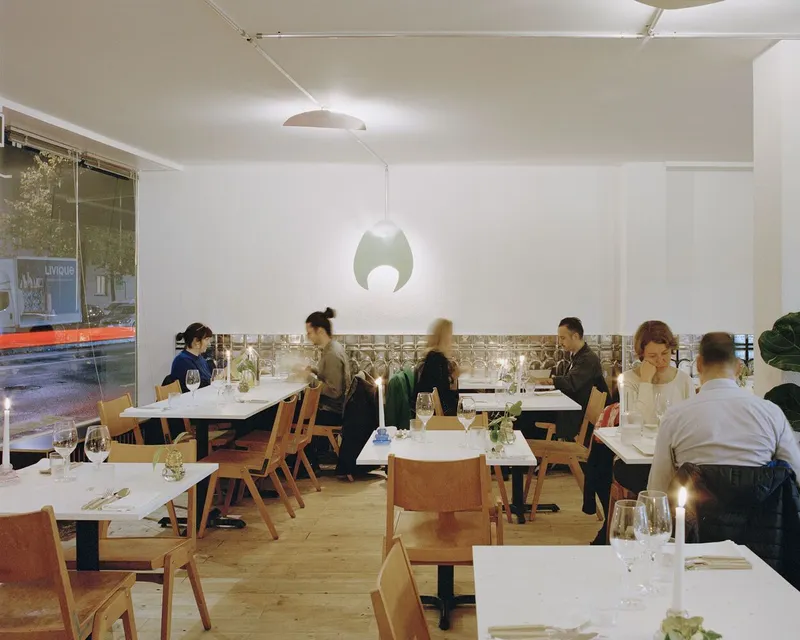
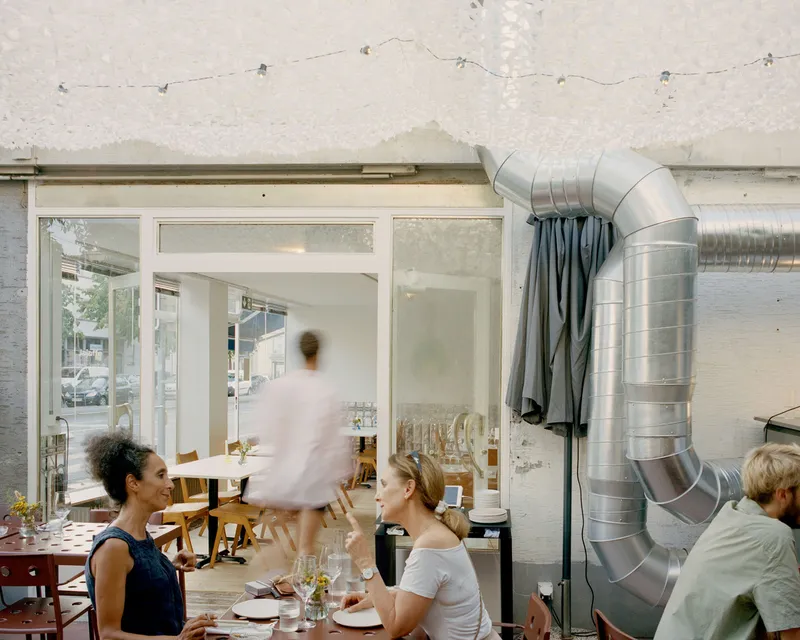
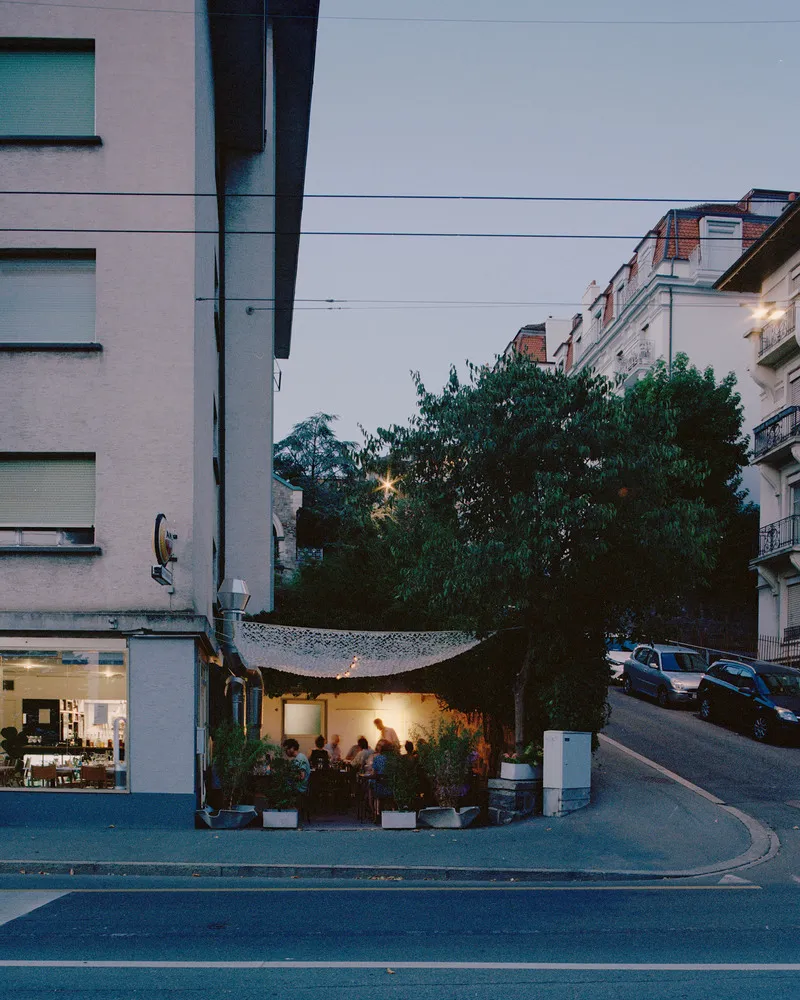
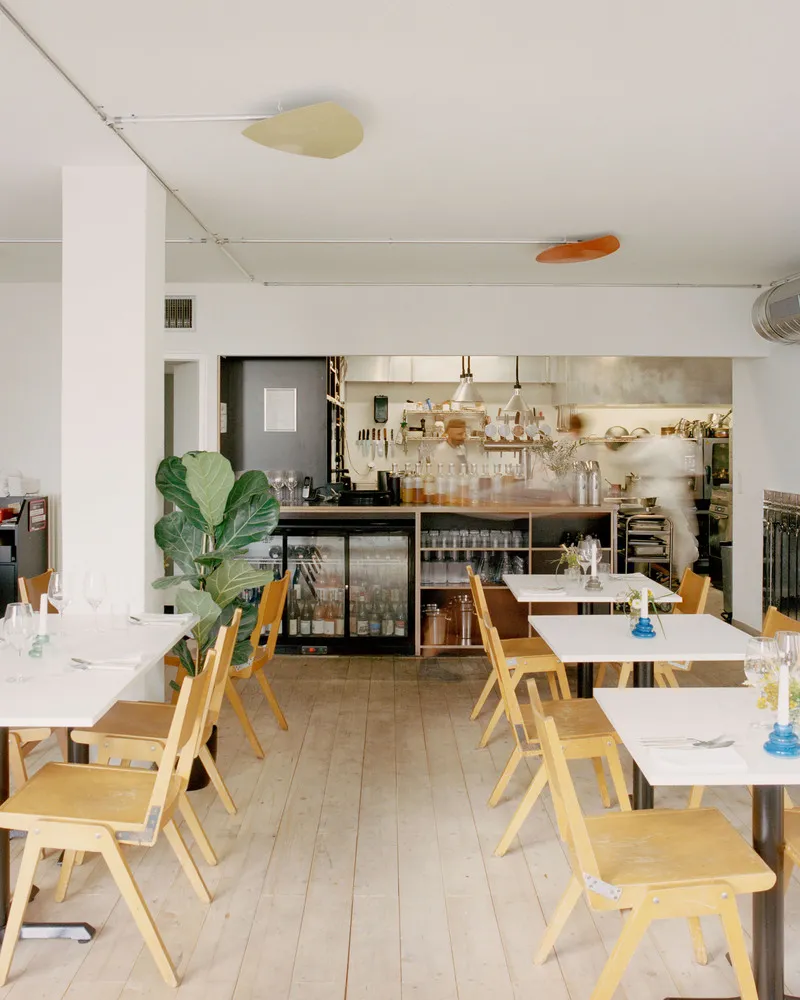
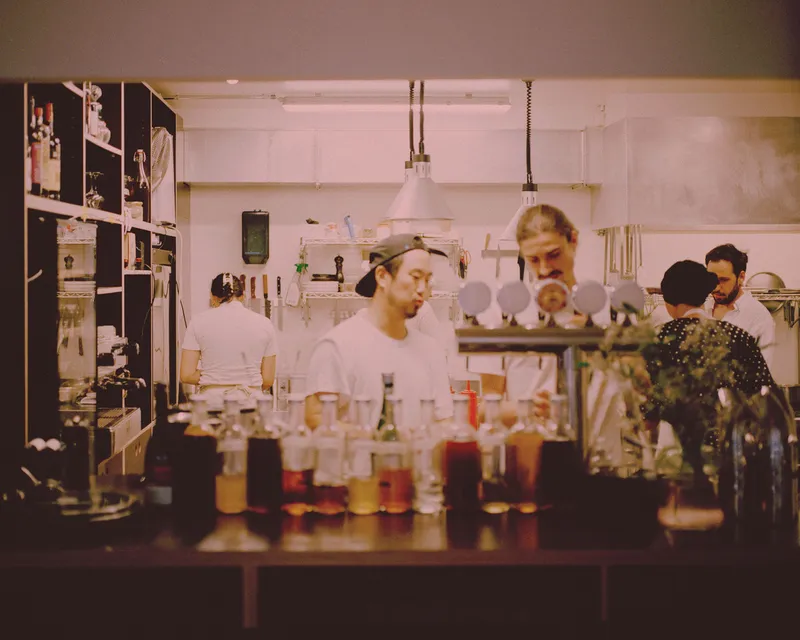
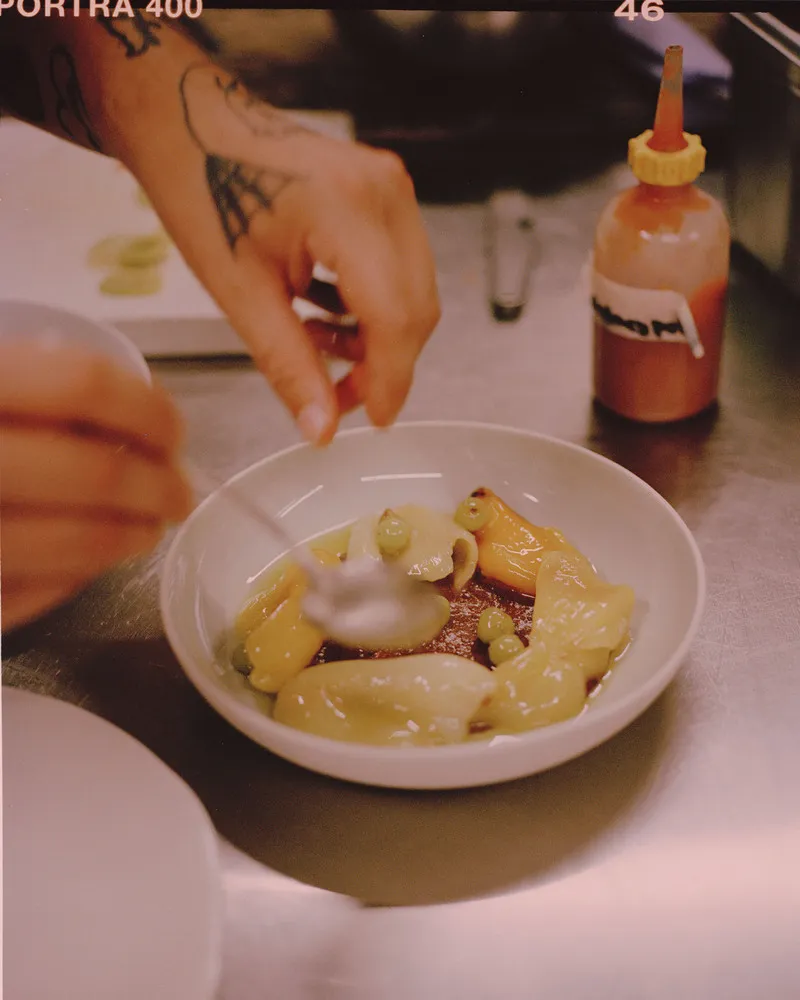
The centerpiece of the design is the open kitchen, a symbolic and functional link between the production of dishes and the sensory experience of diners. By unveiling the once-hidden kitchen, the transformation fosters a closer relationship between chefs and guests, allowing diners to engage with the process through sight, sound, and scent.
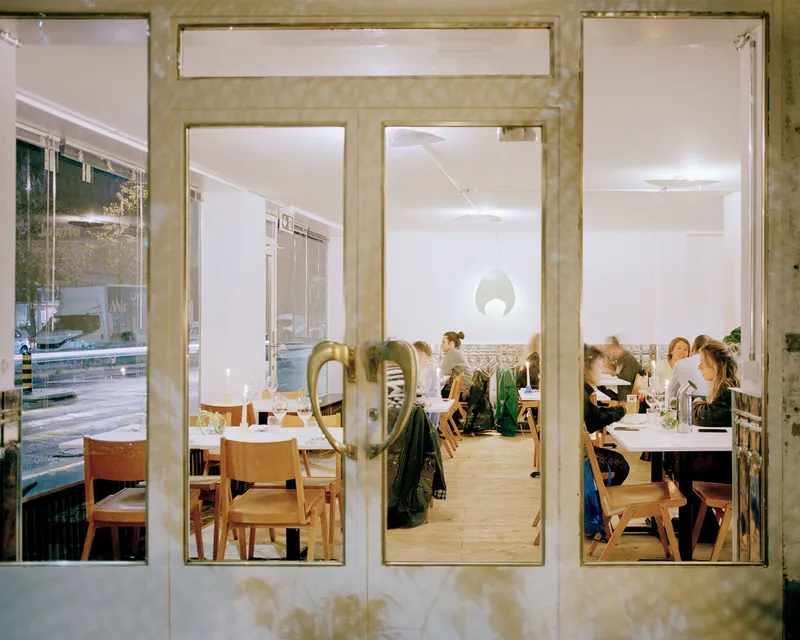
Sustainable Design through Reuse and Salvaging
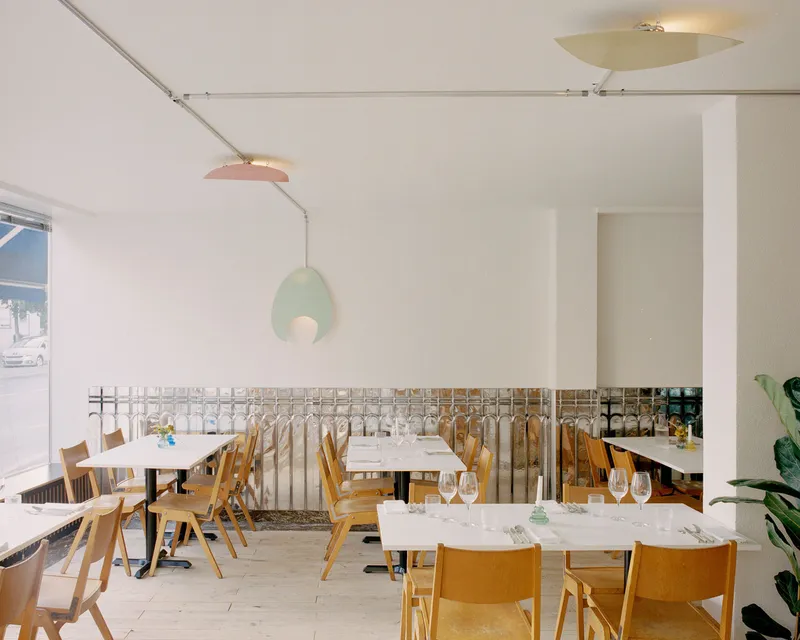
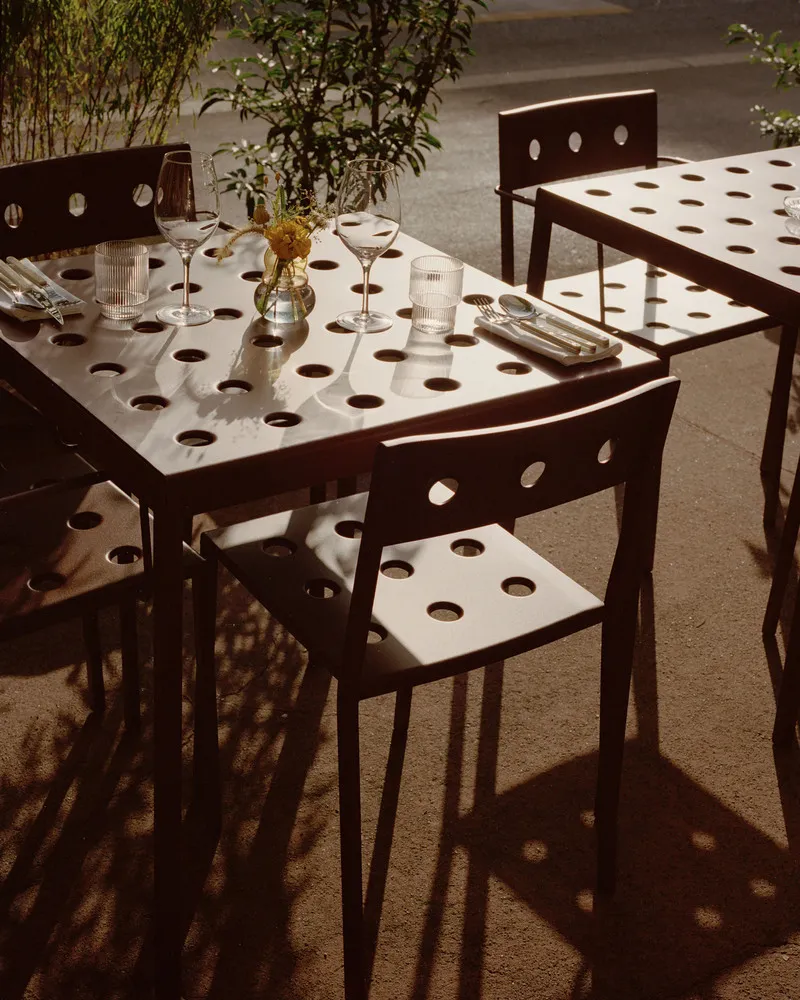
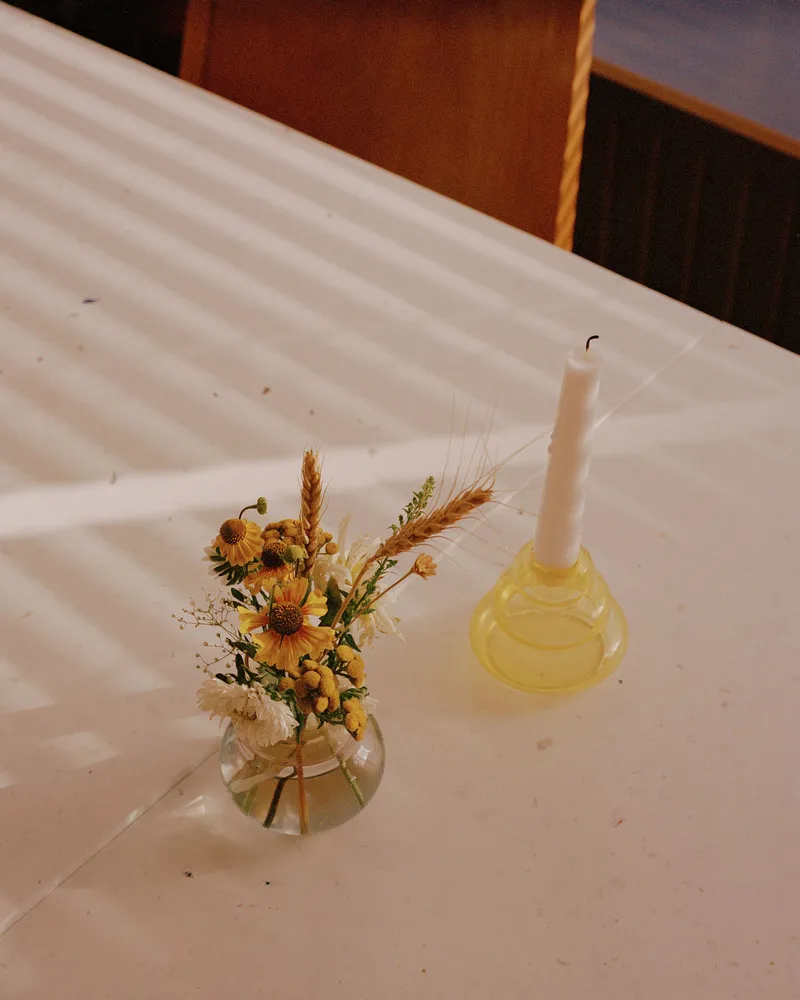
Sustainability lies at the heart of the Jajaffe project. The architectural team sourced all materials, furniture, and objects second-hand or from recycling and salvaging efforts. This constraint not only dictated the direction of the design but also shaped its identity, creating an inviting yet contemporary aesthetic.
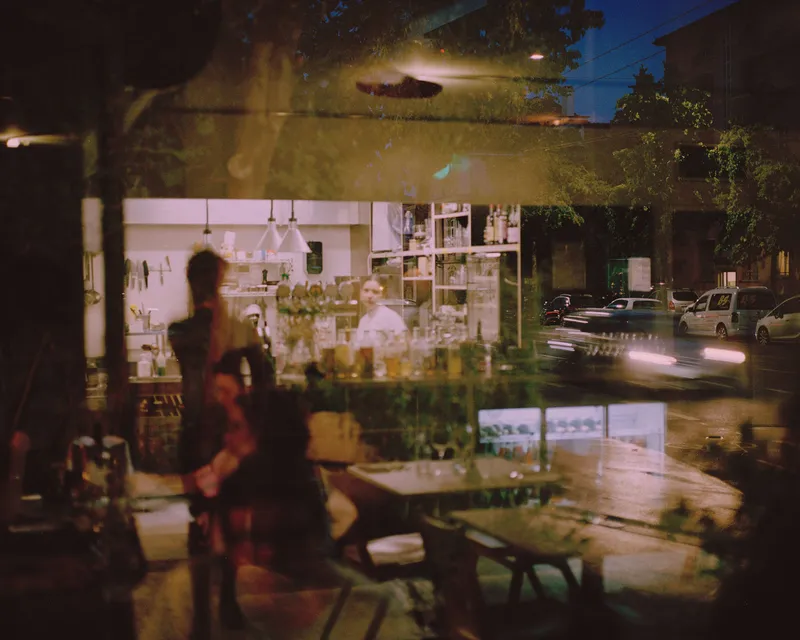
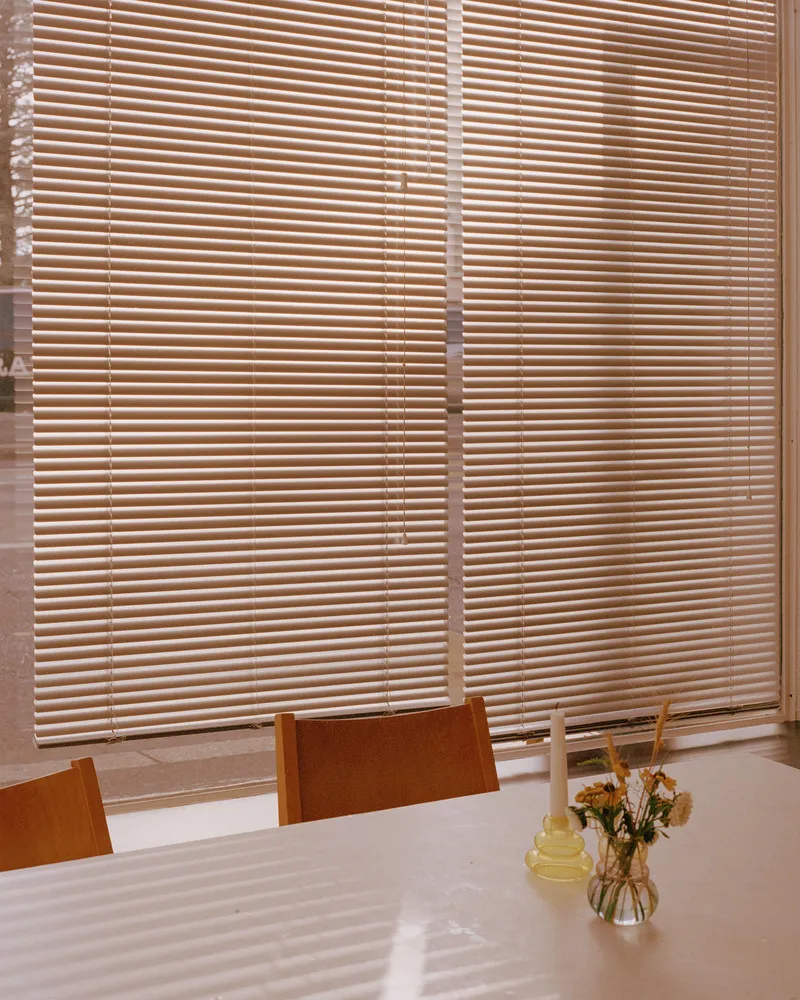
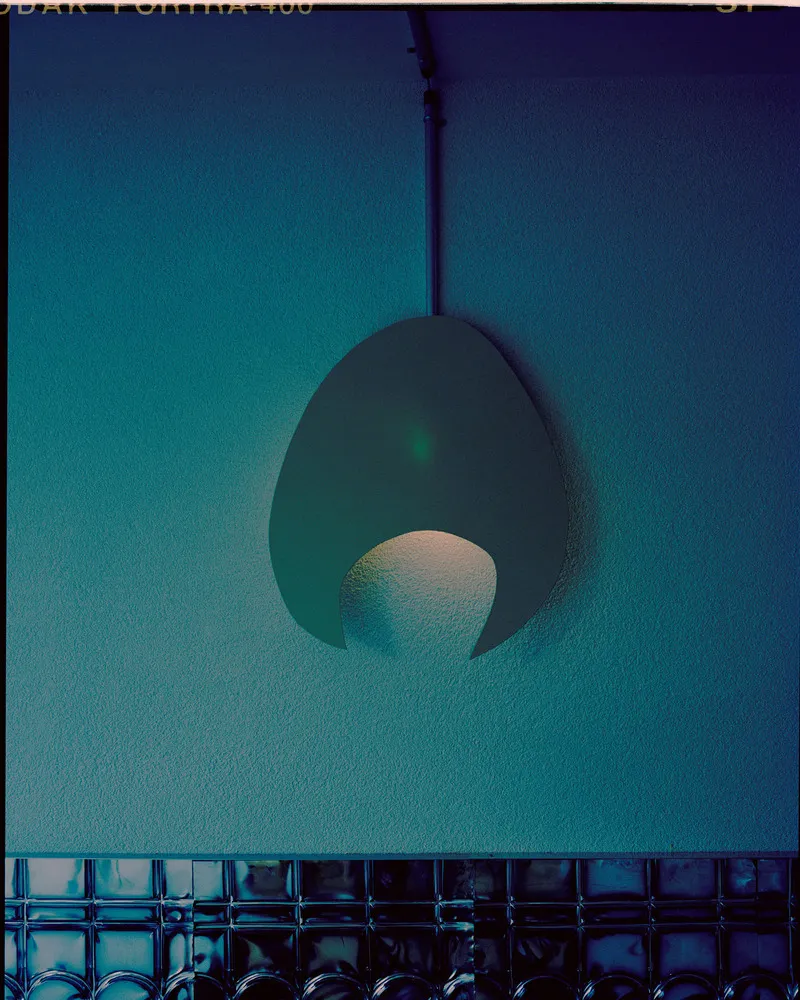
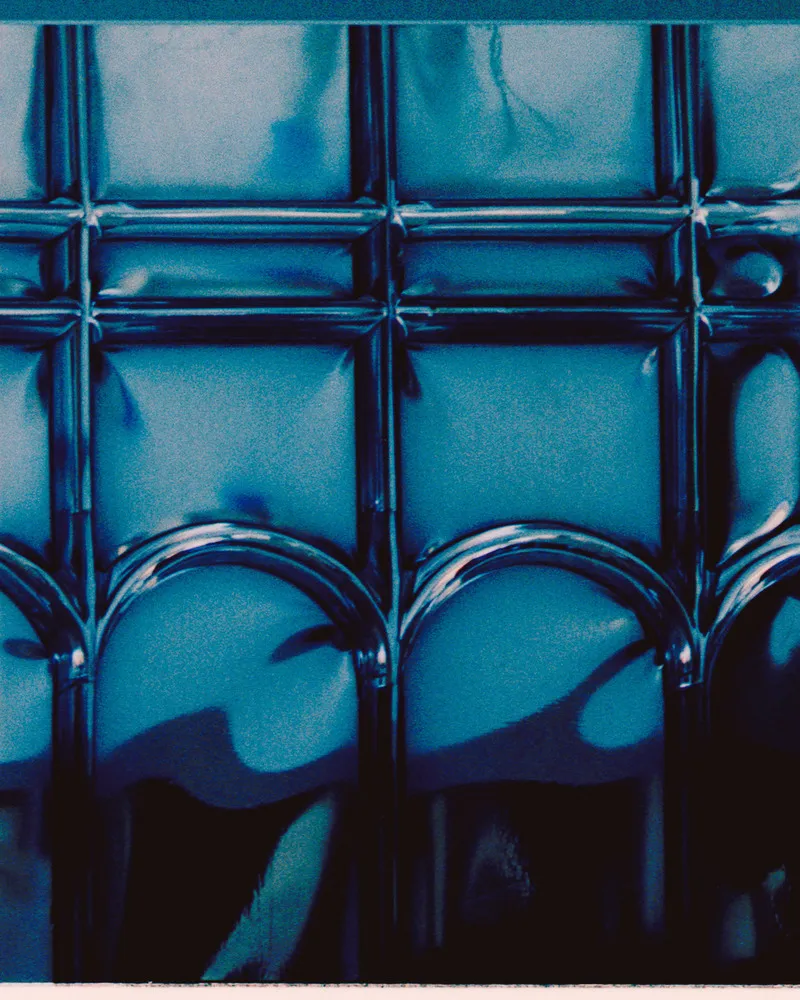
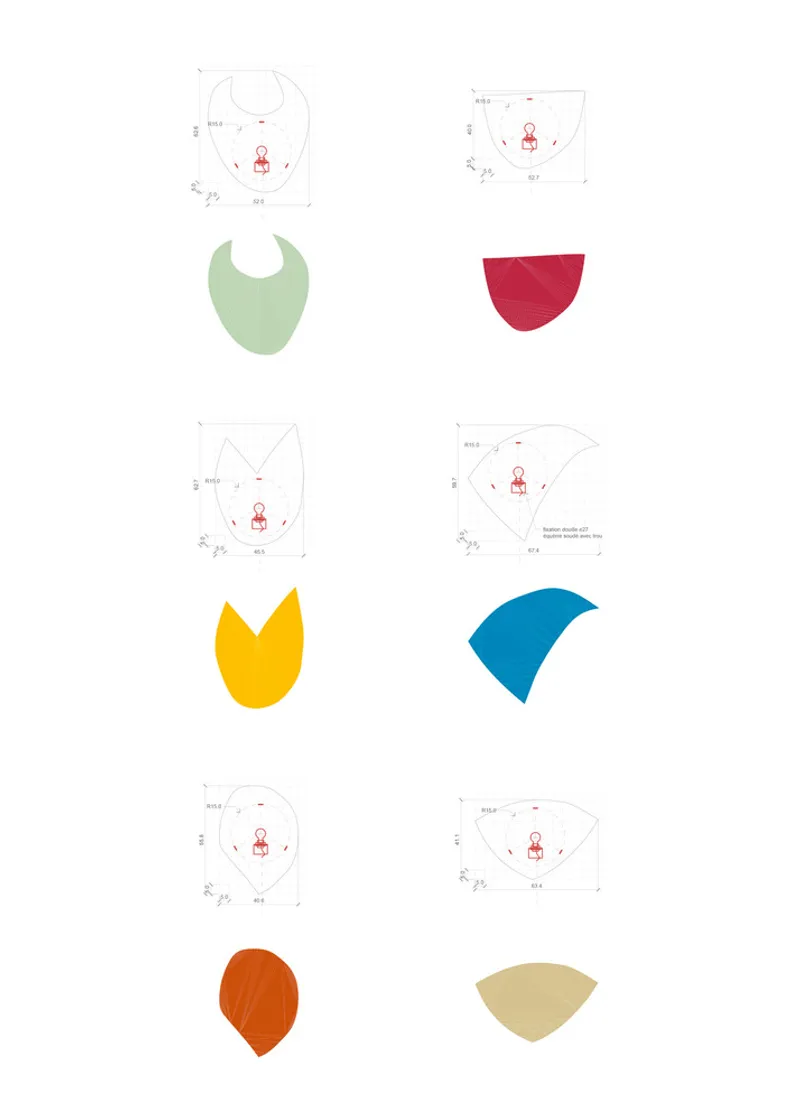
The space draws inspiration from traditional restaurant designs, featuring wooden floors, eccentric ceiling lights, and textured furniture. Yet, its reinterpretation of these elements gives it a unique and misappropriated charm, blending nostalgia with modernity.
Creating a Social Hub in Urban Density
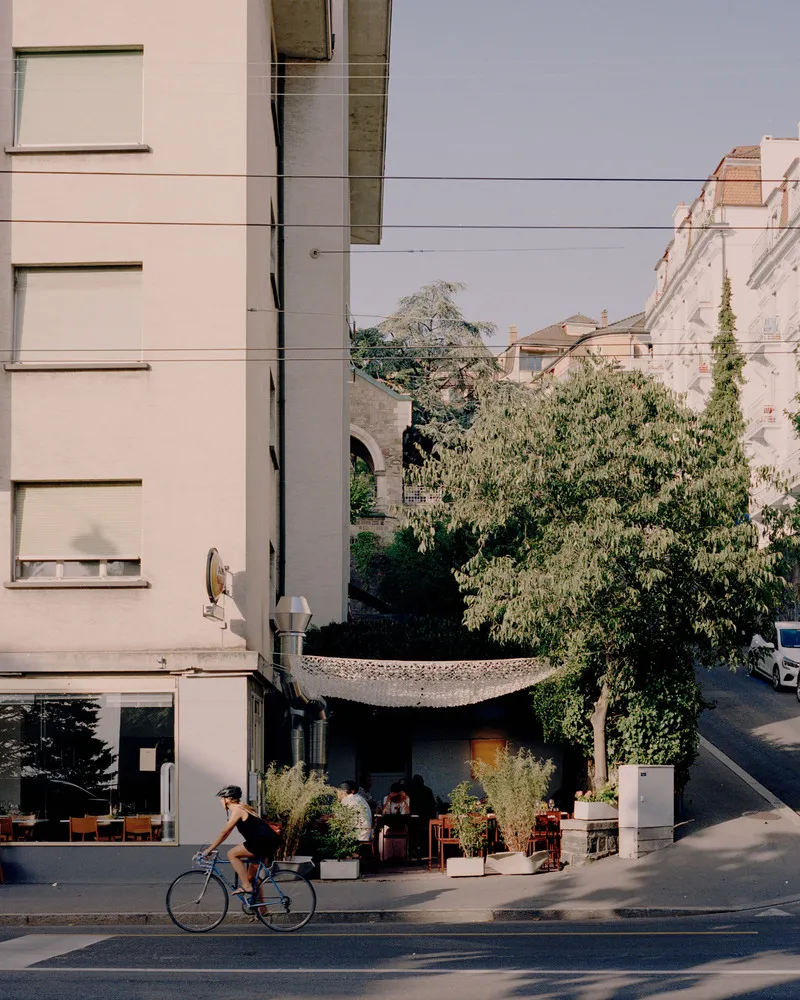
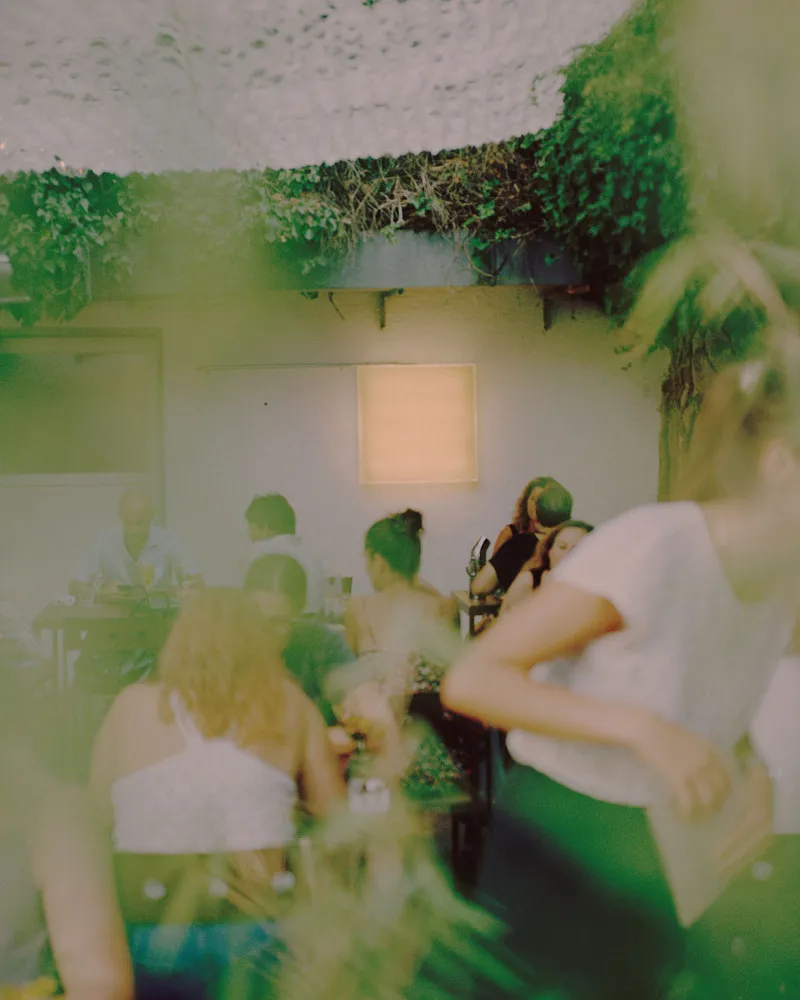
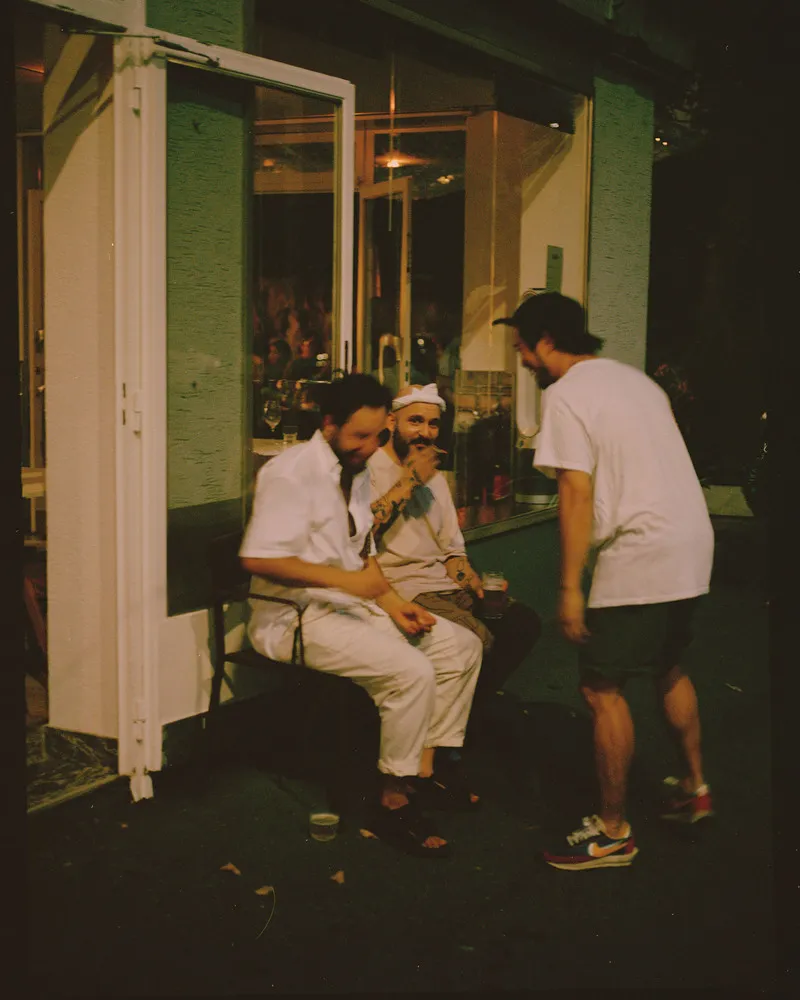
Jajaffe is more than a restaurant; it’s a social anchor for the neighborhood. By fostering a sense of community, the project has transformed the space into an extension of home. Its inclusive atmosphere welcomes regular patrons and newcomers alike, offering a warm environment for connection and sharing.
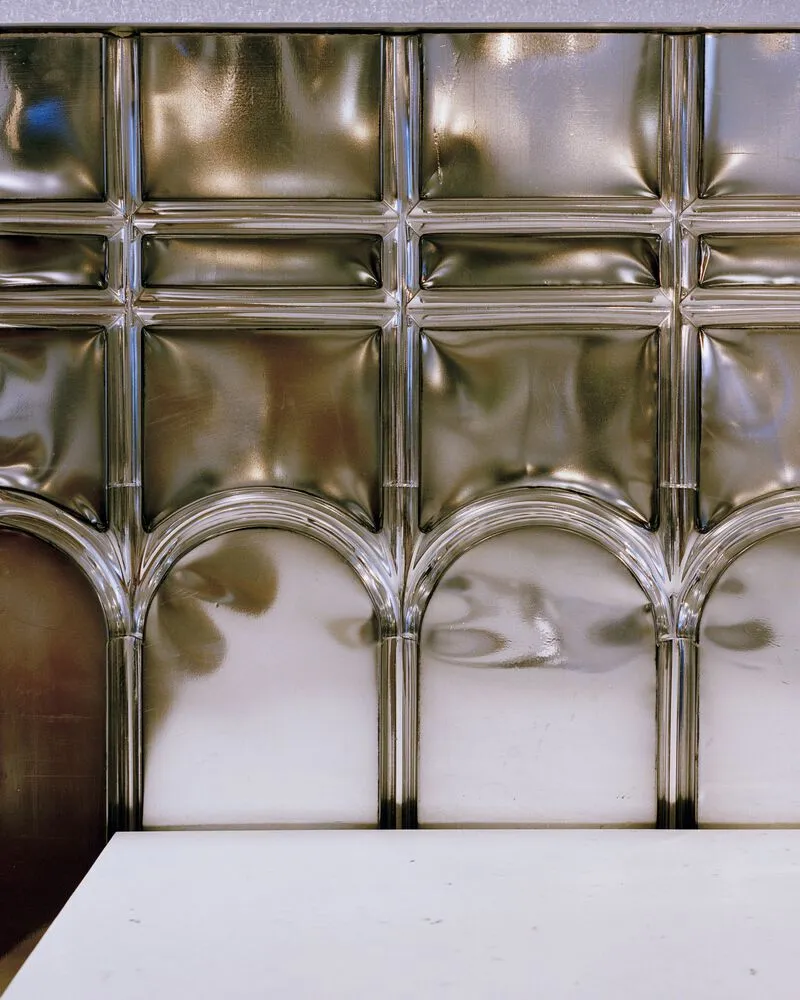
The proximity between the restaurant and the surrounding community underscores its role in promoting social integration within a diverse urban landscape. By creating a space that celebrates shared experiences, the Jajaffe Restaurant stands as a model for designing inclusive culinary spaces.
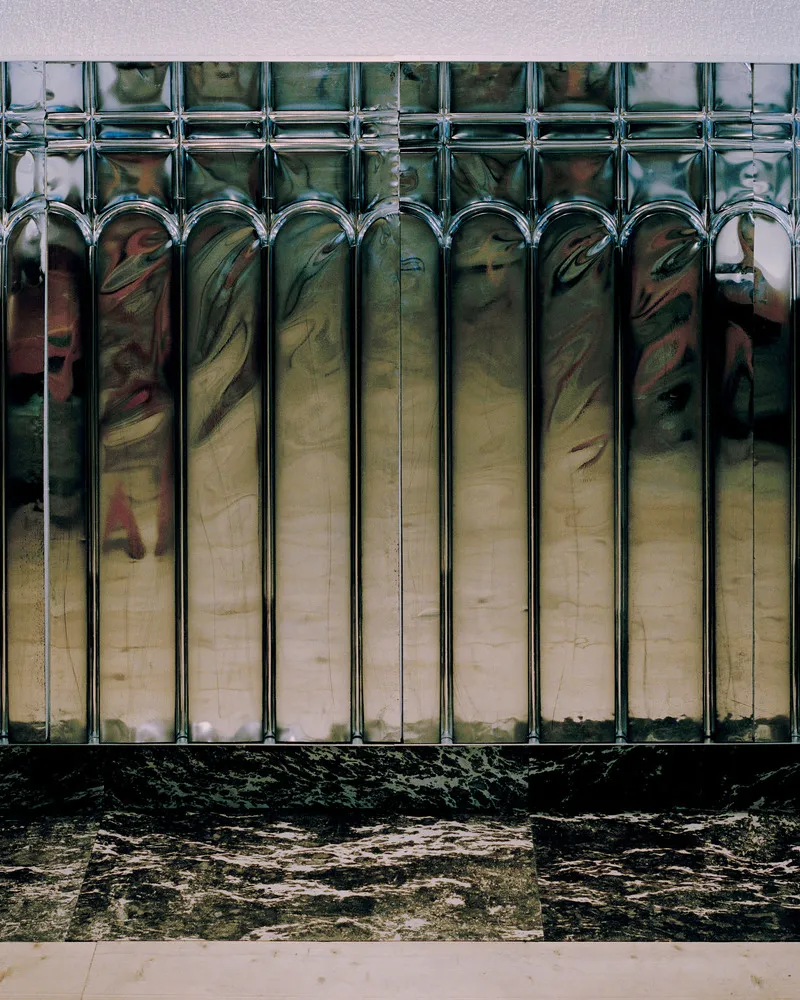

A Time Capsule of Materials and Creativity
The Jajaffe Restaurant transformation is a reflection of the materials and resources available at the time of its execution. This temporal aspect imbues the project with a unique character, acting as a time capsule that captures the spirit of its creation. Had it been undertaken at a different moment, the materials and design might have taken a different form, emphasizing the fluidity of sustainable design.
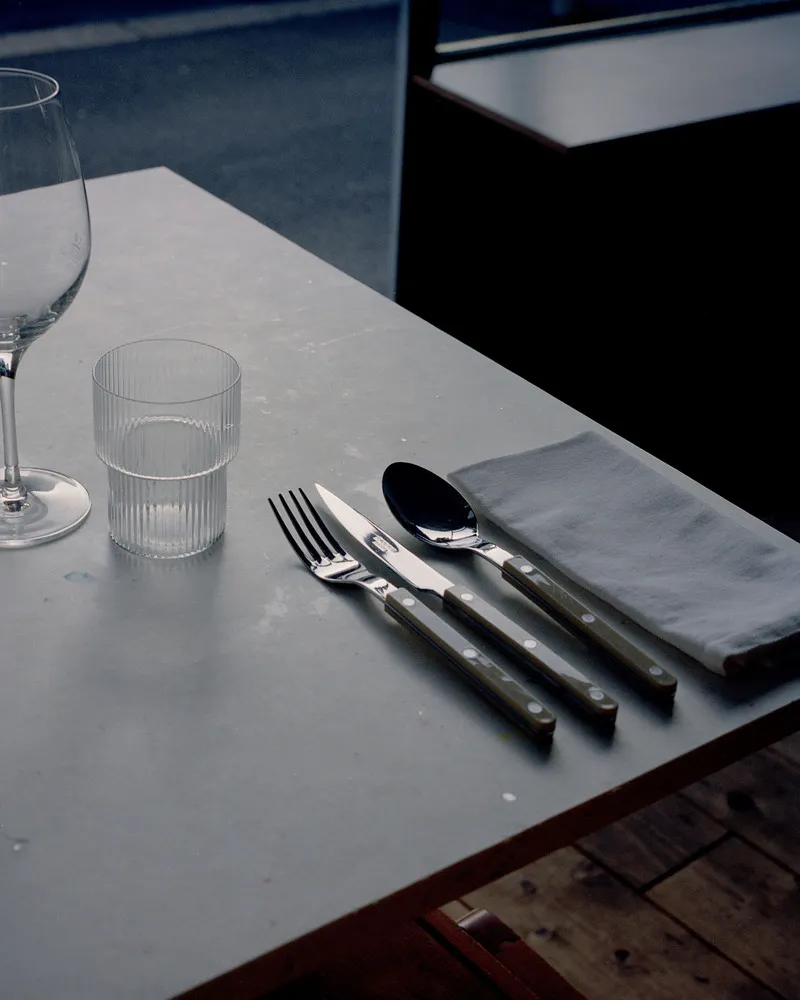

Redefining Sustainable Restaurant Design
The Jajaffe Restaurant transformation exemplifies how architecture can adapt to environmental constraints while fostering community and sustainability. By merging culinary creativity with architectural ingenuity, BARAKI has created a space that not only serves its functional purpose but also enriches its neighborhood. This project demonstrates that sustainable restaurant design can be both resourceful and welcoming, setting a benchmark for future endeavors in the field.
All Photographs are work of Matthieu Croizier



Popular Articles
Popular articles from the community


Play: Fragments of Their World
Familiar architecture becomes modular playground design, creating safe spaces where displaced children can learn, connect, imagine and play.

Co-Life: Senior Housing Design That Reconnects Older Adults With the City
Co-Life reimagines senior housing design through healing gardens, shared streets, workshops, and a sustainable community across generations.

Lunar Spiral: Space Architecture Shaped by the Mathematics of the Universe
Lunar Spiral reimagines space architecture through Fibonacci geometry, lunar regolith, levitating habitats, and self-sustaining Moon living.

The Earth Pod: 3D Printed Homes for Resilient Refugee Communities
The Earth Pod reimagines refugee housing through 3D printed homes made from clay, combining resilience, self-sufficiency, and rapid shelter.

Similar Reads
You might also enjoy these articles


Hodi-Mandai Geram
Project Function: Preservation and revitalization of the Intangible heritage and socio-spatial identity of the Hodi by Housing, Cultural Memory Center, Sacred Grove, landscape, local tourism economy


Olio Towers: A Mid-Rise for Performers That Fuses Housing, Rehearsal, and Stage
Located blocks from Houston's Theater District, this modular tower stacks living units around a central performance atrium.

Oasis: Modular Green Housing Carved into Dhaka's Urban Fabric
A shortlisted Plugin Housing entry reclaims unauthorized settlements in Dhaka with stepped concrete volumes, green roofs, and ventilation-driven design.

Black Hole: A Floating Megastructure for the Post-Physical Era
Emiliano Mazzarotto envisions a spherical, self-scaling arena where e-sports, digital hotels, and holographic stadiums replace traditional public space.


Explore Architecture Competitions
Discover active competitions in this discipline



Challenge to reimagine the Iron Throne


Photograph architecture without architects


Illustrate the lost glory of Angkor Wat - Render Challenge


Design challenge to reuse E-waste
Comments (0)
Please login or sign up to add comments
No comments yet. Be the first to comment!