
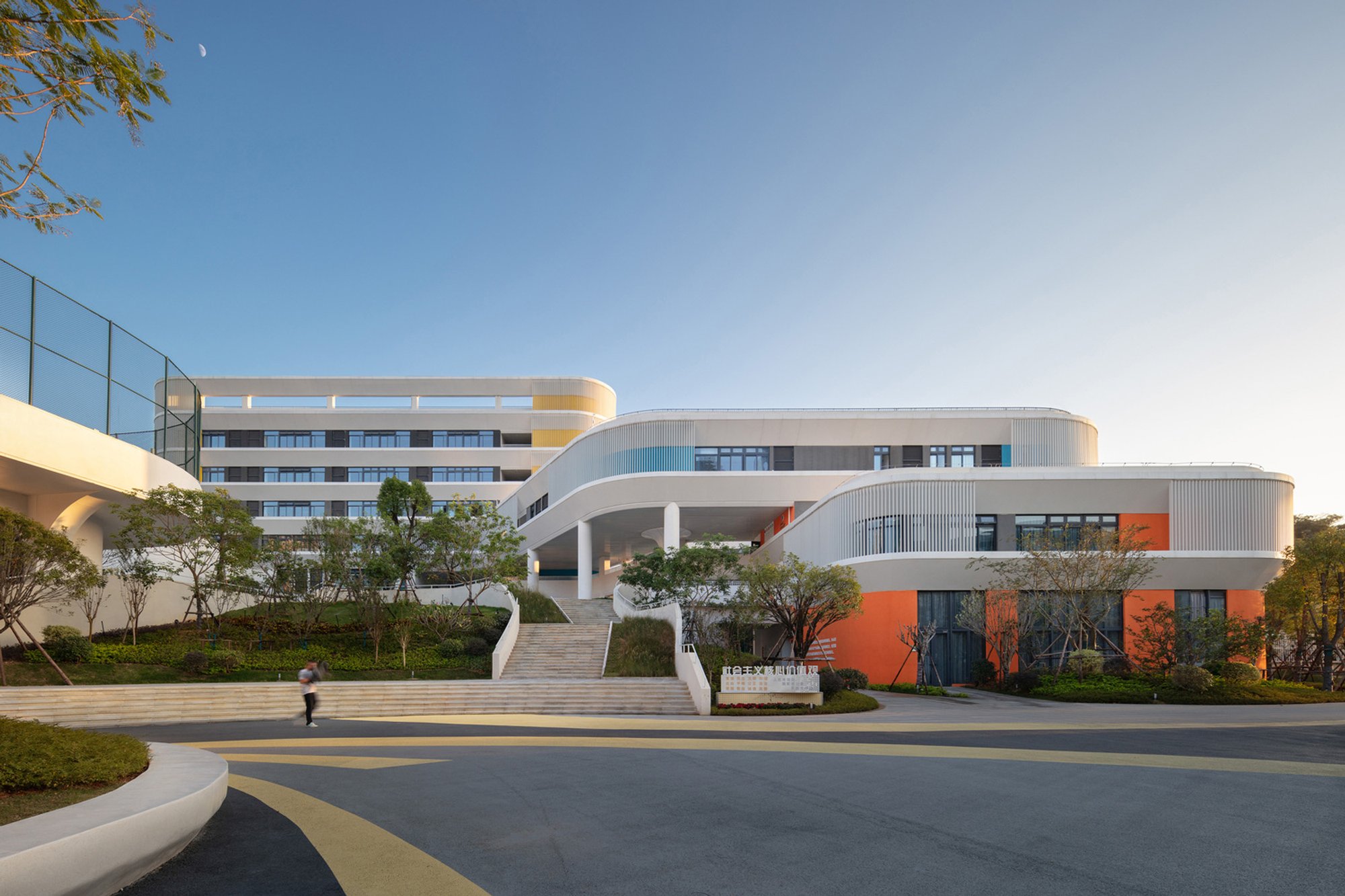
Sustainable School Architecture Design: Jinbang Elementary School by ONENESS STUDIO
The article explores Jinbang Elementary School's sustainable architecture, blending nature with urban design to create an innovative educational campus.

A New Era of Sustainable School Architecture
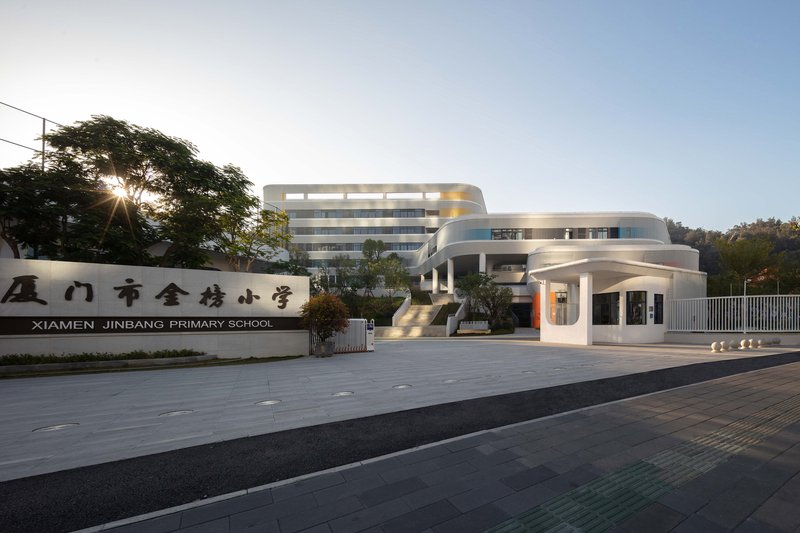
Sustainable architecture in educational institutions is redefining how schools integrate with their environment while meeting functional needs. Jinbang Elementary School, designed by ONENESS STUDIO in Xiamen, China, exemplifies this shift. Completed in 2023, the school’s innovative design merges the natural contours of a mountain with the bustling cityscape, setting a benchmark for sustainable school architecture design.
Blending Nature with Urban Landscapes
Site Transformation: From Warehouse to Campus
The site of Jinbang Elementary School was previously occupied by grain warehouses and a large parking lot. Over time, new roads reshaped the area, leaving behind a narrow and irregular plot with hardened surfaces. The architects saw an opportunity to repair the land and create a harmonious link between Dongping Mountain and the urban landscape.
The design aligns with the east-west orientation of the site, hugging the mountain while addressing elevation challenges. This approach preserves the natural flow of the terrain and enhances the site's ecological integrity.
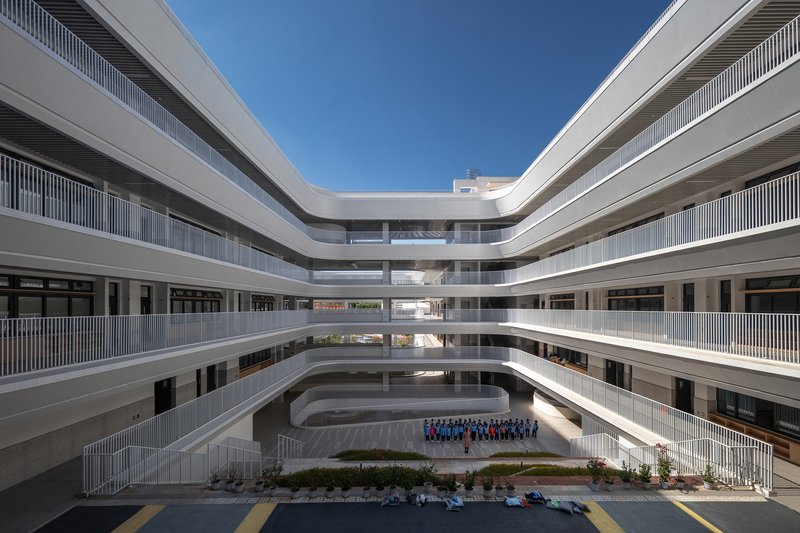
The Mountain-Inspired Design
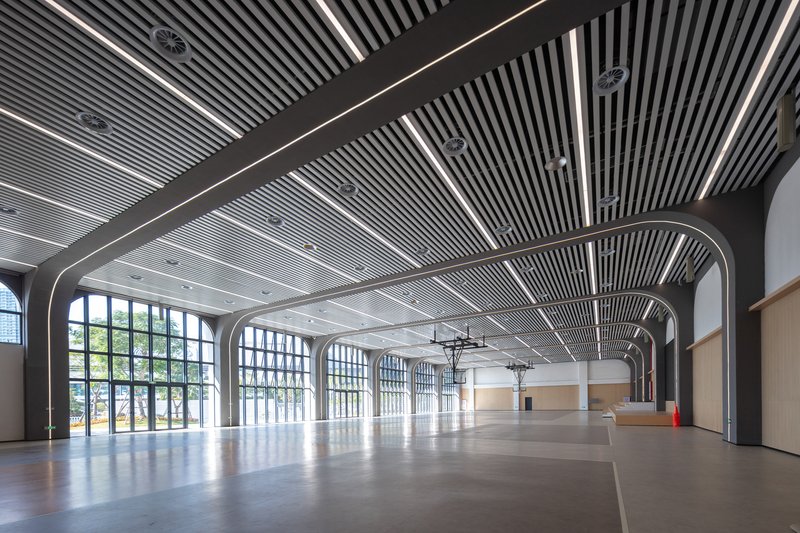
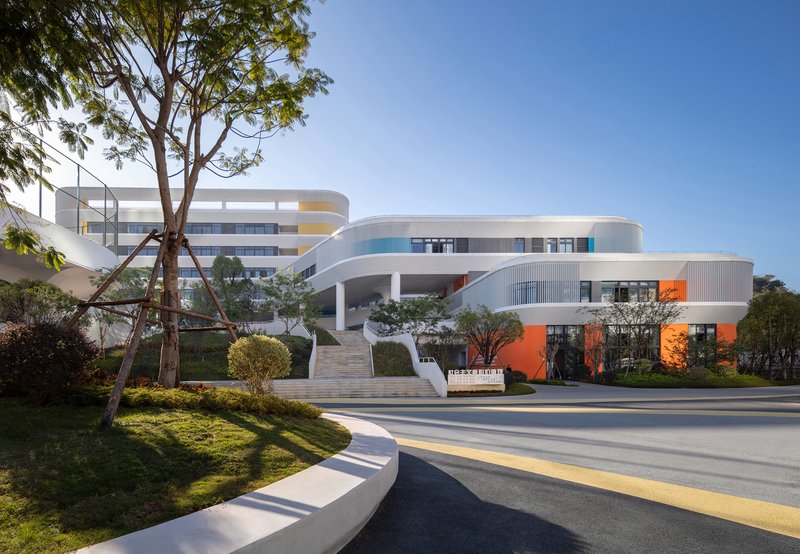
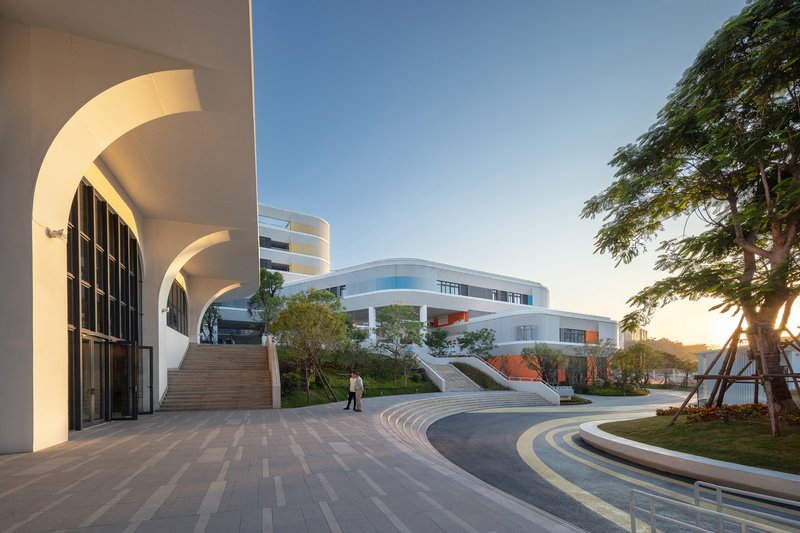
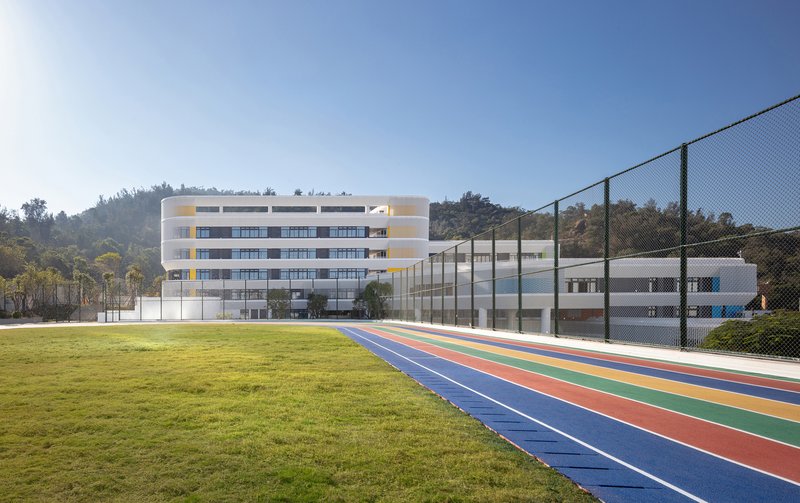
The school’s architecture draws inspiration from the surrounding mountainous terrain. Using terraced structures, the design mimics the mountain’s rhythm, creating a seamless transition between nature and built form. Long, low volumes integrate with the gentle slopes, offering a unique urban form that balances functionality and aesthetics.
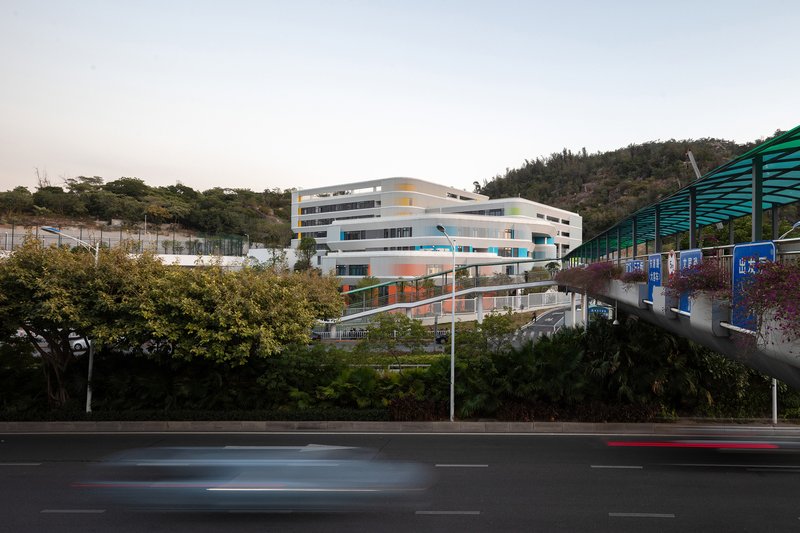
Key Features of the Sustainable Design
Courtyards and Ventilation
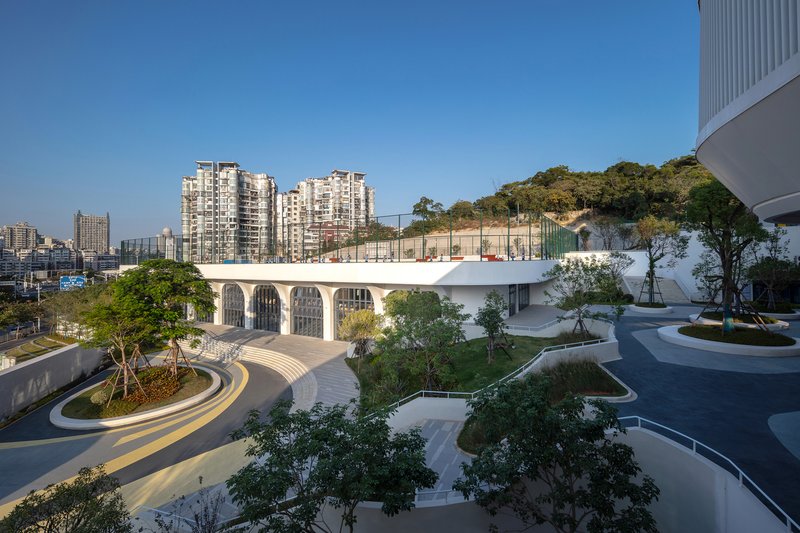
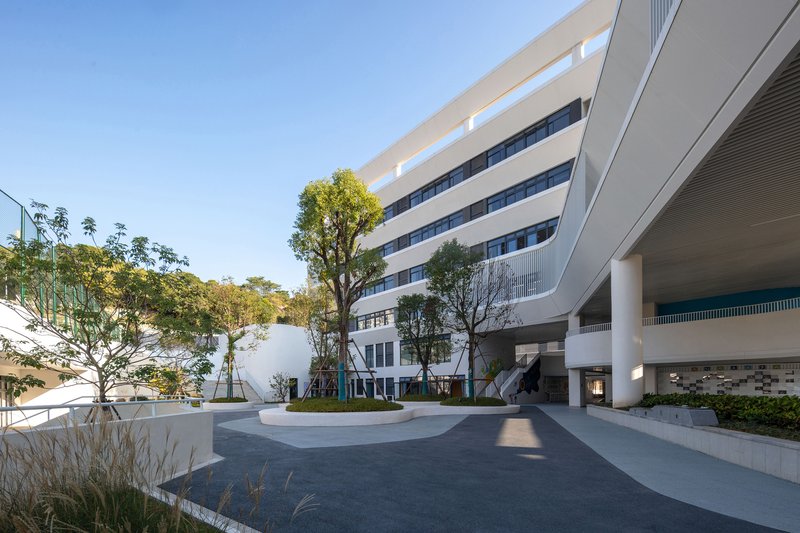
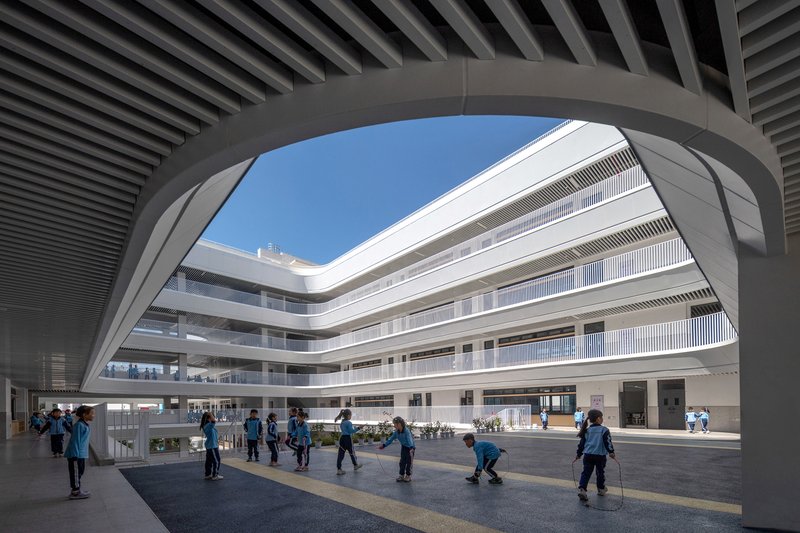
Strategically placed courtyards improve natural ventilation, allowing mountain breezes to flow through classrooms and communal spaces. This design feature mitigates the region’s hot and humid climate, ensuring a comfortable environment for students and staff throughout the year.
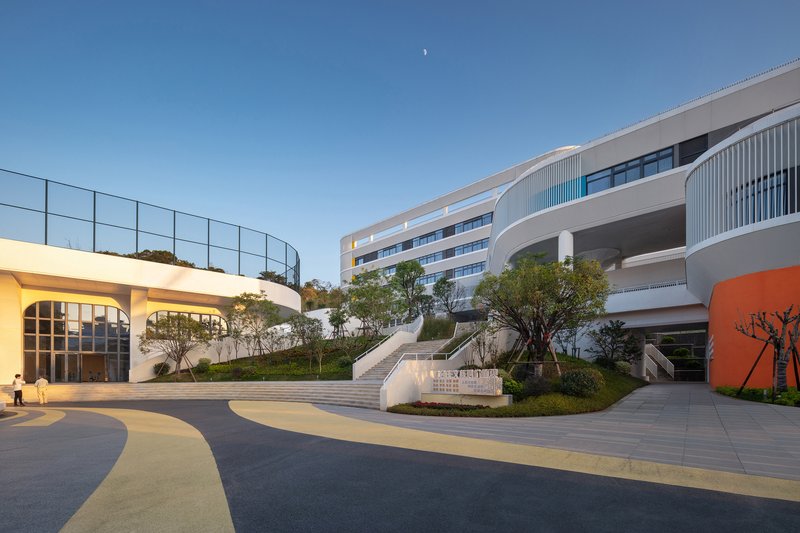
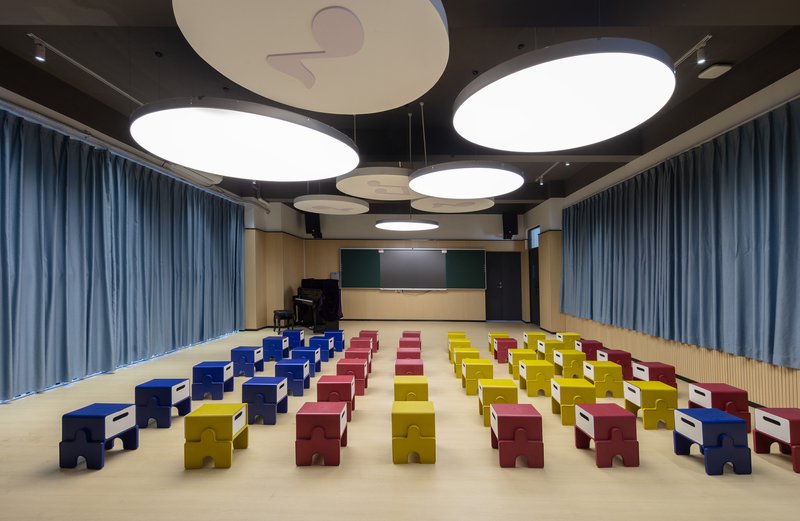
Terraces as Panoramic Platforms
The campus is designed with staggered terraces, creating multi-level platforms that serve as gathering spaces. These terraces provide panoramic views of the city and the mountain, encouraging students to interact with their environment. The design facilitates movement across different levels, fostering exploration and connection.
Eco-Friendly Construction Practices
The construction process emphasized sustainability, using materials and techniques that minimized environmental impact. By adapting to the site’s contours, the project reduced the need for extensive excavation and preserved the natural landscape.
Impact on Education and Community
Student-Centric Design
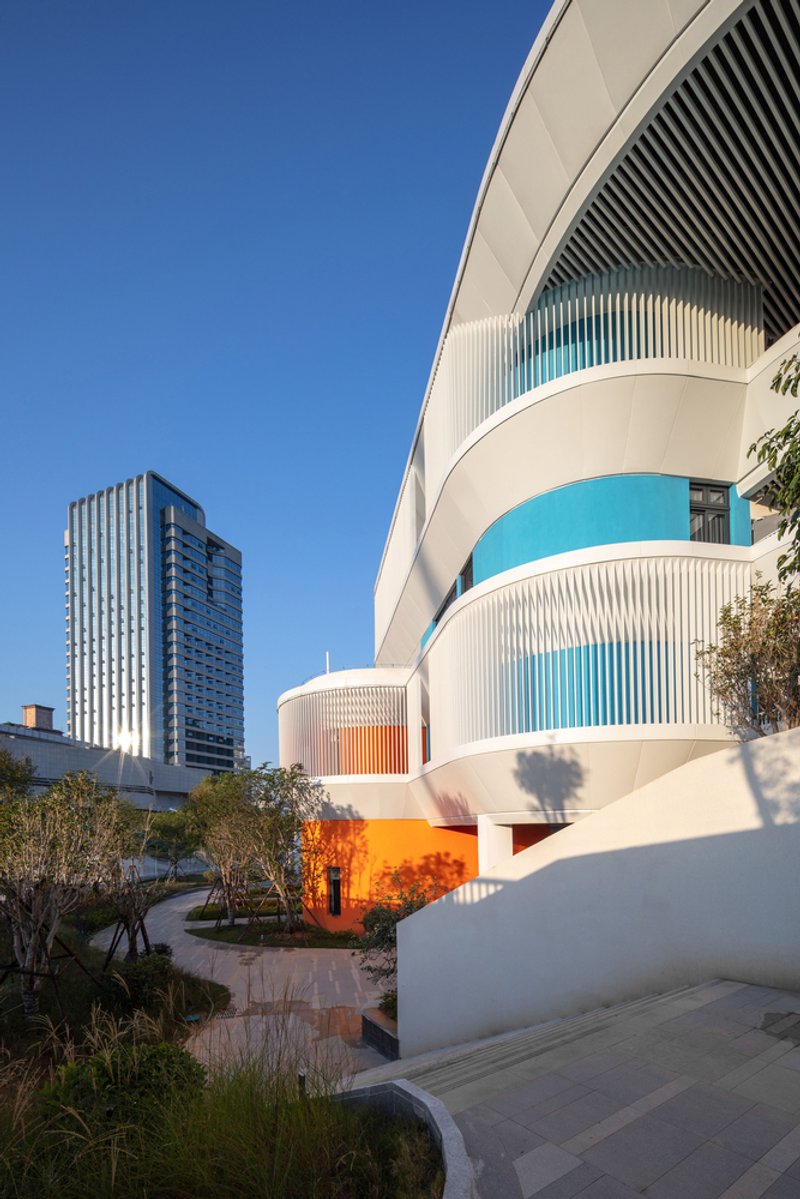
The school offers spaces that promote informal communication, exploration, and interaction. From open courtyards to elevated platforms, every element is designed with students’ well-being in mind. These spaces not only enhance the learning environment but also encourage physical activity and creativity.
A Landmark for Xiamen
Jinbang Elementary School has become a visual and cultural landmark for Xiamen. Its green terraces and rhythmic forms are visible from Jinbang Road, symbolizing a harmonious coexistence of nature, education, and urban life.
A Blueprint for the Future
Jinbang Elementary School by ONENESS STUDIO is more than a campus—it’s a model for sustainable school architecture design. By blending natural elements with urban functionality, it demonstrates how architecture can create meaningful connections between people, nature, and the city.
As educational institutions worldwide face the challenges of urbanization and environmental sustainability, this project serves as a blueprint for designing schools that inspire and endure.
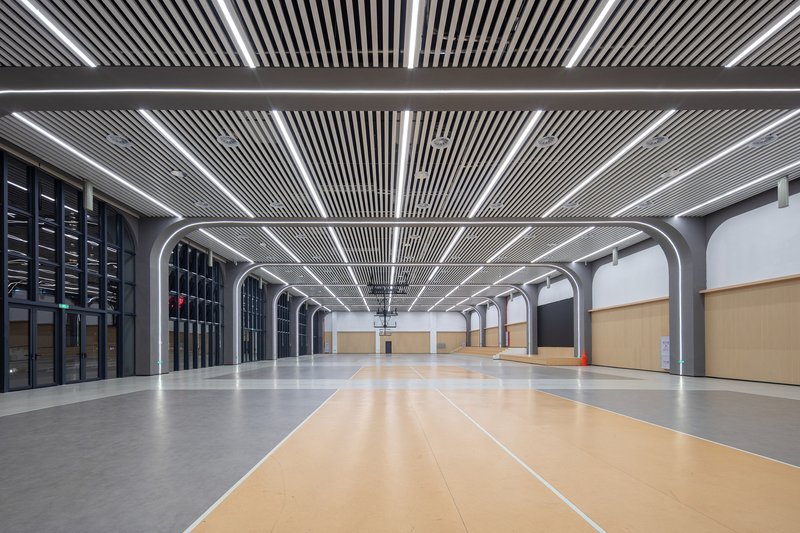
All Photographs are work of Lianbi Luo




Popular Articles
Popular articles from the community

Bood Design Bureau Splits a Gilan Residence in Two to Let the Forest In
Double Side House negotiates privacy and openness through interlocking concrete volumes and planted courtyards in northern Iran's humid Caspian lowlands.
Cafe MADA: A Chiang Rai Pavilion in a Mango Orchard
BodinChapa Architects threaded a 254 m² black-roofed cafe through an existing mango orchard in Chiang Rai, Thailand, built around mature trees.

Filtering Space: A Gradual Spatial Experience
From urban intensity to spatial calm.
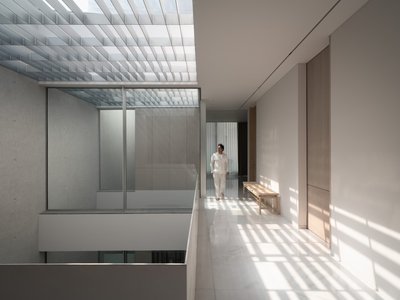
Residence BB 214: Quiet Precision in Ludhiana
Minimalist Architecture & Design Studio composes a residence of white volumes, filtered light, and deliberate restraint in Punjab's urban fabric.


Similar Reads
You might also enjoy these articles
Filtering Space: A Gradual Spatial Experience
From urban intensity to spatial calm.


The Ken Roberts Memorial Delineation Competition (Krob)
As the most senior architectural drawing competition currently in operation anywhere in the world, it draws hundreds of entries each year, awarding the very best submissions in a series of medium-based categories.

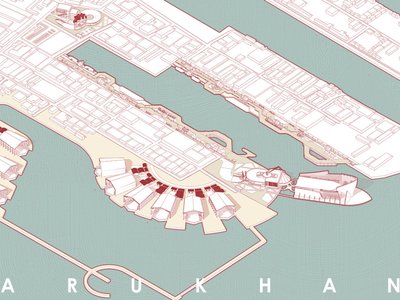
Waterfront Redevelopment and Urban Revitalization in Mumbai: Forging a New Dawn for Darukhana
A transformative waterfront redevelopment project reimagining Darukhana’s shipbreaking heritage into an inclusive urban future.
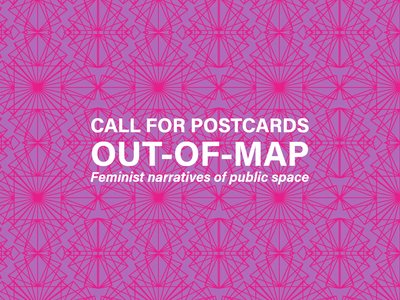
OUT-OF-MAP: A Call for Postcards on Feminist Narratives of Public Space
Rhizoma Design and Research Lab invites artists, designers, architects, researchers, and students to reflect on how feminist perspectives can reshape public space. Selected works will be exhibited in Barcelona, October 2026. Submissions open until 15 April 2026.
Explore Architecture Competitions
Discover active competitions in this discipline




The International Standard for Design Portfolios


The Global Benchmark for Architecture Dissertation Awards


The Global Benchmark for Graduation Excellence


Challenge to design public laboratory
Comments (0)
Please login or sign up to add comments
No comments yet. Be the first to comment!