

Sustainable Sports Architecture in France: Innovation at Yves du Manoir Stadium
This article explores the Yves du Manoir Stadium's redesign by OLGGA architectes, highlighting its sustainable features and integration with nature.


As the global emphasis on sustainability continues to grow, sports facilities are increasingly designed with green principles in mind. The Yves du Manoir Stadium, redesigned by OLGGA architectes for the Paris 2024 Olympic Games, exemplifies the latest advancements in sustainable sports architecture in France.
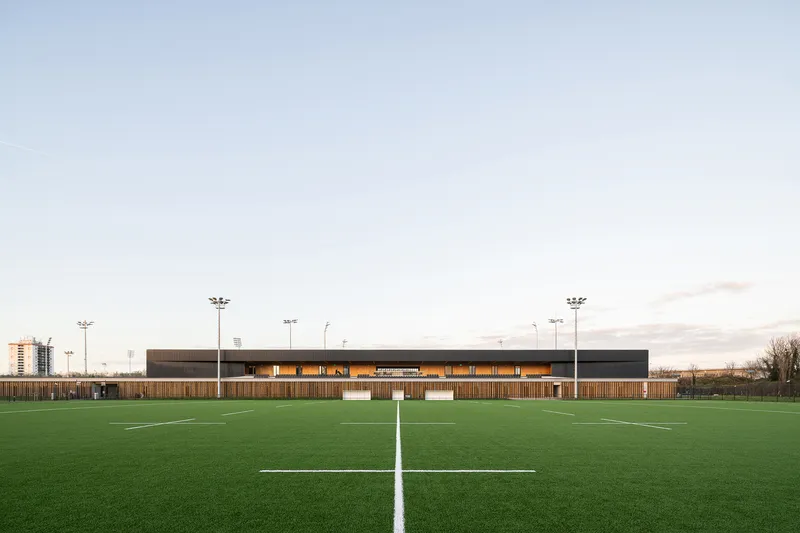
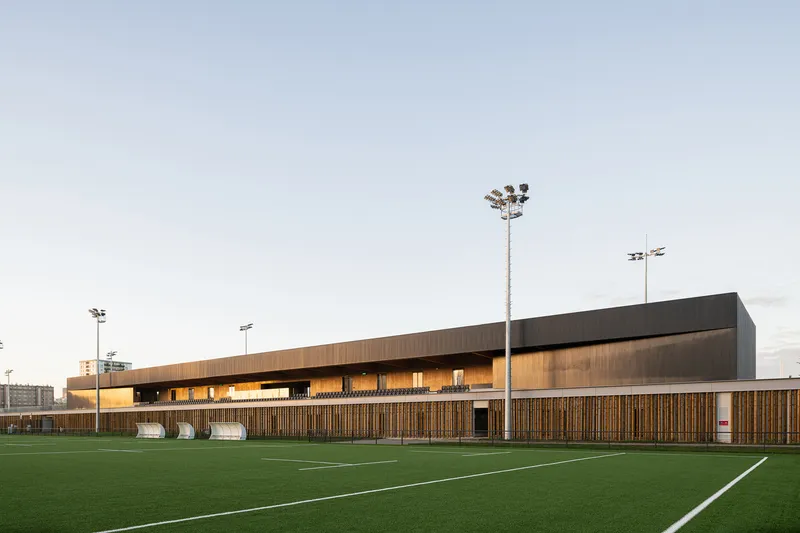
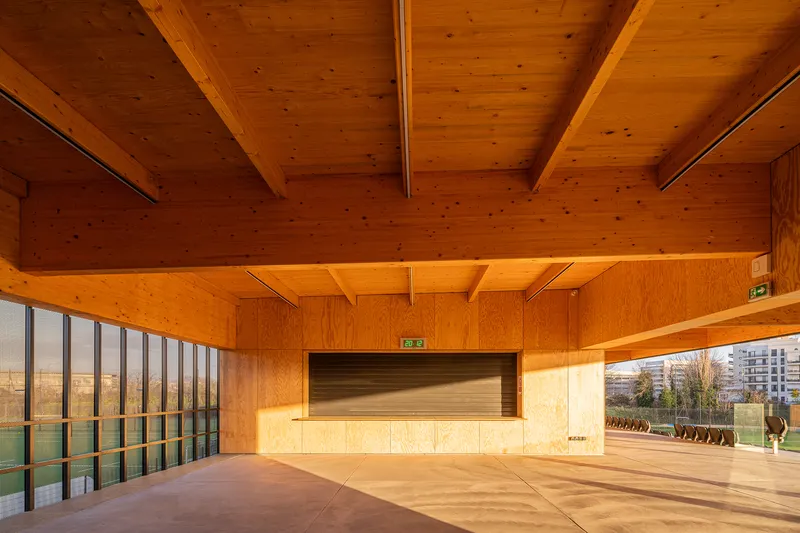
Overview of Yves du Manoir Stadium
Historical Significance and Modern Redesign
Originally built for the 1924 Olympic Games, Stade Yves-du-Manoir holds a venerable place in French sports history. Its recent redesign not only prepares it for the upcoming 2024 Olympics but also sets a new standard for sustainable design in sports facilities.
Design Philosophy
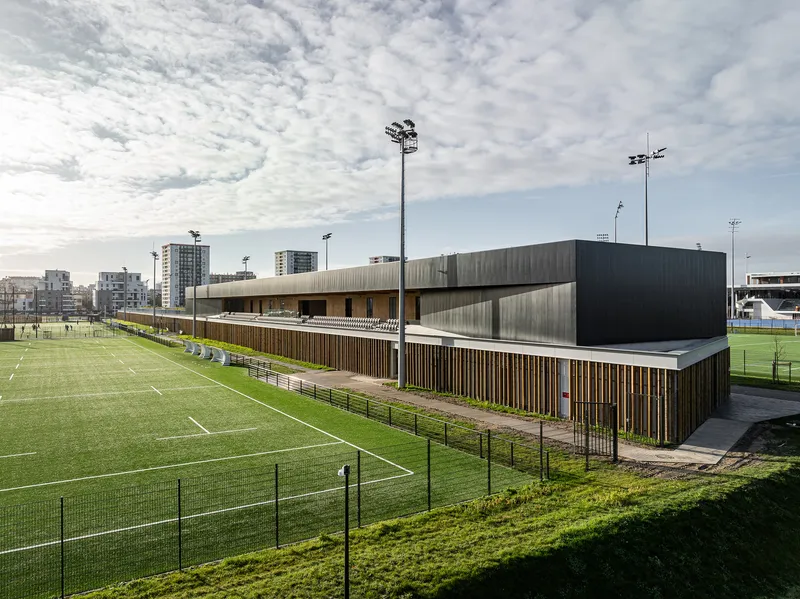
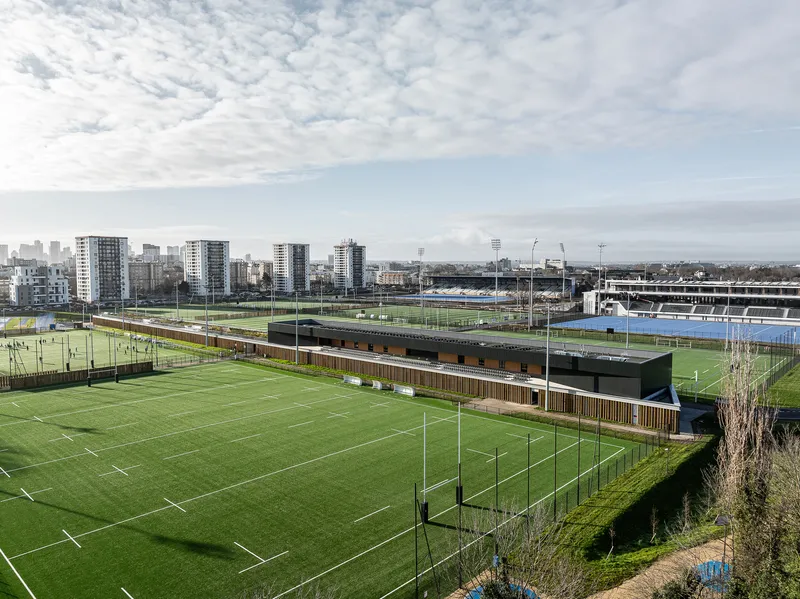
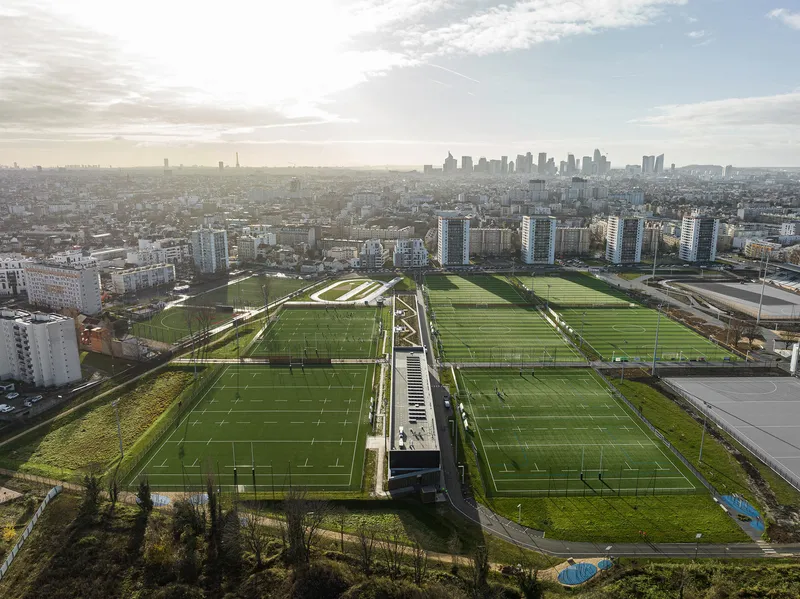
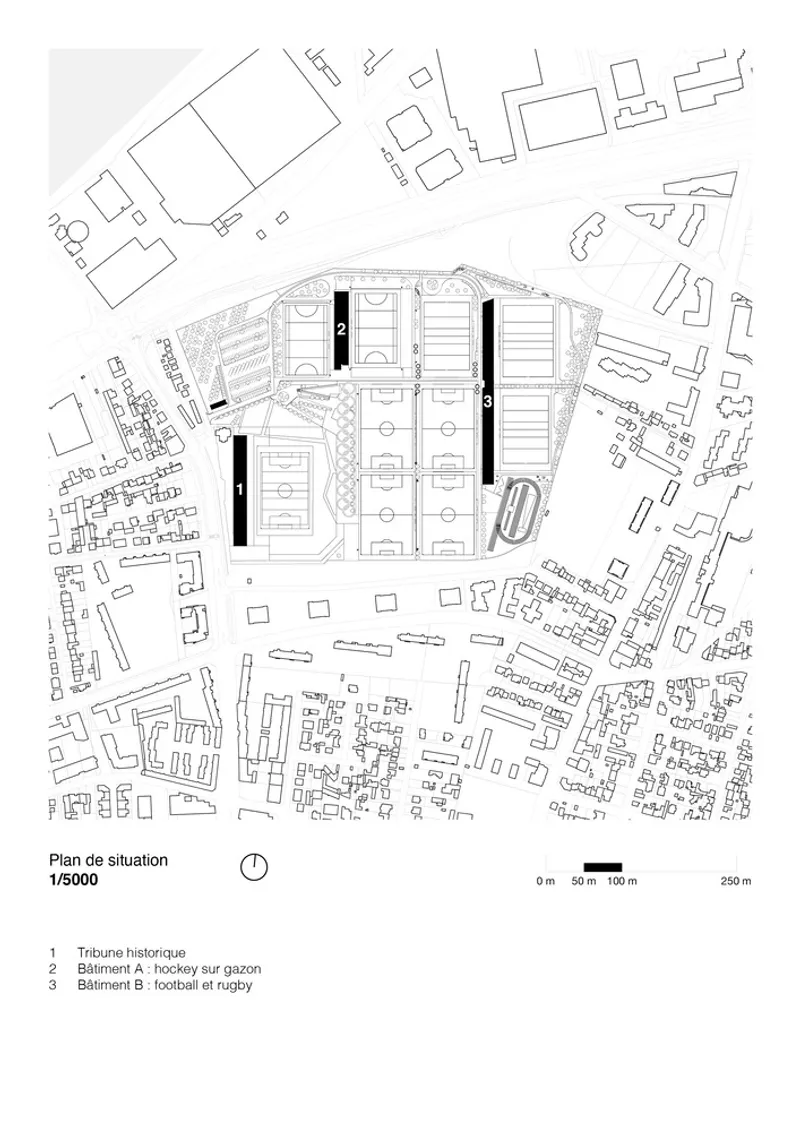
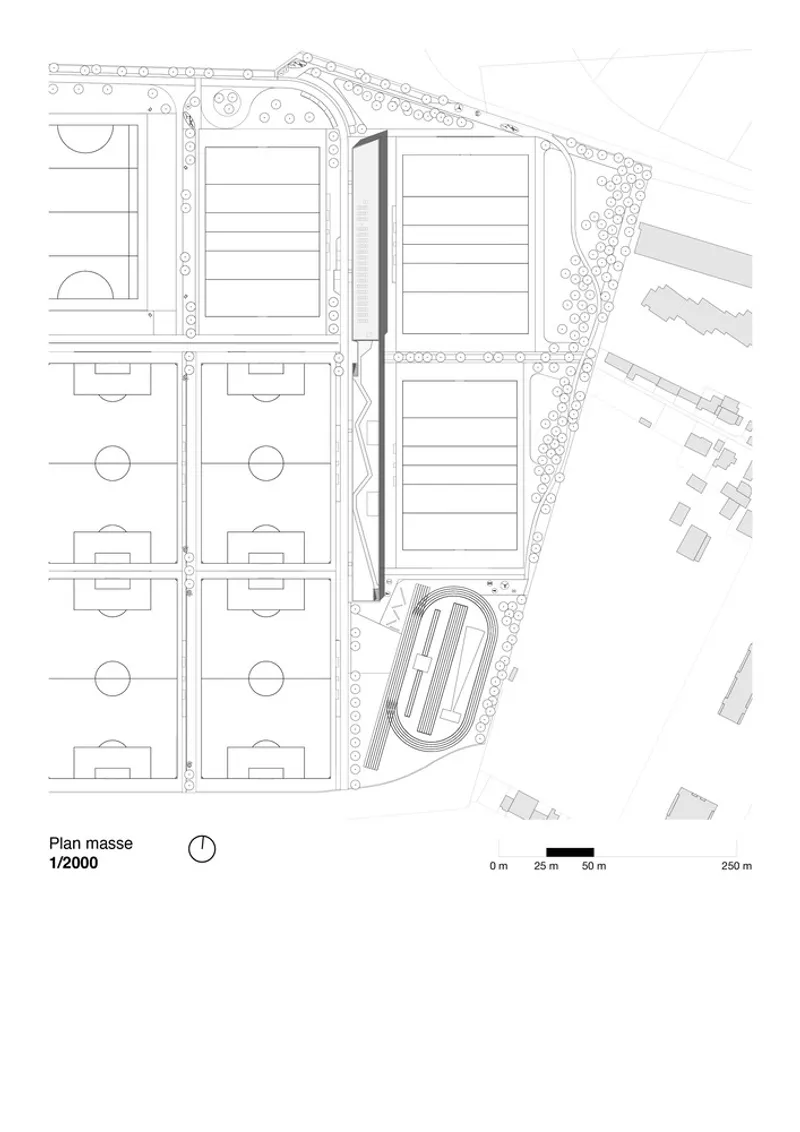
OLGGA architectes, in collaboration with Celnikier & Grabli Architectes, focused on creating a space that integrates with its natural surroundings while adhering to the principles of functional and sustainable design. The masterplan of the stadium emphasizes rationalization and efficient use of space across the site.
Key Sustainable Features of the Stadium
Flood-Resistant Design
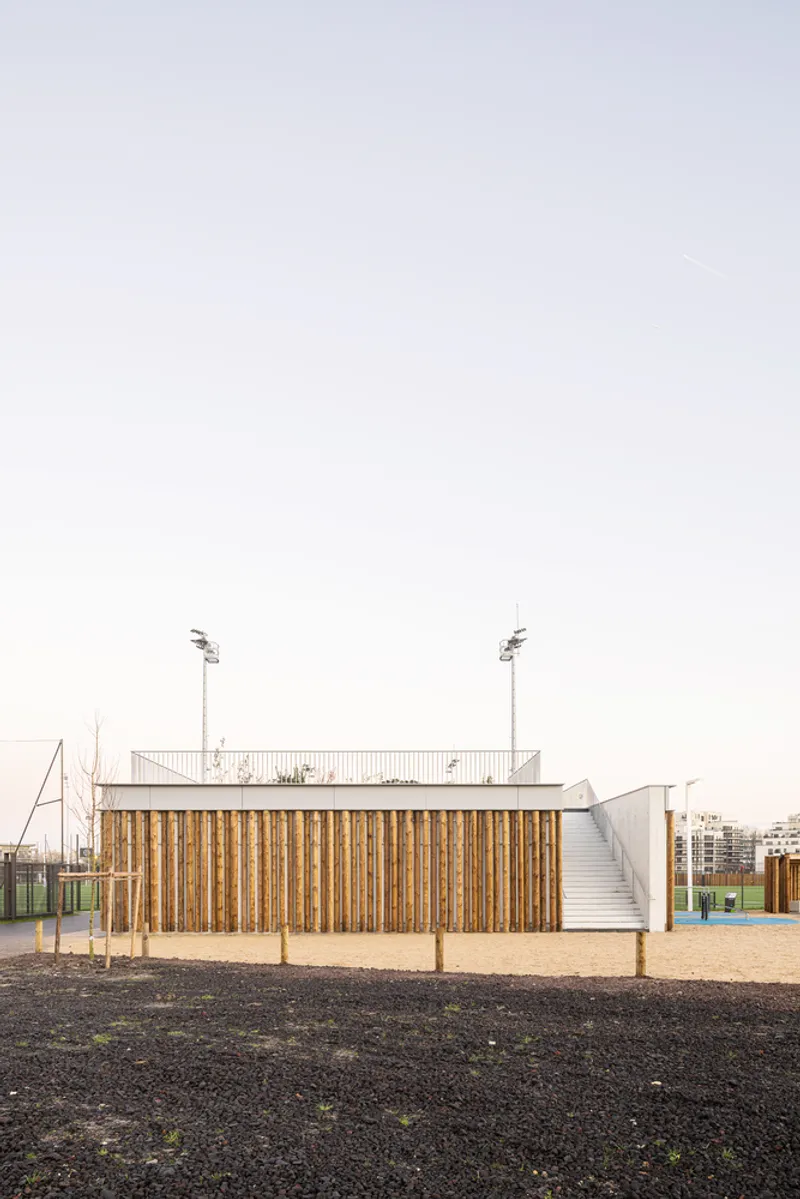
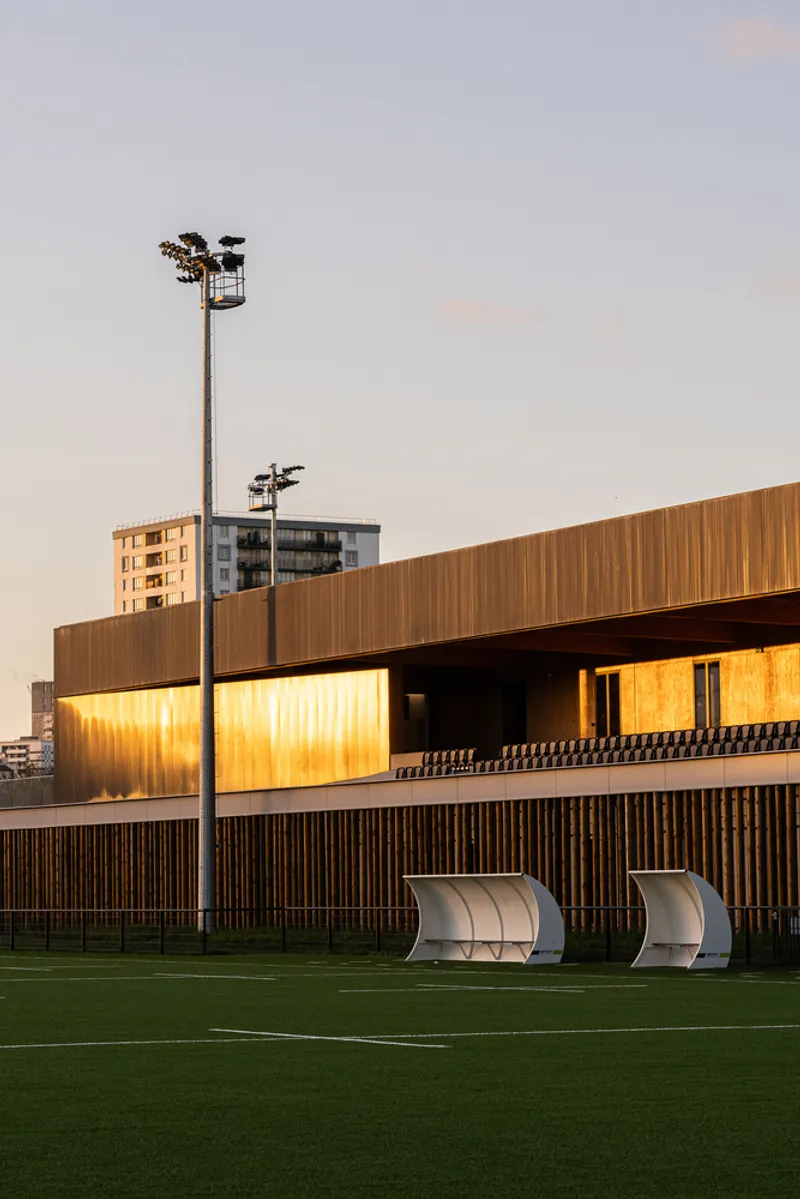
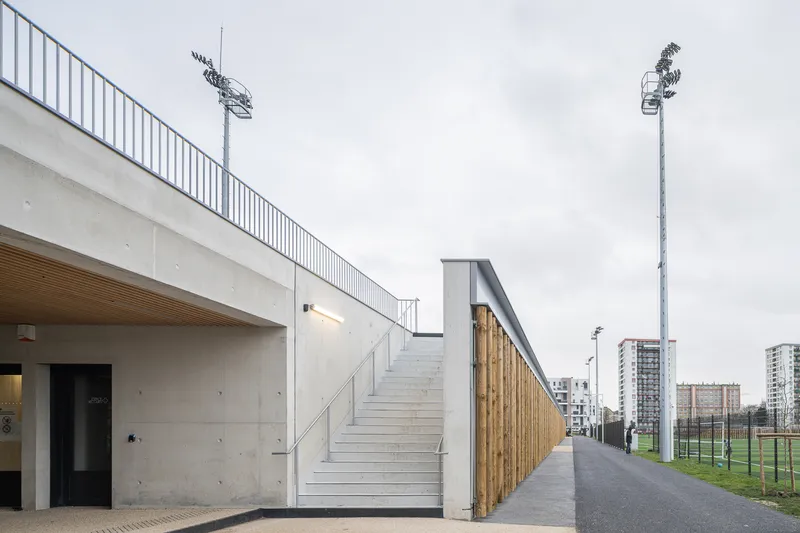
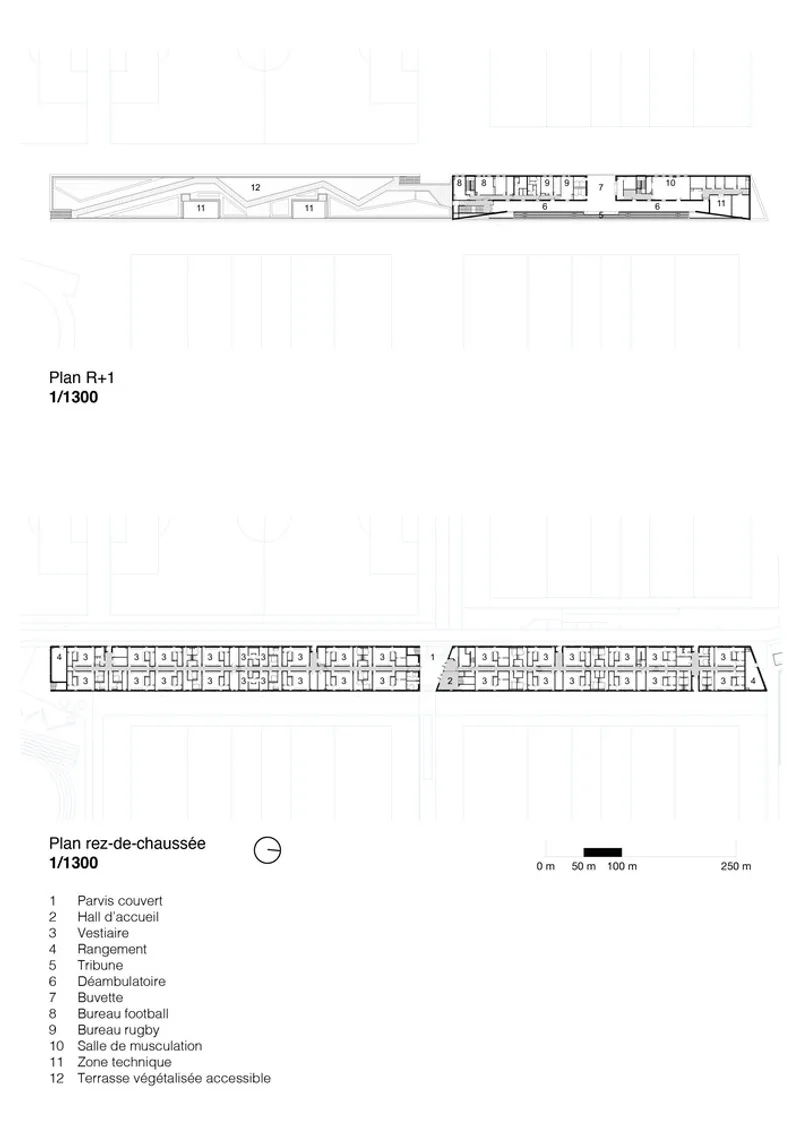
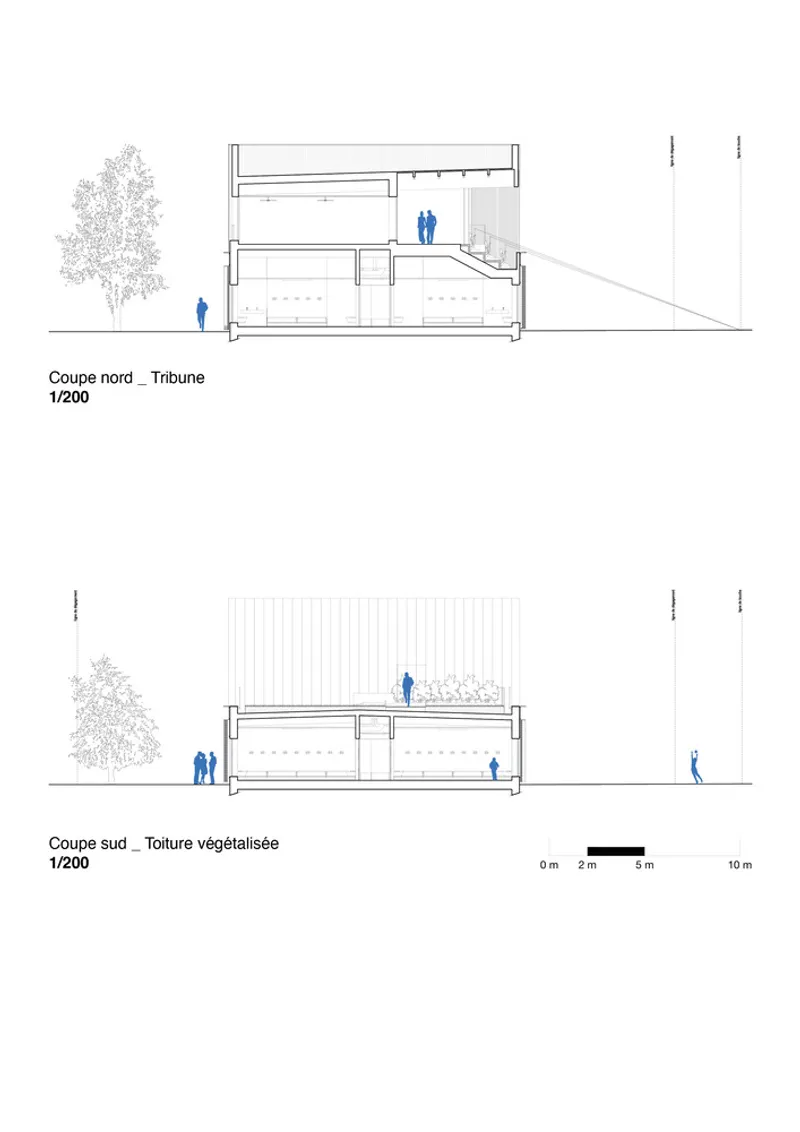
Given its location in a flood zone, the stadium incorporates resilience into its core design. The sports facilities and changing rooms are elevated on stilts, protecting them from potential water damage while maintaining accessibility and functionality.
Material Use and Construction
Concrete and Timber Construction
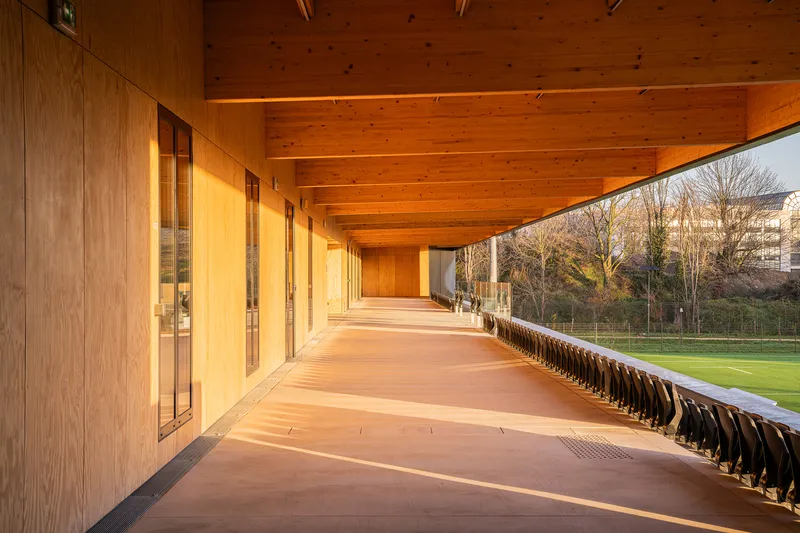
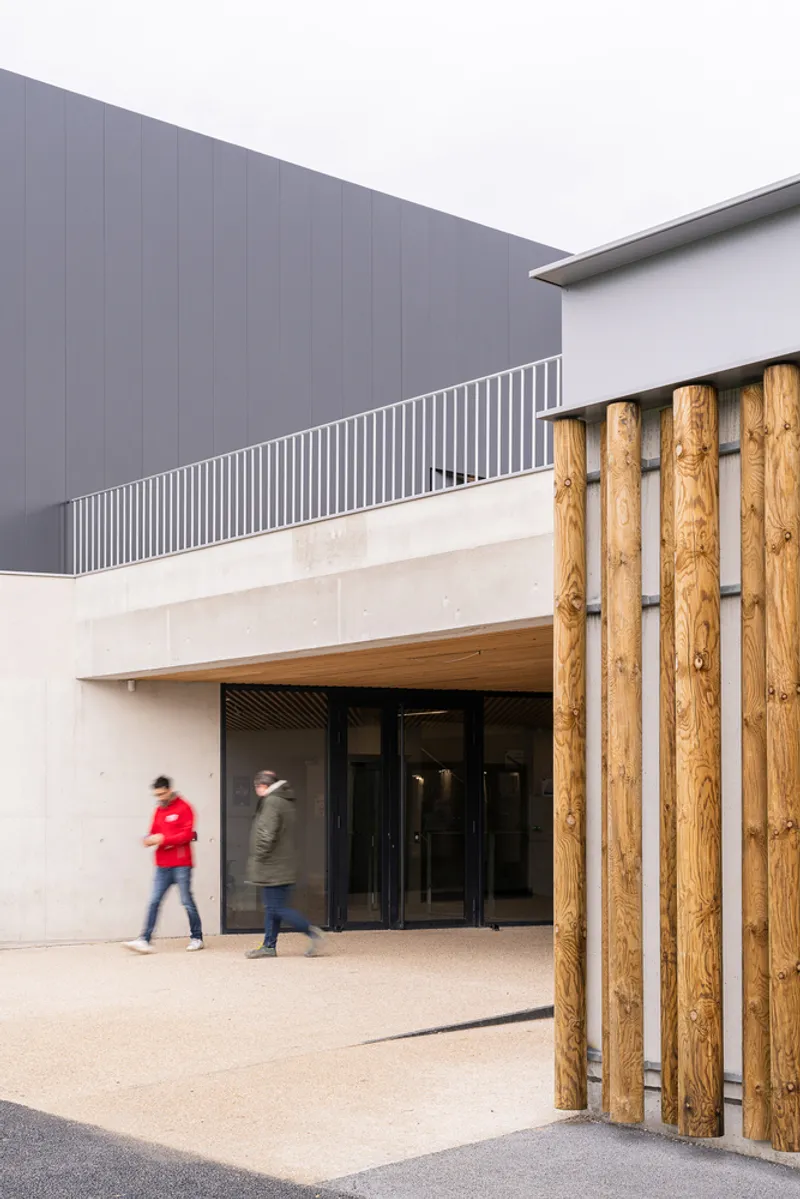
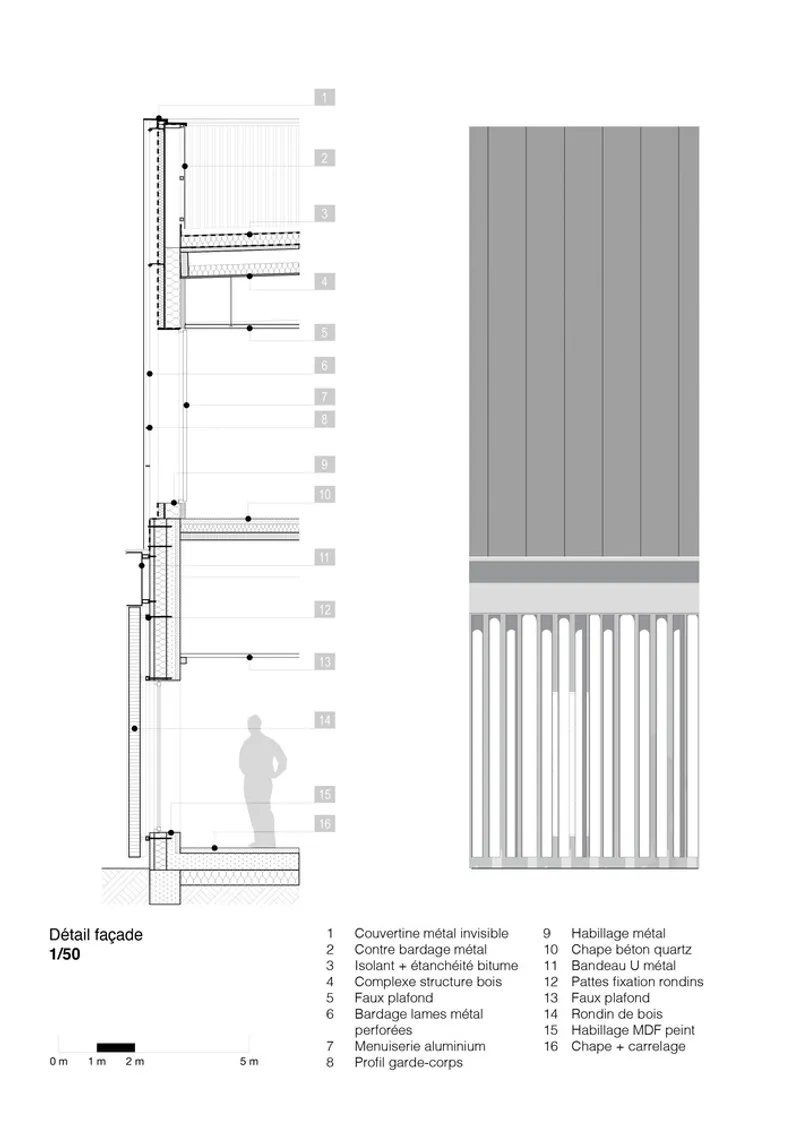
The stadium’s ground floor uses durable concrete able to withstand contact with water, while the upper structures are built with timber, reducing the building’s carbon footprint and enhancing its aesthetic and environmental integration.
Thermal Comfort and Biodiversity
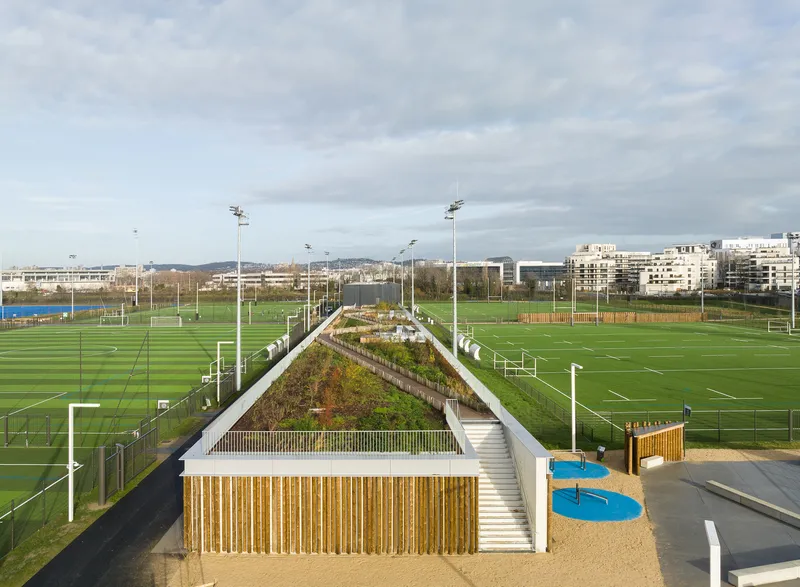
The roof terrace of the building is designed not only as a visual feature but also as an environmental asset. Planted with vegetation, it helps manage rainwater, improve thermal comfort, and support local biodiversity.
Integration with the Landscape
Architectural and Landscape Synergy
The design of Yves du Manoir Stadium blurs the lines between architecture and landscape. The use of natural materials and colors allows the facility to blend into the surrounding area, while strategic placements of buildings optimize natural light and enhance user experience.
User Experience and Accessibility
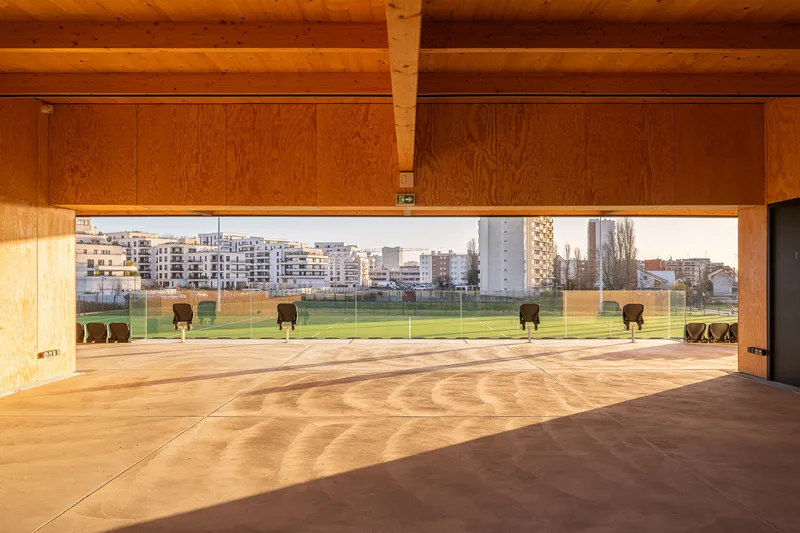
The stadium’s layout promotes easy access and fluid movement throughout the facility, making it user-friendly for athletes and spectators alike. The integration of indoor and outdoor spaces through transparent facades and open walkways encourages a connection with the environment.
The Future of Sustainable Sports Architecture in France
Yves du Manoir Stadium is a benchmark for future sports architecture projects in France and globally. By prioritizing sustainability, resilience, and user experience, it demonstrates how sports facilities can be designed to meet contemporary needs while being environmentally conscious.
All photographs are work of Stephane Aboudaram | WE ARE CONTENT(S)




Popular Articles
Popular articles from the community


The Earth Pod: 3D Printed Homes for Resilient Refugee Communities
The Earth Pod reimagines refugee housing through 3D printed homes made from clay, combining resilience, self-sufficiency, and rapid shelter.

Riyadh For All: Intergenerational Urban Design for Active Aging in Rabat
Riyadh For All reimagines urban design in Rabat with intergenerational co-living, adaptive courtyards, and Moroccan cultural exchange today.

Co-life: Sustainable Architecture for Age-Friendly Community Living
Co-life reimagines sustainable architecture for seniors through courtyards, rammed earth, shared gardens, and spaces designed for belonging.

The Ocean Hive: Sustainable Architecture for a Self-Sufficient Civilization at Sea
The Ocean Hive imagines sustainable architecture at sea, where modular habitats, algae, wave power and ocean waste sustain a growing colony.

Similar Reads
You might also enjoy these articles


Hodi-Mandai Geram
Project Function: Preservation and revitalization of the Intangible heritage and socio-spatial identity of the Hodi by Housing, Cultural Memory Center, Sacred Grove, landscape, local tourism economy


Olio Towers: A Mid-Rise for Performers That Fuses Housing, Rehearsal, and Stage
Located blocks from Houston's Theater District, this modular tower stacks living units around a central performance atrium.

Oasis: Modular Green Housing Carved into Dhaka's Urban Fabric
A shortlisted Plugin Housing entry reclaims unauthorized settlements in Dhaka with stepped concrete volumes, green roofs, and ventilation-driven design.

Black Hole: A Floating Megastructure for the Post-Physical Era
Emiliano Mazzarotto envisions a spherical, self-scaling arena where e-sports, digital hotels, and holographic stadiums replace traditional public space.

Explore Architecture Competitions
Discover active competitions in this discipline



Challenge to reimagine the Iron Throne


Photograph architecture without architects


Illustrate the lost glory of Angkor Wat - Render Challenge


Design challenge to reuse E-waste
Comments (0)
Please login or sign up to add comments
No comments yet. Be the first to comment!