
Sustainable Vertical Living Design: Unveiling Upper House by Koichi Takada Architects
The article highlights Upper House by Koichi Takada Architects, emphasizing its sustainable, community-focused approach to modern vertical living design in Brisbane.


In an era where urban space is at a premium and environmental concerns are at an all-time high, sustainable vertical living design has emerged as a crucial architectural approach. Upper House in South Brisbane, Australia, developed by Koichi Takada Architects, stands as a beacon of this modern design ethos, blending environmental sustainability with vertical residential living.
The Vision Behind Upper House
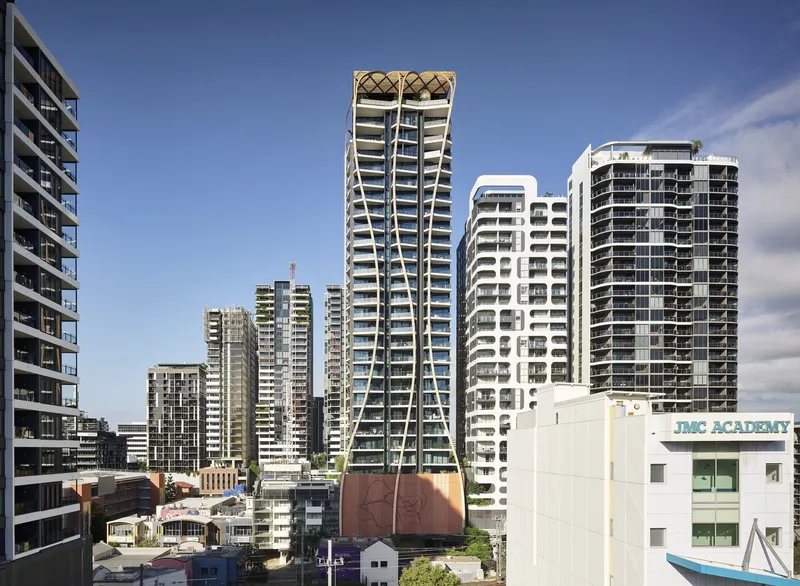
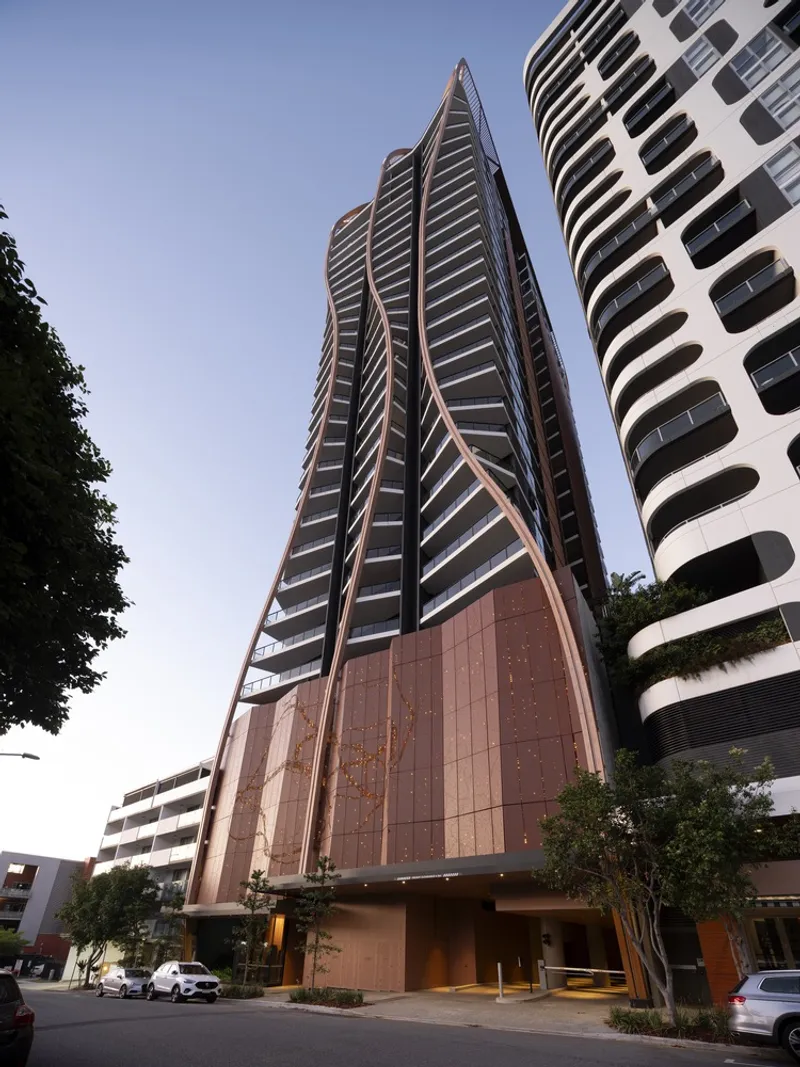
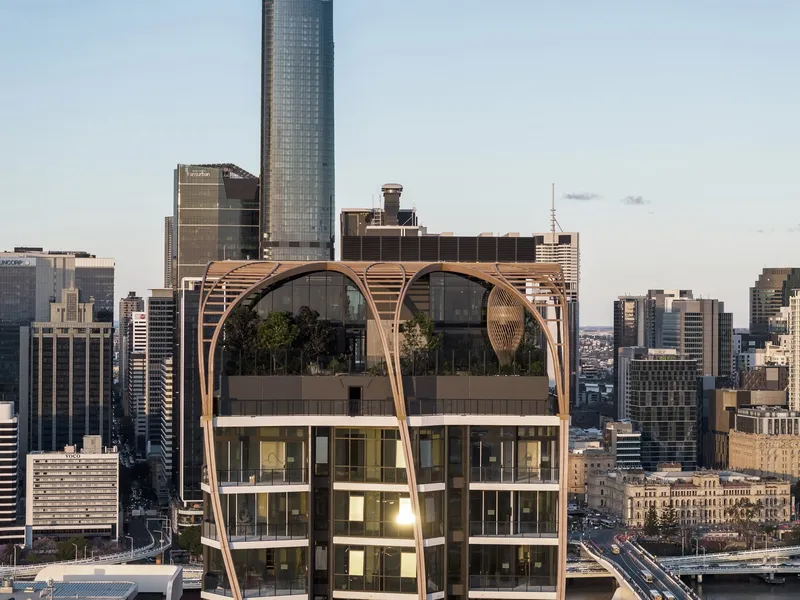
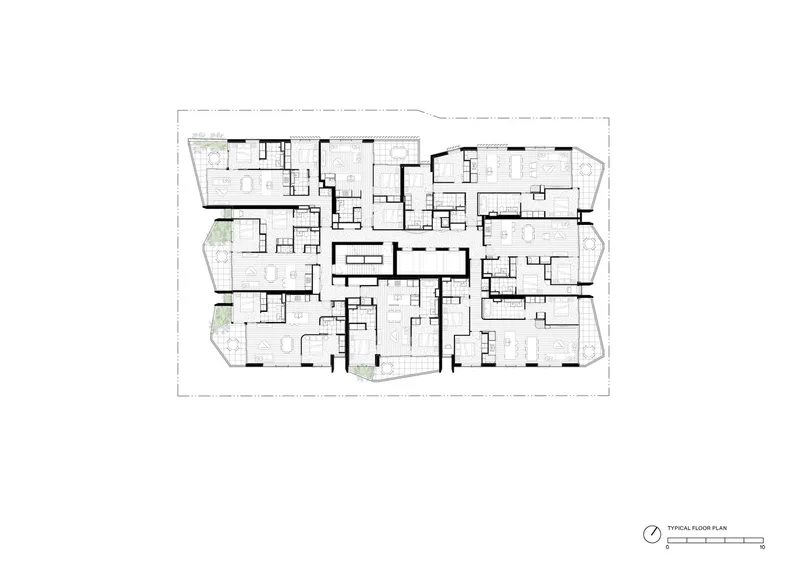
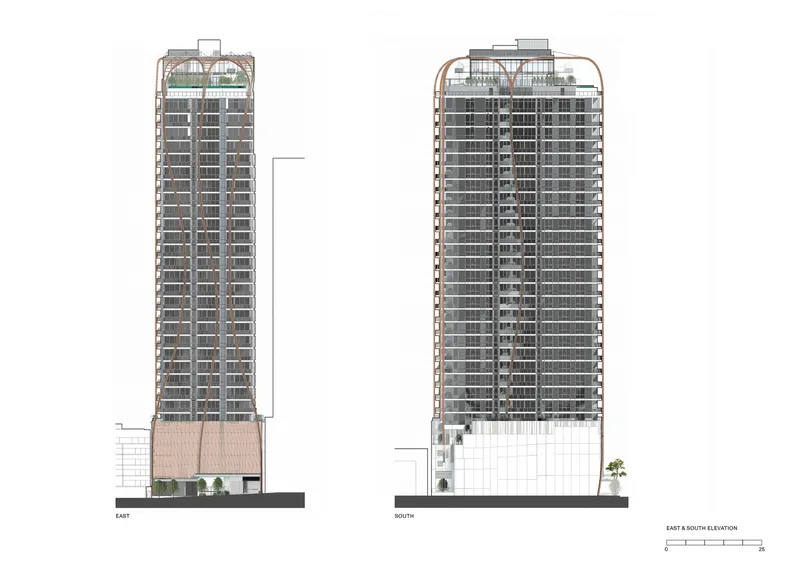
Upper House was born out of a vision to celebrate Brisbane's natural beauty and address the increasing disconnect in high-rise living. Architect Koichi Takada drew inspiration from the Moreton Bay Fig, incorporating 'architectural roots' that connect residents from the ancient past to a sustainable urban future. The project delivers 188 apartments across 33 stories, redefining the skyline with a structure that marries nature, design, and community wellbeing.
Embracing Brisbane's Natural Splendor
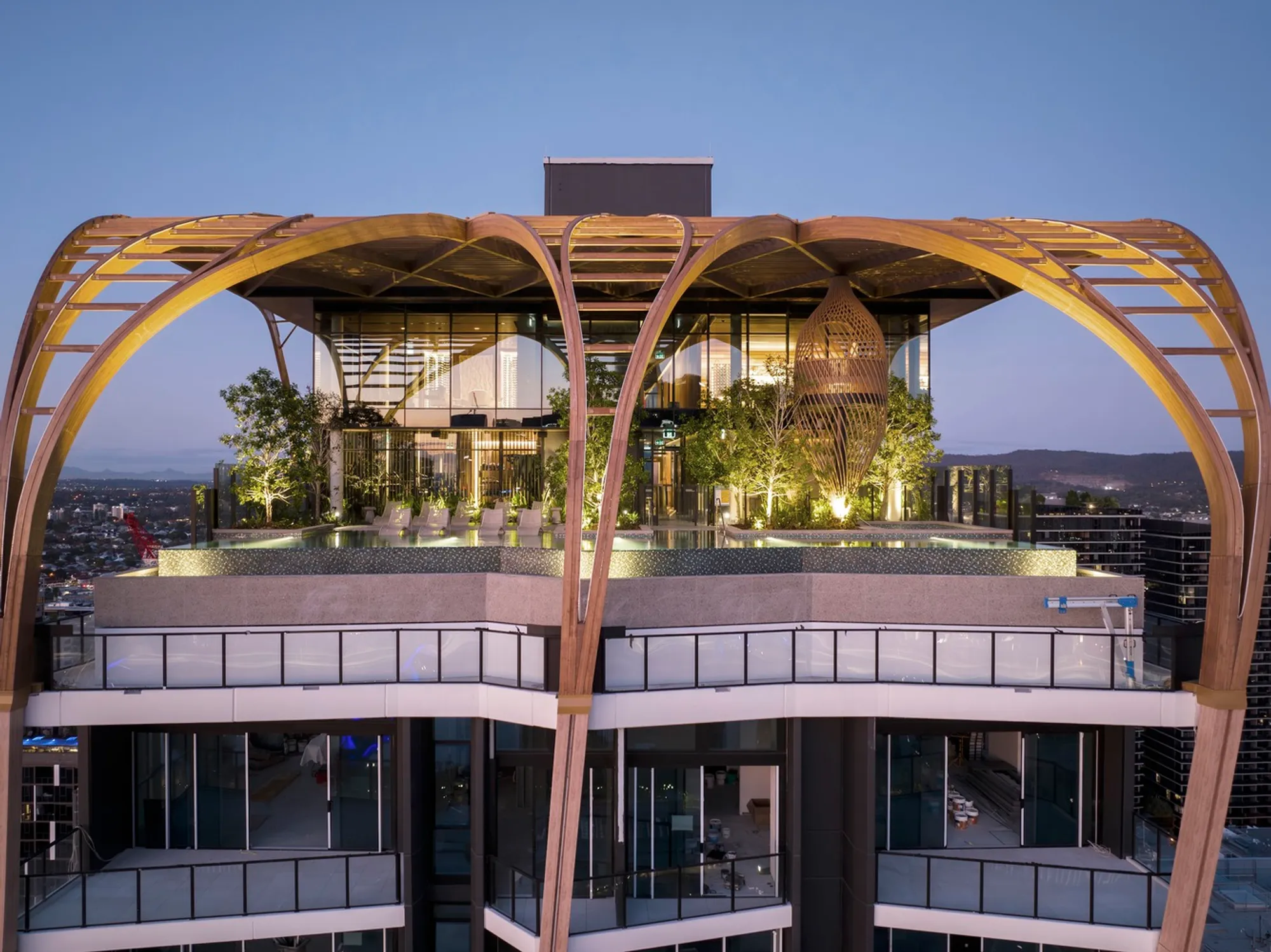
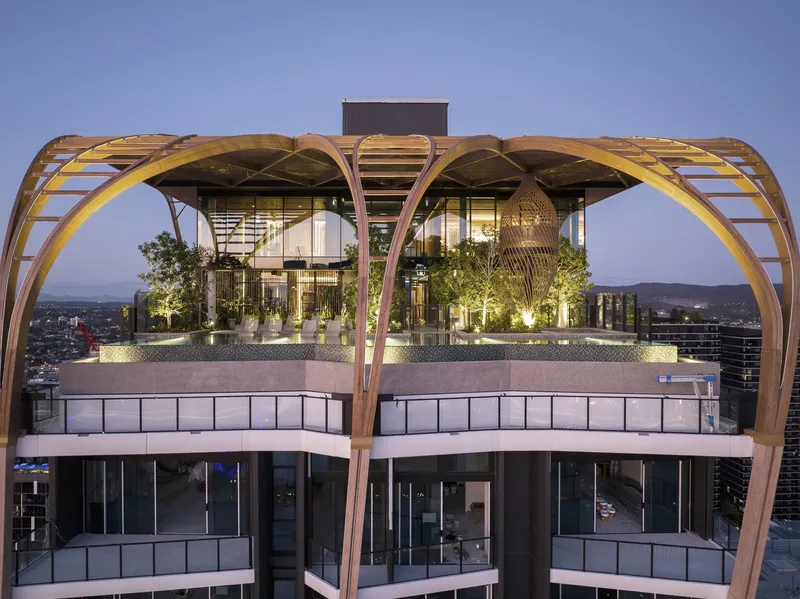
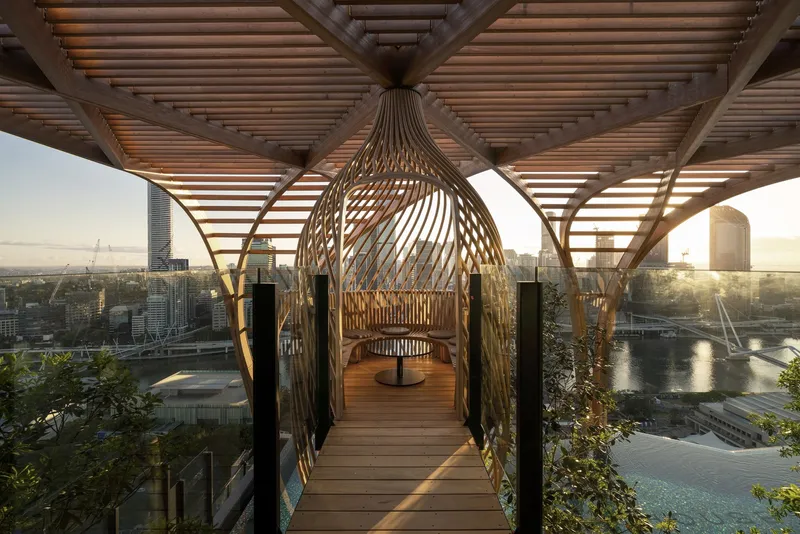
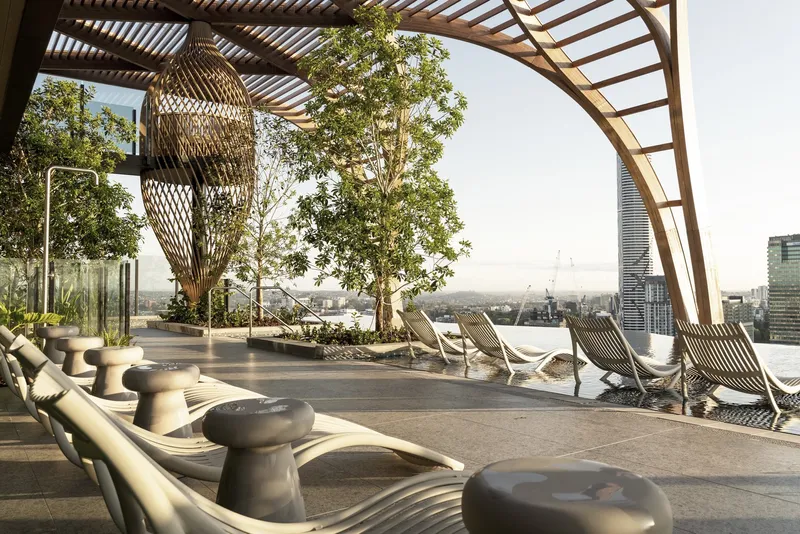
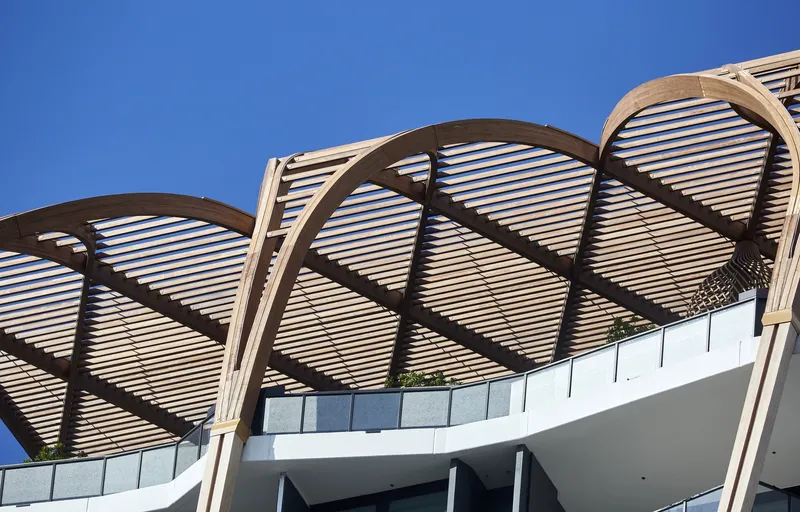
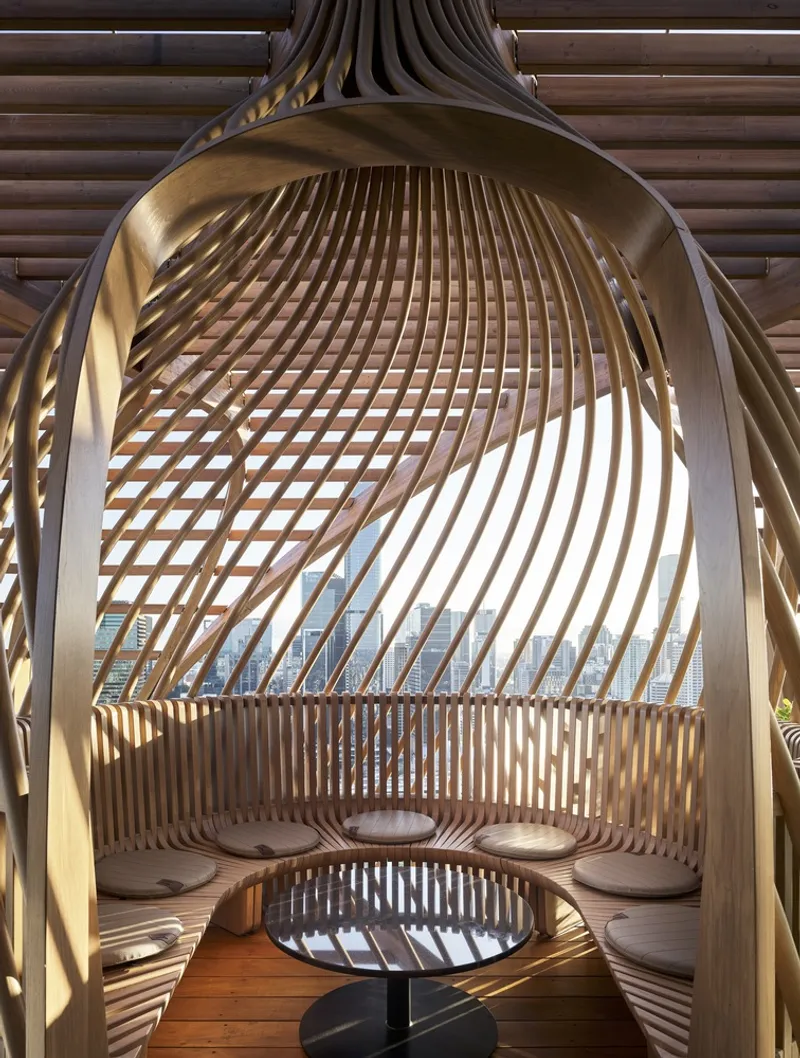
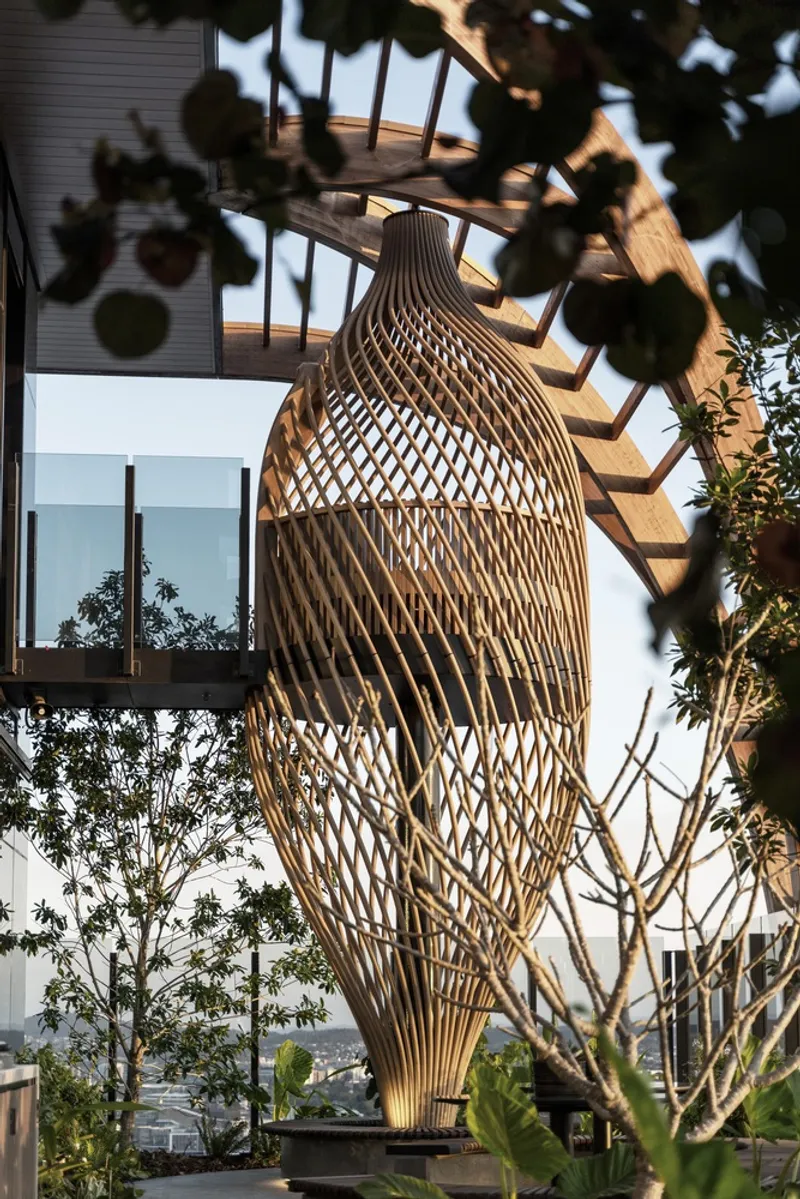
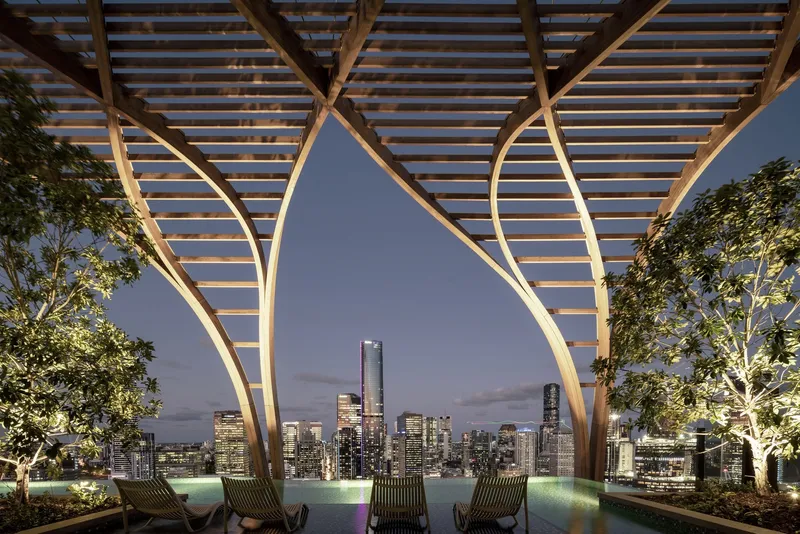
Koichi Takada Architects and Aria Property Group aimed to punctuate Brisbane's skyline with a structure that honors the city's relaxed urban lifestyle and lush landscapes. Upper House breaks the mold with its natural timber pergola and tropical rooftop oasis, serving as a progressive emblem of wellbeing and sustainability in architecture.
Design and Amenities for Wellbeing
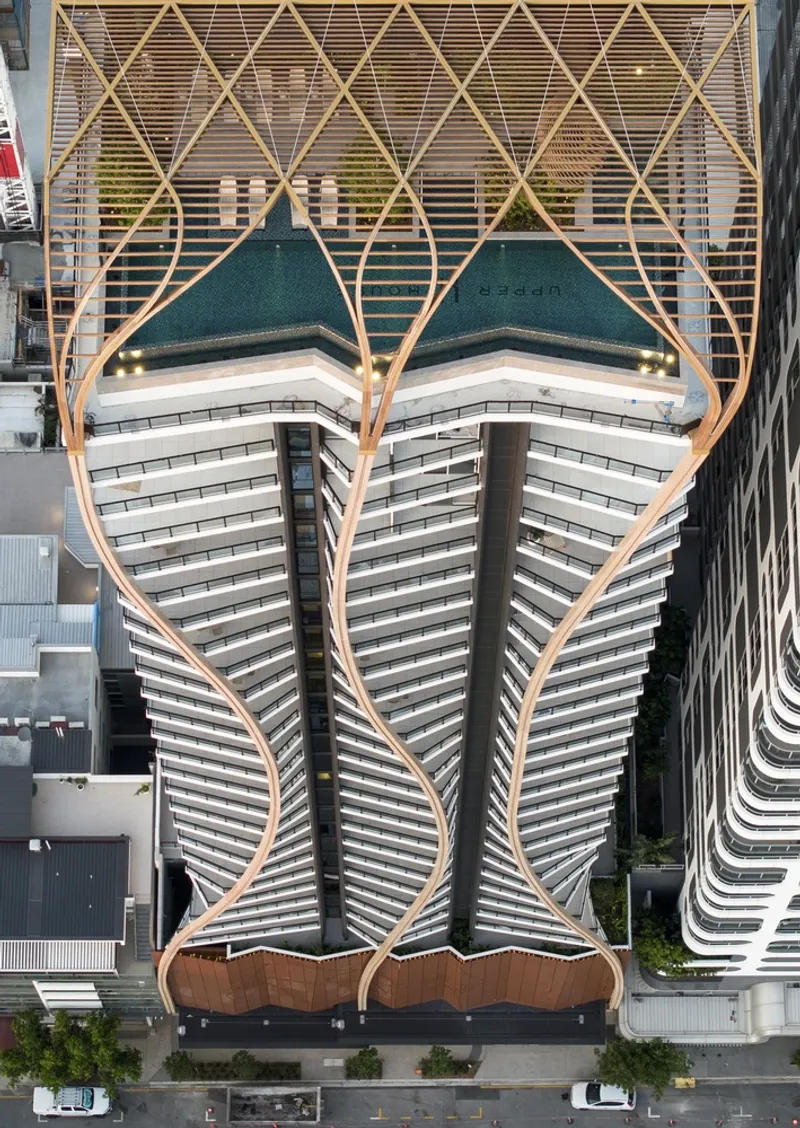
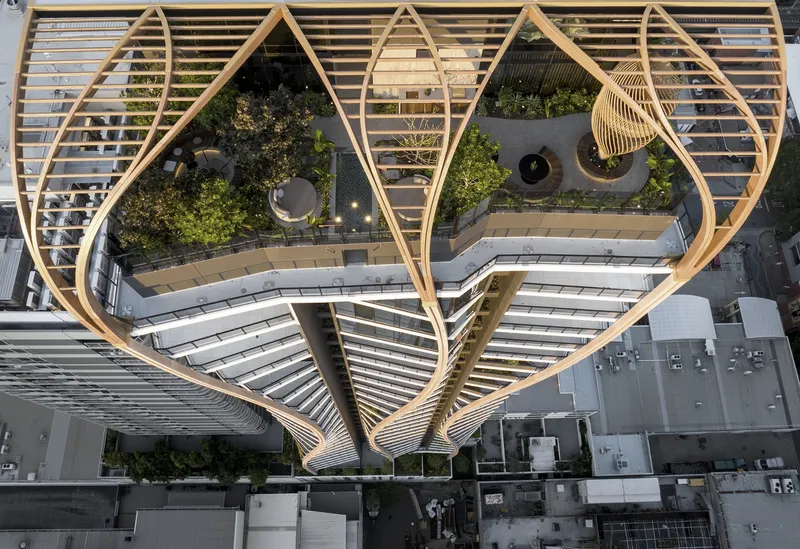
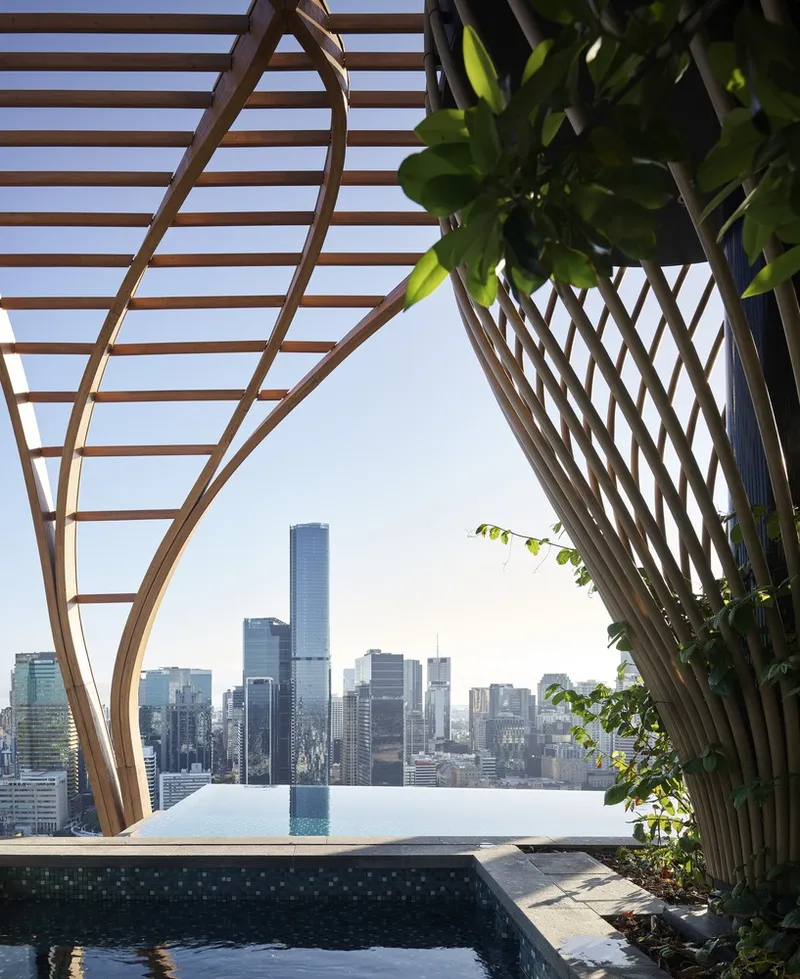
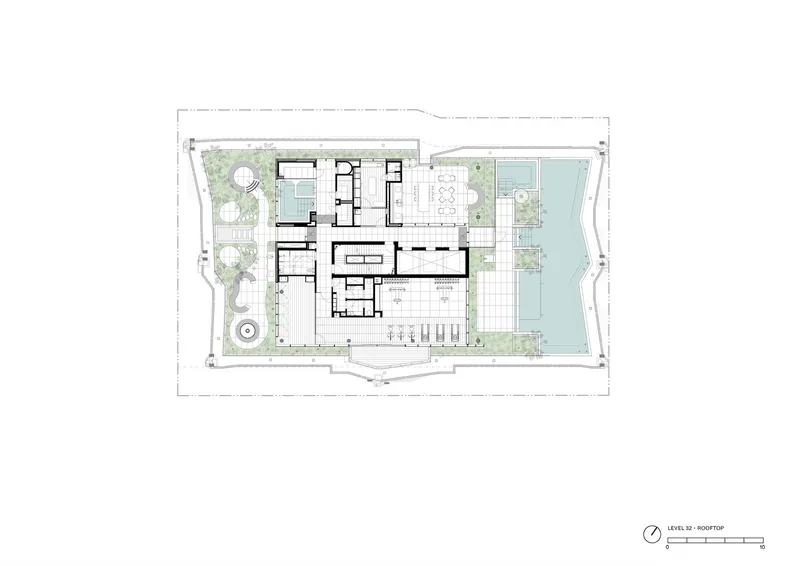
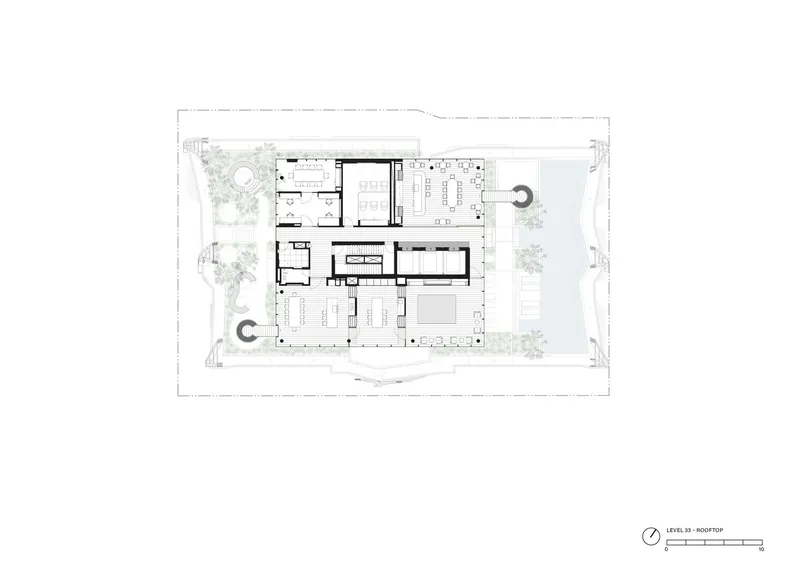
The Upper House transcends traditional residential design by introducing over 1,000m² of world-class amenities tailored for resident interaction, community building, and enhanced wellbeing. The double-story Wellness Club, known as Upper Club, features an infinity pool, spa, saunas, fitness club, and yoga studio amidst mature tropical landscaping. Additional amenities such as work-from-home facilities, lounge bar, cinema, private dining, and wine cellar cater to the diverse needs of its inhabitants.
A Tribute to Indigenous Culture
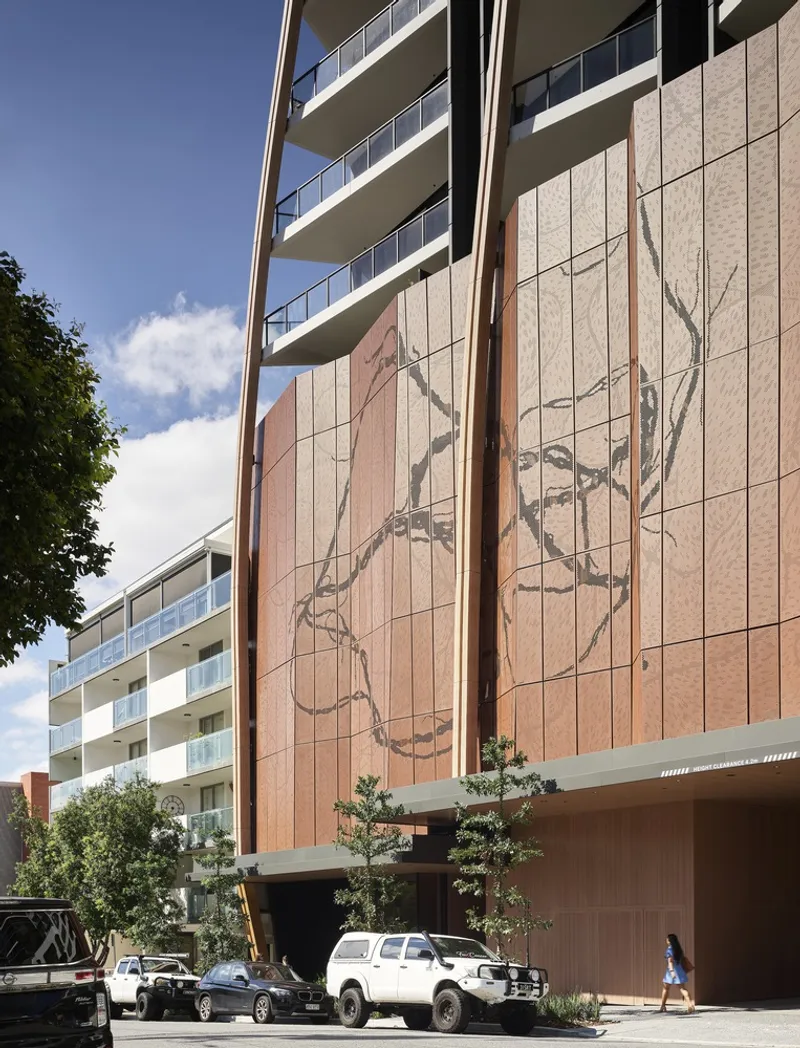
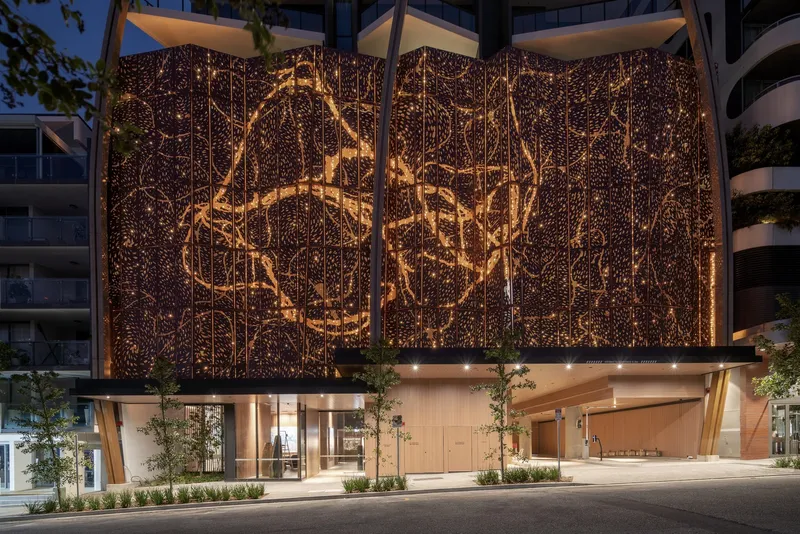
A distinctive aspect of Upper House is the five-story artwork at the building’s podium by indigenous artist Judy Watson. This artwork serves as a cultural narrative, enriching the urban landscape with stories of Australia's first people and contributing to the building's unique identity.
Sustainability at the Core
Upper House is a testament to Koichi Takada Architects’ commitment to environmentally sustainable design (ESD) principles. Aiming for a 5-star Green Star Rating and an impressive 8.4 star NatHERS rating, the building incorporates several green initiatives:
- Biodiverse Planting: Selection of 3,544 native and tropical plants enhances local ecosystem resilience and rooftop vitality.
- Energy Efficiency: A 30kW solar array powers communal areas, while the building operates on 100% green energy. Additionally, rainwater harvesting and e-vehicle charging stations underscore the project's commitment to sustainability.
Redefining High-Rise Living
Koichi Takada’s vision for Upper House was clear: to challenge the norm of disconnected high-rise living and establish a new model focused on community and nature connection. Through innovative design and thoughtful integration of green spaces, Upper House sets a new standard for vertical living that is deeply rooted in connection and sustainability.
Conclusion: A Model for Future Urban Living
Upper House by Koichi Takada Architects is more than just a residential tower; it's a blueprint for the future of urban living. It exemplifies how architecture can bridge the gap between high-density living and environmental responsibility, creating spaces that are not only habitable but thriving ecosystems of human and nature interaction.
All photographs are work of Mark Nilon Photography, Scott Burrows Photographer, Tom Ferguson




Popular Articles
Popular articles from the community


The Ocean Hive: Sustainable Architecture for a Self-Sufficient Civilization at Sea
The Ocean Hive imagines sustainable architecture at sea, where modular habitats, algae, wave power and ocean waste sustain a growing colony.

Co-Life: Senior Housing Design That Reconnects Older Adults With the City
Co-Life reimagines senior housing design through healing gardens, shared streets, workshops, and a sustainable community across generations.

Hill & Cross Opera: Sculptural Opera House Architecture Shaped by Tallinn’s Landscape and Identity
Hill & Cross Opera reimagines opera house architecture in Tallinn through its sculptural hill, civic plaza, glass wave and a luminous cross.

The Musturak Paradise: Senior Living Architecture for a Connected Future in Temara, Morocco
The Musturak Paradise reimagines senior living architecture in Temara via private homes, social spaces, culture, community, and shared care.

Similar Reads
You might also enjoy these articles


Hodi-Mandai Geram
Project Function: Preservation and revitalization of the Intangible heritage and socio-spatial identity of the Hodi by Housing, Cultural Memory Center, Sacred Grove, landscape, local tourism economy


Olio Towers: A Mid-Rise for Performers That Fuses Housing, Rehearsal, and Stage
Located blocks from Houston's Theater District, this modular tower stacks living units around a central performance atrium.

Oasis: Modular Green Housing Carved into Dhaka's Urban Fabric
A shortlisted Plugin Housing entry reclaims unauthorized settlements in Dhaka with stepped concrete volumes, green roofs, and ventilation-driven design.

Black Hole: A Floating Megastructure for the Post-Physical Era
Emiliano Mazzarotto envisions a spherical, self-scaling arena where e-sports, digital hotels, and holographic stadiums replace traditional public space.

Explore Living Building Competitions
Discover active competitions in this discipline



Challenge to reimagine the Iron Throne


Photograph architecture without architects


Illustrate the lost glory of Angkor Wat - Render Challenge


Design challenge to reuse E-waste
Comments (0)
Please login or sign up to add comments
No comments yet. Be the first to comment!