
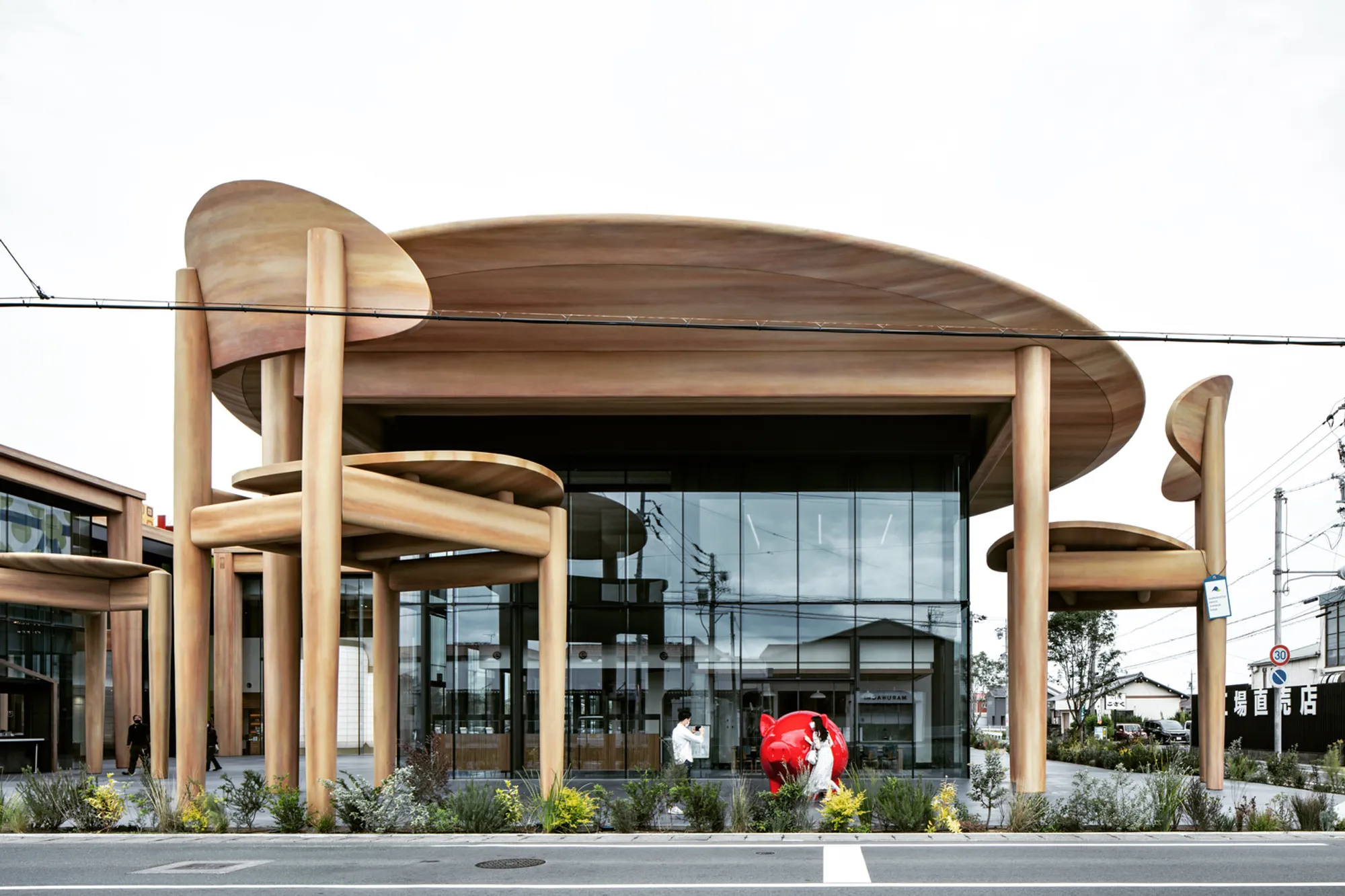
Sweets Bank by Nikken Sekkei: A Playful Fusion of Hospitality, Retail, and Urban Experience
Playful oversized furniture architecture creates immersive retail experience, blending community, branding, and urban identity in innovative mixed-use hospitality design.


Sweets Bank, designed by Nikken Sekkei, redefines contemporary hospitality architecture in Hamamatsu, Japan. Completed in 2020, this innovative mixed-use development blends retail, office, and community spaces into a highly experiential environment inspired by the concept of “a large living room in the city.”
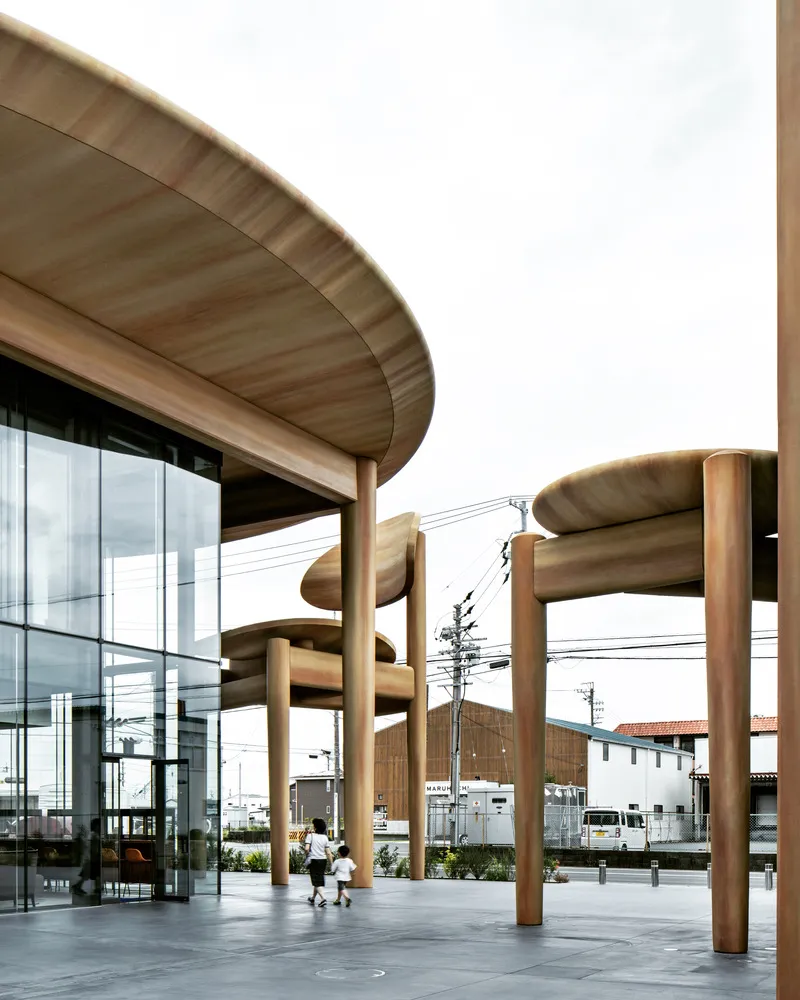
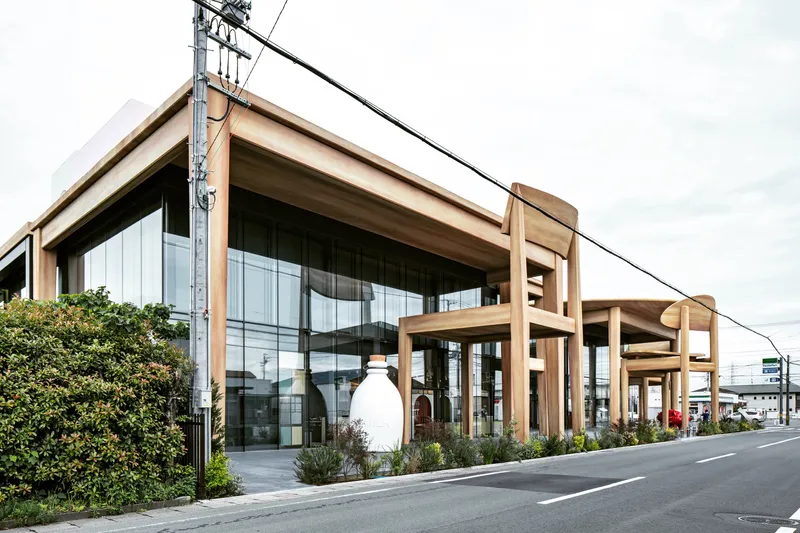
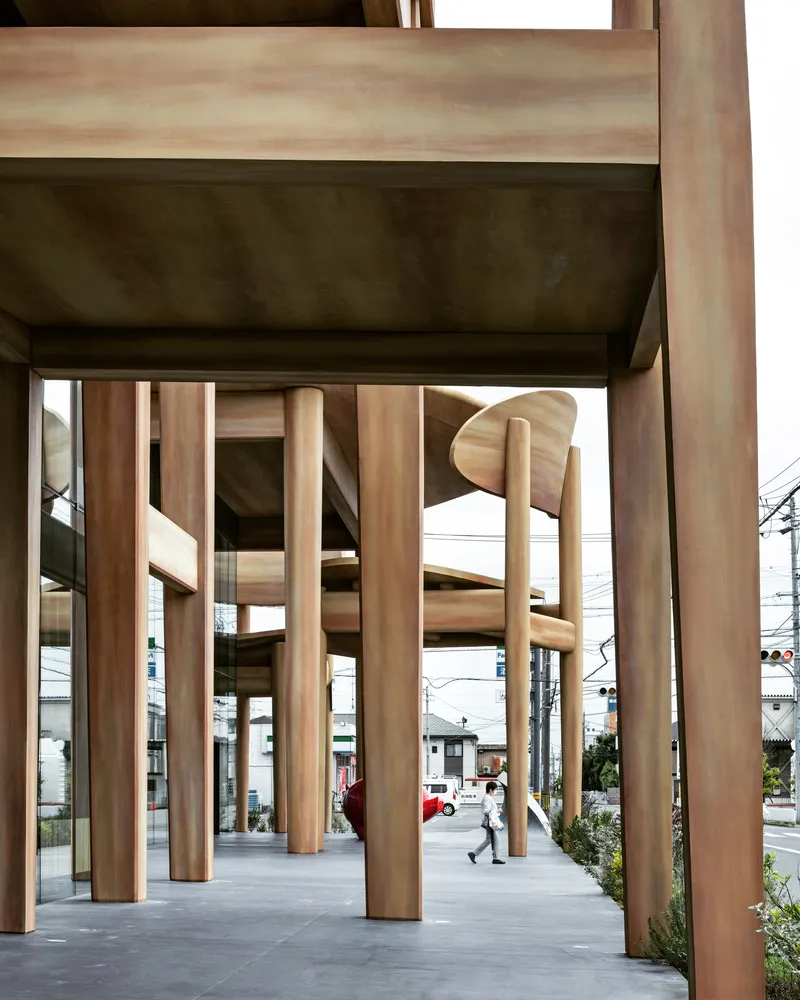
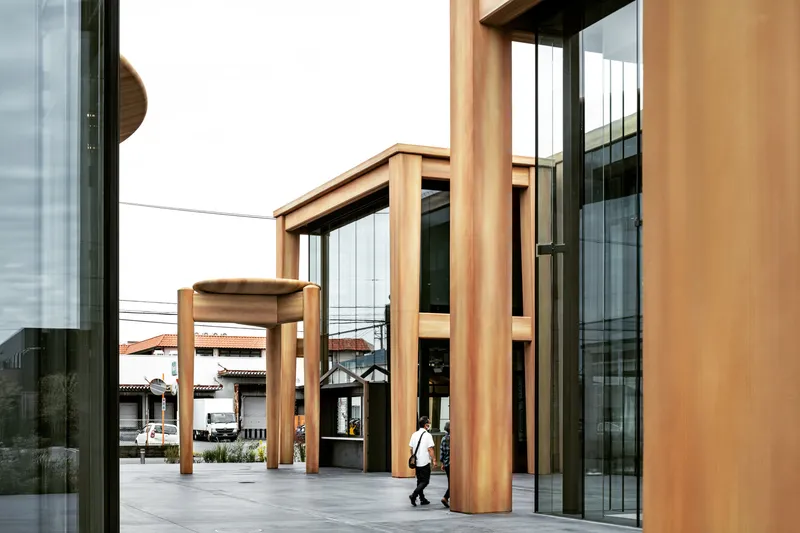
The project stands out for its bold architectural gesture, oversized tables and chairs scaled 13 times larger than their real-life counterparts. This playful yet strategic design reflects the philosophy of Shunkado, encouraging people to gather, share sweets, and connect socially. In an era driven by digital engagement, the building itself becomes a visual icon, attracting visitors and amplifying its presence across social media platforms.
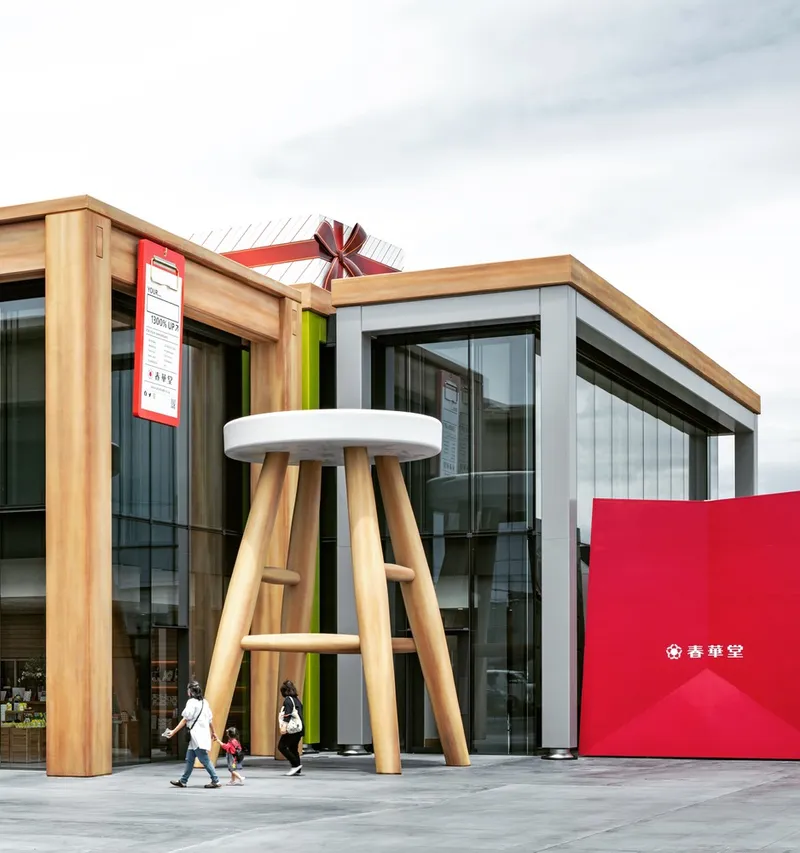
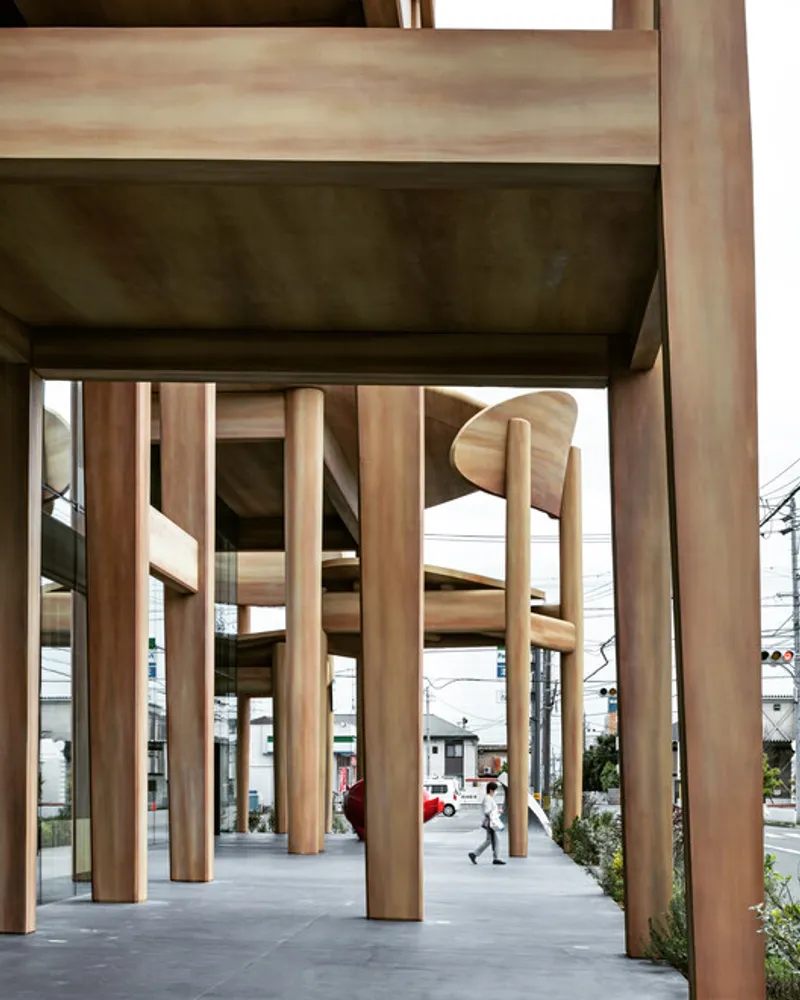
At its core, Sweets Bank explores the intersection of architecture and branding. The exaggerated furniture not only creates a memorable spatial identity but also acts as an architectural medium for storytelling and marketing. By maintaining realistic proportions and material authenticity, the design achieves a balance between whimsy and precision, enhancing both user experience and urban value.
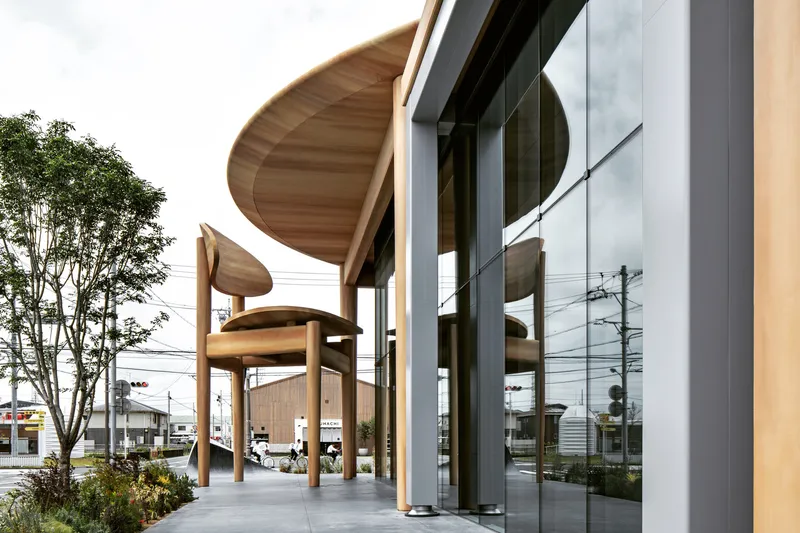
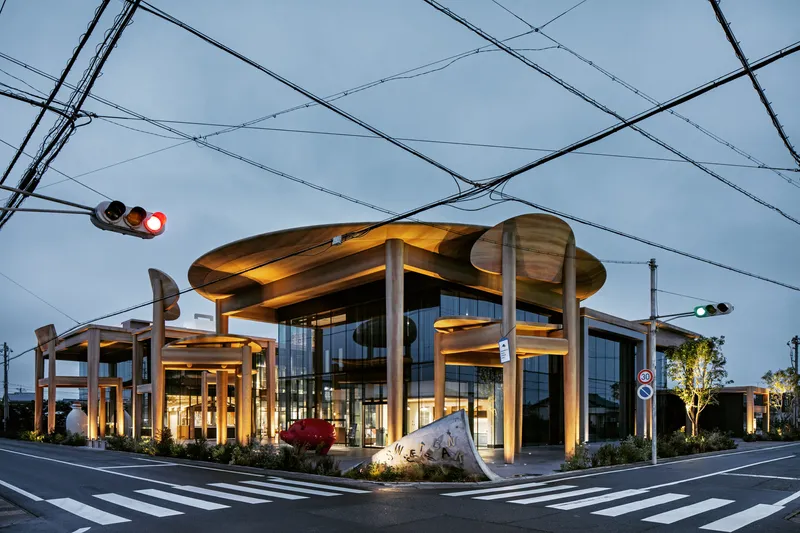
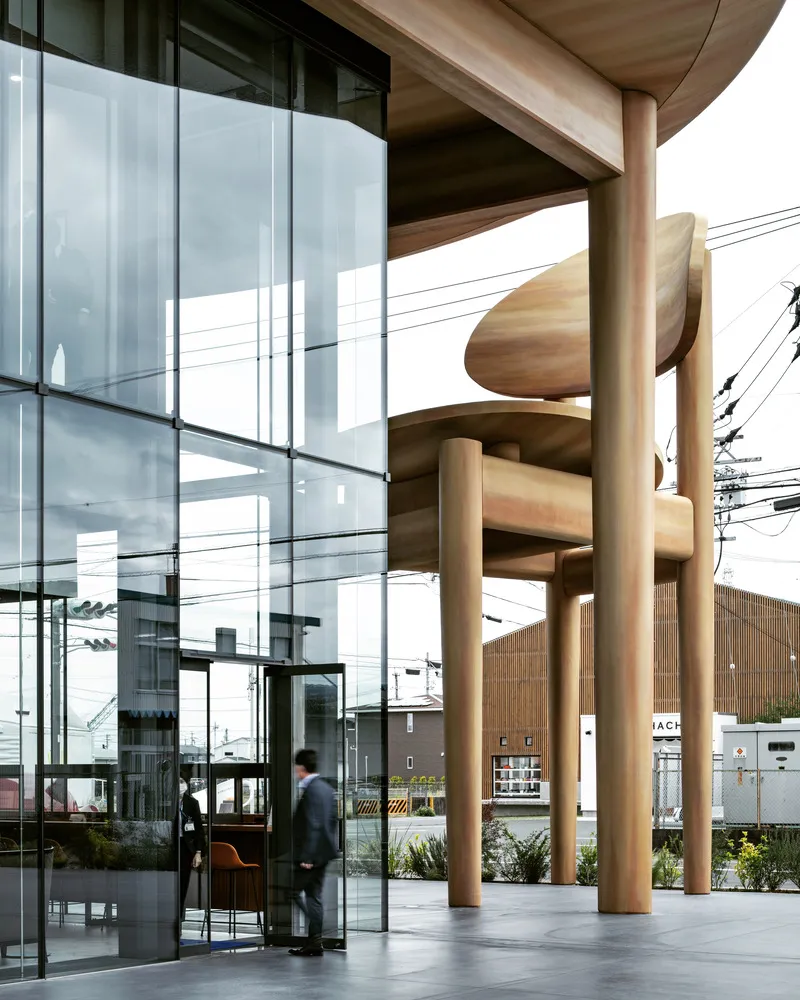
The structure is composed of two primary elements: monumental furniture acting as protective canopies and transparent glass volumes that house functional spaces. These glass boxes, minimal in detail, provide comfort while serving as a neutral backdrop that emphasizes the sculptural quality of the oversized furniture. This contrast creates a dynamic visual language, merging abstraction with familiarity.
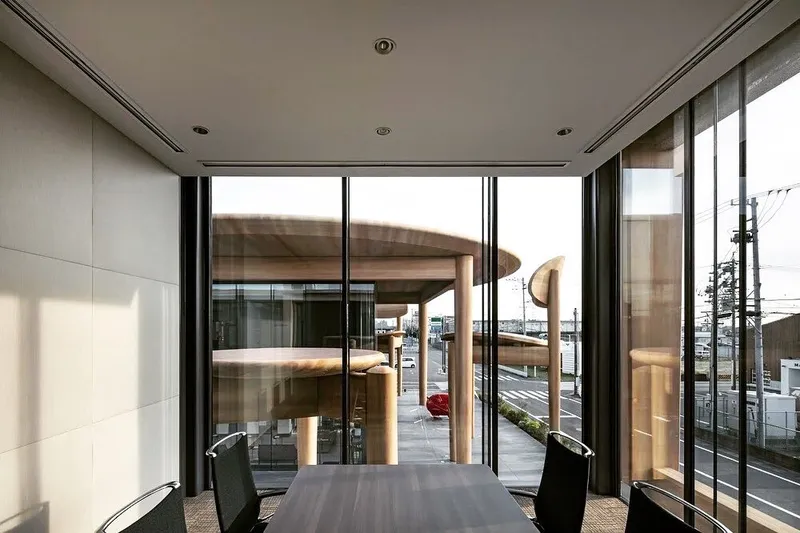
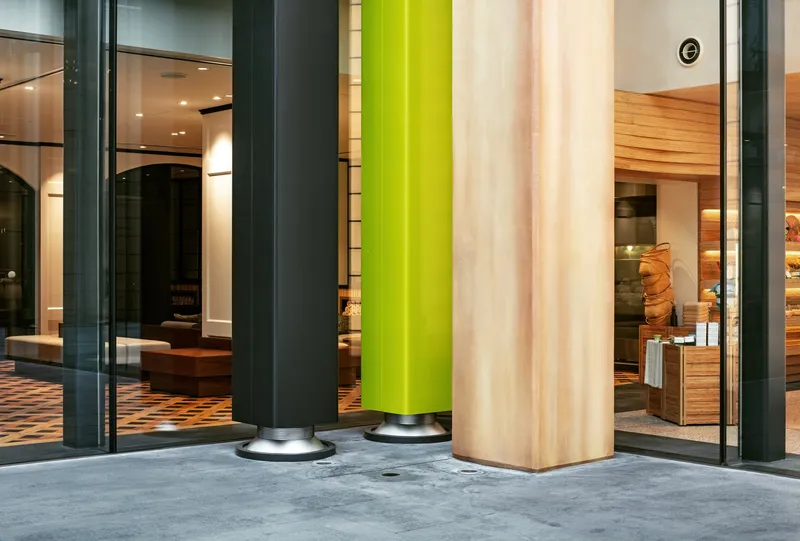
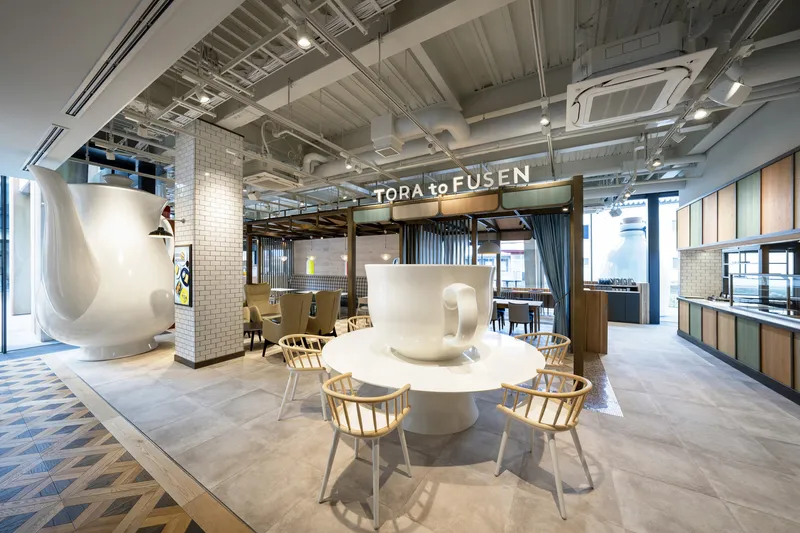
Internally, the project integrates a café, retail shop, and a local bank branch, forming a cohesive community hub. The spatial arrangement reinforces accessibility and familiarity, allowing first-time visitors to intuitively navigate the environment. By referencing everyday domestic settings, the design fosters a sense of belonging while transforming ordinary activities into unique spatial experiences.
Sweets Bank also demonstrates how architecture can contribute to urban revitalization. Positioned within a compact site, the project generates social interaction and economic activity, strengthening local identity. Its success is further reflected in its media impact, with increased visibility and engagement following its completion during the global pandemic.
Ultimately, Sweets Bank exemplifies how contemporary architecture can merge creativity, functionality, and branding into a unified experience. Through its iconic design and community-driven concept, it transforms a simple idea, sharing sweets at a table, into a powerful urban narrative.
All photographs are works of
Kenta Hasegawa, Shohei Nakai



Popular Articles
Popular articles from the community


Hill & Cross Opera: Sculptural Opera House Architecture Shaped by Tallinn’s Landscape and Identity
Hill & Cross Opera reimagines opera house architecture in Tallinn through its sculptural hill, civic plaza, glass wave and a luminous cross.

Play: Fragments of Their World
Familiar architecture becomes modular playground design, creating safe spaces where displaced children can learn, connect, imagine and play.

Riyadh For All: Intergenerational Urban Design for Active Aging in Rabat
Riyadh For All reimagines urban design in Rabat with intergenerational co-living, adaptive courtyards, and Moroccan cultural exchange today.

Co-life: Sustainable Architecture for Age-Friendly Community Living
Co-life reimagines sustainable architecture for seniors through courtyards, rammed earth, shared gardens, and spaces designed for belonging.


Similar Reads
You might also enjoy these articles

Bamboo Housing Challenge 2026: Design Affordable, Sustainable Homes Using Bamboo
An international design competition by Bamboo U and IBUKU inviting architects and designers to reimagine affordable housing using bamboo — with the winning design built full-scale in Bali.
Computational Design & Education: Beegraphy Design Awards Introduces 7th Category (Featuring Jiyun's Innovative Approach)
Dive into Beegraphy’s 7th Design Awards category, where computational design meets education to create immersive, interactive learning tools, inspired by Jiyun’s work.
From Parametric Lighting to Urban Furniture: Join the 2nd Workshop in Beegraphy’s Computational Design Series
Dive into Cutting-Edge Design Techniques and Practical Applications with Industry Experts

Last Call: Unleash Your Architectural Genius in SHAK's Kindergarten Design Competition
Urgent call for architects to join SHAK's kindergarten design competition before the looming deadline


Explore Architecture Competitions
Discover active competitions in this discipline



Challenge to reimagine the Iron Throne


Photograph architecture without architects


Illustrate the lost glory of Angkor Wat - Render Challenge


Design challenge to reuse E-waste
Comments (0)
Please login or sign up to add comments
No comments yet. Be the first to comment!