
Targ Błonie Market: A Park–Bazaar Hybrid Reinventing Local Food Culture
A park–bazaar hybrid market blending community space, green landscapes, and flexible trade areas to support local food access, biodiversity, and urban resilience.


By Aleksandra Wasilkowska Architectural Studio
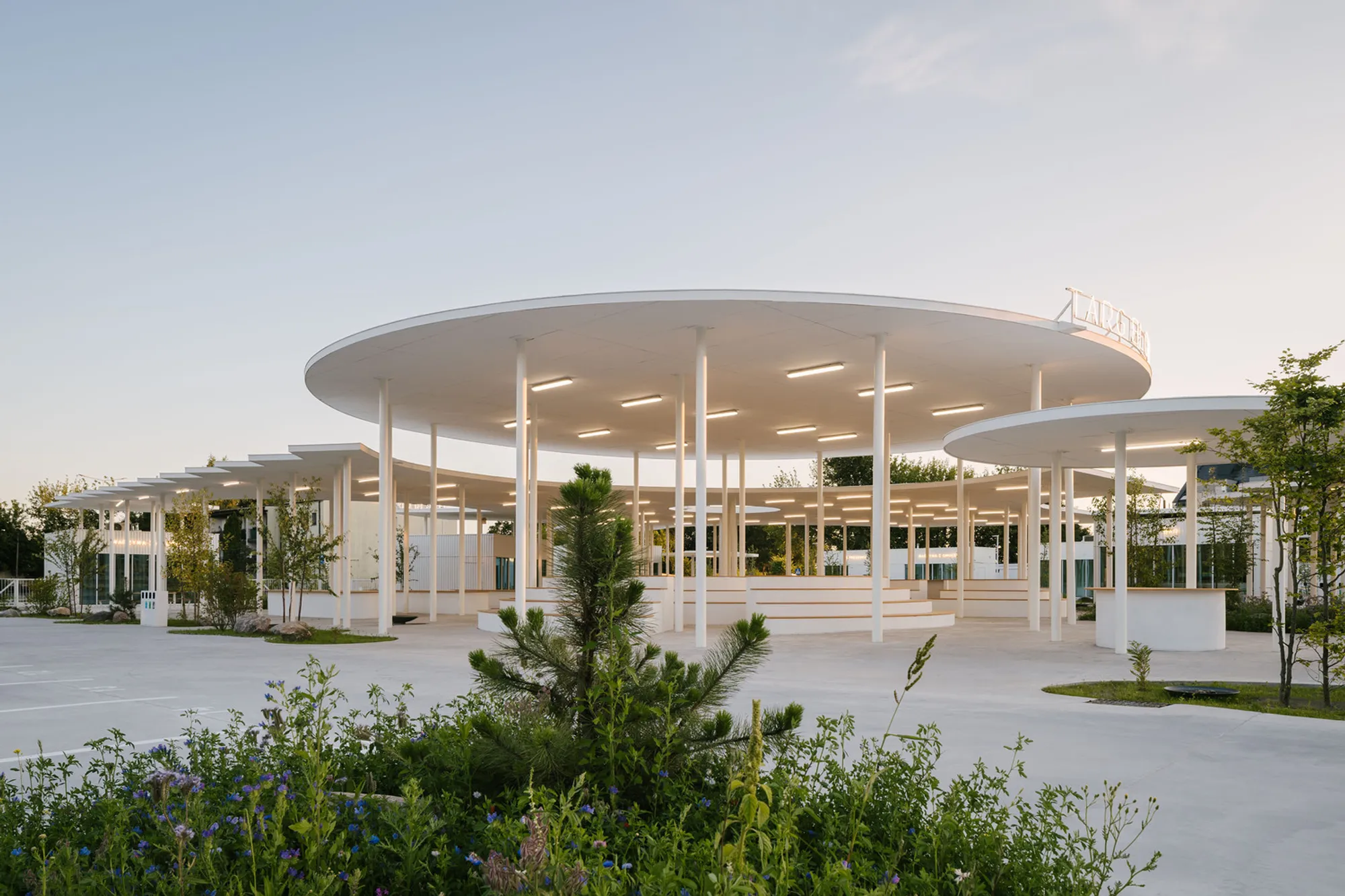
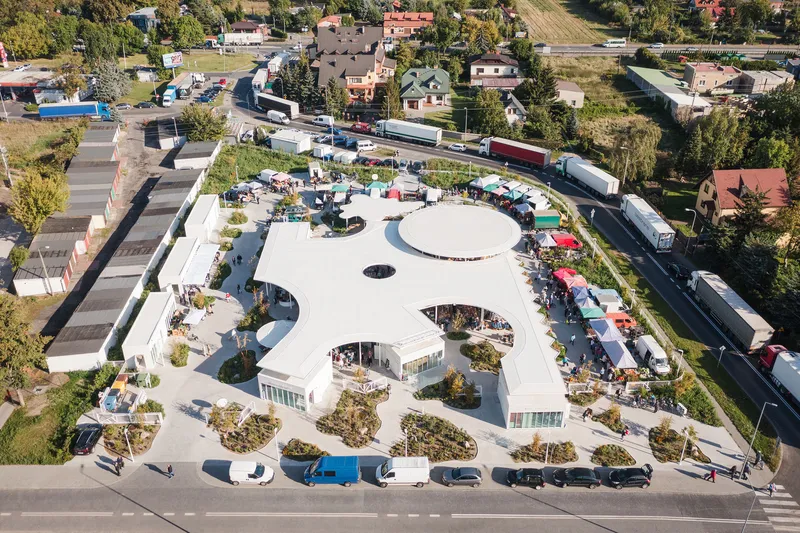
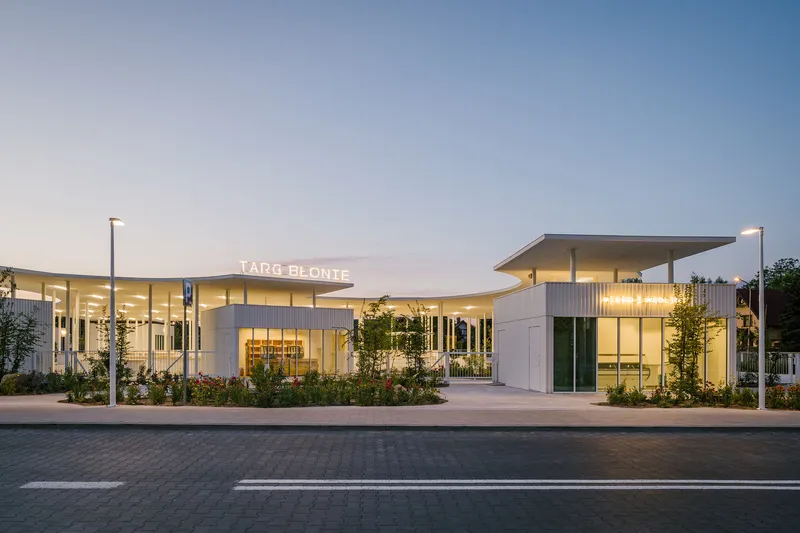
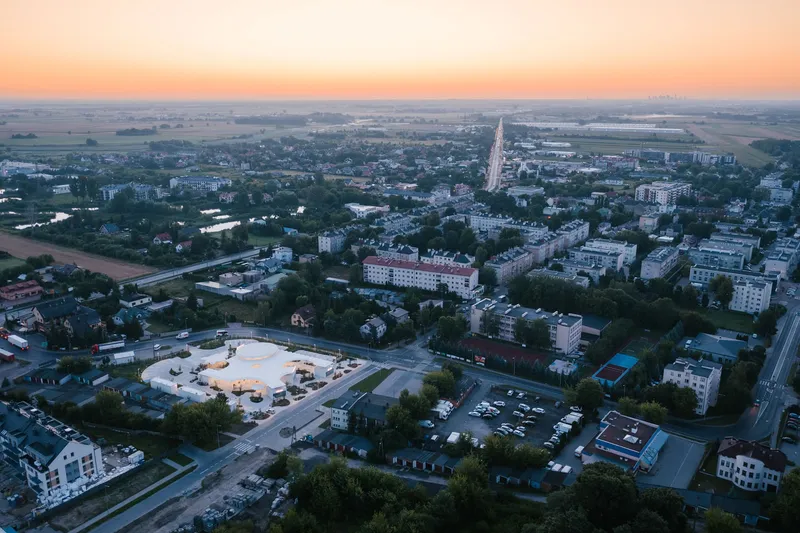
The Targ Błonie Market, redesigned by Aleksandra Wasilkowska Architectural Studio, is a landmark project redefining how local communities gather, trade, and use public space. Completed in 2022 in Błonie, Poland, this 1453 m² redevelopment transforms a historic open-air bazaar into a multifunctional public landscape that blends a market, park, and community hub into a single cohesive environment.
Reimagining Food, Community, and Urban Resilience
Food markets have long shaped urban life, influencing social interactions, economic resilience, and sustainable food systems. In the context of growing food insecurity, climate change, and social stratification, the importance of short food supply chains and accessible local markets has become increasingly evident.
Targ Błonie, with its centuries-old tradition of fairs and direct-from-farmer sales, has been a vital source of affordable, high-quality food for the region. The municipality initiated the renovation to address outdated sanitary conditions and the absence of essential market infrastructure while preserving the cultural and social significance of the site.
Exploring “Shadow Architecture”
Lead architect Aleksandra Wasilkowska has spent over 15 years researching “shadow architecture”—informal bazaars, temporary stalls, and street-based micro-economies. This research directly informs the design strategy for Targ Błonie, where the architecture adapts to the rhythms of trade, social exchange, and everyday life.
The renewed market supports micro-entrepreneurship, strengthens neighbourly ties, and ensures equal access to fresh, low-cost local produce.
Design Concept: A Hybrid of Park and Bazaar
The market’s redesign introduces a hybrid public space that merges the roles of park and marketplace.
Key architectural features include:
1. Multifunctional White Roof Structures
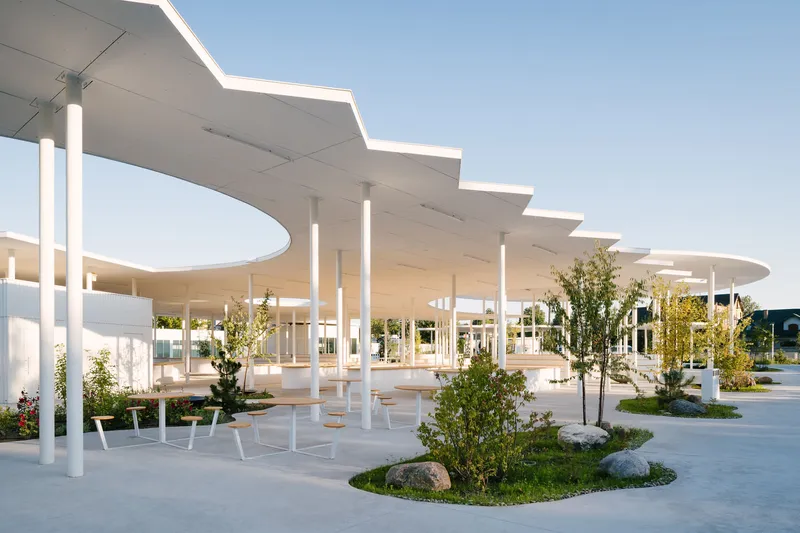
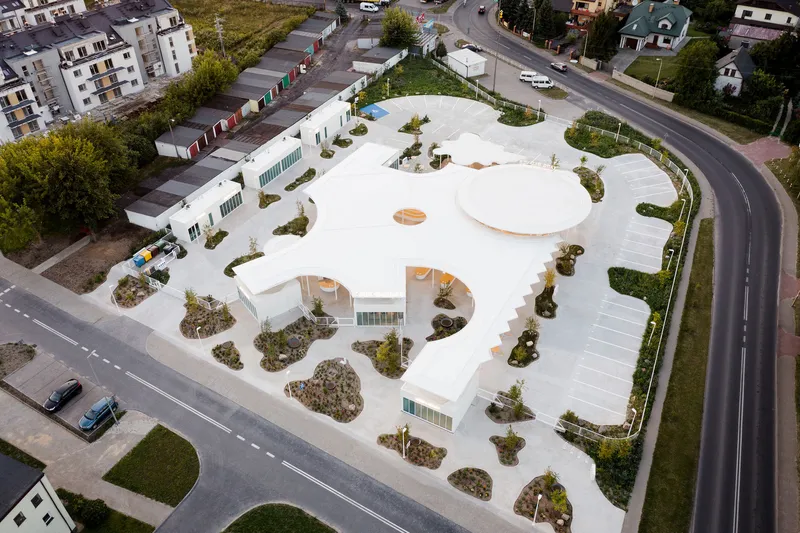
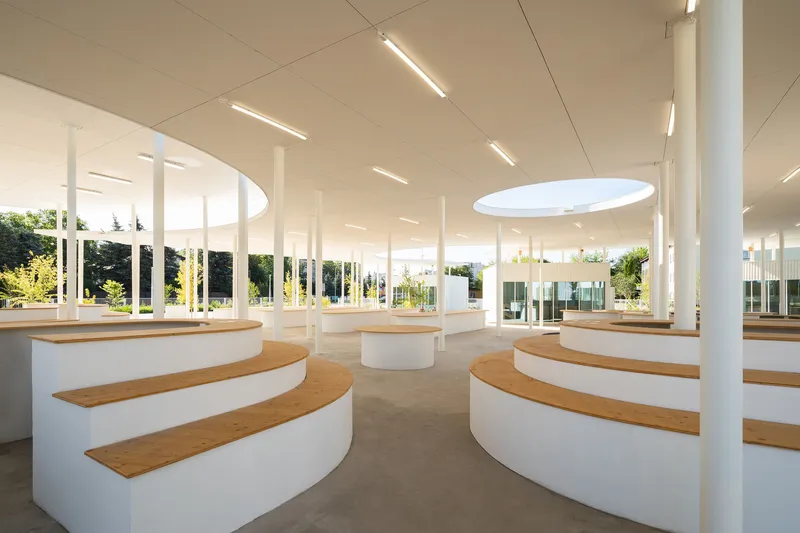
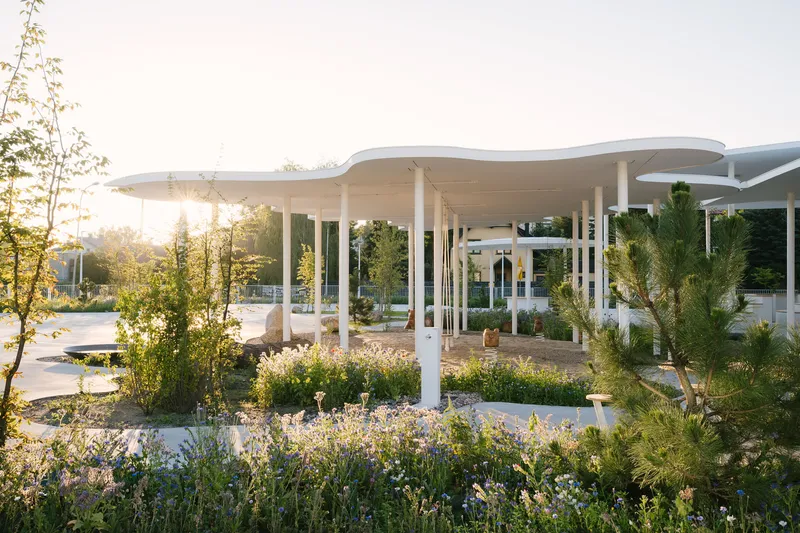
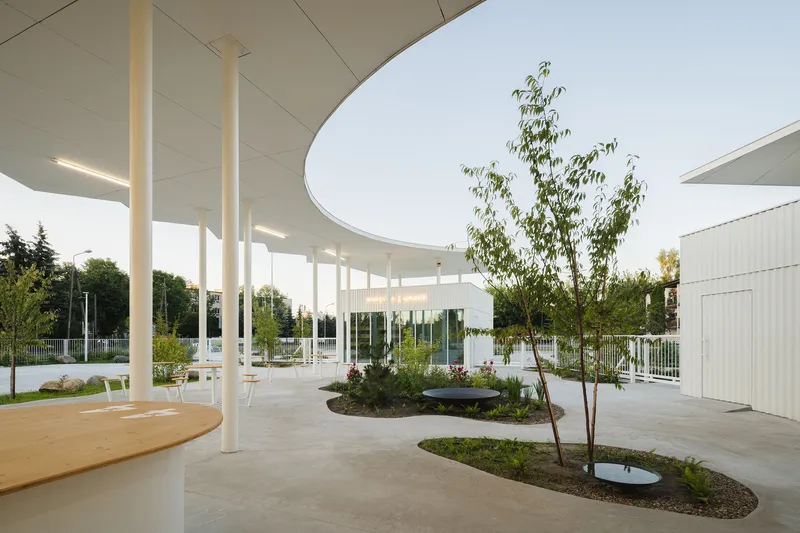
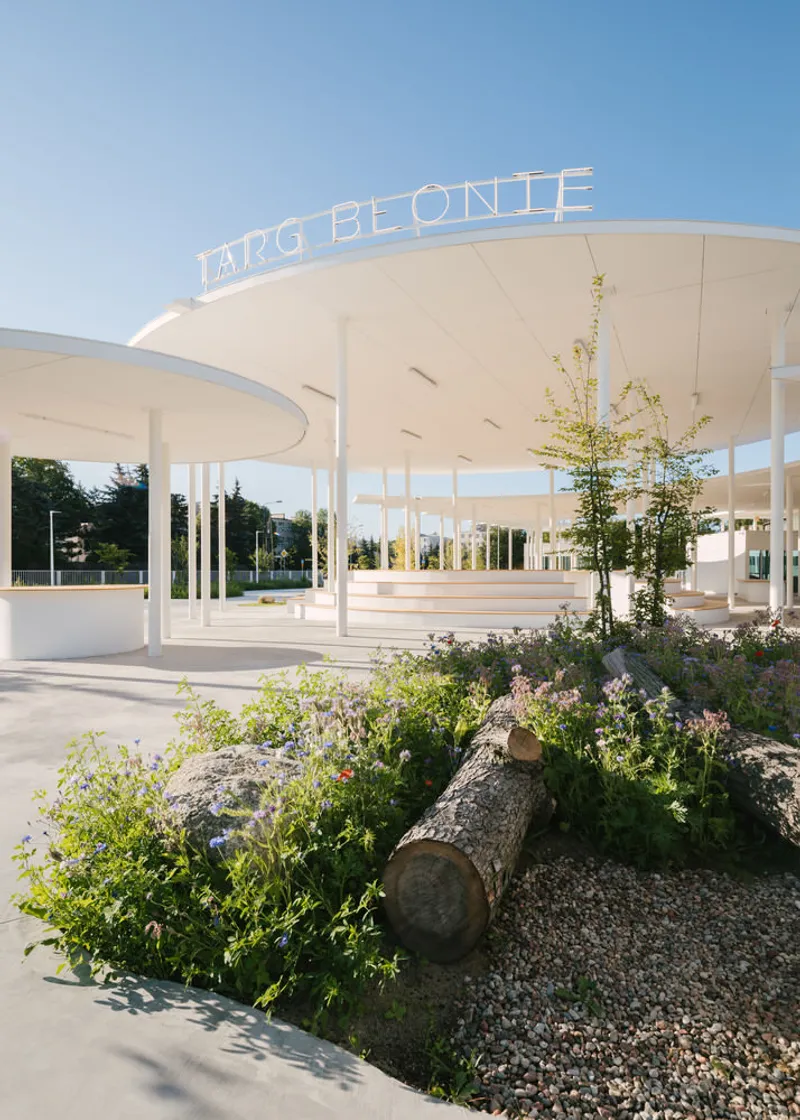
Large reflective roofs provide shade, rain protection, and comfortable circulation. When the market closes, the stepped wooden merchant platforms convert into casual seating, fostering spontaneous meetings and informal gatherings.
2. Pavilions with Bright, Transparent Facades
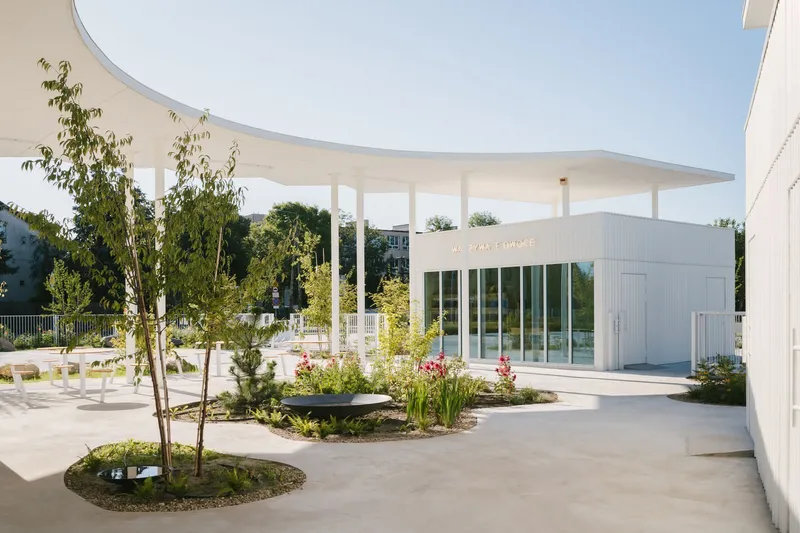
Commercial and service pavilions wrap around the market. Their corrugated white sheet facades and large windows create a consistent architectural identity while enhancing visibility and connection between indoors and outdoors.
3. Barrier-Free Circulation and Flexible Trade Spaces
The square’s smooth concrete surface eliminates curbs, ensuring easy movement for pedestrians, wheelchairs, strollers, and even skateboards. An access road around the canopy supports deliveries, mobile vendors, and itinerant trade.
4. Community-Centered Amenities
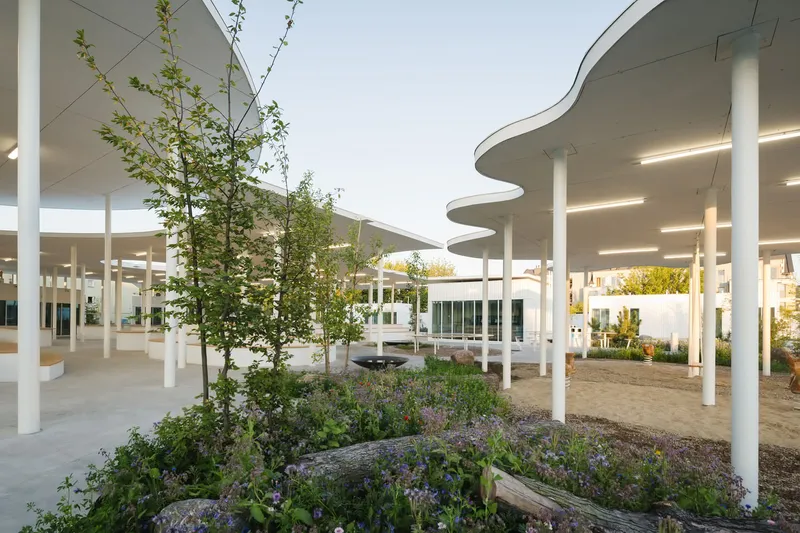
The project includes newly built public toilets, an administrative pavilion, and a vibrant market bar directly connected to a children’s playground and central community table.
Renaturalization and Biodiversity as Urban Infrastructure
One of the project’s strongest contributions is its ecological sensitivity. The design integrates renaturalization strategies that enhance the area’s microclimate and support biodiversity.
Planting Strategy
Naturalistic greenery surrounds the roof and pavilions, including:
- Pine trees
- Multi-stem hornbeams
- Beeches
- Alders
- Flower meadows
- Fruit trees
- Clematis and wisteria vines
As these species mature, they create layers of shade and habitat for birds and pollinators, improving comfort during open-air trading.
Water Retention and Rain Gardens
Rainwater from the roof is collected in retention bowls, with excess water channeled to:
- Rain gardens
- Flower meadows
- Shrub areas
- Perennials
The square’s geometry is designed to naturally guide water into these planted zones, reducing runoff and contributing to urban cooling.
Human-Scaled Elements and Social Activation
Street furniture plays a key role in shaping the atmosphere of Targ Błonie. Features include:
- White information boards
- Bicycle racks
- Boulders and sculptural seating
- Bird and insect houses
- A communal dining table
- A children’s play garden with carved wooden animal rockers
These elements encourage multigenerational use and transform the market into a welcoming public park even outside trading hours.
A Resilient, Community-Driven Urban Marketplace
Targ Błonie Market stands as a model of contemporary public space design, showing how architecture can support:
- Local food economies
- Social inclusion
- Climate resilience
- Community health
- Biodiversity restoration
All photographs are works of Nate Cook




Popular Articles
Popular articles from the community


Hill & Cross Opera: Sculptural Opera House Architecture Shaped by Tallinn’s Landscape and Identity
Hill & Cross Opera reimagines opera house architecture in Tallinn through its sculptural hill, civic plaza, glass wave and a luminous cross.

Riyadh For All: Intergenerational Urban Design for Active Aging in Rabat
Riyadh For All reimagines urban design in Rabat with intergenerational co-living, adaptive courtyards, and Moroccan cultural exchange today.

Conexión: Biophilic Design Reimagines High-Rise Living in Hong Kong
Conexión reimagines high-rise living in Hong Kong through biophilic design, green facades, shared spaces, daylight, water and nature within.

The Earth Pod: 3D Printed Homes for Resilient Refugee Communities
The Earth Pod reimagines refugee housing through 3D printed homes made from clay, combining resilience, self-sufficiency, and rapid shelter.


Similar Reads
You might also enjoy these articles


Hodi-Mandai Geram
Project Function: Preservation and revitalization of the Intangible heritage and socio-spatial identity of the Hodi by Housing, Cultural Memory Center, Sacred Grove, landscape, local tourism economy


Olio Towers: A Mid-Rise for Performers That Fuses Housing, Rehearsal, and Stage
Located blocks from Houston's Theater District, this modular tower stacks living units around a central performance atrium.

Oasis: Modular Green Housing Carved into Dhaka's Urban Fabric
A shortlisted Plugin Housing entry reclaims unauthorized settlements in Dhaka with stepped concrete volumes, green roofs, and ventilation-driven design.

Black Hole: A Floating Megastructure for the Post-Physical Era
Emiliano Mazzarotto envisions a spherical, self-scaling arena where e-sports, digital hotels, and holographic stadiums replace traditional public space.

Explore Open Air Market Competitions
Discover active competitions in this discipline



Challenge to reimagine the Iron Throne


Photograph architecture without architects


Illustrate the lost glory of Angkor Wat - Render Challenge


Design challenge to reuse E-waste
Comments (0)
Please login or sign up to add comments
No comments yet. Be the first to comment!