
TDS(Tavolozza di Spazi); A Complex of workspace, running track and gathering
Tavolozza di Spazi(Palette of Spaces) is an office project located in the outskirts of Milan that serves young artists with work spaces in various sizes.

OBJECTIVE
In response to the competition's goals, TDS seeks to create
- a financially sustainable model of bringing down the cost for the young artists and complementing the gap by i)renting out event venues, ii)subscription of storage space, iii)food production in greenhouse and iv)leasing out billboards.
- an adaptable model where artists are provided with workspace in various sizes and can be chosen in accordance with their type of work.
- a reusable space where the walls can be adjusted to expand or shrink the size of the room.
CONCEPT
The concept, Blockscape, presents an assemblage of masses arrayed on a landscape. Each block is consisted of workspace in different sizes and shapes which fills the mass with creative works and exertion. In addition, all blocks(mass) are situated apart from each other, creating ample outdoor space that works as a connector to the terrain and the neighborhood.
INTENT
The architectural motive was to create a set of buildings that would accommodate different types of workspace, storage space, and place for events. By providing spaces in different sizes - with room heights ranging as low as 2M to high as 9M, the project holds diversity. Also, the adjustability of the walls allow the user to expand/compress space according to their needs and eventually makes the building to be reused and altered.
The project surrounds itself in greenery and pond to the north, with office complex to the south. With this urban context, the running track on-site works as a public program that invites the neighbors to the site as the project eases in to the region.
ARCHITECTURAL PROCESS
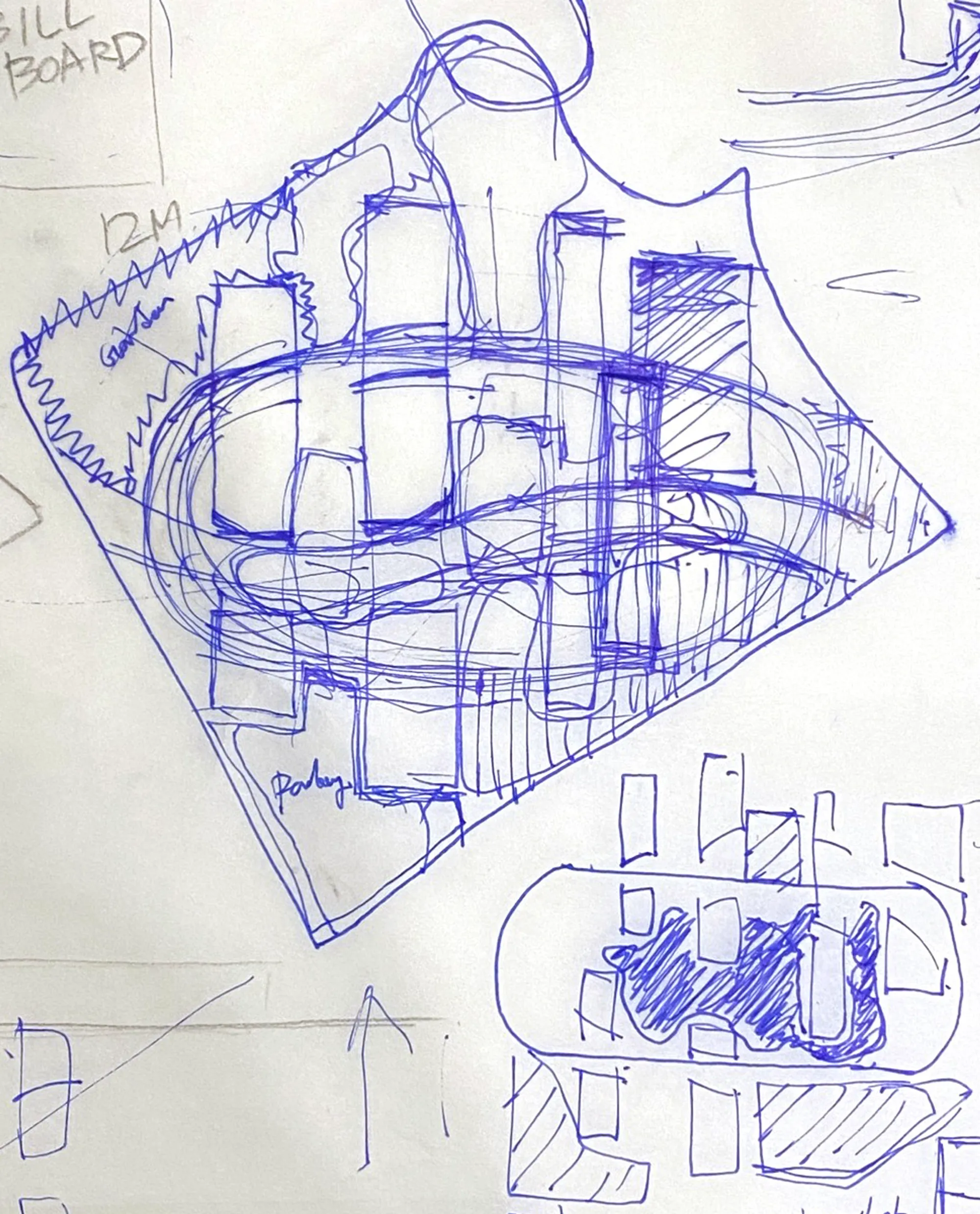
Starting with a laying out of(zoning) of the masses. Each block runs south-north and parallel to each other. This strategic position creates enough spacing in-between the masses but more importantly this layout provides the maximum amount of sunlight for the greenhouses and event spaces on the site.

The arrayed masses are connected through the running track on the ground level. And this public space sets the foundation for various private work spaces to be stacked upon it.
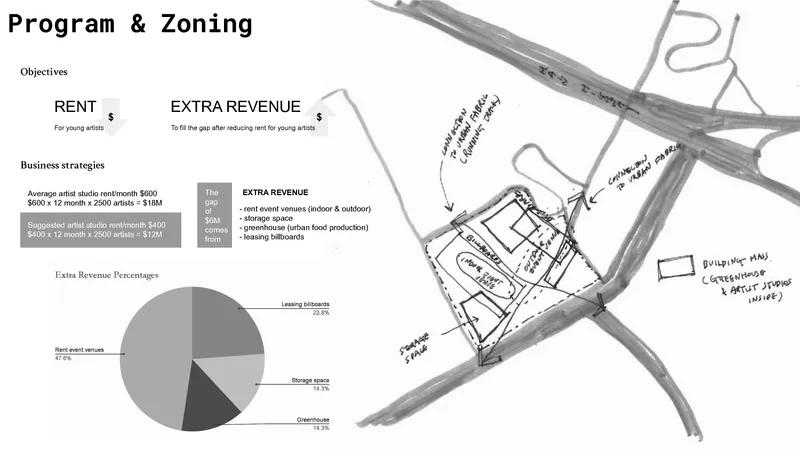
The business strategy was to create extra revenue through event spaces, storage spaces, food production from greenhouse, and leasing the billboards of the buildings.
MATERIALS(RE-USE)
The building uses recycled material as taking part in the reusable aspect of the project. The roof system uses ETFE for its high light transmission and for 50 year long life use. Also the 100% recyclable and minimal use of energy and transportation for installation makes it a sustainable material.
The facade uses polycarbonate material to provide sunlight and privacy to the working artists. The material can be converted back into moldable granules after use, considering the after life of the building as well.

FUTURE; Reshuffle and Expansion
As time evolves, walls of the workspace would be rearranged by the artist depending on their work and the space required for it. The walls of the buildings are movable system that creates artists or future artists to alter the walls depending on its use.
Overtime the concept of Blockscape could be applied to the surrounding fields or office architecture, as the dispersed zoning with ample public space and adjustable space could be of great use for such type.

Popular Articles
Popular articles from the community


The Ocean Hive: Sustainable Architecture for a Self-Sufficient Civilization at Sea
The Ocean Hive imagines sustainable architecture at sea, where modular habitats, algae, wave power and ocean waste sustain a growing colony.

Hill & Cross Opera: Sculptural Opera House Architecture Shaped by Tallinn’s Landscape and Identity
Hill & Cross Opera reimagines opera house architecture in Tallinn through its sculptural hill, civic plaza, glass wave and a luminous cross.
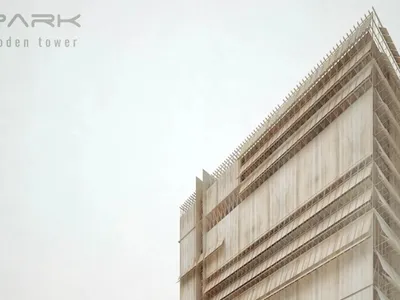
EW PARK: Sustainable Architecture Reimagines the Future of Urban Parking
EW PARK reimagines city parking as a modular wooden tower combining automation, solar energy, electric mobility, and adaptable urban design.

Co-life: Sustainable Architecture for Age-Friendly Community Living
Co-life reimagines sustainable architecture for seniors through courtyards, rammed earth, shared gardens, and spaces designed for belonging.

Similar Reads
You might also enjoy these articles
The Rhythm of Seasons
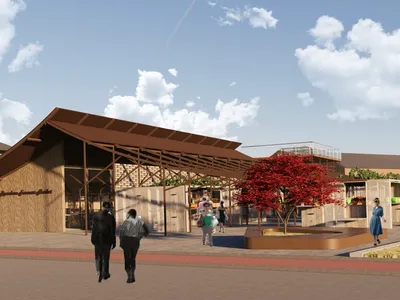
A Farmers' Market Connecting Nature and the City

More Than a Building-Designing a Living System
More Than a Building-Designing a Living System
Base Beyond
DESERT COMPOUND ARID: TOURISM OF ABSENCE AND ABUNDANCE


Explore Flexible Spaces Competitions
Discover active competitions in this discipline




Challenge to reimagine the Iron Throne


Photograph architecture without architects


Illustrate the lost glory of Angkor Wat - Render Challenge


Design challenge to reuse E-waste
Comments (0)
Please login or sign up to add comments
No comments yet. Be the first to comment!