
The Essence of Architecture
Defining cutting edge material innovation


Context
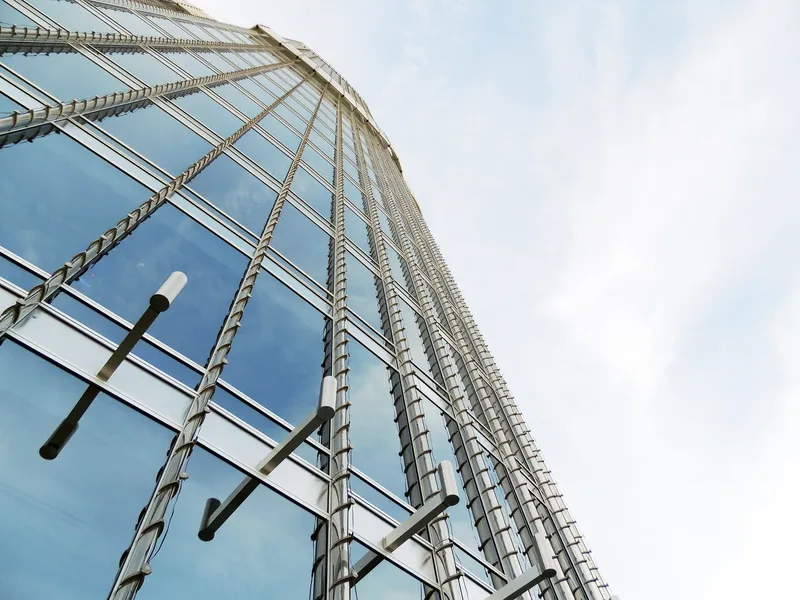
When Burj Khalifa was conceptualized, many believed that the module would not see the light of day. Many factors were standing against its construction - costs, structure, vertical transport, wind speeds, etc. Though the tallest building in the world utilized reinforced concrete and steel to stand off the ground, the design pushed the materials to its limits - high-performance concrete, created out of a mix that provided low permeability and high durability was used, combined with steel structural members designed to fit as fins and panels as well, apart from the standard framework. The skyscraper is also designed to have a high-performance exterior cladding system which includes thick, reflective glazing (glass), aluminium, and steel members.
The importance of discussing and deciding the materials that go into building any space is manifold. Materials breathe life into the two-dimensional designs conceptualized by visionaries. They transform ideas into physical, tangible forms that can be seen, felt, and experienced. Architecture is defined as materiality and the craftsmanship that each material demands. The selection of material is as important as any other process that revolves around building space, and can completely change the way a form is perceived or the kind of experience it offers. Increasing advancements in technology and a growing interest and awareness in sustainability have led designers and engineers alike to push the limits of commonly used materials and innovate within them to create something futuristic and holistic. Experimentation in forms is the new norm, and what better way to lend innovation to designs than to push materiality to new horizons? Spatial experimentation is being performed through the use of versatile materials that can cater to complex designs and change the face of construction to allow for a multifaceted exploration of material, structural and experiential properties of space.
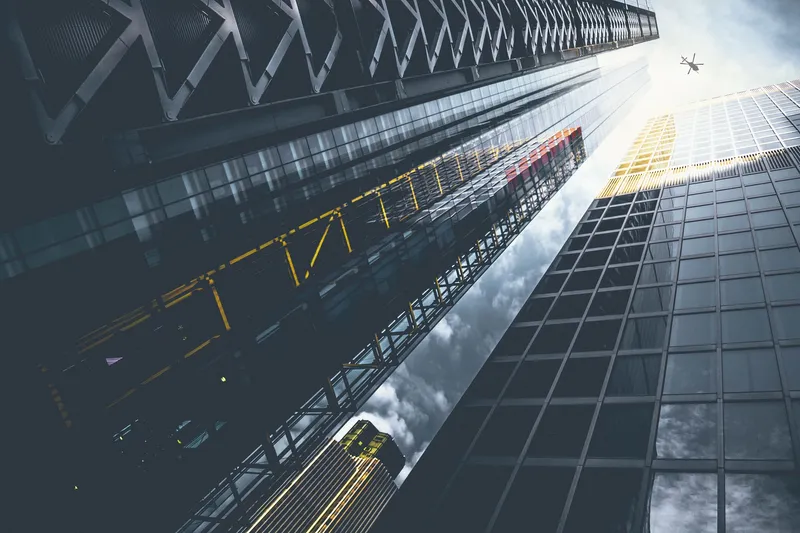
Building materials like concrete and steel are now commonplace in the field of construction and design, and a lot has been done to innovate these materials and test their limits even further. With architecture going vertical, the materials’ compositions have had to be explored to be made more effective to withstand natural forces, require low maintenance and easy assembly, and have a renewable and sustainable component to them. Many construe misconceptions when it comes to talking about inventions with concrete and metal - yet there are technologically powered materials like porous and thermo-concrete, and metal sponges like the ‘micro-lattice’, which is the lightest known solid building material.
At the same time, the construction industry is gradually incorporating other lesser-known building materials in their entirety, and embracing new compositions of artificially enhanced and blended materials, called composite materials. Take, for example, timber as a building material. The Prince George Airport in central British Columbia, designed and built by Equilibrium Consulting Inc. is one of the structures that pioneers the materiality of wood. The local connection to forestry lent the idea of engineering the airport around timber, showcasing the city’s identity and representing the community and its values. The structure was built around a simple design that utilized technological advancements in wood through which the engineers were able to achieve elegance in detailing and gained international recognition for the same.
Types of Material
Wood is a renewable material, allowing for flexible exploration of forms through new products like Cross Laminated Timber and Glulam. New dimensions of the material have been explored through biomimicry-inspired forms, like the Dragon Skin Pavilion set up in 2012 in Hong Kong, in which the rhythmic pattern of the structure filtered light and views through curved wooden elements that gradually shifted in position, creating a porous scale-like appearance. Other structures bear testament to wood’s flexibility as a material, like the Nature Boardwalk in Chicago, designed by Studio Gang Architects in 2010, that is an open-air classroom inspired by the tortoiseshell, consisting of prefabricated bentwood elements coupled with fibreglass.
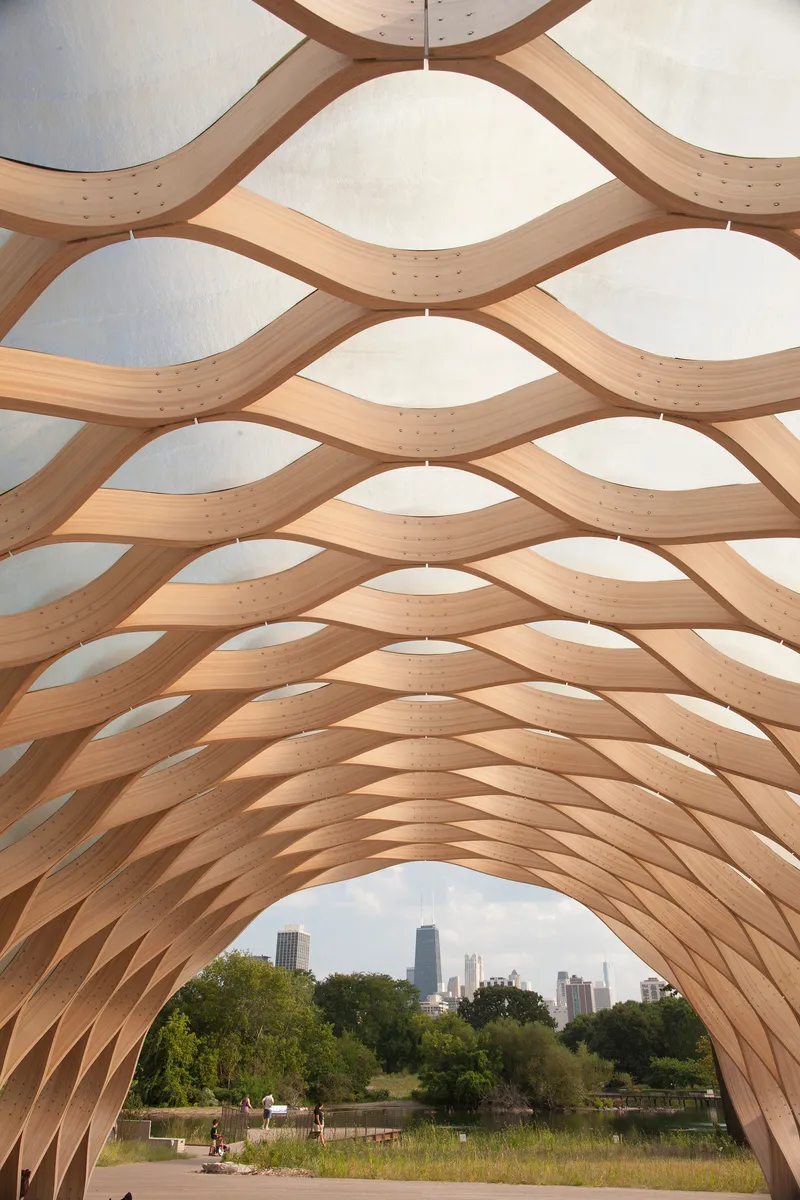
Julia Koerner, a lecturer at UCLA’s Suprastudio, rightly explains the need for experimental, innovative materials, “To have a lightweight, but at the same time, a strong material with the opportunity to create complex freeform geometries is a fantastic fabrication technique… and works well in combination with cutting-edge digital design modelling processes.” There is an increasing surge in visualizing architecture as fluid, lightweight structures that are seamless, have a low carbon footprint, and incorporate an openness as well as smart technologies. Designers are now more focused on the intricacies and details of building materials and structural elements that can withstand their visions and provide the world with an extraordinary form. This pull calls for innovations in materials which is gradually being achieved through the determination and perseverance of the engineers and designers alike. This trend of pushing the boundaries of form and material to create something unique has already been adapted even by students, who will be defining the architecture of the years to come.
Conclusion
Innovation and constant evolution are important to growing in any field, and architecture demands the same. Cutting-edge material innovation is a requirement that will keep the wheels turning for a long time, and many idealists are churning outbuildings that go way beyond a layman’s imagination of what a building should look like or how the material should work, most common of them being architects Frank Gehry and the late Zaha Hadid. It is also important to honour those who are pioneering this material revolution, and the challenge “Tactile: Excellent Use of Material in Architecture” aims to do just that. The competition, a part of the A for Architecture 2020 Awards, aims to spread awareness about these small yet powerful innovations that make unique, out-of-the-box architecture possible and the dedication and efforts poured by the designers who make these buildings.
The challenge invited entries for outstanding innovations in architecture through the following building materials - wood, stone, concrete, metal, and composite materials. It was open to both students and professionals, provided the submission is for an already built design.
To find out more about the competition and register, visit https://uni.xyz/competitions/tactile/entries



Popular Articles
Popular articles from the community


Conexión: Biophilic Design Reimagines High-Rise Living in Hong Kong
Conexión reimagines high-rise living in Hong Kong through biophilic design, green facades, shared spaces, daylight, water and nature within.

Co-life: Sustainable Architecture for Age-Friendly Community Living
Co-life reimagines sustainable architecture for seniors through courtyards, rammed earth, shared gardens, and spaces designed for belonging.

Co-Life: Senior Housing Design That Reconnects Older Adults With the City
Co-Life reimagines senior housing design through healing gardens, shared streets, workshops, and a sustainable community across generations.

Hill & Cross Opera: Sculptural Opera House Architecture Shaped by Tallinn’s Landscape and Identity
Hill & Cross Opera reimagines opera house architecture in Tallinn through its sculptural hill, civic plaza, glass wave and a luminous cross.

Similar Reads
You might also enjoy these articles

Bao Huynh Watercolor Atelier: A Serene Art Retreat in Hội An
Bao Huynh Watercolor Atelier in Hội An blends multifunctional art spaces, sustainable design, local materials, and family-friendly living in a serene environment.

Atelier Macri Concept Store Interior Design by CASE-REAL
Atelier Macri store features a "ko" counter, walnut wood details, cork displays, blending retail, gallery, and seamless customer experiences.

Manuel Vargas Izquierdo Stadium and High-Performance Sports Center: Architectural Excellence in Jalpa de Méndez
The Manuel Vargas Izquierdo Stadium blends sustainable design, inclusive sports facilities, and cultural-inspired architecture, revitalizing Jalpa de Méndez’s public spaces.
KAKR Buluh Awar Hall: Revitalizing Community and Ecology Through Bamboo Architecture
Community built bamboo hall revitalizes Buluh Awar village, empowering youth, restoring ecology, celebrating vernacular craftsmanship through sustainable architecture and culture.


Comments (0)
Please login or sign up to add comments
No comments yet. Be the first to comment!