
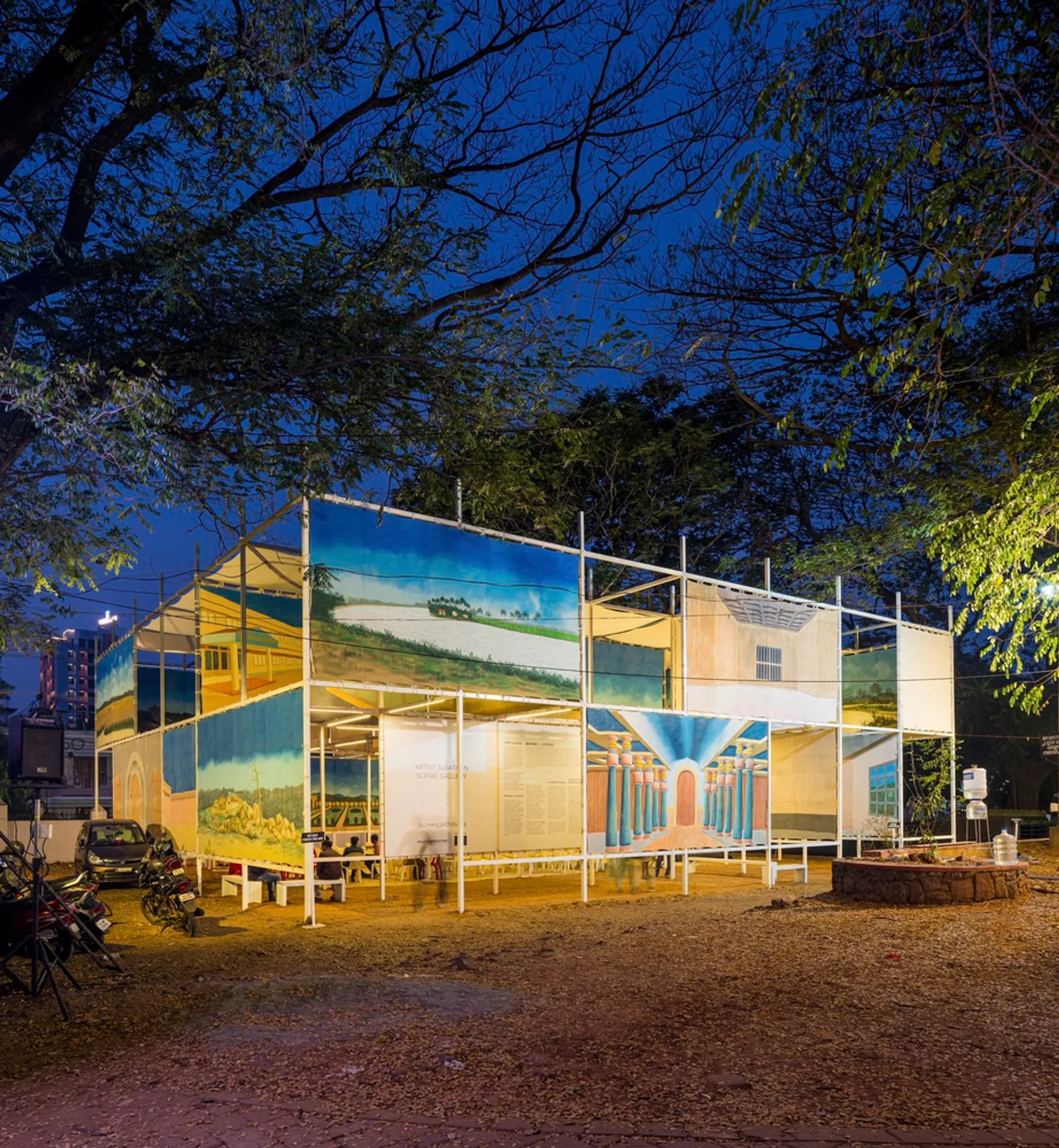
The Essence of Cultural Pavilion Architecture: Unveiling the BEHIND the SCENES Pavilion by LIJO RENY Architects
The article delves into the BEHIND the SCENES Pavilion, showcasing its role in cultural pavilion architecture and sustainable design innovation.


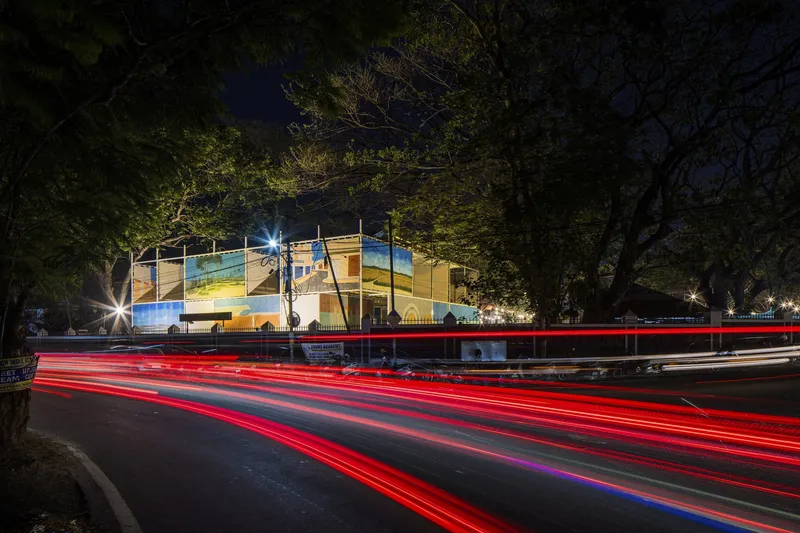
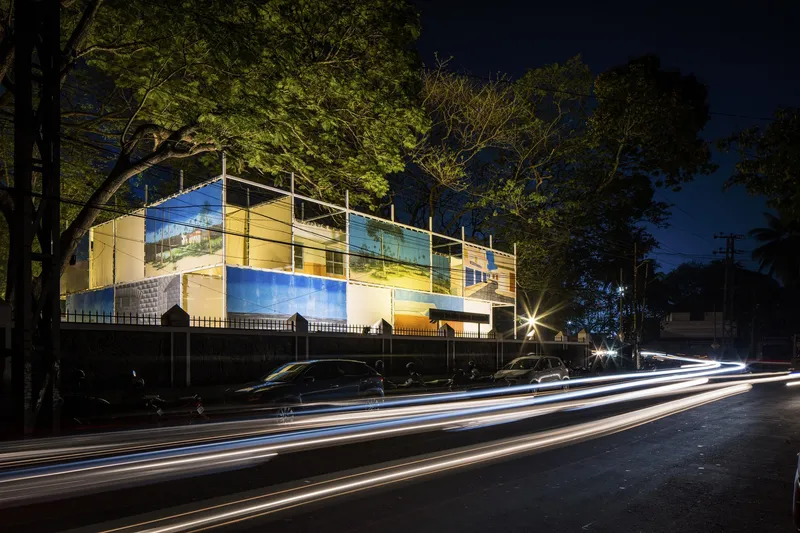
Nestled in the vibrant cultural landscape of Thrissur, India, the BEHIND the SCENES Pavilion emerges as a masterpiece of cultural pavilion architecture. Designed by the innovative LIJO RENY architects, this structure is not just a building but a living narrative of Kerala's rich theatrical heritage, particularly honoring the work of the legendary scenic background artist, Artist Sujathan.

Blending Tradition with Modernity
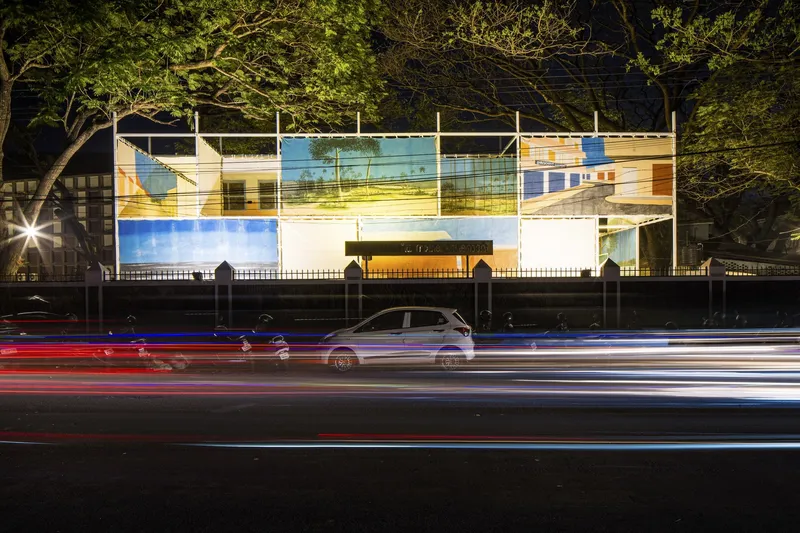
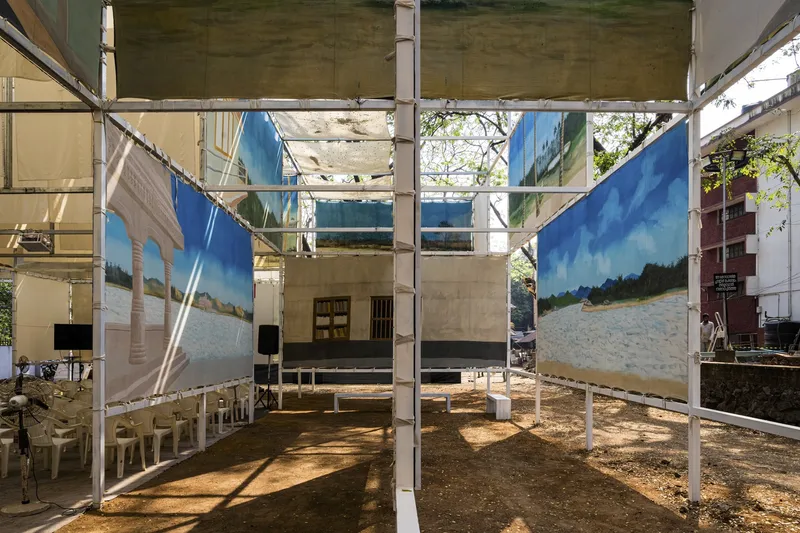
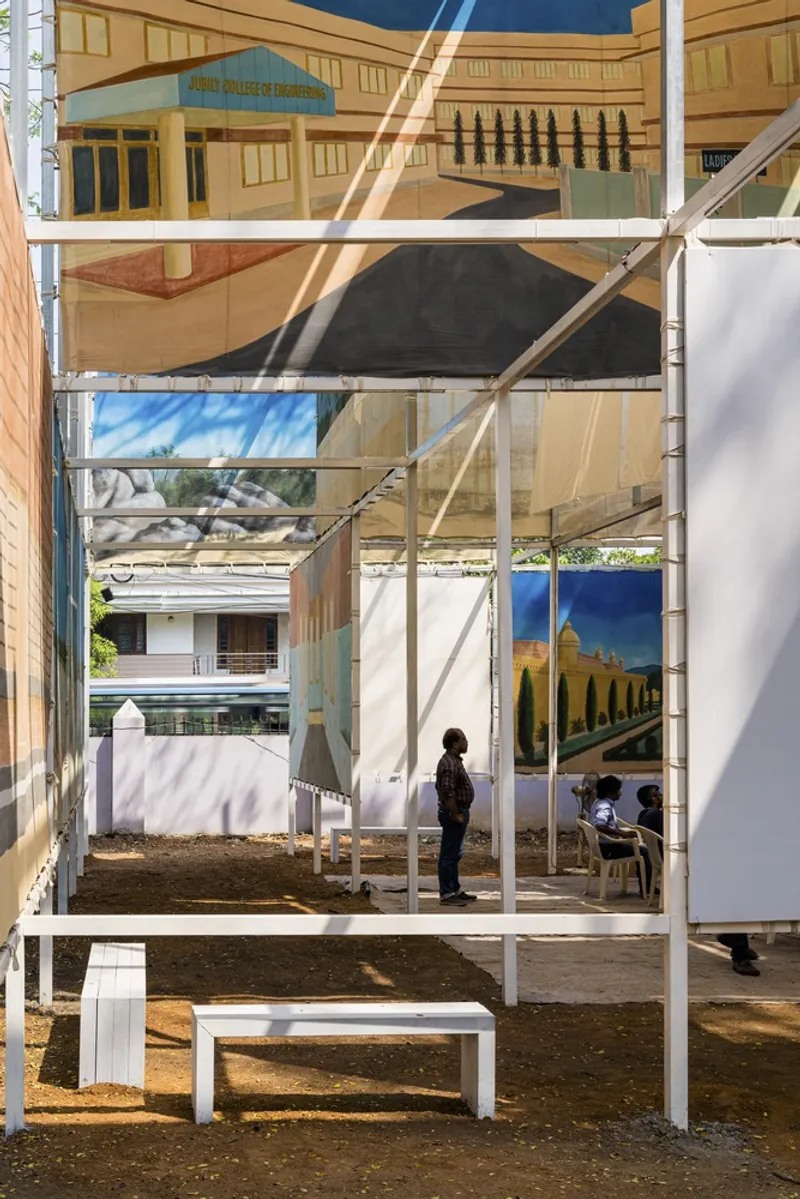
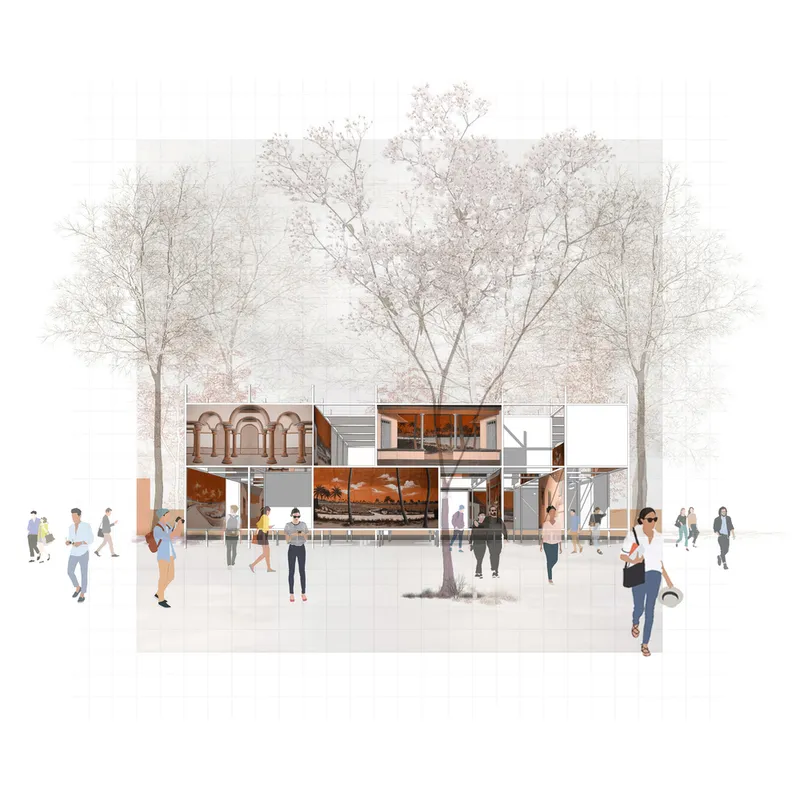
The BEHIND the SCENES Pavilion, set against the backdrop of the International Theatre Festival of Kerala (ITFOK), transcends traditional architectural boundaries. It serves as a temporary gallery showcasing the illustrious career of Artist Sujathan, whose backdrops have adorned over 4000 plays, earning him numerous accolades. This pavilion stands as a beacon of cultural pavilion architecture, celebrating decades of Malayalam drama.
A Versatile Venue for Cultural Events
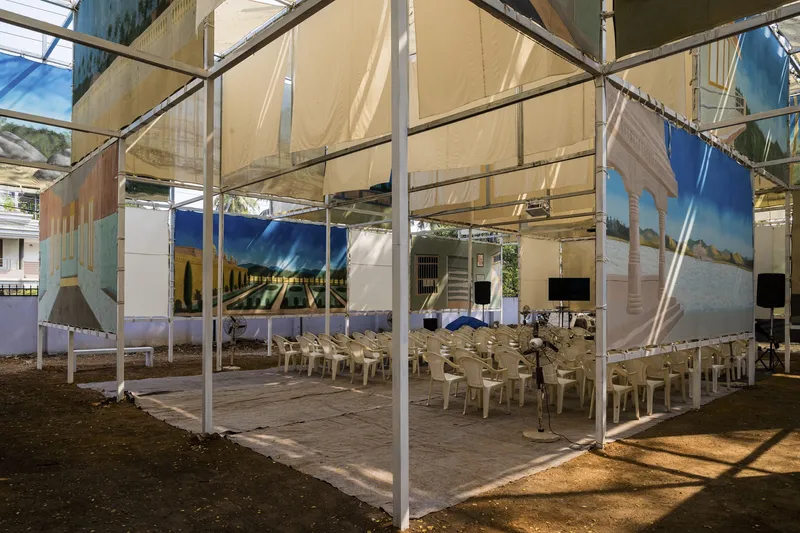
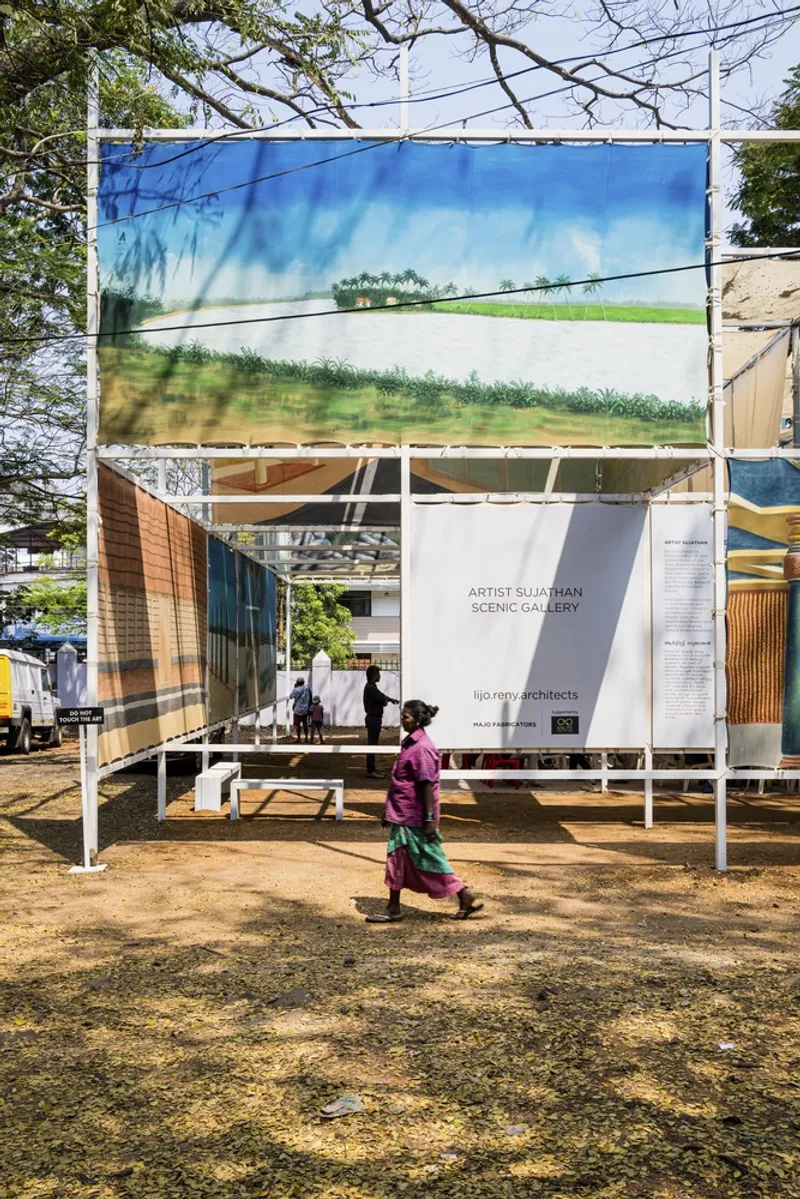
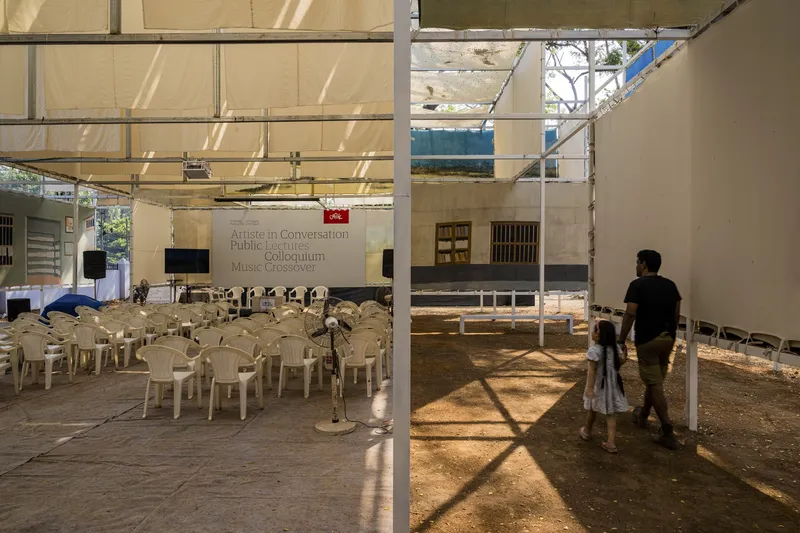
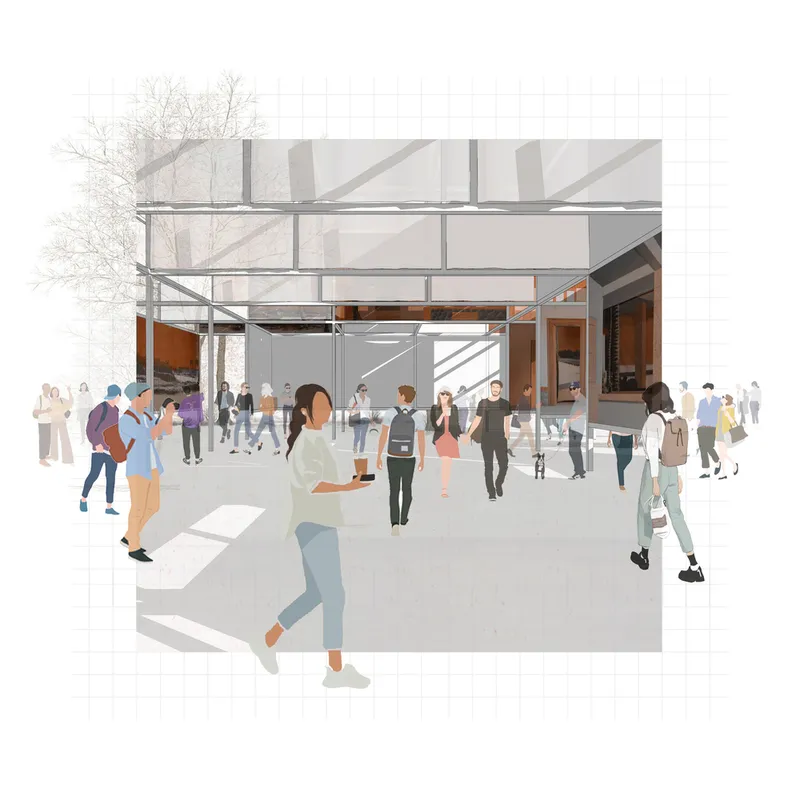
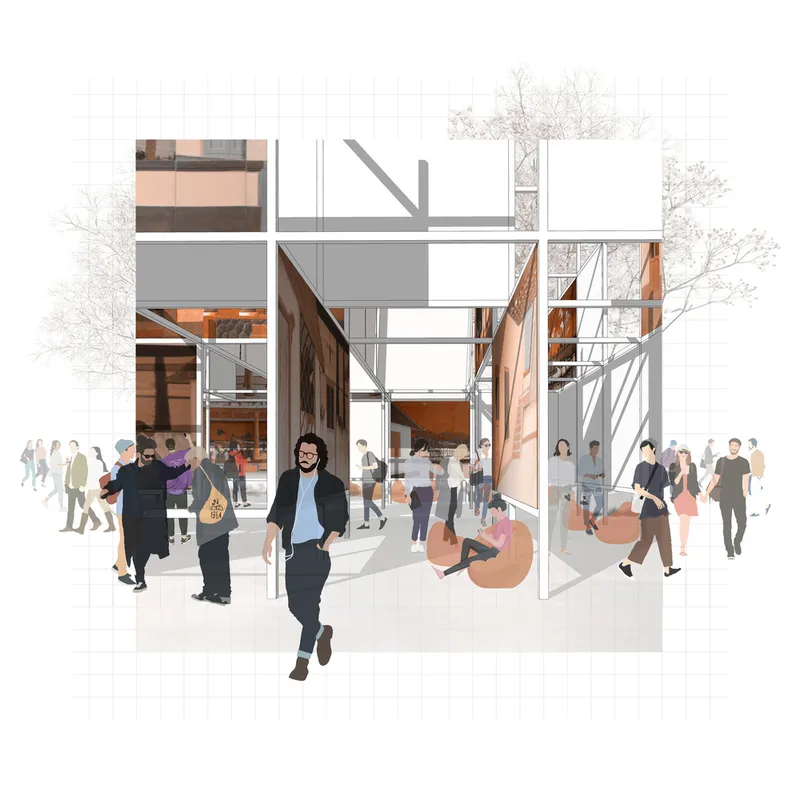
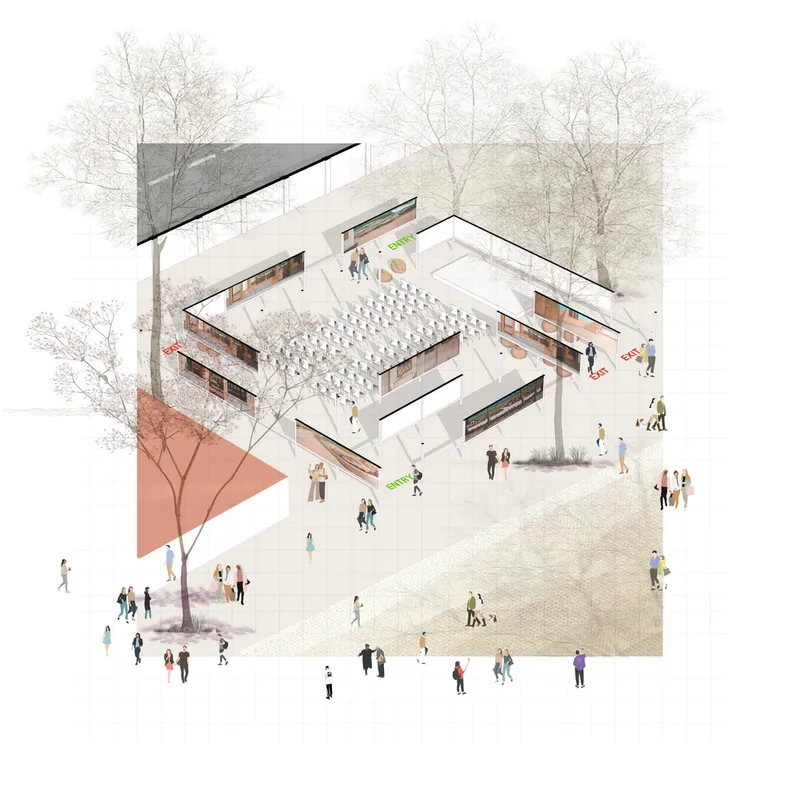
Beyond its role as a gallery, the pavilion adapts seamlessly to host a variety of cultural events, from artist talks to music evenings and theatre discussions. This flexibility is a hallmark of effective cultural pavilion architecture, providing a serene space for relaxation and interaction within its fabric-covered confines.
Architectural Design and Innovation
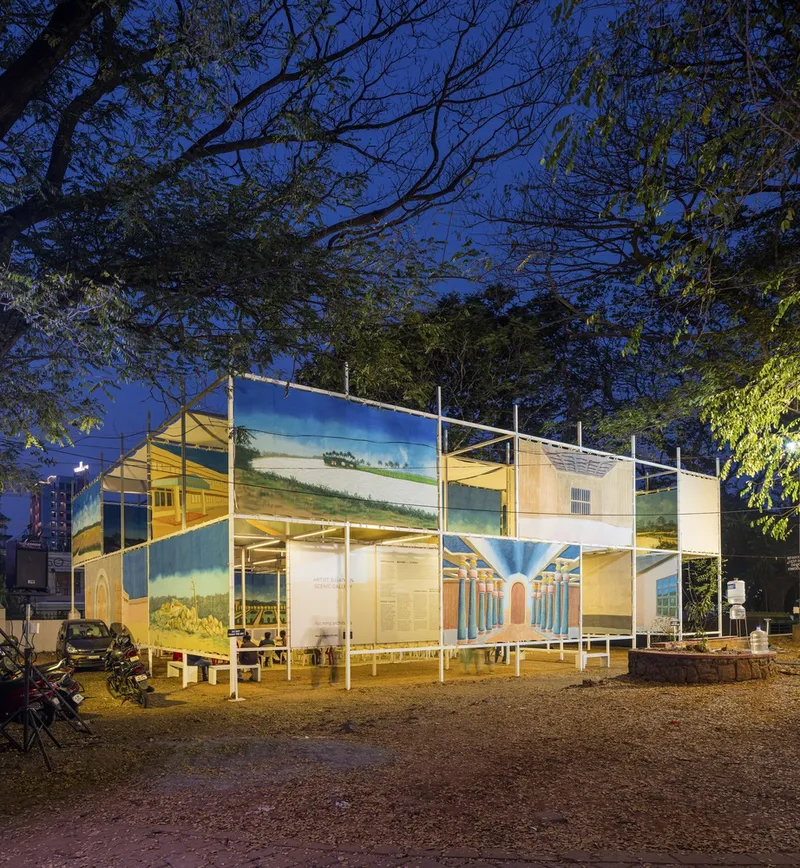
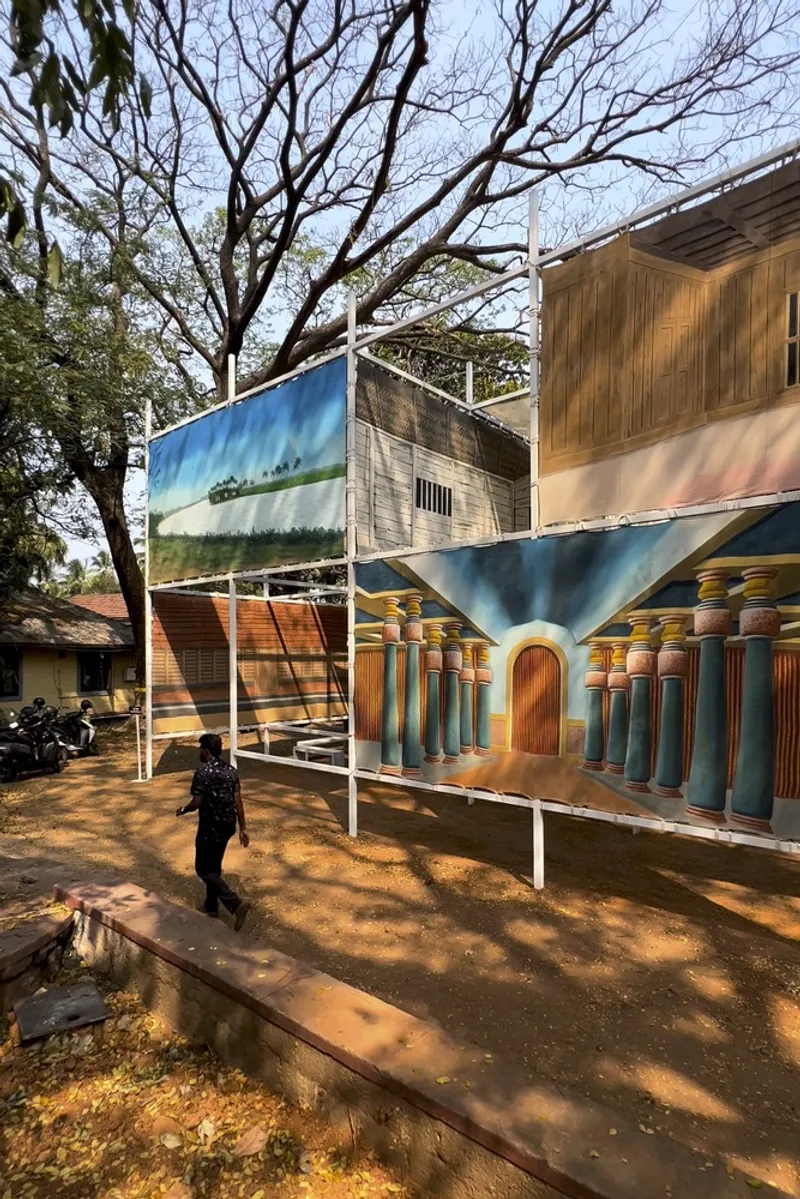
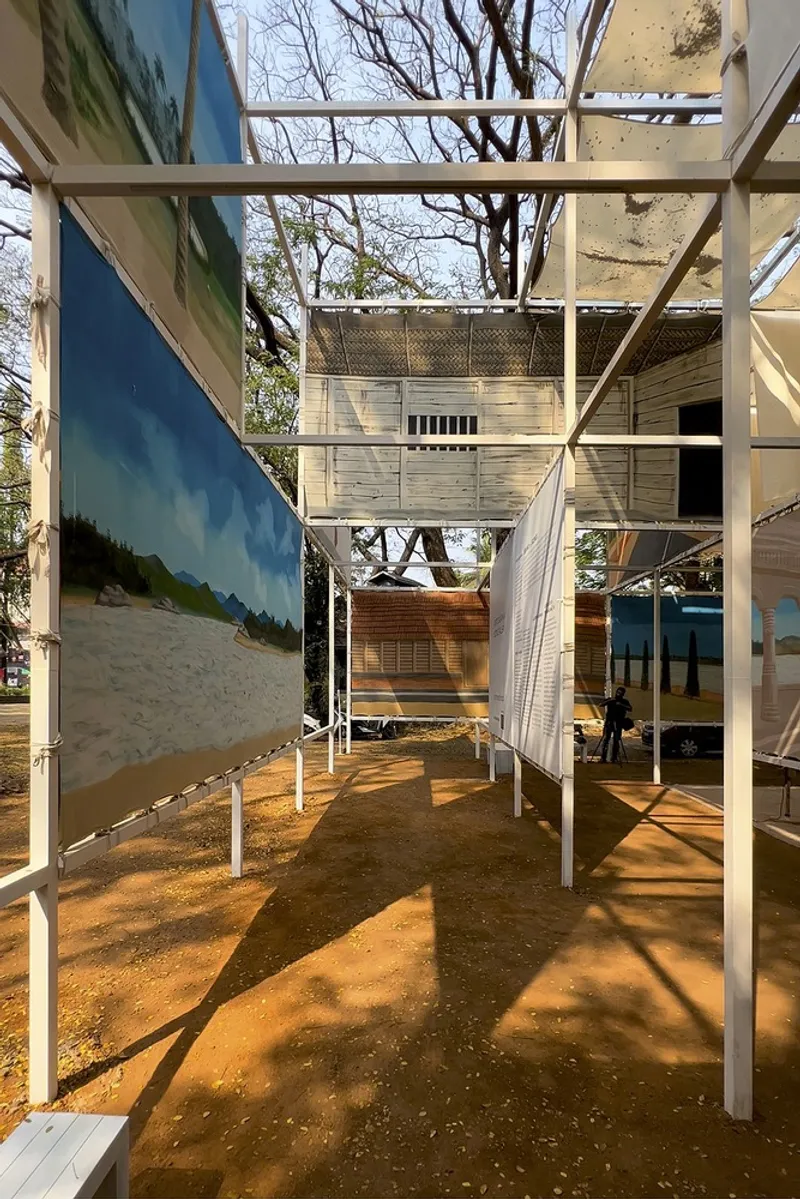
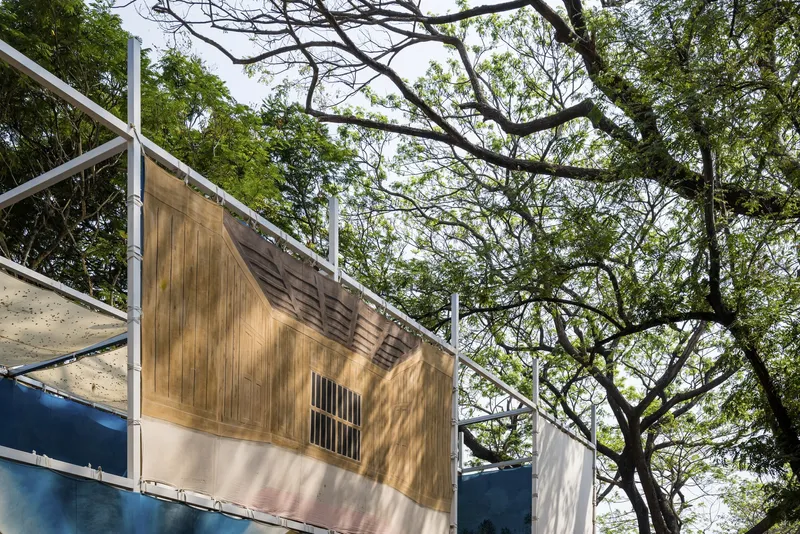
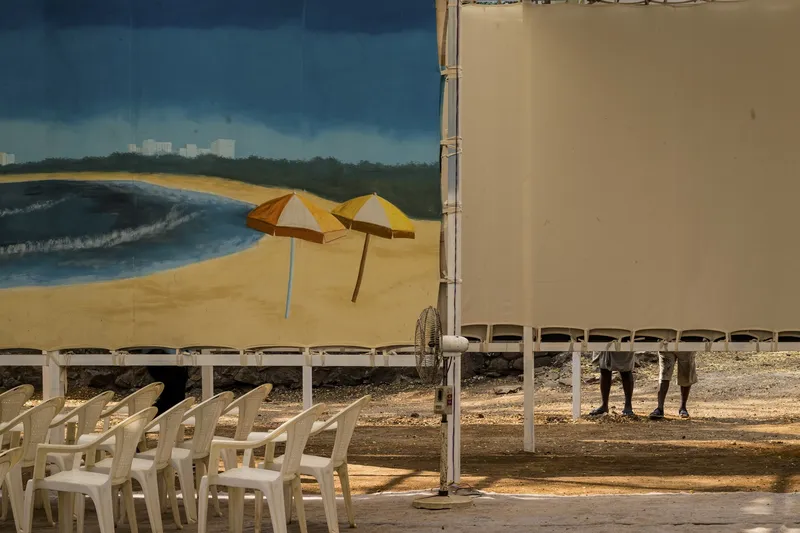
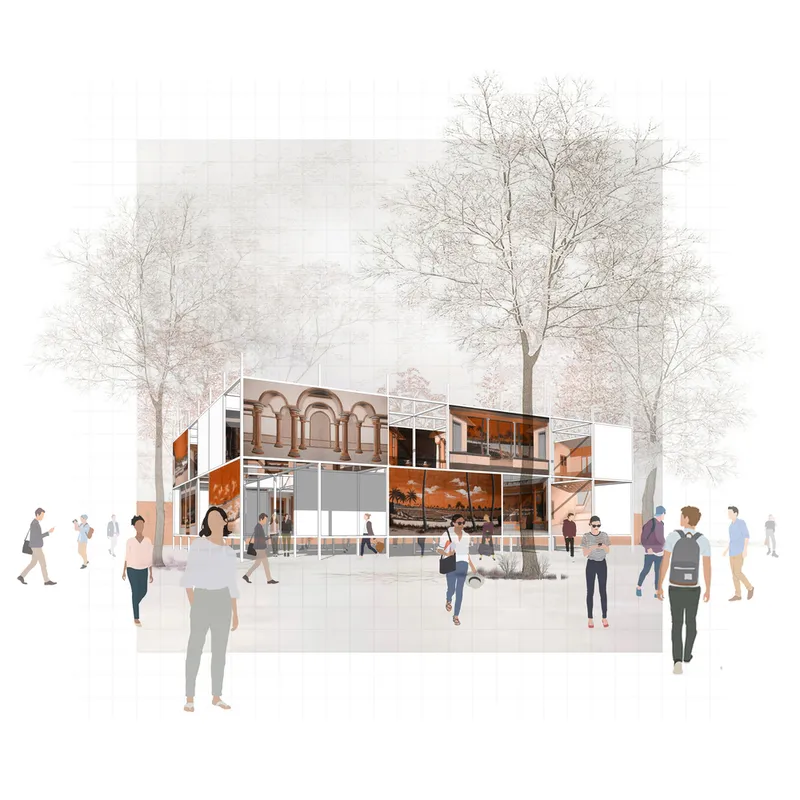
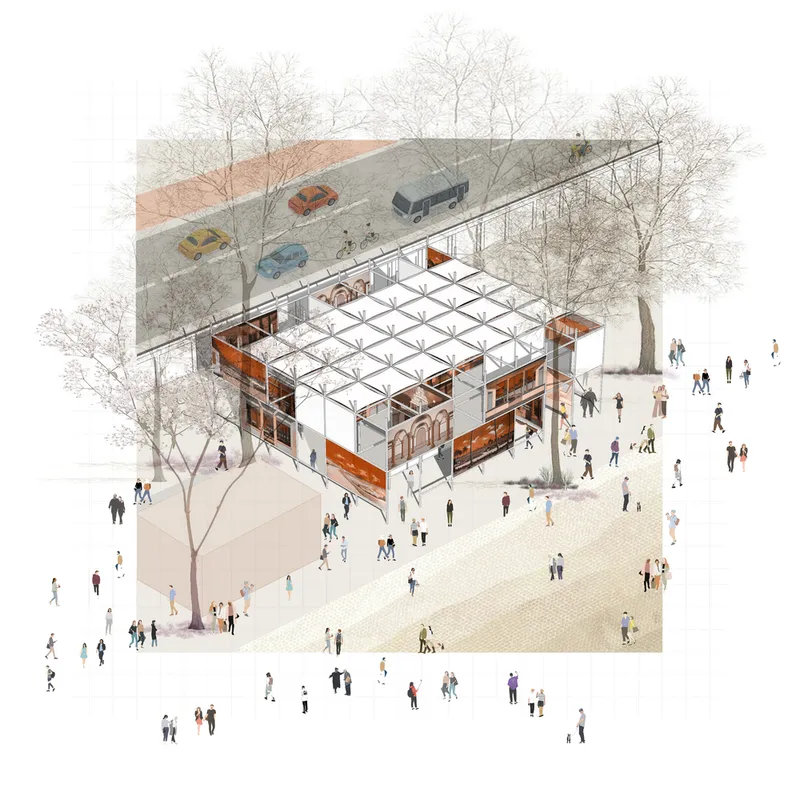
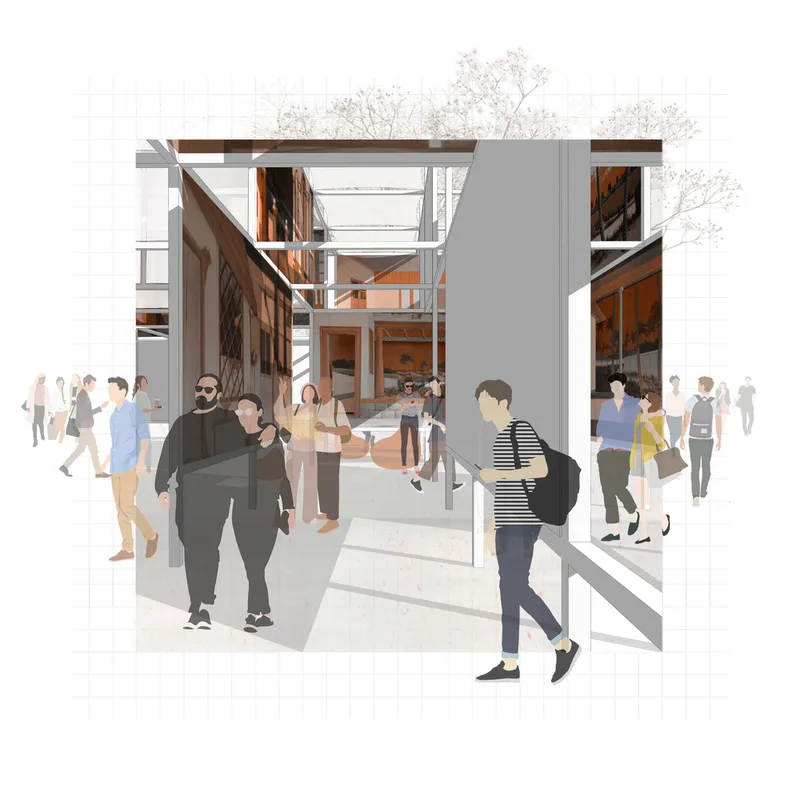
The design of the BEHIND the SCENES Pavilion is a testament to the innovative spirit of LIJO RENY architects. Resembling a bright lantern, the pavilion attracts visitors from afar, its facade integrated with drama backdrops, blurring the lines between indoor and outdoor spaces and inviting exploration.
Sustainable Materials and Construction
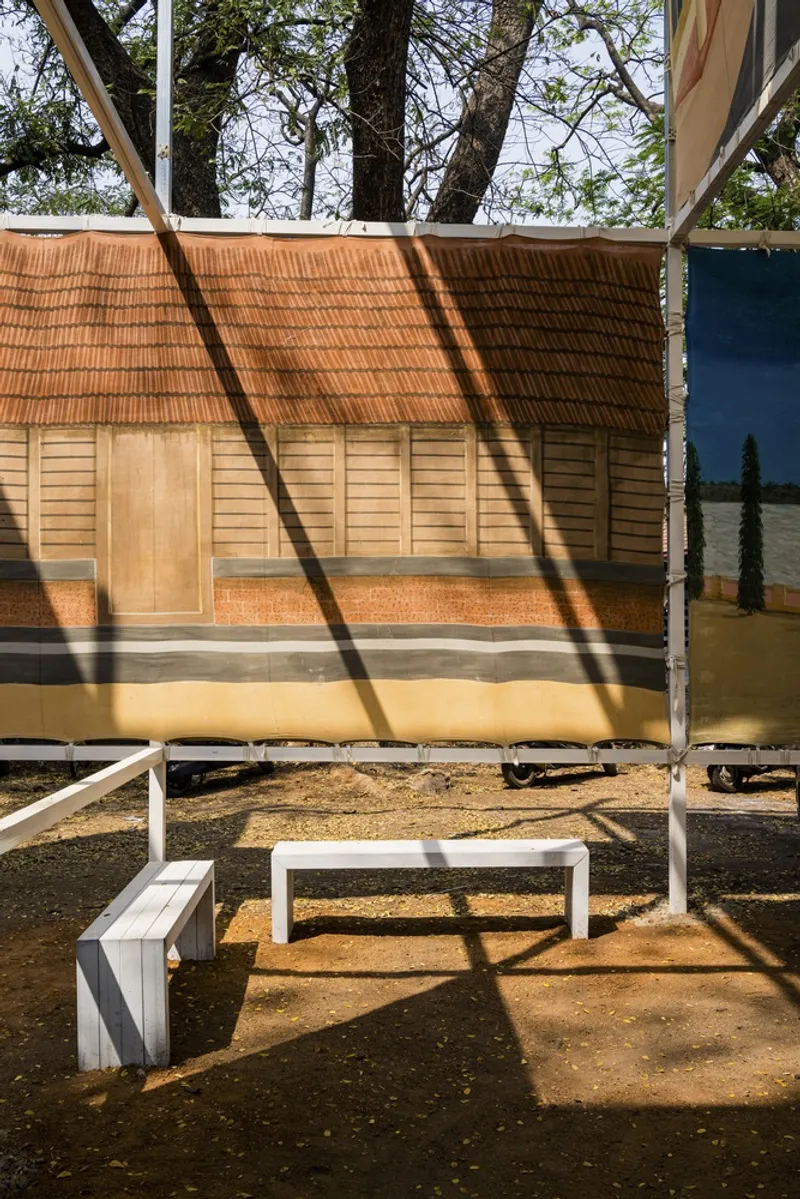
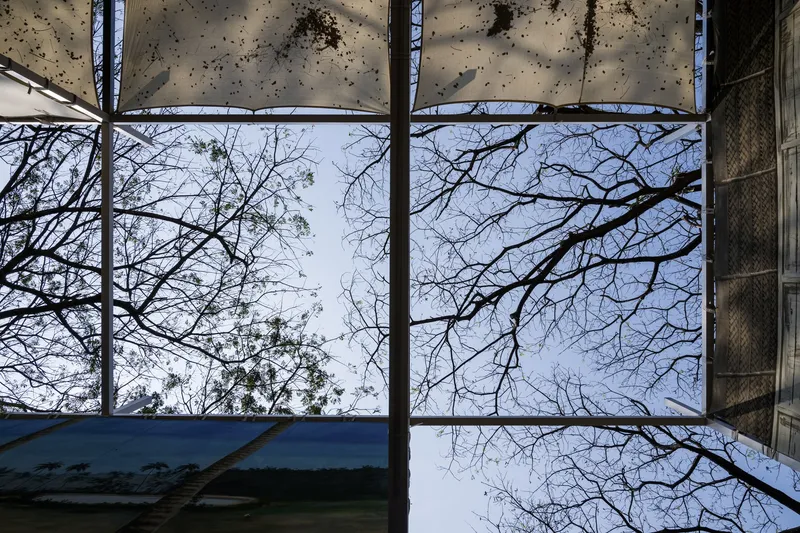
The pavilion's construction reflects a commitment to sustainability and cost-effectiveness, utilizing MS box sections and kora cotton cloth. These materials, common in theatrical productions, reinforce the cultural connection while ensuring the pavilion's light environmental footprint.
Capturing the Essence of Theatrical Tradition
The pavilion’s interior is a space where light and shadow play, mimicking the dappled light under tree canopies, a nod to traditional outdoor artist gatherings. This design element underscores the significance of cultural pavilion architecture in preserving and evoking historical and cultural narratives.
Legacy and Afterlife of the Pavilion
In a profound demonstration of sustainability, the materials used for the BEHIND the SCENES Pavilion found new life post-festival. The MS tubes were repurposed for construction within the same campus, while the white Kora cloth awaits transformation into new theatrical backdrops, embodying the cyclical nature of cultural pavilion architecture.
A New Chapter in Cultural Pavilion Architecture
The BEHIND the SCENES Pavilion by LIJO RENY architects is more than an architectural project; it is a cultural phenomenon that beautifully intertwines the legacy of traditional Kerala theatre with contemporary design principles. It stands as a paradigm of cultural pavilion architecture, reflecting the community's spirit and the transient beauty of performance art.




Popular Articles
Popular articles from the community


Play: Fragments of Their World
Familiar architecture becomes modular playground design, creating safe spaces where displaced children can learn, connect, imagine and play.

Hill & Cross Opera: Sculptural Opera House Architecture Shaped by Tallinn’s Landscape and Identity
Hill & Cross Opera reimagines opera house architecture in Tallinn through its sculptural hill, civic plaza, glass wave and a luminous cross.

Co-life: Sustainable Architecture for Age-Friendly Community Living
Co-life reimagines sustainable architecture for seniors through courtyards, rammed earth, shared gardens, and spaces designed for belonging.

Co-Life: Senior Housing Design That Reconnects Older Adults With the City
Co-Life reimagines senior housing design through healing gardens, shared streets, workshops, and a sustainable community across generations.


Similar Reads
You might also enjoy these articles


Hodi-Mandai Geram
Project Function: Preservation and revitalization of the Intangible heritage and socio-spatial identity of the Hodi by Housing, Cultural Memory Center, Sacred Grove, landscape, local tourism economy


Olio Towers: A Mid-Rise for Performers That Fuses Housing, Rehearsal, and Stage
Located blocks from Houston's Theater District, this modular tower stacks living units around a central performance atrium.

Oasis: Modular Green Housing Carved into Dhaka's Urban Fabric
A shortlisted Plugin Housing entry reclaims unauthorized settlements in Dhaka with stepped concrete volumes, green roofs, and ventilation-driven design.

Black Hole: A Floating Megastructure for the Post-Physical Era
Emiliano Mazzarotto envisions a spherical, self-scaling arena where e-sports, digital hotels, and holographic stadiums replace traditional public space.


Explore Architecture Competitions
Discover active competitions in this discipline



Challenge to reimagine the Iron Throne


Photograph architecture without architects


Illustrate the lost glory of Angkor Wat - Render Challenge


Design challenge to reuse E-waste
Comments (0)
Please login or sign up to add comments
No comments yet. Be the first to comment!