
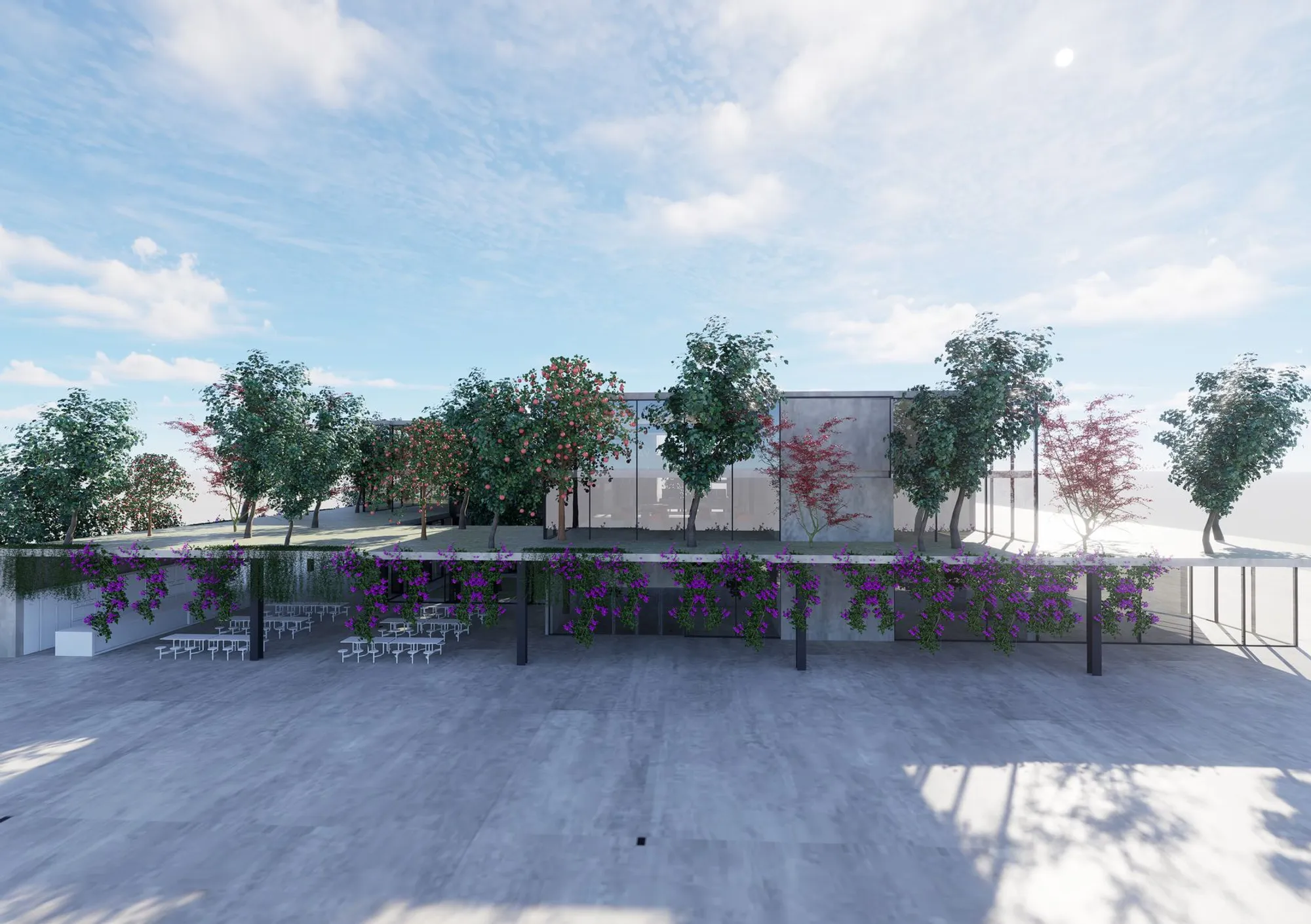
The Green Belt: A Hub for Sustainable Architecture and Community Integration
Blending nature, education, and community, The Green Belt redefines sustainable architecture with open, vibrant spaces for learning and connection.


Shortlisted Entry of - Experiential Architecture
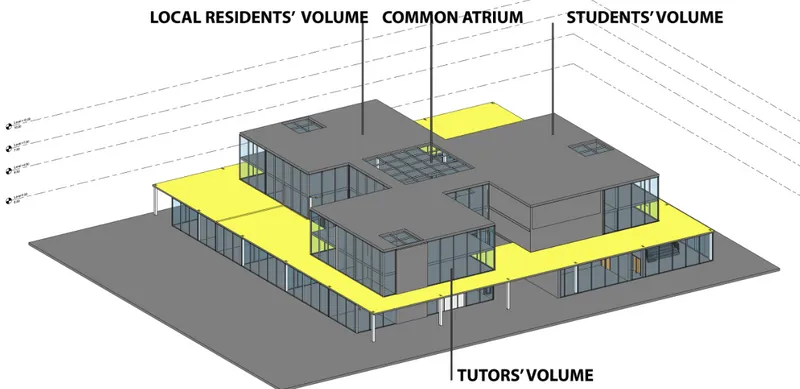
The proposed learning center, The Green Belt, embodies the essence of sustainable architecture design, seamlessly blending nature, education, and community. This innovative project integrates green spaces throughout the structure, fostering an environment where local residents, students, and tutors can connect and thrive in an interactive and experimental setting. Project by dln sns
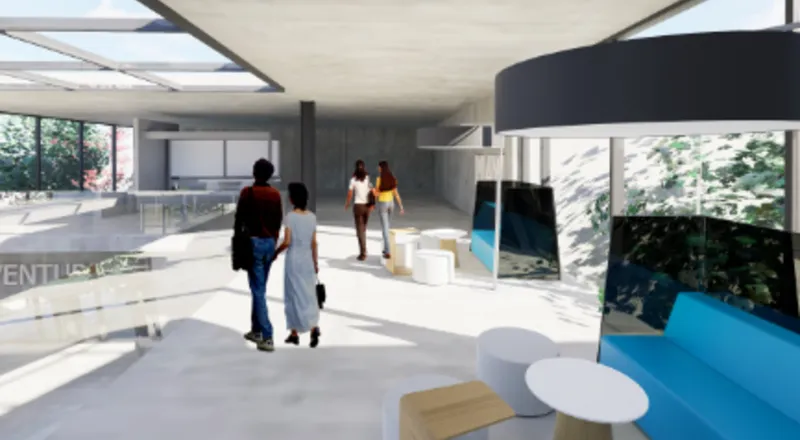
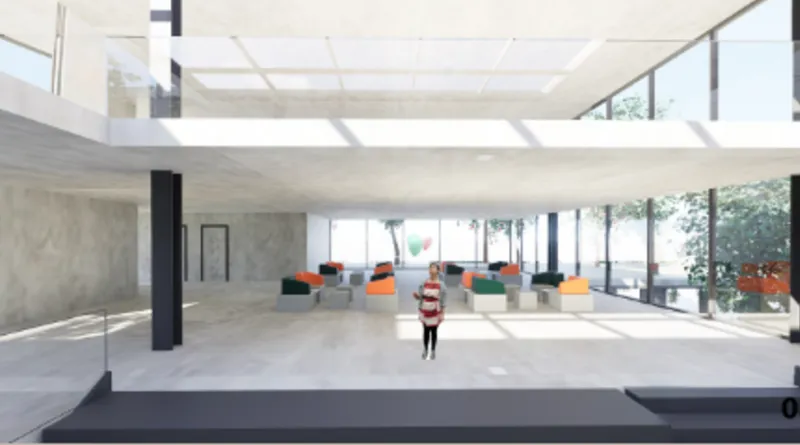
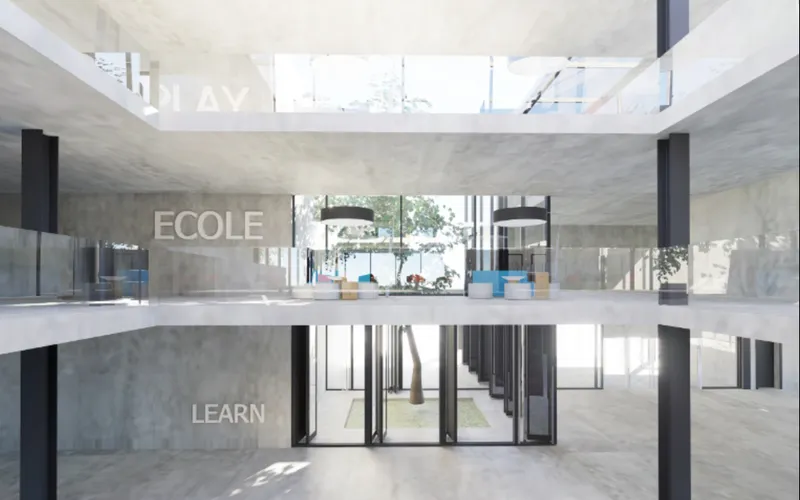
Key Features of the Green Belt:
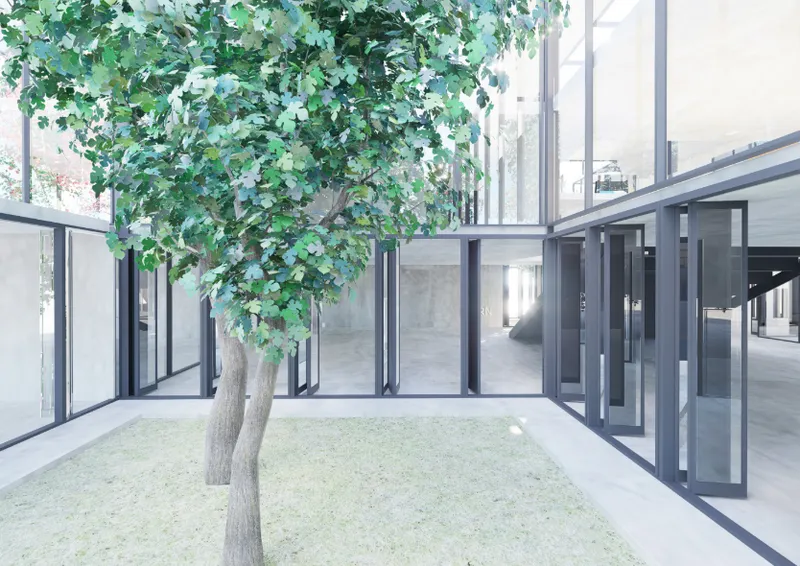
- Strategic Location (8,579 sqm)Positioned in a bustling urban area with diverse demographics.Surrounded by residential, commercial, and landscaped zones.Designed to unlock the potential of open, semi-open, and closed spaces
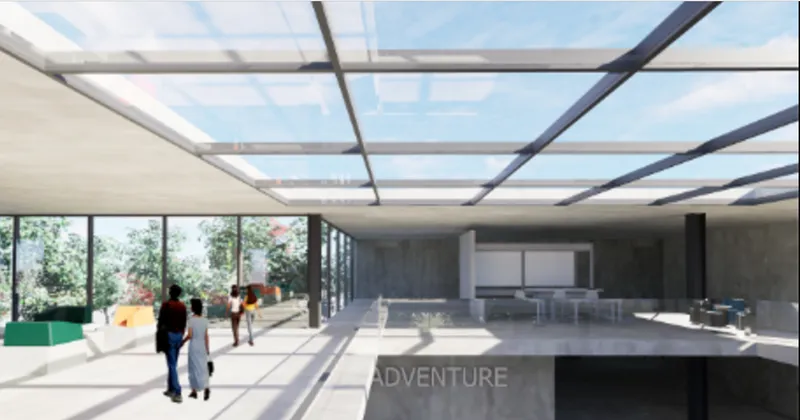
- Open and Semi-Open Design PhilosophyRetaining 50% of the site as open public space to encourage community engagement.Spaces are fluid, allowing the boundaries between open, semi-open, and closed areas to dissolve, creating dynamic interactions.
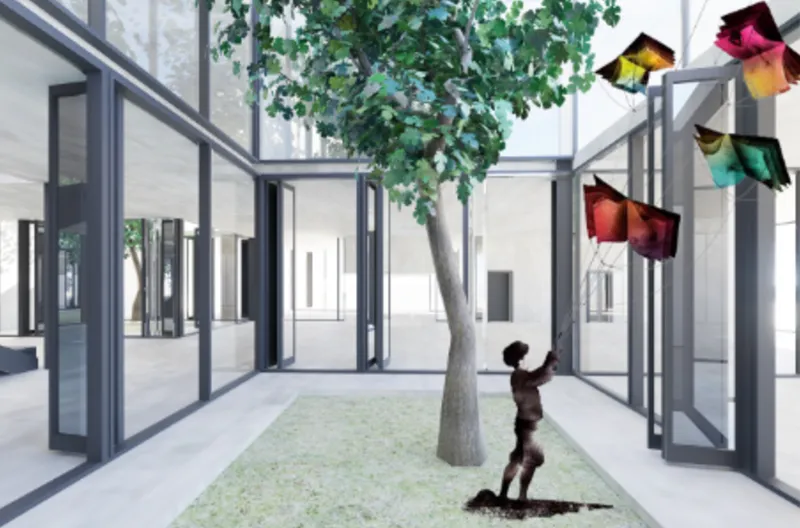
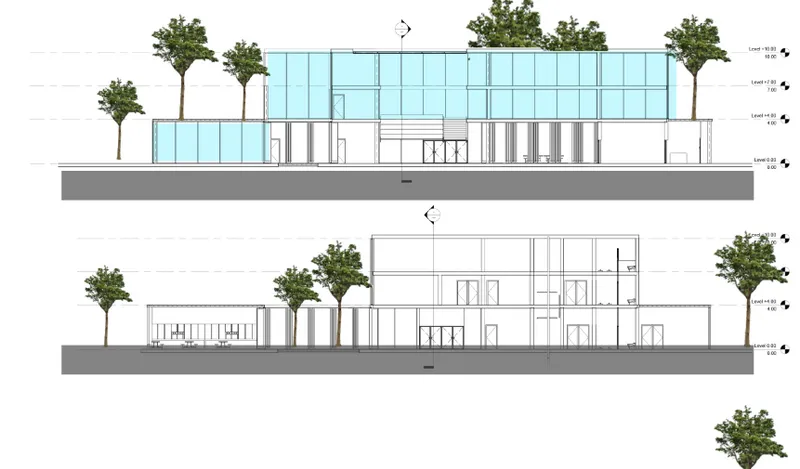
- A Green Belt at +4.00 LevelThe raised green belt not only connects the building’s interior and exterior but also acts as a unifying element between its three volumes—students, tutors, and locals.The belt extends greenery vertically, adding layers of ecological and spatial depth.
- Central Glass VolumeThe glass atrium serves as the building's heart, promoting natural light and fostering visual transparency.It enhances connectivity between the three functional volumes while preserving a vibrant interior-exterior synergy.
- Community-Centric ApproachThe structure prioritizes experiential learning and sustainable living, using green patterns and open spaces to create an inclusive environment for locals and visitors alike.



Popular Articles
Popular articles from the community


The Musturak Paradise: Senior Living Architecture for a Connected Future in Temara, Morocco
The Musturak Paradise reimagines senior living architecture in Temara via private homes, social spaces, culture, community, and shared care.

Play: Fragments of Their World
Familiar architecture becomes modular playground design, creating safe spaces where displaced children can learn, connect, imagine and play.

The Earth Pod: 3D Printed Homes for Resilient Refugee Communities
The Earth Pod reimagines refugee housing through 3D printed homes made from clay, combining resilience, self-sufficiency, and rapid shelter.

Co-Life: Senior Housing Design That Reconnects Older Adults With the City
Co-Life reimagines senior housing design through healing gardens, shared streets, workshops, and a sustainable community across generations.
Similar Reads
You might also enjoy these articles


Hodi-Mandai Geram
Project Function: Preservation and revitalization of the Intangible heritage and socio-spatial identity of the Hodi by Housing, Cultural Memory Center, Sacred Grove, landscape, local tourism economy


Olio Towers: A Mid-Rise for Performers That Fuses Housing, Rehearsal, and Stage
Located blocks from Houston's Theater District, this modular tower stacks living units around a central performance atrium.

Oasis: Modular Green Housing Carved into Dhaka's Urban Fabric
A shortlisted Plugin Housing entry reclaims unauthorized settlements in Dhaka with stepped concrete volumes, green roofs, and ventilation-driven design.

Black Hole: A Floating Megastructure for the Post-Physical Era
Emiliano Mazzarotto envisions a spherical, self-scaling arena where e-sports, digital hotels, and holographic stadiums replace traditional public space.

Explore Green Building Competitions
Discover active competitions in this discipline



Challenge to design public laboratory


Challenge to reimagine the Iron Throne


Photograph architecture without architects


Illustrate the lost glory of Angkor Wat - Render Challenge
Comments (0)
Please login or sign up to add comments
No comments yet. Be the first to comment!