
The MAP Administrative House of the Province of Namur: A Model of Sustainable Office Building Design
A cutting-edge, BREEAM Outstanding certified office building that exemplifies sustainable design, natural ventilation, and material innovation in Namur, Belgium.


A Bold Architectural Statement Rooted in Sustainability and Functionality
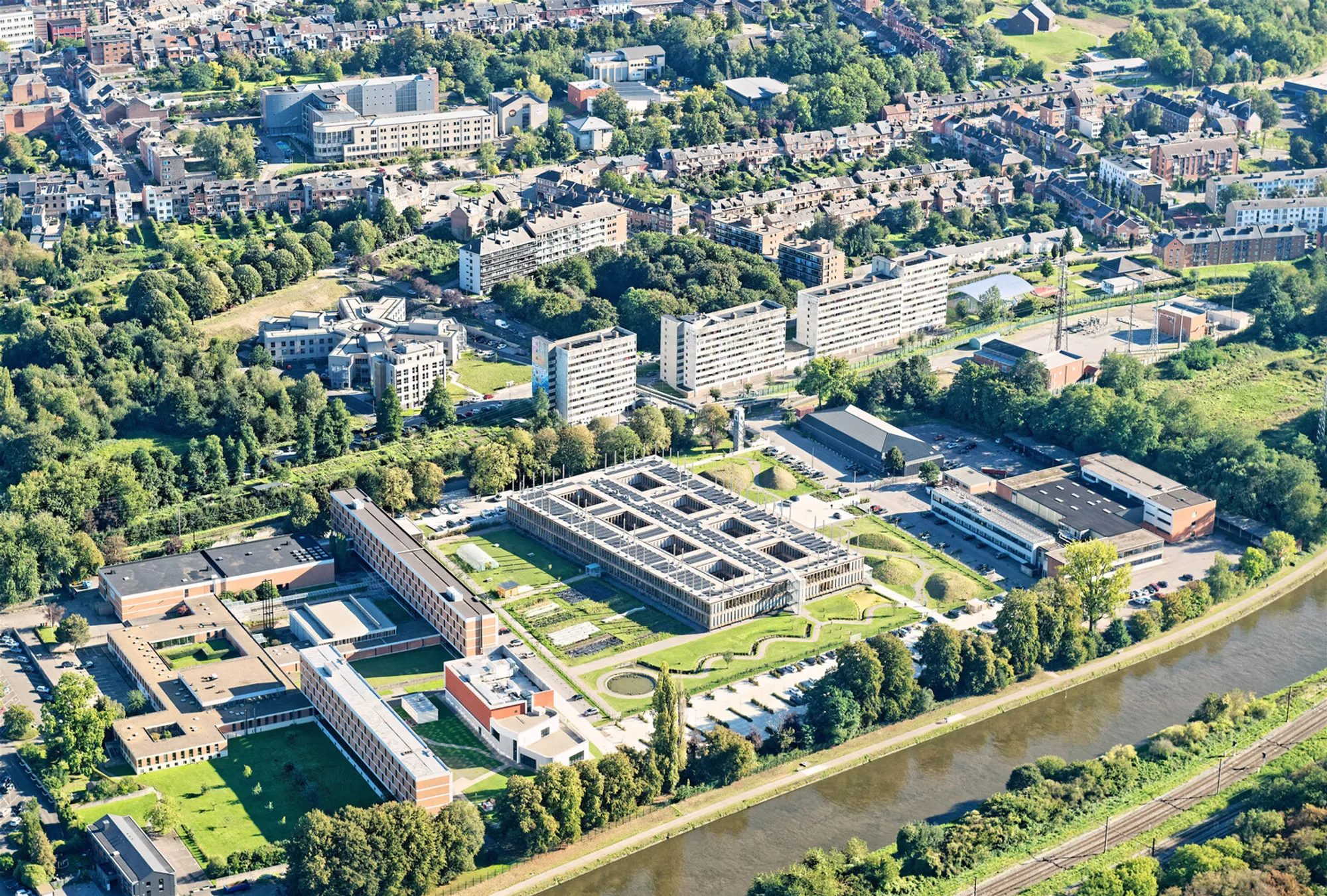
The MAP Administrative House in Namur, Belgium, designed by Philippe Samyn and Partners, represents a new standard in sustainable office building design. Completed in 2021, this 10,133-square-meter structure centralizes the Province of Namur’s administrative services in a single, innovative building located in Salzinnes along the Sambre River. Rather than situating itself in the traditional downtown core, the project takes a forward-thinking stance by embracing a location that encourages ecological balance and thoughtful urban integration.
Environmental Excellence with BREEAM Outstanding Certification
This project achieved an exceptional environmental performance, earning a BREEAM Outstanding certification with an impressive score of 93.53%. This accolade reflects a holistic approach to sustainability, encompassing energy efficiency, material use, indoor environmental quality, and water conservation. The building’s design rigorously adheres to these principles, demonstrating how public infrastructure can lead by example in ecological stewardship.
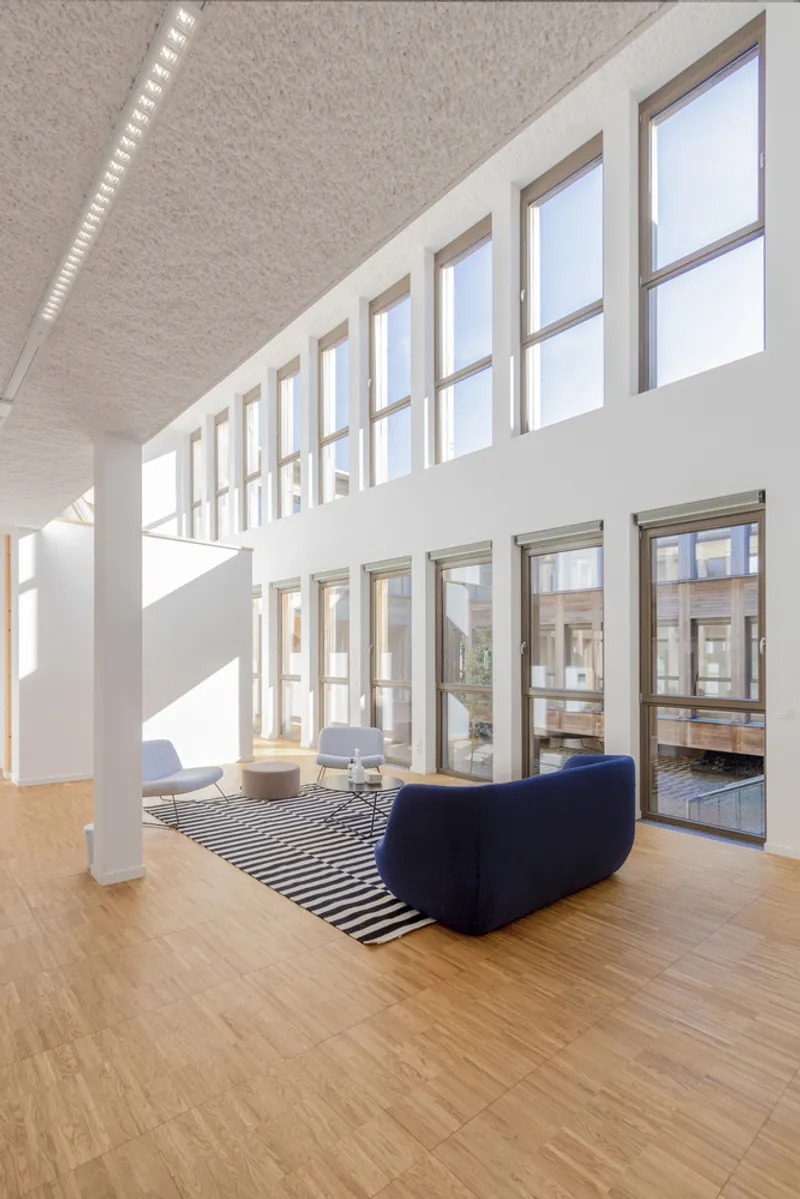
Design and Structure Promoting Natural Light and Ventilation
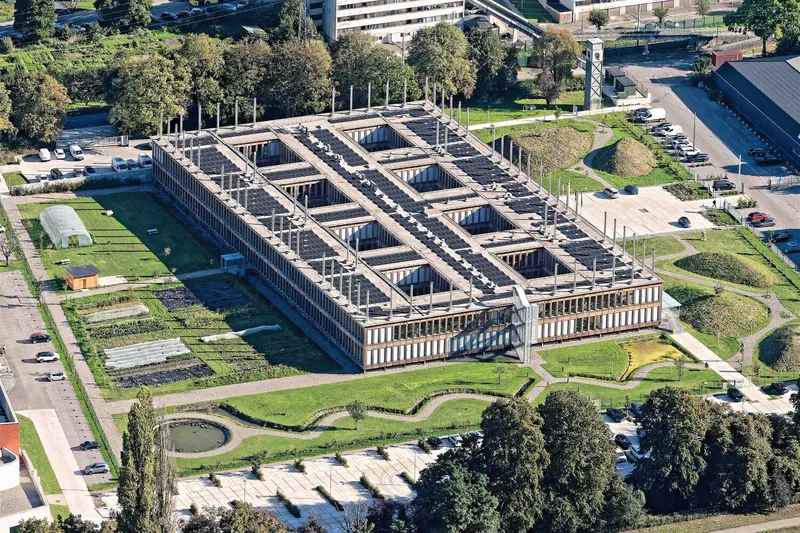
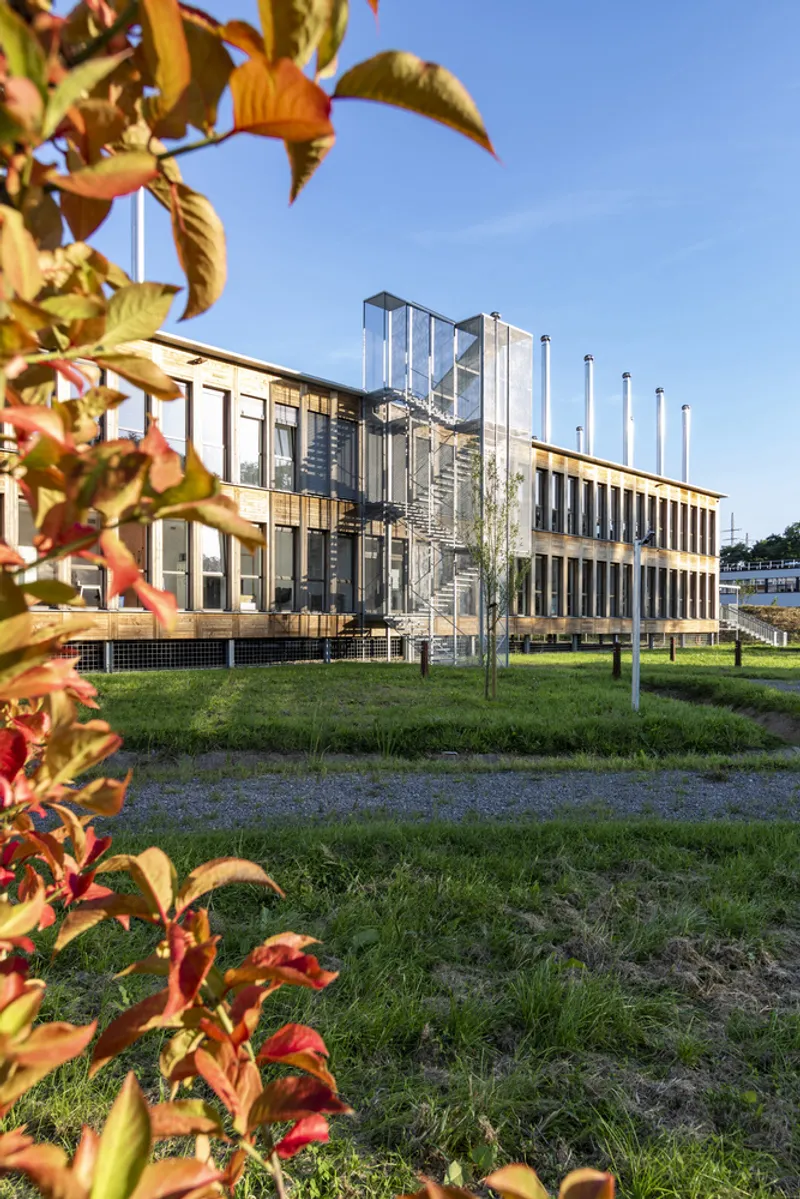
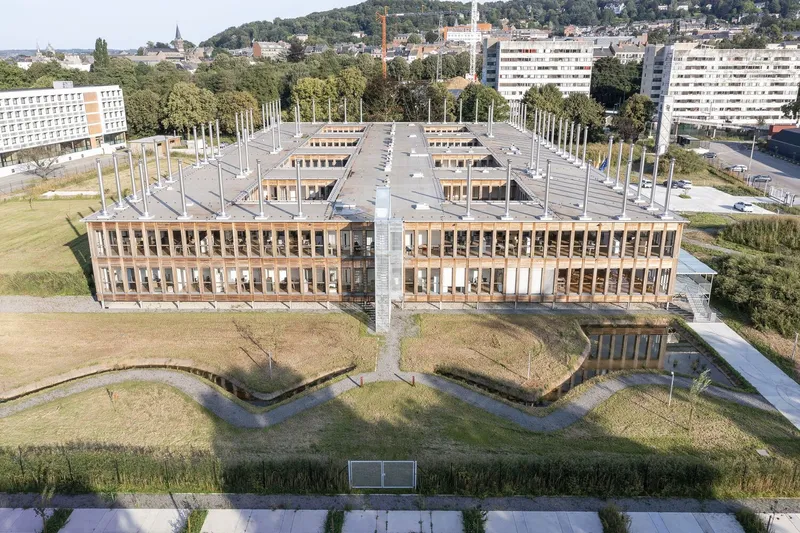
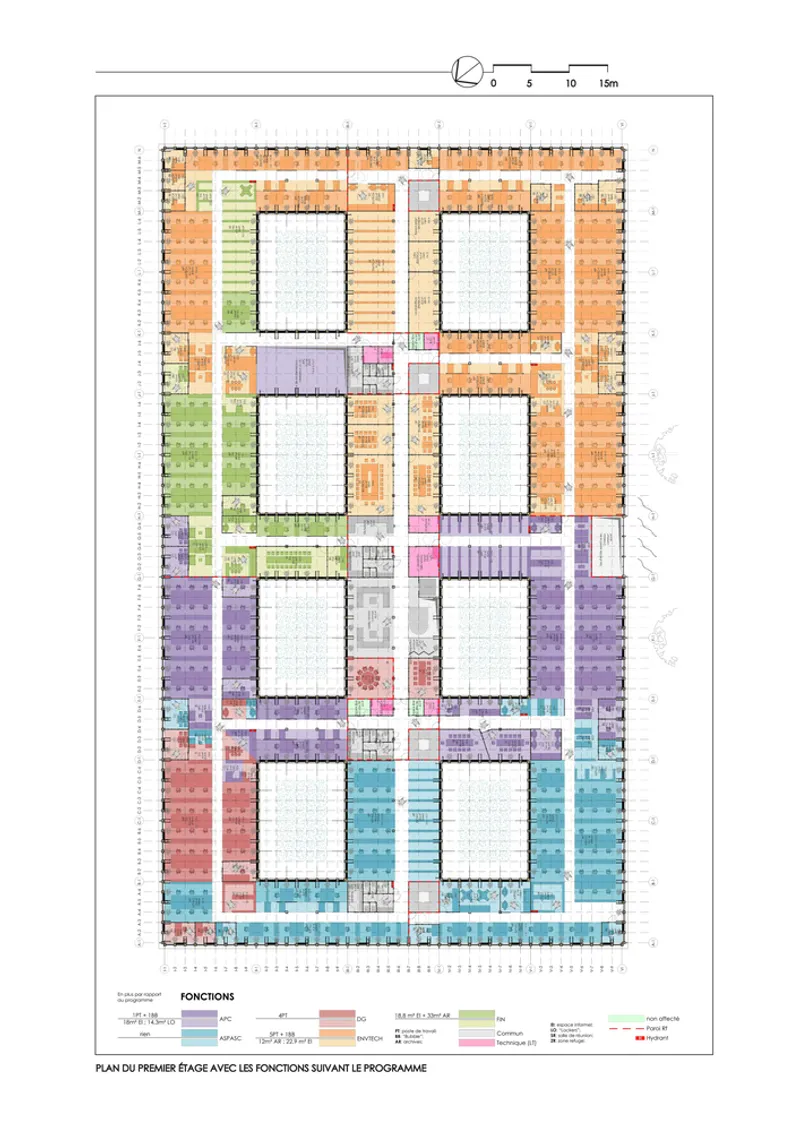
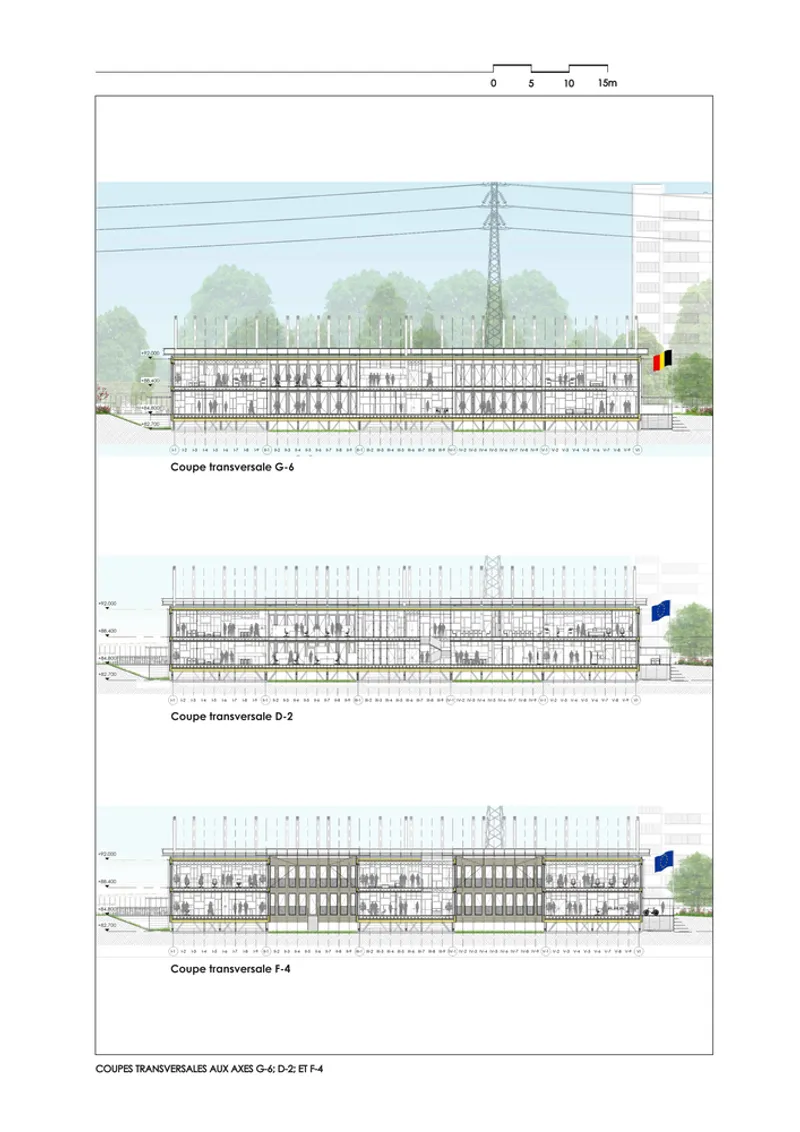
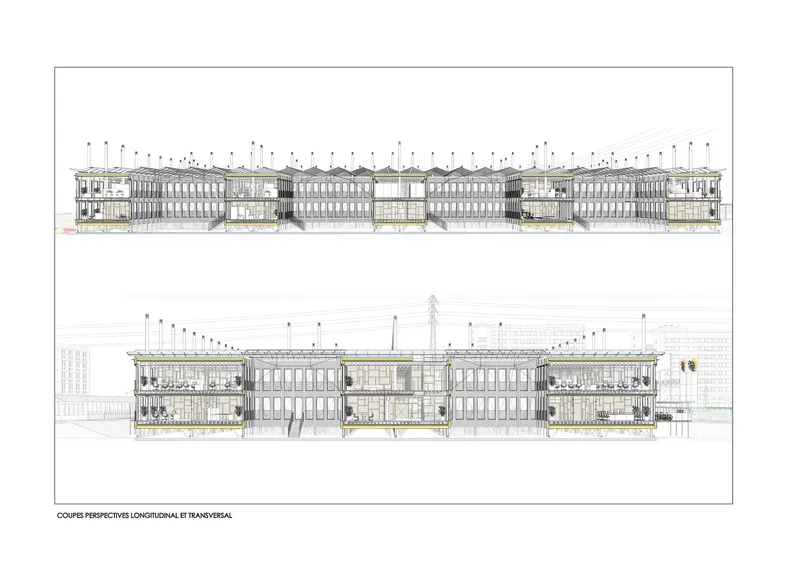
The MAP building is a monumental rectangle measuring 106.2 by 61.65 meters and organized around eight rectangular courtyards. This thoughtful layout maximizes natural light penetration and cross ventilation throughout the entire workspace. The building boasts 74 natural-draft chimneys on its roof that enhance air circulation, contributing to superior indoor air quality and occupant comfort.
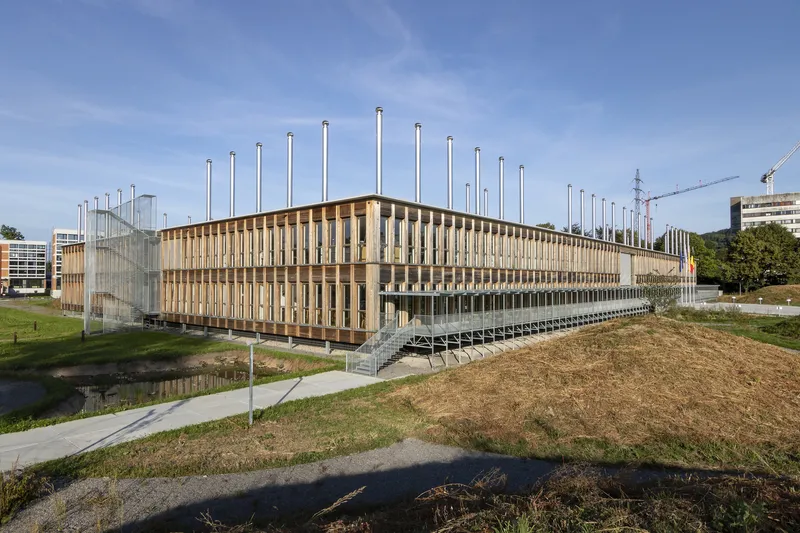
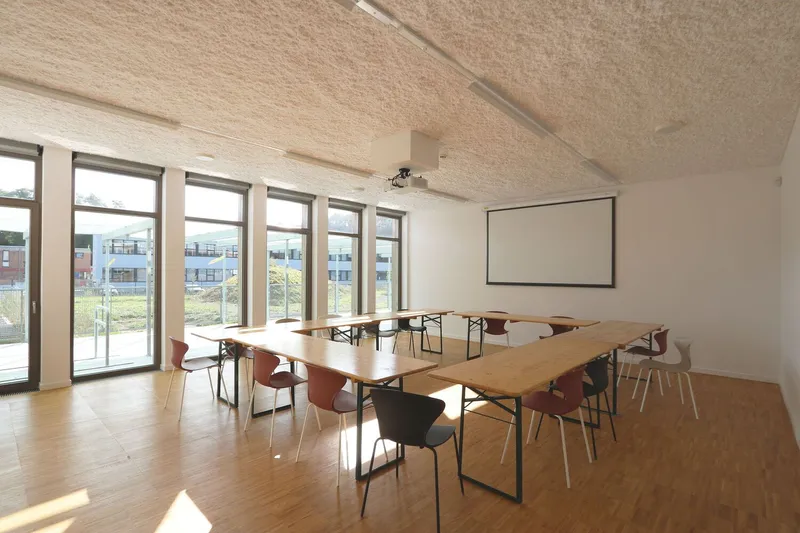
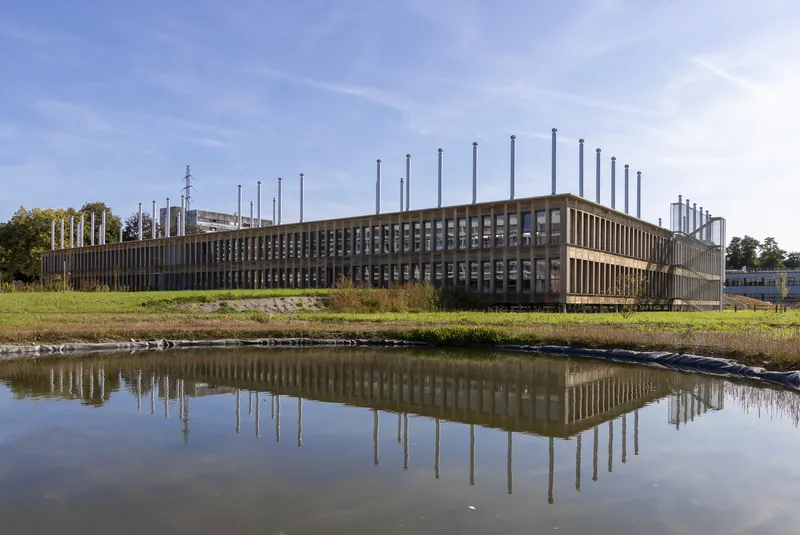
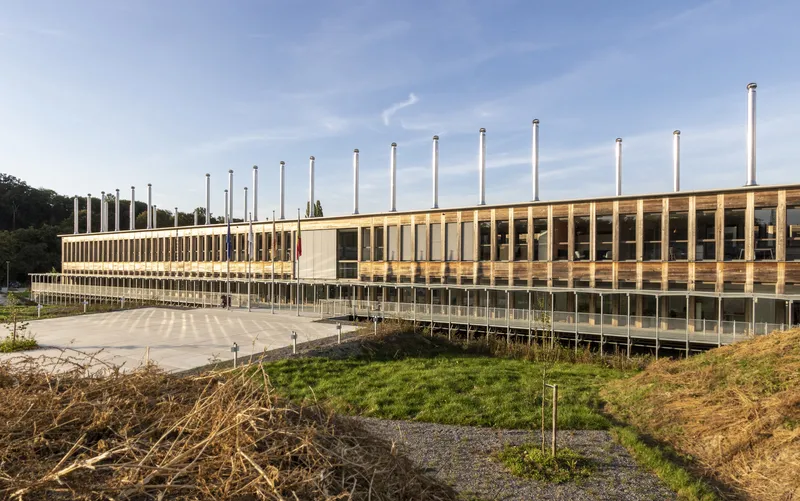
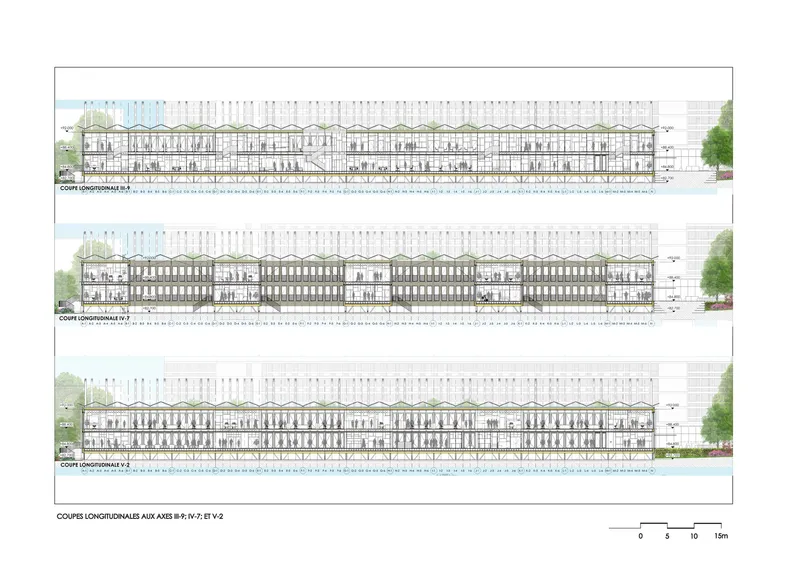
Constructed entirely from wood, the two-story structure rests on stilts supported by hot-dip galvanized steel beams, elevating it above potential flood levels from the nearby river. The façades balance large floor-to-ceiling windows with solid piers, producing a calm, rhythmic exterior that harmonizes with the surrounding environment.
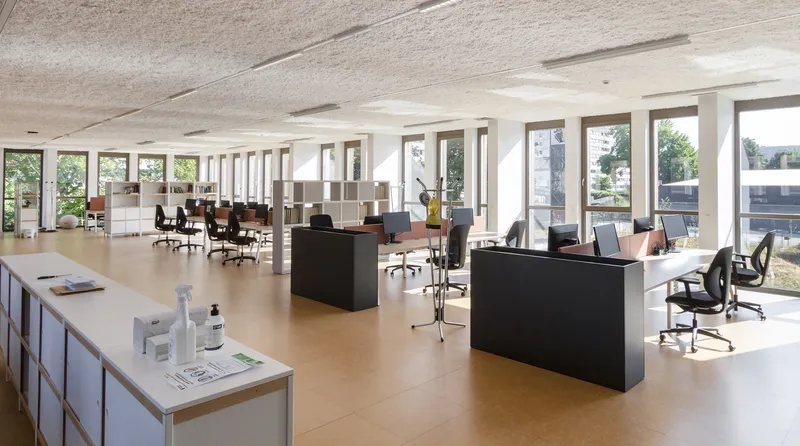
Creating a Healthy and Comfortable Work Environment
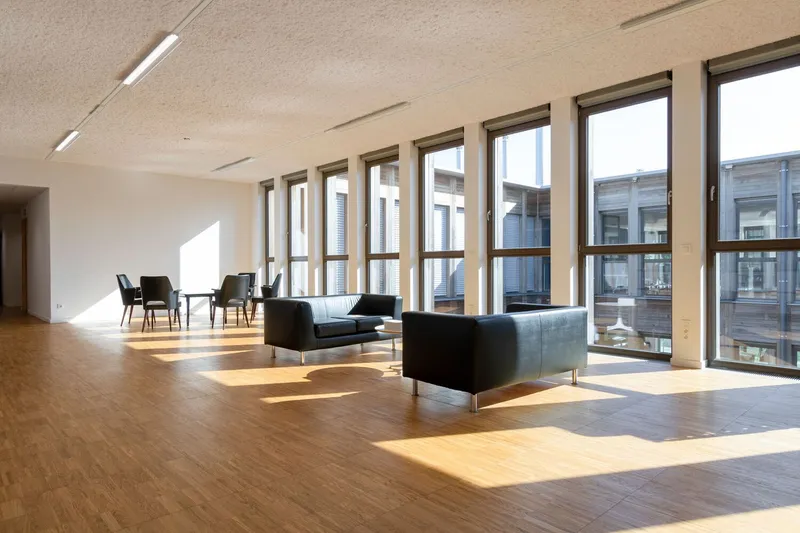
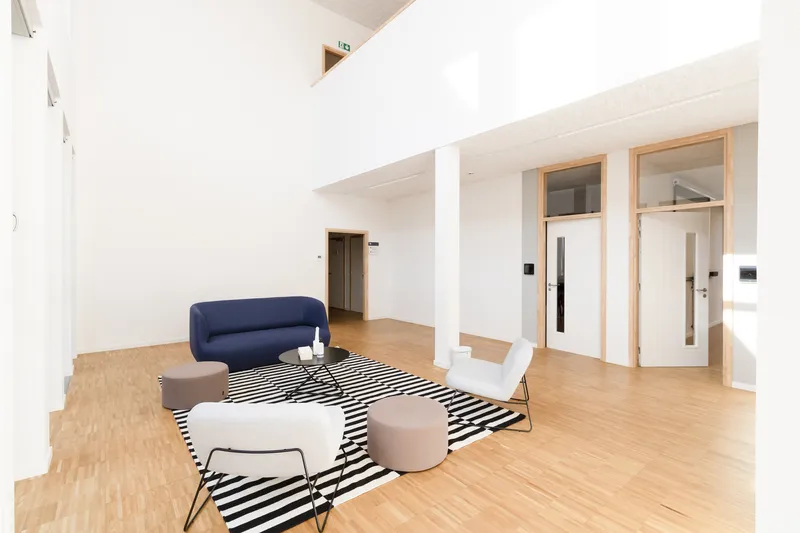
The design places occupant wellbeing at its core. High ceilings of 3 meters combined with narrow floor plates (8.10 m and 12.15 m) flood interiors with daylight, reducing reliance on artificial lighting. A natural ventilation system blends rooftop chimneys with operable window ventilators to maintain exceptional air quality without excessive energy consumption.
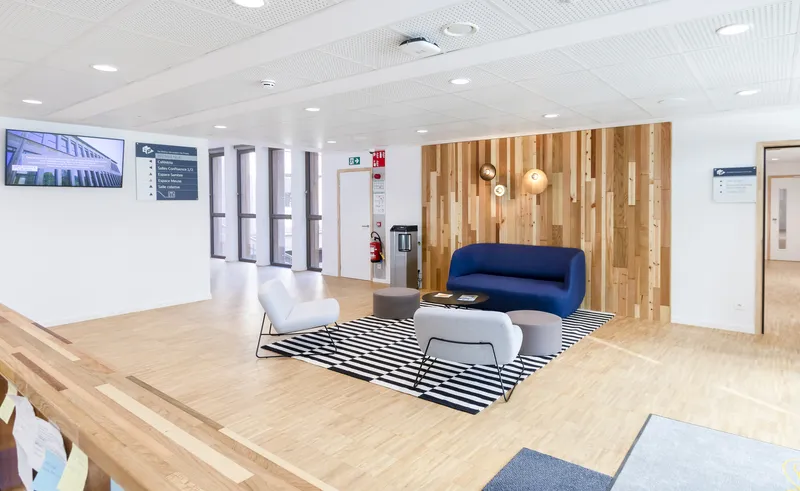
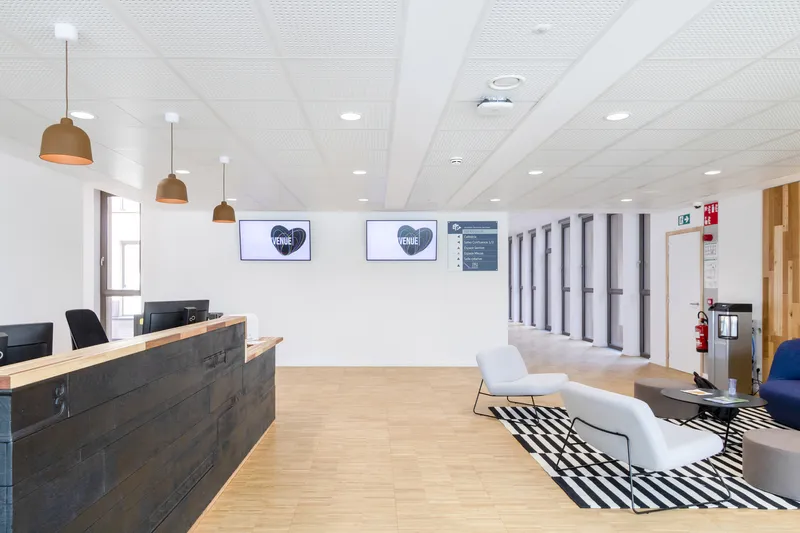
Acoustically, the building excels through the use of cellulose-based ceiling insulation and a carefully balanced mix of materials in the wooden floors to control noise and reverberation, creating a calm, productive atmosphere.
Innovative Use of Materials and Circular Construction
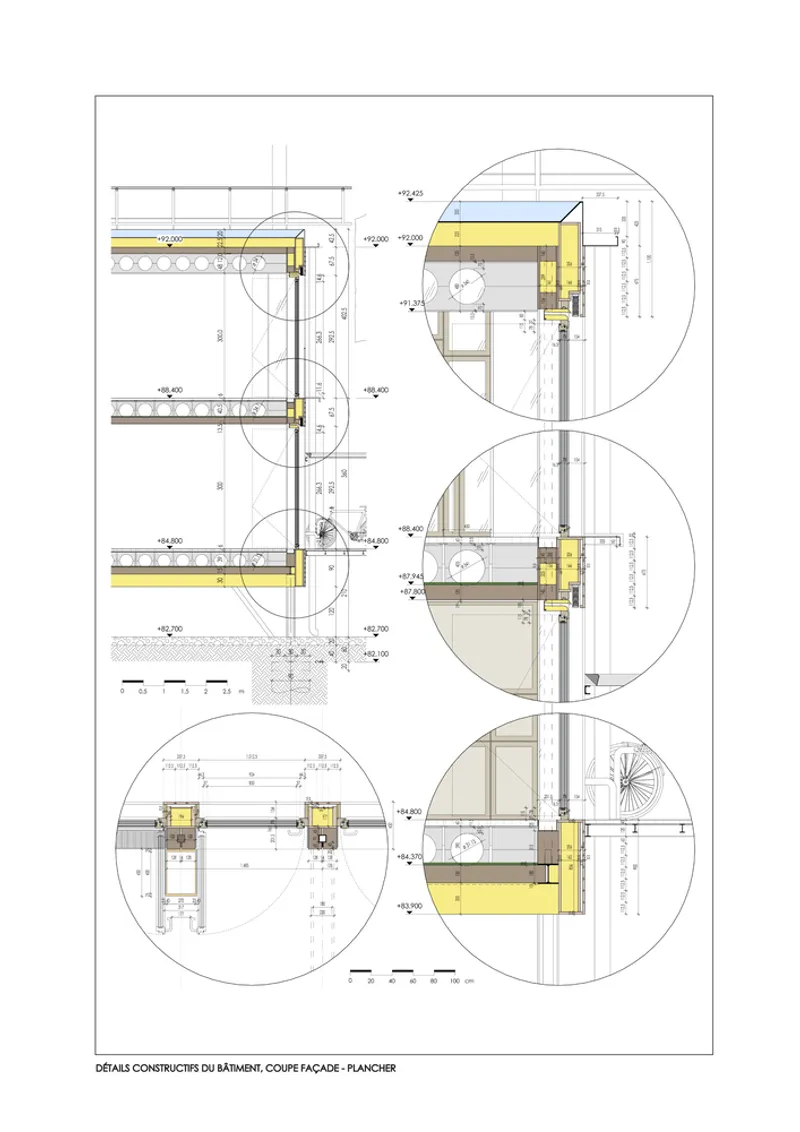
The MAP Administrative House showcases the innovative use of locally sourced, sustainable materials to reduce environmental impact. The structural frame, including load-bearing piers, floors, and roof, is crafted from local softwood in solid wood box systems with robot-assembled OSB panels. The façade’s cladding uses thermally treated poplar wood, a local timber that is upcycled into a durable, high-performance material.
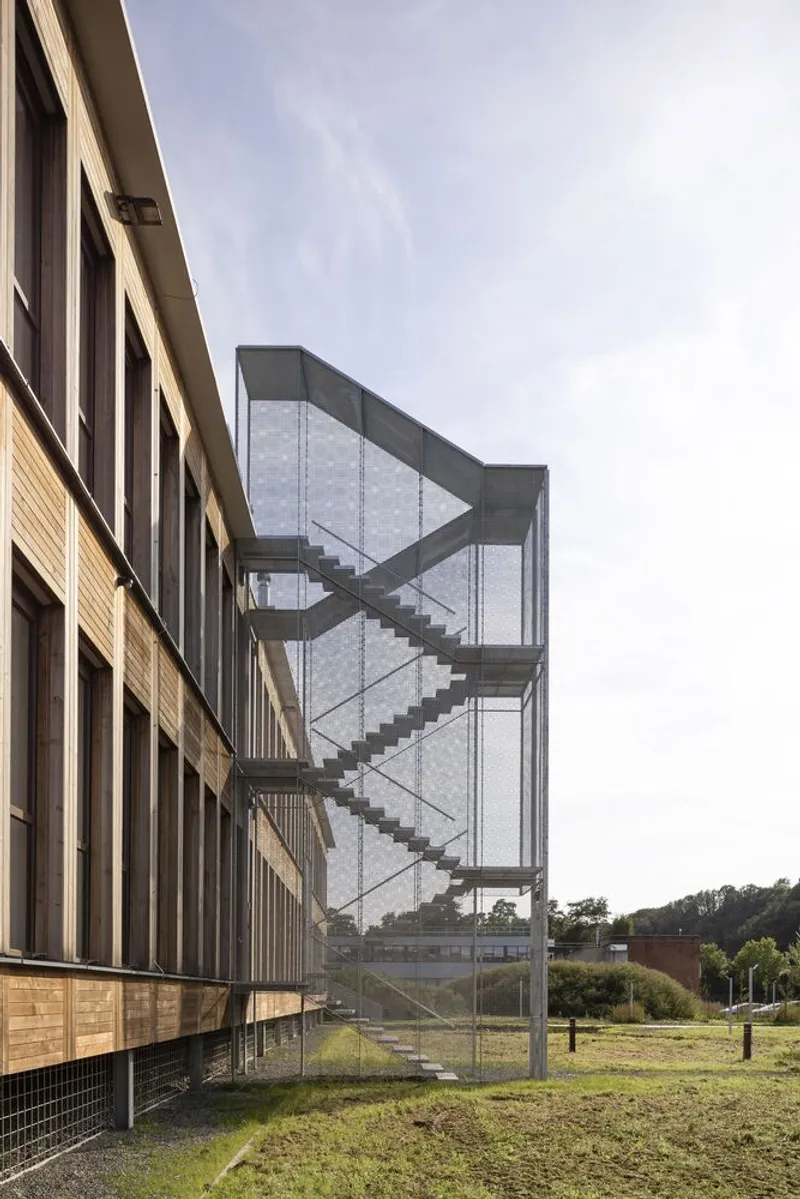
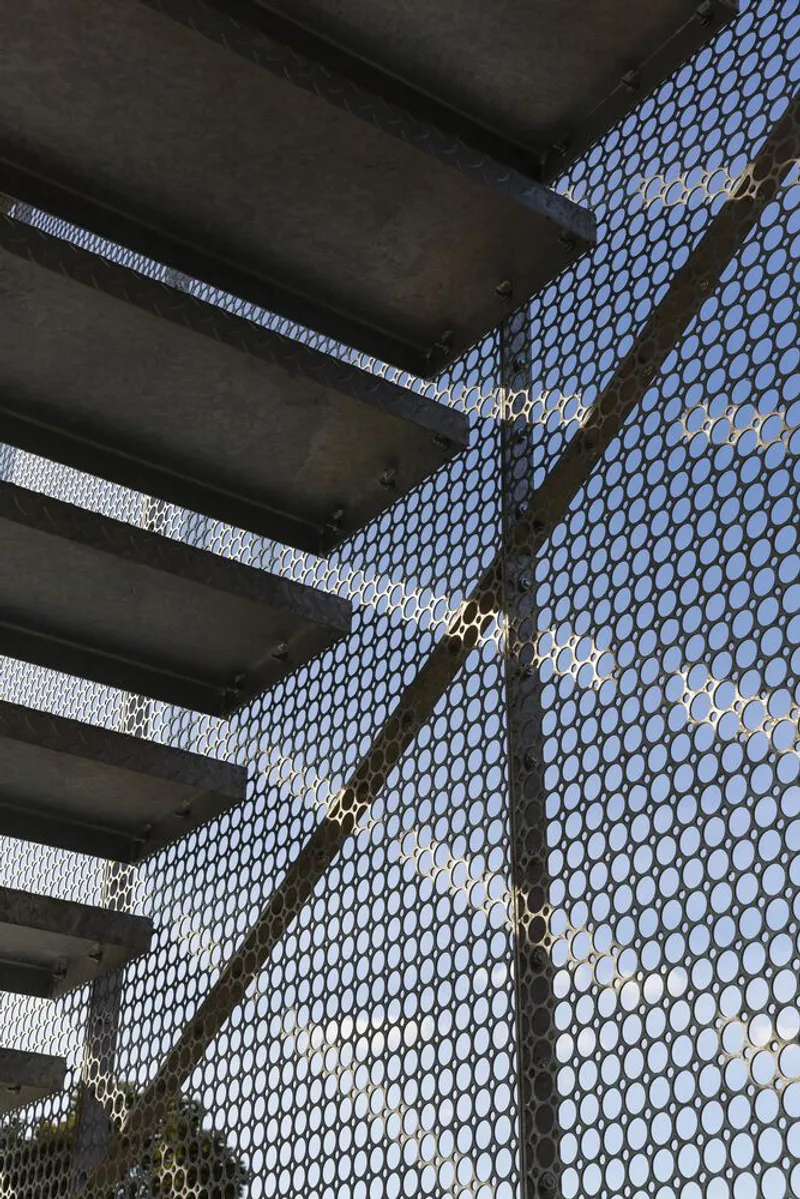
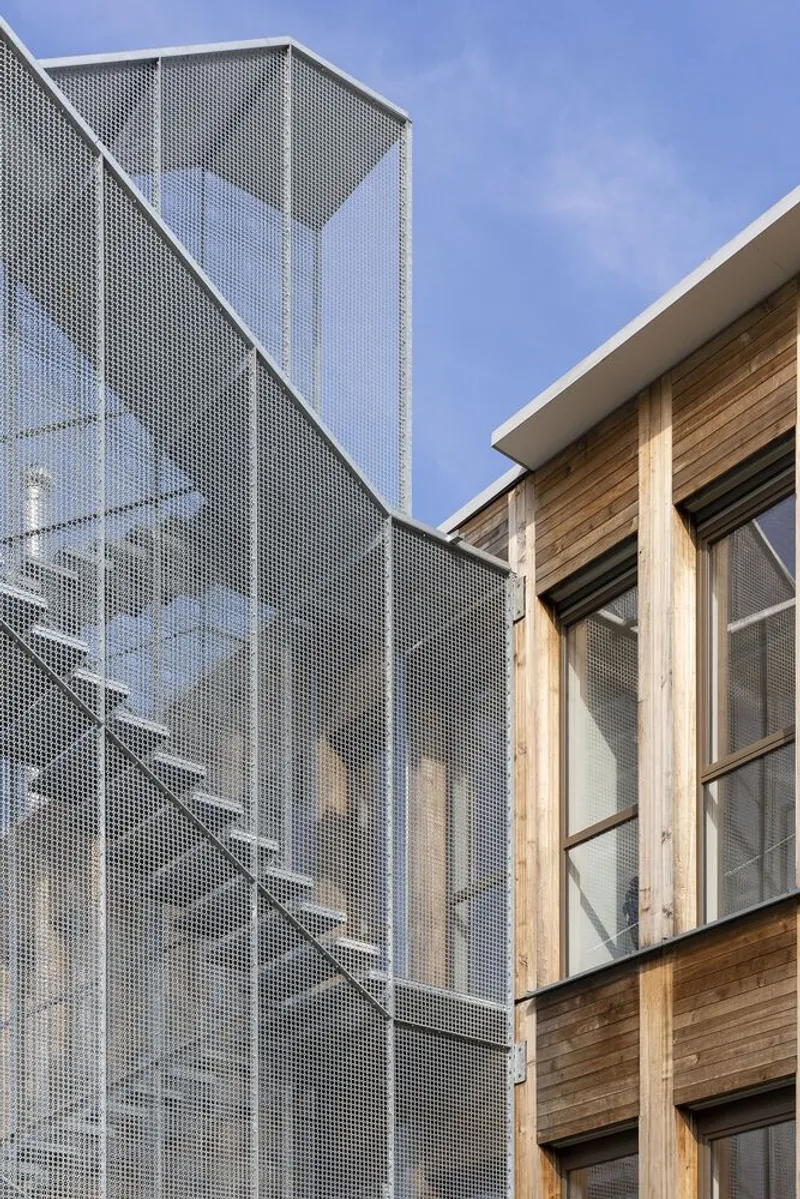
Material efficiency extends to the use of perforated galvanized steel in external stairs and canopies, oak parquet flooring, and naturally pigmented linoleum in raised floors, emphasizing durability and recyclability. The entire building was constructed with strict modularity to facilitate future adaptability and material circularity.
Sustainable Systems for Energy and Water Efficiency
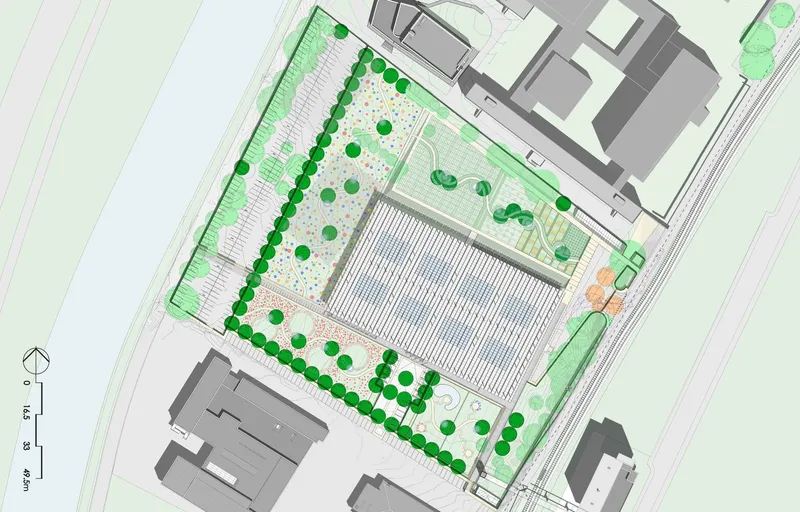
Energy needs are minimized through LED lighting, natural ventilation, and deep geothermal heating and cooling systems. Solar panels installed on the rooftop further reduce the building’s carbon footprint. Water consumption is lowered via low-flow fixtures, leak detection, and a comprehensive rainwater harvesting system. Collected rainwater is reused for toilets, outdoor fountains, and irrigation, with excess managed through a wadi and pond integrated into the landscaped gardens.
Integration with Nature and Community
Beyond environmental technologies, the project incorporates social and ecological elements, including generous green spaces dedicated to vegetable cultivation, managed by both staff and concessionary enterprises. Easy access for pedestrians and cyclists is provided, along with a new external elevator linking the site to nearby transport infrastructure.
A Vision of Resilience and Future Readiness
The MAP Administrative House exemplifies a resilient and sustainable approach to public office building design. The project’s modularity, material efficiency, and waste reduction strategies—including diverting over 95% of construction waste from landfill—set a benchmark for future government infrastructure projects worldwide. It not only meets current environmental and social standards but anticipates evolving climate and functional needs with foresight.
All Photographs are works of Quentin Olbrechts, Simon Schmitt




Popular Articles
Popular articles from the community


The Musturak Paradise: Senior Living Architecture for a Connected Future in Temara, Morocco
The Musturak Paradise reimagines senior living architecture in Temara via private homes, social spaces, culture, community, and shared care.

The Ocean Hive: Sustainable Architecture for a Self-Sufficient Civilization at Sea
The Ocean Hive imagines sustainable architecture at sea, where modular habitats, algae, wave power and ocean waste sustain a growing colony.

Lunar Spiral: Space Architecture Shaped by the Mathematics of the Universe
Lunar Spiral reimagines space architecture through Fibonacci geometry, lunar regolith, levitating habitats, and self-sustaining Moon living.

The Earth Pod: 3D Printed Homes for Resilient Refugee Communities
The Earth Pod reimagines refugee housing through 3D printed homes made from clay, combining resilience, self-sufficiency, and rapid shelter.

Similar Reads
You might also enjoy these articles


Hodi-Mandai Geram
Project Function: Preservation and revitalization of the Intangible heritage and socio-spatial identity of the Hodi by Housing, Cultural Memory Center, Sacred Grove, landscape, local tourism economy


Olio Towers: A Mid-Rise for Performers That Fuses Housing, Rehearsal, and Stage
Located blocks from Houston's Theater District, this modular tower stacks living units around a central performance atrium.

Oasis: Modular Green Housing Carved into Dhaka's Urban Fabric
A shortlisted Plugin Housing entry reclaims unauthorized settlements in Dhaka with stepped concrete volumes, green roofs, and ventilation-driven design.

Black Hole: A Floating Megastructure for the Post-Physical Era
Emiliano Mazzarotto envisions a spherical, self-scaling arena where e-sports, digital hotels, and holographic stadiums replace traditional public space.

Explore Architecture Competitions
Discover active competitions in this discipline



Challenge to reimagine the Iron Throne


Photograph architecture without architects


Illustrate the lost glory of Angkor Wat - Render Challenge


Design challenge to reuse E-waste
Comments (0)
Please login or sign up to add comments
No comments yet. Be the first to comment!