
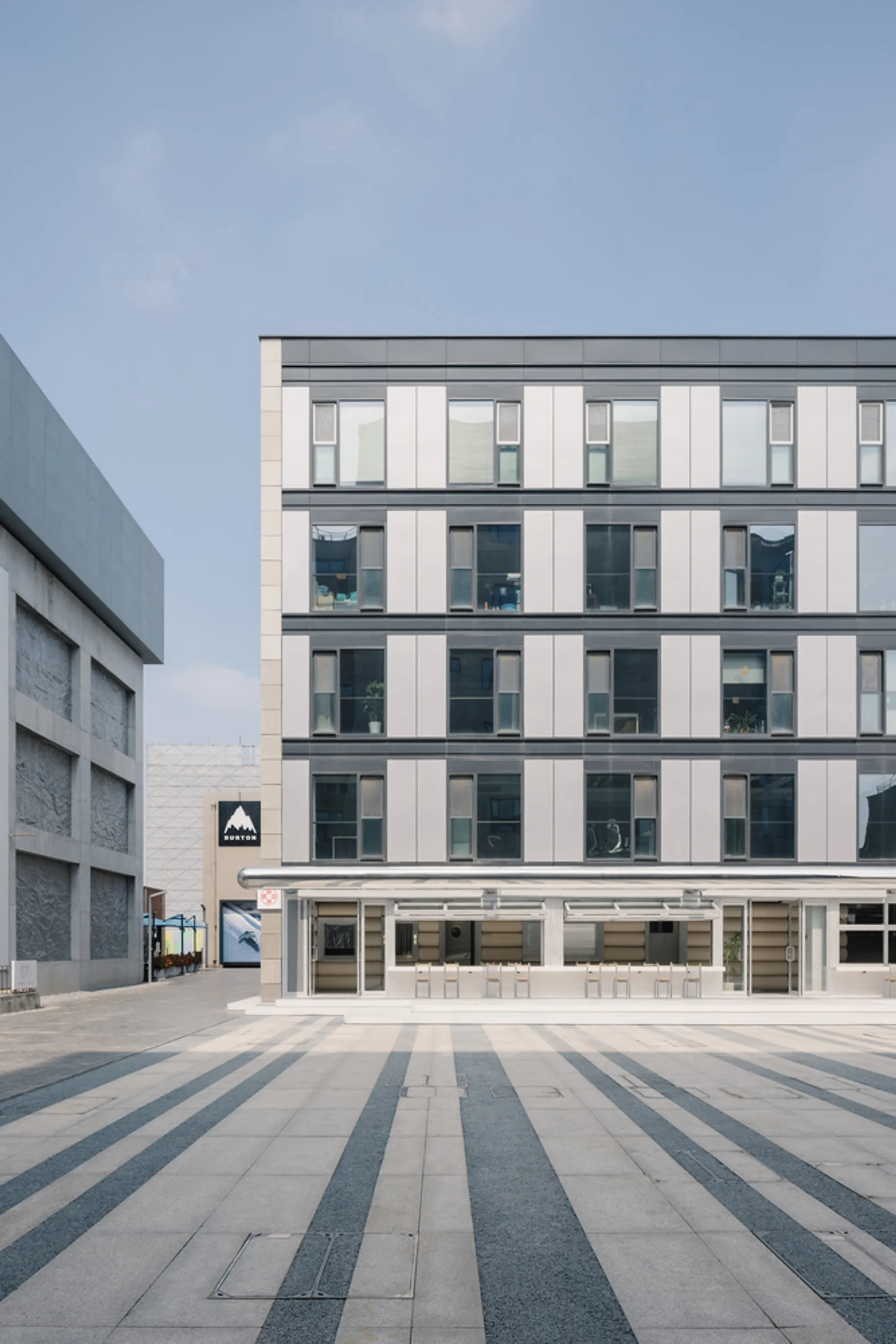
The Role of Adaptive Restaurant Design in Architecture: A Case Study of Pang Mei Noodle Bar
Discover how adaptive restaurant design transforms dining spaces, featuring Pang Mei Noodle Bar's innovative architecture blending flexibility and community.


Revolutionizing Restaurant Architecture
Modern restaurants are no longer just places to eat; they are multifunctional spaces catering to diverse needs. The concept of adaptive restaurant design in architecture has emerged as a solution to address changing customer demands and dynamic urban environments. A prime example of this innovative approach is the Pang Mei Noodle Bar in Beijing, China, designed by Office AIO. This Sichuan eatery integrates flexibility and playfulness into its architectural framework to serve a broad clientele, from office workers to theatergoers.
What is Adaptive Restaurant Design?
Adaptive restaurant design refers to architectural strategies that allow spaces to transform based on operational needs. By incorporating flexible layouts, multi-use spaces, and thoughtful integrations of indoor and outdoor environments, restaurants can enhance their functionality and customer experience.
At Pang Mei Noodle Bar, adaptive design enables seamless transitions between different dining modes, making it a model for urban eateries.
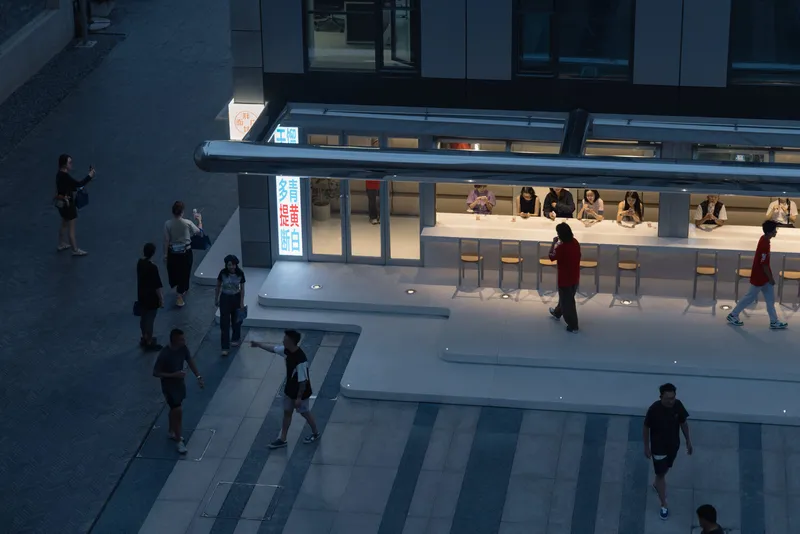
Case Study: Pang Mei Noodle Bar
Context and Location
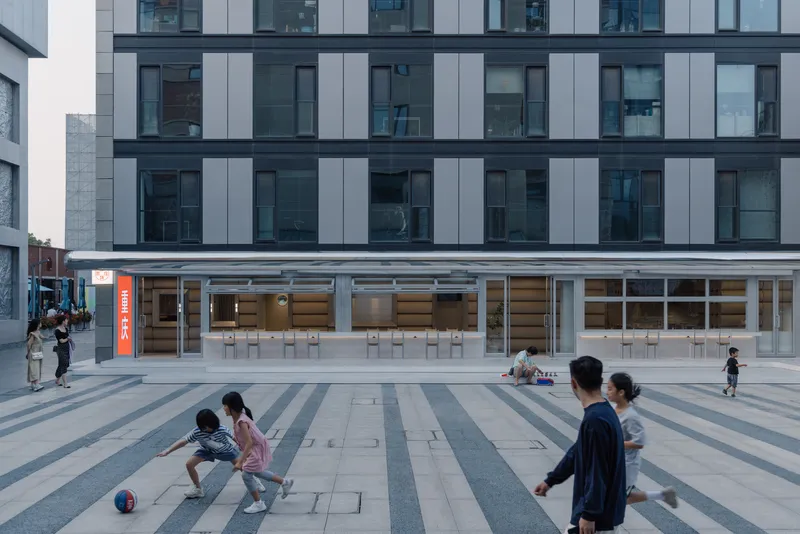
Nestled in Beijing's cultural hub, Pang Mei Noodle Bar is part of a commercial complex surrounded by hutongs, theaters, and museums. The location naturally attracts a diverse mix of patrons, including nearby office workers and visitors exploring cultural establishments.
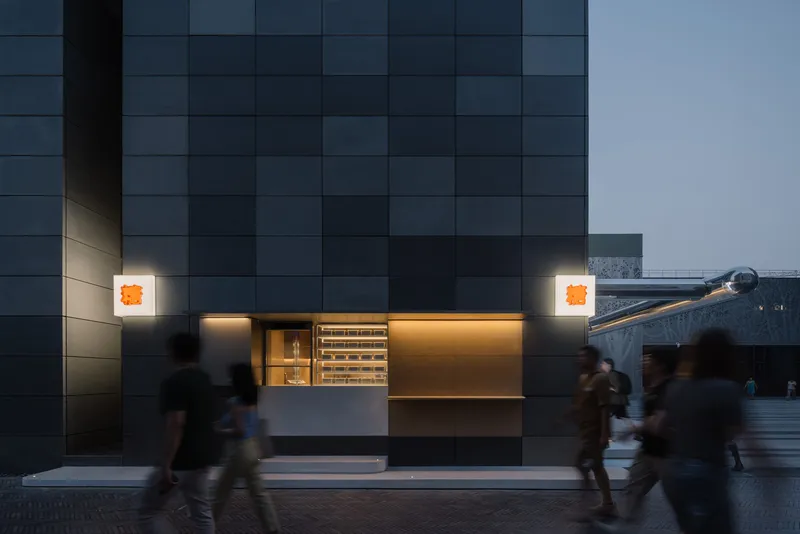
Architectural Challenges
The design needed to address:
- Hybrid operations: Catering to grab-and-go customers, solo diners, and large groups.
- Space flexibility: Adapting to peak and off-peak hours.
- Community integration: Blurring the boundaries between the restaurant and its urban surroundings.
Design Features of Pang Mei Noodle Bar
1. A Facade for Interaction
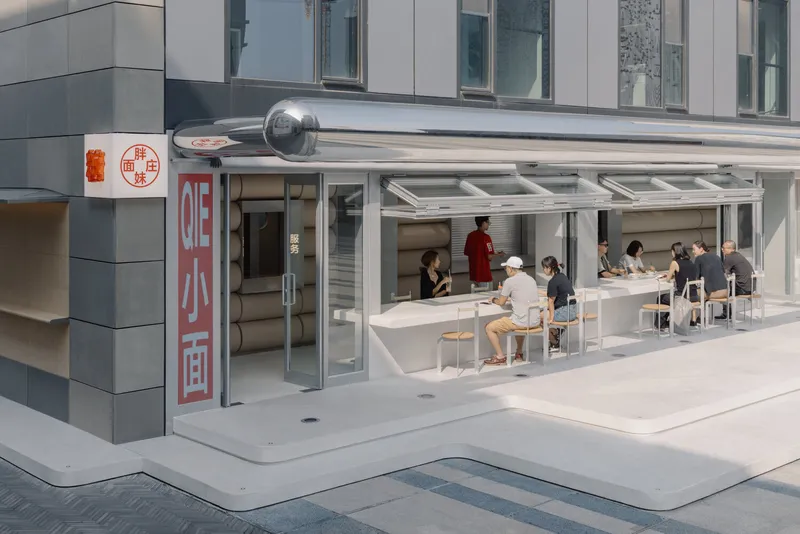
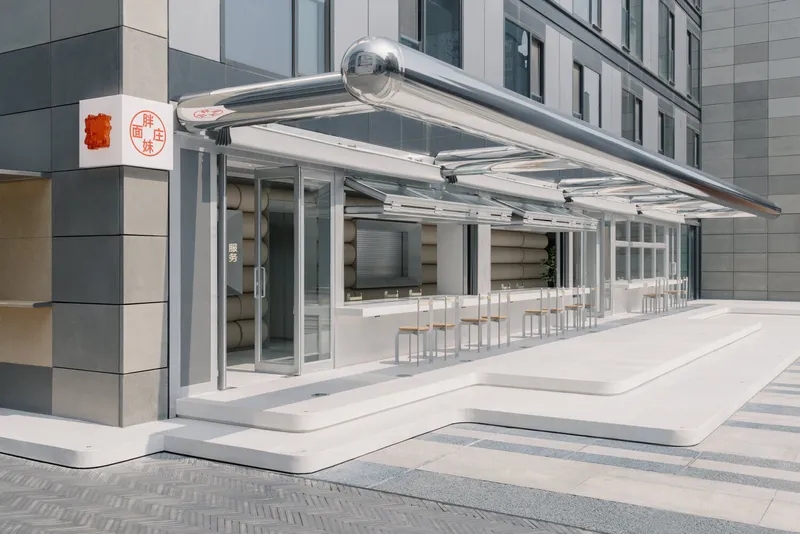
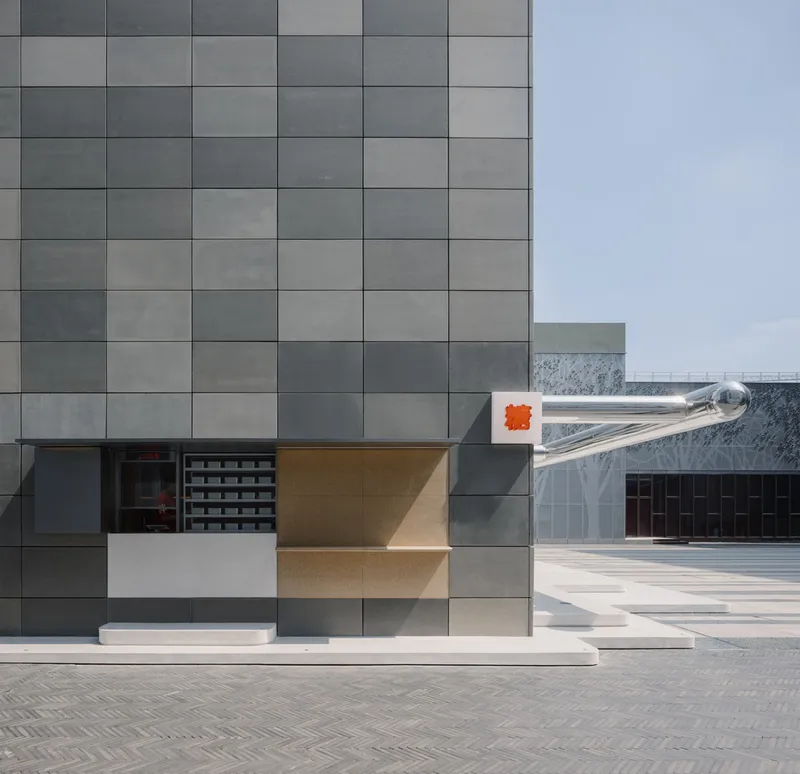
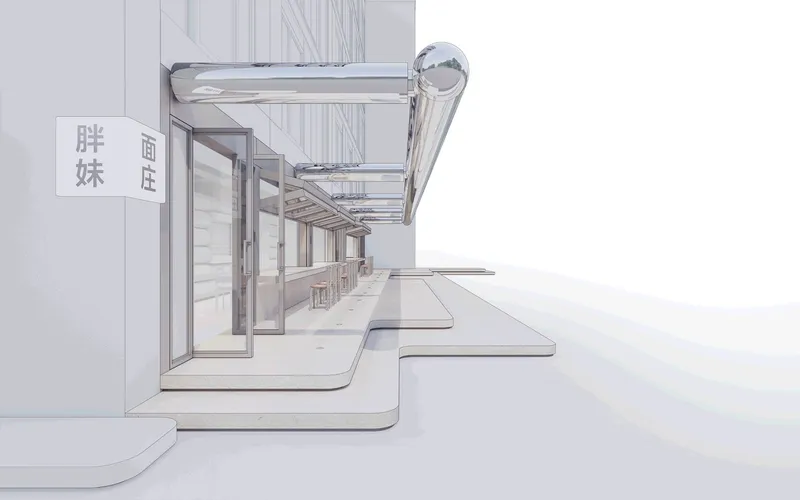
The wide facade acts as an arterial walkway, drawing in visitors. Key features include:
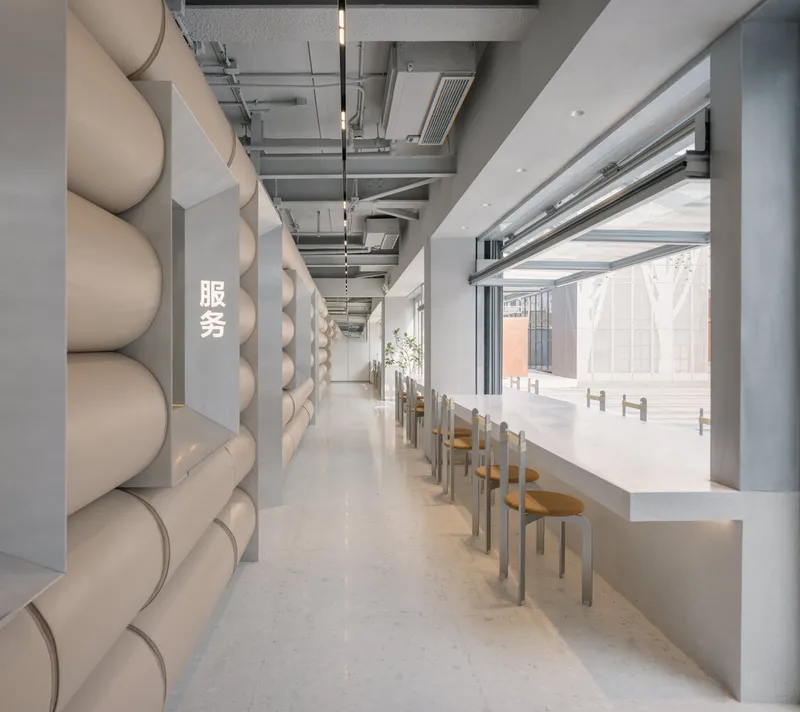
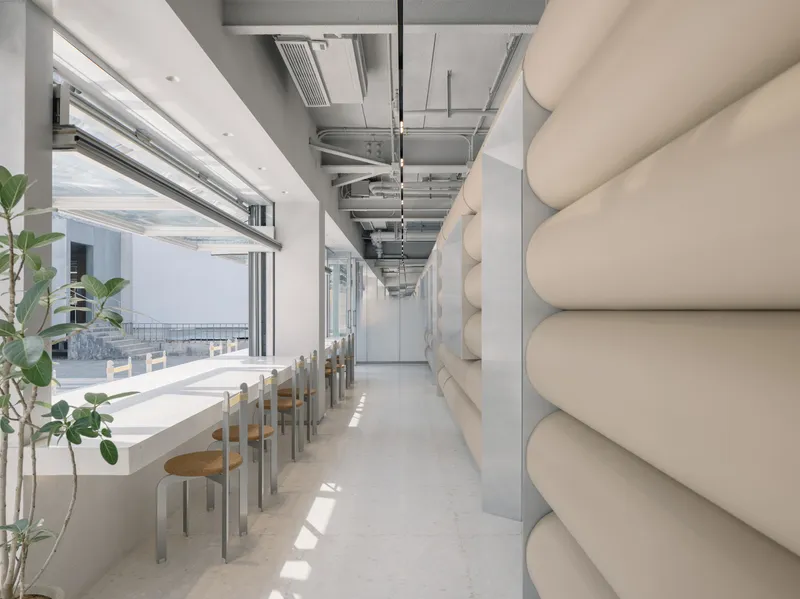
- Service Corridor: A linear zone facilitates grab-and-go orders while doubling as seating space.
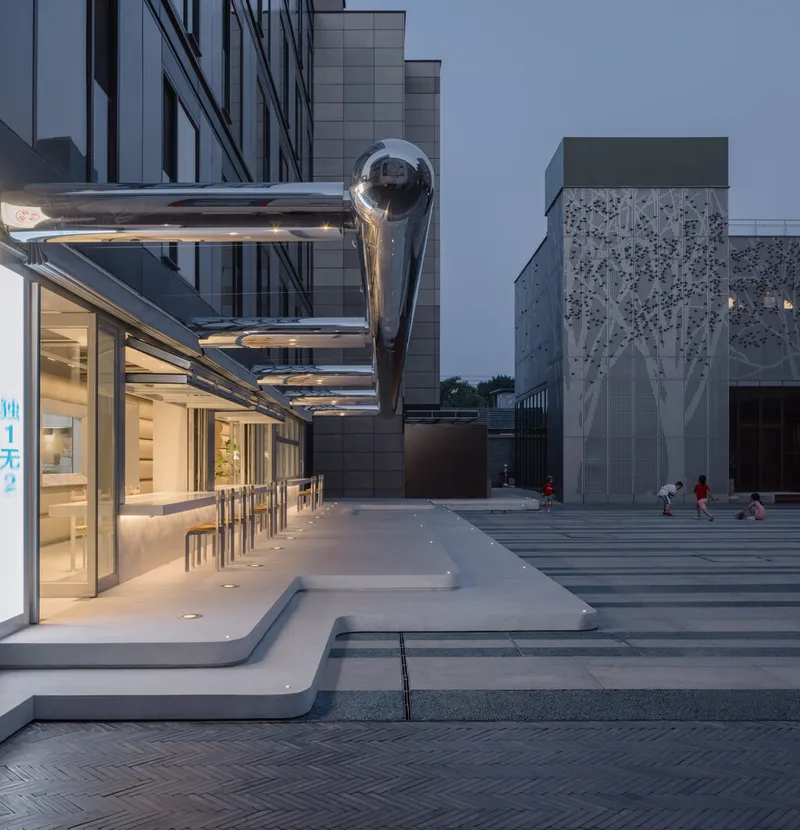
- Service Windows: Protruding service windows streamline food delivery and create visual interest.
- Outdoor Seating: Long tables extend beyond the building’s envelope, fostering a sense of community.
2. Transformable Interiors
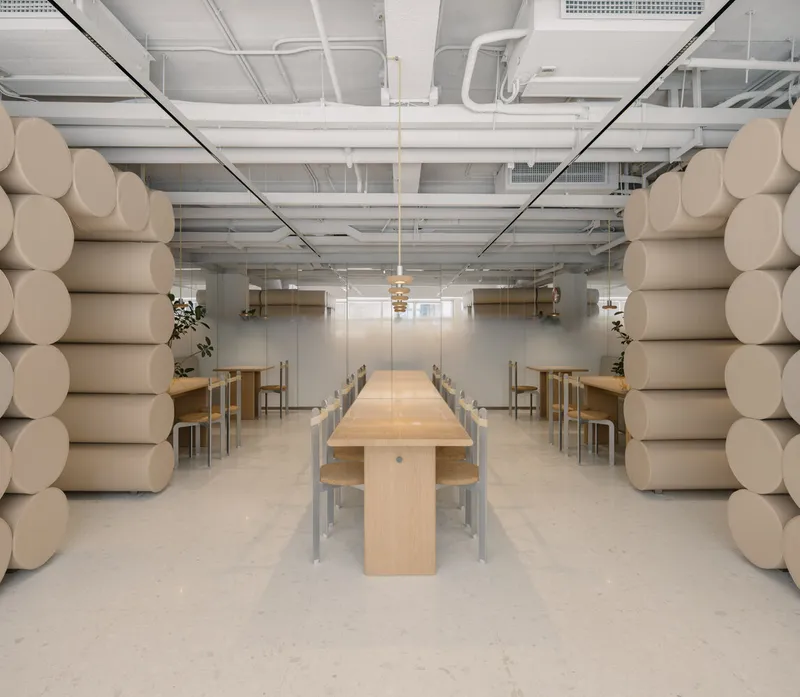
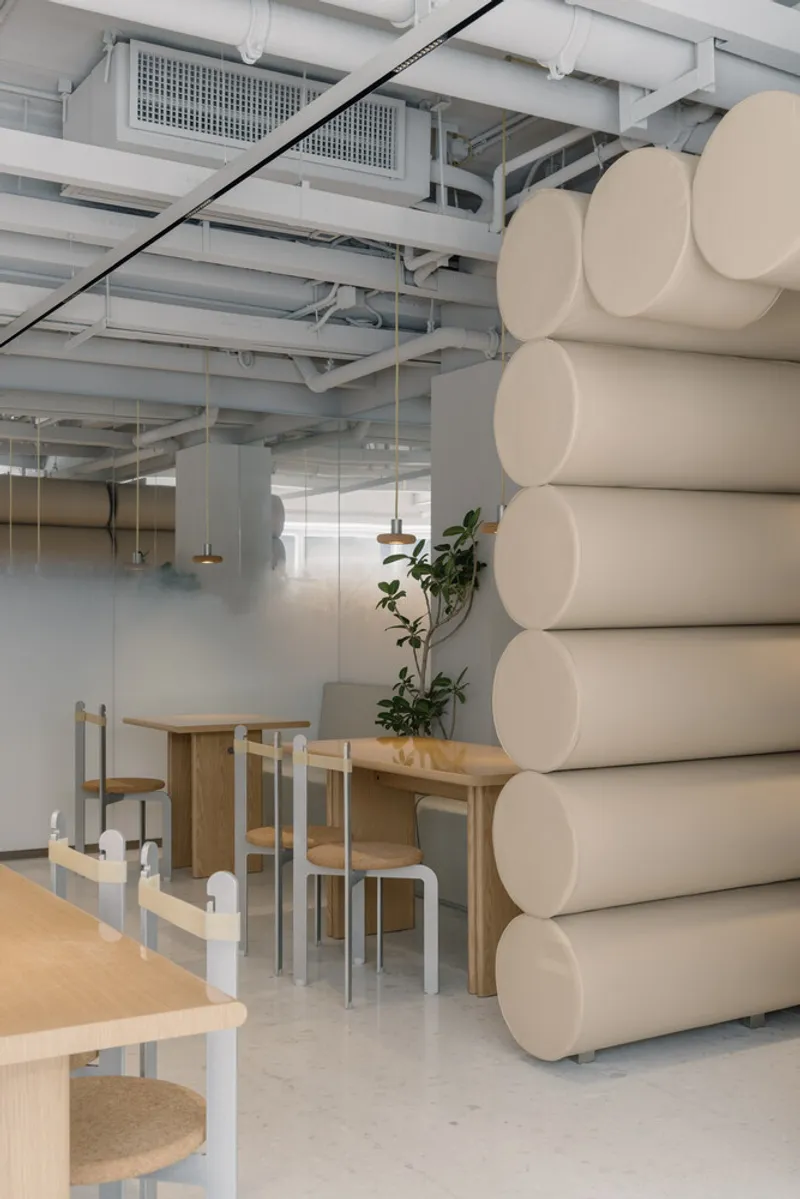
- Roller Shutter System: This innovative feature allows the restaurant to transition between quick-service counters during off-peak hours and full-service dining at peak times.
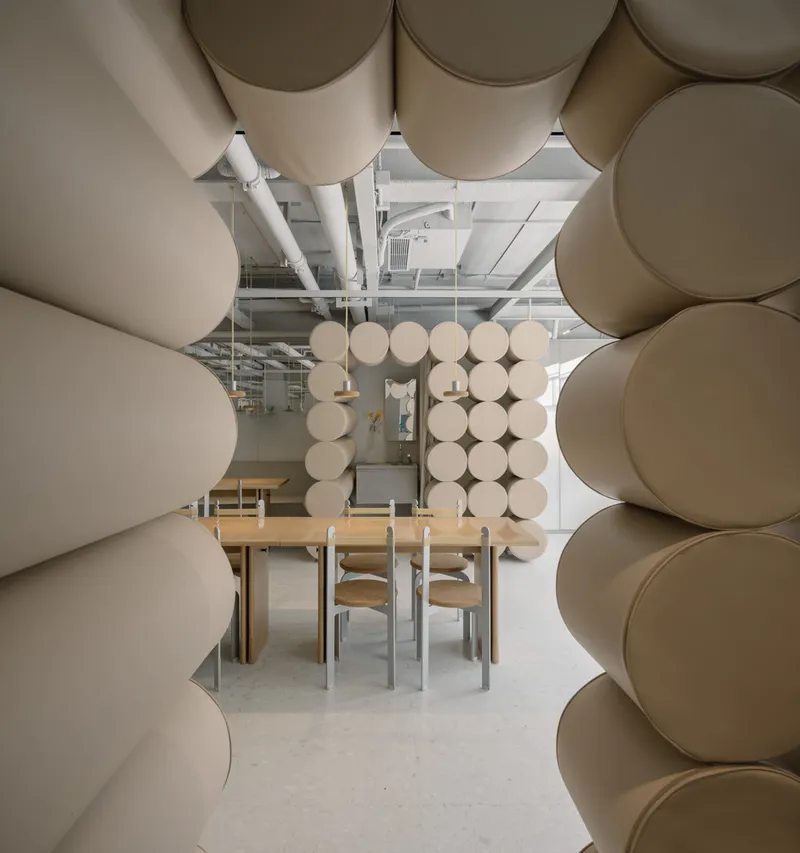
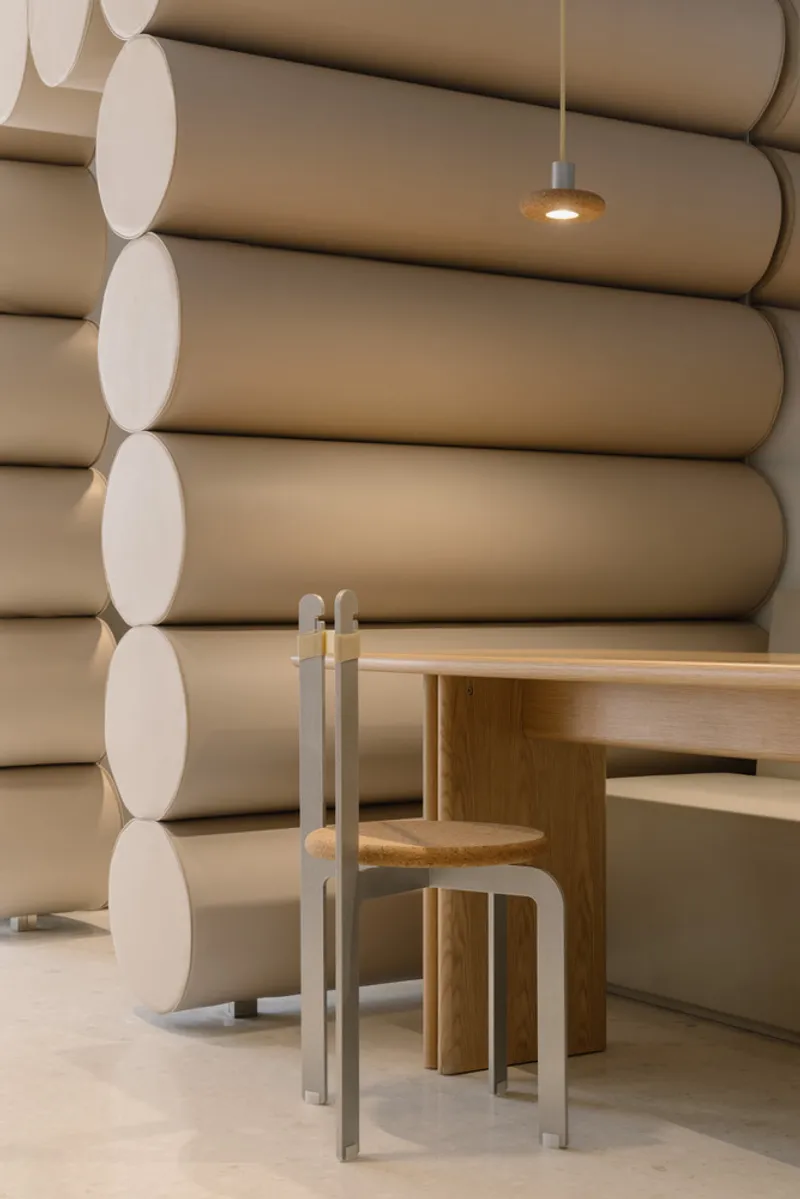
- Flexible Seating: Single-party tables and modular arrangements cater to solo diners and larger groups, maximizing efficiency.
3. Indoor-Outdoor Blending
The use of bi-fold glass windows creates a seamless connection between the interior and the courtyard, making the restaurant feel open and inviting.
The Benefits of Adaptive Restaurant Design
1. Enhanced Operational Efficiency
Flexible layouts enable restaurants like Pang Mei Noodle Bar to optimize their operations, accommodating different customer needs without compromising on service quality.
2. Increased Revenue Opportunities
By adapting to various customer flows and extending operational hours, restaurants can attract a broader audience. For example, Pang Mei Noodle Bar’s tapas menu caters specifically to late-night theatergoers.
3. Strengthened Community Engagement
Architectural elements like outdoor seating and transparent facades connect restaurants with their surroundings, creating vibrant social spaces.
Key Takeaways for Architects and Restaurateurs
Adaptive restaurant design is not just a trend but a necessity for modern urban dining spaces. Lessons from Pang Mei Noodle Bar include:
- Design for Flexibility: Use adaptable elements like movable partitions and multifunctional furniture.
- Focus on Community: Incorporate outdoor spaces and transparent facades to foster social connections.
- Plan for Hybrid Operations: Create zones for different service models, such as grab-and-go, dine-in, and extended hours.
The Future of Adaptive Restaurant Design
The success of Pang Mei Noodle Bar demonstrates the potential of adaptive restaurant design in architecture. By integrating flexibility, efficiency, and community-focused features, architects and restaurateurs can create spaces that not only meet customer needs but also enrich their urban environments.
As cities evolve, the principles of adaptive design will become increasingly critical for sustainable and successful restaurant projects. Pang Mei Noodle Bar stands as an inspiring example of how innovative architecture can transform dining experiences.
All Photographs are work of Wen Studio


Popular Articles
Popular articles from the community


Riyadh For All: Intergenerational Urban Design for Active Aging in Rabat
Riyadh For All reimagines urban design in Rabat with intergenerational co-living, adaptive courtyards, and Moroccan cultural exchange today.

Play: Fragments of Their World
Familiar architecture becomes modular playground design, creating safe spaces where displaced children can learn, connect, imagine and play.

The Musturak Paradise: Senior Living Architecture for a Connected Future in Temara, Morocco
The Musturak Paradise reimagines senior living architecture in Temara via private homes, social spaces, culture, community, and shared care.

The Ocean Hive: Sustainable Architecture for a Self-Sufficient Civilization at Sea
The Ocean Hive imagines sustainable architecture at sea, where modular habitats, algae, wave power and ocean waste sustain a growing colony.

Similar Reads
You might also enjoy these articles


Hodi-Mandai Geram
Project Function: Preservation and revitalization of the Intangible heritage and socio-spatial identity of the Hodi by Housing, Cultural Memory Center, Sacred Grove, landscape, local tourism economy


Olio Towers: A Mid-Rise for Performers That Fuses Housing, Rehearsal, and Stage
Located blocks from Houston's Theater District, this modular tower stacks living units around a central performance atrium.

Oasis: Modular Green Housing Carved into Dhaka's Urban Fabric
A shortlisted Plugin Housing entry reclaims unauthorized settlements in Dhaka with stepped concrete volumes, green roofs, and ventilation-driven design.

Black Hole: A Floating Megastructure for the Post-Physical Era
Emiliano Mazzarotto envisions a spherical, self-scaling arena where e-sports, digital hotels, and holographic stadiums replace traditional public space.

Explore Interior Design Competitions
Discover active competitions in this discipline


Challenge to design luxury tourism on rails


Challenge to reimagine the Iron Throne


Photograph architecture without architects


VR headsets Storefront design competition
Comments (0)
Please login or sign up to add comments
No comments yet. Be the first to comment!