
The 'tangibility' of Design
Honoring the best product designs in the world


Context
Every material or object around us can be classified as a ‘product’. Without them, life as we know it would not exist. Products are daily objects that help us live comfortably, with hours of thought, effort, and the production behind their design. With advancements in technology, product design has come a long way — from stone-cut tools to smartphones and gadgets. The current scenario dictates that the goal today is to achieve designs that are technologically advanced, cost-effective, and sustainable. Since the market is so wide and competitive, it is a hard task to design something relevant and functional, but at the same time is also innovative and original.
A great product has the potential to change our lifestyle and make our life simpler. These products are designed for daily use but stand out as elements owing to their design innovation and creative originality. The recently concluded UNI-International Product Design Awards (IPDA) recognized and honored outstanding product and industrial designs representing the aforementioned values, and more. Ranging from varied categories, the products cover a wide array of use and functionality. Some of them are featured below –
Top best product designs
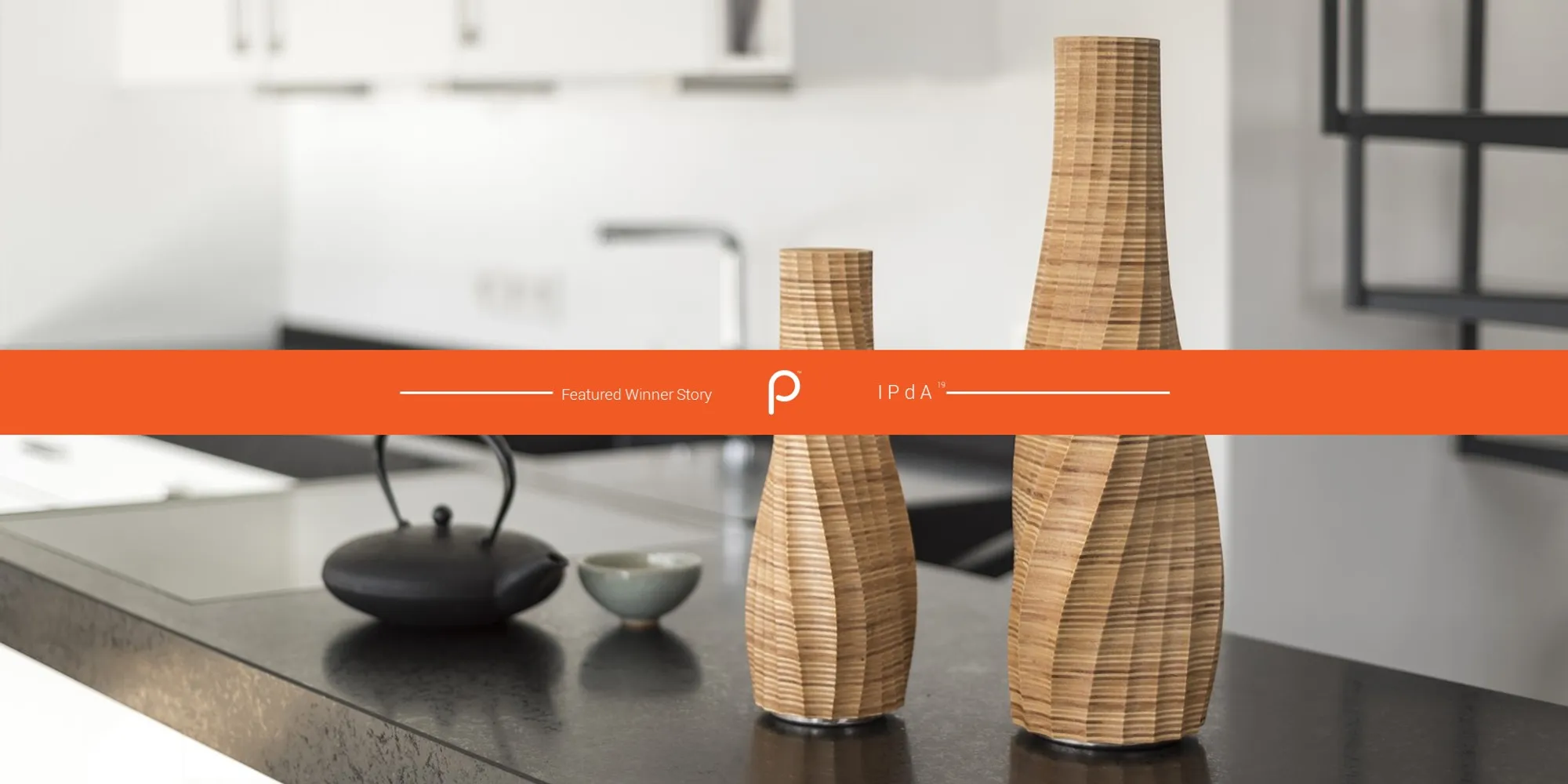
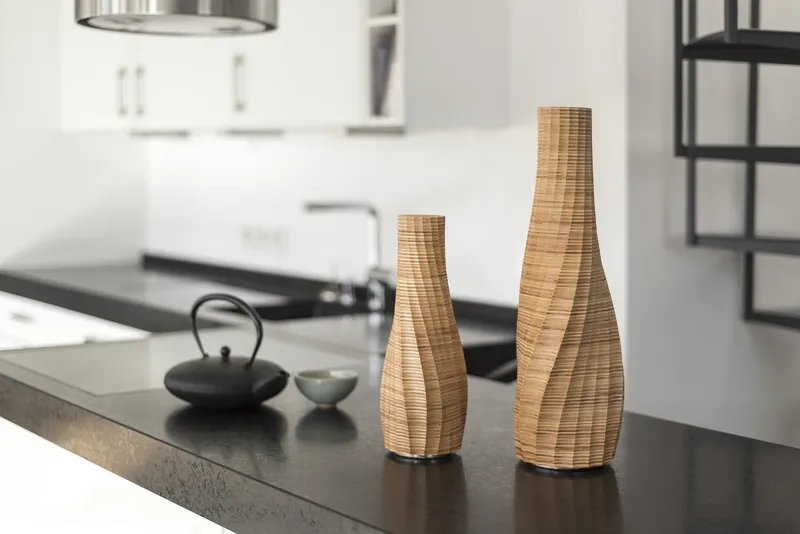
1. CITATION (Interior) — AESTUS — Décor, designed by Oliver David Krieg
Aestus blends material and machine: As a series of stratified wooden vases, AESTUS is designed and manufactured to explore a new synthesis of traditional materials and modern technology. Carved from hundreds of layers of wood by an industrial robot, the vases capture the fluidity of the machine’s movements in the depth of the wooden texture. The project pushes the boundaries of design and technology — both within the digital, parametric tools, and the manufacturing processes.
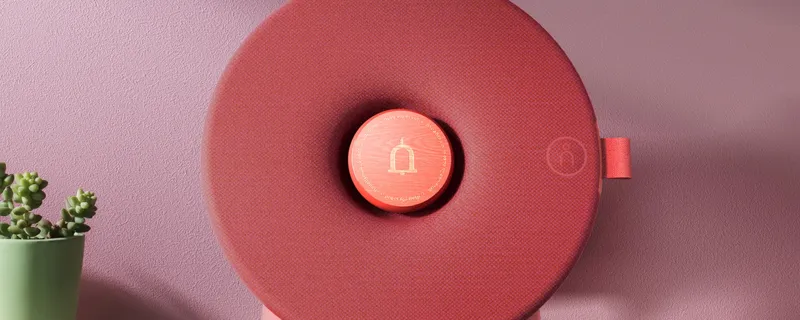
2. CITATION (Digital) — Care Dot — Telecare Device, designed by Siriphong Roongruengvuthikul
Care Dot's telecare product is designed to stand out as a functionally aesthetic element in the modern interior scenario. Available in beautiful colors, it is easy to use, highly visible, and reliable. Designed like a decorative piece, the aim was to create a customizable product that can be proudly displayed in domestic and public spaces.
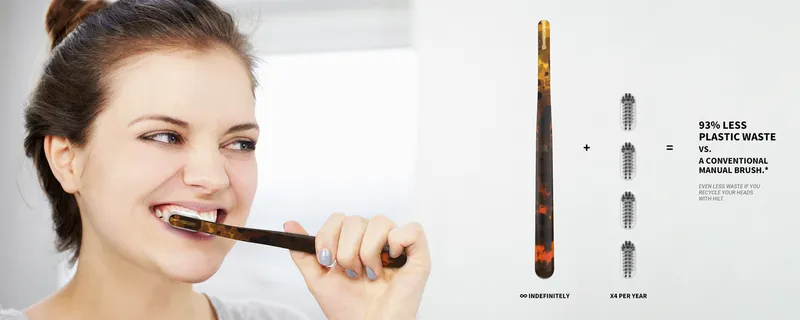
3. CITATION (Wellness) — Hilt Ecological Toothbrushes, designed by Joe Miller
The Hilt is a manual toothbrush service that empowers its users to reduce their plastic waste by providing handles manufactured from a selection of long-lasting, recycled, or degradable materials. An accompanying subscription service provides the users with bristle heads, these bristle heads are designed to be manufactured using the minimum amount of plastic. Each HILT handle has its environmental reason for being. Bamboo, a natural and renewable material. Recycled, using throw-away products like conventional manual toothbrushes to reuse plastics. Food Safe Metals, extremely long-lasting and can, therefore, be reused indefinitely.
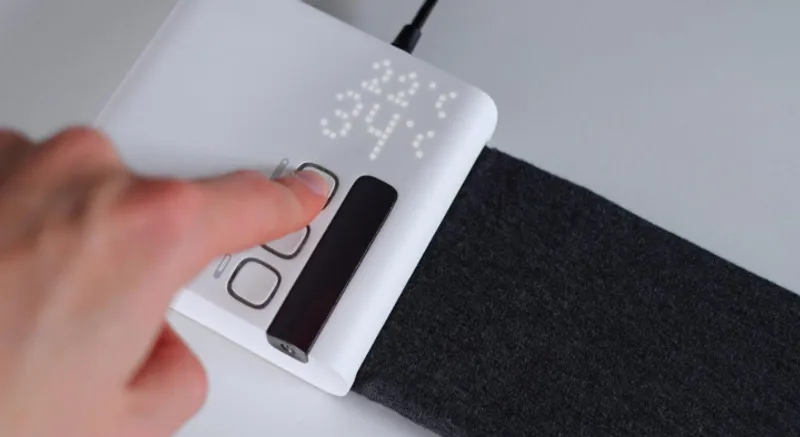
4. CITATION (Office) — Stratum — Desk Comfort Mat, designed by Tony Elkington
Stratum is a desk mat that gives office workers control over their thermal comfort to boost productivity. Stratum localizes the application of heating and cooling directly to the forearms, using the principle of ‘spatial alliesthesia’. In doing so, it allows each individual in a shared workspace to feel comfortable in a wide range of office temperatures.
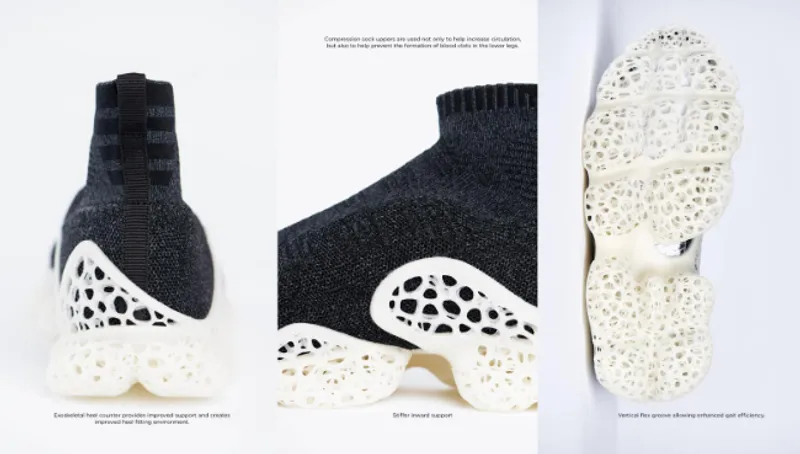
5. CITATION (Best Student Project — Outdoor), Personal Best — Training Shoes, designed by Kui Cai
The goal of the personal best project is to help novice runners perform at increasingly higher levels through an integrated system, using a mixture of A.I. training along with 3d printed personalized running shoes that allow for level up in performance throughout the athlete’s training timeline.
For information on more entries, visit http://ipda.uni.xyz/


Popular Articles
Popular articles from the community


Hill & Cross Opera: Sculptural Opera House Architecture Shaped by Tallinn’s Landscape and Identity
Hill & Cross Opera reimagines opera house architecture in Tallinn through its sculptural hill, civic plaza, glass wave and a luminous cross.

Play: Fragments of Their World
Familiar architecture becomes modular playground design, creating safe spaces where displaced children can learn, connect, imagine and play.

Co-Life: Senior Housing Design That Reconnects Older Adults With the City
Co-Life reimagines senior housing design through healing gardens, shared streets, workshops, and a sustainable community across generations.

Co-life: Sustainable Architecture for Age-Friendly Community Living
Co-life reimagines sustainable architecture for seniors through courtyards, rammed earth, shared gardens, and spaces designed for belonging.


Similar Reads
You might also enjoy these articles

Lunar Spiral: Space Architecture Shaped by the Mathematics of the Universe
Lunar Spiral reimagines space architecture through Fibonacci geometry, lunar regolith, levitating habitats, and self-sustaining Moon living.
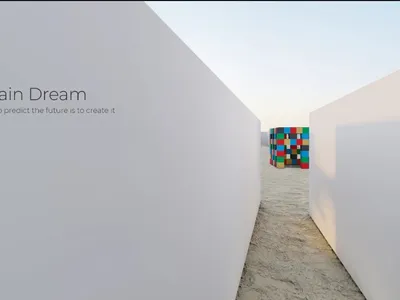
The Main Dream: Modular Architecture for Play, Learning, and Community
A modular playground turns recycled plastic into adaptable spaces where refugee children can play, build, learn, and reconnect.
Play: Fragments of Their World
Familiar architecture becomes modular playground design, creating safe spaces where displaced children can learn, connect, imagine and play.

Wadi Rum Observatory: Desert Architecture Designed for the Night Sky
Wadi Rum Observatory turns desert architecture into a quiet instrument for astronomy, hiding research spaces under Jordan's starlit terrain.


Explore Interaction Design Competitions
Discover active competitions in this discipline


Design challenge to equip cities with modern furniture


Design challenge to reuse E-waste

Packaging challenge - Design meets sustainability
Comments (0)
Please login or sign up to add comments
No comments yet. Be the first to comment!