
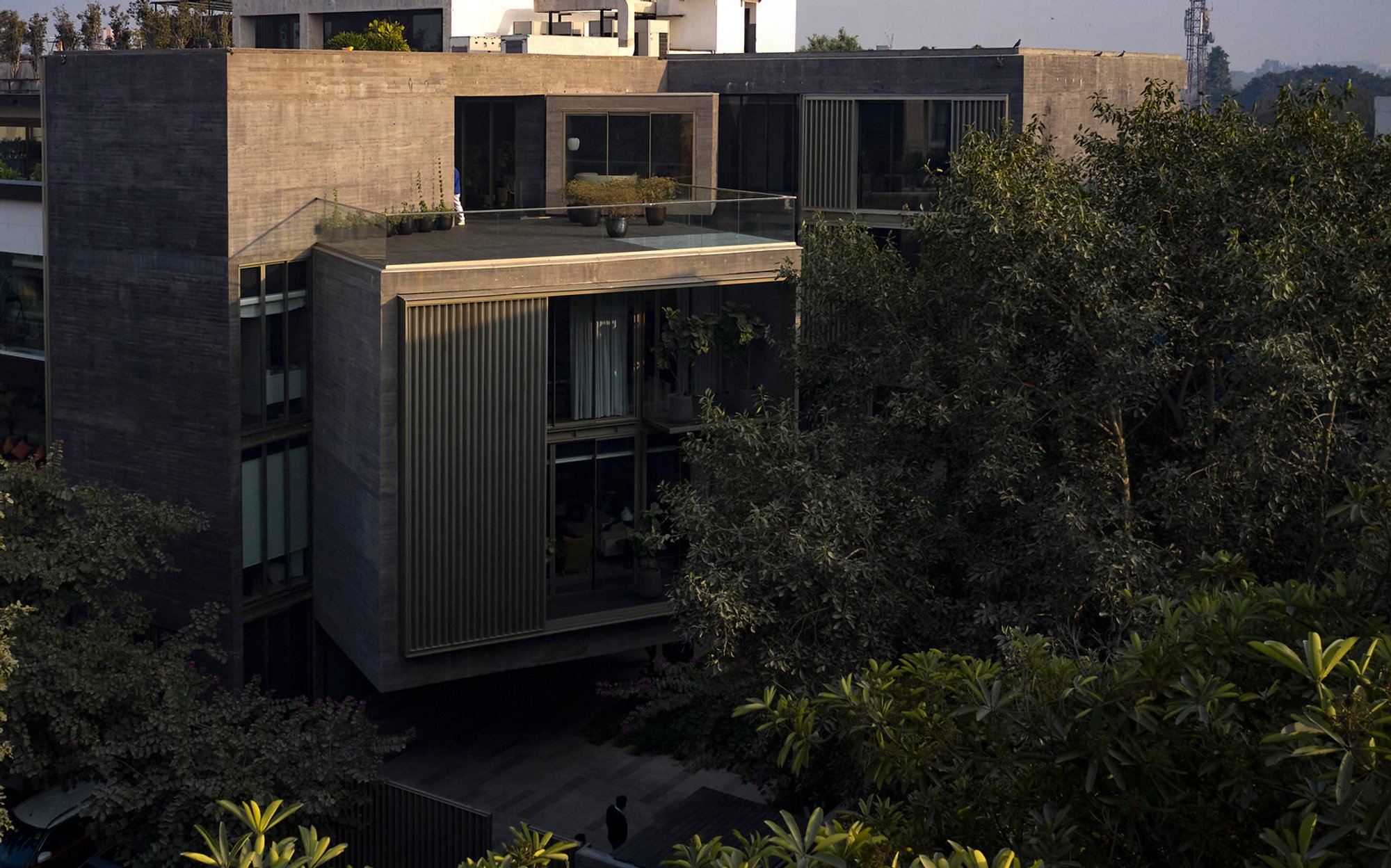
The Three Mashrabiyas House by Matra Architects & Rurban Planners: A Modern Reinterpretation of Traditional Vernacular in Urban New Delhi
The Three Mashrabiyas House blends traditional jali elements with modern sustainability, offering climate-responsive living in dense urban New Delhi.

Located in the dense urban sprawl of New Delhi, The Three Mashrabiyas House by Matra Architects & Rurban Planners redefines contemporary residential architecture by integrating traditional forms with modern sustainable design. Designed by lead architect Verendra Wakhloo in collaboration with Rajiv Saini & Associates for interiors and supported by a multidisciplinary team, this 1630 m² home completed in 2021, is a bold architectural response to the growing constraints of urban density, regulatory limitations, and environmental concerns.
Rethinking the Urban Dwelling in a Congested Fabric
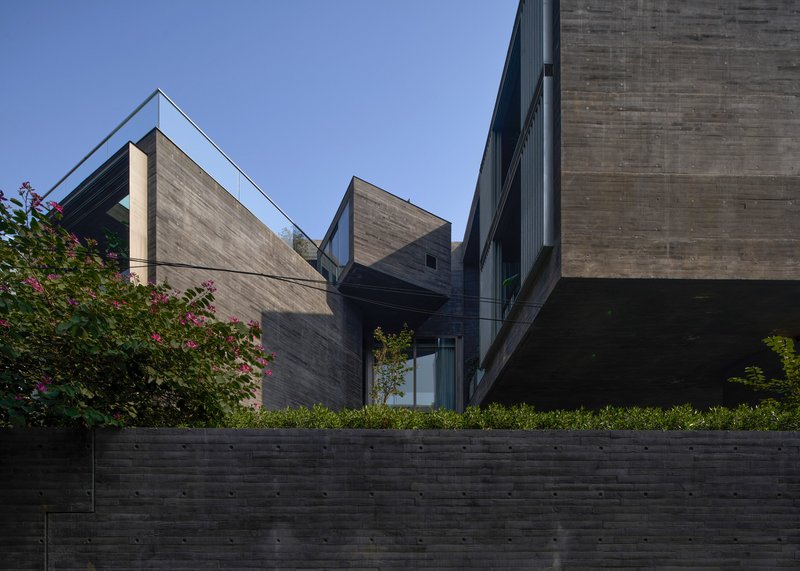
In a city where regulations such as mandatory stilt parking for sub-1000 sqm plots have compromised ground connection in residences, this project resists the norm. Rather than conforming to facade-driven typologies prevalent in plotted developments, the architects took the opportunity to explore a new architectural language—one that prioritizes experiential spatial quality over stylistic facadism.
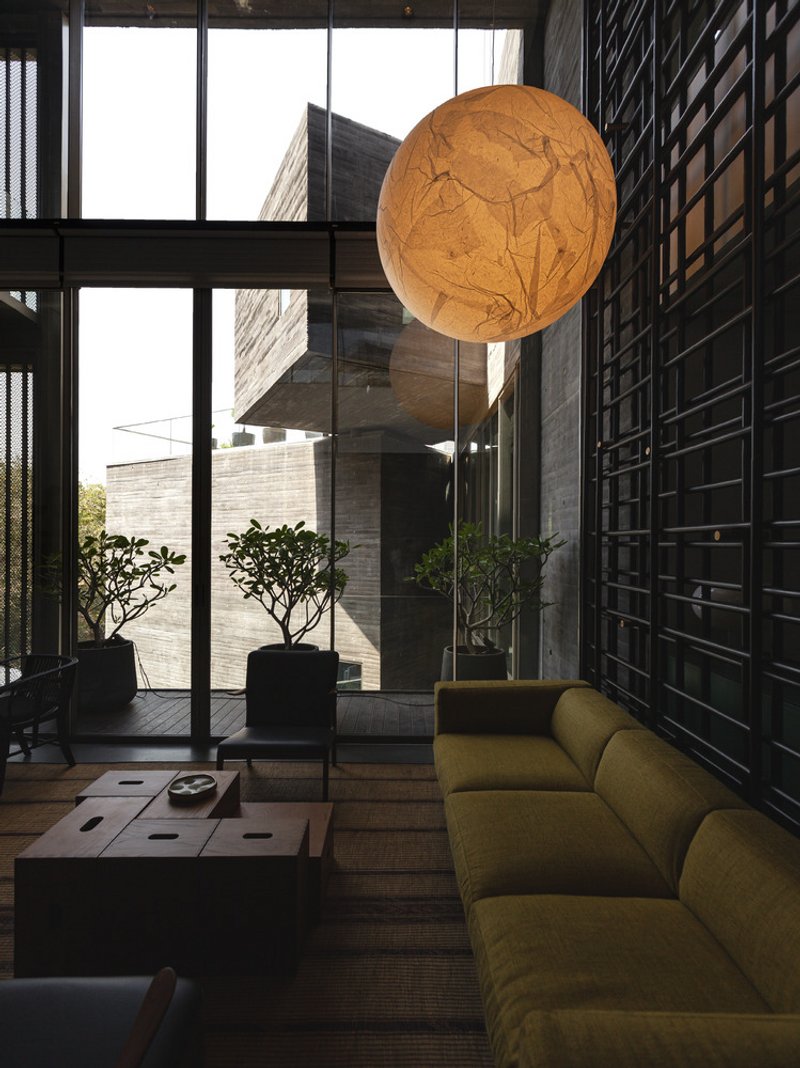
This house departs from typical urban homes by focusing on the experience of living rather than the mere appearance of the exterior. It breaks away from rigid envelopes to create open, light-filled, and climate-responsive interiors that reconnect the residents with their surroundings—both visually and climatically.
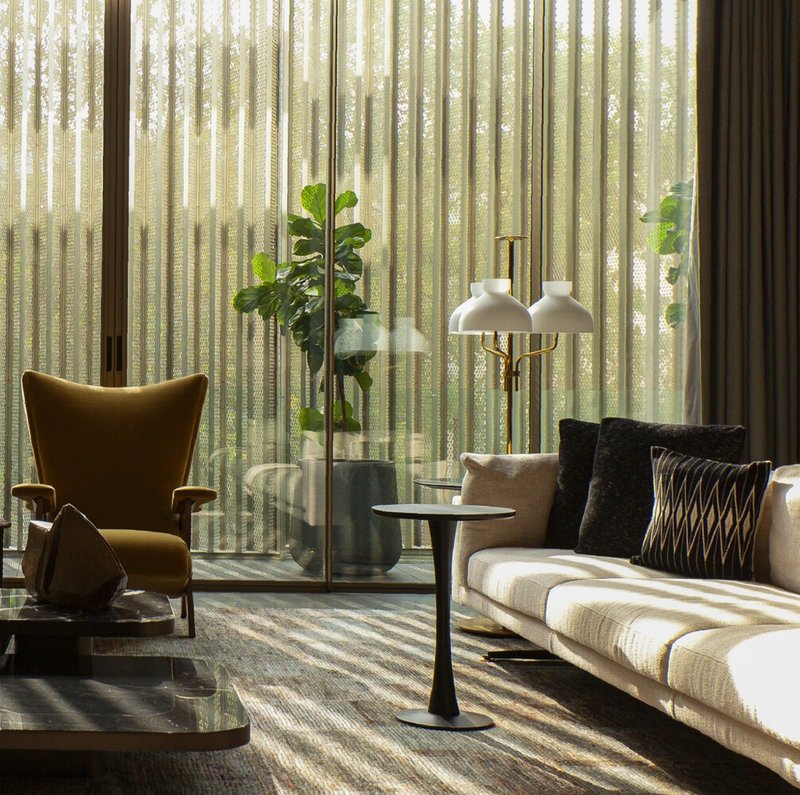
Inspired by Mashrabiya: A Timeless Dialogue Between Inside and Outside
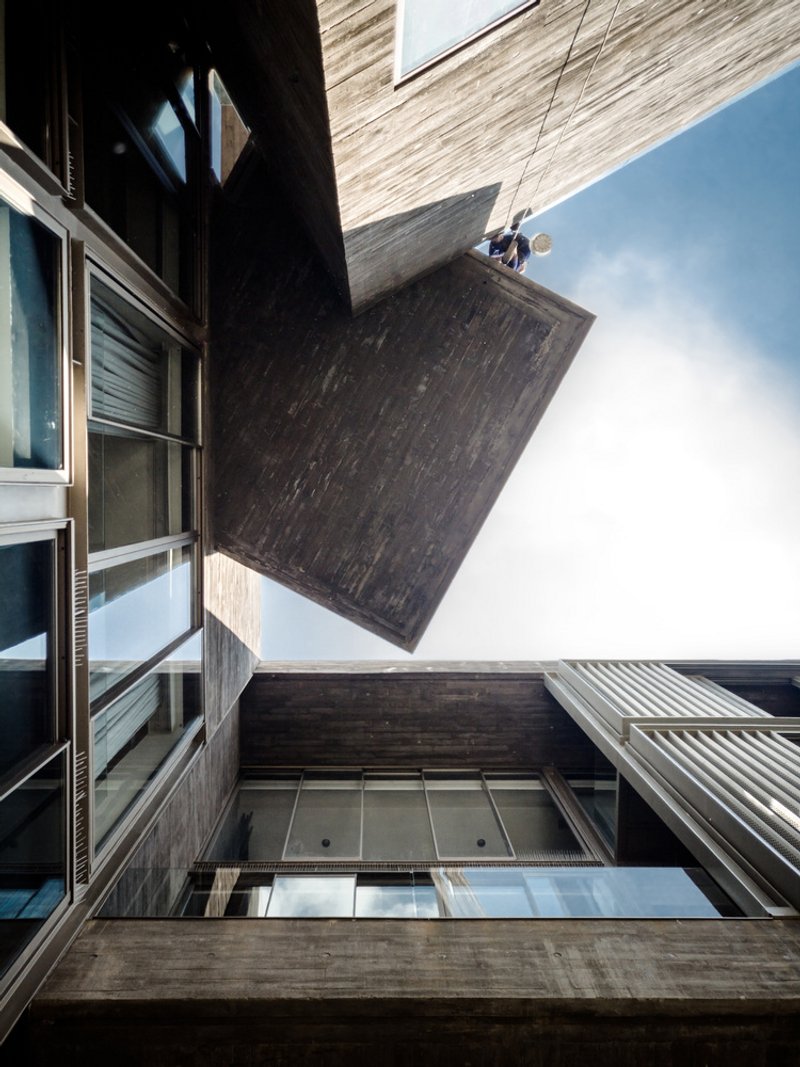
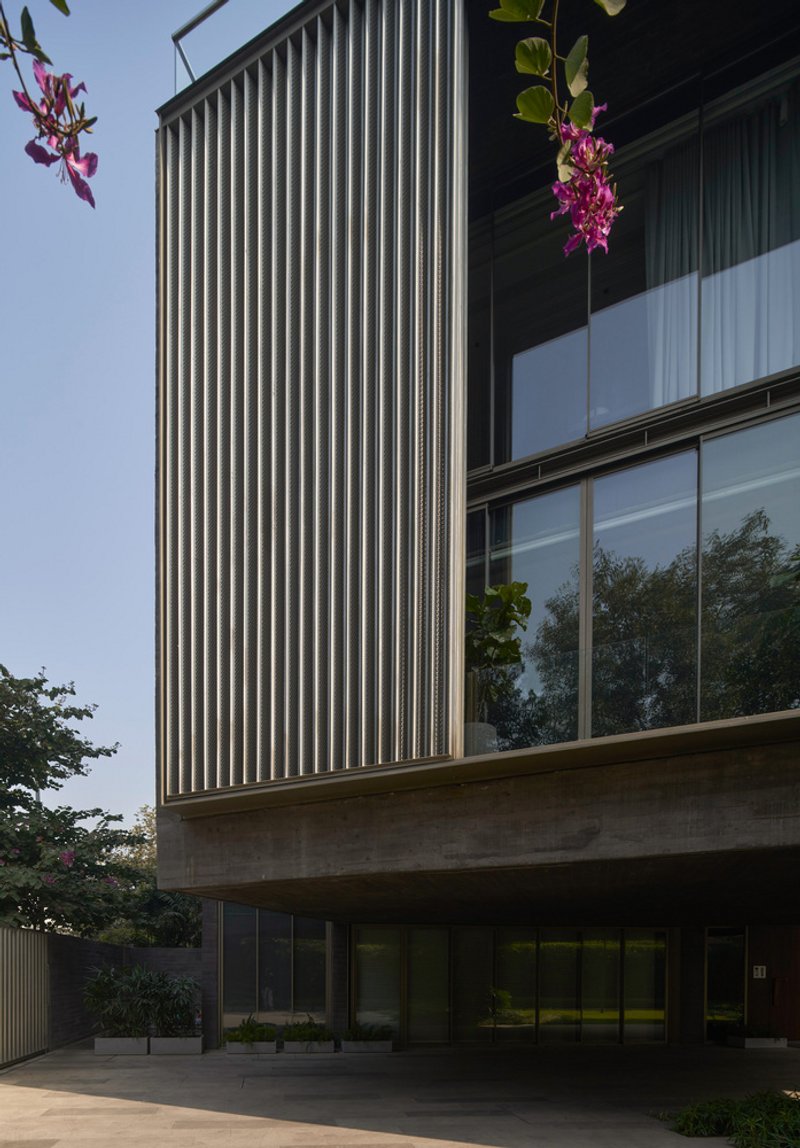
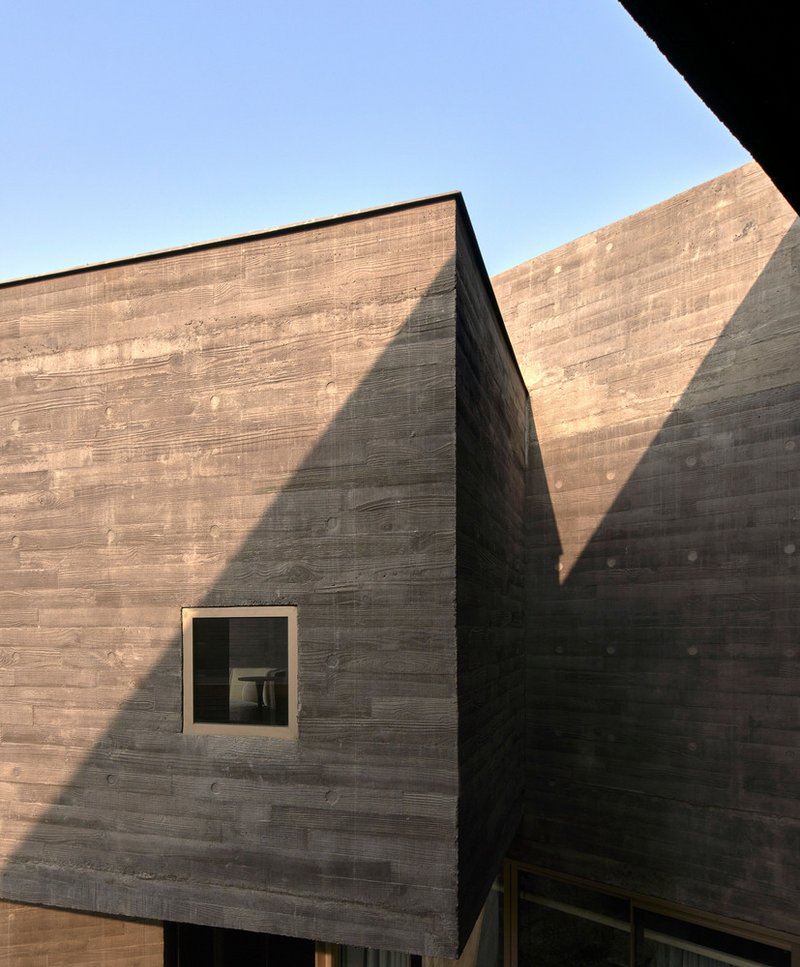
At the heart of the project are three monumental concrete volumes that reinterpret the traditional Mashrabiya—a feature rooted in Arabic architecture known for its climate control and privacy functions. These modern "Mashrabiyas" project from the main linear volume, engaging with the street, courtyard, and terraces in different orientations. Each one serves as a thermal buffer, creating self-shading surfaces while enhancing the spatial character of the house.
Rather than wooden latticework, the architects employed lightweight metal Jalis, providing passive ventilation, daylight control, and aesthetic rhythm to the building's skin. These interventions significantly reduce energy consumption while fostering a poetic dialogue between the interior spaces and the external urban landscape.
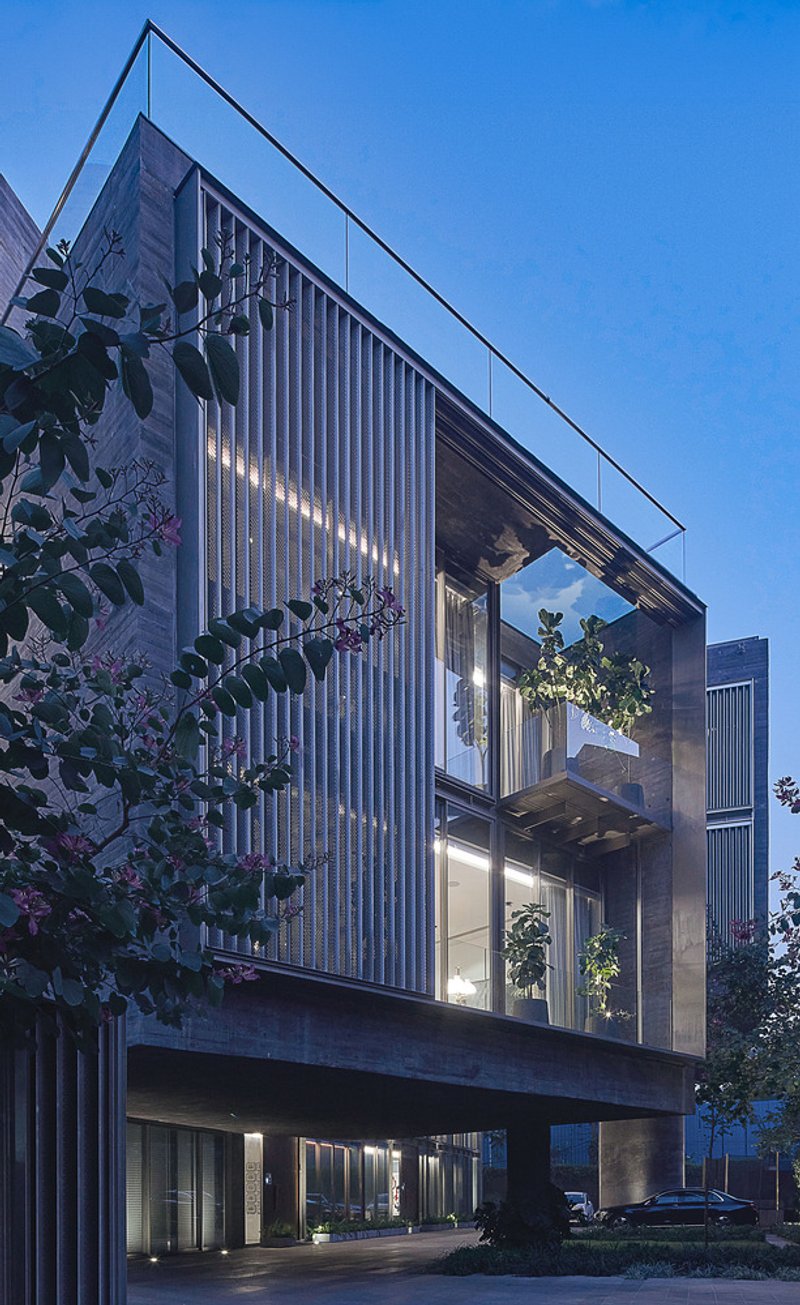
Materials, Sustainability, and Thermal Comfort
Built using insulated concrete forms, the house performs well in Delhi's extreme climate. The use of metal screens, brick, and natural ventilation strategies supports thermal comfort and environmental responsiveness. These passive systems work in tandem with the house’s spatial orientation to maintain internal comfort while reducing dependence on mechanical cooling.
The interior spaces are laid out to prioritize privacy, openness, and flexibility, creating layered views and transitions between public and private zones. The robust material palette—brick, concrete, and metal—underscores the home's permanence while enabling a textural richness that ages gracefully.
Toward a Regenerative Urban Architecture
The Three Mashrabiyas House exemplifies a regenerative approach to urban residential design—one that revives local building traditions through a contemporary architectural lens, engaging with the climate, context, and culture. It reflects a conscious shift toward housing that is adaptive, culturally grounded, and environmentally resilient.
By rethinking typologies and spatial strategies, Matra Architects & Rurban Planners have delivered a home that is not only architecturally ambitious but also socially relevant and environmentally forward-thinking.
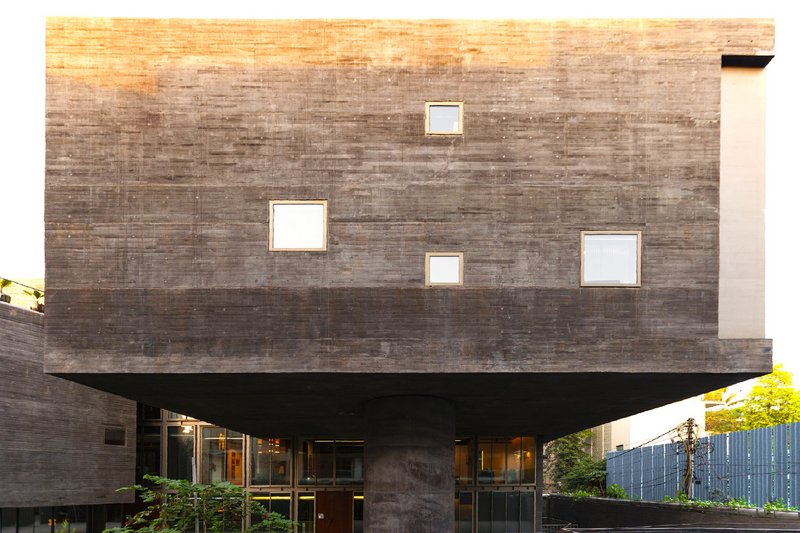
All Photographs are works of Edmund Sumner, Sergio Ghetti, Ankit Jain


Popular Articles
Popular articles from the community

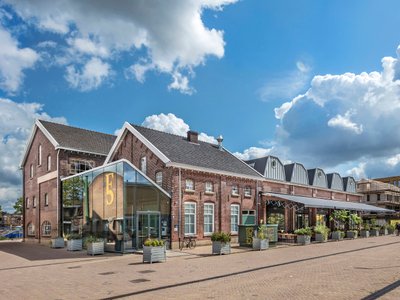
Fifth NRE Jazz Club – De Bever Architecten: Eindhoven’s Revitalized Cultural Hub
Historic gas factory transformed into Fifth NRE Jazz Club blending modern sustainability, jazz culture, dining, and heritage architecture seamlessly.

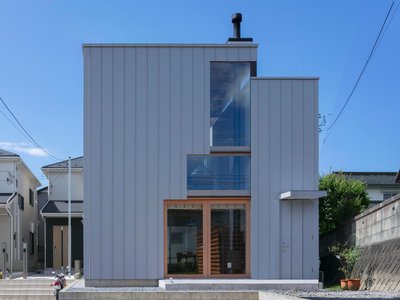
Split House: A Compact Urban Home Blending Privacy, Light, and Flexible Living in Japan
Compact Japanese home featuring DOMA space, flexible café potential, passive lighting, privacy zoning, and sustainable urban living design.
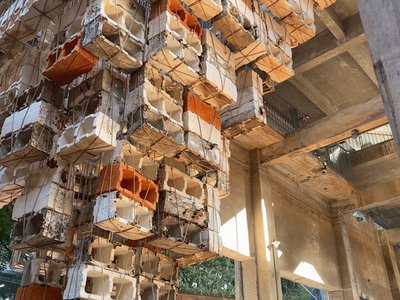
Inverted Architecture Installation by Studio Link-Arc: Exploring the Intersection of Architecture and Living Organisms
Inverted Architecture Installation by Studio Link-Arc blends mycelium, sustainability, inverted design, ecological cycles, and urban adaptive architecture in Shenzhen.


Similar Reads
You might also enjoy these articles


The Ken Roberts Memorial Delineation Competition (Krob)
As the most senior architectural drawing competition currently in operation anywhere in the world, it draws hundreds of entries each year, awarding the very best submissions in a series of medium-based categories.


Waterfront Redevelopment and Urban Revitalization in Mumbai: Forging a New Dawn for Darukhana
A transformative waterfront redevelopment project reimagining Darukhana’s shipbreaking heritage into an inclusive urban future.

OUT-OF-MAP: A Call for Postcards on Feminist Narratives of Public Space
Rhizoma Design and Research Lab invites artists, designers, architects, researchers, and students to reflect on how feminist perspectives can reshape public space. Selected works will be exhibited in Barcelona, October 2026. Submissions open until 15 April 2026.


Documentation Work on Buddhist Wooden Temple
Architectural syncretism and cultural hybridity: A comparative study of the Buddhist temples in Chattogram Hill tracks
Explore Architecture Competitions
Discover active competitions in this discipline




The International Standard for Design Portfolios


The Global Benchmark for Architecture Dissertation Awards


The Global Benchmark for Graduation Excellence


Challenge to reimagine the Iron Throne
Comments (0)
Please login or sign up to add comments
No comments yet. Be the first to comment!