

The Ursuline Convent Renovation: A Blend of History and Modern Functionality in Hasselt
The Ursuline Convent renovation by a2o architecten blends historic preservation with modern design, creating a functional, sustainable urban space.


The Ursuline Convent
The Ursuline Convent in Hasselt, Belgium, is a remarkable architectural project by a2o architecten, which successfully combines the preservation of historic elements with the introduction of modern functionality. This renovation project is part of the Ursulinhof urban renewal, which aims to revitalize the city’s historic areas while adapting them to contemporary needs.
The Ursuline Convent, originally an 18th-century mansion, served as both a teaching space and residence for the Ursuline Sisters from 1879 onwards. After the school moved in 2019, a master plan was developed to give the site a new lease on life, preserving its architectural significance while integrating modern amenities. The renovation of this historic building reflects a commitment to balancing heritage preservation with sustainable design.

The Renovation Process
Restoring Historic Elements
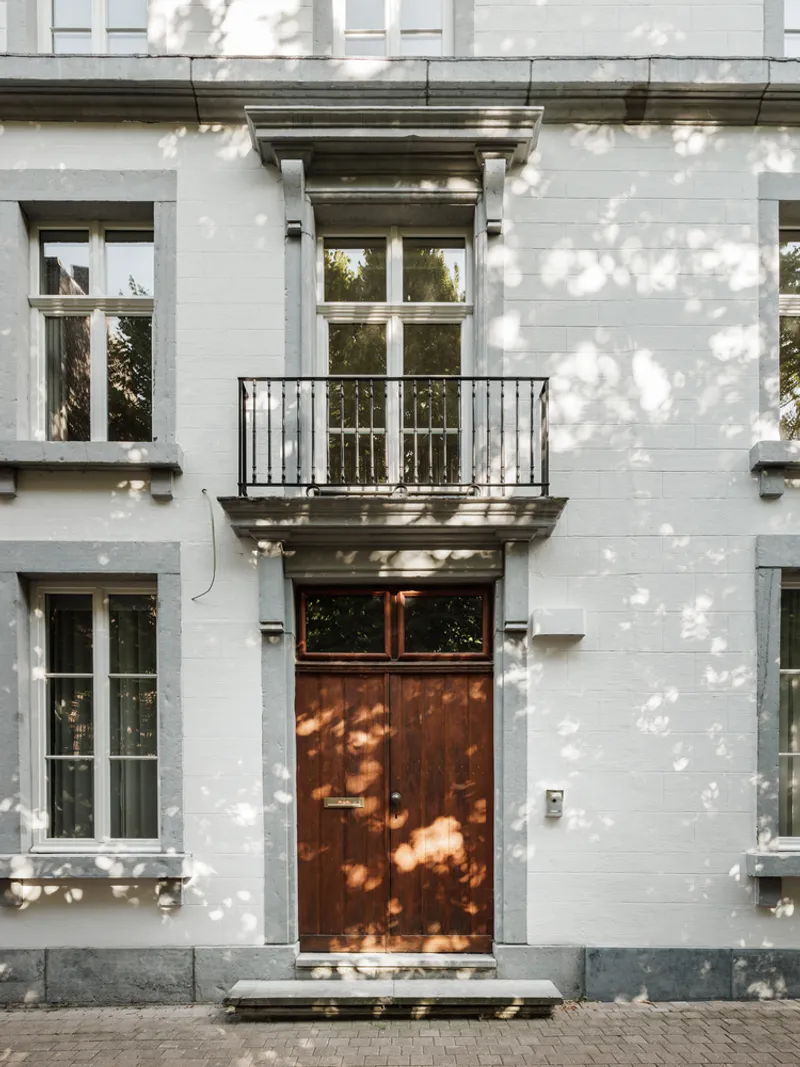
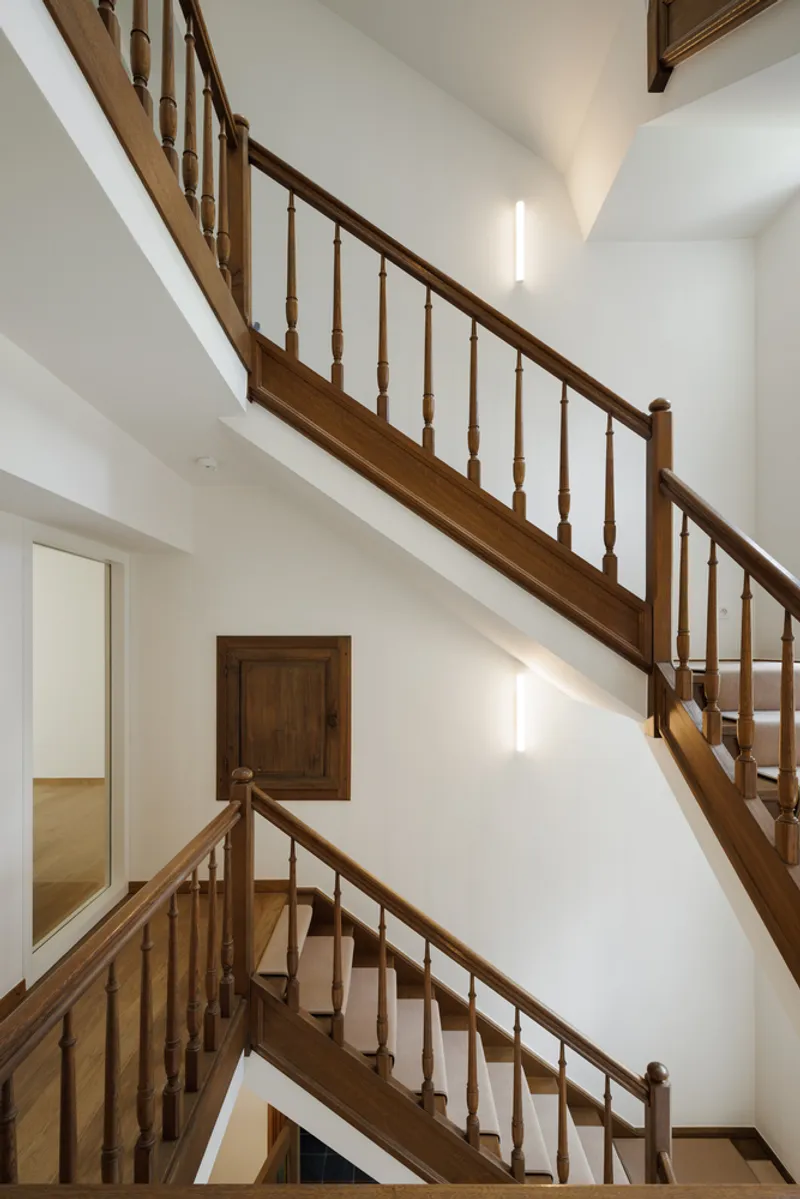
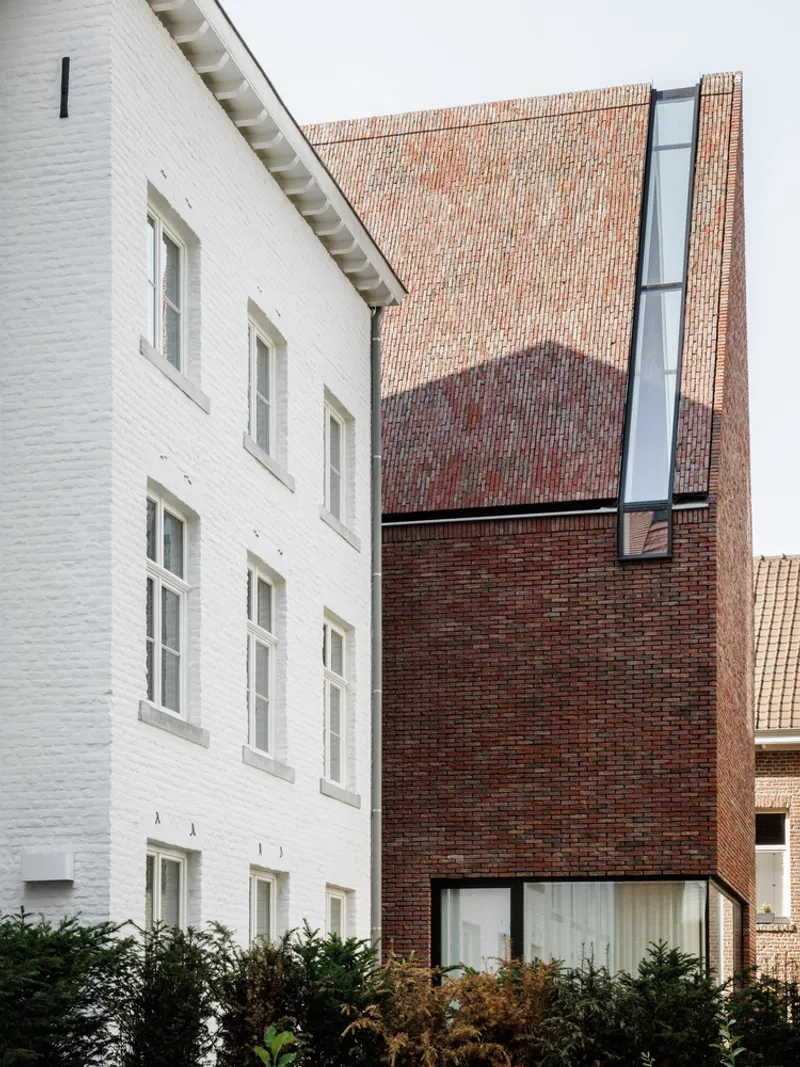
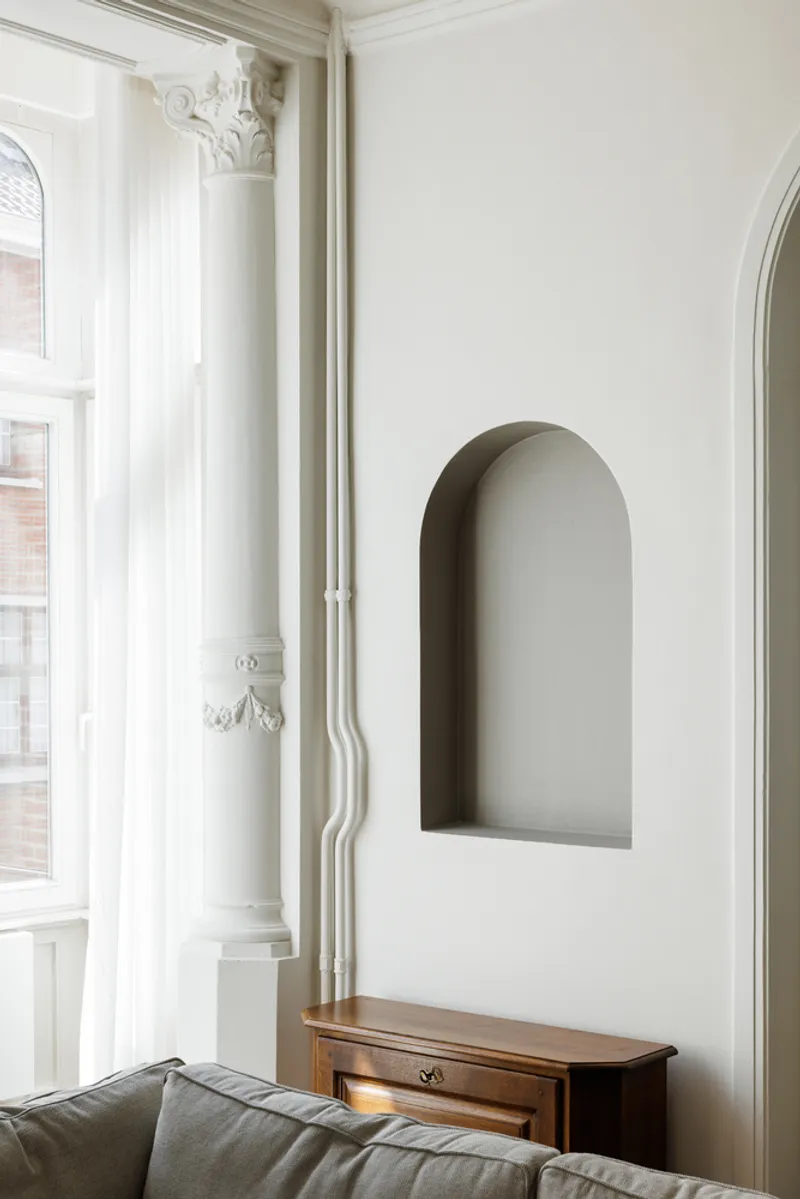
The renovation of the Ursuline Convent carefully preserved its historic elements, with a focus on restoring the original facades and interior features. The building's facade restoration was a central part of the project, ensuring that the convent's exterior retained its character and charm. Historical features such as staircases, doors, ornaments, and fireplaces were retained, giving the space an authentic and timeless feel.
The oak doors, once covered in a soiled varnish, were stripped and sandblasted, revealing the natural grain of the wood. This restoration approach not only preserved the aesthetic integrity of the building but also highlighted its aged beauty. The interior restoration involved careful attention to detail, retaining worn floors and other elements that tell the story of the building’s long history.

Adapting to Modern Needs
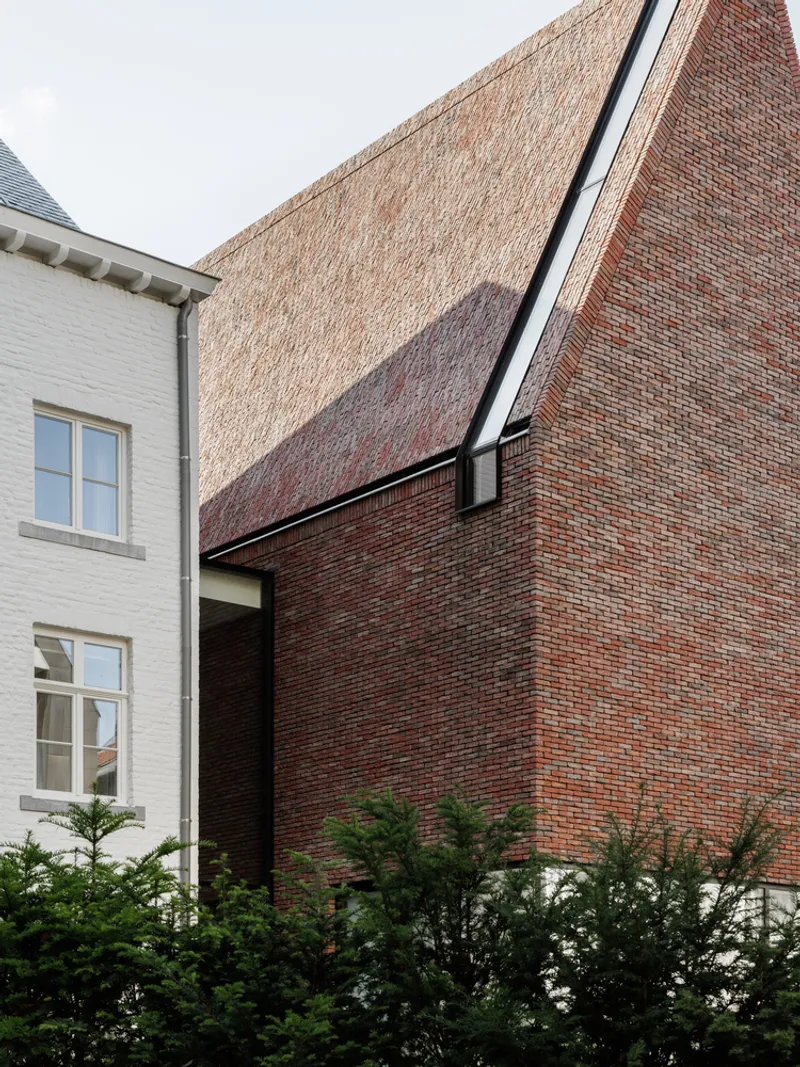
While much of the building's original character was preserved, the renovation also focused on adapting the convent to modern standards. The spaces were redesigned to include functional meeting rooms, office spaces, and even a library. New office furniture and conference tables were introduced to meet the needs of the current occupants while respecting the building’s heritage.
The new furniture design emphasizes simplicity, with oak continuing to play a central role. The modern furniture pieces are lighter in color and design, subtly referencing historical objects through their detailing. The fabrics, window treatments, and paintwork were chosen to create a light, airy atmosphere, making the rooms feel open and inviting while maintaining a warm, comfortable environment.


The New Chapel: A Sacred Space in the City
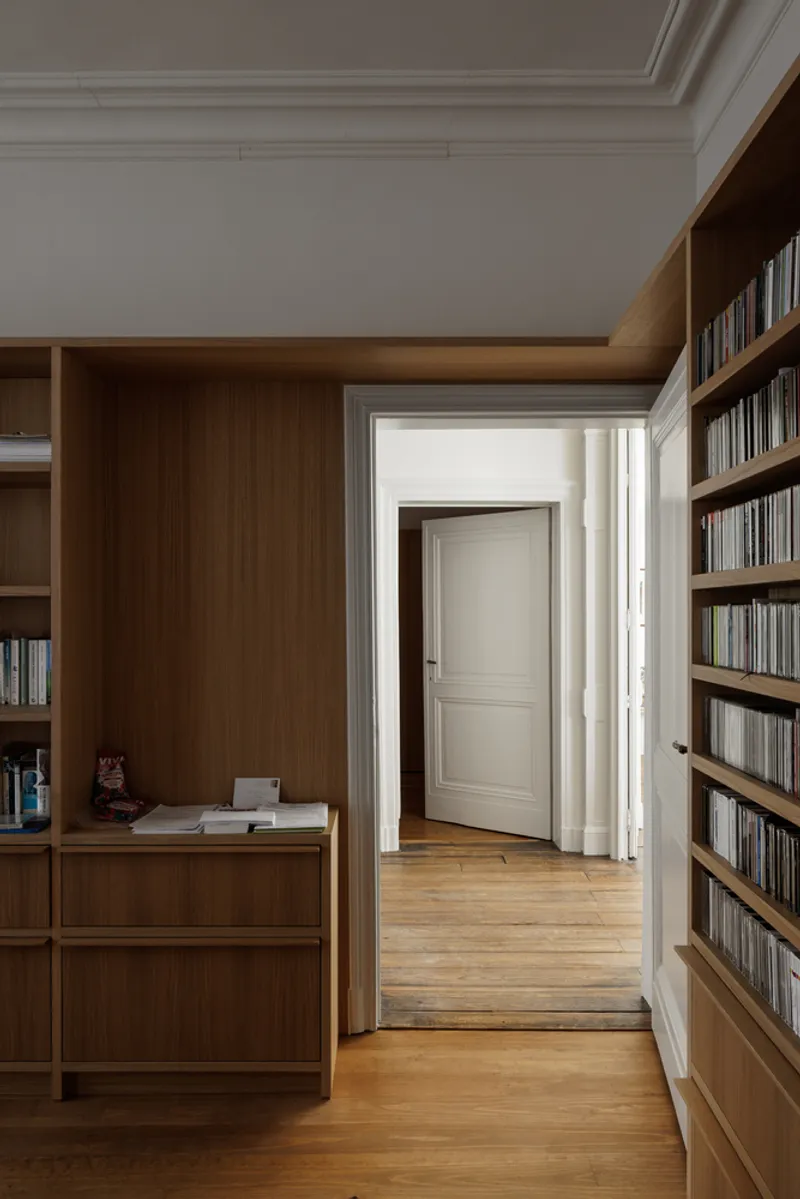
A significant addition to the Ursuline Convent is the new chapel, which offers a serene and sacred space amidst the bustling city center. The chapel’s design is a blend of modern and traditional elements, with a structure that incorporates exposed concrete and wood. The brick cladding on the exterior complements the city's historic buildings, ensuring that the chapel harmonizes with the surrounding urban landscape.
One of the chapel's most striking features is its unique roof design. A cut in the roof allows natural light to pour into the space, creating a peaceful and reflective atmosphere. This thoughtful design helps maintain the chapel's sacred ambiance, despite its location in a busy urban environment.
The Integration of Green Courtyards
As part of the broader urban renewal, the convent is now surrounded by green courtyards that provide a tranquil escape from the city. These outdoor spaces serve as an important link between the convent’s historic elements and the new additions. The introduction of green courtyards promotes sustainability and enhances the overall quality of life for those who interact with the site. These courtyards also play a crucial role in opening up the block, providing public access and fostering a sense of community in the city center.
Preserving the Legacy of the Ursuline Sisters
The Ursuline Sisters remain an integral part of the community through this renovation project. The convent, along with the restored generalate building, continues to serve as the administrative headquarters for the Ursuline Sisters, maintaining their presence in the heart of the city. The adaptive reuse of this historic building ensures that the Ursuline Sisters remain connected to the urban fabric of Hasselt, while the site’s new functions allow for ongoing community engagement.


A Seamless Blend of Old and New
The renovation of the Ursuline Convent by a2o architecten is a shining example of how historic buildings can be adapted for modern use while preserving their architectural legacy. By carefully restoring the building’s facades and interior elements and integrating new functions like office spaces, libraries, and the serene chapel, the project has breathed new life into this iconic structure.
The project not only ensures that the Ursuline Sisters continue to be a part of Hasselt’s urban landscape but also provides a valuable contribution to the ongoing urban renewal of the city. The blend of historical preservation with contemporary design, along with the integration of green courtyards and sustainable features, makes this renovation a model for future adaptive reuse projects.




Popular Articles
Popular articles from the community


The Earth Pod: 3D Printed Homes for Resilient Refugee Communities
The Earth Pod reimagines refugee housing through 3D printed homes made from clay, combining resilience, self-sufficiency, and rapid shelter.
EW PARK: Sustainable Architecture Reimagines the Future of Urban Parking
EW PARK reimagines city parking as a modular wooden tower combining automation, solar energy, electric mobility, and adaptable urban design.

Co-life: Sustainable Architecture for Age-Friendly Community Living
Co-life reimagines sustainable architecture for seniors through courtyards, rammed earth, shared gardens, and spaces designed for belonging.

Co-Life: Senior Housing Design That Reconnects Older Adults With the City
Co-Life reimagines senior housing design through healing gardens, shared streets, workshops, and a sustainable community across generations.


Similar Reads
You might also enjoy these articles


Hodi-Mandai Geram
Project Function: Preservation and revitalization of the Intangible heritage and socio-spatial identity of the Hodi by Housing, Cultural Memory Center, Sacred Grove, landscape, local tourism economy


Olio Towers: A Mid-Rise for Performers That Fuses Housing, Rehearsal, and Stage
Located blocks from Houston's Theater District, this modular tower stacks living units around a central performance atrium.

Oasis: Modular Green Housing Carved into Dhaka's Urban Fabric
A shortlisted Plugin Housing entry reclaims unauthorized settlements in Dhaka with stepped concrete volumes, green roofs, and ventilation-driven design.

Black Hole: A Floating Megastructure for the Post-Physical Era
Emiliano Mazzarotto envisions a spherical, self-scaling arena where e-sports, digital hotels, and holographic stadiums replace traditional public space.


Explore Historic Preservation Competitions
Discover active competitions in this discipline



Challenge to reimagine the Iron Throne


Photograph architecture without architects


Illustrate the lost glory of Angkor Wat - Render Challenge


Design challenge to reuse E-waste
Comments (0)
Please login or sign up to add comments
No comments yet. Be the first to comment!