
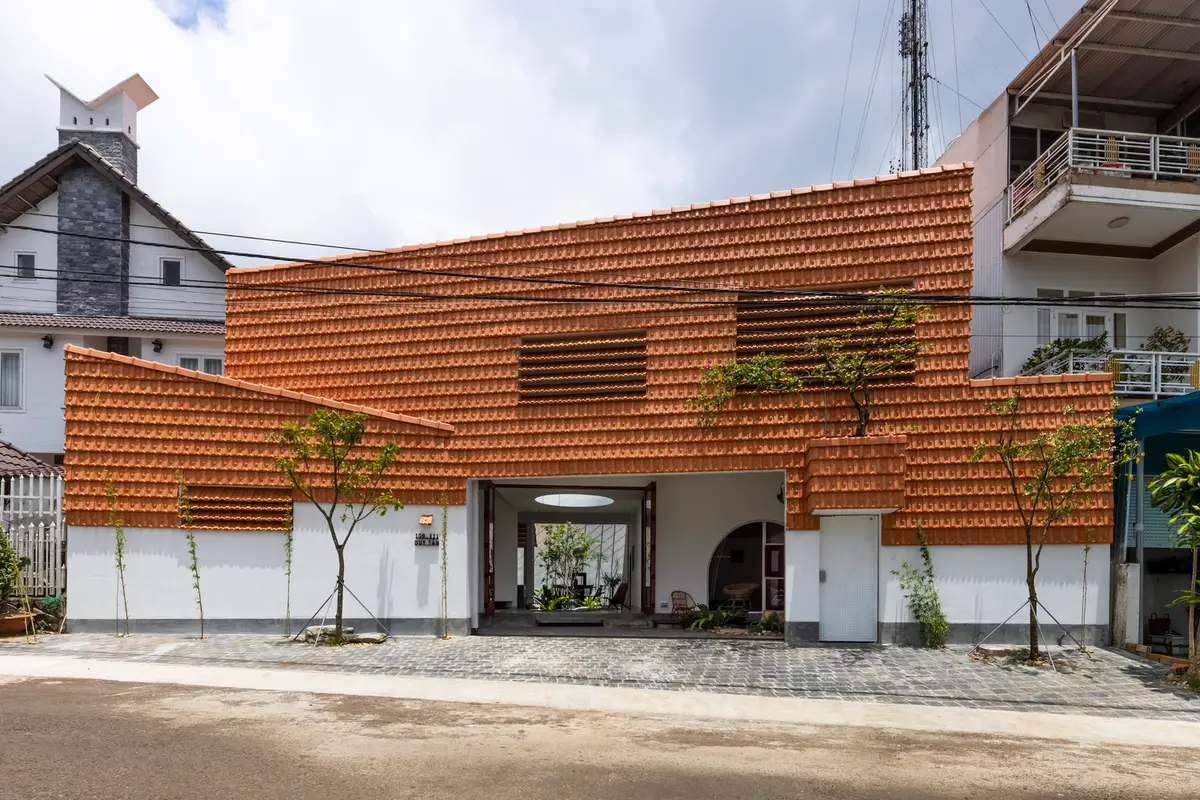
Tile House by The Bloom: A Climate-Responsive Home in Bảo Lộc, Vietnam
Tile House by The Bloom is a climate-responsive Vietnamese home using tiles for ventilation, insulation, privacy, and nostalgic charm.


Location: Bảo Lộc, Vietnam Architects: The Bloom Project Area: 252 m² Year Completed: 2023 Photography: Hiroyuki Oki Construction: The Roof Builders Manufacturers: 3 Atelier, Dili Home, Dung Tien, LYK Lighting, Trinh
A Climate-Driven Design in the Highlands of Bảo Lộc
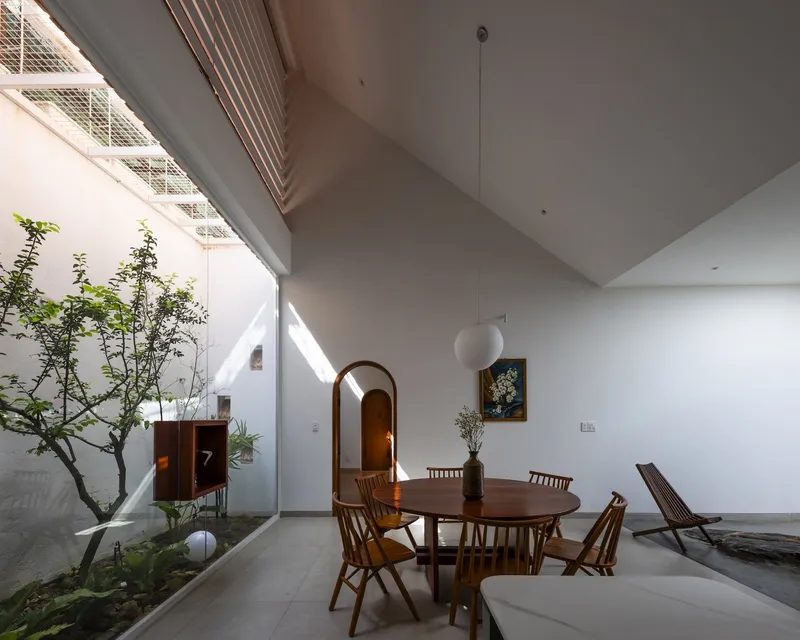
Nestled in the temperate highlands of Bảo Lộc, Vietnam, Tile House by The Bloom is a response to both the environmental challenges and the emotional needs of its inhabitants. Characterized by its fluctuating climate—long, sunny days followed by extended periods of rain—the region presented a unique opportunity to design a home that harmonizes with its surroundings while ensuring comfort and durability.
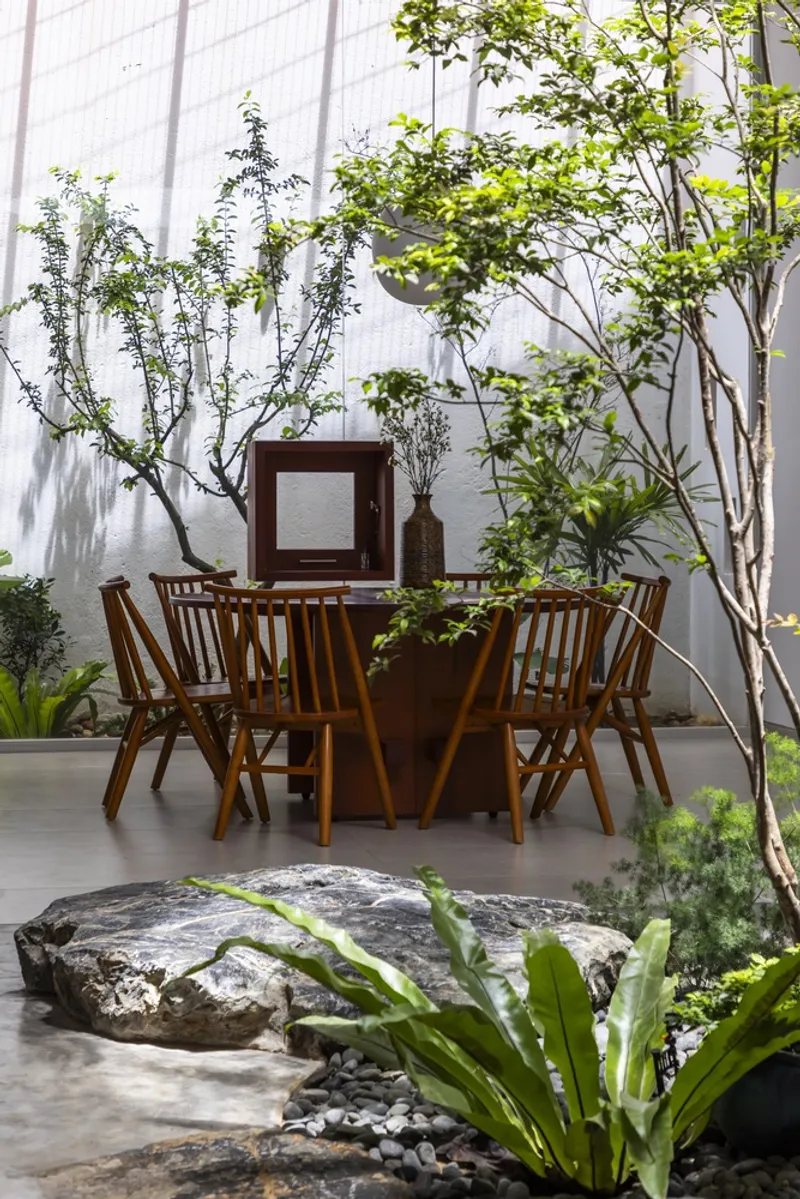
Tile House was born from the question: “How can a house respond lovingly to such a climate?” The result is a home that doesn’t merely resist the elements but embraces them—inviting air, light, and life into every corner of its thoughtful architecture.
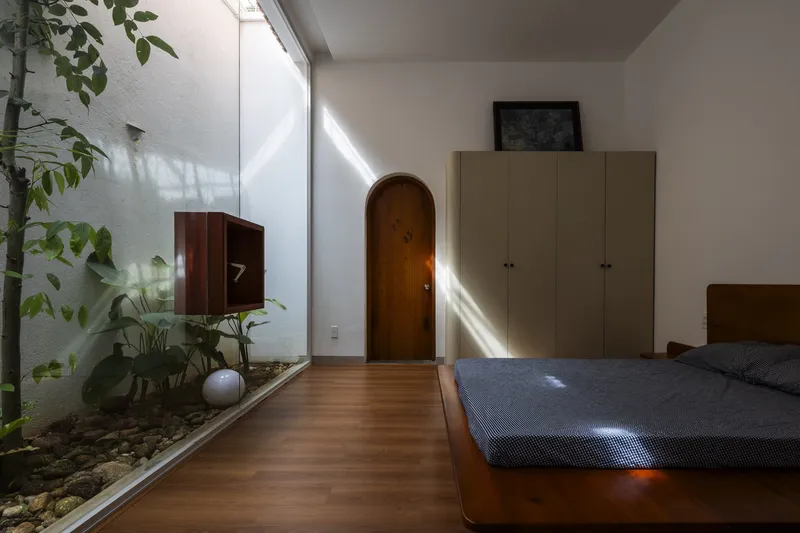
Tiles as Architecture: Memory, Function, and Climate Mediation
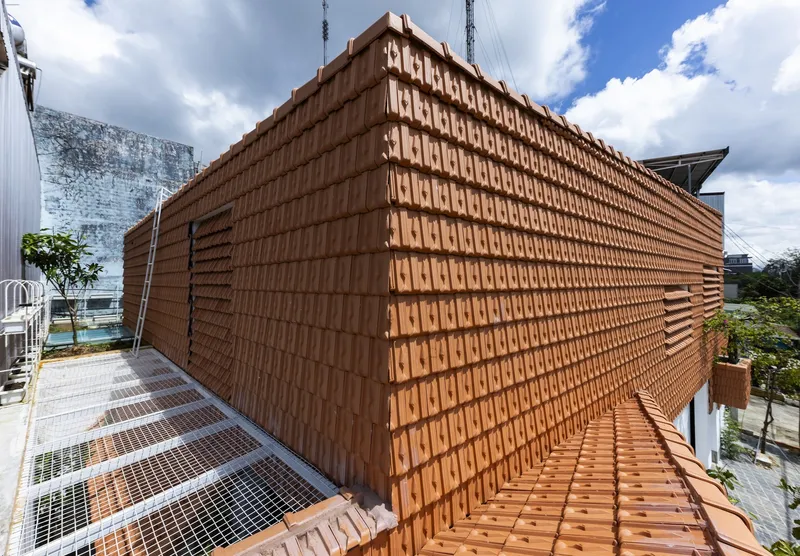
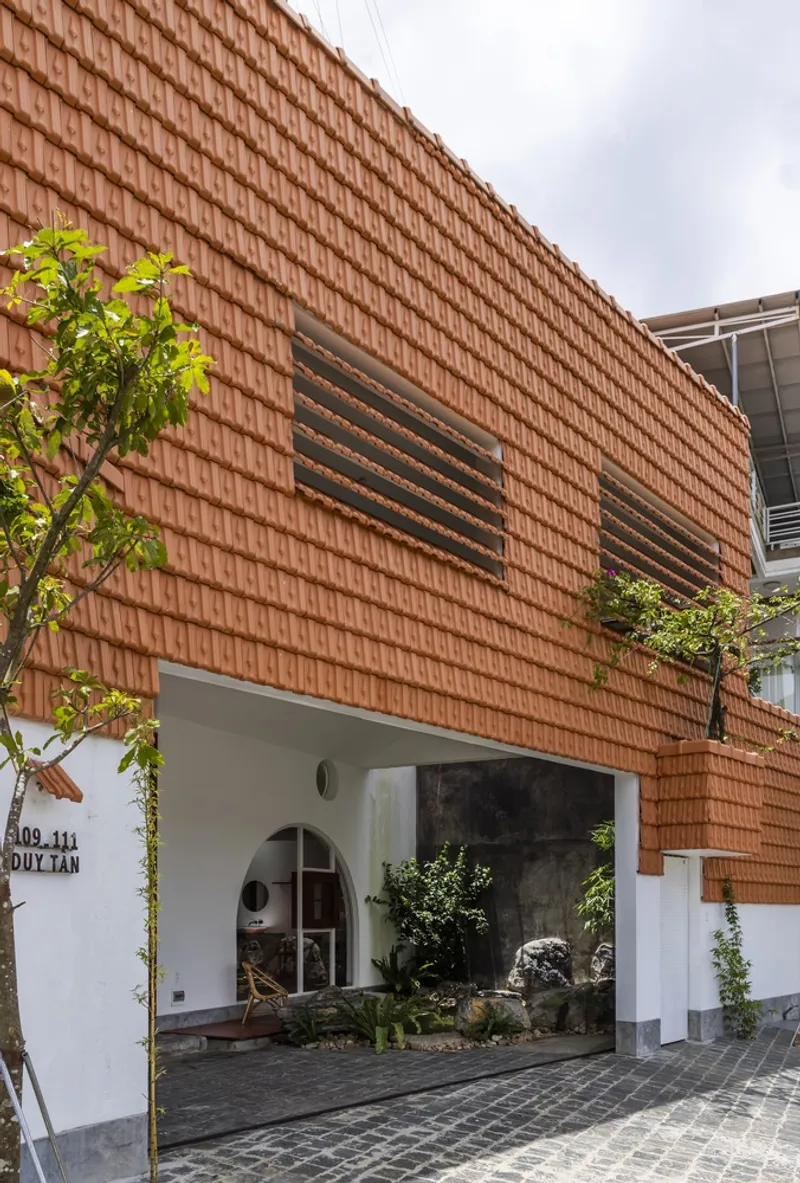
The project’s signature element is its extensive use of ceramic tiles, not just as roofing, but as a material that defines walls, facades, and even airflow systems. Chosen for their nostalgic aesthetic and functional properties, these tiles connect the present with the past while addressing modern concerns like thermal insulation, acoustic control, and sustainability.
Tiles act as a protective skin, forming breathable yet private boundaries. Combined with a double-layer wall system for soundproofing and heat insulation, the house adapts effortlessly to the shifting weather. This passive strategy enhances indoor comfort without relying heavily on mechanical systems, making it both eco-friendly and cost-efficient.
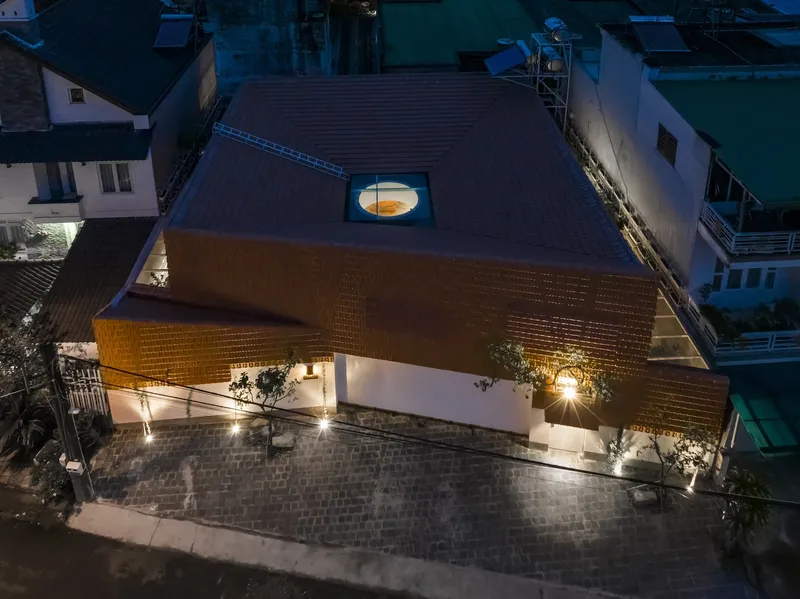
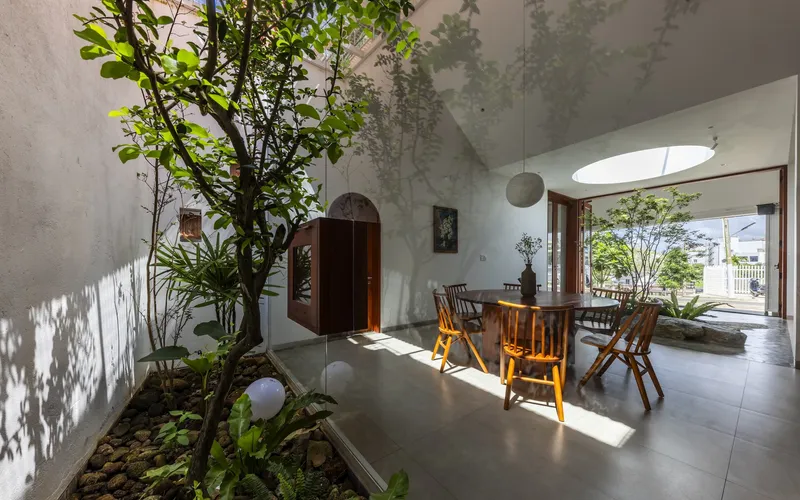
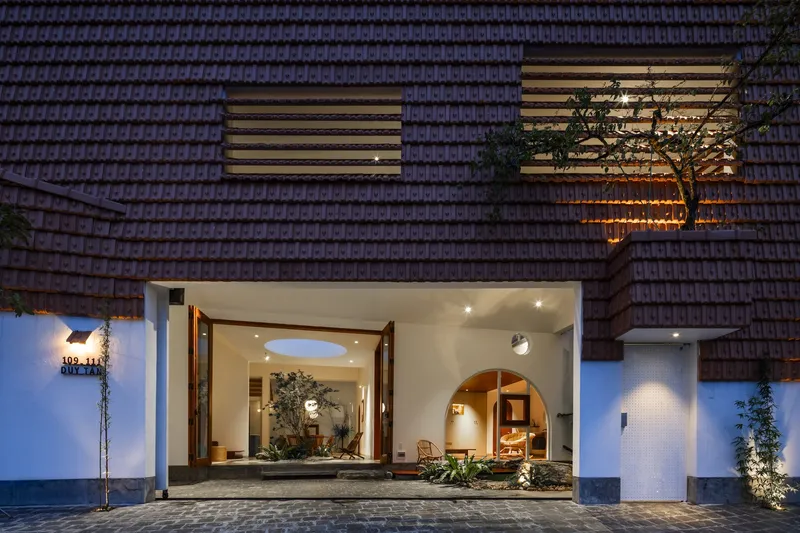
Light, Wind, and Space: Enhancing Sensory Living
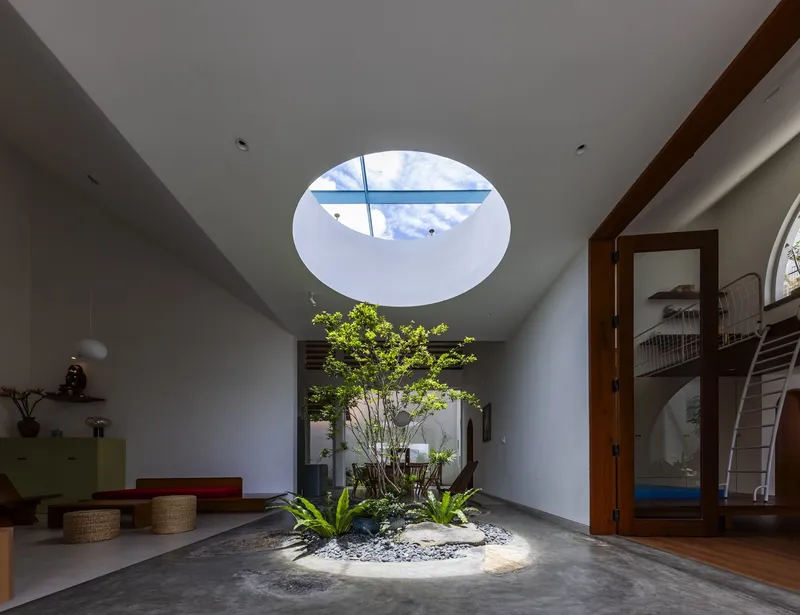
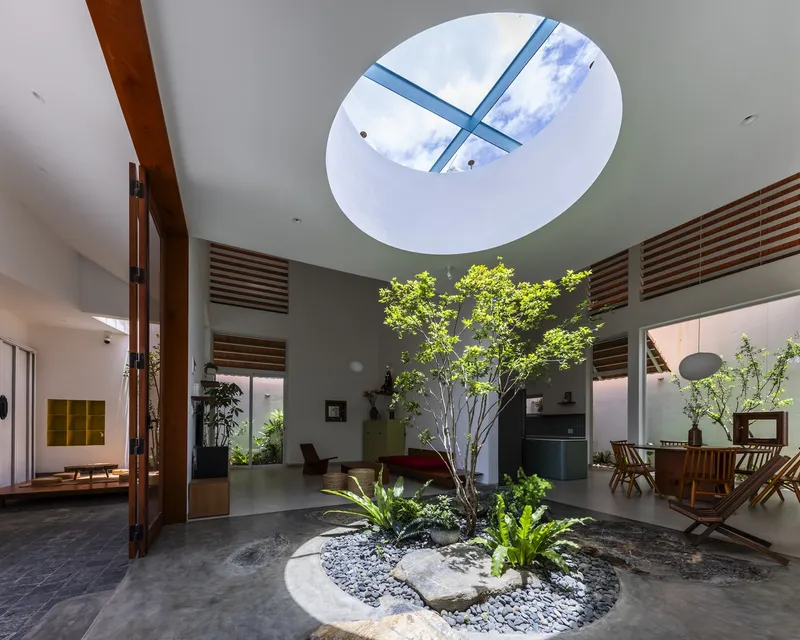
The layout of Tile House is centered on human emotion and interaction with the environment. Designed for a multigenerational family, the spatial arrangement ensures both communal connection and individual privacy. Each room is carefully segmented to respect personal space while fostering a sense of belonging.
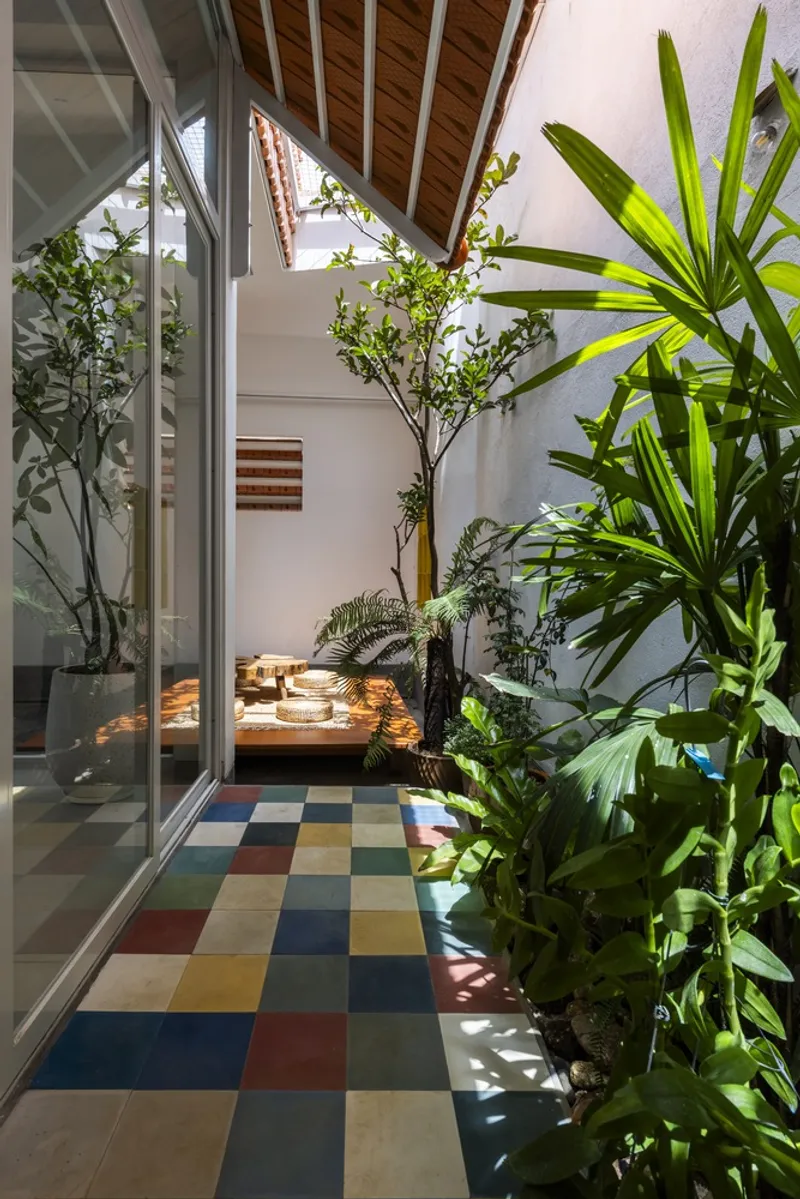
A central light-wind void brings natural ventilation into the heart of the home, supported by narrow ventilation slits embedded throughout the perimeter. These design features allow gentle air circulation and daylight to penetrate every room, enhancing the indoor microclimate and promoting well-being.
Architecture for Resilience and Reflection
The completion of Tile House coincided with a period of economic uncertainty—a time when thoughtful resource use became more important than ever. The architecture reflects this ethos: it is both modest and aspirational, grounded in material honesty and emotional richness.


Popular Articles
Popular articles from the community


Architekt Andreas Gruber Scatters 23 Dark Timber Chalets Across a South Tyrolean Forest Edge
In Molini di Tures, Amonti Chalets breaks a resort into a hamlet of gabled timber houses, with parking, storage and services pushed into the slope.

David Ortega Stacks a Two-Story Mexico City Penthouse Around a Steel Stair and a Pergola-Shaded Roof Terrace
In Colonia Roma, a 300 m² penthouse uses oak joinery, a planted steel stair and a slatted roof pergola to make a new-build apartment feel like a house.

David Macias Steps a Doorless Stone and Plaster House Down a Tropical Colombian Hillside
In the humid hills of Colombia, Threshold House replaces the front door with an open void and terraces its 850 m² down the slope instead of fighting it.

Cube Design Draws an Ecological Corridor Between Two Shenzhen Hills with the Nankai Building
Beside Shenzhen's container docks, the Nankai Building pairs stacked balconies with a climbing green screen to connect two hillsides across its height.

Similar Reads
You might also enjoy these articles


Hodi-Mandai Geram
Project Function: Preservation and revitalization of the Intangible heritage and socio-spatial identity of the Hodi by Housing, Cultural Memory Center, Sacred Grove, landscape, local tourism economy


Olio Towers: A Mid-Rise for Performers That Fuses Housing, Rehearsal, and Stage
Located blocks from Houston's Theater District, this modular tower stacks living units around a central performance atrium.

Oasis: Modular Green Housing Carved into Dhaka's Urban Fabric
A shortlisted Plugin Housing entry reclaims unauthorized settlements in Dhaka with stepped concrete volumes, green roofs, and ventilation-driven design.

Black Hole: A Floating Megastructure for the Post-Physical Era
Emiliano Mazzarotto envisions a spherical, self-scaling arena where e-sports, digital hotels, and holographic stadiums replace traditional public space.

Explore Clay Tile Competitions
Discover active competitions in this discipline

Challenge to reimagine the Iron Throne

Photograph architecture without architects

Illustrate the lost glory of Angkor Wat - Render Challenge

Design challenge to reuse E-waste
Comments (0)
Please login or sign up to add comments
No comments yet. Be the first to comment!