
Ts VEIL Restaurant by KHOA VU: A Masterclass in Restaurant Renovation Architecture
Ts VEIL Restaurant redefines tropical restaurant renovation architecture through a layered skin design that breathes, cools, and invites naturally.


Rethinking Restaurant Renovation Architecture in Urban Vietnam
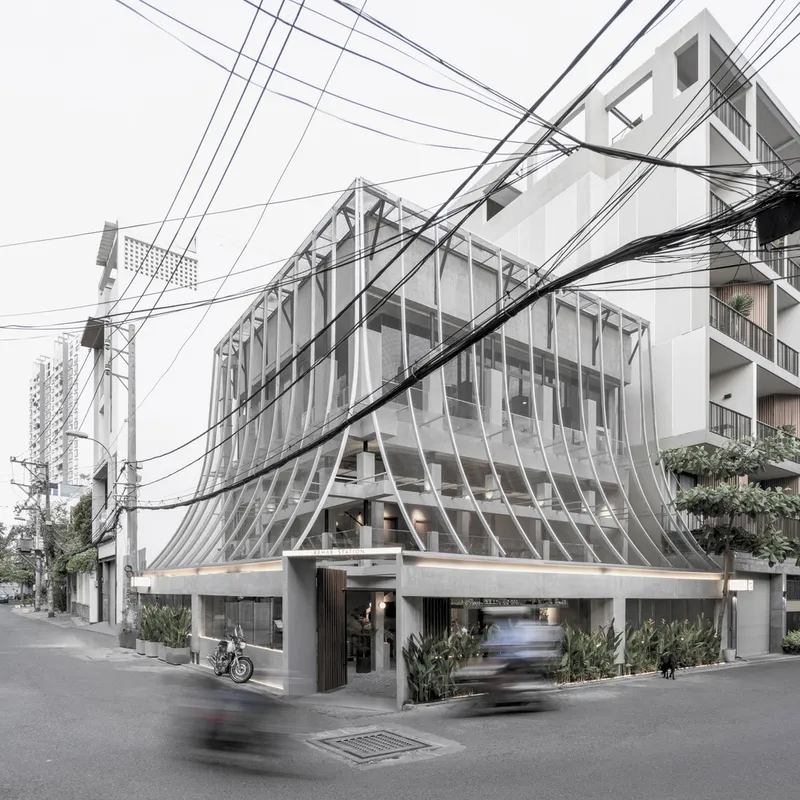
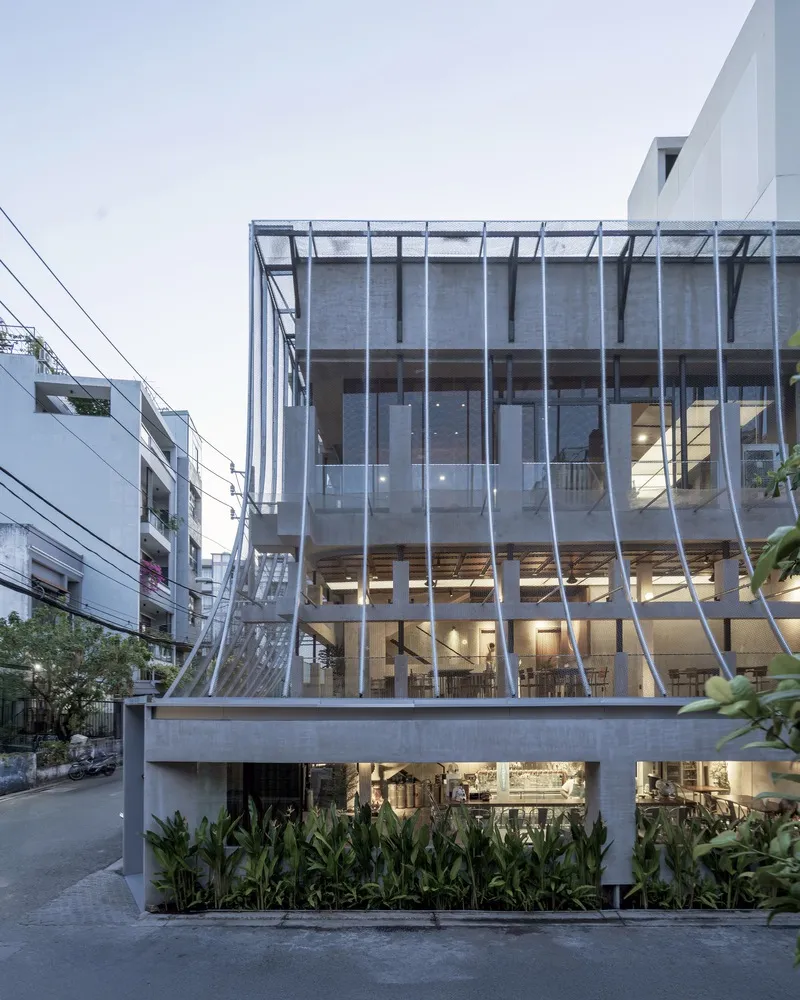
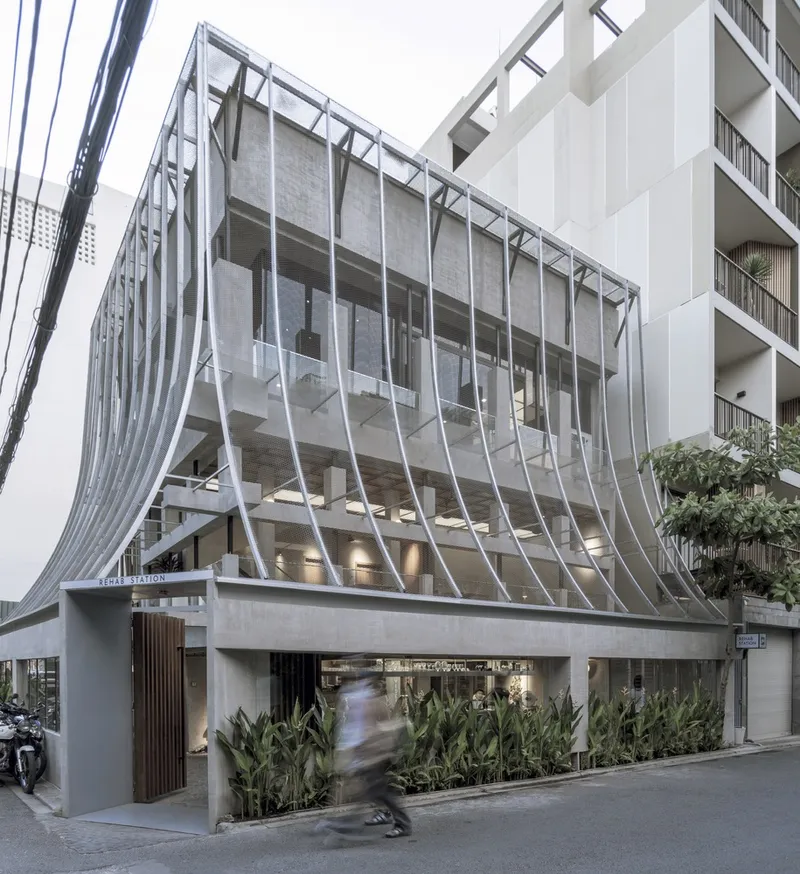
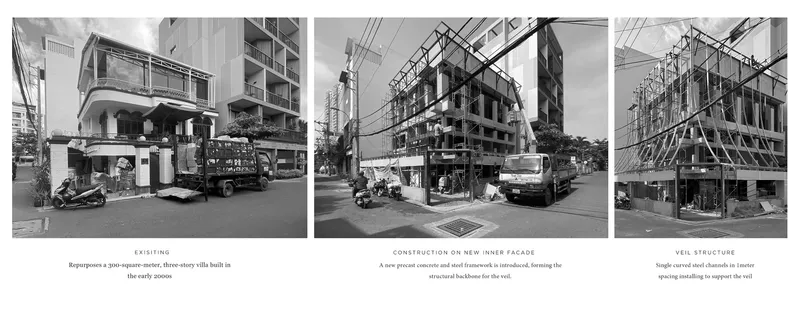
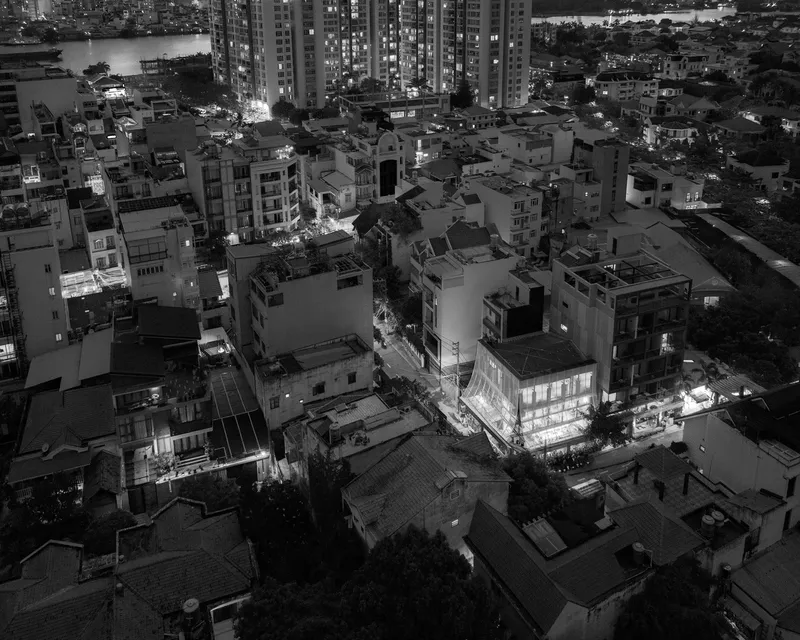
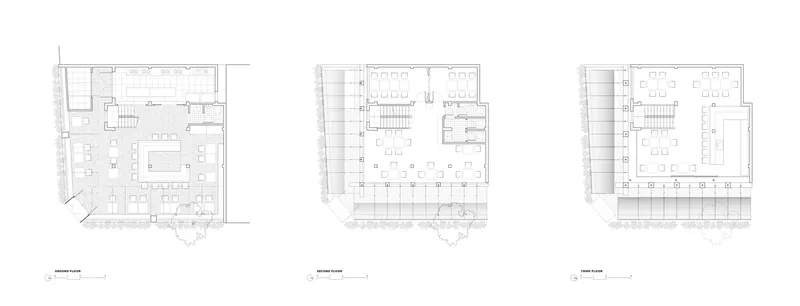
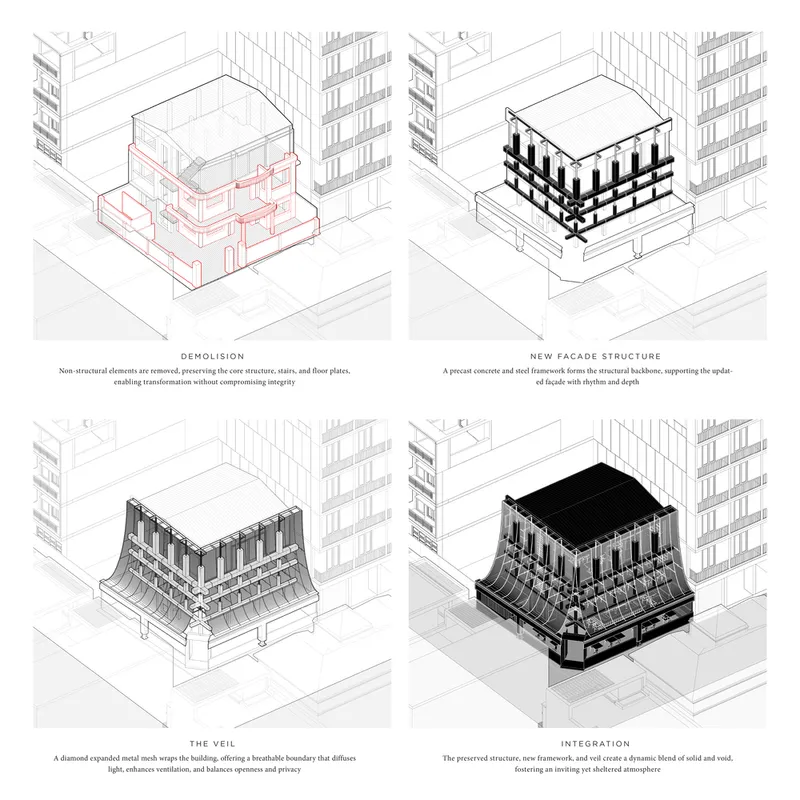
In the heart of District 2, Ho Chi Minh City, Ts VEIL Restaurant by KHOA VU offers a bold reinterpretation of restaurant renovation architecture. Instead of demolishing the existing 300-square-meter, three-story villa, the design team chose to embrace adaptive reuse—retaining the concrete structure, staircase, and core framework while dramatically transforming its presence through a new dual-layered architectural language.
The Concept of the Veil: A New Urban Skin
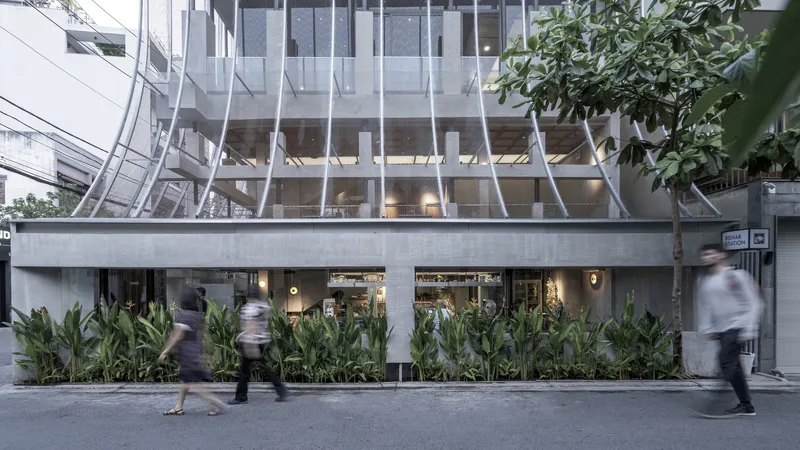
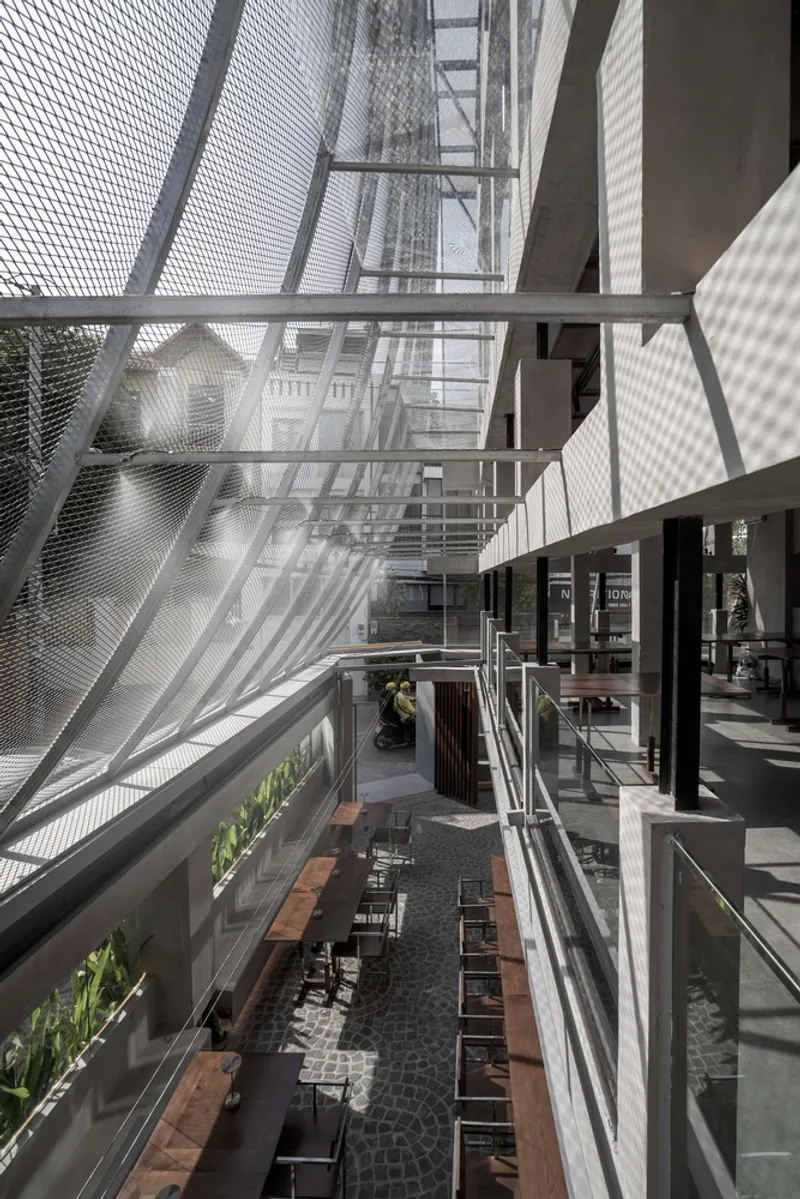
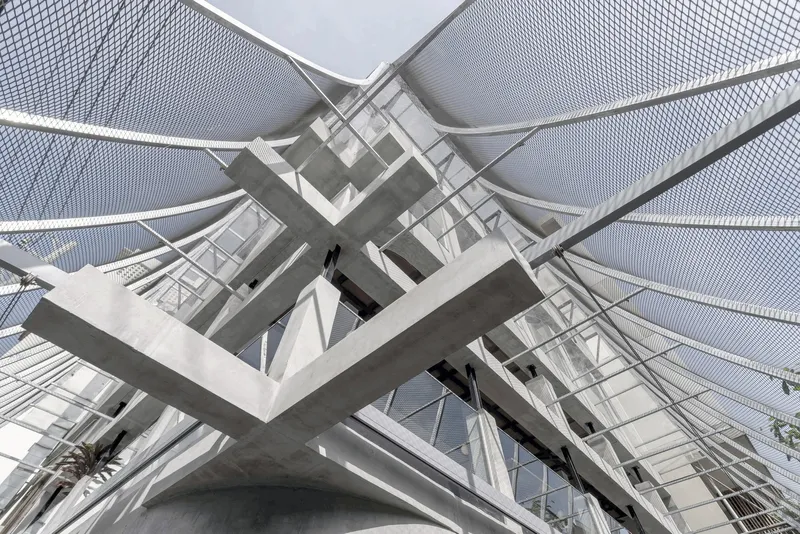
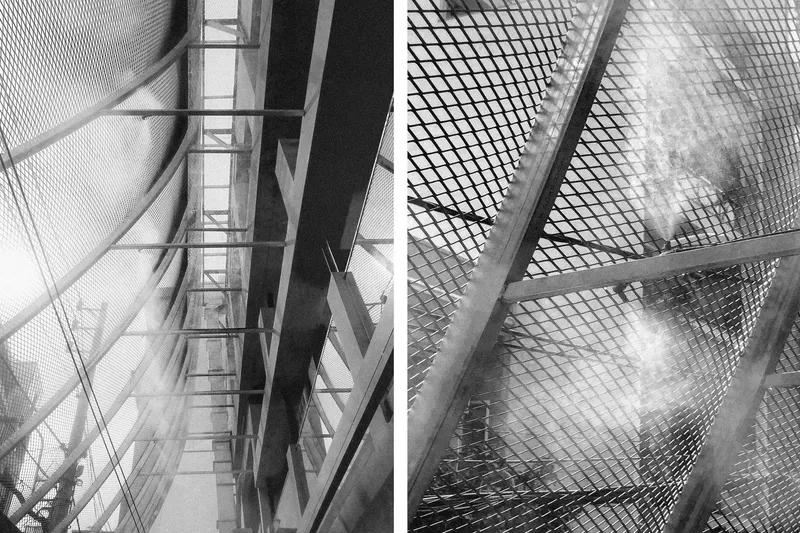
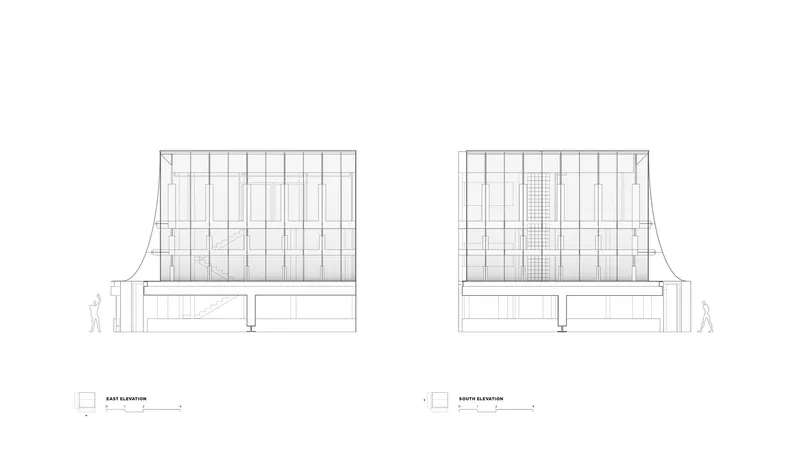
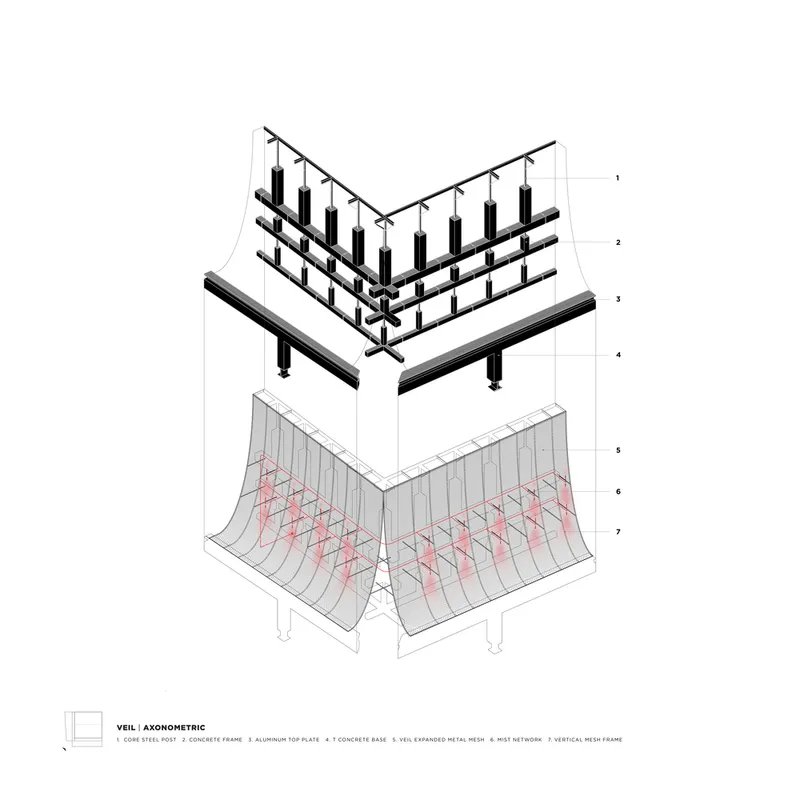
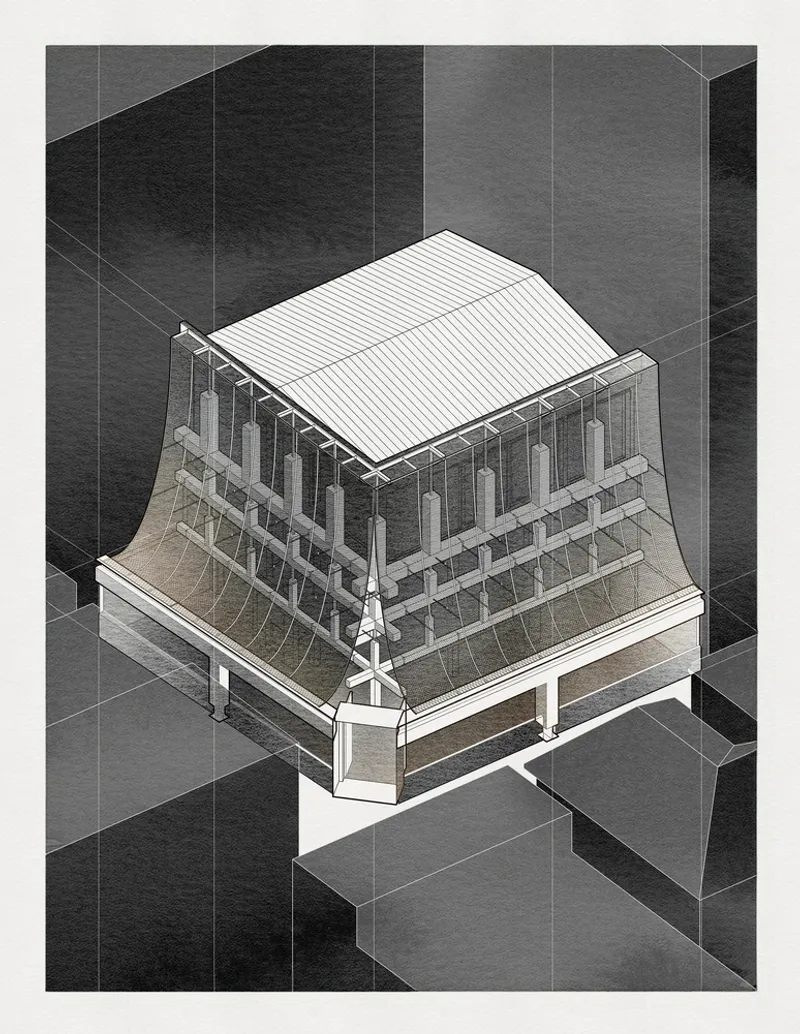
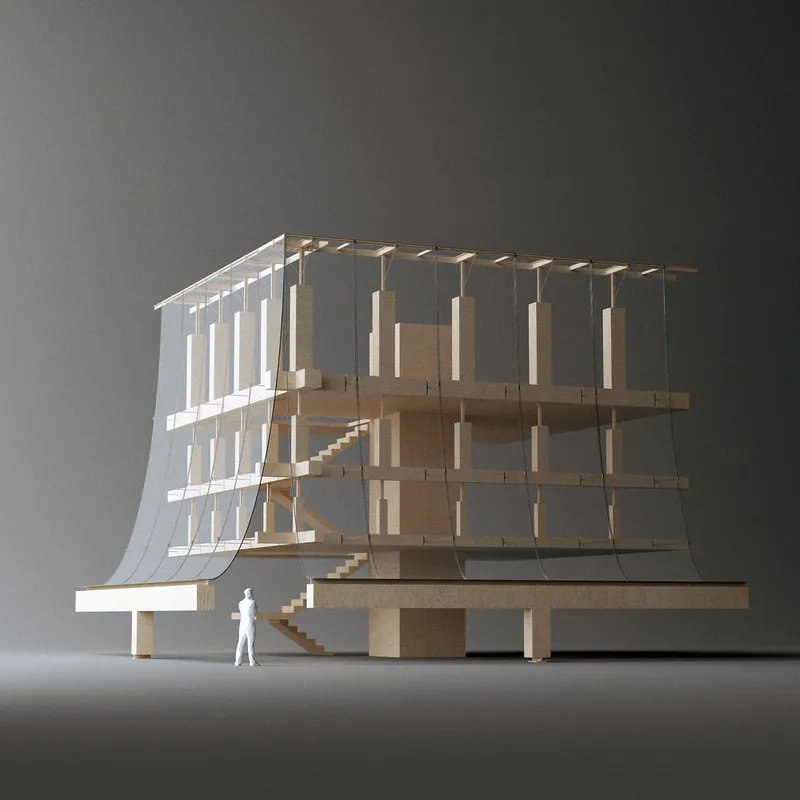
At the center of the design is the idea of a veil—a tactile, porous skin that wraps the old building in lightness and softness. The outer façade is composed of expanded metal mesh mounted on a concrete and steel substructure, providing filtered light, natural ventilation, and changing degrees of transparency. This “veil” not only acts as an environmental buffer but also becomes a key spatial gesture, turning a sharp street corner into an inviting, shaded entry that softens the building’s profile and connects it to the surrounding neighborhood.
Climate-Responsive Design for Tropical Architecture
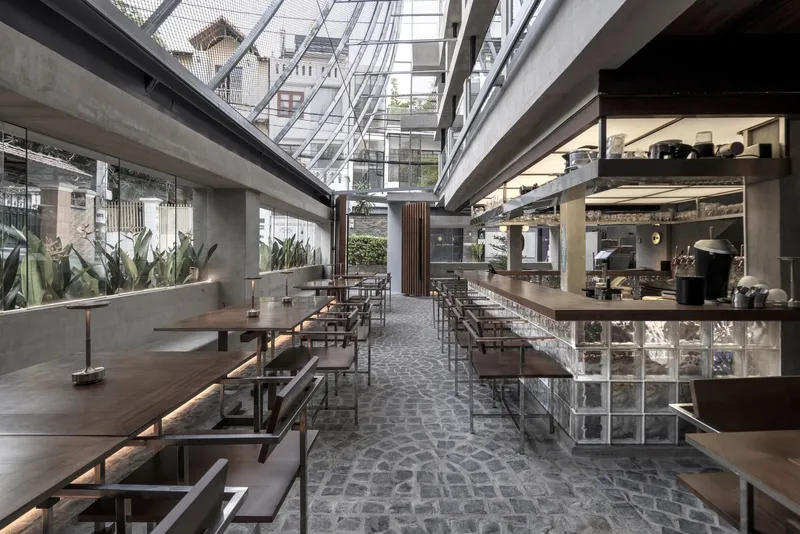
In a city with hot and humid tropical conditions, the project’s passive cooling systems are both elegant and effective. The expanded metal mesh facade enables cross-ventilation, reducing reliance on mechanical air conditioning. Additionally, a misting system built into the screen provides microclimatic cooling, allowing patrons to experience comfort even during Saigon’s peak summer temperatures. This strategic environmental design turns the building into a living organism—one that breathes and cools in rhythm with the climate.
A Dual-Layered Interior Strategy
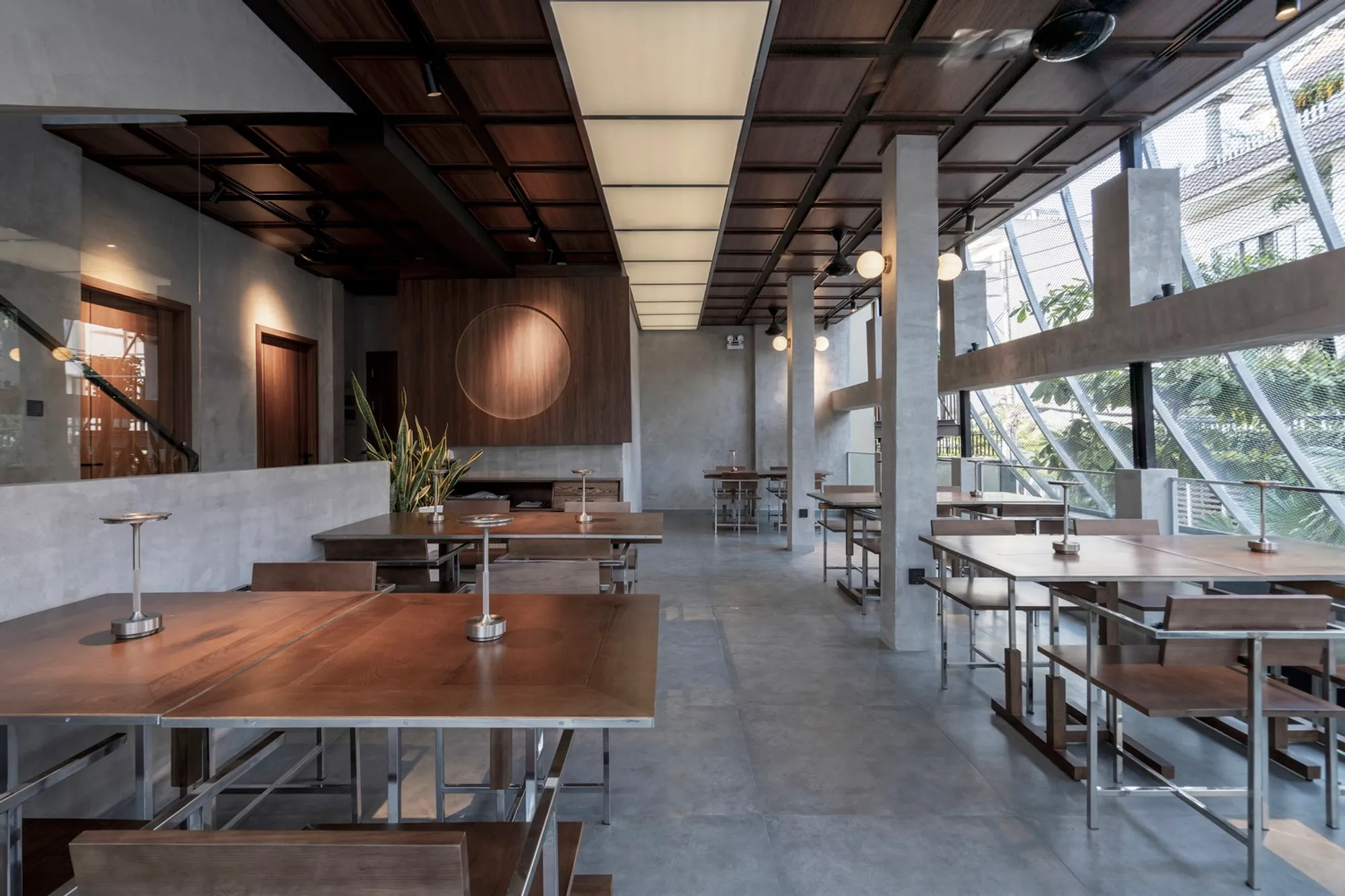
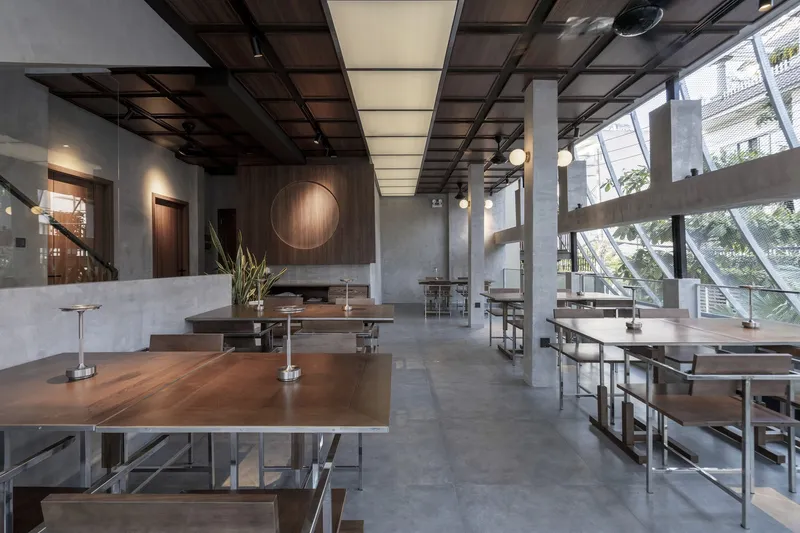
Inside the building, an inner architectural skin complements the outer veil. This interior layer is defined by glass block walls, exposed concrete, unfinished steel, and minimalist detailing—materials that evoke a raw, honest, and tactile modernism. The glass blocks refract and diffuse light while maintaining a sense of privacy, giving the interiors a gentle glow that contrasts with the rugged exterior. The spatial experience is both informal and intentional, quiet yet robust.
Material Honesty and Spatial Clarity
KHOA VU’s intervention does not rely on visual excess but instead celebrates material honesty and spatial restraint. Concrete walls are left exposed, metal is untreated, and detailing is stripped to its essence. This rawness is not a statement of austerity but one of clarity and respect for the materials themselves. The result is a space that feels both elegant and unpretentious—a reflection of contemporary Vietnamese architecture rooted in climate, context, and craft.
Renovation as a Model for Urban Resilience
What makes Ts VEIL Restaurant remarkable is its ability to use light architectural intervention to transform urban life. The project exemplifies how restaurant renovation architecture can balance environmental performance with cultural sensitivity and urban engagement. It doesn’t erase the past—it reinterprets it, creating new possibilities from the existing fabric of the city. By retaining structure and embedding climate-responsive strategies, the project offers a new vision for sustainability in tropical, dense urban contexts.
A Contemporary Urban Oasis
Ts VEIL is more than a restaurant; it is an architectural statement about the future of tropical renovation. Its dual-layer strategy blurs the line between inside and outside, between public and private, creating an immersive dining experience that speaks to atmosphere, adaptability, and urban renewal. KHOA VU’s work here is a model of restraint, precision, and imagination—an inspiring case study for architects looking to innovate within the constraints of the existing.
All photographs are works of Chuong Nguyen



Popular Articles
Popular articles from the community


Co-life: Sustainable Architecture for Age-Friendly Community Living
Co-life reimagines sustainable architecture for seniors through courtyards, rammed earth, shared gardens, and spaces designed for belonging.

Riyadh For All: Intergenerational Urban Design for Active Aging in Rabat
Riyadh For All reimagines urban design in Rabat with intergenerational co-living, adaptive courtyards, and Moroccan cultural exchange today.

Hill & Cross Opera: Sculptural Opera House Architecture Shaped by Tallinn’s Landscape and Identity
Hill & Cross Opera reimagines opera house architecture in Tallinn through its sculptural hill, civic plaza, glass wave and a luminous cross.

The Musturak Paradise: Senior Living Architecture for a Connected Future in Temara, Morocco
The Musturak Paradise reimagines senior living architecture in Temara via private homes, social spaces, culture, community, and shared care.

Similar Reads
You might also enjoy these articles


Bamboo Housing Challenge 2026: Design Affordable, Sustainable Homes Using Bamboo
An international design competition by Bamboo U and IBUKU inviting architects and designers to reimagine affordable housing using bamboo — with the winning design built full-scale in Bali.

Computational Design & Education: Beegraphy Design Awards Introduces 7th Category (Featuring Jiyun's Innovative Approach)
Dive into Beegraphy’s 7th Design Awards category, where computational design meets education to create immersive, interactive learning tools, inspired by Jiyun’s work.

From Parametric Lighting to Urban Furniture: Join the 2nd Workshop in Beegraphy’s Computational Design Series
Dive into Cutting-Edge Design Techniques and Practical Applications with Industry Experts

Last Call: Unleash Your Architectural Genius in SHAK's Kindergarten Design Competition
Urgent call for architects to join SHAK's kindergarten design competition before the looming deadline

Explore Architecture Competitions
Discover active competitions in this discipline



Challenge to reimagine the Iron Throne


Photograph architecture without architects


Illustrate the lost glory of Angkor Wat - Render Challenge


Design challenge to reuse E-waste
Comments (0)
Please login or sign up to add comments
No comments yet. Be the first to comment!