
Twisting Tower and Spiral Station: Pioneering Ecological Infrastructure Architecture
The article explores the innovative design of the Twisting Tower and Spiral Station, showcasing ecological infrastructure architecture and sustainability.


The Twisting Tower and Spiral Station are revolutionary designs by HCCH Studio, marking significant progress in ecological infrastructure architecture. These two structures, part of the Shanghai Lingang Ecological Restoration Project, stand as iconic examples of how architecture can blend functionality with environmental awareness. Located along the coastline of Pudong, China, these innovative designs serve ecological purposes while becoming visual landmarks that promote public attention towards pressing environmental issues.
In this article, we’ll explore the visionary design elements of the Twisting Tower and Spiral Station, their roles in environmental monitoring, and how they embody a new wave of ecological infrastructure architecture.
Ecological Functions of the Twisting Tower
Dual Functionality of the Twisting Tower
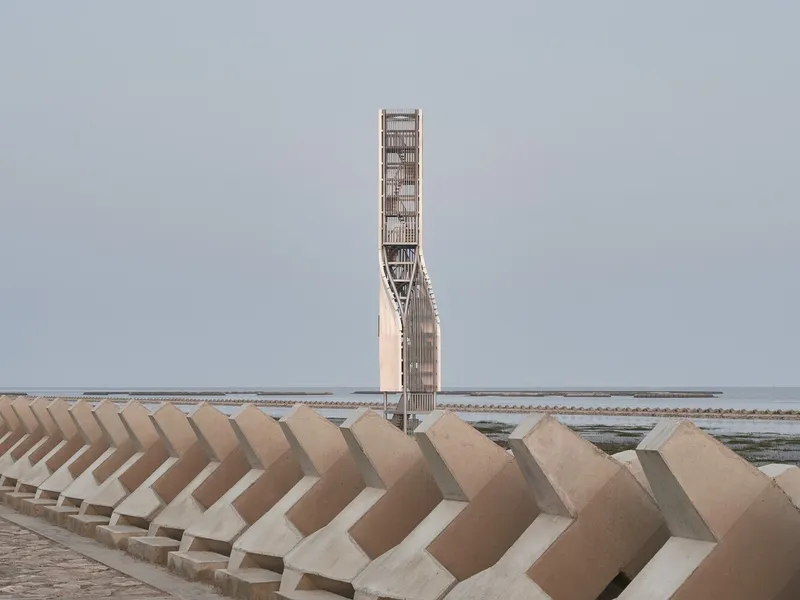
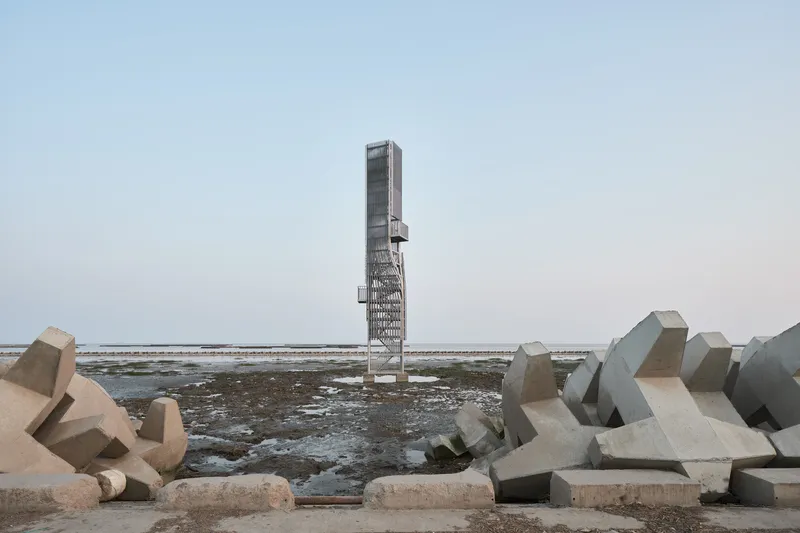
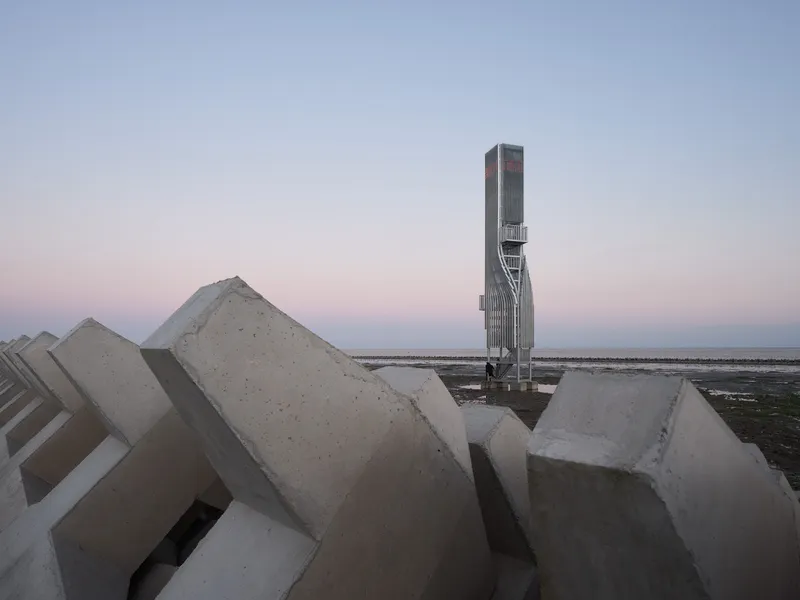
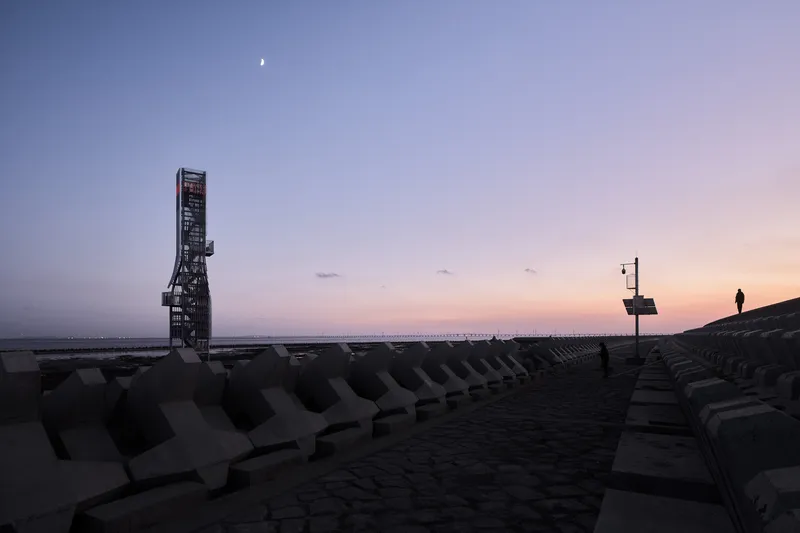
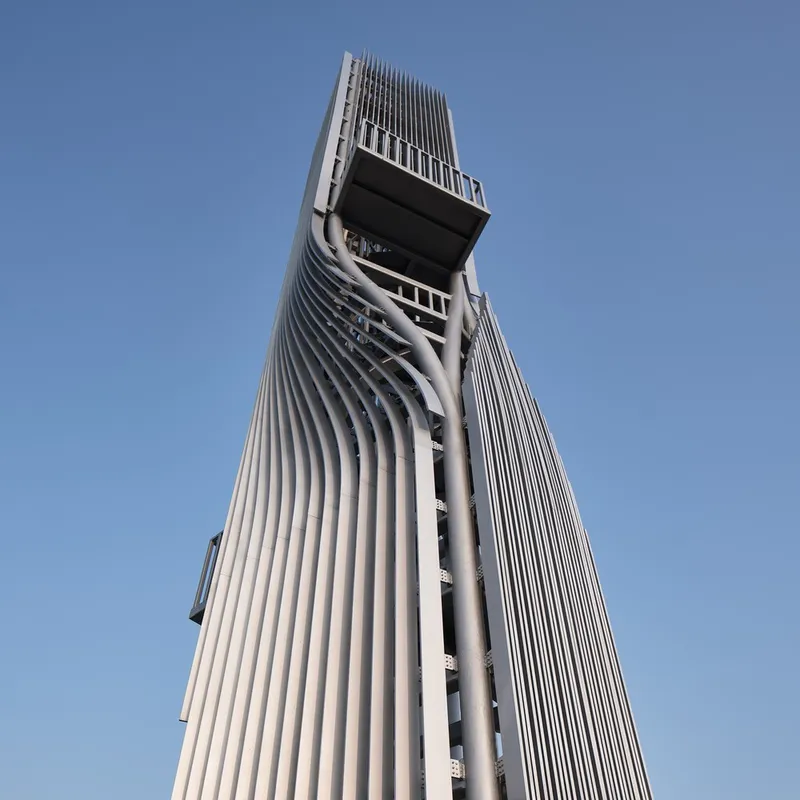
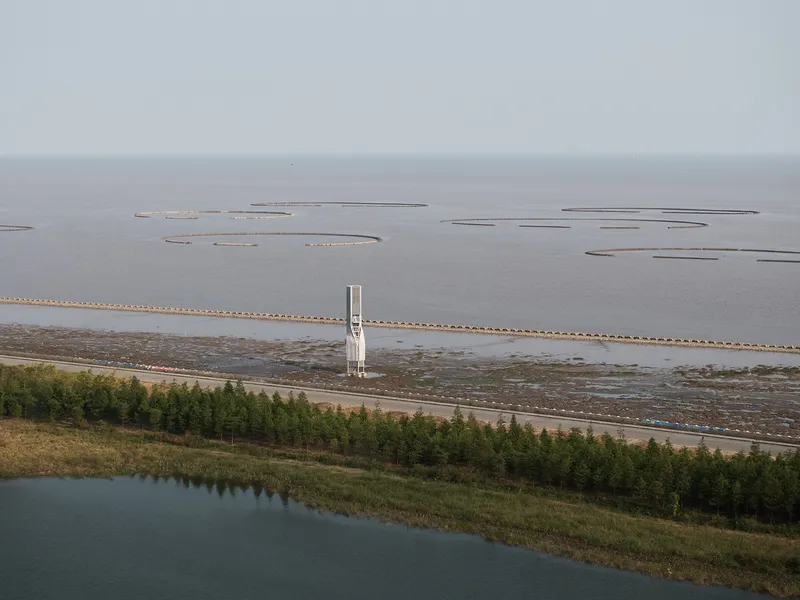
The Twisting Tower is a remarkable piece of ecological infrastructure that integrates two vital functions: carbon flux monitoring and sea level alerts. The structure stands 20 meters tall, combining these separate functions into a single landmark. This choice of combining two functions into one design reflects the forward-thinking nature of ecological infrastructure architecture.
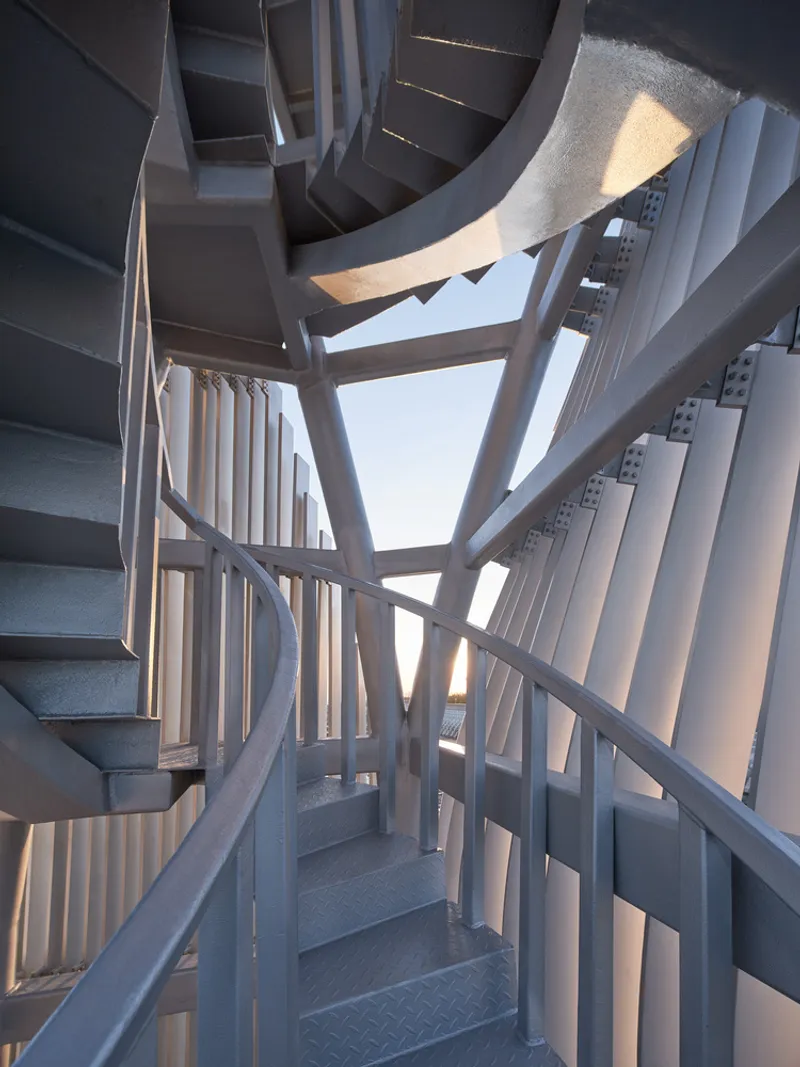
- Carbon Flux Monitoring: A slender steel tower with multiple platforms is designed for air quality monitoring and climate change observation. These platforms facilitate bird watching and data collection, essential for the region’s environmental research.
- Sea Level Alert: A concrete cylinder element, which serves as an alert system for storm surges and ocean tides, incorporates top lighting for visual alerts.
Design and Functionality Integration
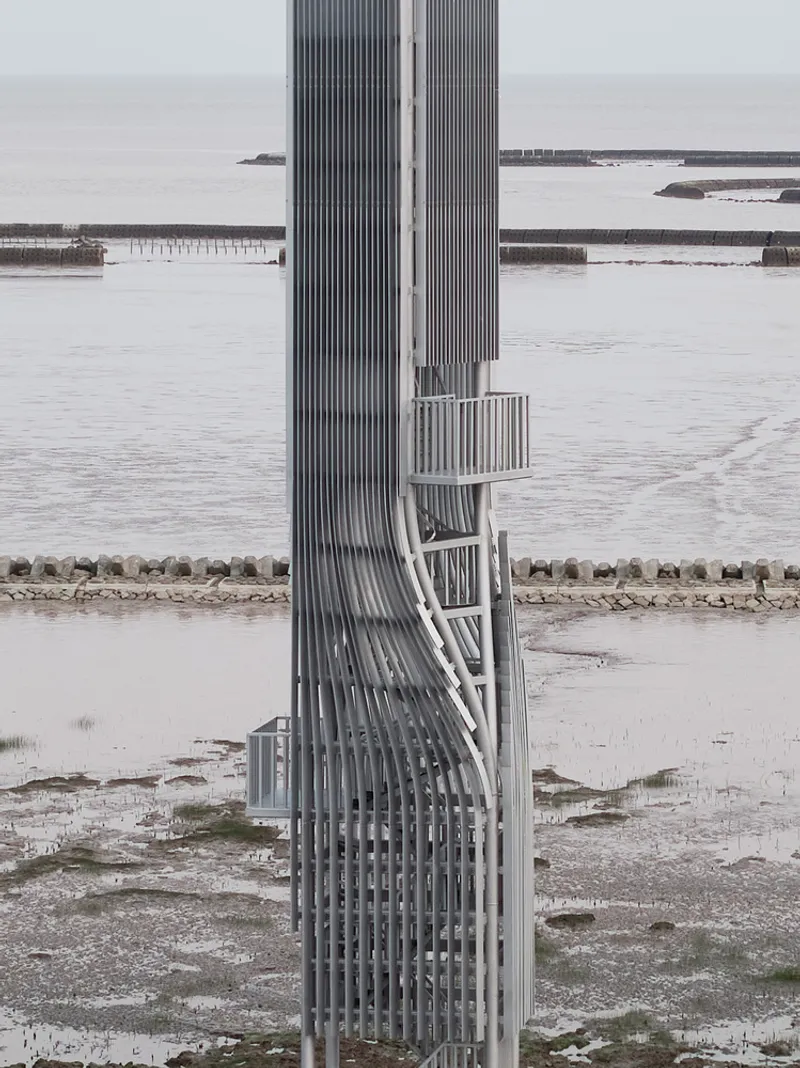
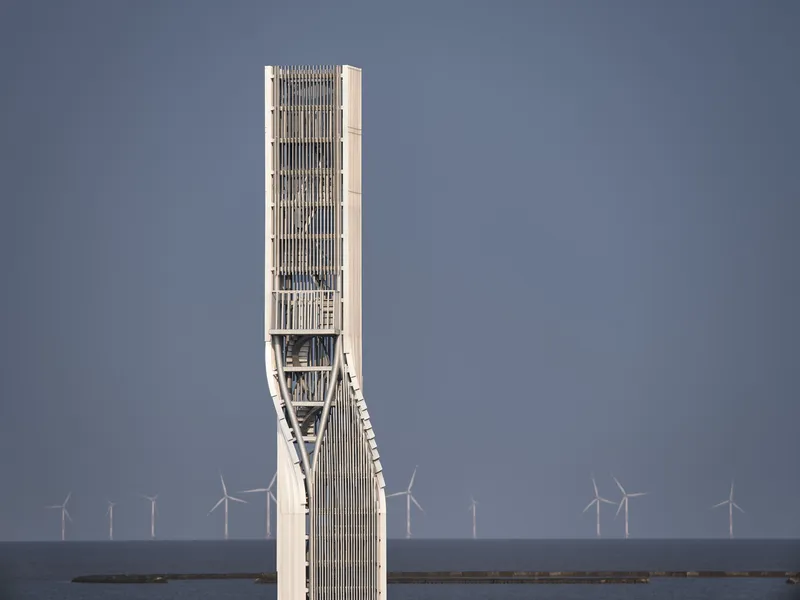
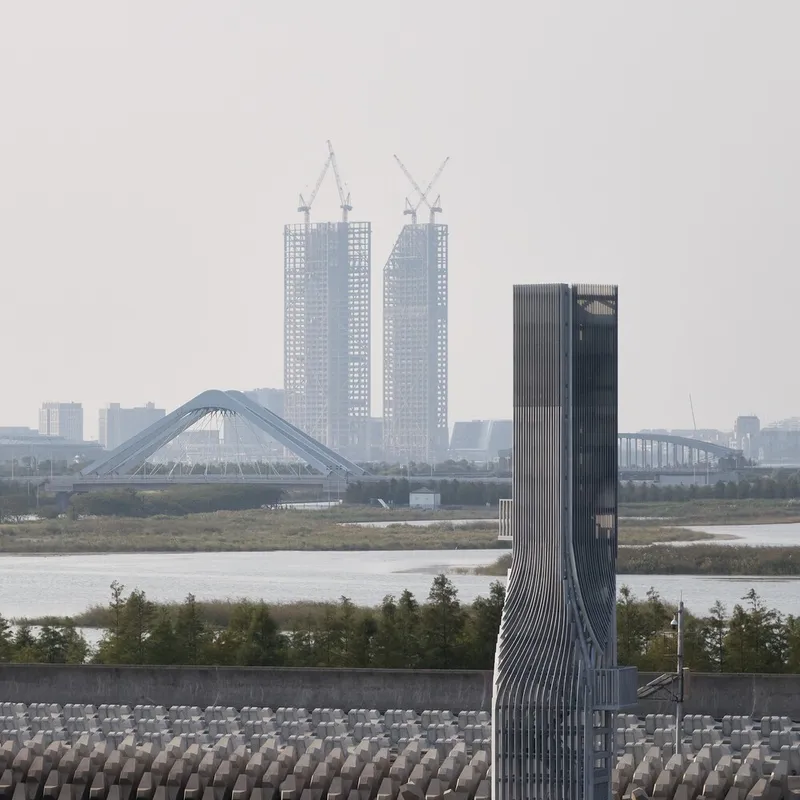
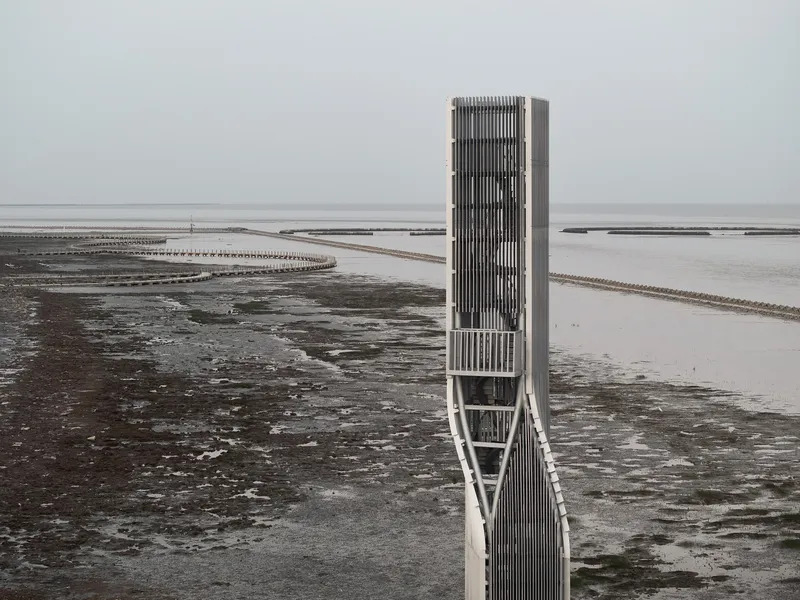
The tower’s twisted form isn’t just an aesthetic choice; it reflects the dual functionality of the structure. The twist at both ends serves to indicate the different functions—carbon flux monitoring and sea level alerting—while allowing the placement of detection devices in varied orientations. The tower’s steel structure is enclosed with vertical metal louvers, adding to the visual complexity and creating a dynamic scale when viewed from the vast coastline.
Environmental Impact and Scale
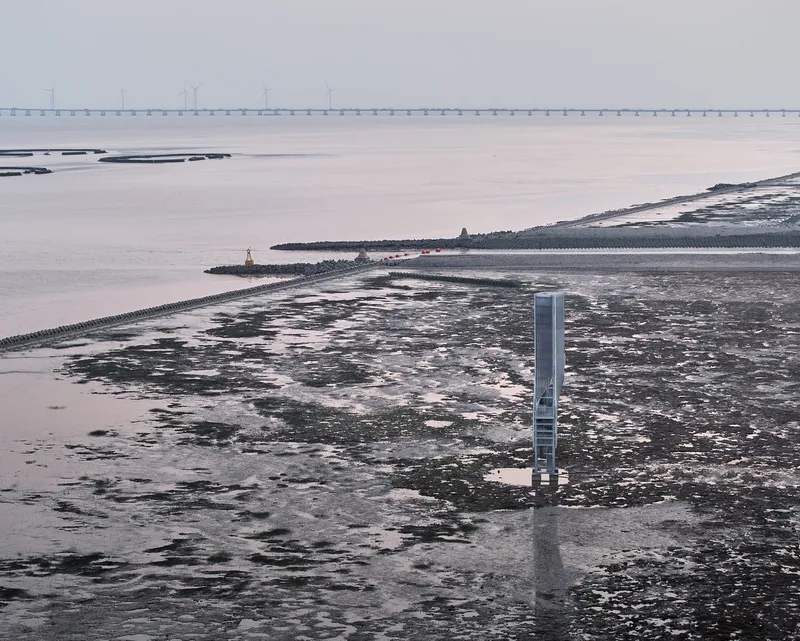
The Twisting Tower acts as more than just a piece of infrastructure; it symbolizes the commitment to environmental awareness. Its strategic location, visible from the coast, invites observers to contemplate the ecological issues it addresses. The use of LED light strips embedded in the louvers alerts the public to rising sea levels, making this tower not only a functional piece of infrastructure but also a sculptural reminder of our relationship with the environment.
The Spiral Station: A New Kind of Offshore Monitoring
Floating Ecological Monitoring Station
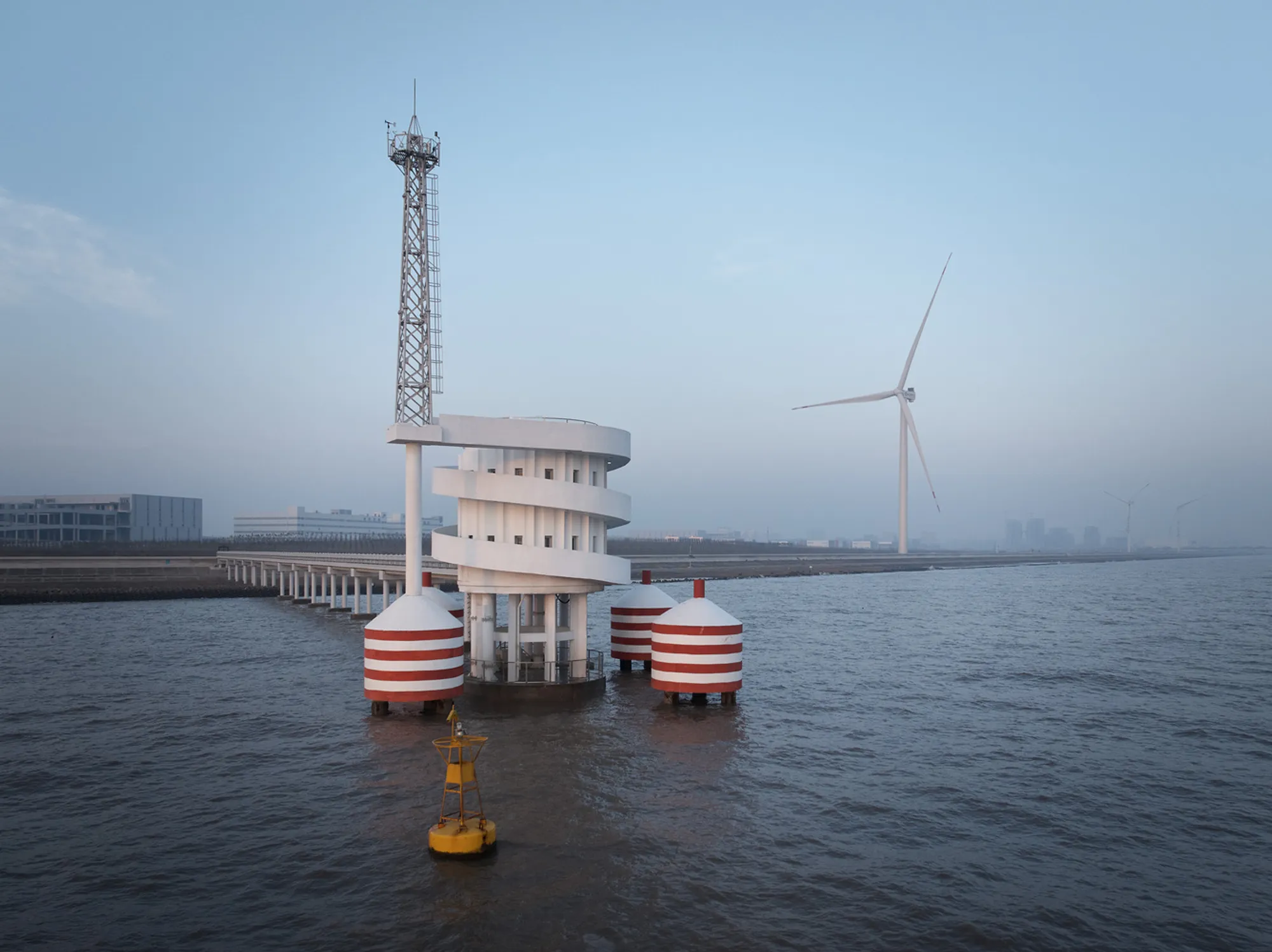
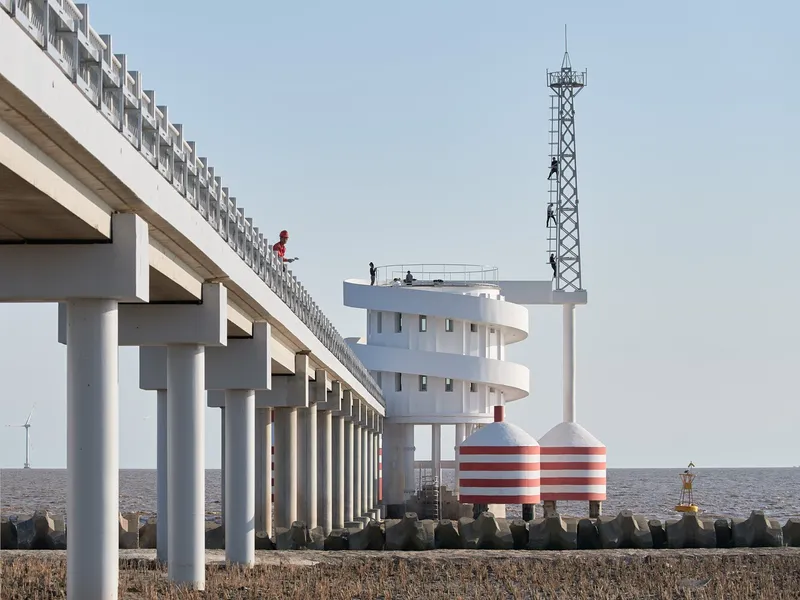
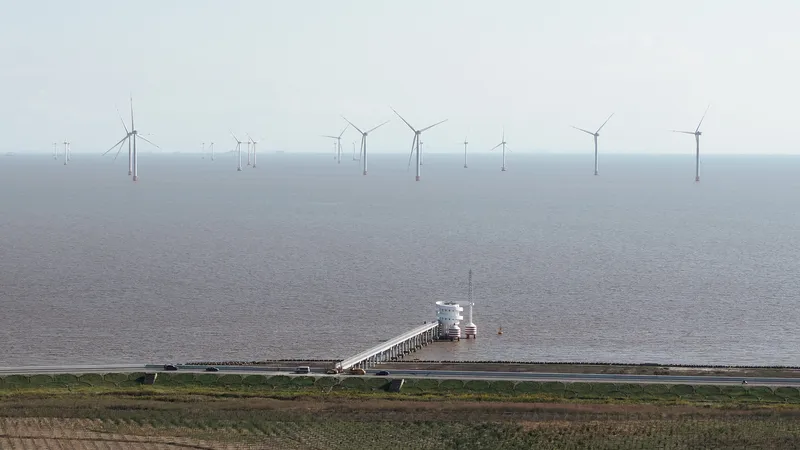
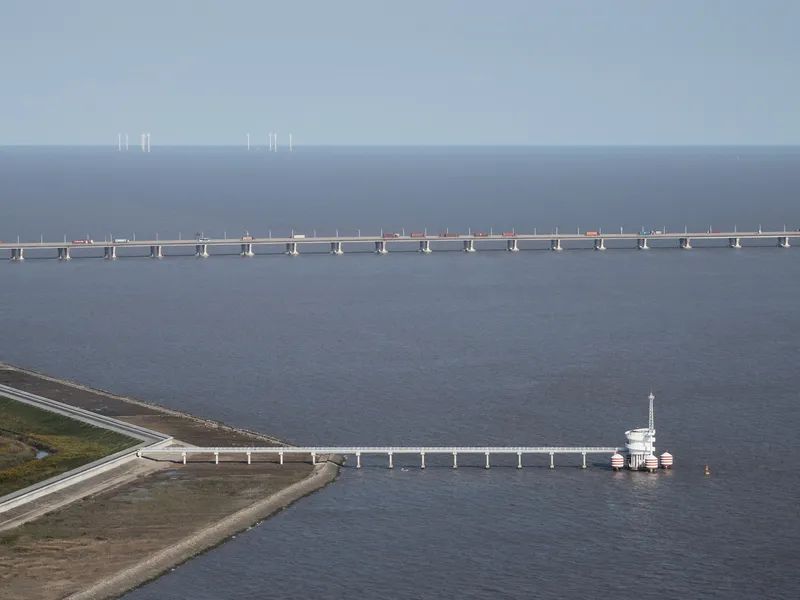
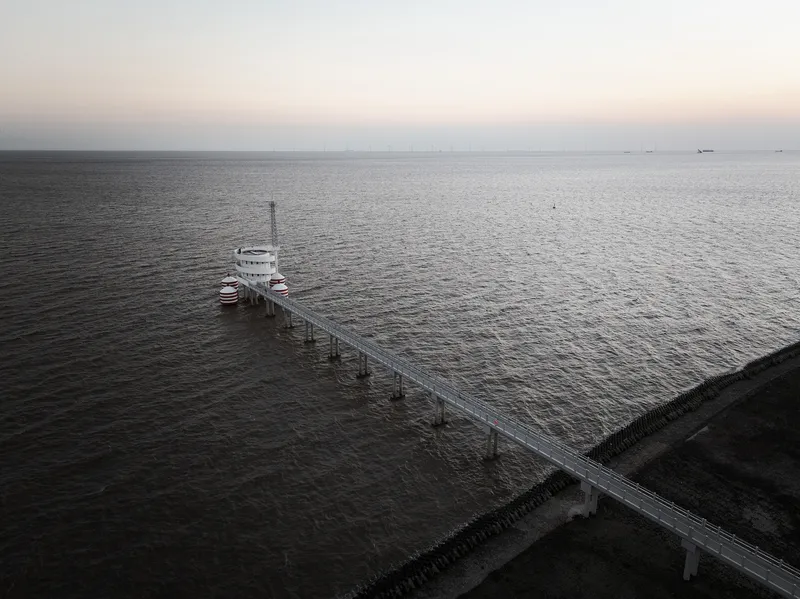
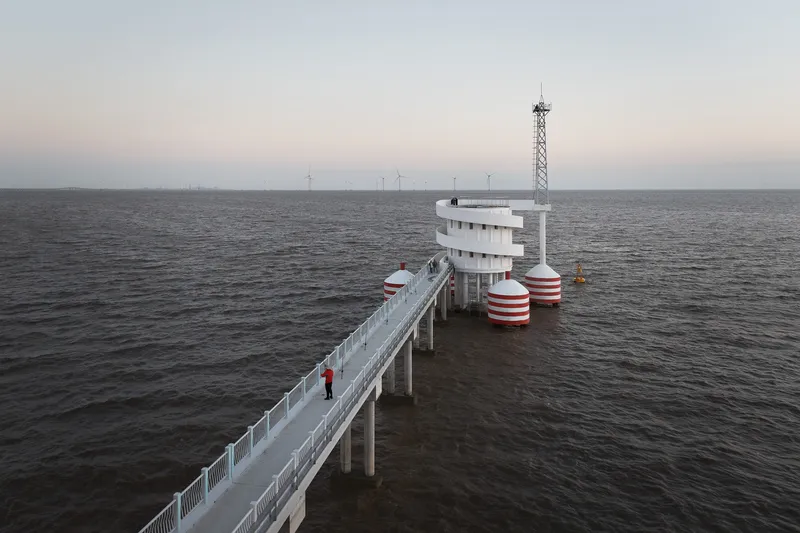
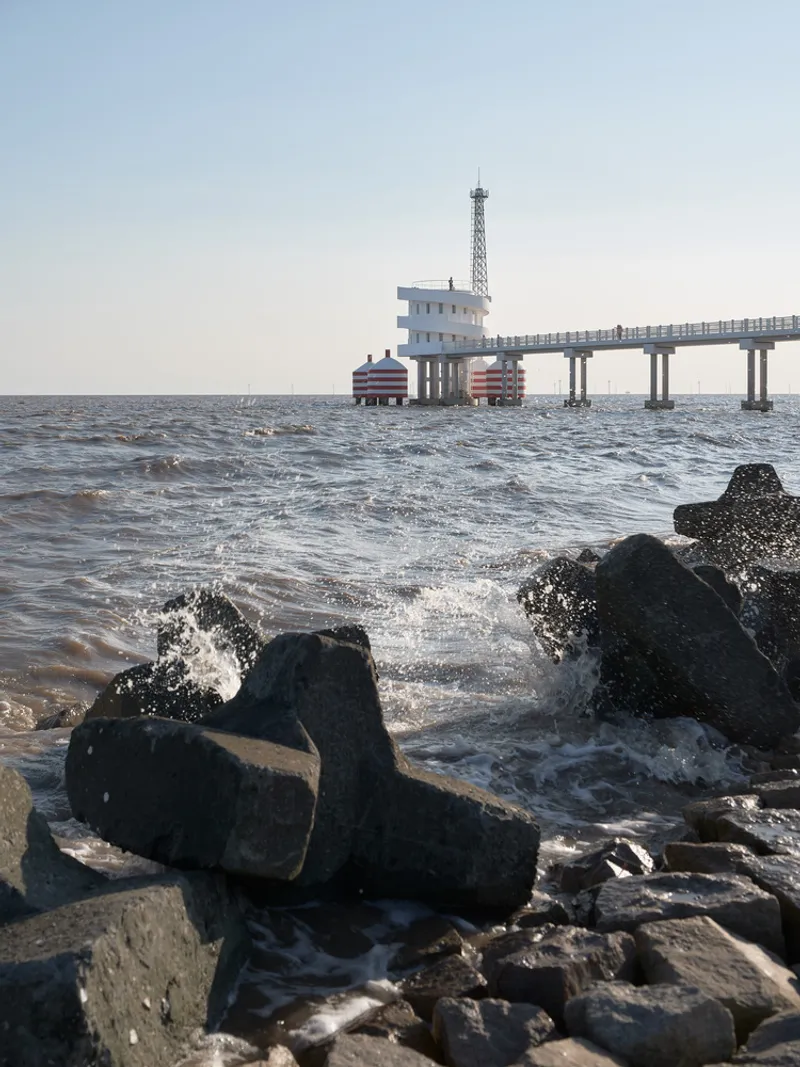
The Spiral Station, located offshore and accessible only by a 20-span bridge, is a groundbreaking design in ecological infrastructure architecture. Positioned 200 meters from the shore, it plays a pivotal role in monitoring hydrology, meteorology, and water quality. As part of the larger Lingang Ecological Restoration Project, the station is designed to provide critical data while integrating seamlessly with the natural environment.
Design Innovation: A Spiraling Cylinder
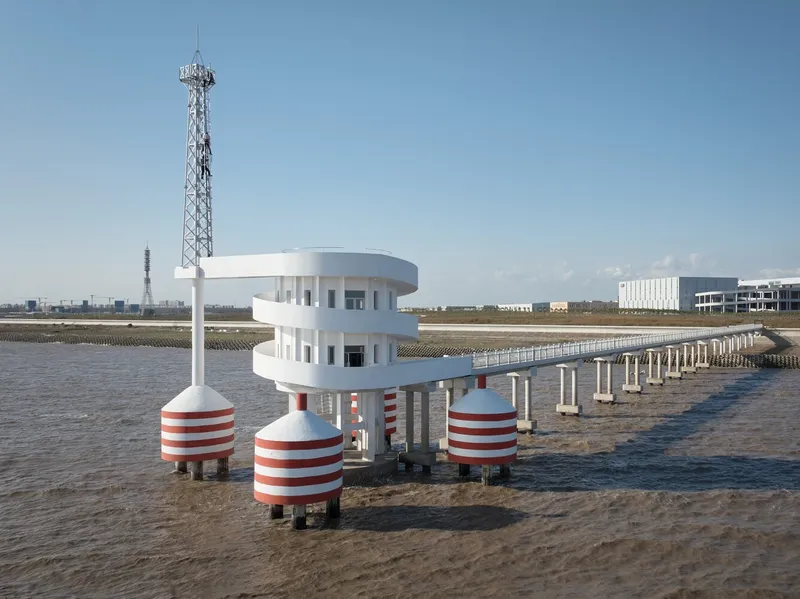
In contrast to the typical cubic offshore monitoring stations, which often look like simple concrete boxes, the Spiral Station adopts a cylindrical form with a spiraling ascent. The innovative design avoids unnecessary decorative elements, focusing instead on functionality and environmental resilience.
- Spiral Design: A two-meter wide slope spirals from ground level to the roof, ensuring easy access to the rooftop working platform. This unbroken circulation mimics the natural flow of water and wind in the surrounding coastal environment, making the design a true reflection of ecological architecture.
- Climate Tower Integration: The spiral culminates in a climate tower placed on an anti-collision pile. This tower is pivotal in weather and climate data collection, aligning the station's function with the ecological goals of the project.
Sustainability and Adaptability
The Spiral Station’s design accounts for high wind loads, a necessary feature given its offshore location. The cylindrical form, free from angular interruptions, allows the structure to adapt naturally to its harsh environment, ensuring longevity and resilience.
Symbolism and Landmark Functionality
Both the Twisting Tower and Spiral Station transcend their basic roles as infrastructure. They are not just functional pieces but also become landmarks—sculptural elements embedded within the landscape. Their unique designs serve as symbols of the harmonious relationship between technology, architecture, and the environment.
In this way, they contribute to raising public awareness about environmental issues. These designs embody the future of ecological infrastructure architecture, demonstrating how architecture can play a vital role in sustainability and environmental advocacy.
Leading the Way in Ecological Infrastructure Architecture
The Twisting Tower and Spiral Station are exemplary works of ecological infrastructure architecture that challenge traditional forms of design and functionality. Through minimal gestures and innovative structures, HCCH Studio has created two monumental works that not only address crucial environmental concerns but also serve as stunning landmarks along the coastline. By integrating ecological principles into their design, these structures pave the way for the future of architecture, where sustainability and functionality work hand-in-hand to create meaningful connections with the environment.
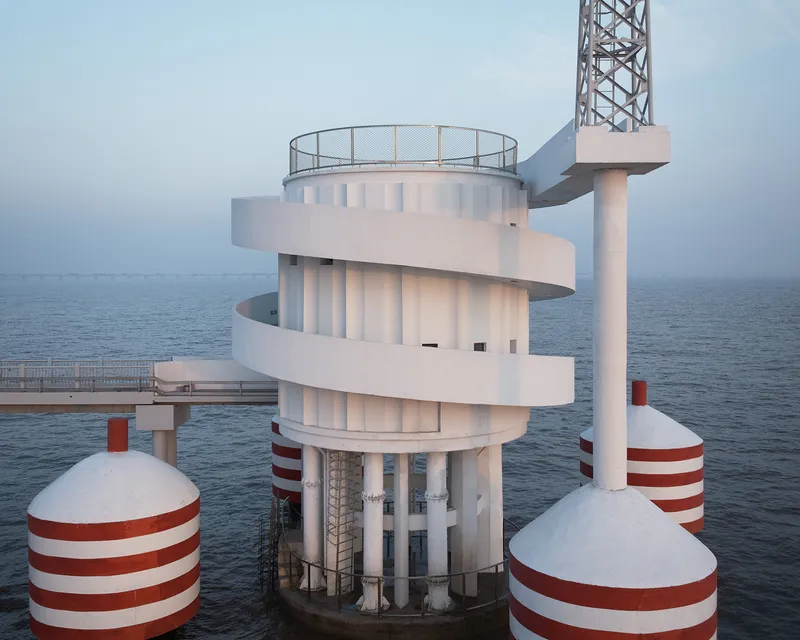
All the photographs are work of Qingyan Zhu



Popular Articles
Popular articles from the community


Riyadh For All: Intergenerational Urban Design for Active Aging in Rabat
Riyadh For All reimagines urban design in Rabat with intergenerational co-living, adaptive courtyards, and Moroccan cultural exchange today.

Play: Fragments of Their World
Familiar architecture becomes modular playground design, creating safe spaces where displaced children can learn, connect, imagine and play.

Hill & Cross Opera: Sculptural Opera House Architecture Shaped by Tallinn’s Landscape and Identity
Hill & Cross Opera reimagines opera house architecture in Tallinn through its sculptural hill, civic plaza, glass wave and a luminous cross.

Co-life: Sustainable Architecture for Age-Friendly Community Living
Co-life reimagines sustainable architecture for seniors through courtyards, rammed earth, shared gardens, and spaces designed for belonging.

Similar Reads
You might also enjoy these articles


Hodi-Mandai Geram
Project Function: Preservation and revitalization of the Intangible heritage and socio-spatial identity of the Hodi by Housing, Cultural Memory Center, Sacred Grove, landscape, local tourism economy


Olio Towers: A Mid-Rise for Performers That Fuses Housing, Rehearsal, and Stage
Located blocks from Houston's Theater District, this modular tower stacks living units around a central performance atrium.

Oasis: Modular Green Housing Carved into Dhaka's Urban Fabric
A shortlisted Plugin Housing entry reclaims unauthorized settlements in Dhaka with stepped concrete volumes, green roofs, and ventilation-driven design.

Black Hole: A Floating Megastructure for the Post-Physical Era
Emiliano Mazzarotto envisions a spherical, self-scaling arena where e-sports, digital hotels, and holographic stadiums replace traditional public space.

Explore Revolving Tower Competitions
Discover active competitions in this discipline



Challenge to reimagine the Iron Throne


Photograph architecture without architects


Illustrate the lost glory of Angkor Wat - Render Challenge


Design challenge to reuse E-waste
Comments (0)
Please login or sign up to add comments
No comments yet. Be the first to comment!