
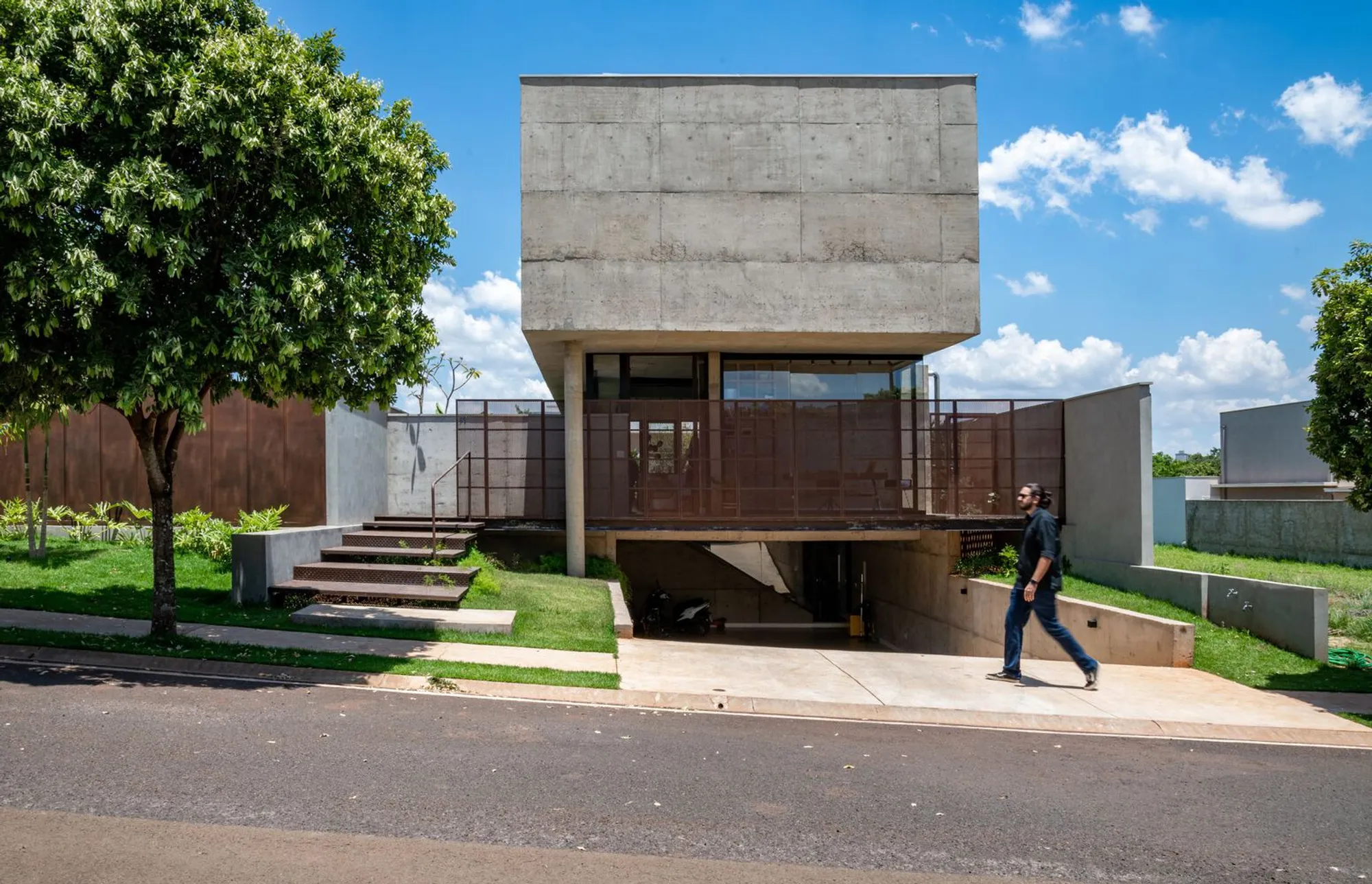
U House by Caio Persighini Arquitetura: A Contemporary Residential Design Defined by Spatial Innovation and Adaptability
Modern Brazilian home with geometric volumes, central void, integrated pool, and adaptive design responding to compact urban site constraints.


Located in Araraquara, Brazil, U House by Caio Persighini Arquitetura is a compelling example of contemporary residential architecture that balances spatial innovation, adaptability, and environmental responsiveness. Designed in 2022 and spanning approximately 3,391 square feet, this modern home reflects a unique architectural journey shaped by site constraints, evolving client needs, and a strong conceptual foundation.
Adaptive Design Process and Site Transformation
What makes U House particularly distinctive is its unconventional design evolution. Initially conceived for a larger plot with different construction regulations, the project had already reached an advanced stage before the clients decided to relocate to a smaller site. This shift posed a significant architectural challenge, how to preserve the original design intent while adapting to a reduced footprint and new building codes.
The architects responded with a refined approach that maintained the integrity of the original concept while reconfiguring the spatial organization. This adaptability highlights the project’s resilience and the importance of flexible architectural strategies in modern housing design.
Geometric Clarity and Volumetric Composition
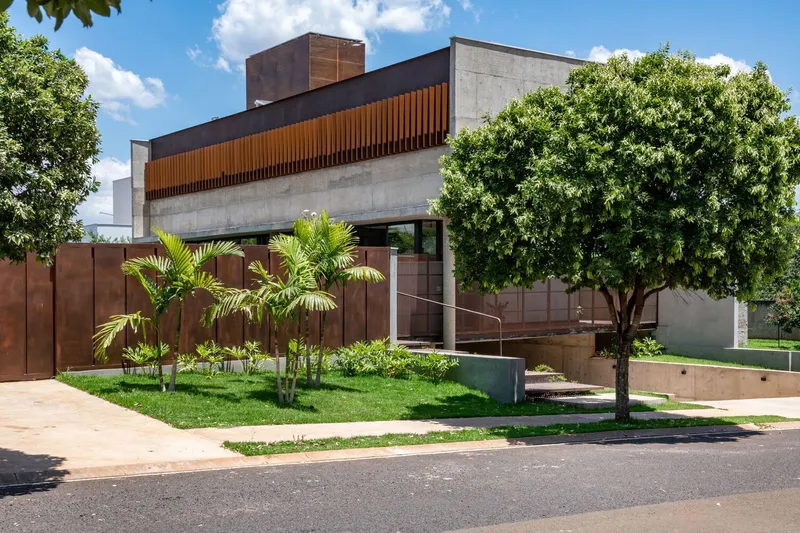
At the heart of U House lies a strong geometric framework defined by overlapping volumes and a strategic use of voids. The house is organized into three primary layers: a solid underground volume, an open and fluid ground floor, and a structured upper level. This composition creates a dynamic interplay between mass and emptiness, reinforcing the project’s architectural identity.
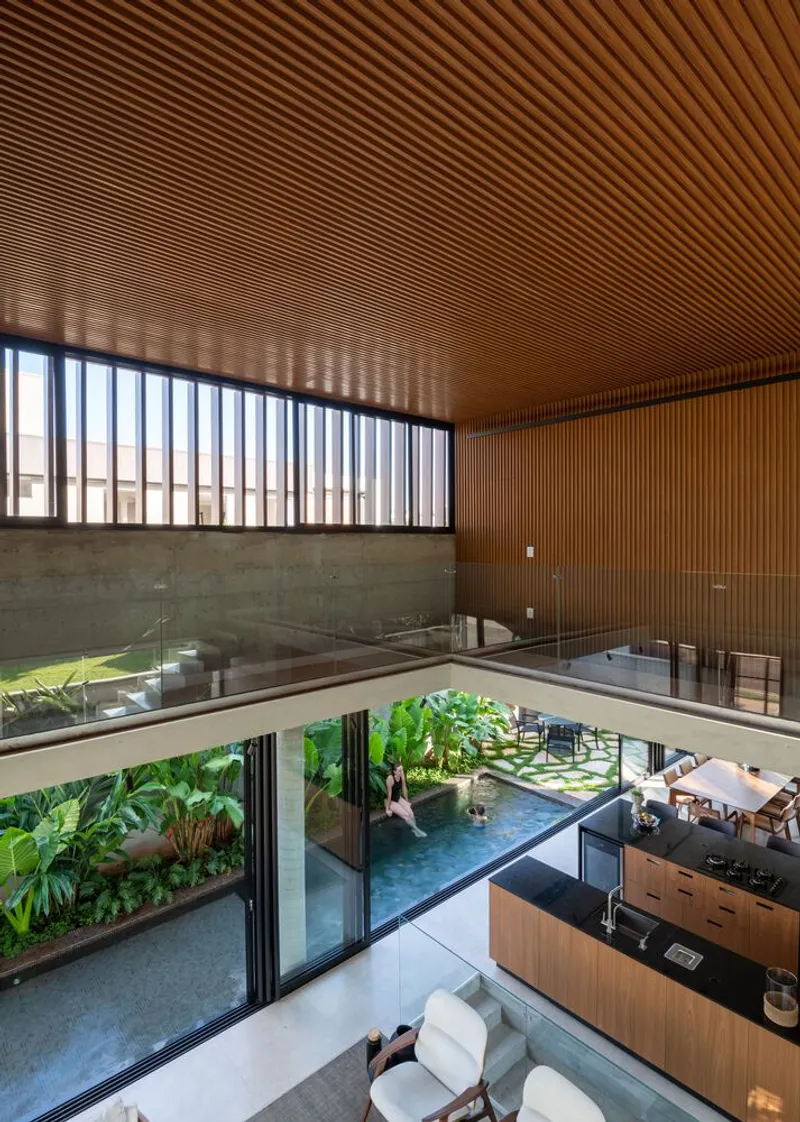
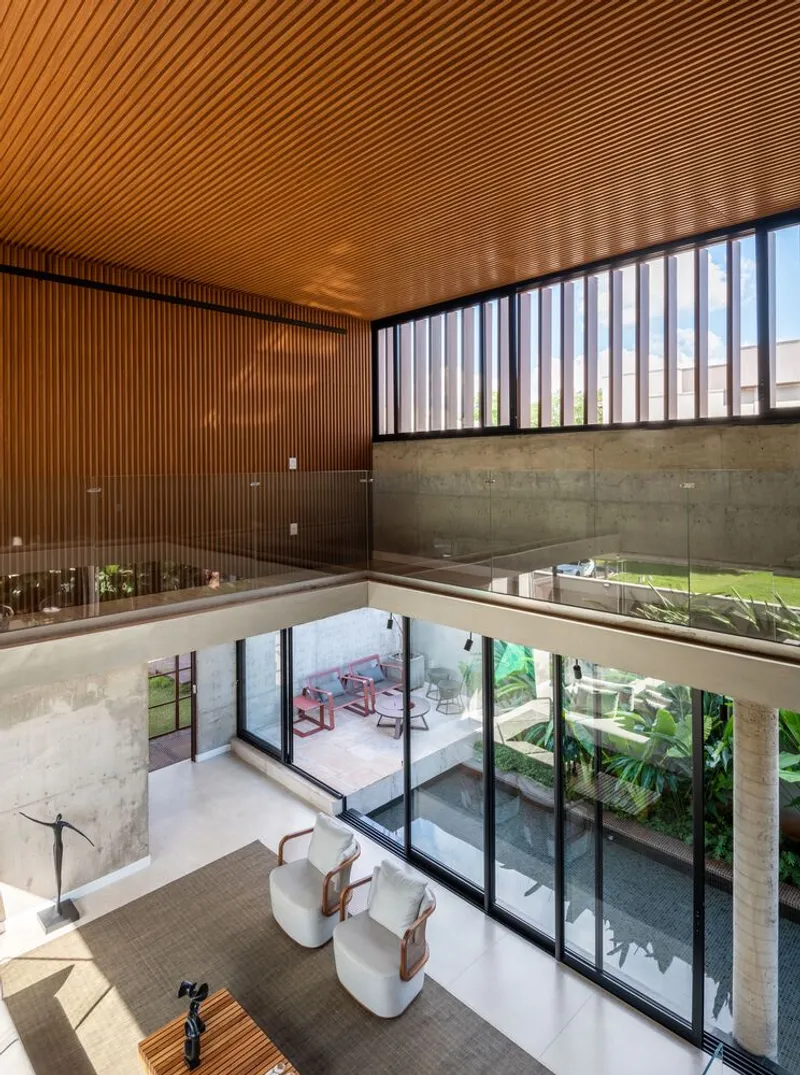
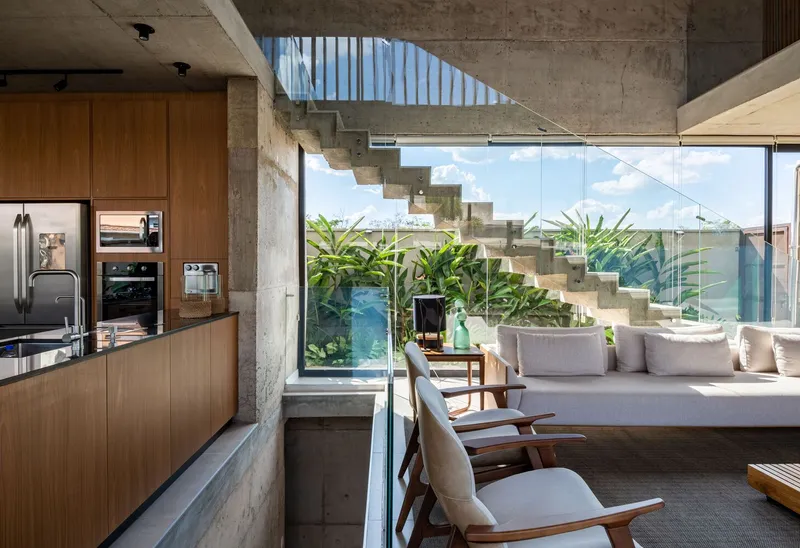
The central void becomes a key spatial element, visually and physically connecting different levels while enhancing natural light and ventilation. This volumetric strategy not only optimizes spatial efficiency but also introduces a sense of openness within a compact urban plot.
Functional Zoning and Circulation Efficiency
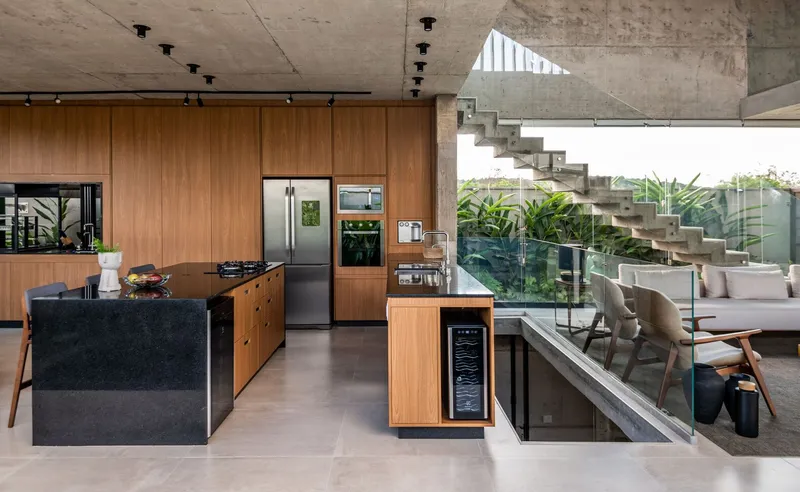
The house is carefully zoned to balance private and social functions. The basement level serves as a hybrid space accommodating the garage and service areas, seamlessly integrated into the overall layout. Vertical circulation is centrally positioned, ensuring intuitive movement between floors and efficient access to all functional zones.
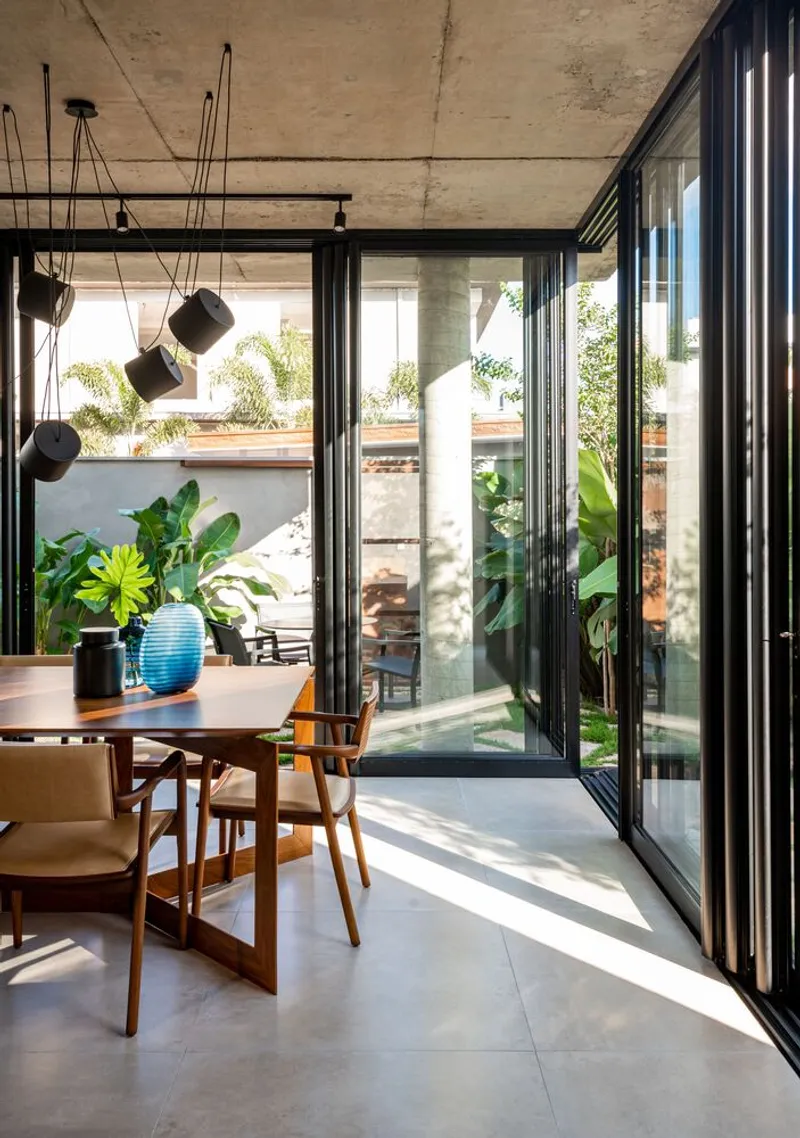
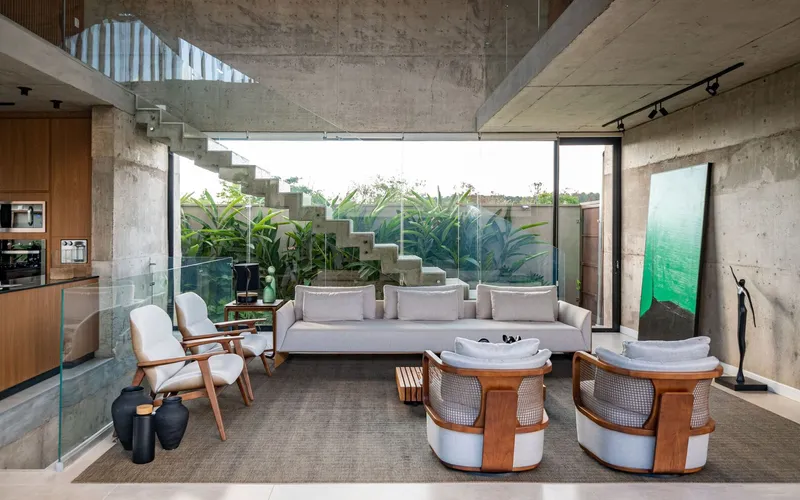
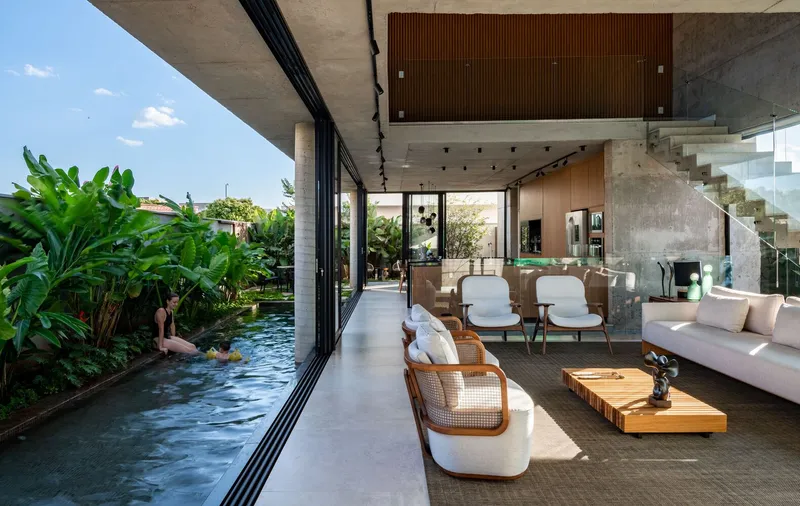
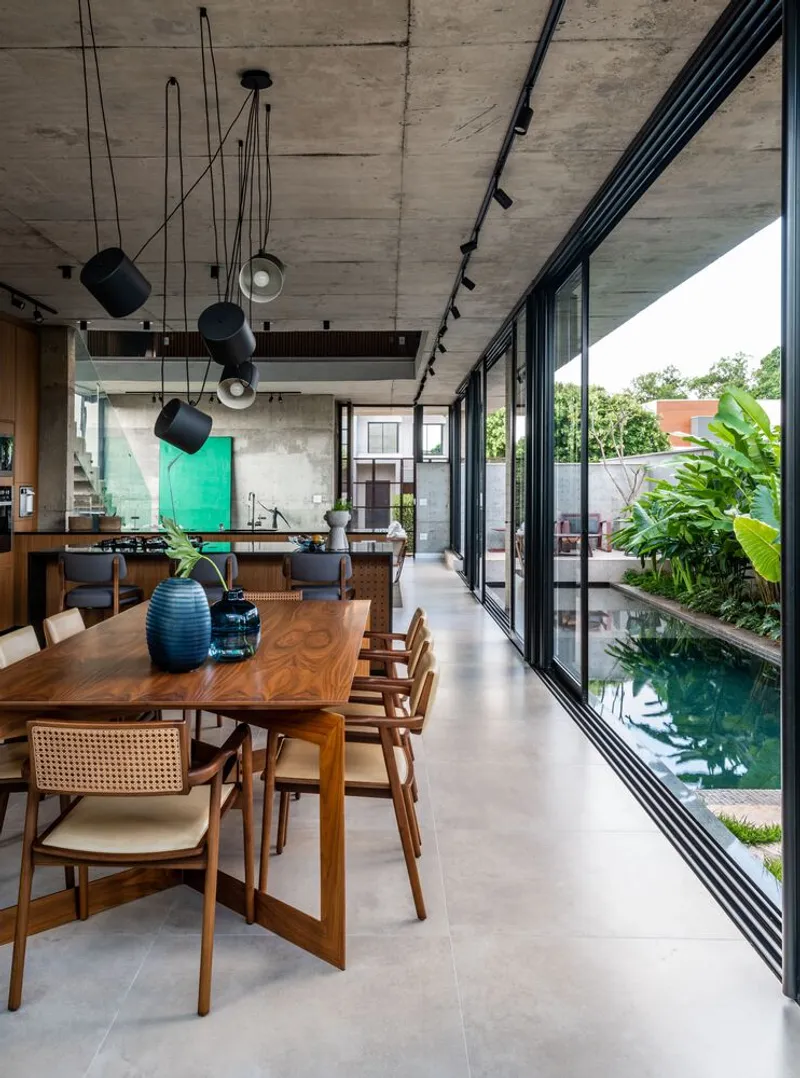
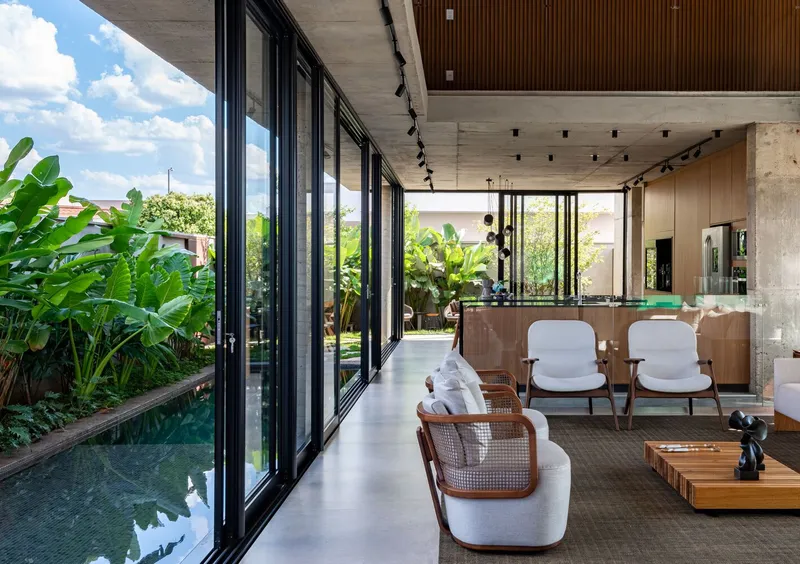
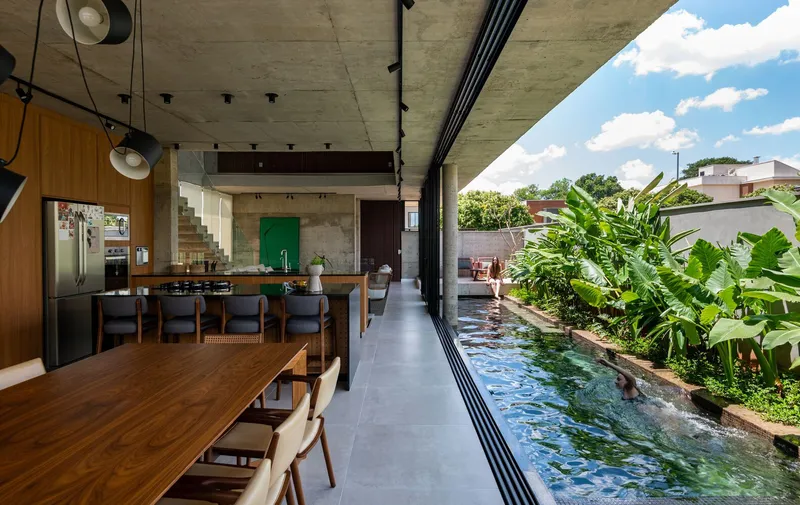
The ground floor acts as the social heart of the home, designed to encourage interaction, flexibility, and everyday comfort. Open-plan living, dining, and kitchen areas foster a sense of continuity, while large openings strengthen the connection between interior and exterior spaces.
Indoor-Outdoor Integration and Landscape Strategy
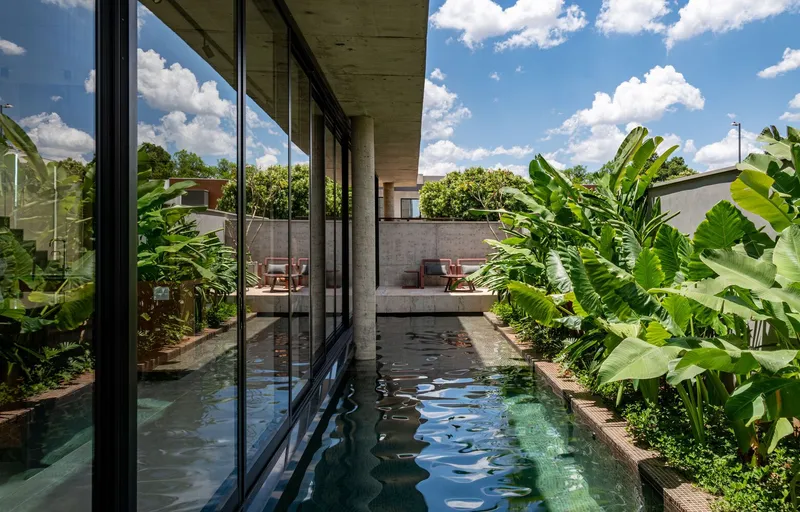
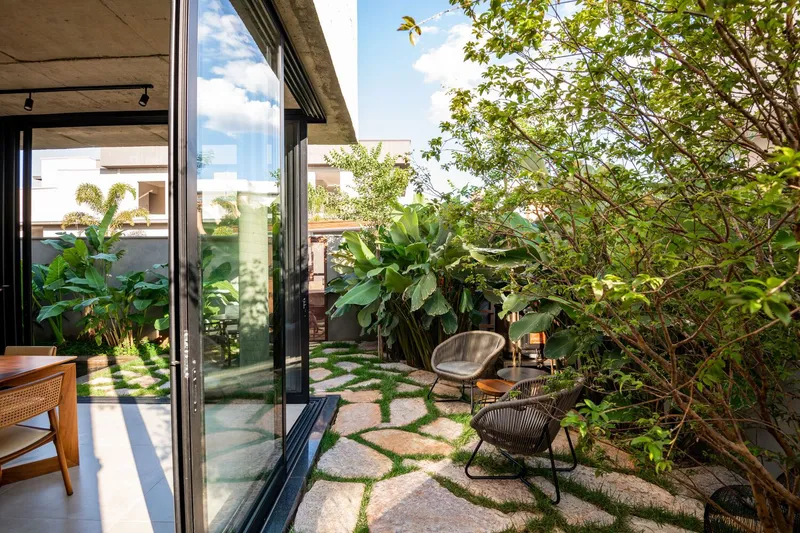
A defining feature of U House is its strong relationship with the outdoors. The architects designed the external areas to complement the internal spatial dynamics, creating a cohesive living environment. The swimming pool is thoughtfully integrated into the architectural composition rather than treated as a separate element.
Positioned to receive optimal morning sunlight and gradual shading throughout the day, the pool enhances thermal comfort and usability. Its materiality and color palette subtly diverge from conventional pool aesthetics, contributing to the overall visual harmony of the house.
Private Spaces and Experiential Movement
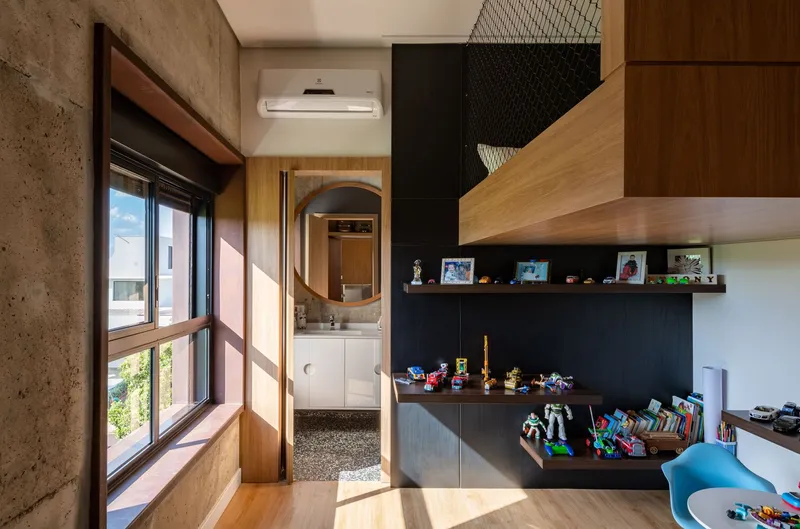
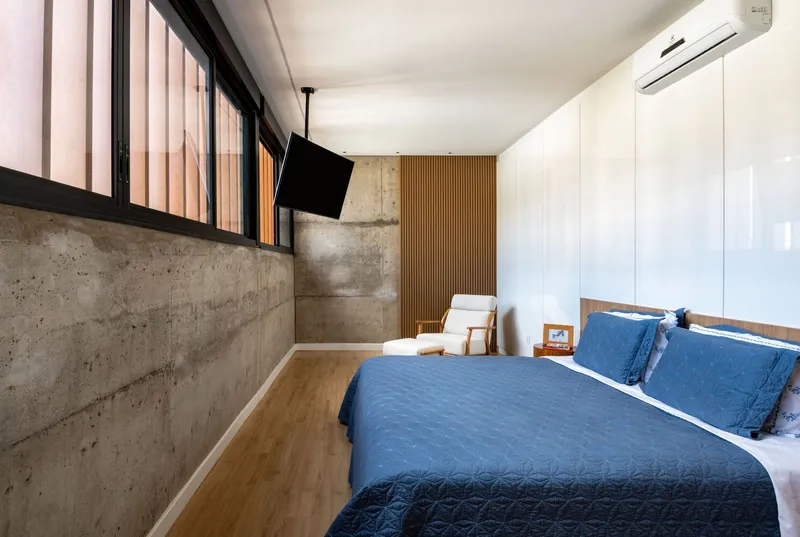
The upper floor accommodates three private suites, arranged to maximize privacy while maintaining visual connectivity through the central void. Circulation corridors are designed as experiential pathways, offering changing perspectives of the house’s interior and exterior spaces.
This layered spatial experience adds depth to everyday living, transforming movement through the house into a dynamic architectural journey.
Sustainable and Contextual Considerations
Given the rectangular urban plot, the design carefully addresses factors such as solar orientation, ventilation, and spatial efficiency. The parallel arrangement of built elements ensures optimal use of space while maintaining environmental performance. The project demonstrates how thoughtful planning and design can overcome site limitations to create a high-quality living environment.
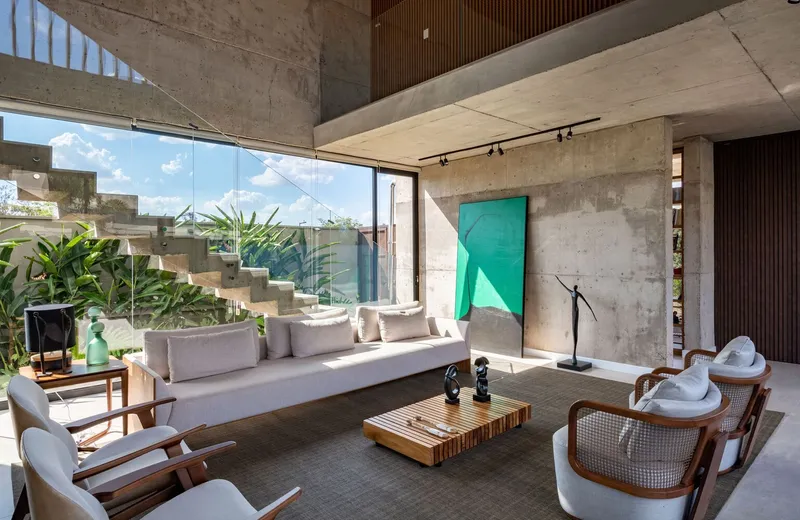
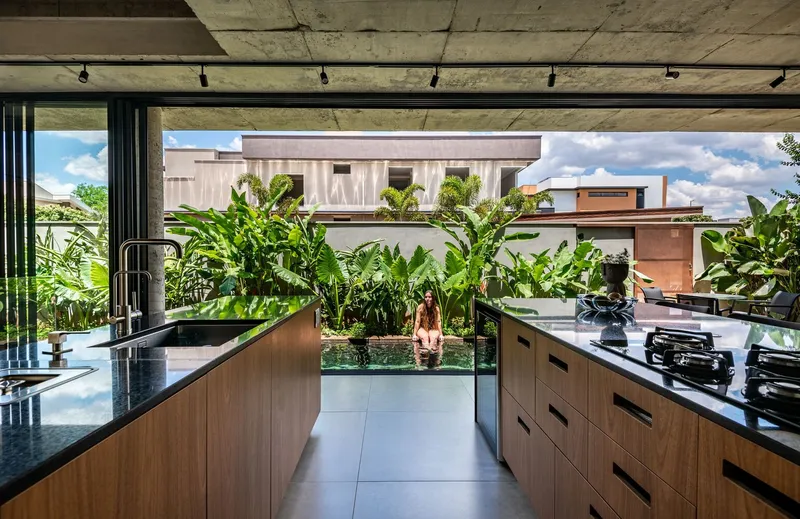
All photographs are works of
Favaro Jr.



Popular Articles
Popular articles from the community


Co-Life: Senior Housing Design That Reconnects Older Adults With the City
Co-Life reimagines senior housing design through healing gardens, shared streets, workshops, and a sustainable community across generations.

The Ocean Hive: Sustainable Architecture for a Self-Sufficient Civilization at Sea
The Ocean Hive imagines sustainable architecture at sea, where modular habitats, algae, wave power and ocean waste sustain a growing colony.

The Earth Pod: 3D Printed Homes for Resilient Refugee Communities
The Earth Pod reimagines refugee housing through 3D printed homes made from clay, combining resilience, self-sufficiency, and rapid shelter.

Riyadh For All: Intergenerational Urban Design for Active Aging in Rabat
Riyadh For All reimagines urban design in Rabat with intergenerational co-living, adaptive courtyards, and Moroccan cultural exchange today.


Similar Reads
You might also enjoy these articles

FAMM Arquitectura Organizes Ten Villas Around Courtyards and Jungle in Nosara, Costa Rica
El Molino pairs two elongated volumes with deep overhangs and timber louvers to build a compact coastal community five minutes from the beach.
Oscar Niemeyer's Ibirapuera Park Pavilions Define São Paulo's Cultural Identity in Concrete and Curve
A constellation of modernist volumes set within São Paulo's most important urban park, conceived for the city's 400th anniversary in 1954.
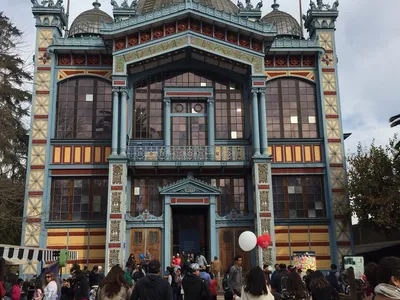
How Henri Picq's 1889 Paris Pavilion Traveled 11,000 Kilometers to Become Santiago's Artequín Museum
A prefabricated iron and glass pavilion built for the Paris Universal Exposition found a second life as a children's art museum in Chile.
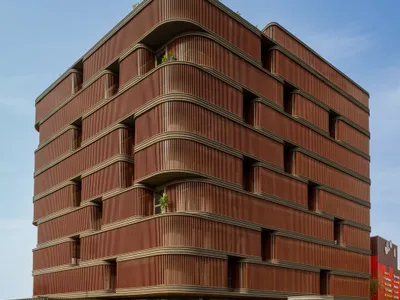
Sanjay Puri Architects Wraps a Jaipur Office Tower in Capsule-Shaped Green Buffers
A nine-level climate-responsive workplace near Jaipur Airport uses stacked planter terraces and aluminium screens to fight 40°C heat.


Explore Architecture Competitions
Discover active competitions in this discipline



Challenge to reimagine the Iron Throne


Photograph architecture without architects


Illustrate the lost glory of Angkor Wat - Render Challenge


Design challenge to reuse E-waste
Comments (0)
Please login or sign up to add comments
No comments yet. Be the first to comment!