
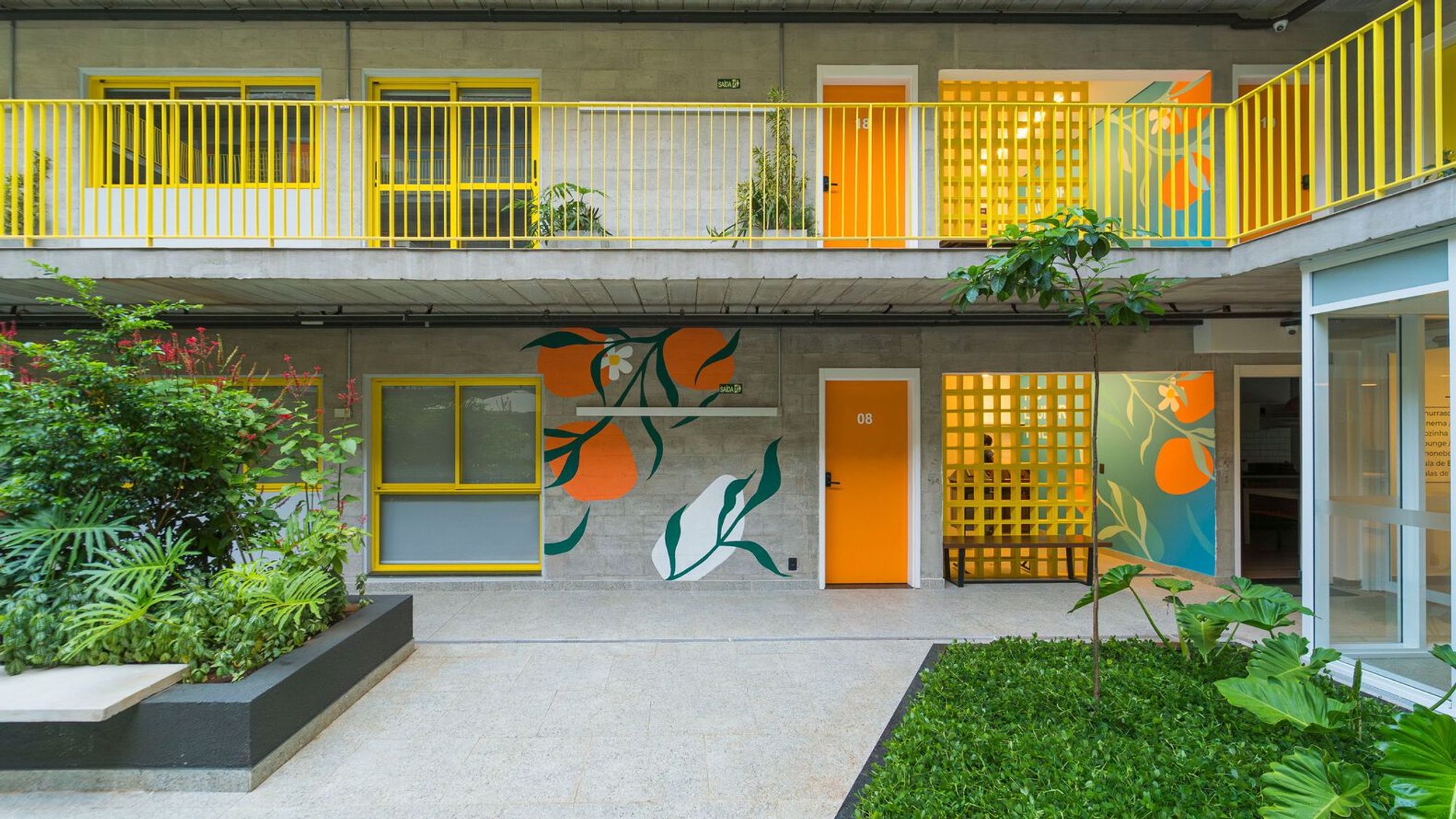
Uliving Campinas: A Transformative Student Housing Project by Branco Meio Amarelo and Isaac Safdie Arquitetura
Uliving Campinas is an innovative student housing project in Brazil, designed to foster academic collaboration, social engagement, and architectural efficiency.

Redefining University Housing in Campinas
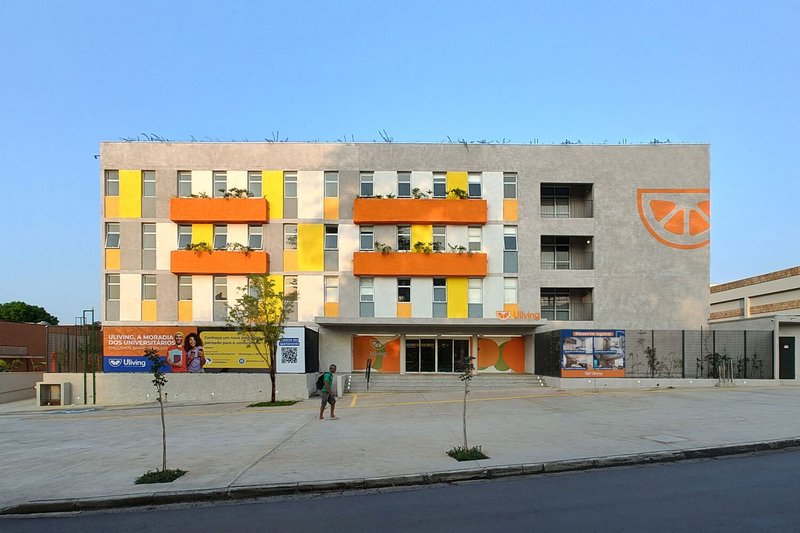
Uliving Campinas, designed by Branco Meio Amarelo in collaboration with Isaac Safdie Arquitetura, is an innovative student housing project located in the Barão Geraldo district of Campinas, Brazil. This area is one of the country’s most significant hubs for education and research, making it the ideal setting for a residence that fosters academic and social engagement. The project reimagines university living by offering a dynamic environment that balances privacy, community, and functionality.
A Spatial Concept That Enhances Interaction
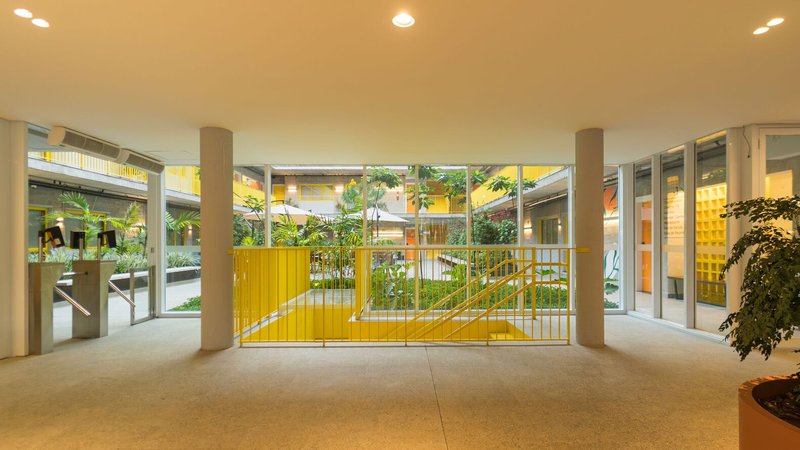
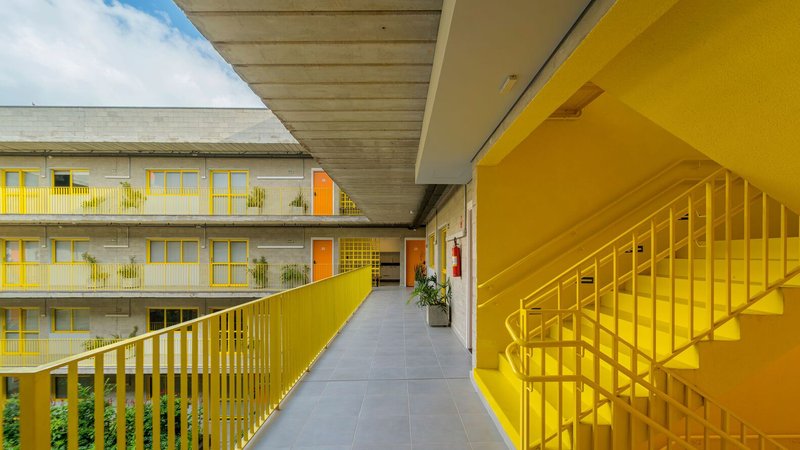
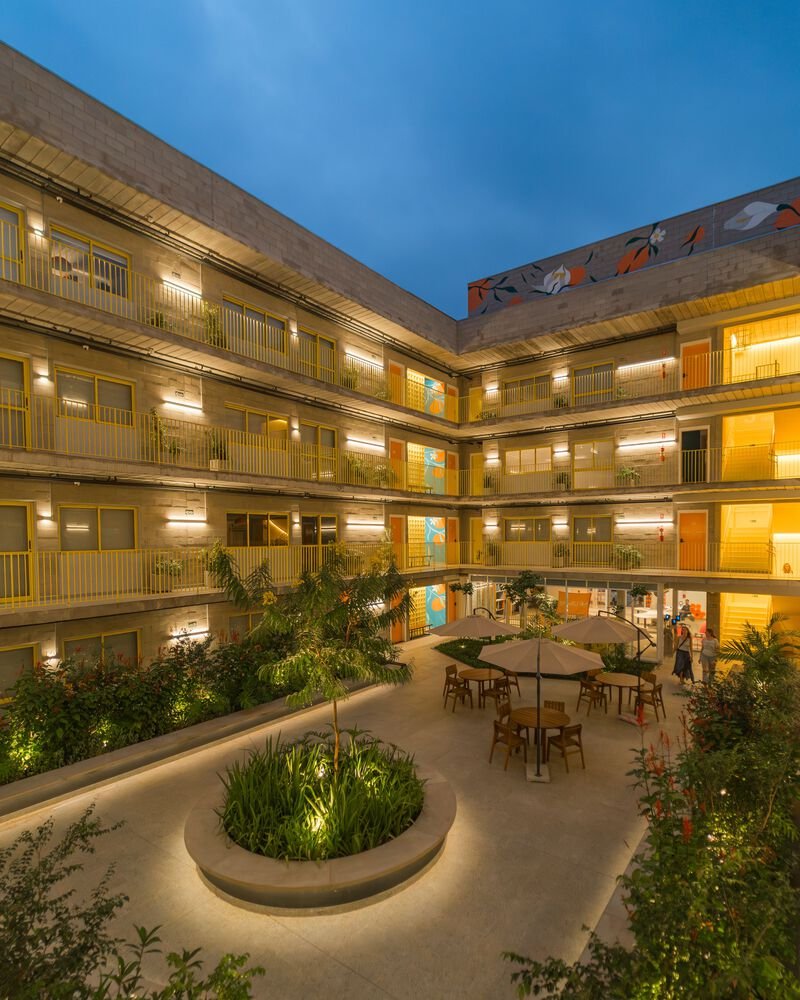
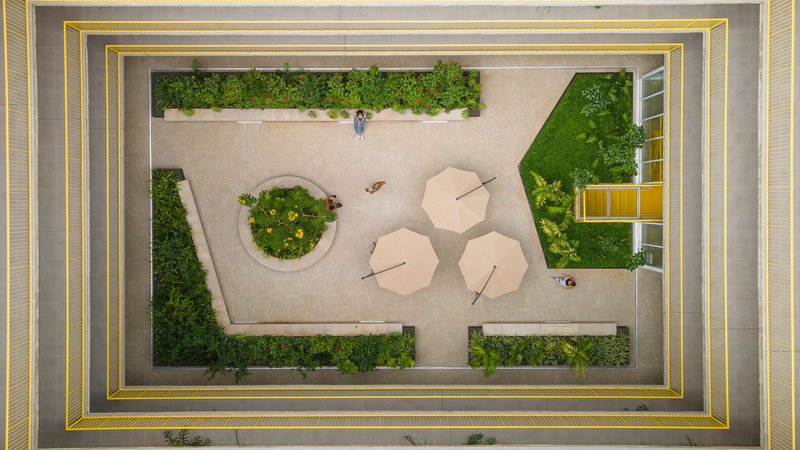
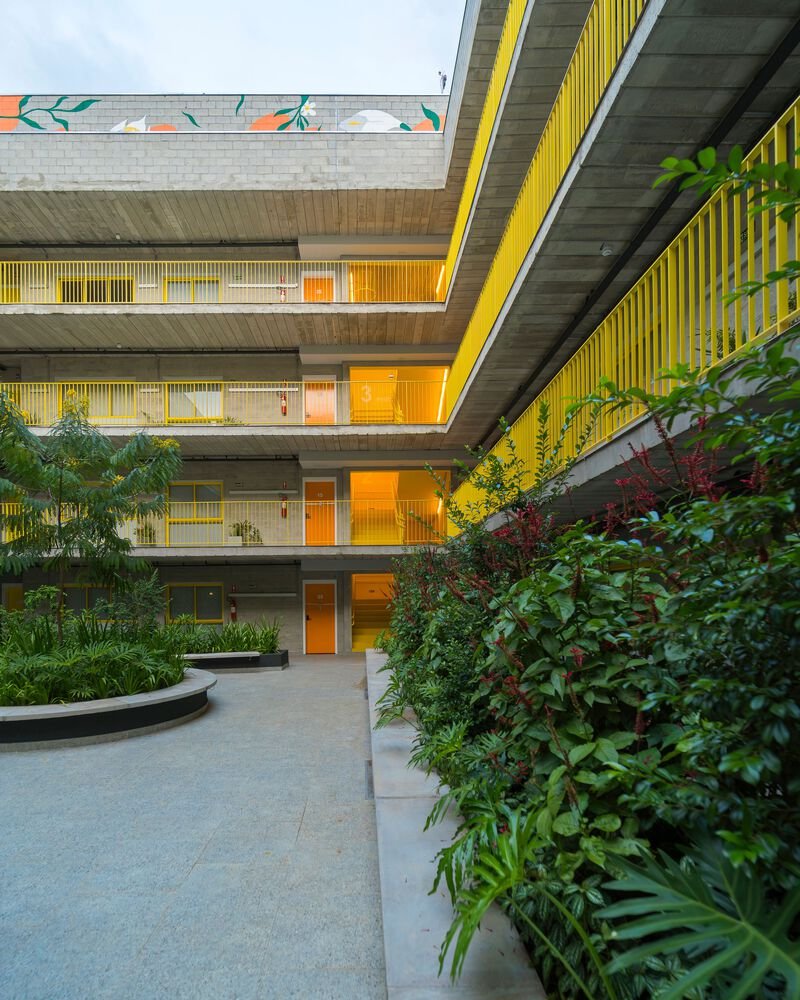
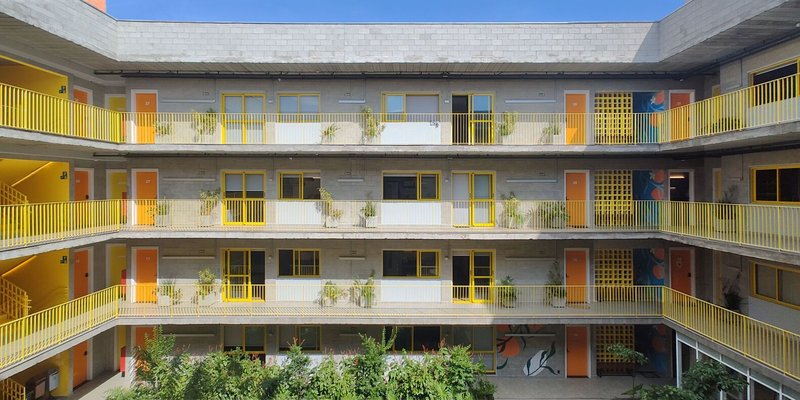
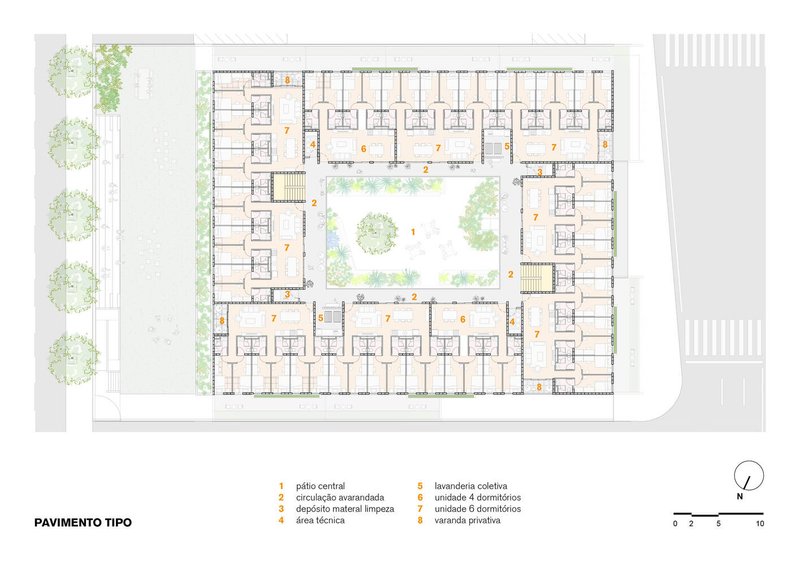
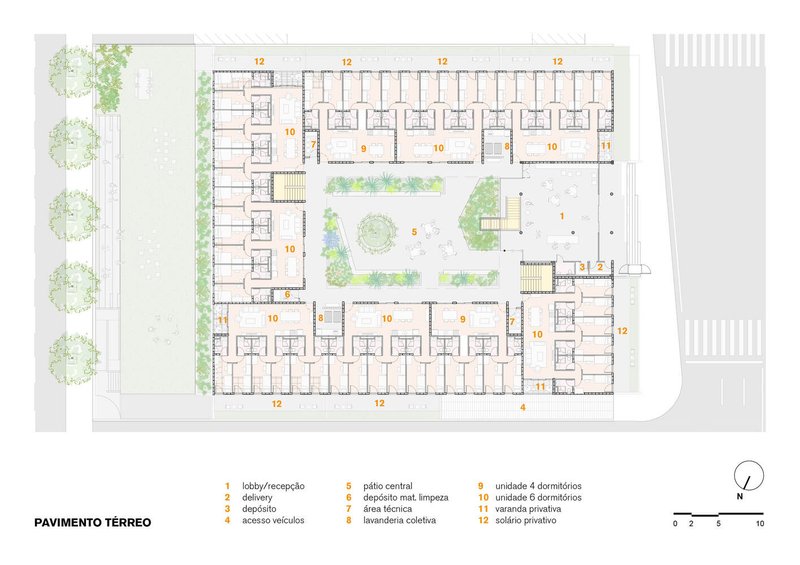
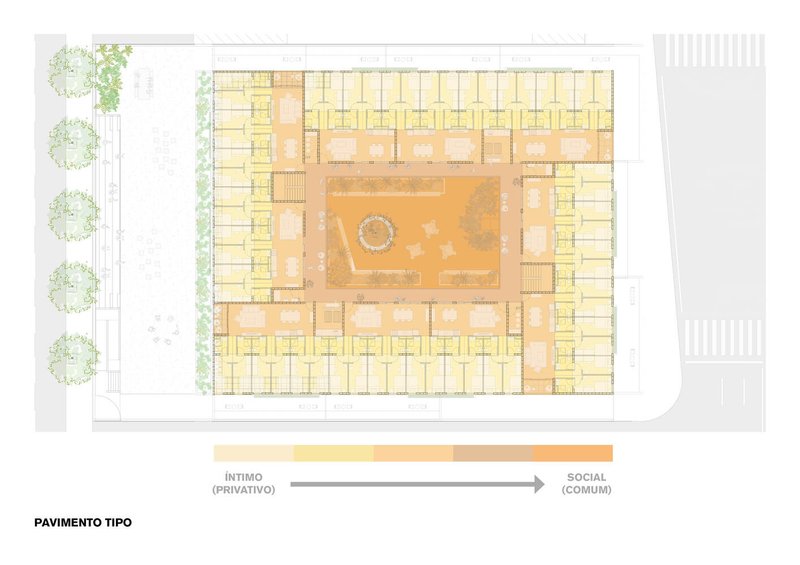
The architectural concept of Uliving Campinas is centered around a rectangular volume that frames a central void. This design not only maximizes land use but also creates layered interactions between the private and communal spaces. By integrating a series of transitional rings, the project establishes a gradient from personal areas for study and rest to larger shared spaces for collaboration and socialization.
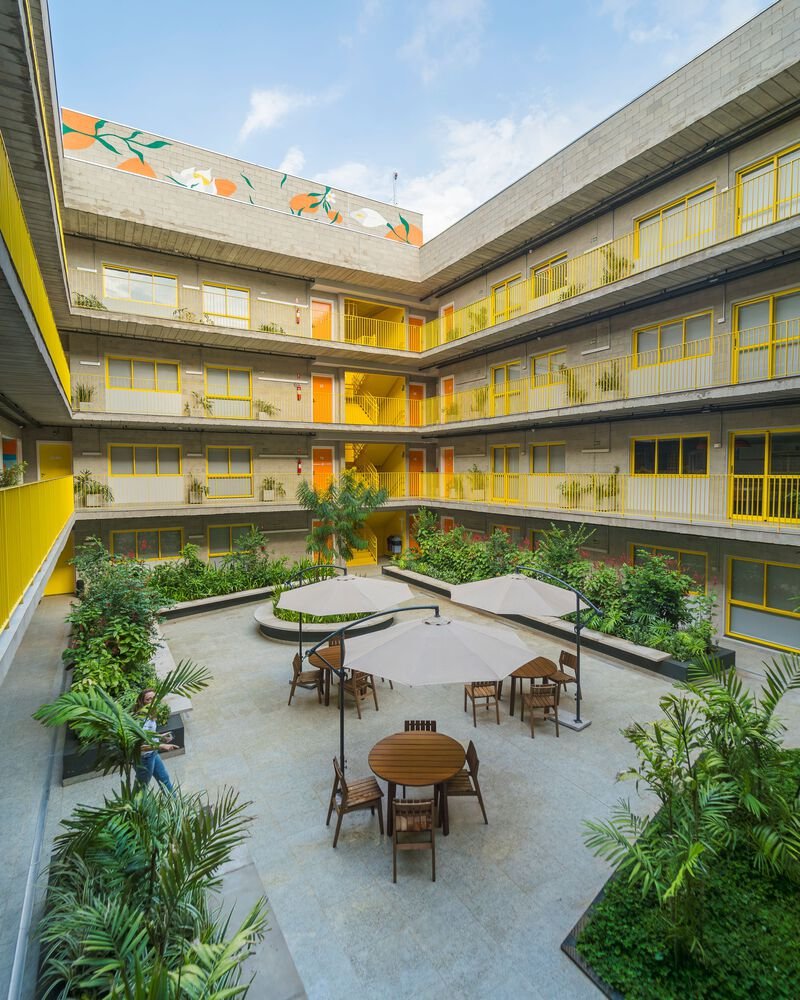
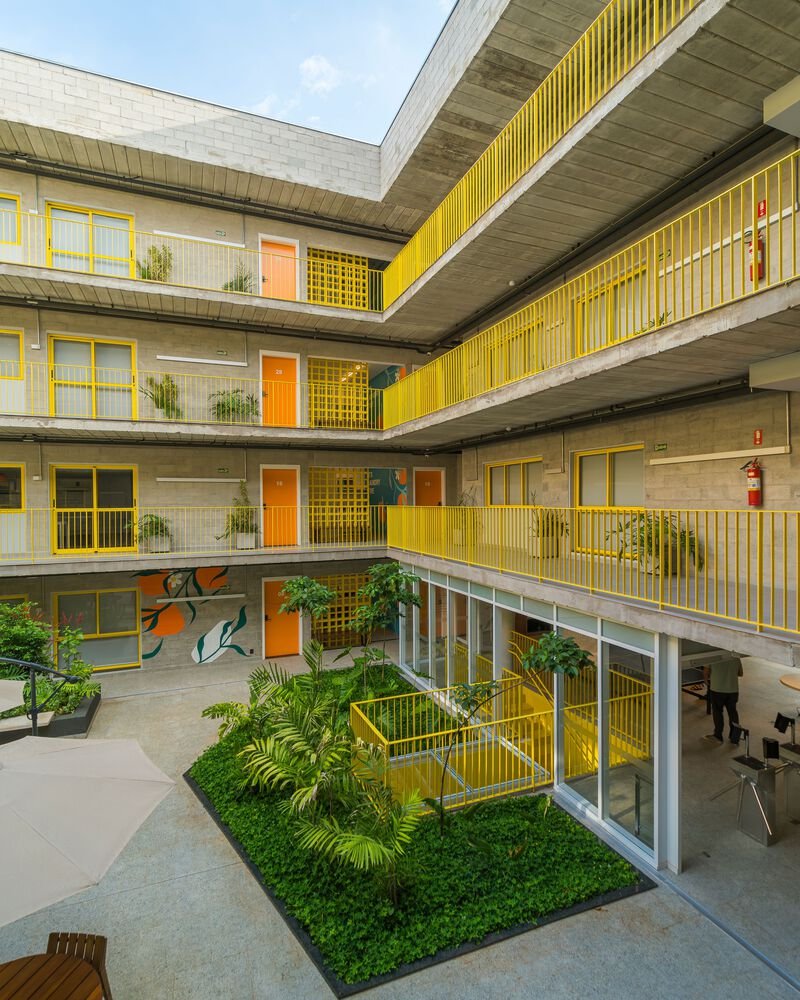
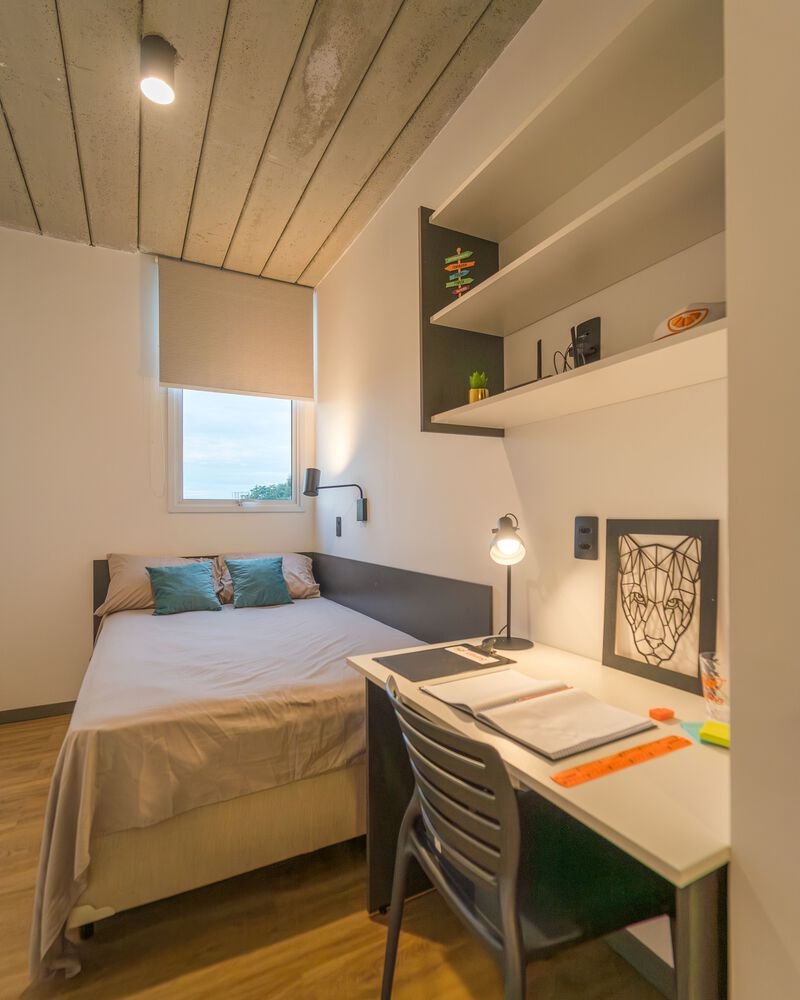
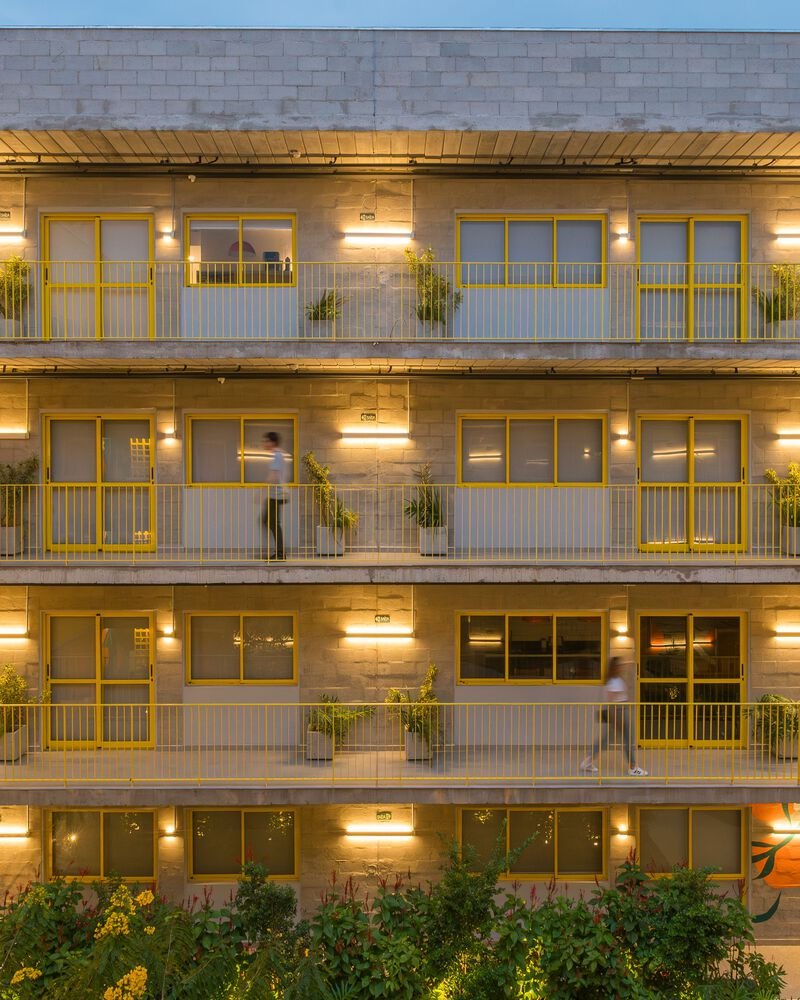
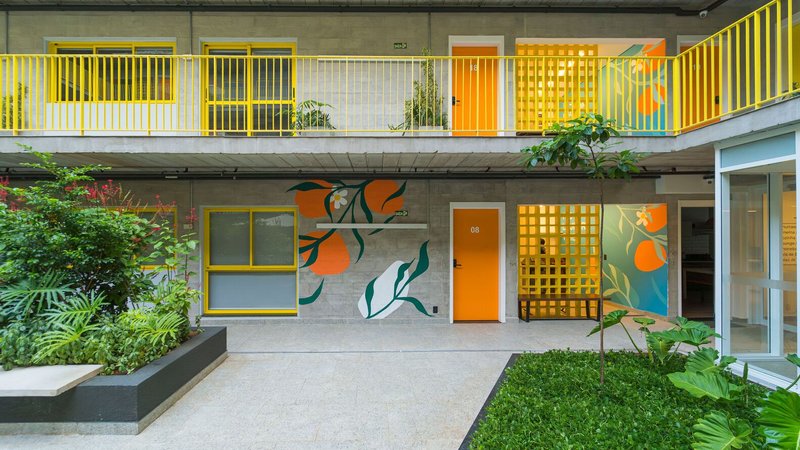
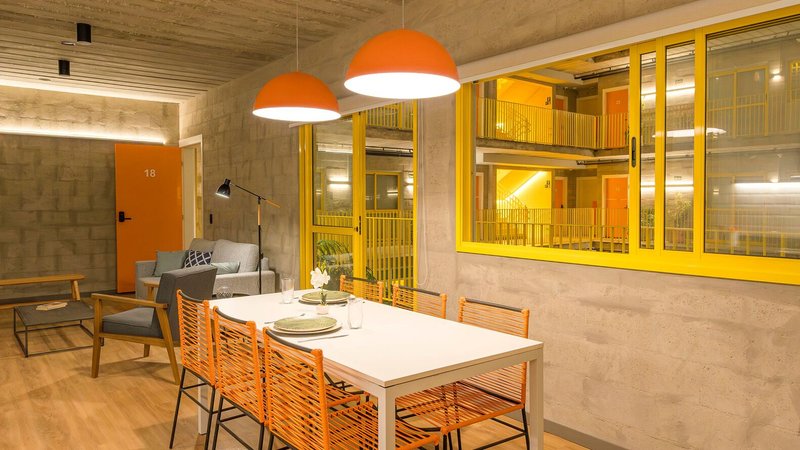
The outermost ring consists of individual dormitories that offer students privacy and quiet study environments. Moving inward, an intermediate ring introduces shared living rooms and kitchens, facilitating small group interactions. The next layer includes open circulation areas facing the central courtyard, functioning as both passageways and gathering spaces. At the heart of the project, the central void serves as a communal square, promoting spontaneous meetings and strengthening the sense of community among residents.
A Design that Embraces Topography and Functionality
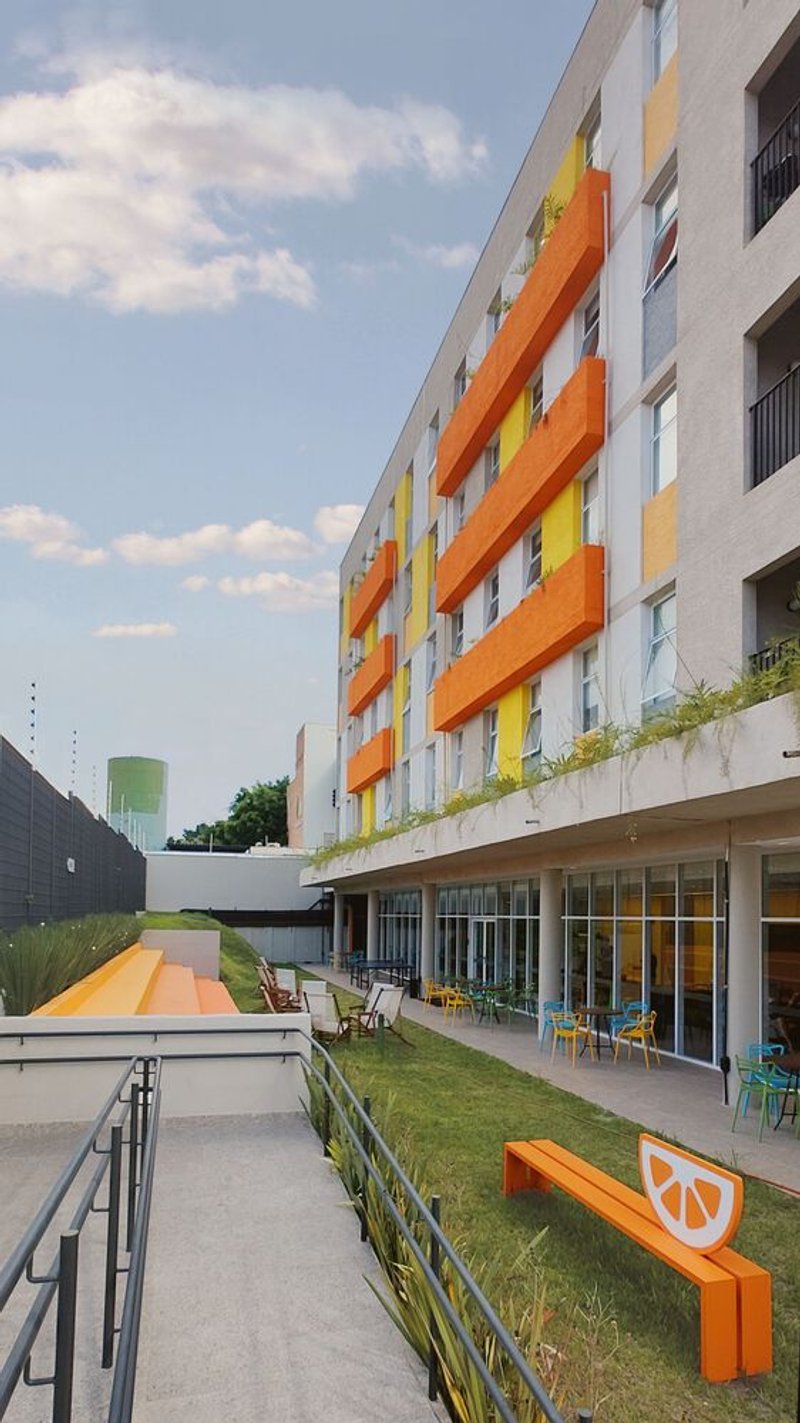
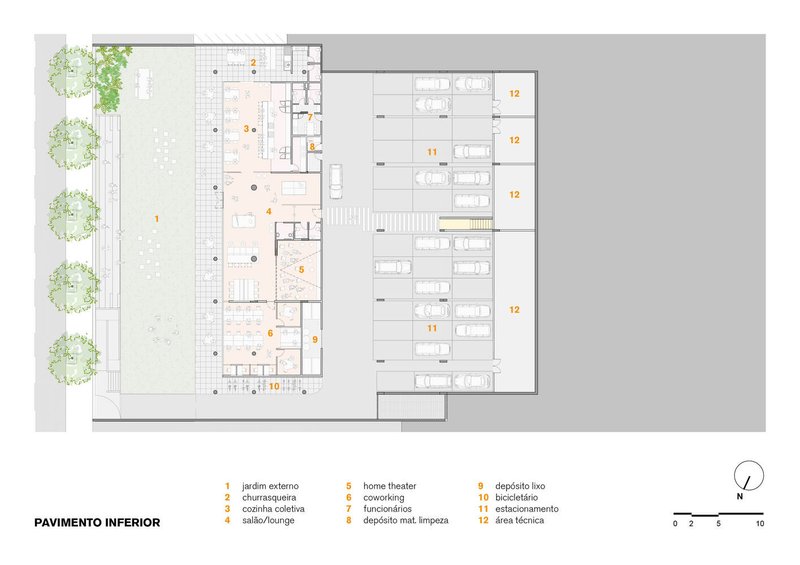
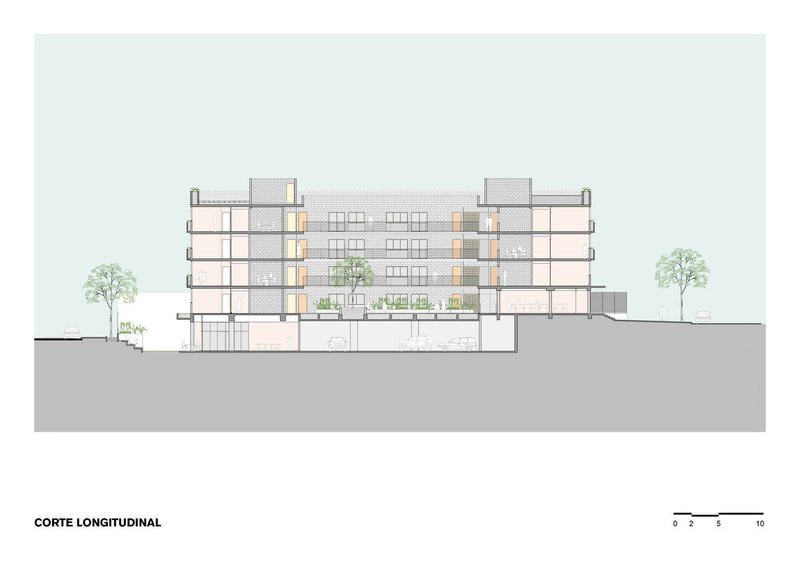
Uliving Campinas takes advantage of the site’s natural three-meter slope to create a semi-buried level dedicated to common areas. These spaces include study rooms, shared kitchens, a cinema room, barbecue areas, and game spaces, ensuring that students have access to both academic and leisure environments.
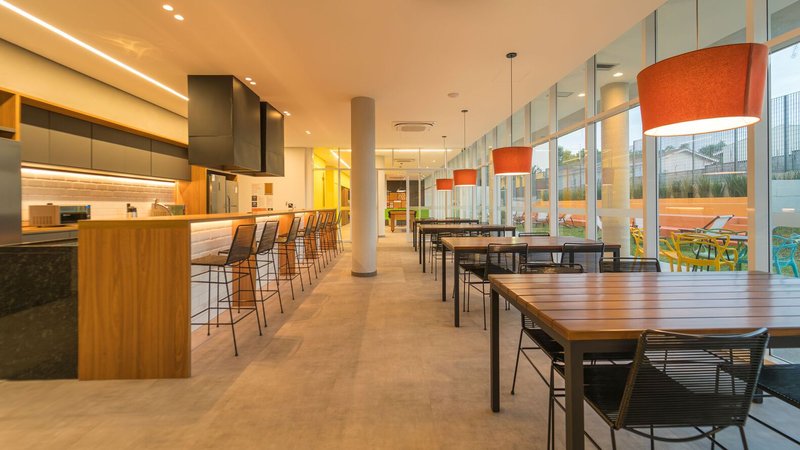
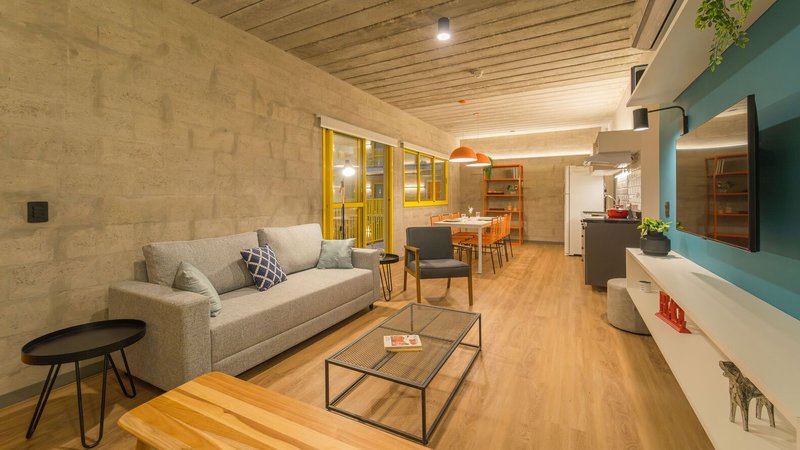
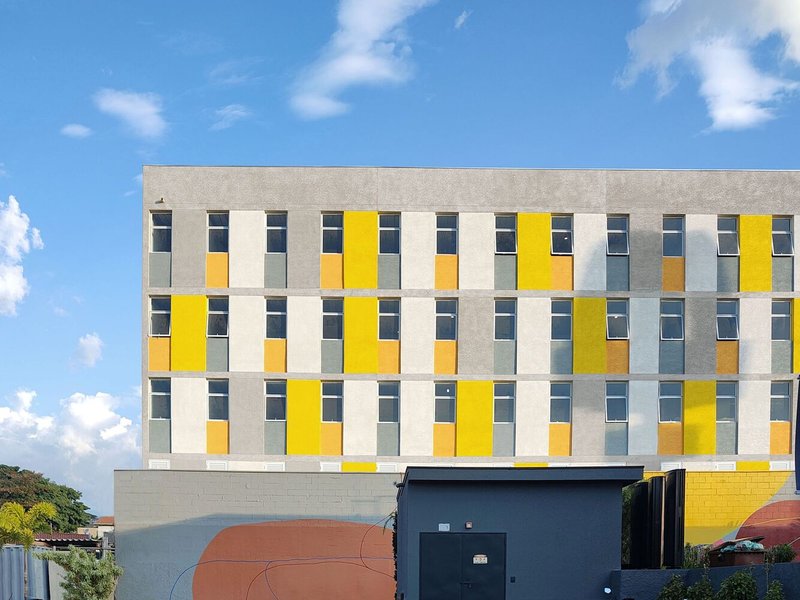
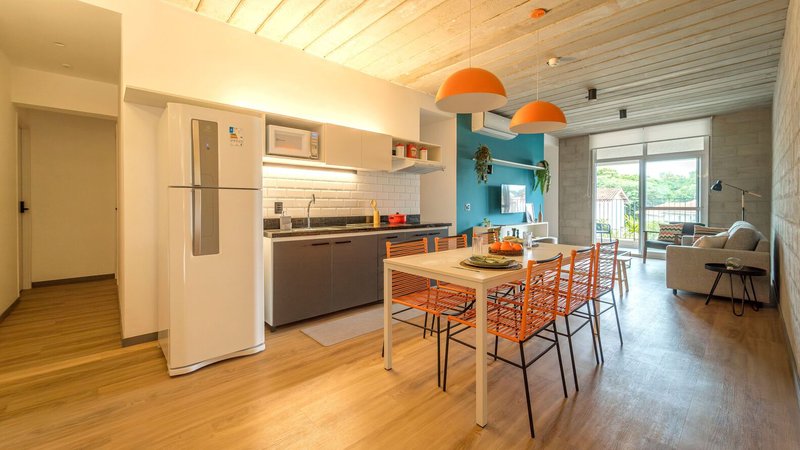
The project prioritizes efficiency in both design and construction. Structural masonry was chosen as the primary building method to reduce costs and construction time while maintaining a consistent geometric order. By implementing a modular design with carefully controlled openings, the architects achieved a balance between functional efficiency and aesthetic coherence.
Lighting, Landscape, and Spatial Quality
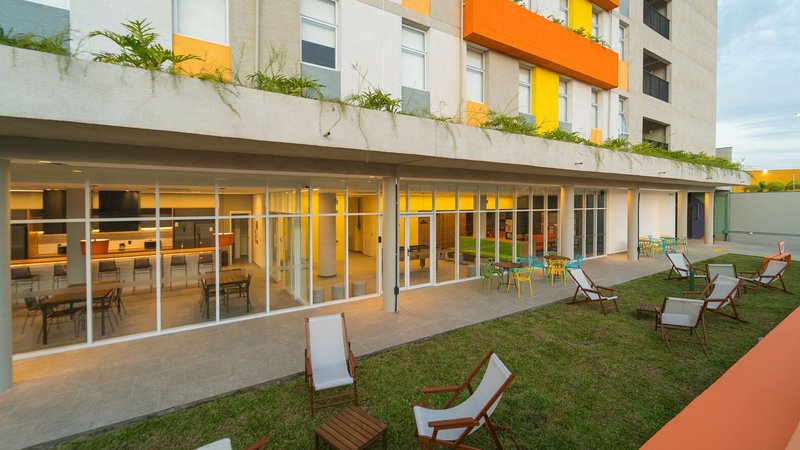
Beyond its architectural composition, Uliving Campinas places emphasis on natural lighting, landscape integration, and visual communication. These elements define the atmosphere of different spaces within the complex, enhancing their usability and encouraging students to engage with the built environment. Carefully curated green spaces and light-filled communal areas contribute to a comfortable and inspiring living experience.
A Space Designed for Student Growth
University life is a transformative period, and Uliving Campinas is designed to support students beyond just providing accommodation. By fostering meaningful connections between residents, offering diverse spaces for study and relaxation, and integrating sustainable building solutions, the project serves as both a functional housing solution and a contributor to personal and academic growth.
All photographs are works of Davi Realle e Juliana Vasques; Felipe Fuchs




Popular Articles
Popular articles from the community

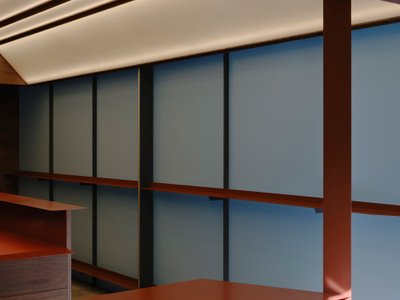
Kerry Kounnapis Packs 800 Daily Coffees into a 43-Square-Metre Melbourne Laneway Bar
Palace Coffee channels Pellegrini's and European standing bars through oxide-red steel and spotted gum timber in a Ridgway Place sliver.
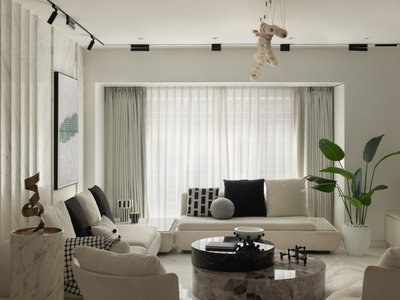
Inside a Timeless Mumbai Residence by Aether Studio
Aether Studio's 2,250 sq ft apartment in Malad, Mumbai uses marble, brass, boucle, and disciplined restraint to build a quiet retreat from the city.

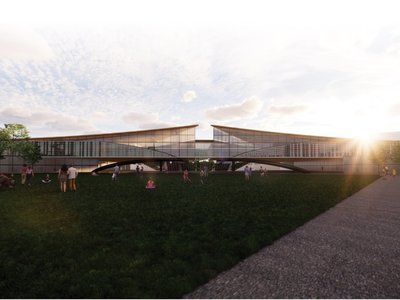
Kawasaki Olympic Sports Center: Sports Complex Architecture Rooted in Community, Tradition, and Movement
Kawasaki Olympic Sports Center reimagines sports complex architecture as a civic park where tradition, training, and community meet locally.
CRACK: Winery Architecture Carved Into the Landscape
CRACK reimagines winery architecture as a buried path through vineyard terrain, linking production, tasting, lodging, landscape and culture.


Similar Reads
You might also enjoy these articles

Olio Towers: A Mid-Rise for Performers That Fuses Housing, Rehearsal, and Stage
Located blocks from Houston's Theater District, this modular tower stacks living units around a central performance atrium.

Oasis: Modular Green Housing Carved into Dhaka's Urban Fabric
A shortlisted Plugin Housing entry reclaims unauthorized settlements in Dhaka with stepped concrete volumes, green roofs, and ventilation-driven design.

Black Hole: A Floating Megastructure for the Post-Physical Era
Emiliano Mazzarotto envisions a spherical, self-scaling arena where e-sports, digital hotels, and holographic stadiums replace traditional public space.
Compact & Sustainable Living in Piraeus: A Four-Level Family Home Built Around Light and Air
A narrow townhouse in one of Greece's densest port cities uses a central atrium and passive strategies to house three generations under one roof.
Explore Architecture Competitions
Discover active competitions in this discipline




The International Standard for Design Portfolios


The Global Benchmark for Architecture Dissertation Awards


The Global Benchmark for Graduation Excellence


Challenge to reimagine the Iron Throne
Comments (0)
Please login or sign up to add comments
No comments yet. Be the first to comment!