
Unveiling the Essence of Contemporary Villa Design: The Villarci Residence in Bogor, Indonesia
Explore the Villarci Residence in Bogor, a model of contemporary villa design that beautifully integrates modern architecture with natural surroundings.


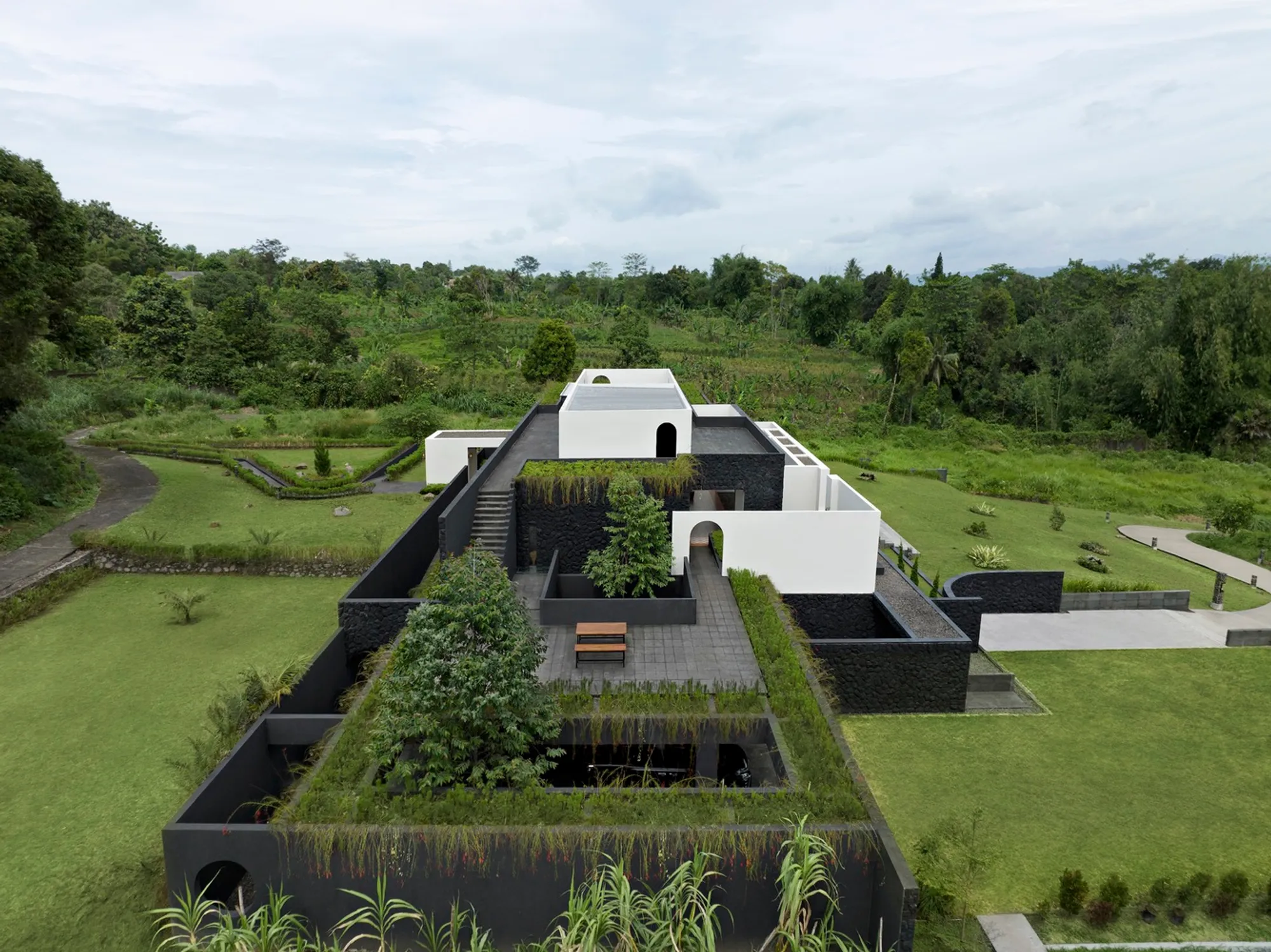
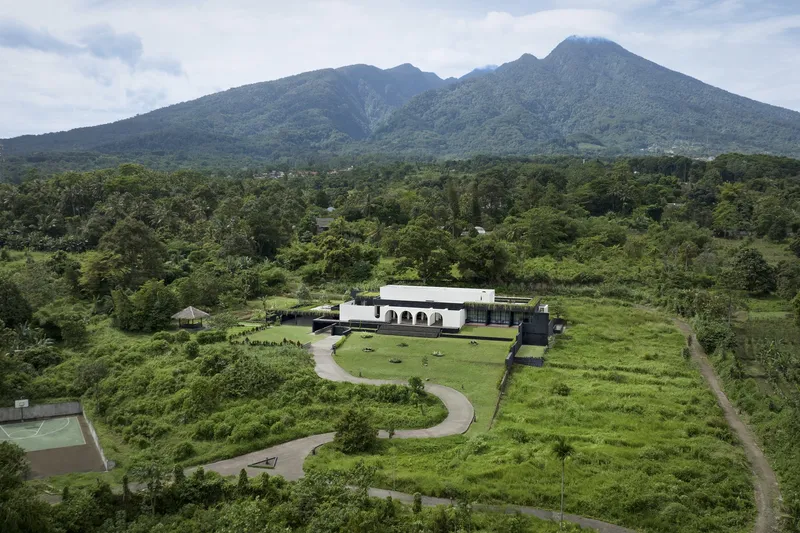
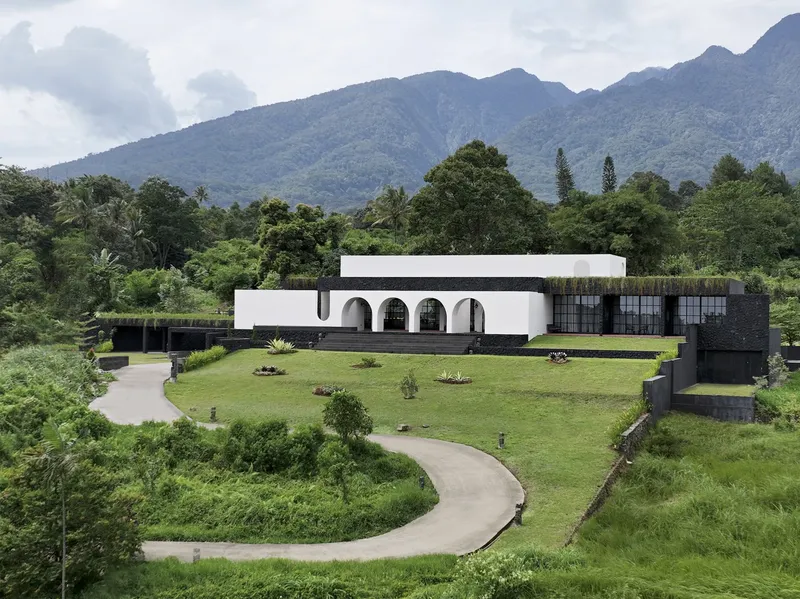
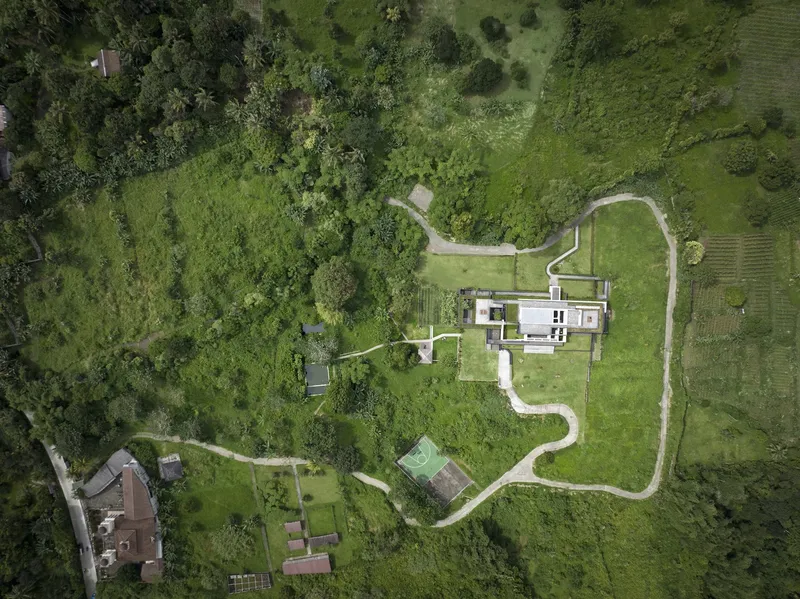
The Villarci Residence in Bogor, Indonesia, masterfully crafted by Gets Architects, embodies the pinnacle of contemporary villa design. Situated at the peak of Bogor with a stunning 360-degree view that encompasses Salak Mountain and the city below, this residence serves as a quintessential example of integrating modern architecture into a breathtaking natural landscape.


Architectural Philosophy and Design
Integration with Nature
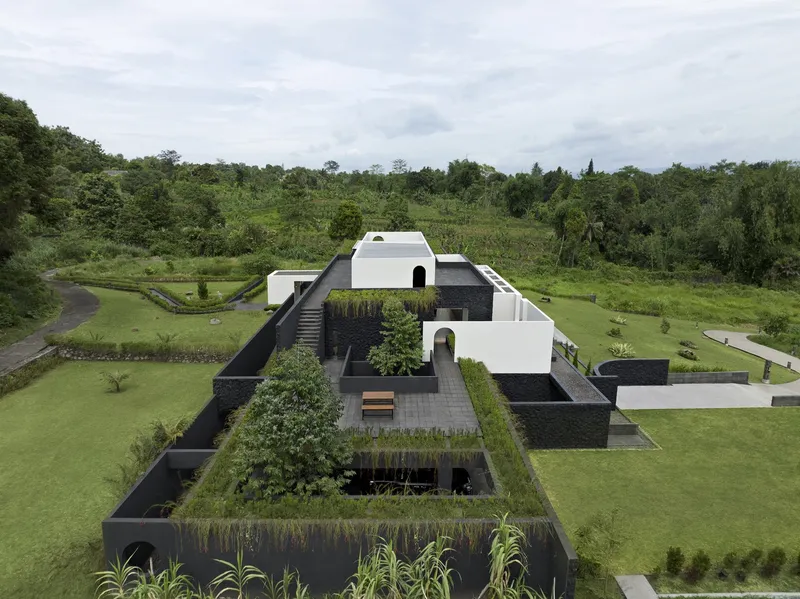
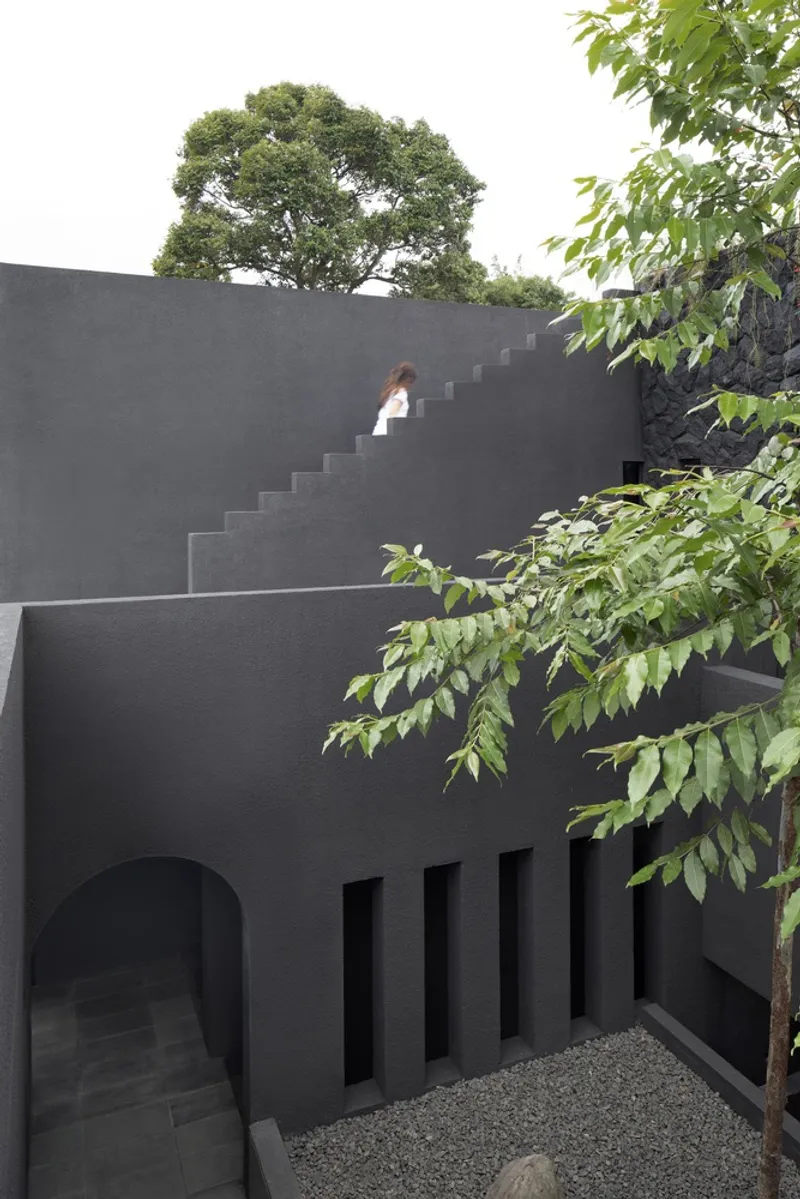
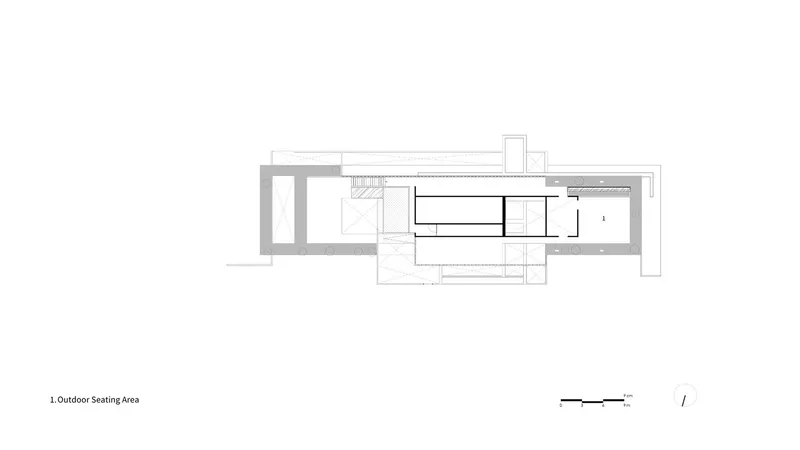
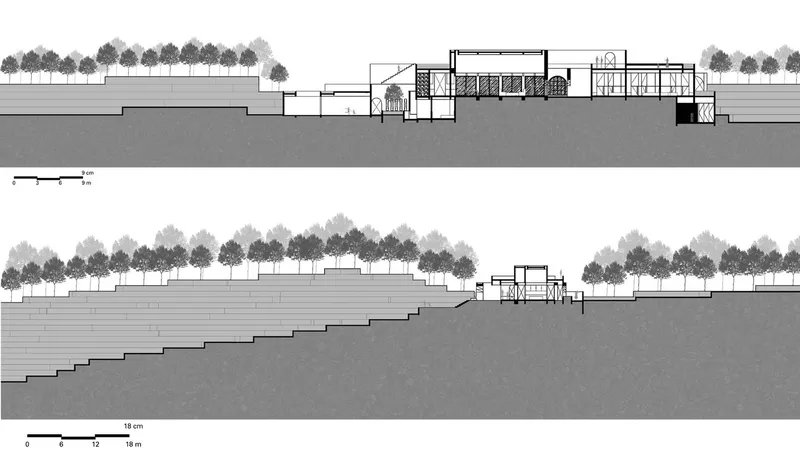
The design of Villarci Residence takes full advantage of its hilltop location, creating a space that is not only visually stunning but also deeply connected to its environment. The architects have employed a design that respects and honors the natural slope of the land, ensuring that the villa not only sits on the landscape but also becomes a part of it. This approach allows for minimal disruption to the surrounding ecosystem, maintaining the integrity of the site while providing spectacular views.

Structural Elegance and Functionality
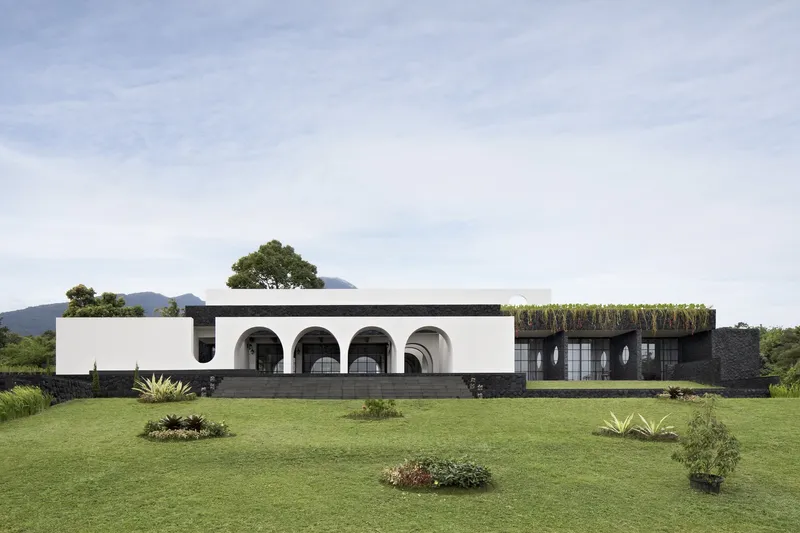
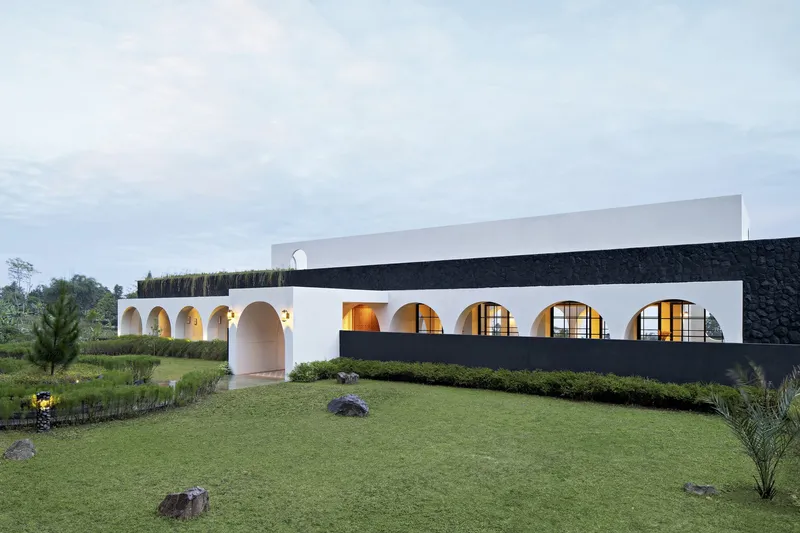
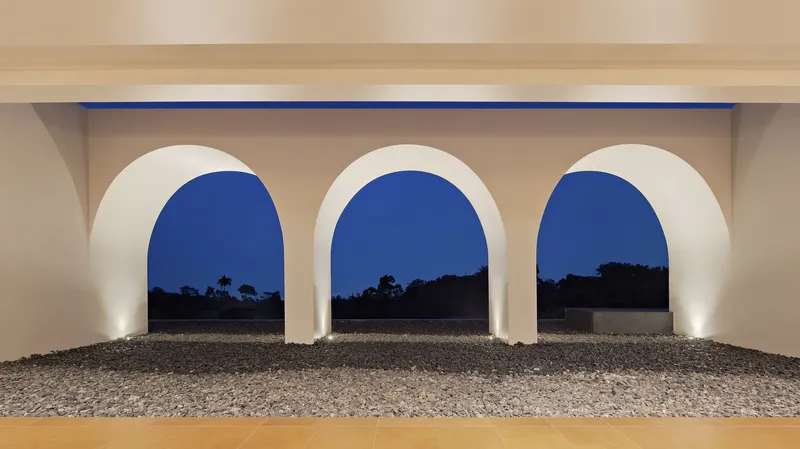
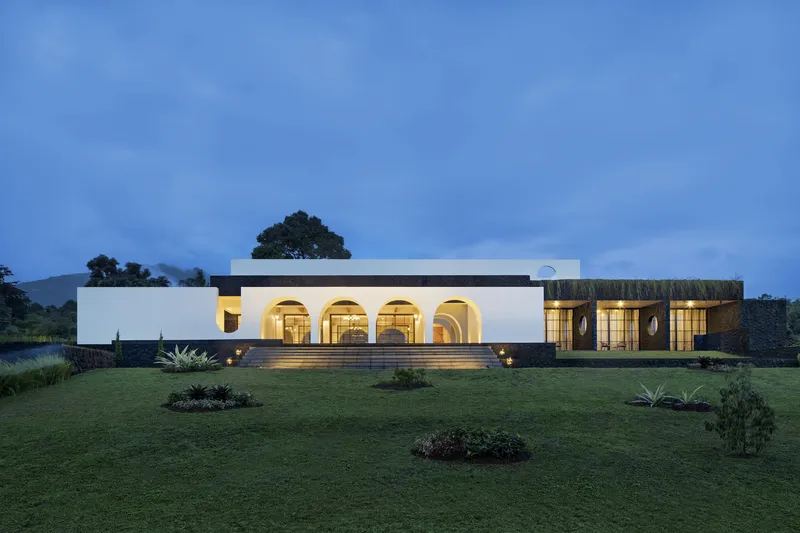
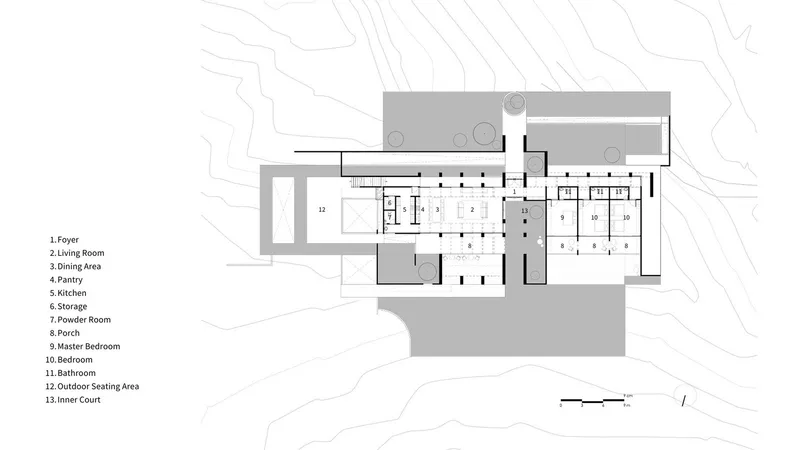
The villa features a lightweight white rectangular structure adorned with long exterior arcades and thick arches that offer both aesthetic appeal and practical benefits. These architectural elements ensure adequate air circulation, provide solar shading, and protect the interiors from heavy rain, demonstrating a thoughtful consideration of the local climate and weather patterns. The design also facilitates relaxation and social interaction, making the residence a hub for family and community engagement.



Interior and Exterior Harmony
Fusion of Old and New
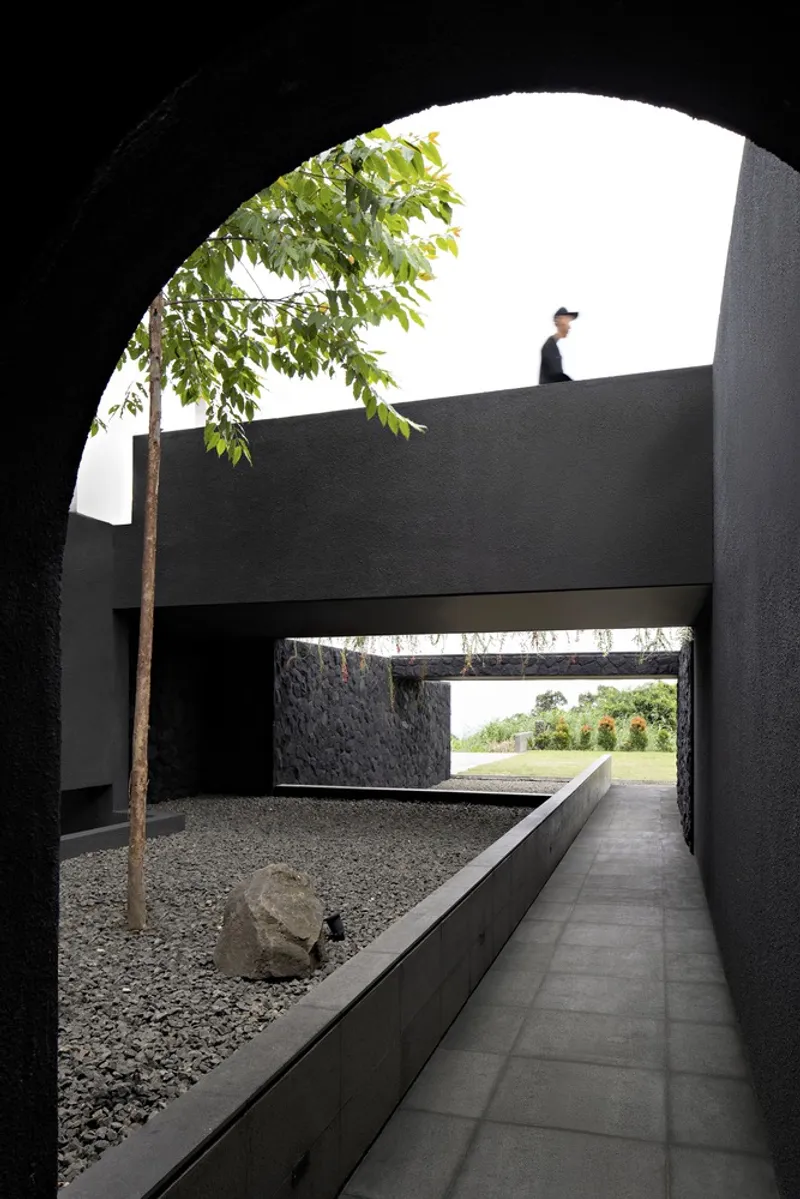
Inspired by the late 18th and early 19th-century Spanish Mission Revival architecture, Villarci Residence incorporates traditional arches and a contemporary aesthetic, creating a seamless blend of old and new. The use of solid black stonework nods to Bogor’s Dutch Colonial architecture, providing a robust contrast to the villa’s predominantly white facade. This combination of materials and styles not only enhances the villa’s visual impact but also anchors it firmly within its cultural and historical context.

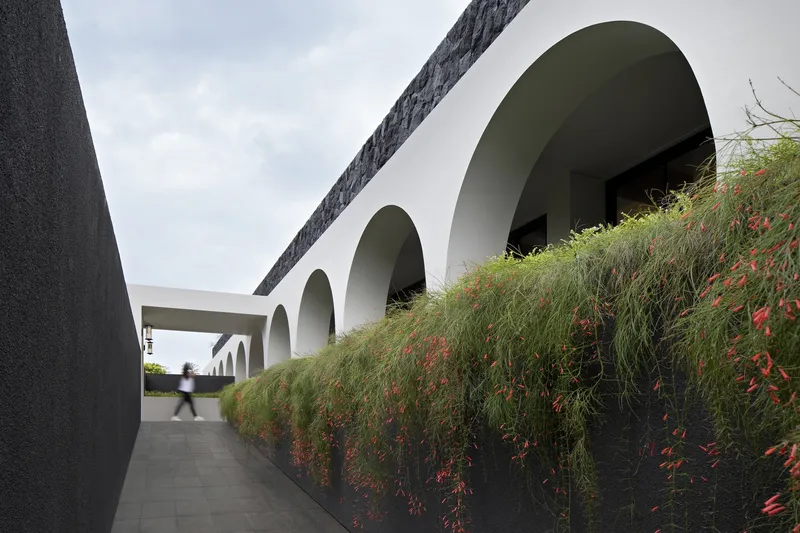

Emphasis on Openness and Light
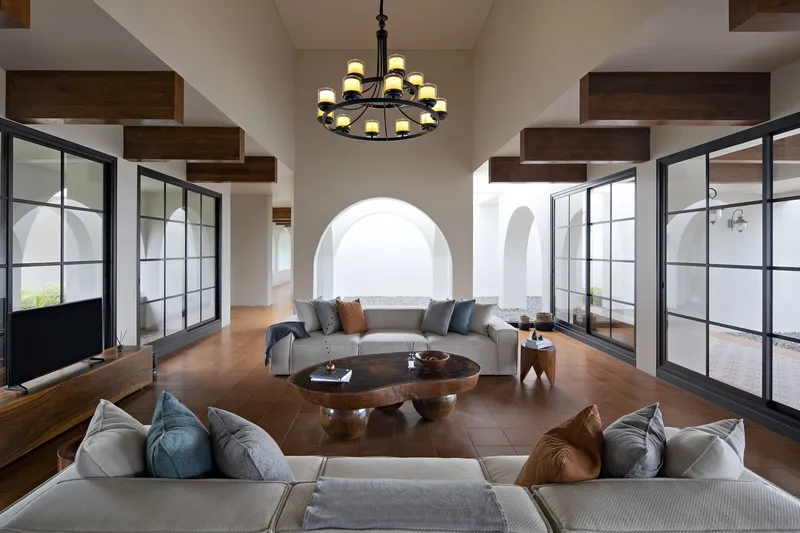
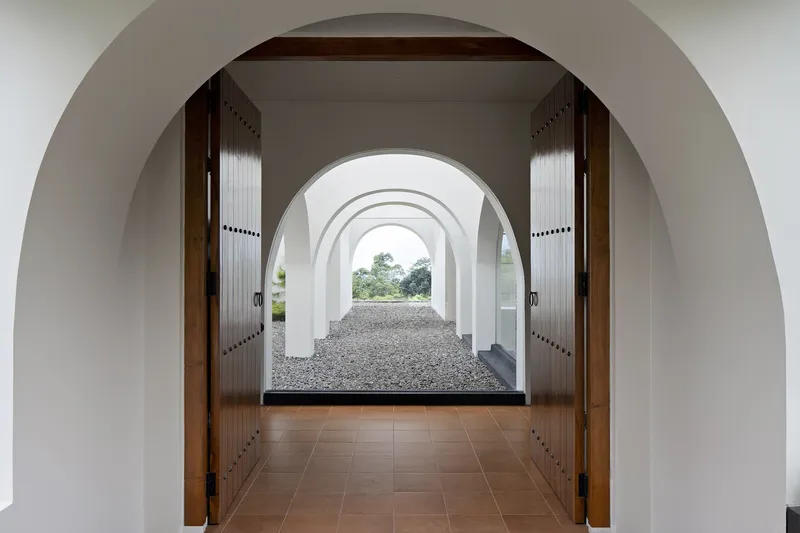
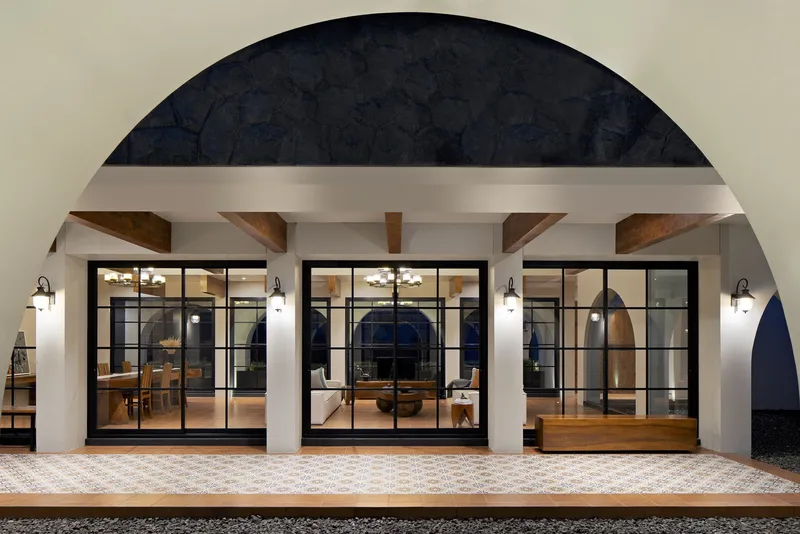
The residence’s design maximizes the use of natural light, with large paned windows that frame the surrounding landscapes and bring the outside in. The internal spaces, including the arched carved wooden doors and oversized faux wooden beams, echo the villa's architectural theme, contributing to an atmosphere of warmth and comfort. The use of terracotta and Talavera-patterned tiles adds splashes of color, infusing the spaces with personality and vibrancy.


Sustainable Practices and Community Engagement
Eco-friendly Materials and Techniques
Villarci Residence’s construction utilized local materials and sustainable techniques wherever possible, reducing its environmental footprint. The choice of locally sourced stonework and timber products not only supports the local economy but also reduces the transportation emissions associated with building materials.



Collaboration with Local Craftsmanship
The project’s success was bolstered by the involvement of local workers, whose expertise in traditional construction methods added a layer of authenticity and sustainability to the build. This participatory approach fostered a sense of community pride and ownership, further integrating the villa into the fabric of local life.


A Benchmark in Contemporary Villa Design
The Villarci Residence by Gets Architects stands as a testament to the possibilities of contemporary villa design. It showcases how modern architectural practices can be harmoniously blended with traditional elements and environmental consciousness to create a living space that is both luxurious and sustainable. As such, it serves as an inspiration for future projects aiming to balance aesthetic appeal with practicality and respect for the natural world.
All photographs are work of Mario Wibowo



Popular Articles
Popular articles from the community


Hill & Cross Opera: Sculptural Opera House Architecture Shaped by Tallinn’s Landscape and Identity
Hill & Cross Opera reimagines opera house architecture in Tallinn through its sculptural hill, civic plaza, glass wave and a luminous cross.

Riyadh For All: Intergenerational Urban Design for Active Aging in Rabat
Riyadh For All reimagines urban design in Rabat with intergenerational co-living, adaptive courtyards, and Moroccan cultural exchange today.

The Musturak Paradise: Senior Living Architecture for a Connected Future in Temara, Morocco
The Musturak Paradise reimagines senior living architecture in Temara via private homes, social spaces, culture, community, and shared care.

Conexión: Biophilic Design Reimagines High-Rise Living in Hong Kong
Conexión reimagines high-rise living in Hong Kong through biophilic design, green facades, shared spaces, daylight, water and nature within.


Similar Reads
You might also enjoy these articles


Hodi-Mandai Geram
Project Function: Preservation and revitalization of the Intangible heritage and socio-spatial identity of the Hodi by Housing, Cultural Memory Center, Sacred Grove, landscape, local tourism economy


Olio Towers: A Mid-Rise for Performers That Fuses Housing, Rehearsal, and Stage
Located blocks from Houston's Theater District, this modular tower stacks living units around a central performance atrium.

Oasis: Modular Green Housing Carved into Dhaka's Urban Fabric
A shortlisted Plugin Housing entry reclaims unauthorized settlements in Dhaka with stepped concrete volumes, green roofs, and ventilation-driven design.

Black Hole: A Floating Megastructure for the Post-Physical Era
Emiliano Mazzarotto envisions a spherical, self-scaling arena where e-sports, digital hotels, and holographic stadiums replace traditional public space.


Explore Architecture Competitions
Discover active competitions in this discipline



Challenge to reimagine the Iron Throne


Photograph architecture without architects


Illustrate the lost glory of Angkor Wat - Render Challenge


Design challenge to reuse E-waste
Comments (0)
Please login or sign up to add comments
No comments yet. Be the first to comment!